Colorado Fishing Season Dates and Bag Limits
The sheer joy of casting a line into Colorado's pristine waters is often tempered by a familiar frustration: understanding the complex web of fishing regulations, especially when it comes to season dates and bag limits. It’s easy to feel overwhelmed, trying to figure out what's open, what's closed, and how many fish you can actually keep. This comprehensive guide aims to demystify Colorado's fishing seasons and bag limits, providing clear, actionable information so you can spend less time scratching your head and more time on the water.
Understanding Colorado's General Fishing Season
One of the most common questions new anglers to Colorado have is, "When is fishing season?" And the answer, which often surprises them, is that for most waters and most species, fishing is open year-round. This isn't always the case in other states, so it’s a refreshing aspect of angling here, offering incredible opportunities in every season, from spring runoff to hardwater ice fishing.
The Year-Round Opportunity
Imagine a crisp winter morning, snow falling gently as you jig for lake trout through the ice, or a warm summer evening casting dry flies to rising trout. Colorado's general year-round fishing season truly offers something for everyone, no matter the calendar date. This broad allowance is a testament to the diverse fisheries managed by Colorado Parks and Wildlife (CPW), encompassing everything from high-alpine lakes to expansive plains reservoirs. It means that with the right gear and knowledge, you can always find a place to fish, even when many other outdoor activities are put on hold due to weather. This continuous access encourages more participation and allows anglers to develop skills across different conditions and species throughout the entire year. It also simplifies the overall regulatory framework for general statewide fishing, ensuring that most anglers don't need to memorize specific opening and closing dates that change annually.
Important Exceptions to the Rule
While the general rule is year-round fishing, Colorado, being a state rich in unique ecosystems and sensitive species, does have crucial exceptions. These exceptions are typically put in place for conservation, often protecting fish during vulnerable spawning periods or in specific areas where populations are fragile. For instance, certain tributary streams might close seasonally to protect spawning trout or Kokanee salmon, preventing disturbance during their critical reproductive cycles. You might find specific sections of rivers, particularly Gold Medal Waters or designated Wild Trout sections, with seasonal closures or even special "catch-and-release" only periods to safeguard native or wild populations. High-country lakes, while technically open year-round, are often inaccessible due to snow and ice for much of the late fall, winter, and spring, naturally limiting their "fishable" season. Always remember that these exceptions are vital for maintaining healthy fisheries for future generations, and knowing about them is a key part of being a responsible angler.
Delving into Specific Species Season Dates
While many fish species in Colorado can be pursued year-round, some have very specific seasonal considerations, primarily related to their spawning cycles. Understanding these nuances is key, not just for compliance but also for ethical angling.
Kokanee Salmon Spawning Closures
Perhaps the most prominent and strictly enforced seasonal closures in Colorado revolve around the magnificent Kokanee salmon. These landlocked sockeye salmon have a fascinating life cycle, migrating from large reservoirs into tributary streams to spawn in the fall. During this critical period, usually from September through December, specific streams, and sometimes even sections of reservoirs, are closed to all fishing to allow the Kokanee to complete their spawning undisturbed. This is a vital conservation measure to ensure the next generation of these vibrant fish. For example, popular spawning areas like those around Blue Mesa Reservoir or Eleven Mile Reservoir will have clearly marked closures. Trying to fish these areas during a closure, even if you’re targeting another species, is a serious violation. These closures are well-publicized by CPW, and you should always check the current year's fishing regulations brochure, which you can often find readily available at license vendors or even online. It's an incredible sight to see these fish during their run, but remember, observe, don't disturb.
Lake Trout and Other Deepwater Fish Considerations
Lake trout, being coldwater fish that inhabit deep, large reservoirs like Blue Mesa or Granby, don't typically have specific season closures in the same way Kokanee do. You can generally fish for them year-round. However, their behavior and where you find them certainly change with the seasons. In winter, they are often accessible through the ice, found on humps and drop-offs. In summer, they retreat to the thermocline in deeper water, requiring specialized techniques like downrigging or deep jigging. While there aren't official "seasons" in terms of closures, understanding their seasonal movements is crucial for successful angling. For species like walleye, crappie, or bass in warmer waters, fishing is also generally year-round. However, catch rates and preferred methods will vary dramatically from spring spawning to summer patterns to winter lethargy. For instance, spring can be prime time for walleye as they move shallow to spawn, making them more accessible to shore anglers, while summer might require trolling open water or focusing on low-light periods.
Decoding Colorado's Bag and Possession Limits
Understanding bag and possession limits is paramount for any angler in Colorado, and frankly, it's where many people get confused. These aren't just arbitrary numbers; they're carefully set by CPW to manage fish populations and ensure sustainable fishing for everyone. Getting this wrong can lead to serious fines and even loss of fishing privileges.
Daily Bag Limits Explained
The daily bag limit refers to the maximum number of fish of a particular species or group of species you are legally allowed to harvest and keep in a single day. This is the number you can put in your cooler or on your stringer from midnight to midnight. For instance, if the daily bag limit for trout is 4, you can only keep 4 trout from the time you start fishing on a given day until that day ends at midnight. Once you hit that limit, you must cease fishing for that particular species for the rest of the day, even if you feel like you could catch more. This limit helps distribute the catch among anglers and protects fish populations from being overharvested on a daily basis. It’s important to remember that once a fish is put on a stringer or in a cooler, it counts towards your daily limit and cannot be released, even if you catch a bigger one later. You'll find these daily limits detailed in the annual Colorado Fishing Regulations Every Angler Should Know brochure provided by Colorado Parks and Wildlife.
Clarifying Possession Limits
The possession limit, on the other hand, refers to the maximum number of fish of a particular species or group of species that you can have in your possession at any given time, whether on your person, in your cooler, in your vehicle, or stored at your camp or home. This is often, but not always, higher than the daily bag limit. Think of it as your cumulative total. So, if the daily bag limit for trout is 4, and the possession limit is 8, you could catch and keep 4 trout on Monday and another 4 trout on Tuesday, having a total of 8 trout in your freezer at home. However, you couldn't catch 4 on Monday, 4 on Tuesday, and then go out and try to catch another 4 on Wednesday if you still had all 8 from the previous days in your possession. You'd need to consume or give away some of the fish to reduce your possession total before you could legally keep more. The primary purpose of the possession limit is to prevent anglers from stockpiling large quantities of fish over multiple days, further aiding in sustainable management. The distinction between these two limits is critical, and understanding Possession Limits vs Daily Limits in Colorado will keep you in compliance.
Species-Specific Bag Limits: What You Need to Know
Colorado is home to a fantastic array of fish species, each with its own set of management goals and, consequently, its own specific bag limits. These limits can vary not only by species but sometimes by the specific body of water you’re fishing, especially in areas with special regulations. It's not a one-size-fits-all situation, and this is where checking your regulations for the exact water you plan to fish becomes absolutely vital.
Trout Bag Limits
Trout are undoubtedly the most popular game fish in Colorado, and understanding their limits is essential. Generally, the statewide daily bag and possession limit for trout (Rainbow, Brown, Brook, Cutthroat, Lake Trout, Tiger Trout, and their hybrids) is 4 fish. This means you can keep a combined total of any 4 trout species in a day. However, this is just the general rule, and it's full of critical exceptions. Many waters, especially our renowned Gold Medal Rivers and designated Wild Trout Waters, often have much stricter limits, frequently requiring catch-and-release only or allowing the harvest of only one or two fish within a very specific size range. For example, some stretches might have a 14-inch minimum or maximum length limit, or even a slot limit where fish within a certain size range must be released. It's common to see a daily bag limit of 2 trout, with only one over 16 inches, or even catch-and-release for all trout species in high-value fisheries like the Fryingpan River or sections of the South Platte. This level of detail is critical, so always consult the most current regulations for your specific fishing destination. When considering How Many Trout You Can Keep Per Day in Colorado, remember to check those local rules.
Kokanee Salmon Bag Limits
Kokanee salmon are a beloved species, especially during their fall spawning runs, and their bag limits are often different from trout due to their unique life cycle and management. While the general statewide daily bag and possession limit for Kokanee salmon is usually 10 fish, this can be drastically reduced or entirely prohibited in certain areas, particularly during their spawning season. For example, during the fall spawning months, the bag limit on certain lakes and reservoirs might remain 10, but tributary streams where they actively spawn will be closed entirely to fishing. Other specific waters might have reduced limits, perhaps 5 or even 1 fish, to protect local populations. These regulations are designed to allow a sustainable harvest while ensuring enough fish make it to the spawning grounds to reproduce. It's not uncommon to find signs posted at popular Kokanee fishing spots detailing these specific restrictions, but relying solely on signs isn't enough; always confirm with the official CPW brochure. To fully enjoy Kokanee Salmon Fishing in Colorado, knowing these limits is key.
Walleye, Pike, and Bass Limits
Beyond trout and salmon, Colorado’s warm water fisheries also offer exciting opportunities for species like walleye, northern pike, largemouth bass, and smallmouth bass. The bag limits for these species are generally more liberal than trout, often reflecting different management goals, sometimes even encouraging harvest of non-native or overabundant species.
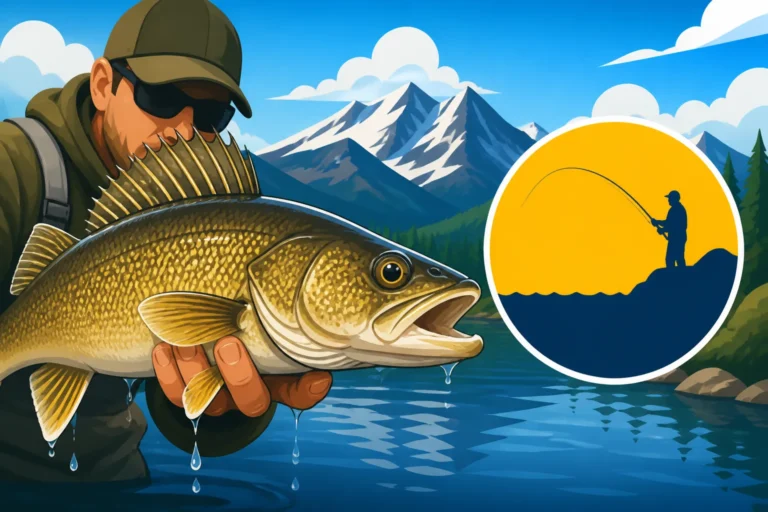
For walleye, the daily bag and possession limit is typically 5 fish, with no more than one over 21 inches. This slot limit is a common tool to protect the larger, more productive spawning females, ensuring they continue to contribute to the population. Popular walleye fisheries like Pueblo Reservoir or Cherry Creek Reservoir are carefully managed with these specific regulations to maintain a healthy fishery.
Northern pike often have very generous limits, sometimes even no limit at all on certain waters, particularly in areas where they are considered invasive or a threat to native trout populations, such as in parts of the Gunnison Basin or Eleven Mile Reservoir. In these instances, CPW actively encourages anglers to harvest pike to help rebalance the ecosystem. However, it's crucial to distinguish these specific waters from others where pike might have standard limits (e.g., 5 fish). Always check the local regulations for pike, as they can vary dramatically. You might find a great deal of information about Northern Pike Fishing in Colorado in the regulations.
For largemouth and smallmouth bass, the daily bag and possession limit is generally 5 fish, with a minimum size limit of 15 inches in some waters. This minimum size ensures that fish have a chance to grow and reproduce before being harvested. Like walleye, these limits help maintain a healthy population structure in bass-heavy waters like Chatfield Reservoir or some of the urban ponds.
Here's a simplified table for common species, but remember, always verify with the current official regulations for the specific water you are fishing.
| Species Group | General Daily Bag Limit | General Possession Limit | Common Special Regulations (Examples) |
|---|---|---|---|
| Trout (Combined) | 4 fish | 4 fish | Catch-and-release, 14-inch minimum/maximum, 2 fish (one over 16") |
| Kokanee Salmon | 10 fish | 10 fish | Spawning area closures, reduced limits (e.g., 5 fish) |
| Walleye | 5 fish | 5 fish | No more than one over 21 inches |
| Northern Pike | 5 fish | 5 fish | No limit in certain designated waters where invasive |
| Largemouth/Smallmouth Bass | 5 fish | 5 fish | 15-inch minimum size limit in some waters |
| Crappie | 20 fish | 20 fish | |
| Yellow Perch | 20 fish | 20 fish | |
| Channel Catfish | 10 fish | 10 fish |
Other Species and Their Limits
Colorado's waters also hold other exciting species like crappie, yellow perch, channel catfish, and even wiper (a hybrid striped bass). Generally, panfish like crappie and perch have more liberal limits, often around 20 fish daily and in possession, due to their reproductive rates and smaller size. Channel catfish usually have a limit of 10 fish. Wiper limits often align with walleye, around 3-5 fish, sometimes with a size restriction. Again, these are general guidelines, and it's the specific water body's regulations that dictate the actual rules. Urban ponds, for example, often have very different regulations compared to large reservoirs, tailored to their unique environments and angler pressure.
Navigating Special Regulation Waters
Colorado is renowned for its diverse fishing opportunities, and a significant part of that diversity comes from its myriad of special regulation waters. These are specific rivers, lakes, or sections of waterways where the general statewide rules for seasons, bag limits, and methods of take (like bait restrictions or barbless hooks) are superseded by unique, often stricter, guidelines. Ignoring these can quickly turn a fantastic fishing day into a frustrating and expensive encounter with a wildlife officer.
Gold Medal Waters and Wild Trout Sections
Colorado's Gold Medal Waters are truly the crown jewels of our fishing scene, representing stretches of rivers and lakes that consistently hold at least 60 pounds of trout per acre and at least twelve 14-inch or larger trout per acre. These areas are managed for trophy-sized fish and incredible angling experiences, which naturally means they come with very specific and often more restrictive regulations. Most Gold Medal Waters, like those on the Fryingpan River, the Arkansas River, or sections of the Colorado River, typically have catch-and-release only rules for trout, or a highly restrictive bag limit of one or two fish within a very tight size slot, often accompanied by mandatory fly and lure only restrictions and barbless hooks. The goal here is to protect the exceptional fish populations that make these waters so special. Similarly, Wild Trout Sections, designated for naturally reproducing populations, often carry similar restrictive regulations to ensure the long-term health and sustainability of these self-sustaining fisheries. Before heading to any of these famous spots, make sure you've thoroughly reviewed Colorado's Gold Medal Water Regulations Explained.
Restricted Lakes and Reservoirs
It's not just rivers that have special regulations. Many lakes and reservoirs across the state, particularly those managed for specific species or conservation efforts, will also have unique rules. For example, some high-alpine lakes might be managed exclusively for native cutthroat trout, leading to catch-and-release mandates or specific gear restrictions to protect these fragile populations. Reservoirs that are part of a larger water system, or those undergoing rehabilitation, might have temporary closures, bait bans, or altered bag limits for certain species. A classic example would be specific parts of Blue Mesa Reservoir, which is known for both trophy lake trout and robust kokanee salmon populations, where there might be different limits for each, or closures during spawning runs. Urban ponds often have "two-rod stamp" allowances, but other rules, such as artificial lures only or specific times for fishing, might apply. The rationale behind these restrictions is always ecological: to ensure the health and balance of the specific aquatic ecosystem.
Seasonal Closures for Conservation
Beyond the Kokanee spawning closures mentioned earlier, other conservation-focused seasonal closures can occur. These might protect other spawning fish, sensitive wildlife (like nesting birds of prey), or even prevent disturbance during periods of environmental stress, such as low water flows or high water temperatures that make fish more vulnerable. For instance, in severe drought years, CPW might implement "voluntary hoot owl" restrictions on certain rivers, encouraging anglers to fish only during the cooler morning hours, or even close entire stretches of river to protect trout from heat stress. While not a "season date" in the traditional sense, these closures are critical to heed for the well-being of the fish. Always check CPW's official website or local postings for any emergency or temporary closures before you head out, as these can change quickly and without much warning. It's a prime example of why reading the Reading Colorado's Fishing Regulations Brochure before each season is so important.
The Importance of Checking Current Regulations
If there’s one piece of advice that cannot be overstated when fishing in Colorado, it's this: always check the most current regulations before you go fishing. Relying on what you "think" the rules are, or what they were last year, is a recipe for trouble. Regulations are living documents, constantly updated by Colorado Parks and Wildlife to reflect changes in fish populations, environmental conditions, and management strategies.
Where to Find the Latest Information
The primary and most authoritative source for all Colorado fishing regulations is the official Colorado Parks and Wildlife (CPW) annual fishing brochure. This comprehensive guide is updated every year and is available both online on the CPW website and in physical print at most license vendors, sporting goods stores (you might even find them alongside other fishing essentials on Amazon), and CPW offices. It's incredibly important to note that the brochure is usually valid for a specific period, typically from April 1st of one year to March 31st of the next. Don't rely on outdated versions. Beyond the annual brochure, CPW maintains an active website with a "Fishing Atlas" tool which is immensely helpful for visualizing regulations on specific bodies of water. They also issue news releases and alerts for emergency closures or significant regulation changes. Before planning your trip, consider using the Using Colorado's Fishing Atlas to Plan a Trip.
Why Regulations Change Annually and Mid-Season
Regulations aren't set in stone because fisheries are dynamic ecosystems. What was a healthy population one year might face challenges like disease, drought, or overfishing the next. CPW employs fisheries biologists who continuously monitor fish populations, habitat health, and angler pressure across the state. Based on their scientific assessments, adjustments to bag limits, season dates, or special restrictions might be necessary to ensure the long-term sustainability of the resource. For example, if a reservoir's walleye population shows signs of decline, the size limits or bag limits might become stricter. Conversely, if an invasive species like northern pike is overrunning a particular water and threatening native trout, limits might be increased or even removed to encourage harvest. Furthermore, unforeseen events like severe droughts, wildfires, or major fish kills can necessitate emergency closures or restrictions mid-season to protect vulnerable fish. These mid-season changes are critical and are usually announced via news releases and posted prominently on the CPW website. It’s a good habit to check for updates a day or two before any planned trip, especially if you're heading to a new area or during periods of environmental stress.
Consequences of Not Following Season Dates and Bag Limits
Angling in Colorado is a privilege, not a right, and it comes with the responsibility to understand and abide by the rules. Ignorance of the law is never an excuse, and violating fishing regulations can lead to serious consequences that can quickly ruin your day on the water and impact your future angling opportunities.
Fines and Penalties
The most immediate and common consequence of violating fishing regulations, such as keeping over the bag limit or fishing in a closed area, is a citation and significant financial penalty. These fines can range from hundreds to thousands of dollars, depending on the severity of the offense and the species involved. For instance, knowingly exceeding bag limits on protected species or in sensitive waters can result in much higher fines than minor infractions. Beyond the base fine, you might also face surcharges, court costs, and additional penalties, making even a seemingly small mistake quite expensive. Wildlife officers are frequently patrolling Colorado's waterways, and they are well-versed in the regulations. Their job is to protect the resource, and they take violations seriously. The financial hit can be substantial, making the cost of catching a few extra fish far outweigh any perceived benefit. Understanding What Happens If You Fish in Colorado Without a License can provide insight into the seriousness of these penalties.
Loss of Fishing Privileges
Perhaps even more impactful than financial penalties is the potential loss of your fishing privileges. Depending on the nature and severity of the violation, you could face suspension or revocation of your Colorado fishing license. This means you would be legally prohibited from fishing in Colorado for a specified period, which could range from a year to several years. For repeat offenders or those involved in particularly egregious violations (like commercial poaching), these bans can be even longer or permanent. Furthermore, Colorado is part of the Wildlife Violator Compact, an agreement among many states to honor each other's wildlife license suspensions. This means if your fishing license is suspended in Colorado, you could also lose your hunting and fishing privileges in participating states, effectively impacting your ability to enjoy these outdoor pursuits across a vast region. This consequence underscores the importance of adhering to all regulations, as a momentary lapse in judgment could lead to a long-term loss of access to the sport you love.
Planning Your Fishing Trip Around Seasons and Limits
Planning is an angler's best friend, especially in a state with such diverse fishing opportunities and specific regulations as Colorado. By integrating season dates and bag limits into your planning process, you can ensure a successful, enjoyable, and compliant trip.
Matching Your Target Species to Open Seasons
Before you even pack your rod and reel, decide what species you'd like to target. If you're dreaming of a vibrant Kokanee salmon, you'll want to plan your trip outside of their spawning stream closures in the fall, focusing instead on lakes like Blue Mesa or Eleven Mile during their peak feeding times in summer or early fall. If it's trophy brown trout you're after, you'll likely be looking at Gold Medal Rivers, which means you'll need to be prepared for catch-and-release rules and potentially artificial flies and lures only. For a casual family outing targeting easy-to-catch rainbow trout, a heavily stocked urban pond or a large reservoir is often your best bet, where limits might be more generous and bait fishing is allowed. Aligning your target species with their general activity periods and known regulatory frameworks will save you time and greatly increase your chances of success. Thinking about Colorado's Trout Species, A Field Guide can help you decide.
Researching Specific Water Regulations
Once you have a general idea of your target species and the time of year, dive into the specifics of the waters you plan to visit. As we've discussed, statewide regulations are just a starting point. Every river, lake, or reservoir can have its own unique set of rules. Use the CPW online Fishing Atlas to pinpoint your exact location and review the specific regulations for that body of water. Pay close attention to:
- Daily and Possession Limits: Are they the general statewide limits, or are they more restrictive for your target species?
- Size Restrictions: Is there a minimum size, a maximum size, or a slot limit for certain fish you might keep?
- Method of Take: Is it fly-and-lure only? Are barbed hooks allowed? Can you use bait?
- Seasonal Closures: Are there any parts of the water, or the entire water, that are closed during your planned visit?
It's a good practice to print out or save a digital copy of the specific regulations for the waters you'll be fishing, keeping it handy on your phone or in your tackle box. This due diligence ensures you're fishing legally and responsibly, contributing to the health of Colorado's incredible fisheries. Knowing the nuances of Colorado Fishing Seasons Month by Month will enhance your research.
Packing the Right Gear and Knowledge
Your gear should always match the regulations of the water you're fishing. If a Gold Medal Water requires artificial flies and lures only with barbless hooks, leave your worm container and barbed treble hooks at home. If you plan to keep fish, make sure you have a measuring tape and a scale if size and weight limits apply, especially for species like lake trout or walleye where slot limits are common. Beyond physical gear, pack your knowledge. Know how to properly identify the different species of trout, for example, to ensure you're compliant with specific cutthroat regulations versus rainbow trout limits. A little preparation goes a long way in ensuring a memorable and legal fishing experience in the Centennial State.
Disclaimer
The information provided in this guide is for general informational purposes only and is subject to change. While every effort has been made to ensure accuracy, Colorado fishing regulations are complex and can change frequently. Always consult the official Colorado Parks and Wildlife (CPW) annual fishing brochure and their official website for the most current and specific regulations for any body of water you plan to fish. Reliance on any information provided in this guide is solely at your own risk.