How Long After a Storm Colorado Rivers Clear Up
Colorado river clarity after storms depends on runoff, sediment load, tributaries, erosion, and watershed characteristics.
Match the method to the moment.
Seasonal patterns, proven tactics, rigging and presentation basics, bait choices, and how to adapt as conditions change.
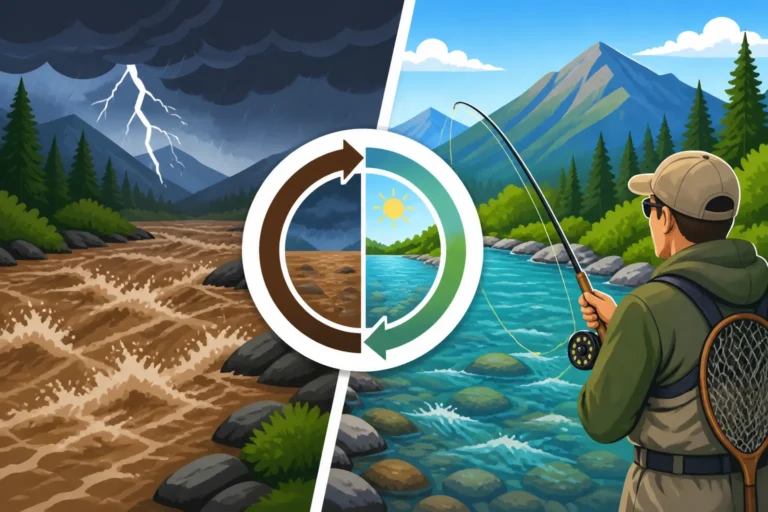
Colorado river clarity after storms depends on runoff, sediment load, tributaries, erosion, and watershed characteristics.
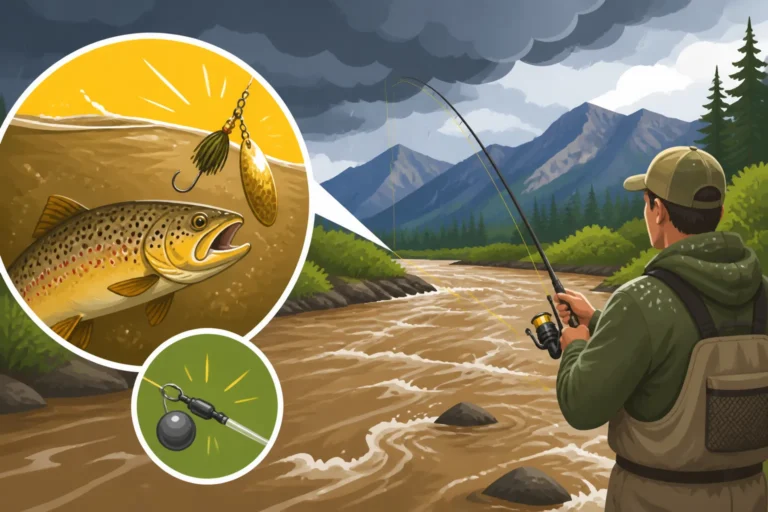
Colorado trout fishing tactics explain how rain sediment and strong currents alter fish behavior in murky mountain rivers.
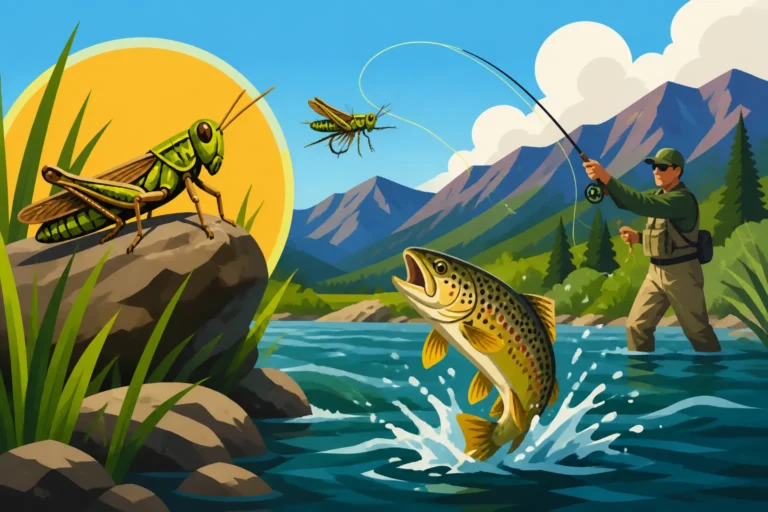
Colorado grasshopper season peaks from late July through August when warm summer weather makes adult insects active near rivers.
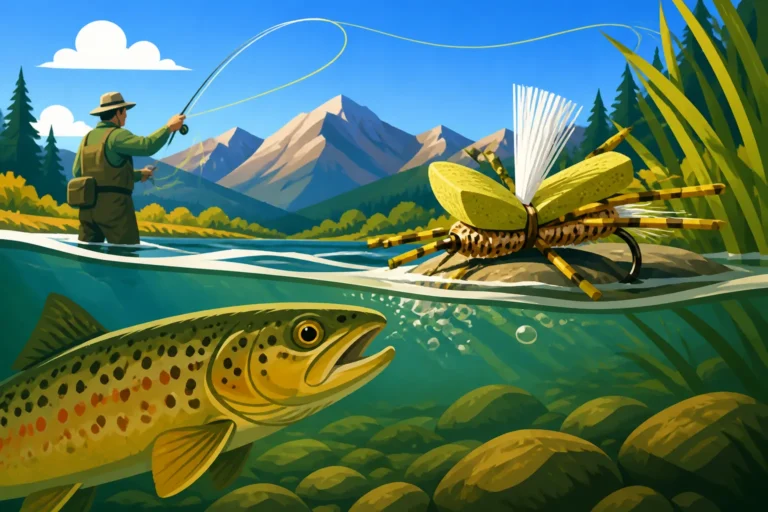
Foam hopper patterns help Colorado anglers catch trout during late summer by mimicking natural grasshopper migrations along river banks.
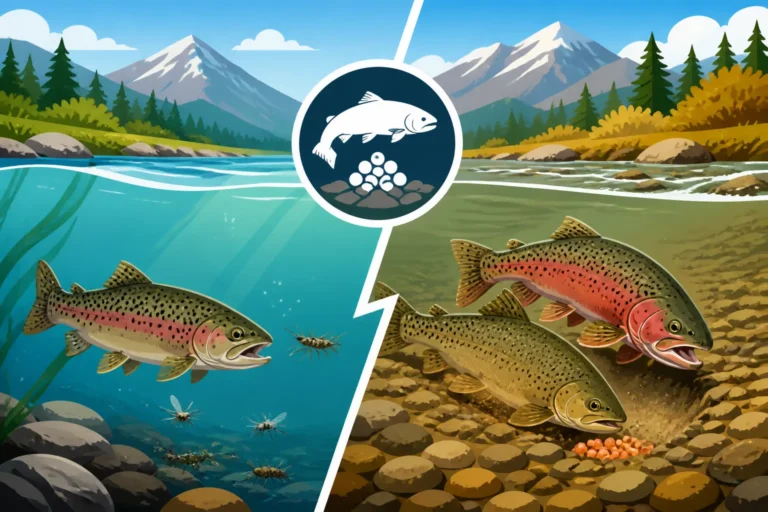
Colorado trout spawning behavior alters feeding locations and strategies for rainbow, brown, brook trout, and kokanee salmon.
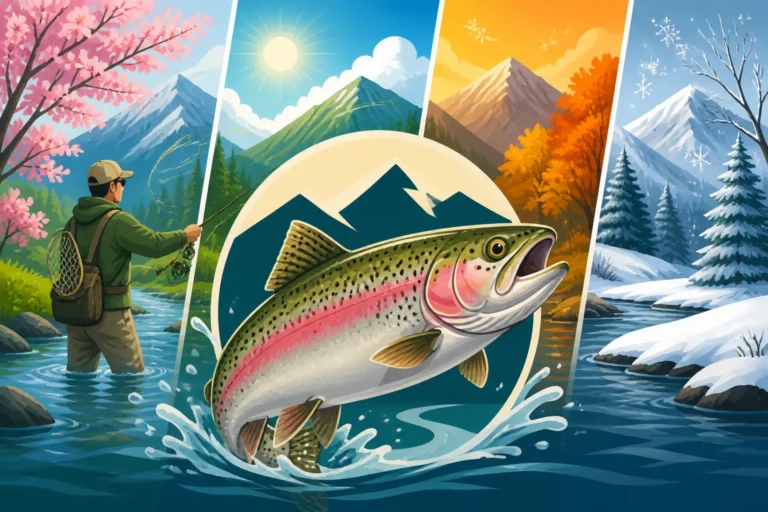
Trophy rainbow trout fishing seasons in Colorado help anglers catch fish measuring twenty inches and larger during spring and fall.
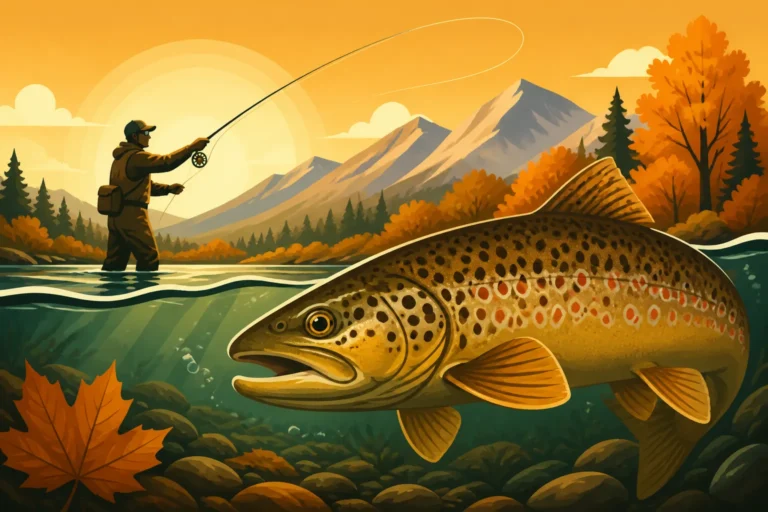
November brown trout fishing in Colorado provides anglers the chance to target large, spawning fish during their autumn migration.
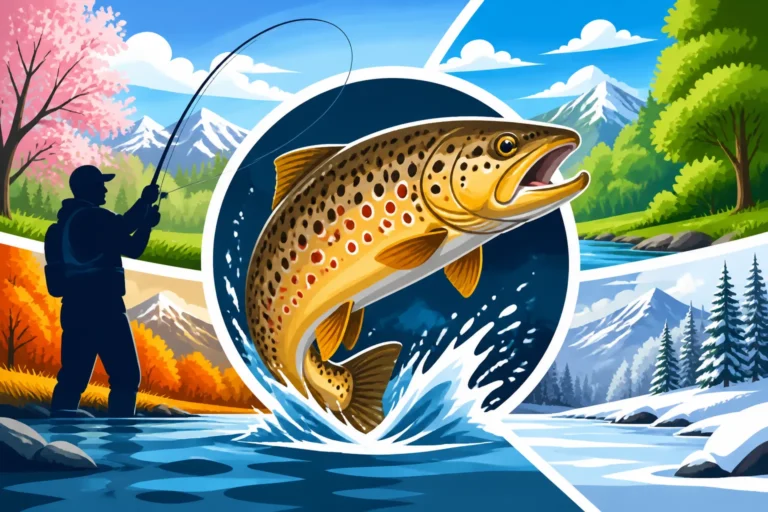
Colorado brown trout behavior and seasonal water temperatures explain why autumn is the best time for catching trophy fish.
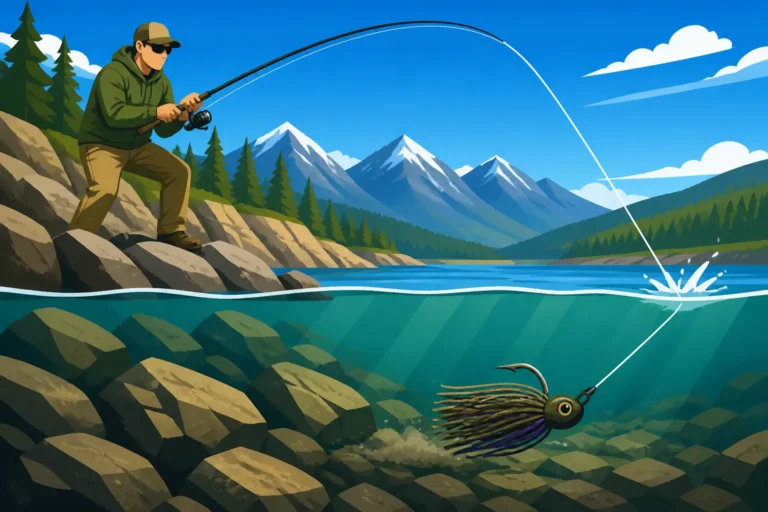
Fishing a jig along rocky Colorado reservoir shorelines helps anglers catch trout, walleye, bass, and pike from the bank.

Colorado mountain lake fishing with a fish finder requires evaluating high altitude water depth, water clarity, and gear weight limitations.