Best Sonar Settings for Locating Lake Trout
Optimal sonar settings and multi-frequency transducer adjustments help anglers locate deep lake trout in large Colorado reservoirs.
Match the method to the moment.
Seasonal patterns, proven tactics, rigging and presentation basics, bait choices, and how to adapt as conditions change.
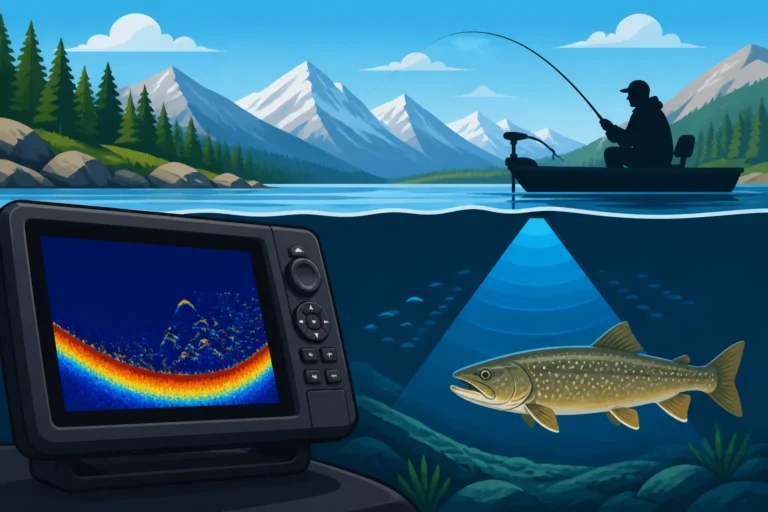
Optimal sonar settings and multi-frequency transducer adjustments help anglers locate deep lake trout in large Colorado reservoirs.
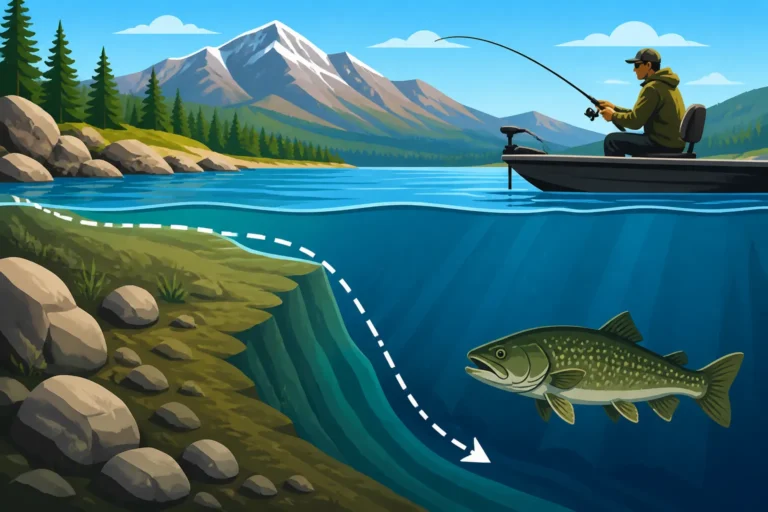
Underwater drop-offs in Colorado reservoirs offer fish shelter and food, helping anglers locate trout, walleye, and salmon.
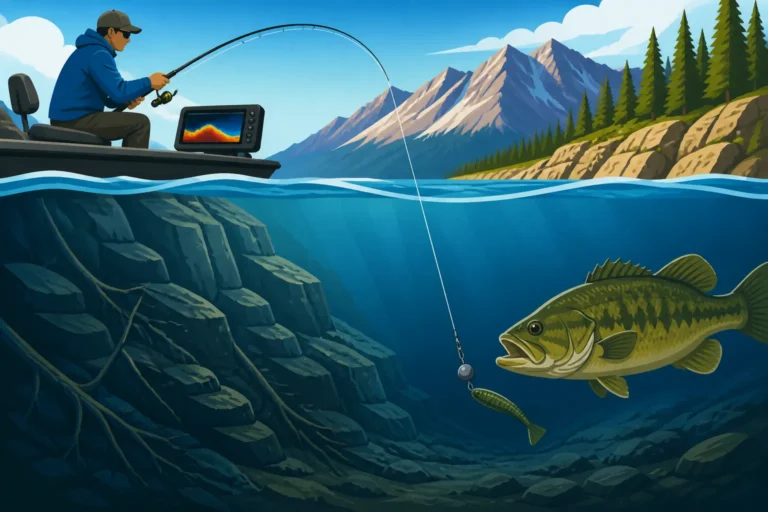
Colorado reservoir deep structure fishing techniques help anglers find fish hiding near submerged rock piles, ledges, and timber.

Colorado tailwaters visitor numbers and angling pressure differ significantly between busy weekends and quieter weekdays.

Colorado river angler traffic varies by season, letting anglers plan quieter trips for solitude during winter, late autumn, and high runoff.
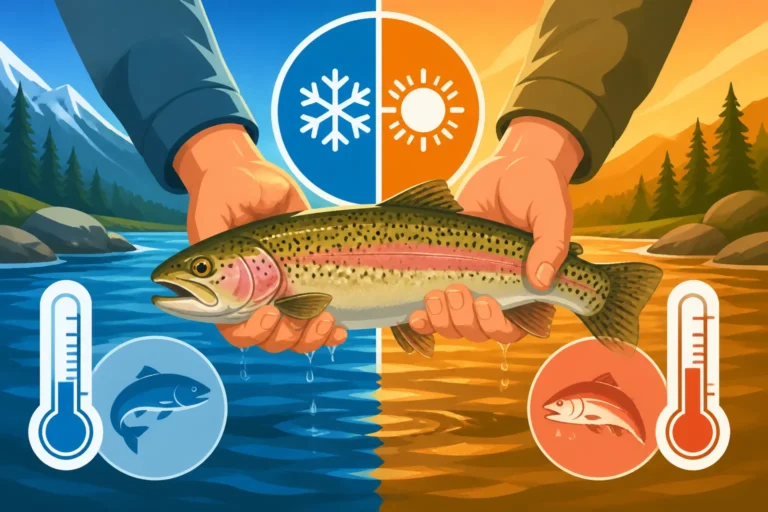
Water temperature and dissolved oxygen levels explain trout survival rates after catch-and-release fishing in Colorado rivers.
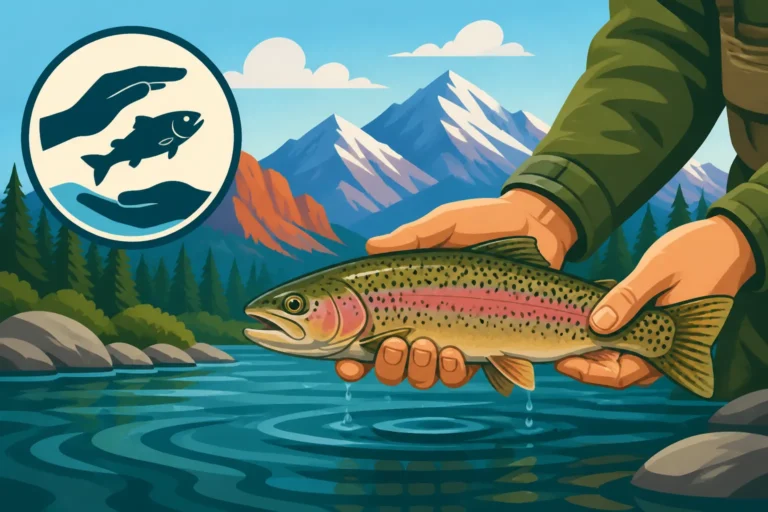
Colorado trout handling and release practices explain how to minimize stress and ensure fish survive after being caught.
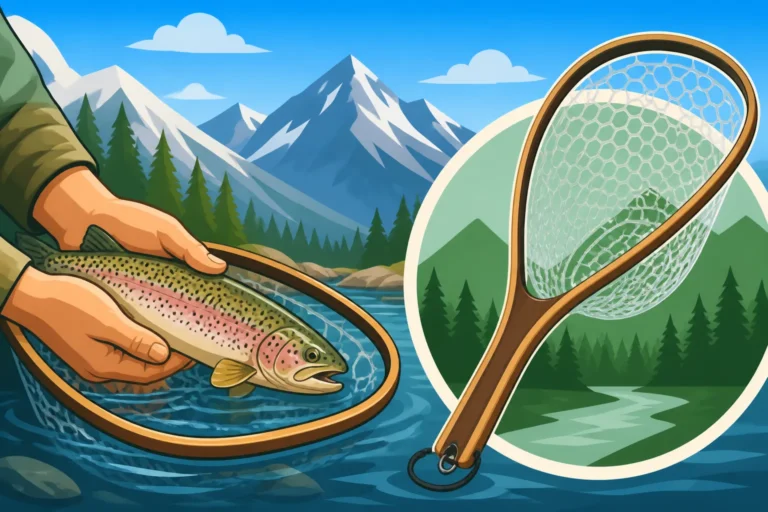
Rubberized mesh landing nets protect delicate Colorado trout slime coats and scales while preventing hook snags during release.
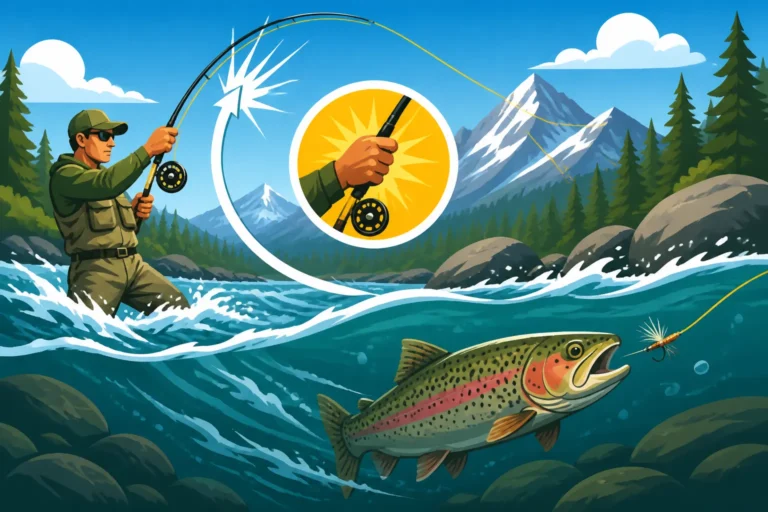
Fast water hook set techniques help anglers in Colorado rivers read current seams, detect trout takes, and land more fish.
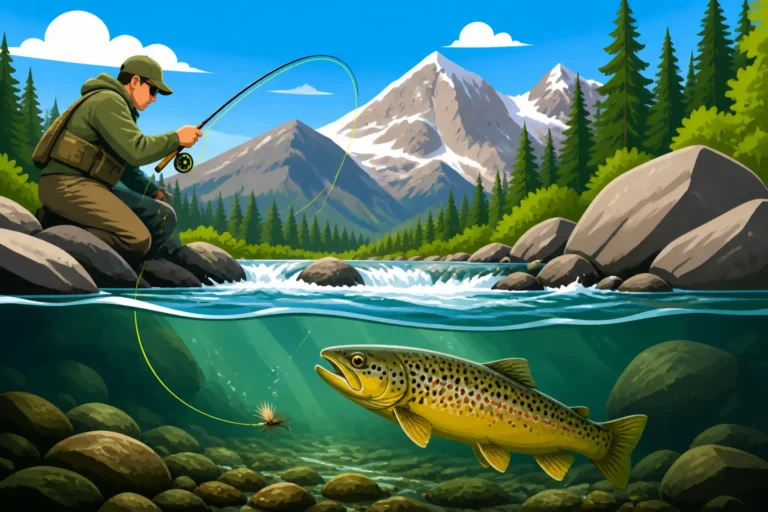
Colorado pocket water fishing techniques help anglers target trout resting behind boulders in turbulent mountain streams.