Best Season to Catch Trophy Brown Trout in Colorado
If you've spent any time casting lines in Colorado, you know the dream: that massive, olive-backed brown trout, often elusive, sometimes downright legendary. Catching a truly trophy-sized brown isn't just about being on the water; it’s about being there at the right time with the right approach. Many anglers get frustrated feeling like they're missing something, continually hooking smaller fish. This guide dives deep into exactly when and how to maximize your chances of landing that magnificent, once-in-a-lifetime Colorado brown trout.
Understanding Brown Trout Behavior in Colorado
Before we can pinpoint the best season, it's crucial to understand what makes a brown trout tick here in Colorado. These fish are remarkable survivors, adapting to diverse waters from high-country streams to deep, cold reservoirs. Their behavior changes dramatically with the seasons, driven primarily by water temperature, food availability, and the irresistible urge to reproduce.
The Lifecycle and Feeding Habits of Colorado Browns
Brown trout, unlike some other trout species, are not native to Colorado, but they’ve made themselves incredibly at home. They're opportunistic feeders, meaning they'll eat whatever is readily available, but their diet becomes more selective and aggressive as they grow larger. Juvenile browns might munch on tiny nymphs and emerging insects, but those truly massive, 20-inch-plus specimens are often piscivorous—meaning they love to eat other fish. This includes smaller trout, sculpins, dace, and even crawdads. Think of it this way: to get big, they need to eat big. This shift in diet is a critical factor when planning your trophy hunt. As fall approaches, their need for high-calorie meals intensifies, making them less wary of larger offerings.
Why Water Temperature is Key to Trophy Trout
Water temperature is the ultimate controller of a brown trout's metabolism and activity levels. Too cold, and they become lethargic, conserving energy and feeding sparingly. Too warm, and they get stressed, seeking refuge in deep, oxygenated pockets, also feeding less. The sweet spot for brown trout is typically in the 45-65°F range. When temperatures are within this optimal window, their metabolism is high, making them more active and aggressively seeking food. This is particularly true during the shoulder seasons—spring and fall—when temperatures are stable and comfortable for the fish. Understanding How Water Temperature Affects Trout Feeding is fundamental to anticipating their behavior.
Natural Spawning vs. Trophy Opportunities
Brown trout are fall spawners in Colorado, typically beginning their reproductive cycle as water temperatures drop and days shorten, usually from late September through November. This natural event profoundly impacts fishing opportunities. During this pre-spawn and spawning period, male brown trout become incredibly aggressive. They're not just feeding to survive; they're defending territories, competing for mates, and trying to pack on energy reserves for the strenuous act of spawning. While it's vital to respect the fish and avoid disturbing active spawning beds (called "redds"), this aggressive behavior makes them incredibly susceptible to anglers presenting larger, more intrusive flies and lures. We've talked before about Why Brown Trout Spawn in the Fall Instead of Spring, and that biological imperative is precisely what makes autumn so exciting.
Fall: The Undisputed Best Season for Trophy Browns
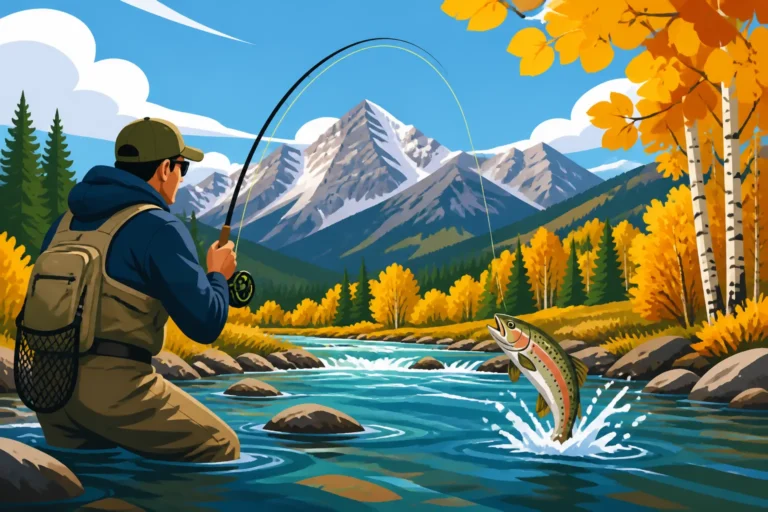
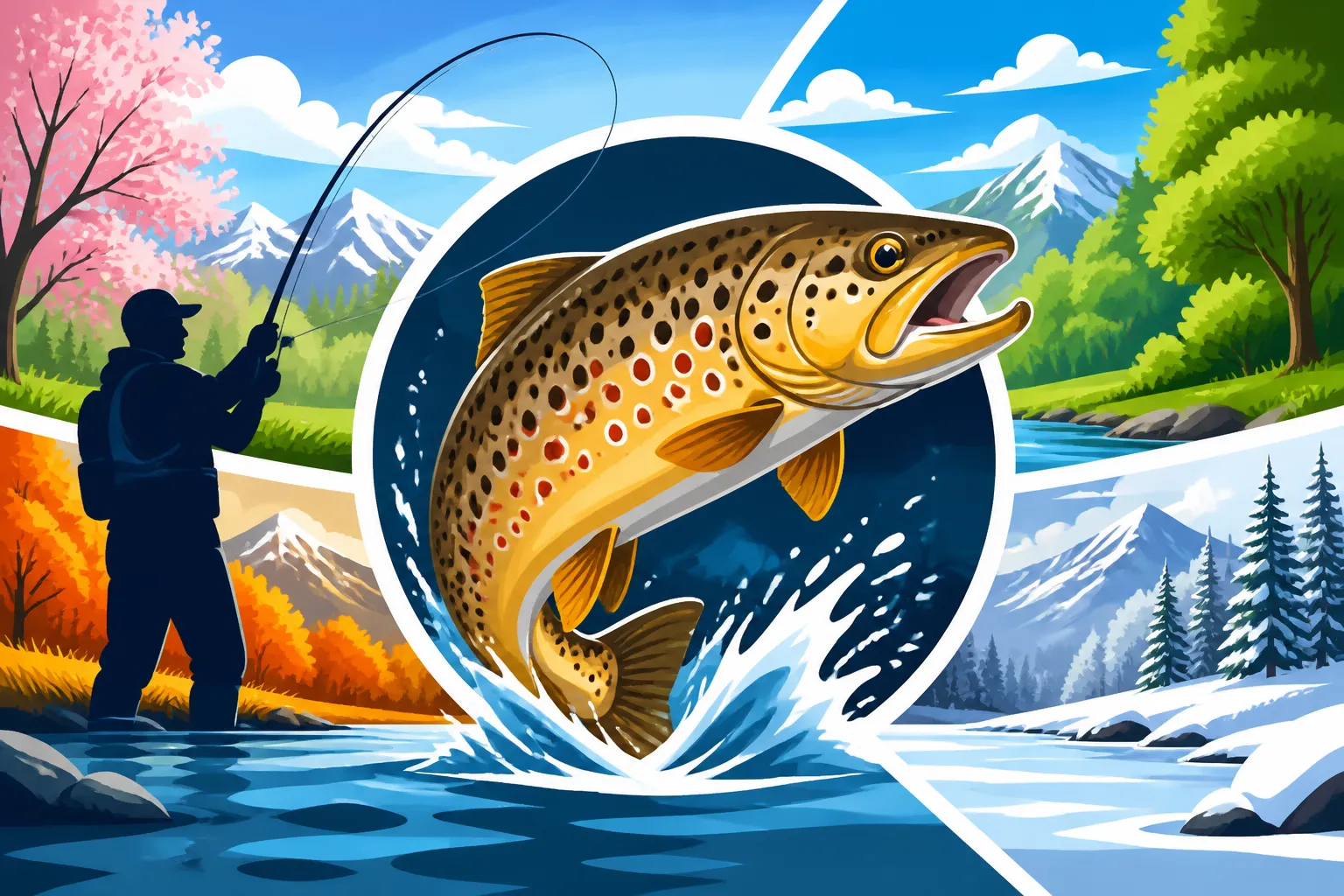
Let's not beat around the bush: if you're chasing that monster brown trout in Colorado, the fall is your golden ticket. From late September through November, conditions align perfectly to give you the best shot at a true trophy. It’s a magical time on Colorado’s rivers and reservoirs, often painted with stunning aspen golds and reds, and teeming with aggressive fish.
The Pre-Spawn Feast and Aggression
As autumn sets in, brown trout embark on a frenzied feeding spree known as the "pre-spawn feast." Their biological clock tells them winter is coming and they need immense energy for spawning. This is when they actively hunt for substantial meals – not just tiny midges, but hefty streamer patterns or larger spin-fishing lures mimicking baitfish. Their territorial instincts also kick into high gear. Males, in particular, will aggressively guard prime lies and potential spawning areas, often striking at anything they perceive as a threat or competition. This aggression means they're less cautious and more willing to chase down a big meal, making them particularly vulnerable to well-presented flies or lures. It's truly a unique window to tempt the biggest, baddest browns in the system.
Ideal Water Conditions in Autumn
Beyond the fish's internal drives, fall delivers some of the most consistent and favorable water conditions of the year. The scorching heat of summer has passed, and water temperatures begin to drop into that perfect 45-55°F range. This coolness invigorates the trout. Critically, the intense spring runoff has long since receded, and summer monsoons are less frequent. This usually means stable water flows, lower and clearer water on many rivers, and a more predictable environment for both fish and angler. You can often see the bottom in places that were murky just a few months prior, which helps with sight fishing. These stable, cooler, and clearer conditions are ideal for the fish to move and feed confidently, making them more accessible than during the extremes of summer heat or winter cold. Knowing how to effectively read Reading Water on a Colorado Freestone River during these conditions is a huge advantage.
Targeting Spawning Runs and Prime Locations
During the fall, brown trout migrate from deeper pools and lake expanses into shallower riffles and gravel beds to spawn. These areas, known as "redds," are where females deposit eggs and males fertilize them. While it's paramount to never wade on or disturb these redds – which appear as clean, light-colored patches of gravel – knowing where browns are likely to spawn helps you identify nearby staging areas. Trophy browns will stage in deeper pools just downstream or upstream from these redds, waiting for their turn, or simply recovering from previous efforts. Targeting these staging areas with large streamers or egg patterns can be incredibly effective. Look for slower, deeper water adjacent to prime spawning habitat. This is when Best Time of Day for Streamer Fishing in Fall often means focusing on low light conditions for aggressive bites. However, always be aware of Colorado Fishing Regulations Every Angler Should Know regarding spawning fish and specific closures.
Other Seasons and Their Trophy Potential
While fall reigns supreme for trophy brown trout, that doesn't mean you should pack away your gear for the rest of the year. Each season offers unique challenges and, with the right approach, opportunities to hook into a large brown. It just might require a different mindset and strategy.
Winter: The Challenge and Reward of Cold-Water Giants
Winter fishing for brown trout in Colorado can be brutally cold, but it offers a unique reward: solitude and the potential for a truly massive fish. Brown trout become much more lethargic in the frigid water, conserving energy. They'll often move into deeper, slower pools or under ice cover in reservoirs. Their feeding windows are shorter, usually around the warmest part of the day, and they're less likely to chase. However, the biggest browns still need to eat. Focusing on tailwaters, which maintain more stable, slightly warmer temperatures due to dam releases, is often the most productive approach. Think slow, deep nymphing with small patterns, or painstakingly slow retrieves of streamers. It’s not about quantity; it’s about persistence and precision for a single, powerful bite. Exploring Winter Fishing on Colorado's Tailwaters can give you a better edge.
Spring: Post-Spawn Recovery and Runoff Challenges
Spring in Colorado is a season of transition, marked by warming temperatures and often, the infamous spring runoff. Early spring, before heavy snowmelt, can offer decent fishing as brown trout recover from the spawn and begin to feed more actively. They're regaining strength, so they might be more receptive to larger nymph patterns or streamers. However, once runoff truly kicks in, typically from late April through June, many rivers become high, swift, and murky. This makes fishing incredibly challenging, as trout seek refuge in slower pockets and backwaters. While some larger fish can still be caught with heavy nymph rigs or robust streamer patterns in these refuges, it's generally a more difficult time to specifically target trophy browns on freestone rivers. Tailwaters, again, can offer a more stable alternative during this period.
Summer: The Deep Water Hunt
Summer presents its own set of challenges for trophy brown trout. As air temperatures soar, so do water temperatures, particularly in shallower rivers and lakes. Larger brown trout are extremely sensitive to warm water and low oxygen, so they retreat to deeper, cooler water. In rivers, this means deep pools, undercut banks, and spring-fed sections. In reservoirs, they'll move to thermoclines, often hundreds of feet down. Targeting them becomes a deep-water game, requiring specialized tactics like deep nymphing, sinking lines with large streamers, or trolling in reservoirs. They feed primarily during cooler low-light hours – early morning, late evening, or even at night. While still possible to catch a trophy, it often requires more effort and specific knowledge of their deep-water haunts.
Gear and Tactics for Colorado Trophy Browns
Chasing large brown trout isn't just about timing; it's also about equipping yourself with the right tools and employing smart strategies. You're going after strong, powerful fish that will test your tackle and your technique.
Essential Gear for Big Fish
When you're hoping to land a brown that could measure over two feet, you need tackle that can handle the fight. For fly anglers, a 6 or 7-weight rod is often ideal, providing enough backbone to cast large, weighted streamers and control a strong fish in heavy current. Pair it with a reliable reel that has a smooth drag system and plenty of backing. A stout leader and tippet, usually 0X to 2X for streamers, is non-negotiable. Don't go too light, as these fish aren't usually tippet-shy when aggressively feeding. Many anglers pick up their gear, from rods to specialized fly boxes, on Amazon for convenience.
Spin fishers will want a medium-heavy rod with a fast action, paired with a reel spooled with 8-12 lb test fluorocarbon or monofilament. Look for sturdy hooks on your lures, as factory hooks can sometimes bend on truly big fish. Having a good landing net, preferably rubberized to protect the fish, is also crucial for a quick, ethical release. Remember, the goal is to get that photo and release the fish unharmed.
Effective Techniques for Targeting Large Browns
The key to hooking trophy browns often involves presenting a large, enticing meal.
- Streamer Fishing: This is arguably the most effective method, especially in fall. Large, articulated flies mimicking sculpins, baitfish, or even other trout will draw aggressive strikes. Colors like olive, black, brown, and white are popular. Learning Streamer Fishing for Colorado Brown Trout is a game-changer. Don't be afraid to try some of the Best Streamer Colors for Murky Colorado Water if conditions aren't perfectly clear.
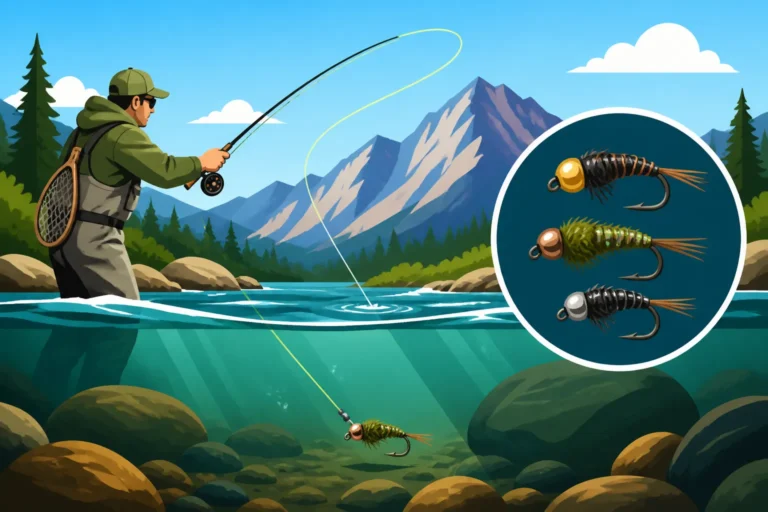
- Large Nymphs: In deeper runs or tailwaters, heavy stonefly nymphs, worm patterns, or even large scud patterns fished under an indicator can entice a big brown. Dead-drifting them through prime lies can be deadly.
- Spin Fishing with Lures: Spoons, Rapalas, Kastmasters, and even larger soft plastic swimbaits can be highly effective. Vary your retrieve speed and depth until you find what triggers a strike. Think about what a larger brown would naturally hunt.
- Egg Patterns: During the fall spawn, brightly colored egg patterns (often referred to as "glo bugs" or "otter's soft eggs") can be irresistible to brown trout who are opportunistically feeding on eggs from other spawning fish, or even their own kind.
Regardless of your chosen method, focus on fishing structures where large browns hide: deep pools, undercut banks, large submerged rocks, and log jams. These are their safe zones and ambush points.
Ethical Angling and Catch-and-Release for Trophy Trout
Catching a trophy brown trout is a privilege, and with that comes the responsibility of ethical angling. These larger fish are vital to the ecosystem and often represent years, if not decades, of growth. Practice careful catch-and-release techniques to ensure their survival.
- Minimize Fight Time: Use appropriate tackle to bring the fish in efficiently without completely exhausting it.
- Keep Them Wet: Avoid removing the fish from the water entirely, especially for photos. A quick lift for a snapshot is okay, but their gills and internal organs can be damaged by prolonged air exposure.
- Handle with Care: Wet your hands before touching the fish to protect its slime coat, which is crucial for disease resistance. Avoid squeezing the fish, especially around its belly.
- Revive Gently: If the fish seems lethargic, hold it upright in the current, facing upstream, until it can swim away under its own power. Don't push it or throw it back; let it tell you when it's ready.
Understanding How to Handle Trout for a Safe Release is not just a suggestion; it's a vital part of respecting Colorado's incredible fishery. Remember, even if you’re thinking about Colorado Fishing License Costs Explained and have paid your dues, responsible angling is always paramount.
Seasonal Strategies for Trophy Brown Trout
To help you visualize the best approach, here’s a quick overview of how the seasons stack up for trophy brown trout, and what strategies you might employ.
| Season | Trophy Potential | Key Behavior | Primary Tactics | Challenges |
|---|---|---|---|---|
| Fall | Highest | Pre-spawn aggression, active feeding | Large streamers, egg patterns, large lures | Potential for crowds on popular spawning runs |
| Winter | Moderate | Lethargic, deep holding, short feeds | Deep nymphing, slow streamer retrieves, ice fishing | Extreme cold, short feeding windows, deep holding fish |
| Spring | Low to Moderate | Post-spawn recovery, pre-runoff feeding | Larger nymphs, streamers (early spring) | Runoff (high, muddy water), fluctuating temperatures |
| Summer | Low | Deep holding, nocturnal, warm water stress | Deep nymphing, sinking line streamers, trolling | Warm water, fish deep & spread out, low oxygen levels |
Conclusion
While you can technically catch a big brown trout in Colorado during any season, the undisputed champion for landing a true trophy is fall. The combination of dropping water temperatures, aggressive pre-spawn feeding, and territorial behavior creates a perfect storm for anglers. It's the time when those elusive, powerful fish are most likely to show themselves and strike with ferocity. But don't let the other seasons discourage you; with the right knowledge, gear (perhaps some great finds from Amazon), and patient application of specialized techniques, every trip to the water holds the potential for an unforgettable encounter with one of Colorado's magnificent brown trout. Remember your Colorado Fishing Season Dates and Bag Limits and always fish ethically.
Disclaimer
This article is for general informational purposes only and does not constitute professional advice. Laws, prices and regulations vary by location and change over time. Consult a qualified professional for guidance on your specific situation.