Why November Is a Good Month for Big Browns
Many anglers pack away their rods and tie up their boats as the vibrant leaves of autumn give way to the crisp, often chilly air of late fall, missing out on some of the most thrilling fishing of the year. While summer and early fall get all the glory, November is a hidden gem for targeting those elusive, trophy-sized brown trout in Colorado. This guide will walk you through exactly why this often-overlooked month offers some of the best opportunities to hook into a truly memorable fish.
The Biological Imperative: Brown Trout Spawning Season
The single biggest reason November stands out for brown trout fishing is quite simply biology. This month marks the peak of the brown trout spawning season in many Colorado waters. Unlike rainbow trout or cutthroat trout, which typically spawn in the spring, brown trout are autumn spawners, and this natural cycle fundamentally alters their behavior and accessibility, presenting unique opportunities for anglers.
The Autumnal Migration and Redd Building
As water temperatures steadily drop with the onset of late fall, mature brown trout are compelled by an ancient instinct to migrate from their summer holding patterns in deeper pools and larger lake expanses. They begin to move upstream, often into shallower, gravelly riffles and runs of rivers and feeder streams, seeking out suitable spawning grounds. These chosen areas, known as "redds," are identifiable as cleaner, often oval-shaped patches of gravel where the female has fanned away silt and debris to prepare a nest for her eggs.
This migration makes brown trout, especially the larger, mature specimens, more concentrated and predictable in their locations than at other times of the year. They are no longer scattered across vast stretches of water but are actively moving towards specific areas, or already established there. While this makes them more accessible, it also makes them more vulnerable, placing a heightened responsibility on anglers to practice ethical fishing. Understanding Why Brown Trout Spawn in the Fall Instead of Spring can further deepen your appreciation for this critical time in their life cycle.
Aggression and Territoriality
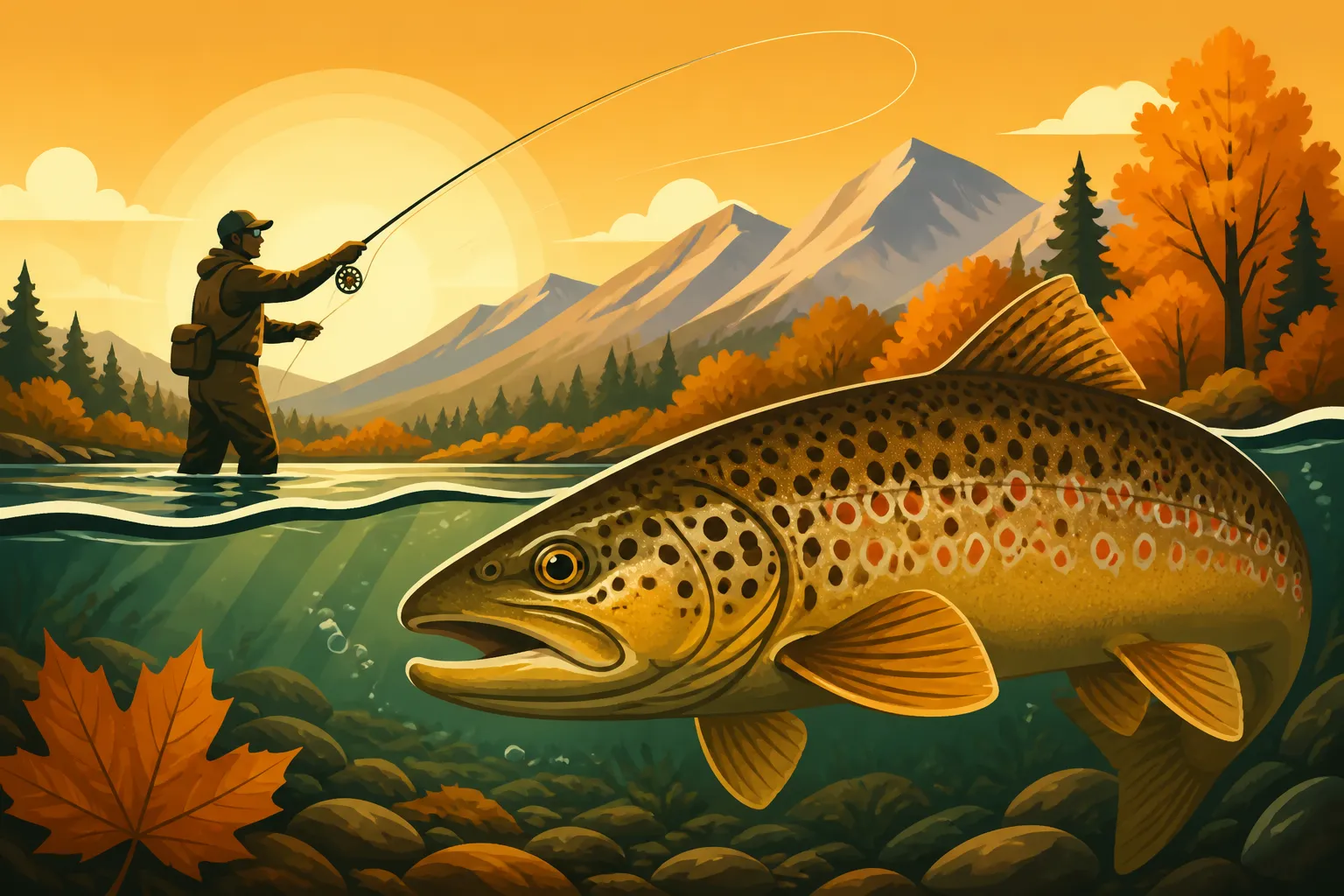
During the spawn, male brown trout undergo a dramatic transformation. Their typically muted colors intensify, becoming rich with golds, oranges, and deep reds, often adorned with prominent kypes (hooked jaws). More importantly for anglers, they become fiercely territorial and aggressive. Their primary focus shifts from foraging for food to protecting their redds and asserting dominance over rival males.
This heightened aggression means that a male brown trout is much more likely to strike at anything it perceives as a threat to its spawning efforts or a competitor for a female. This could be a rival fish, or, to your advantage, a fly or lure presented with the right retrieve. They’re less cautious, less selective, and more prone to attacking out of instinct rather than hunger. This behavioral shift is a key factor in why November offers such prime opportunities for landing truly big, aggressive brown trout.
Environmental Factors That Favor Big Browns in November
Beyond their biological drive, several environmental conditions in November conspire to create ideal circumstances for targeting large brown trout. These factors contribute to both fish activity and a more enjoyable, less crowded angling experience. Understanding these nuances can give you a significant edge.
Cooler Water Temperatures
The crisp air of November ushers in consistently cooler water temperatures across Colorado's rivers and reservoirs. This cooling trend is the biological trigger for the brown trout spawn, and it also significantly influences fish behavior. Unlike many warm-water species that become sluggish in cold water, trout, particularly brown trout, often thrive in these conditions. Cooler water holds more dissolved oxygen, allowing trout to be more active and energetic without expending as much effort.
While the water isn't yet freezing, it's cool enough to stimulate activity and reduce the metabolism of other species, meaning less competition for the brown trout. Anglers often find that fish are more willing to move for a fly or lure during this period, especially during the warmer parts of the day. This is a critical aspect of Fall Fishing in Colorado, What Changes, as the patterns and presentations that worked in summer often need significant adjustment for success in the cooler, sparser conditions of late autumn.
Lower Angler Pressure
Let's be honest, few things are as frustrating as showing up at your favorite Gold Medal water only to find it lined with anglers elbow-to-elbow. That crowded scene is often the reality during the prime summer and early fall months. However, by November, many anglers have packed away their gear, opting for hunting seasons, holiday preparations, or simply retreating from the colder weather. This significant drop in angler pressure is a huge advantage for those willing to brave the chill.
With fewer people on the water, fish are generally less pressured and spooky. This allows for a more relaxed approach, giving you the freedom to explore different runs and pools without feeling rushed or worried about disturbing another angler. Less pressure often translates to more cooperative fish, as they haven't been constantly harassed or educated by countless presentations. The solitude of a November morning on a Colorado river, surrounded by the quiet beauty of late autumn, is a unique and rewarding experience in itself.
Tactical Approaches for November Brown Trout
Successfully targeting big brown trout in November requires a shift in tactics, aligning with their spawning behaviors and the colder environment. You can't just throw the same patterns you used in August and expect the same results. It's about being intentional, aggressive, and prepared for the conditions.
Streamer Fishing Dominance
When brown trout are aggressive and territorial, few techniques are as effective as streamer fishing. Large, flashy flies that imitate baitfish, sculpins, or even other trout can provoke a violent strike from a dominant brown trout. They often hit these patterns not necessarily out of hunger, but out of an instinct to remove a perceived threat from their spawning grounds. Think about patterns that have a lot of movement and profile in the water, such as articulated streamers, Wooly Buggers, or patterns tied to resemble a baby trout.
Retrieve techniques are crucial:
- Stripping: Erratic, quick strips can mimic a fleeing baitfish.
- Swinging: Letting the streamer swing across a current and pause at the end can simulate an injured or disoriented meal.
Focus your efforts around known spawning areas, deeper pockets adjacent to shallow gravel, and underneath undercut banks where larger fish might stage. Overcast days and periods of low light are often ideal for this technique, as you can learn more about in Best Time of Day for Streamer Fishing in Fall. Many anglers find great success exploring the wide variety of streamer patterns available through retailers like Amazon, ensuring they have a good selection of sizes and colors to match local conditions. The key is to be confident and aggressive with your presentations.
Nymphing the Deeper Runs
While streamer fishing can be exhilarating, nymphing remains a highly effective technique, especially for brown trout that may be resting or feeding opportunistically outside of their immediate spawning activities. In November, fish often gravitate to deeper pools, slow runs, and the transition zones between shallow and deep water. These areas offer both protection and potential food sources that might be washed down by the current.
Focus on larger nymph patterns that imitate key late-season food sources:
- Stoneflies: Big, buggy patterns like a Pat's Rubber Legs or 20 Incher Stone.
- Worms: San Juan Worms can be deadly, mimicking aquatic worms dislodged by currents or spawning activity.
- Egg Patterns: While some anglers avoid these during the spawn to prevent targeting fish directly on redds, when fished ethically and away from active spawning grounds, small egg patterns can represent loose eggs that have drifted downstream, offering an easy meal.
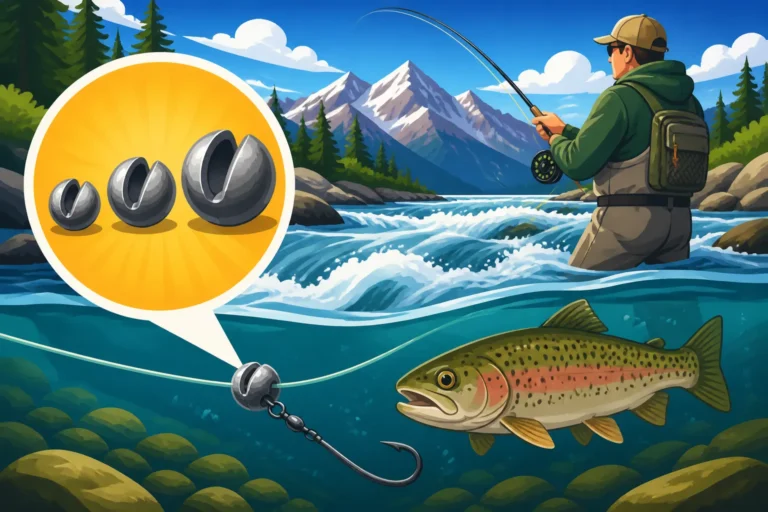
It's important to use enough weight to get your nymphs down to the fish quickly in the often-turbulent fall currents. A common setup involves a heavy lead fly, followed by a dropper nymph. Pay close attention to your indicator for subtle takes. Always remember to be mindful of where you're casting. Avoid intentionally targeting fish directly on redds. Referencing a guide on Reading Water on a Colorado Freestone River can significantly improve your ability to identify these productive deep runs and pockets. Additionally, always double-check Colorado Gold Medal Water Regulations Explained for any specific limitations on bait or flies in your chosen area.
Embracing the Elements: Gear and Safety for Cold Weather
November in Colorado can be unforgiving when it comes to weather. One moment it's a brisk, sunny fall day, the next, a snow squall rolls in. Being properly prepared isn't just about comfort; it's about safety and extending your time on the water. Layering is paramount. Start with a good moisture-wicking base layer, add insulating layers like fleece or down, and top it off with a waterproof and windproof outer shell.
Your hands and feet are especially vulnerable to the cold. Insulated, waterproof gloves are a must, and many anglers swear by chemical hand warmers, readily available on Amazon, tucked into their gloves or pockets. For your feet, thick wool socks and well-insulated waders are non-negotiable. If you plan on wading in rivers, consider wading boots with studs for added traction on potentially icy or slick rocks. A detailed guide on Best Waders for Cold Tailwater Fishing or Do You Need Studded Boots for Icy River Banks? can provide excellent advice on essential gear. Always bring extra layers, even if the forecast looks mild, and inform someone of your fishing plans, including where you're going and when you expect to return. A thermos of hot coffee or tea can also be a game-changer!
Ethical Angling and Conservation During the Spawn
While November offers incredible opportunities for targeting big brown trout, it comes with a significant responsibility to protect these fish and their reproductive efforts. Ethical angling practices are paramount during the spawning season to ensure the health of future generations.
Spotting Redds and Avoiding Disturbance
One of the most crucial aspects of responsible November fishing is learning to identify and avoid disturbing brown trout redds. As mentioned, these are typically visible as oval-shaped, cleaner patches of gravel in shallower river sections, often where the current is just strong enough to keep the gravel clear. You might also see actively spawning fish, with males darting around and females fanning their tails to excavate the nest.
It is absolutely vital to avoid wading on or through redds. Stepping on redds can crush eggs, jeopardizing the next generation of trout. Even walking too close can spook fish off their nests, leaving eggs vulnerable to predation. Give spawning fish a wide berth. If you see a fish on a redd, observe from a distance, or move to a different section of the river entirely. Prioritize the fish's well-being over a potential catch. Always consult How to Read Colorado's Fishing Regulations Brochure for specific local rules and seasonal closures that may be in place to protect spawning fish.
Responsible Catch-and-Release
Catch-and-release is a fundamental practice for trout fishing in Colorado, and it's even more critical during the vulnerable spawning period. Big brown trout, especially those full of eggs or actively expending energy during the spawn, are under significant stress. To maximize their survival chances after being caught:
- Minimize Fight Time: Use appropriate tackle to bring the fish in quickly.
- Keep Fish Wet: Avoid removing the fish from the water entirely, especially for photographs.
- Gentle Handling: Support the fish horizontally, never vertically by the jaw. Avoid squeezing.
- De-Barb Hooks: Pinch down the barbs on your hooks to facilitate quick and easy removal.
- Revive Gently: Hold the fish gently in the current until it can swim away on its own. Do not force it.
- Quick Release: The goal is to get the fish back into the water, with minimal handling, as quickly as possible.
These practices are not just suggestions; they are vital for conservation. Each successful release contributes to the health and vitality of the brown trout population. Understanding How to Handle Trout for a Safe Release is a skill every angler should master. Identifying different trout species, as covered in Colorado's Trout Species, A Field Guide, can also help you understand which fish might be spawning and thus require extra care.
| Factor | Why November is Great for Big Browns | Angler Strategy | Ethical Consideration |
|---|---|---|---|
| Spawning Season | Brown trout are driven by instinct, highly aggressive and territorial. | Target feeding lanes and cover near, but not on, redds; use aggressive retrieves. | Avoid wading on redds, minimize disturbance to spawning fish. |
| Cooler Water Temps | Fish are active and energized; less competition from other species. | Fish during midday warming trends; focus on stable temperature areas. | Fish fight harder in cold water; practice quick, gentle release. |
| Lower Angler Pressure | More solitude and less pressured fish, allowing for more exploration. | Explore less-frequented stretches, enjoy the peace and quiet. | Be a steward of the river; leave no trace. |
| Increased Aggression | Spawning brown trout are at their most vibrant and defensive, willing to strike. | Use larger, more imitative streamers; consider subtle nymphing in deeper runs. | Always prioritize the fish's well-being over a catch. |
November truly stands as a premier month for connecting with Colorado's impressive brown trout. The combination of their spawning cycle, heightened aggression, and the tranquil solitude of late fall creates an unparalleled angling experience. By understanding their behavior and adapting your techniques, all while committing to ethical practices, you can enjoy some of the most rewarding fishing the state has to offer. So, don't let the colder weather deter you; gear up, get out there, and discover the magic of November browns.
Disclaimer
This article is for general informational purposes only and does not constitute professional advice. Laws, prices and regulations vary by location and change over time. Consult a qualified professional for guidance on your specific situation.