What Split Shot Size Works Best in Fast Colorado Currents
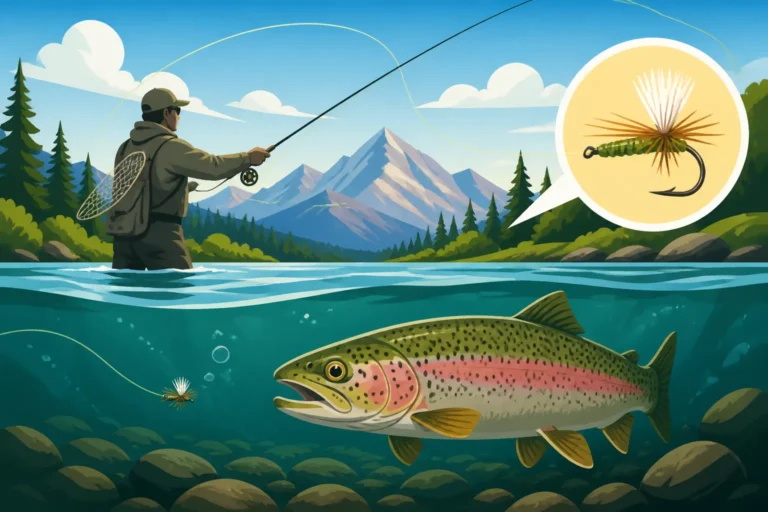
Navigating the swift, unforgiving currents of many Colorado rivers can feel like a constant battle, especially when you’re trying to get your flies down to where the fish are holding. The frustration of your nymph rig simply skating across the surface or getting hung up too frequently is something every angler here has faced. This comprehensive guide will demystify the art of choosing the right split shot size, ensuring your presentation is impeccable and your flies are in the strike zone, even in the fastest Colorado currents.
Understanding Colorado's Dynamic River Currents
Colorado is famous for its diverse waterways, from gentle meandering streams to raging whitewater rivers fed by snowmelt. This incredible variety means that what works in one section of a river might be completely ineffective just a few miles downstream, or even in a different part of the same run. The sheer power of water can make getting your flies into the feeding lane a significant challenge.
The Challenge of High Water Volume and Speed
During spring runoff, or after a heavy rain, Colorado rivers transform into formidable forces of nature. The volume of water increases dramatically, leading to higher velocity and powerful currents that can easily sweep away a lightly weighted fly rig. Even in typical conditions, many of our beloved rivers, like the Arkansas River or the Colorado River itself, feature long, fast runs and deep pockets that demand serious consideration for weight. If your rig isn't adequately weighted, your flies won't reach the bottom where trout often hold, especially when they're seeking refuge from the main current or feeding on nymphs tumbling along the riverbed. This is a common scenario during the spring and early summer, when many anglers find themselves needing to adjust their approach. For those interested in understanding these seasonal changes more deeply, our guide on When Colorado's Spring Runoff Hits and How to Fish Around It offers excellent insights.
Moreover, the varied substrate of Colorado rivers—from smooth rock beds to jagged boulders and gravel — creates complex hydraulic conditions. Eddies, seams, and swift main channels exist side-by-side, making it tricky to maintain a natural drift. You need enough weight to penetrate the strong surface currents and reach the slower bottom currents, but not so much that your rig constantly snags the riverbed. It's a delicate balance that takes practice and a good understanding of how different split shot sizes behave in various water conditions.
Identifying Different Current Speeds and Depths
Before you even think about attaching split shot, take a moment to "read the water." Observe the surface boils, the speed at which debris floats, and the depth of the water column. A slow, deep pool will require a different weighting strategy than a shallow, fast riffle, even if they're in the same general area. Look for seams where faster water meets slower water, as these are prime feeding lies for trout. The depth of these seams, combined with the speed of the current, will dictate your split shot choice.
Consider the "pillow" effect created by submerged boulders: the water piles up on the upstream side, then plunges into a deeper, slower pocket on the downstream side. Your goal is to get your fly into that slower, deeper water. Without enough weight, your fly will simply sail over the top. If you're struggling to understand these nuances, our article on Reading Water on a Colorado Freestone River can provide invaluable tips to sharpen your observation skills on the water.
The Science Behind Split Shot and Sink Rates
Choosing the right split shot isn't just about grabbing the heaviest one you have. It's a calculated decision based on physics, water dynamics, and the specific presentation you're trying to achieve. Understanding how weight interacts with water resistance is key to effective nymphing.
Weight vs. Water Resistance
When you add weight to your leader, you're essentially helping your flies overcome the upward force and resistance of the water column. Heavier split shot will sink faster, but it also creates more drag. If you use too much weight, your flies will plummet to the bottom unnaturally, potentially snagging frequently or spooking fish with an abrupt, unnatural descent. Conversely, too little weight means your flies drift too high, never reaching the fish.
The goal is to achieve a natural, "dead drift" where your flies tumble downstream at the same speed as the current, mimicking real insects dislodged from the bottom. This often means using just enough weight to tick the bottom occasionally without constantly getting hung up. Think of it as a constant dance between gravity and current. Different fly patterns also have varying sink rates; a heavily weighted stonefly nymph will sink faster than a lightly dressed emerger, so your split shot choice needs to account for the flies themselves. Our guide on Nymph Rigs for Deep Tailwater Runs delves into how to balance these elements for optimal performance.
Material and Shape Considerations
While most split shot is made of lead (or a lead-free alternative like tin or tungsten), their shape can also subtly affect how they perform. Traditional round split shot offers a good balance of weight and minimal resistance. However, some anglers prefer oblong or "slinky" style weights, particularly in extremely snaggy areas, as they tend to slide over obstacles more easily than round shot.
Lead-free alternatives, often mandated in certain areas for environmental reasons, can sometimes be bulkier for the same weight, which might increase drag. Always check local regulations to ensure you're using legal weighting options. Brands like Water Gremlin and Dinsmores offer a wide variety of both lead and lead-free options, readily available on platforms like Amazon. Having a diverse selection of split shot sizes and materials in your vest, perhaps in a convenient dispenser, is always a smart move.
Practical Guide to Split Shot Sizing for Colorado Rivers
Now, let's get down to the brass tacks: what specific sizes should you be reaching for in Colorado's challenging currents? The answer isn't a single size, but rather a strategic approach to combining and adjusting weights.
Matching Weight to Water Depth and Speed
The key to successful nymphing in Colorado's fast waters is selecting the right amount of weight to get your flies to the fish quickly and efficiently, then maintaining a natural drift. Here’s a general guideline:
- Shallow, Fast Riffles (1-3 feet deep): In these situations, you might start with one or two #4 or #6 split shot. The goal is to get down quickly but still allow for a natural tumble. If your flies are constantly skipping on the surface, add a little more. If you're snagging every other cast, reduce the weight slightly.
- Medium Depth, Moderate Current (3-6 feet deep): This is where you might employ a combination of weights. Starting with a BB or two #4s is often a good baseline. You might even opt for a combination like one BB and one #6, spaced a few inches apart on your leader to distribute the weight more naturally.
- Deep Runs, Fast Current (6+ feet deep): This is where you really need to bring out the big guns. Several BB shots, or even larger sizes like #3 or #2, might be necessary. In extreme high-water conditions, you might even need to stack multiple BBs or use a heavier, pencil lead style sinker. Remember, the goal is to get to the bottom; if you're not bumping it occasionally, you're not deep enough. In these conditions, don't be afraid to experiment with more weight than you think you need.
It's crucial to remember that this isn't an exact science; every river, and even different sections of the same river, will present unique challenges. Always start with a moderate amount of weight and adjust based on how your rig is performing.
Common Split Shot Sizes and Their Applications
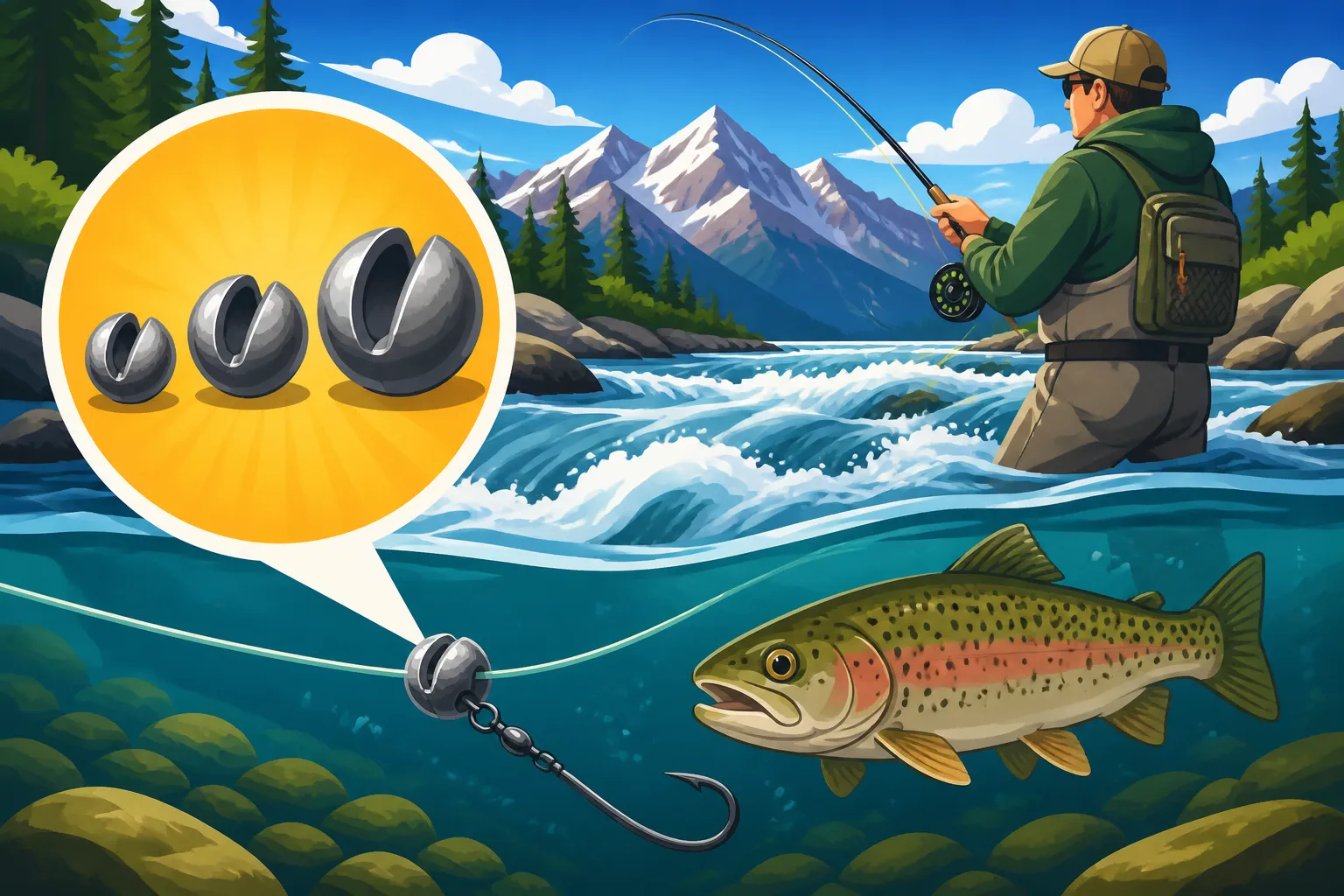
Having a variety of split shot sizes is non-negotiable for serious Colorado anglers. Here’s a quick rundown of common sizes and their typical uses:
| Split Shot Size | Approximate Weight (Grams) | Common Application in Colorado Rivers |
|---|---|---|
| #7 | 0.2g | Very light current, shallow water, picky fish, small flies |
| #6 | 0.25g | Light to moderate current, shallow to medium depth |
| #4 | 0.4g | Moderate current, medium depth, often used in multiples |
| #3 | 0.5g | Moderate to strong current, deeper water, entry-level for many nymph rigs |
| #2 | 0.6g | Strong currents, deeper runs |
| #1 | 0.75g | Very strong currents, deep pocket water |
| BB | 0.8g | Fast, deep water; cornerstone for many heavy nymph rigs |
| 3/0 | 1.0g | Extreme currents, very deep water, large flies |
This table provides a starting point, but always be prepared to adapt. Many anglers carry a multi-compartment dispenser, often found on Amazon, filled with sizes ranging from #7 to BB. This allows for quick adjustments on the fly, which is critical when conditions change or you move from one type of water to another.
Adjusting for Different Fly Patterns and Rigging
Your fly selection also plays a significant role in how much split shot you'll need. Heavily weighted flies, like Tungsten Beadhead Stonefly Nymphs or Jig Nymphs, have an inherent sink rate that requires less external weight. Conversely, lighter patterns such as Pheasant Tail Nymphs or tiny midge imitations will need more assistance to get down.
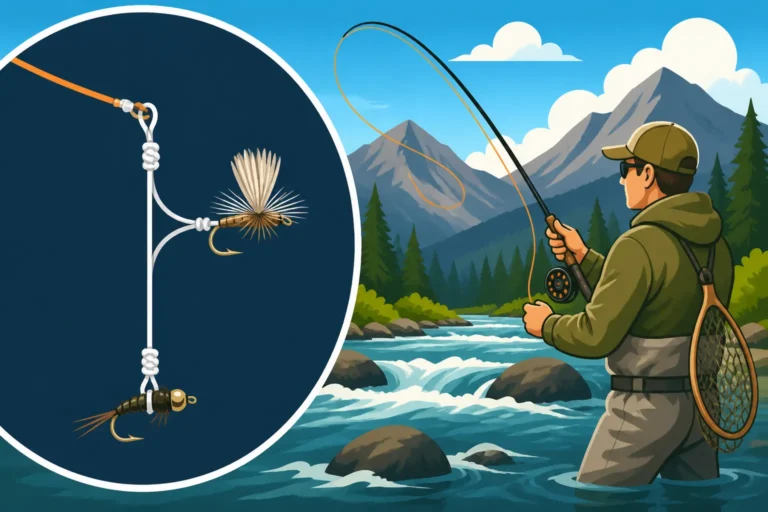
When setting up your nymph rig, consider the distance between your split shot and your flies. A common practice is to place the bulk of your weight closer to your indicator (or roughly 12-18 inches above your first fly), and then add smaller "trim" weights closer to your lead fly (6-8 inches above). This setup allows your flies to drift more naturally below the main weight. For instance, if you're fishing a large Pat's Rubber Legs with a smaller Baetis nymph trailing, you might place a BB shot 12 inches above the Pat's, and then a #6 shot 6 inches above the Baetis. This nuanced approach helps keep both flies in the strike zone and reduces tangles. Many anglers find their Colorado Fishing Regulations Every Angler Should Know brochure helpful for checking any specific restrictions on rigging or weights in certain waters.
Tips for Rigging and Fishing with Split Shot in Fast Water
Getting your split shot right is only half the battle. How you rig it and how you present it in challenging currents are equally important for consistent success.
Optimal Placement on Your Leader
The placement of your split shot on your leader is a crucial factor that significantly impacts your drift and ability to detect strikes. A general rule of thumb for nymphing is to place your primary weight about 12 to 18 inches above your lead fly. This allows your flies to trail naturally behind the weight, mimicking a dislodged insect. If you place the weight too close to the fly, it can impede the fly's natural movement; too far, and your fly might not get down quickly enough or will be swept away from the weight.
In very fast or deep water, you might need to use multiple pieces of split shot. Instead of clamping one massive piece, consider using two or three smaller pieces spaced a few inches apart. For example, if you determine you need the equivalent of a BB shot, try using two #4s spaced 4-6 inches apart instead. This distributed weight sinks more efficiently with less splash, reduces line twist, and is less prone to snagging by creating a more flexible connection. For those who enjoy tying their own elaborate nymph setups, resources like How to Set Up a Nymph Rig for a Deep Tailwater Run can offer more advanced techniques for weight distribution and fly spacing.
The Art of Detecting Bites with Weight
Fishing with split shot, especially heavier setups, requires a keen eye and a sensitive touch to detect strikes. The added weight can sometimes dampen the subtle takes of a trout. Your indicator becomes your primary communication tool with your flies. Watch it intently for any unnatural hesitation, bob, or subtle movement that isn't consistent with the current. Even a slight pause or twitch can indicate a fish has taken your fly.
It’s also important to minimize slack in your line. Too much slack creates a disconnect between you, your indicator, and your flies, making strike detection nearly impossible. Cast slightly upstream and mend your line immediately to keep a tight, but drag-free, connection. Your rod tip should follow your indicator, always maintaining that direct line of communication. Developing this "feel" comes with practice, and soon you'll be able to discern between a snag on the bottom and a hungry trout.
Streamlining Your Rig to Prevent Snags
Snags are an inevitable part of nymphing, especially with heavy split shot. However, you can significantly reduce their frequency by streamlining your rig. One common mistake is using oversized indicators that create too much wind and water resistance, hindering your cast and drift. Choose a minimalist indicator that still offers good visibility, like a smaller Air-Lock or a simple yarn indicator.
When selecting split shot, try to use the smallest profile possible for the required weight. Non-toxic, tungsten putty or Dinsmores shot, available on Amazon, can be molded directly onto your leader, offering a very low-profile and snag-resistant option. Some anglers also prefer to pinch their split shot onto the knot connecting their tippet to their leader, rather than directly on the tippet itself, as this can prevent weakening the finer line. However, be cautious not to overtighten, which can damage the leader. Another excellent strategy to mitigate snags is to use a slightly heavier leader material that can withstand the abrasion of rocky bottoms. Considering What Split Shot Size Works Best in Fast Colorado Currents will always involve a balance of getting down and minimizing snags, which is a constant negotiation in our beautiful, yet challenging, rivers.
Ultimately, effective split shot usage in Colorado's fast currents is about continuous experimentation and observation. Don't be afraid to change your weight, adjust its placement, or even switch up your leader configuration multiple times throughout a day of fishing. The fish are there, you just need to get your offering to them in a way that looks natural and appetizing.
Disclaimer
The information provided in this guide is for general informational purposes only and is not intended as legal advice regarding fishing regulations. Always consult the official Colorado Parks and Wildlife (CPW) regulations before fishing, as rules and conditions can change. It is your responsibility to be aware of and comply with all current laws and regulations. Fishing can be dangerous; exercise caution and practice safe wading techniques.