How Big the Trout Are When Colorado First Stocks Them
One of the most common questions I hear from fellow anglers, especially those new to Colorado or just getting back into the swing of things, is about the fish they're likely to encounter. It's totally understandable! You want to know what kind of fight you're in for, what tackle to bring, and frankly, what your chances are of actually catching something. There's nothing more frustrating than heading out to a "stocked" lake and wondering if you're chasing ghosts or genuinely catchable fish. This guide is here to shed some light on exactly how big the trout are when Colorado Parks and Wildlife (CPW) first stocks them, why those sizes vary, and what that means for your next fishing adventure.
Understanding Colorado's Extensive Trout Stocking Program
Colorado is renowned for its incredible trout fishing, and a huge part of that reputation is thanks to the diligent efforts of Colorado Parks and Wildlife's stocking programs. They don't just randomly dump fish into water; there's a science and a strategy behind every release. The primary goal is to enhance fishing opportunities across the state, ensuring that anglers of all skill levels, from beginners casting a worm under a bobber to seasoned fly-fishers, have a chance to connect with a fish. This commitment helps sustain fisheries in areas where natural reproduction might be limited or where fishing pressure is high.
CPW's stocking efforts are vast, releasing millions of fish annually into lakes, reservoirs, and rivers. These range from tiny fingerlings, barely bigger than your pinky finger, to robust, "catchable-sized" trout designed for immediate angling gratification. It's a complex system aimed at balancing recreational demand with the ecological health of our waterways, and it's a testament to why Colorado fishing remains so fantastic year after year.
The Goals Behind Stocking Efforts
When CPW stocks fish, they're not just adding numbers; they're strategically managing an ecosystem and a valuable recreational resource. One of the main objectives is to create accessible and enjoyable angling opportunities, particularly in urban areas and popular tourist destinations. Imagine trying to introduce a child to fishing in a river where the trout are highly educated and only bite on tiny, perfectly presented flies. It's a tough sell! Stocked fish provide a more immediate reward, building confidence and fostering a love for the outdoors.
Beyond pure recreation, stocking also serves to relieve pressure on wild, self-sustaining trout populations. By providing easily accessible stocked fisheries, CPW can divert some angling effort away from sensitive wild trout streams, allowing those populations to thrive naturally. It's a clever way to ensure that both types of fishing experiences are available. Furthermore, many Colorado waters simply lack the suitable habitat or consistent water flows needed for trout to reproduce naturally and survive year-round. In these scenarios, stocking becomes essential to maintain any fishery at all, providing an ecosystem service as well as a recreational one.
Where These Fish Come From
You might wonder where all these fish originate. Colorado's trout are primarily raised in a network of state-of-the-art hatcheries managed by CPW. Facilities like the Rifle Falls Hatchery on the Western Slope, the Mount Shavano Hatchery near Salida, and the Pueblo Hatchery play crucial roles. These hatcheries are essentially fish farms where trout eggs are carefully fertilized, hatched, and then raised to various sizes in controlled environments.
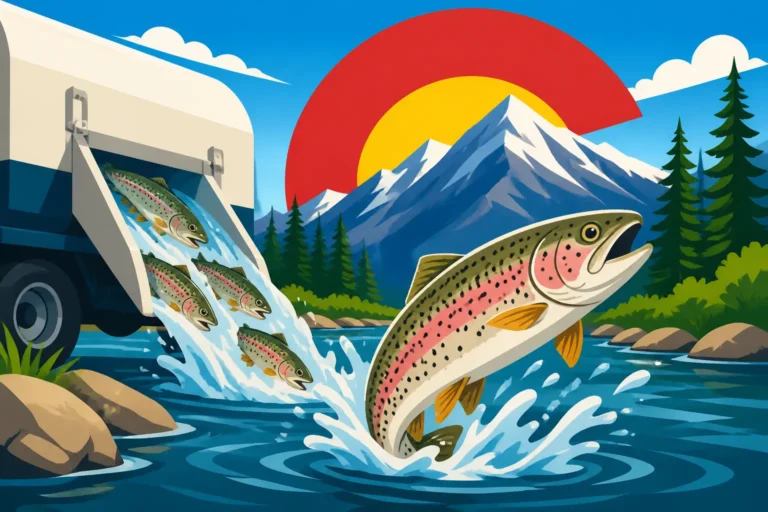
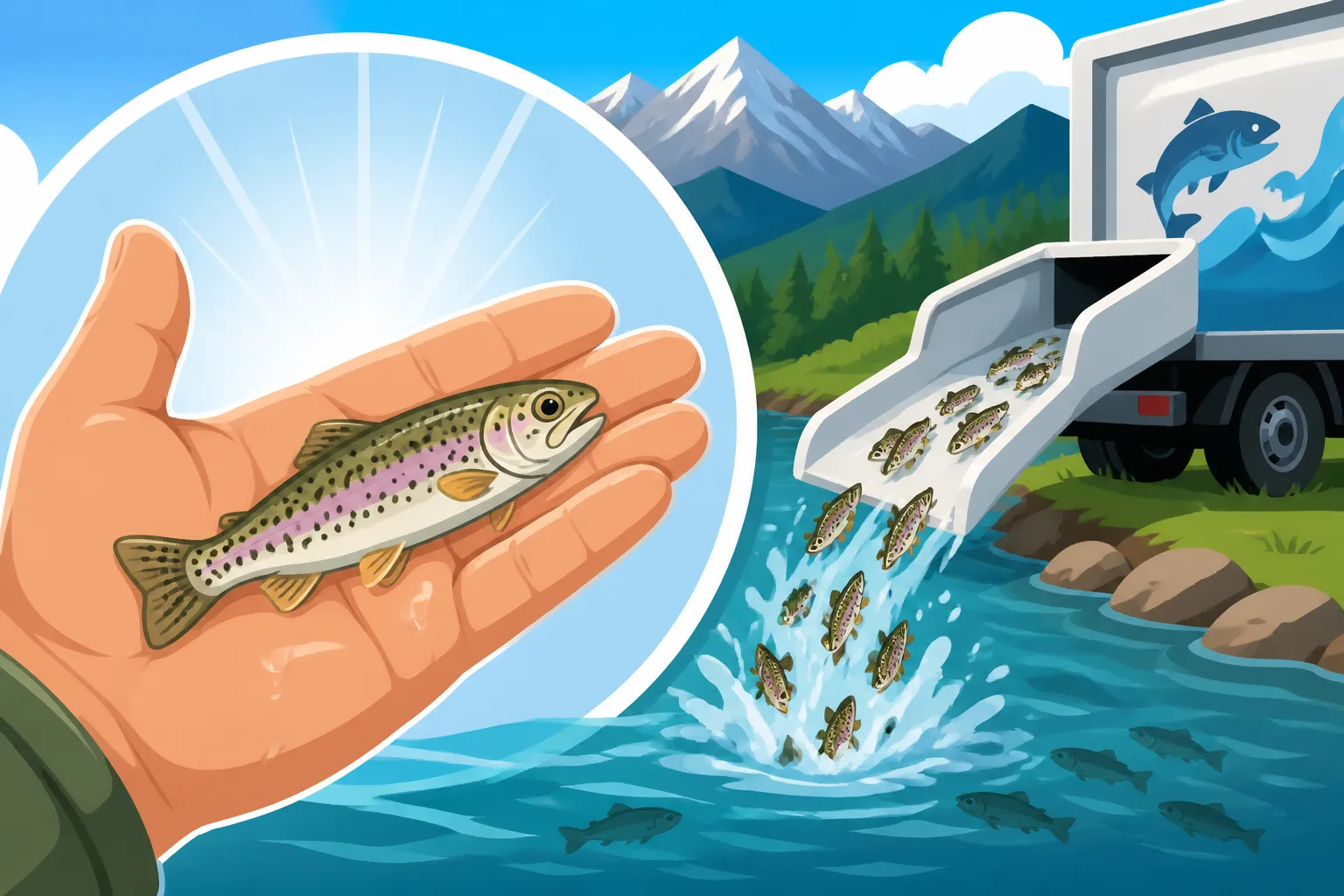
The process is quite impressive. Young fish are fed specially formulated diets, and their tanks are meticulously maintained to ensure optimal growth and health. Once they reach a designated size, often measured in inches or a certain number of fish per pound, they're gently transferred into specialized stocking trucks. These trucks are equipped with aerated tanks to keep the fish healthy during transport, sometimes traveling hundreds of miles to their destination. The fish are then released into public waters, ready for their new home and, eventually, a chance encounter with an angler. It's a massive logistical undertaking, all designed to put more fish on the end of your line.
Typical Sizes of Stocked Trout in Colorado
Now, let's get down to the brass tacks: what size fish can you actually expect to find when Colorado stocks a local pond or reservoir? It's not a one-size-fits-all answer, as CPW employs different stocking strategies depending on the water body and the specific goals for that fishery. However, we can break it down into a couple of main categories: the "catchable-sized" trout that most people picture, and the smaller fingerlings and sub-catchables that represent an investment in future fishing.
Catchable-Sized Trout: The Most Common Stock
When people talk about "stocked trout" in Colorado, they are usually referring to catchable-sized fish. These are the workhorses of the stocking program, designed to provide immediate angling success, especially in easily accessible waters and during peak fishing seasons. So, what does "catchable" actually mean in terms of size?
For most rainbow trout stockings, which are by far the most common species for this program, you're looking at fish typically ranging from 10 to 14 inches in length. In terms of weight, this usually translates to about 0.5 to 1.5 pounds. Some individual fish might be a little smaller, perhaps 9 inches, and occasionally, you'll hear whispers of a few "brood stock" or larger holdovers that are 16-18 inches and push two or three pounds, but these are less common in general stockings. These fish are robust enough to handle the stress of transport and release, and they're big enough to put a decent bend in your rod and make for a satisfying meal if you choose to keep them within legal limits.
These stockings are incredibly popular because they offer a high probability of success, making them ideal for families with kids or novice anglers. They're often stocked in urban ponds, community lakes, and frequently visited reservoirs like Chatfield Reservoir or Cherry Creek Reservoir, areas easily reached from Denver and other population centers. The strategy here is straightforward: put fish in, and anglers catch them. This high turnover ensures continuous opportunity, especially after CPW's regular stocking reports begin to show activity, which you can track by checking the Reading Colorado's Weekly Stocking Report.
Fingerlings and Sub-Catchables: The Future of Fishing
While catchable-sized trout get most of the attention, CPW also stocks a significant number of much smaller fish known as fingerlings or sub-catchables. These are typically 2 to 6 inches long when released and are destined for waters where they have a better chance to grow into larger, wilder-feeling fish over time. This approach is often taken in more remote lakes, high-country streams, or specific reservoirs where there's ample natural food and less immediate fishing pressure.
Instead of providing instant gratification, these smaller stockings are an investment in the long-term health and quality of a fishery. Species like brown trout, various cutthroat subspecies (including the Colorado River Cutthroat Trout, which CPW actively works to restore), and even some rainbow trout are stocked at these smaller sizes. The idea is that they will adapt to their new environment, forage for natural food, and grow into larger, more challenging fish that behave much more like wild trout. This method supports sustainable fisheries that offer a different kind of angling experience – one that rewards patience, skill, and an understanding of trout behavior.
Catching these fish as they grow requires different tactics than fishing for newly stocked rainbows. You might use smaller flies, lighter line, or more subtle presentations. It's a game of patience and finesse, but the reward of hooking a plump, wild-acting trout that started its life as a tiny fingerling can be incredibly satisfying. This is also where understanding concepts like Colorado's Trout Species, A Field Guide becomes invaluable, as different species grow at different rates and inhabit varying waters.
Here's a quick comparison of the two main stocking types:
| Stocking Type | Typical Size (Length) | Typical Weight | Primary Goal | Common Species | Angler Experience |
|---|---|---|---|---|---|
| Catchable-Sized | 10-14 inches | 0.5 – 1.5 lbs | Immediate angling success, high turnover | Rainbow Trout | Beginner-friendly, high success |
| Fingerlings/Sub-C | 2-6 inches | Less than 0.5 lbs | Long-term growth, wilder behavior, sustainable fishery | Brown Trout, Cutthroat, Rainbow Trout | More challenging, rewarding growth |
Factors Influencing Stocked Trout Size and Health
It's not just a matter of "stocking 12-inch trout." The size and overall health of stocked trout are influenced by a complex interplay of factors, both within the hatchery and once they are released into Colorado's diverse waters. Understanding these can help you appreciate the challenges and successes of CPW's stocking program and even inform your own fishing strategies.
Hatchery Operations and Growth Rates
Inside the state hatcheries, CPW biologists and staff meticulously manage the environment to ensure optimal growth and health for the young trout. Key factors here include the quality and quantity of their diet, water temperature, and even genetics. Trout grow faster in warmer water (within their comfortable range) and with a consistent supply of high-quality feed. The hatchery diet is specially formulated to provide all the necessary nutrients, allowing them to reach catchable size efficiently.
Genetic selection also plays a role. CPW often utilizes strains of trout known for good growth rates and disease resistance, ensuring that the fish they release are robust. It's a controlled environment designed for maximum output and health, allowing these fish to transition from tiny eggs to catchable size in a relatively short period, often within 12-18 months. This rapid growth in a protected setting is what makes the large-scale stocking of healthy, eager-to-bite trout possible. Without these carefully managed operations, the volume of fish needed to meet angler demand simply wouldn't exist.
Post-Stocking Survival and Growth
Once those hatchery-raised trout hit the rivers and lakes, they enter a completely different world. Their survival and continued growth are now at the mercy of environmental factors. Water temperature is crucial; extremely warm summer waters can stress trout, leading to lower survival rates and slower growth, while optimal cool temperatures allow them to thrive. The availability of natural food sources also becomes paramount. While they're used to hatchery pellets, they quickly learn to forage for insects, small crustaceans, and even smaller fish.
Predation is another major hurdle. Newly stocked trout, especially in waters with established populations of larger fish like northern pike, lake trout, or even larger wild brown trout, can become easy meals. Habitat also plays a role; waters with plenty of cover, like submerged logs, rocks, or undercut banks, offer protection and prime feeding lies.
Finally, angler pressure is a huge factor. In heavily fished waters, newly stocked trout might not live long enough to grow significantly larger before they're caught. This is why many stocked waters require continuous stocking, particularly in easily accessible areas. However, in less pressured waters, some stocked trout can "hold over" for multiple seasons, adapting to the wild environment, growing considerably larger, and becoming much more challenging to catch. These holdovers are often the true trophies in stocked waters, demonstrating resilience and a return to wild instincts. Learning about Colorado's Annual, One-Day and Five-Day License Options will also help ensure you're always fishing legally and supporting these stocking efforts.
What This Means for Your Fishing Trip
Knowing the typical sizes of stocked trout in Colorado isn't just a fun fact; it's practical knowledge that can significantly enhance your fishing success and enjoyment. It helps you set realistic expectations and, most importantly, allows you to adjust your approach, gear, and tactics to match the fish you're most likely to encounter.
Adjusting Your Gear and Tactics
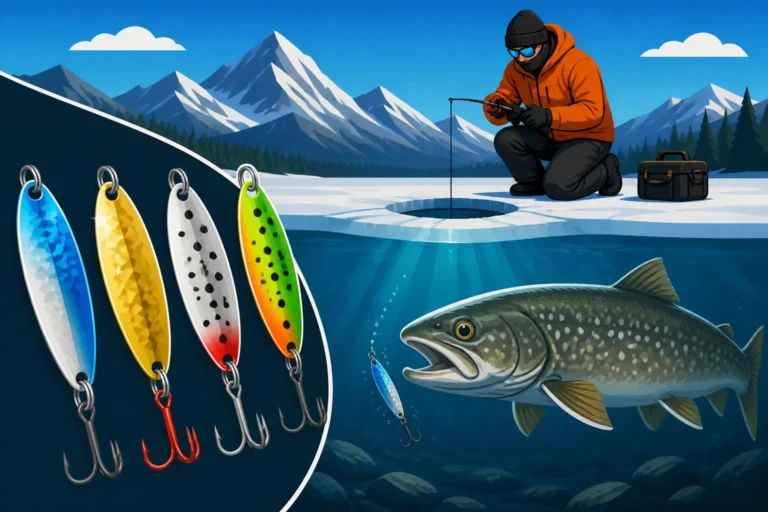
If you're heading to a lake or pond that has just received a fresh stocking of catchable-sized rainbow trout, you can confidently reach for your medium-light spinning rod. These fish, fresh from the hatchery, are often less wary and eager to bite. They'll readily take powerbait, worms, or simple lures like Kastmasters or Roostertails. For fly anglers, a balanced indicator nymph rig with a bead-head nymph, or even a basic Woolly Bugger, can be incredibly effective. Consider a 5 or 6-weight fly rod for these fish. You can find excellent selections of these types of lures and basic fly-fishing gear on Amazon, making it easy to prepare for your trip.
However, if you're targeting waters known for holdover trout or where fingerlings have been stocked to grow, you might want to subtly change your approach. These fish will be more wary and require a more stealthy presentation. Lighter lines, smaller baits, and more natural-looking flies are often the ticket. For spin fishing, ultra-light setups with 2-4 pound test line and small spoons or spinners can be deadly. Fly anglers might switch to longer leaders and finer tippets, especially in clear tailwaters, as discussed in Nymphing Techniques for Colorado Tailwaters. Remember, even on Amazon, you can filter for lighter tackle options perfect for these more discerning trout.
Always have a variety of options. A newly stocked trout might hit anything, but a holdover that has seen a few lures will require more finesse. And don't forget the importance of proper handling, especially if you're practicing catch-and-release to let those smaller fish grow even larger.
Finding the Latest Stocking Information
One of the best ways to predict the size of trout you'll encounter is by staying informed about CPW's stocking schedule. Colorado Parks and Wildlife maintains a very useful online stocking report that details exactly which waters have been stocked, when, and with what species and size class of fish. This is an invaluable resource for planning your trip.
You can typically find this information on the official CPW website, usually updated weekly during the primary stocking seasons. By consulting this report, you can identify waters that have recently received a generous delivery of "catchable" rainbows, ensuring a higher chance of success for a casual outing. Conversely, you can also identify waters that might not have seen a recent stocking but are known to hold good populations of larger, naturally grown or holdover fish.
Beyond the official CPW website, many local fly shops and sporting goods stores will also have up-to-date information, often with anecdotal reports from anglers. Some fishing apps, like Bield (if you're using it), also integrate CPW stocking data and alerts, making it even easier to track. Before you head out, especially for a specific species or experience, make sure to read How to Read Colorado's Fishing Regulations Brochure to understand all the local rules, including bag limits and bait restrictions. Knowing when and where the fish were stocked, and at what size, truly gives you an edge in preparing for a productive and enjoyable day on the water. For example, if you see that a particular lake received a big drop of rainbows, you might stock up on powerbait from Amazon before you go!
Disclaimer
Please remember that fishing conditions, regulations, and stocking schedules can change. Always consult the most current Colorado Parks and Wildlife regulations and stocking reports before heading out on your trip. This guide provides general information and best practices based on current knowledge.