Best Time of Year to Target Walleye in Colorado
It can feel like a real mystery trying to pin down walleye in Colorado. These fish are notorious for being finicky, often leaving anglers scratching their heads, wondering why one day they're biting everything and the next, it's crickets. This comprehensive guide will strip away the guesswork, helping you understand the prime times of year to target walleye across Colorado's diverse waters, ensuring your next trip isn't just a scenic drive, but a productive fishing adventure.
The Walleye Calendar in Colorado: Understanding Peak Seasons
Walleye are cold-water predators, but their activity levels and locations change dramatically throughout the year, largely dictated by water temperature and spawning cycles. Unlike some trout that maintain a more consistent pattern, walleye demand a more dynamic approach. Knowing when they're most vulnerable can drastically increase your success rate, transforming a frustrating day into a rewarding one. While every season offers some opportunity, there are definitely periods when these elusive fish become more predictable and aggressive, making them easier to target.
Seasonal Walleye Behavior and Activity
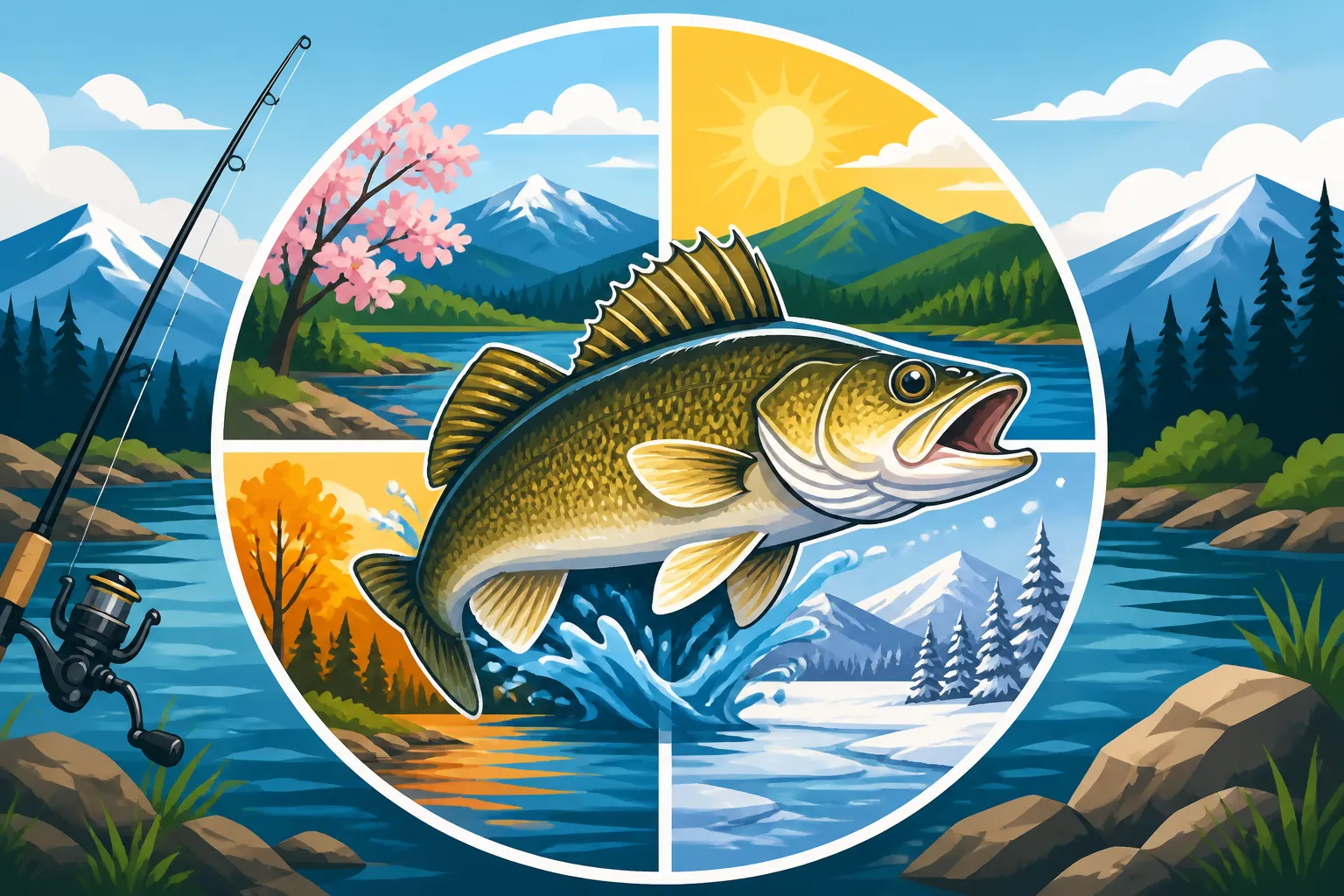
Colorado's climate brings distinct seasons, each profoundly impacting walleye behavior. Early spring, right after ice-out, marks the beginning of their most active period, driven by the urge to spawn. As summer progresses, walleye move deeper to find cooler, more oxygenated water, often becoming nocturnal feeders. Then, as fall approaches and water temperatures drop again, they enter a crucial feeding frenzy, bulking up for the lean winter months. Even in winter, dedicated ice anglers can find success, though the bite can be much more subtle. Understanding these shifts is the foundation of becoming a successful walleye angler in the Centennial State.
Why Timing is Everything for Walleye Anglers
Imagine spending a full day on the water, meticulously casting your favorite lure, only to come up empty-handed. Now, imagine arriving at the same spot, but during a different time of year or even just a different time of day, and finding the fish practically jumping on your line. This isn't luck; it's understanding walleye biology and environmental cues. Their metabolism, feeding habits, and even their aggression levels are inextricably linked to the calendar. Targeting walleye effectively means aligning your efforts with their natural rhythms. This knowledge is your secret weapon, turning fruitless outings into memorable catches. You can always get a deeper understanding of these changes by reviewing the general patterns described in our guide on Colorado Fishing Seasons Month by Month.
Spring Walleye: The Spawn and Post-Spawn Drive
Spring is arguably the most anticipated season for walleye anglers in Colorado, and for good reason. As the ice recedes and water temperatures slowly climb, walleye shake off their winter lethargy and embark on their annual spawning ritual. This period, typically from late March through May depending on the reservoir and elevation, offers some of the best opportunities to catch large, active walleye.
Pre-Spawn Aggression and Staging Areas
Before the actual spawn, walleye gather in staging areas, often near spawning grounds. These are usually hard-bottomed areas like rocky points, riprap banks, or submerged humps adjacent to deeper channels. The water temperature is typically in the low to mid-40s Fahrenheit. During this time, they are surprisingly aggressive, feeding heavily to build up energy for the arduous spawning process. Anglers can find success by jigging minnow-imitating lures, blade baits, or even slow-trolling crankbaits along these structures. It's a fantastic time for shore anglers, as many fish move into accessible shallows. You might find a great selection of these early season lures on platforms like Amazon, making it easy to prepare for the bite.
A common scenario might involve fishing a rocky shoreline at Pueblo Reservoir in late April. The sun has been out for a few days, and the water temperature is nudging 45 degrees. You cast a 3/8-ounce jig tipped with a plastic minnow or even a live shiner, letting it sink to the bottom near a rocky point. A slow retrieve with subtle hops is often all it takes to entice a hungry pre-spawn walleye waiting to ambush its next meal.
The Walleye Spawn: Shallow Waters and Specific Tactics
Once water temperatures reach the upper 40s to low 50s, walleye move onto their spawning beds. These are typically shallow (3-15 feet), rocky, wind-swept areas where the males fan out nests. The spawn itself can be a bit tricky to fish, as the walleye's focus shifts from feeding to reproduction. However, the sheer concentration of fish in these areas can still lead to incredible action. Often, the males remain on the spawning grounds for a while after the females have left, protecting the eggs and still susceptible to a well-placed jig or a slow-trolled bait.
For example, at Chatfield Reservoir, specific rocky coves and wind-blown points become prime walleye real estate in mid-spring. While the fish might not be actively chasing lures, a jig-and-minnow presentation fished slowly and methodically right on the bottom can be deadly. Another tactic is to use slip bobbers with a live minnow, allowing the bait to suspend just above the rocks where walleye are guarding their nests. This subtle approach often triggers a reaction strike from otherwise uninterested fish. Don't forget to check the specific regulations in the Colorado Fishing Regulations Every Angler Should Know, especially around spawning periods, as some waters might have restrictions.
Post-Spawn Recovery and Refueling
Immediately following the spawn, walleye, particularly the larger females, enter a recovery period. They are often lethargic and dispersed, making them harder to locate and tempt. However, after a week or two, they begin to feed aggressively again, trying to regain the energy lost during spawning. This post-spawn bite can be exceptional, as the fish are hungry and willing to chase bait. They often move to slightly deeper transition areas, like the edges of flats or submerged humps, as they transition to their summer patterns.
During this post-spawn phase, say late May at Boyd Lake, you might find walleye suspended near baitfish schools rather than tight to the bottom. Trolling crankbaits or worm harnesses becomes a highly effective strategy, allowing you to cover vast amounts of water and present baits at various depths until you find the active fish. Keep an eye on your fish finder for baitfish schools, as walleye will often be lurking nearby, ready for an easy meal. This is also a good time to revisit our guide on How to Rig a Nightcrawler for Walleye, as live bait can be incredibly effective on these recovering fish.
Summer and Fall Walleye: Adapting to Water Temperature and Forage
As Colorado transitions from spring to the heat of summer, and then into the crisp coolness of fall, walleye behavior undergoes significant changes. Successful angling during these periods requires adapting your strategies to account for warmer water temperatures, deeper fish movements, and the annual fall feeding binge.
Summer Walleye: Deep Dives and Nighttime Feasts
When summer fully sets in and surface water temperatures climb into the 70s, walleye typically retreat to deeper, cooler, and more oxygenated waters during the day. This usually means targeting them near the thermocline (the layer where warm surface water meets cooler deep water), on main lake points, submerged humps, rock piles, or along channel edges. Depths can range from 15 to 40 feet, sometimes even deeper in large reservoirs. Locating baitfish schools with a good fish finder becomes paramount, as walleye will often be shadowing them.
Daytime Summer Strategies:
- Trolling: This is arguably the most effective summer daytime tactic. Using downriggers or leadcore line to get crankbaits or worm harnesses down to precise depths is key. Brands like Rapala and Berkley offer a wide range of crankbaits perfect for trolling, and many can be found easily on Amazon. For specific depth control, you might even consider methods similar to those detailed in Trolling Techniques for Colorado Reservoirs.
- Jigging: Vertical jigging with heavy jigs tipped with soft plastics, live minnows, or even baitfish-imitating spoons can be effective when you've pinpointed a school of fish on structure.
- Bottom Bouncing: Using bottom bouncers with worm harnesses or spinner rigs allows you to present bait close to the bottom while covering ground, especially useful over flats or subtle humps.
Nighttime Summer Strategies:
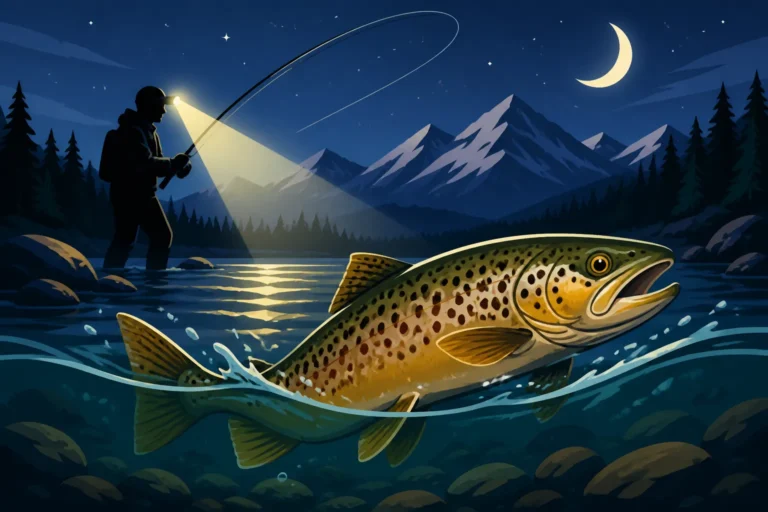
However, summer also brings incredible opportunities for night fishing. As the sun sets and surface temperatures cool, walleye often move into shallower water (5-15 feet) to feed under the cover of darkness. This can lead to some of the most exciting walleye action. Casting shallow-running crankbaits, stickbaits, or even using slip bobbers with live minnows near lighted docks or points can yield impressive results. For those long summer nights, a reliable headlamp is a must, and you'll find a great selection of durable options on Amazon that make knot-tying and fish handling a breeze.
Fall Walleye: The Pre-Winter Feeding Frenzy
As the days shorten and water temperatures begin to drop in late August and into September, walleye metabolism kicks into high gear. They sense the impending winter and embark on an aggressive feeding frenzy to store up fat reserves. This fall bite is another prime time for trophy walleye. Fish often become much more predictable and willing to chase larger baits.
The pattern often resembles a hybrid of spring and summer tactics. Walleye might still be found on deeper structures during the day, but they will spend longer periods in shallower depths (10-30 feet) as the water continues to cool. Baitfish also migrate, often schooling up in predictable areas, and walleye will follow them relentlessly.
Effective Fall Tactics:
- Trolling: Continue with trolling crankbaits, but don't be afraid to experiment with larger profiles and faster speeds. Deep-diving crankbaits that reach 15-25 feet are often very productive. Many anglers find a good selection of deep-diving crankbaits and lipless crankbaits on Amazon that are perfect for fall trolling.
- Jigging and Blade Baits: Casting and retrieving blade baits or heavy jigs, especially in areas with current or steep drop-offs, can trigger fierce strikes from aggressive walleye.
- Vertical Jigging: If you find walleye concentrated on specific humps or points, vertical jigging with spoons or heavier jigs can be extremely effective.
This period, from September through November, is when many anglers catch their personal best walleye in Colorado. The fish are fat, healthy, and putting on weight. Just be mindful of the weather as it can change rapidly, and remember to check the Colorado's Daily Walleye Limit before you head out, so you know how many of these delicious fish you can bring home.
Optimizing Your Walleye Hunt: Key Factors and Top Spots
Beyond the general seasonal patterns, several critical factors influence walleye behavior on a daily basis. Understanding these nuances and knowing where the best walleye waters are in Colorado will dramatically improve your chances of success.
Crucial Environmental Factors Affecting the Bite
Walleye are incredibly sensitive to their environment. Paying attention to these details can often mean the difference between a full livewell and an empty cooler.
- Water Temperature: This is perhaps the single most important factor. Walleye are most active in specific temperature ranges:
- Pre-spawn/Spawn: 45-55°F
- Summer Active: 60-70°F (deeper during hotter periods)
- Fall Feeding: 50-60°F
- Ice Fishing: Colder, but slight temperature changes under the ice can still trigger a bite.
- Light Conditions: Walleye have excellent low-light vision due to their large, light-sensitive eyes. This is why dawn, dusk, and overcast days are often prime times. Night fishing, especially in summer, can be exceptionally productive. Bright, sunny days usually push them deeper or into heavy cover.
- Wind and Waves: A moderate chop or "walleye chop" can be your best friend. The waves break up light penetration, allowing walleye to feel more comfortable in shallower water. They also disorient baitfish, making them easier prey. Conversely, dead calm, clear days can make them very wary.
- Moon Phases: While less impactful than temperature or light, some anglers swear by moon phases, especially the new and full moons, as triggers for increased walleye activity. This is anecdotal for many but worth noting.
- Barometric Pressure: A stable or slowly falling barometer often correlates with a good bite, while rapidly rising or falling pressure can shut fish down.
Top Colorado Walleye Fisheries and Local Knowledge
Colorado is home to several fantastic walleye fisheries, primarily reservoirs across the Front Range and Eastern Plains. Each has its own personality, and local knowledge or recent fishing reports are invaluable. Many of these lakes are regularly stocked by Colorado Parks and Wildlife, and you can often get an idea of where they're being released by checking the Reading Colorado's Weekly Stocking Report.
Here's a look at some of the most popular and productive spots:
- Pueblo Reservoir: Located near Pueblo in Southern Colorado, this reservoir is a walleye powerhouse. It consistently produces large numbers of fish, including trophy-sized specimens. Its varied structure, including points, humps, and submerged timber, offers ample habitat. Spring and fall are exceptional here. You can learn more about this spot in our Fishing Pueblo Reservoir in Southern Colorado guide.
- Chatfield Reservoir: Just south of Denver, Chatfield is a popular multi-species lake, but its walleye population is robust. It's an excellent spot for spring spawning runs on rocky shorelines and offers great summer trolling opportunities. Learn more specifics about Fishing Chatfield Reservoir.
- Cherry Creek Reservoir: Another urban gem in the Denver Metro area, Cherry Creek offers accessible walleye fishing. While not always producing the same numbers as Pueblo, it holds good-sized fish and is a great option for anglers looking for a quick trip from the city. Our article on Fishing Cherry Creek Reservoir provides further details.
- Boyd Lake State Park: Near Loveland, Boyd Lake is a consistent producer for walleye, especially during spring and fall. Its shallower nature compared to some other reservoirs can make finding fish a bit different, often favoring trolling or casting crankbaits.
- Horsetooth Reservoir: West of Fort Collins, Horsetooth offers stunning scenery and a challenging but rewarding walleye fishery. Its deep, clear waters mean walleye often hold to deeper structure, requiring precise depth control, especially in summer.
- Eleven Mile Reservoir: While known more for its trout, Eleven Mile also holds a healthy population of walleye, particularly in the lower, shallower sections. Ice fishing for walleye can be quite productive here.
- Lake Granby: In Grand County, Lake Granby primarily caters to trout and kokanee salmon, but it does hold walleye, particularly in certain bays and around structure. These fish tend to be fewer but can be quite large.
Before heading out to any of these spots, it's always a good idea to consult the Colorado Parks and Wildlife (CPW) Fishing Atlas. The Colorado Fishing Atlas shows you not only access points and species but also outlines any specific regulations for each body of water. This is crucial for avoiding violations and ensuring a successful and legal fishing trip. Local bait shops are also goldmines of information, providing up-to-the-minute reports on what's biting and where.
| Season | Prime Months | Key Walleye Behaviors | Best Techniques | Typical Depths |
|---|---|---|---|---|
| Spring | March – May | Pre-spawn staging, spawning, post-spawn recovery | Jigging, Rip Baits, Slip Bobbers, Trolling | 5-20 feet |
| Summer | June – August | Deep water during day, shallow at night, chasing bait | Trolling (crankbaits, worm harnesses), Jigging, Night Casting | 15-40+ feet (day), 5-15 feet (night) |
| Fall | September – November | Aggressive feeding for winter, following baitfish | Trolling (crankbaits, blade baits), Jigging, Vertical Jigging | 10-30 feet |
| Winter | December – February | Slow metabolism, deep water, subtle bites | Ice Jigging (spoons, small jigs), Tip-ups with live bait | 20-50+ feet (under ice) |
Disclaimer
The information provided in this guide is for general informational purposes only. Fishing conditions in Colorado can change rapidly due to weather, water levels, and species management efforts. Always consult the most current Colorado Parks and Wildlife fishing regulations and local advisories before heading out. Safety should always be your top priority when on the water.