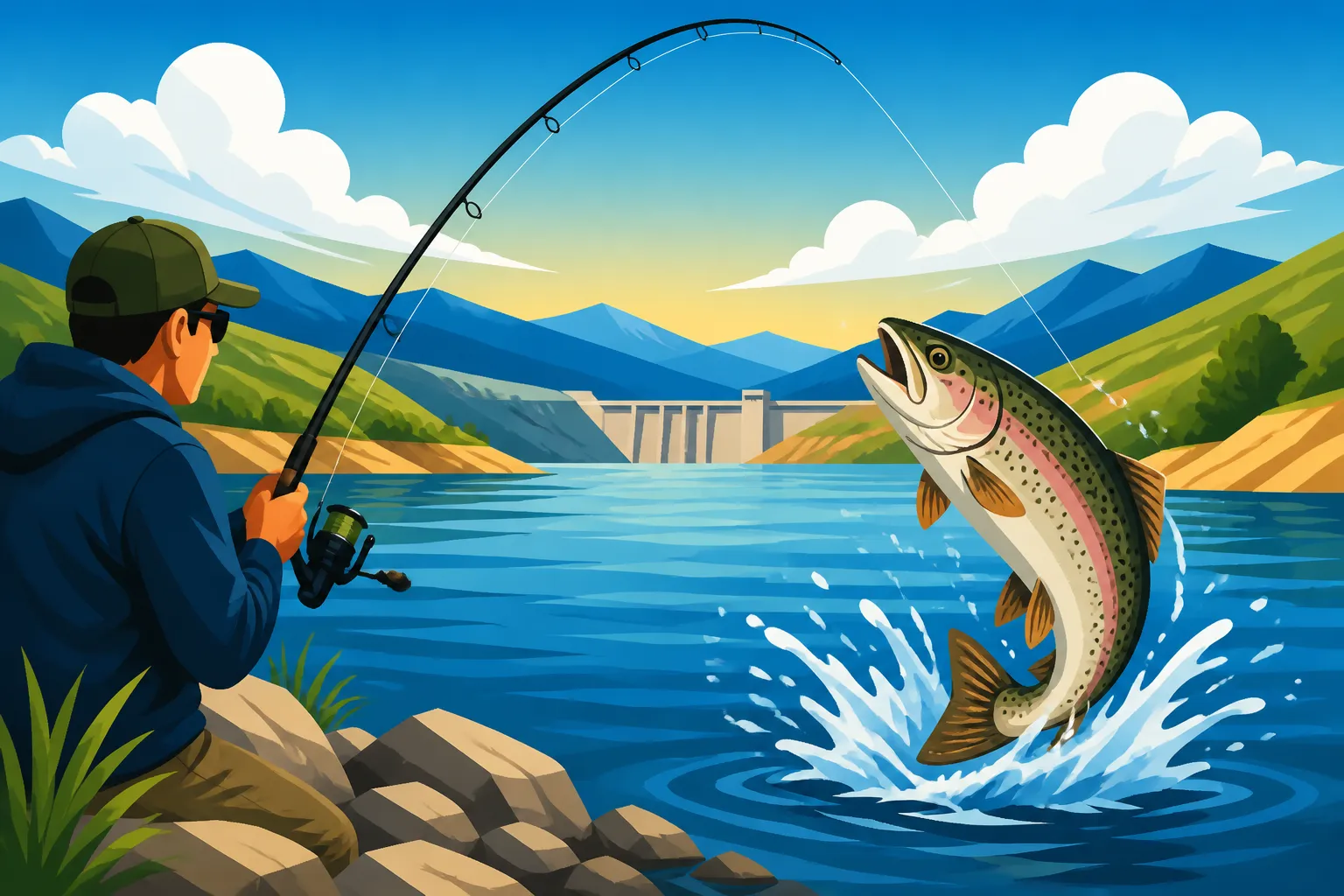
Fishing Cherry Creek Reservoir
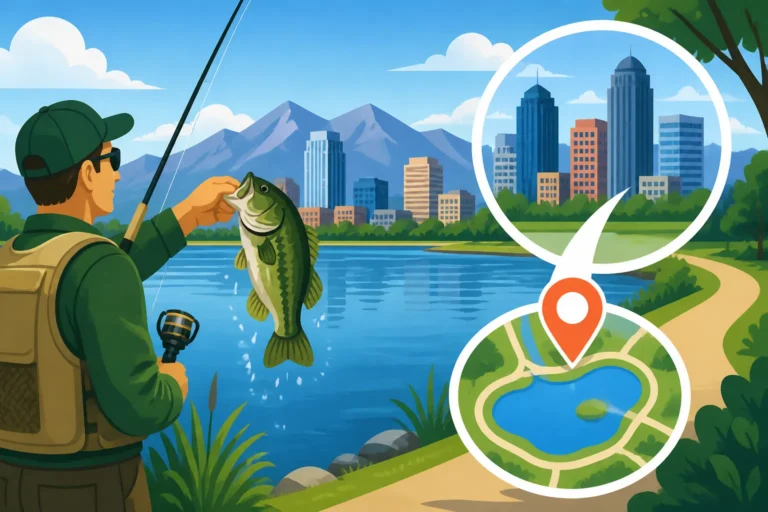
Heading out to fish Cherry Creek Reservoir can sometimes feel like trying to find a quiet corner in a bustling city park – it’s right there, super accessible, but navigating the crowds and knowing where the fish are hiding can be a real head-scratcher. Many anglers, both locals and visitors, get a bit overwhelmed by its sheer size and the sheer number of options available. This comprehensive guide will cut through the noise, offering detailed insights into what makes Cherry Creek a premier urban fishing destination and how you can make the most of your time on its waters, whether you're after a trophy walleye or a feisty rainbow trout.
Unraveling the Allure of Cherry Creek Reservoir
Cherry Creek Reservoir, nestled right on the southeastern edge of Denver, isn't just a body of water; it's a sprawling state park offering an escape into nature without ever really leaving the city. For many Colorado residents and even those just passing through, it's the go-to spot for a quick fishing fix or a full day on the water with the family. Its accessibility is arguably its biggest draw, but beneath the surface lies a diverse fishery waiting to be explored.
Location and Accessibility for Anglers
Situated primarily in Arapahoe County, Cherry Creek State Park is remarkably easy to reach from virtually anywhere in the Denver metro area. Whether you're coming from downtown Denver, Aurora, or Parker, well-maintained roads lead directly to its multiple entrances. This proximity to a major metropolitan area means you can go from urban sprawl to casting lines in a matter of minutes, a luxury many anglers in more remote areas don't often enjoy.
The park is truly expansive, covering over 3,300 acres of land and a 880-acre reservoir. This size, while offering plenty of space, also means you'll want a plan before you arrive, especially if you're targeting specific species or prefer a particular type of fishing, such as shore casting versus boat fishing. Knowing the best entrance for your chosen activity can save you time and hassle, especially on busy summer weekends.
Understanding Cherry Creek State Park Fees and Access
One crucial detail that often catches new visitors off guard is that Cherry Creek Reservoir is located within Cherry Creek State Park, which means a state park pass or daily entrance fee is required in addition to your Colorado Fishing License Guide for Residents and Nonresidents. This isn't just a minor cost; it's an important part of supporting the park's maintenance and amenities. You can purchase a daily pass at the entrance stations or invest in an annual Colorado State Parks Pass, which is a great value if you plan on visiting any Colorado State Parks frequently throughout the year.
The daily pass typically runs around $11-$14 per vehicle, while an annual pass is usually around $80-$100. This is an important distinction to make, as many anglers initially assume their fishing license covers all access. Remember, the fishing license gives you permission to fish statewide, but specific access points, like state parks, often have their own entry requirements. For a deeper dive into the relationship between park passes and fishing, you might want to check out Colorado State Park Passes vs Fishing Licenses.
Prime Species and Seasonal Opportunities at Cherry Creek
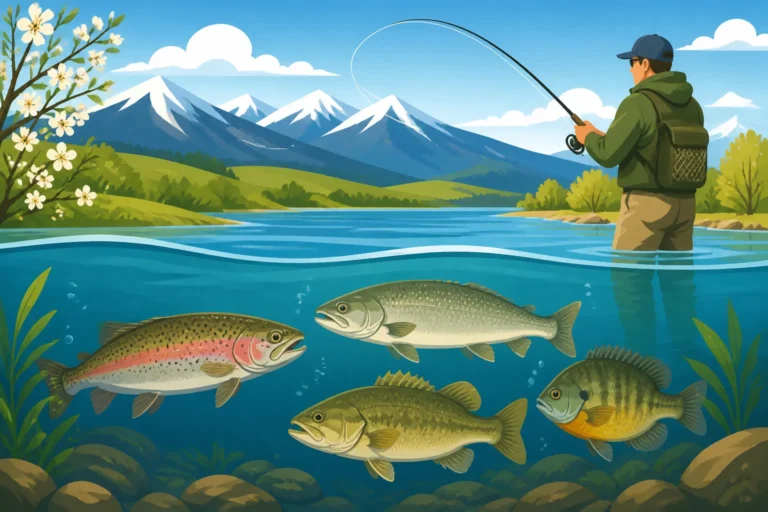
Cherry Creek Reservoir is renowned for its diverse fishery, boasting a variety of warmwater and coldwater species that offer exciting angling opportunities throughout the year. Depending on the season and your preferred target, you can find success with different fish. Knowing what bites when, and where, is key to a productive day.
Battling Walleye and Northern Pike
Walleye are a prized catch at Cherry Creek, known for their elusive nature and delicious fillets. Spring and fall are often considered the best times to target them, particularly during their pre-spawn and post-spawn periods when they move into shallower water. During these times, focus on rocky points, submerged humps, and the edges of weed beds, especially at dawn or dusk. Jigging with minnows or soft plastics, or trolling with crankbaits like Rapalas or Wally Divers, can be incredibly effective.
Northern Pike are another top predator in Cherry Creek, offering aggressive strikes and a thrilling fight. They tend to hang out in areas with submerged vegetation, where they can ambush their prey. You'll often find them along the deeper weed lines or in coves with plenty of cover. Large spinnerbaits, spoons, and swimbaits are excellent choices for pike. Keep in mind that pike can be quite large here, so a heavier setup with a steel leader is often recommended to prevent bite-offs. Don't forget to check Colorado's Daily Northern Pike Limit before you head out, as regulations can vary.
Targeting Rainbow Trout and Crappie
Rainbow trout are a staple at Cherry Creek, thanks to regular stocking efforts by Colorado Parks and Wildlife. These feisty fish offer consistent action, particularly in the cooler months of spring and fall. They can be found throughout the reservoir, but often congregate near the dam, inlets, and deeper channels. PowerBait, worms, and small spoons or spinners (like Kastmasters or Mepps Aglias) are go-to baits for stocked rainbows.
Crappie, both black and white, provide excellent panfishing opportunities, especially for families or those looking for a high-volume catch. They tend to school up around submerged structures like brush piles, downed trees, and bridge abutments. Springtime, when crappie move into shallower water to spawn, is prime time. Small jigs tipped with minnows or tiny plastic tubes fished under a bobber are incredibly effective. Look for them in calmer coves and protected areas. Knowing Colorado's Daily Rainbow Trout Limit is also essential to stay within regulations.
Other Notable Species: Bass, Catfish, and Wiper
Cherry Creek also supports healthy populations of both Largemouth and Smallmouth Bass. Largemouth prefer the warmer, shallower areas with dense cover, while smallmouth gravitate towards rocky points, drop-offs, and deeper, cooler water. Topwater lures, spinnerbaits, plastic worms, and jigs work well for both species, depending on the conditions. Summer months, particularly early mornings and late evenings, are ideal for bass fishing.
Channel Catfish thrive in Cherry Creek's warmer waters and provide fantastic action, especially at night during the summer. They are bottom feeders and can be caught using a variety of smelly baits like cut bait, chicken livers, or commercial stink baits. The deeper channels and areas near the creek inflow are often productive spots for catfish. Finally, Wiper, a hybrid cross between white bass and striped bass, are incredibly strong fighters that feed aggressively on baitfish schools. Trolling or casting crankbaits, spoons, or swimbaits into open water where baitfish are abundant can lead to explosive strikes from these hard-hitting fish.
Effective Fishing Techniques and Gear for Cherry Creek
Fishing Cherry Creek Reservoir requires a versatile approach, given its diverse fish species and varied aquatic environments. Whether you prefer fishing from shore, a boat, or through the ice, having the right techniques and gear in your arsenal will significantly increase your chances of success.
Shoreline Fishing Strategies
Shoreline fishing is incredibly popular at Cherry Creek, not just because it's accessible, but because many areas offer fantastic angling opportunities. The reservoir boasts numerous points, coves, and extended shoreline stretches, providing ample space for anglers to spread out. Some of the most productive shore fishing spots include the area near the dam, the west boat ramp, and various sandy beaches and rocky outcroppings along the northern and western shores. For detailed insights on getting started, you might want to look into Shore Fishing Spots at Cherry Creek Reservoir.
When fishing from shore, a medium-light to medium action spinning rod and reel combo with 6-10 pound test line is a good all-around setup. For trout, PowerBait, worms, or small spinners are effective. For walleye and bass, consider casting crankbaits, jigging soft plastics, or using live bait where permitted. Catfish anglers will often set up with heavier tackle and wait patiently for a bite using cut bait or stink baits. Remember to bring a long-handled net, especially if you're targeting larger species from the bank, as landing a big fish can be tricky.
Boat Fishing Advantages
For those with access to a boat, Cherry Creek Reservoir truly opens up. The ability to cover more water and reach offshore structures, deep channels, and submerged humps gives boat anglers a distinct advantage. There are multiple boat ramps available within Cherry Creek State Park, including the popular West Boat Ramp and the East Boat Ramp, which offer convenient access for various watercraft, from small Jon boats to larger bass boats and pontoons.
Boat anglers can employ a range of techniques. Trolling with downriggers or planer boards is highly effective for targeting walleye, wiper, and even deeper-holding trout with crankbaits or spoons. Jigging vertical presentations over structure is also a proven method for walleye and lake trout (though lake trout are less common here compared to other Colorado reservoirs). For bass and pike, working weed lines and structure with casting rods and various lures allows for precise presentations. Always remember to check current boating regulations and speed limits within the park.
Ice Fishing Opportunities in Winter
When the Colorado winter settles in and the ice thickens sufficiently, Cherry Creek Reservoir transforms into a popular ice fishing destination. This can be an incredibly rewarding experience, offering a unique challenge and often productive fishing. Typically, ice fishing season runs from late December through February or early March, depending on ice conditions. However, safety is paramount; never venture onto ice that is less than four inches thick. Colorado Parks and Wildlife regularly monitors conditions, and it's always wise to consult their reports or local bait shops for the latest ice thickness updates. For specific details on this winter activity, check out Does Cherry Creek Reservoir Allow Ice Fishing?.
Common species caught through the ice at Cherry Creek include rainbow trout, walleye, crappie, and yellow perch. Jigging with small spoons, soft plastics, or tipped with a mealworm or waxworm are highly effective. For walleye, tip-ups with minnows can be very productive. Portable ice shelters and heaters can make the experience much more comfortable during colder days. It's a fantastic way to extend your fishing season, but proper gear and safety precautions are essential.
Navigating Regulations, Facilities, and Visitor Resources
Fishing at Cherry Creek, like any other body of water, comes with its own set of rules and conveniences. Being informed about the park's facilities, specific fishing regulations, and available resources can greatly enhance your overall experience and ensure you stay on the right side of the law.
Understanding Colorado Fishing Regulations
Every angler in Colorado needs to be aware of the statewide fishing regulations, which are outlined in the annual Colorado Parks and Wildlife (CPW) Fishing Brochure. Beyond the general rules, Cherry Creek Reservoir often has specific regulations regarding bag and possession limits for certain species, bait restrictions, or other local rules. It's imperative to consult the current CPW fishing brochure for the most up-to-date information, as these can change year to year. For example, knowing Colorado's Daily Walleye Limit or how it differs from Colorado's Daily Rainbow Trout Limit is critical to avoid citations.
One common question revolves around bait: generally, live baitfish are prohibited in many Colorado waters to prevent the spread of undesirable species, but Cherry Creek often allows certain types of bait. Always double-check the brochure for specifics. Additionally, keep an eye out for special regulations concerning specific times of year, such as spawning closures for certain species, though these are less common at Cherry Creek compared to some other rivers. Remember, ignorance of the law is no excuse, and fishing without proper licenses or exceeding limits can result in significant penalties, as detailed in What Happens If You Fish in Colorado Without a License.
Park Facilities and Amenities for Anglers
Cherry Creek State Park is a full-service park, meaning it offers a wide array of amenities that benefit anglers. Beyond the boat ramps mentioned earlier, you'll find ample parking, restrooms, and picnic areas conveniently located throughout the park. There are also designated swimming areas, a dog off-leash park, and miles of multi-use trails, making it a great destination for families where not everyone might be solely focused on fishing.
For those planning an extended visit, the park also offers camping facilities, ranging from basic tent sites to full hook-up RV sites. This allows anglers to stay close to the action and enjoy early mornings or late evenings on the water without a long commute. Additionally, there's often a marina or concessionaire that provides boat rentals, bait, tackle, and snacks, which can be a lifesaver if you forget something or need local advice. Many local outfitters and guides also operate in the area, and you can often find their services listed on platforms like FishingBooker, which makes planning a guided trip quite easy.
| Species | Best Season | Primary Lures/Baits | Key Locations | Special Notes |
|---|---|---|---|---|
| Walleye | Spring, Fall | Jigs (minnows/plastics), Crankbaits | Rocky points, Submerged humps | Dawn/Dusk best, elusive but delicious |
| Northern Pike | Summer, Fall | Large Spinnerbaits, Spoons, Swimbaits | Weed lines, Coves with cover | Aggressive strikes, use steel leader |
| Rainbow Trout | Spring, Fall, Winter | PowerBait, Worms, Small Spinners | Dam area, Inlets, Deeper channels | Regularly stocked, good for beginners |
| Crappie | Spring | Small Jigs (minnows/plastics) | Submerged brush, Docks, Calm coves | Schools up, high-volume catch, fun for kids |
| Largemouth Bass | Summer | Topwater, Spinnerbaits, Plastic Worms | Shallow areas with dense cover | Early morning/late evening |
| Smallmouth Bass | Summer | Jigs, Tubes, Crankbaits | Rocky points, Drop-offs | Strong fighters, prefer cooler, deeper spots |
| Channel Catfish | Summer | Cut bait, Stink bait, Worms | Deep channels, Inflow areas | Best at night, bottom feeders |
| Wiper | Summer, Fall | Crankbaits, Spoons, Swimbaits | Open water, Baitfish schools | Hard fighters, school with baitfish |
Crafting a Successful Fishing Trip at Cherry Creek
A successful day of fishing at Cherry Creek Reservoir isn't just about catching fish; it's about enjoying the experience, learning the water, and appreciating the diverse opportunities it offers. With a bit of planning and local knowledge, you can turn a potentially frustrating outing into a memorable adventure.
Optimal Times and Weather Conditions
Like any large body of water, Cherry Creek responds to environmental factors. For most species, early morning and late evening hours tend to be the most productive, especially during the warmer months. Fish are often more active and less spooky during these low-light periods. Overcast days, or days immediately following a significant weather front (like a rain shower that slightly muddies the water), can also stimulate feeding activity, particularly for predators like walleye and pike.
Conversely, bright, sunny midday hours in the heat of summer can slow down the bite, pushing fish into deeper, cooler water or dense cover. On these days, adjusting your technique to target deeper areas or switching to more subtle presentations can make a difference. Wind can also be a factor on such a large, open reservoir. While a light chop can be beneficial for breaking up the surface and making fish feel more secure, strong winds can make casting difficult and create unsafe boating conditions. Always check the weather forecast before heading out and be prepared to adjust your plans.
Avoiding Crowds and Finding Solitude
One of the biggest frustrations for urban anglers is dealing with crowds, and Cherry Creek, being so accessible, can get very busy, especially on weekends and holidays. If solitude is what you're after, consider fishing during weekdays, early mornings, or late evenings. These times generally see fewer people on the water and along the shorelines.
Another strategy is to explore lesser-known access points or to focus on boat fishing, which allows you to move away from the most congested shorelines and launch ramps. The sheer size of Cherry Creek means there are always quieter coves or stretches of shoreline if you're willing to walk a bit or motor further out. Planning your visit for the shoulder seasons (early spring or late fall) can also significantly reduce visitor numbers, providing a more peaceful experience while still offering excellent fishing. If you're looking for other Urban Fishing Ponds in the Denver Metro that might offer a different crowd dynamic, CPW has several options.
Leveraging Local Knowledge and Resources
Connecting with local resources is invaluable for successful fishing at Cherry Creek. Bait and tackle shops around the Denver area, such as Bass Pro Shops in Denver or local independent shops, are often goldmines of information. They can provide real-time updates on fishing conditions, hot baits, and recent stocking reports. Many seasoned anglers are also happy to share tips, though you might have to engage them in conversation.
Online forums, social media groups dedicated to Colorado fishing, and official Colorado Parks and Wildlife (CPW) stocking reports are also fantastic resources. CPW provides regular updates on fish stockings, which can be a game-changer for targeting recently introduced trout. Additionally, consider looking into guided trips, especially if you're new to the area or targeting a specific, challenging species. Guides on platforms like FishingBooker possess intimate knowledge of the reservoir and its fish, and can dramatically shorten the learning curve, making your trip more productive and enjoyable.
Disclaimer
The information provided in this guide is for general informational purposes only. Fishing regulations, conditions, and fish populations can change frequently. Always consult the most current Colorado Parks and Wildlife regulations brochure and check local conditions before planning your fishing trip. Safety should always be your top priority when on or near the water.