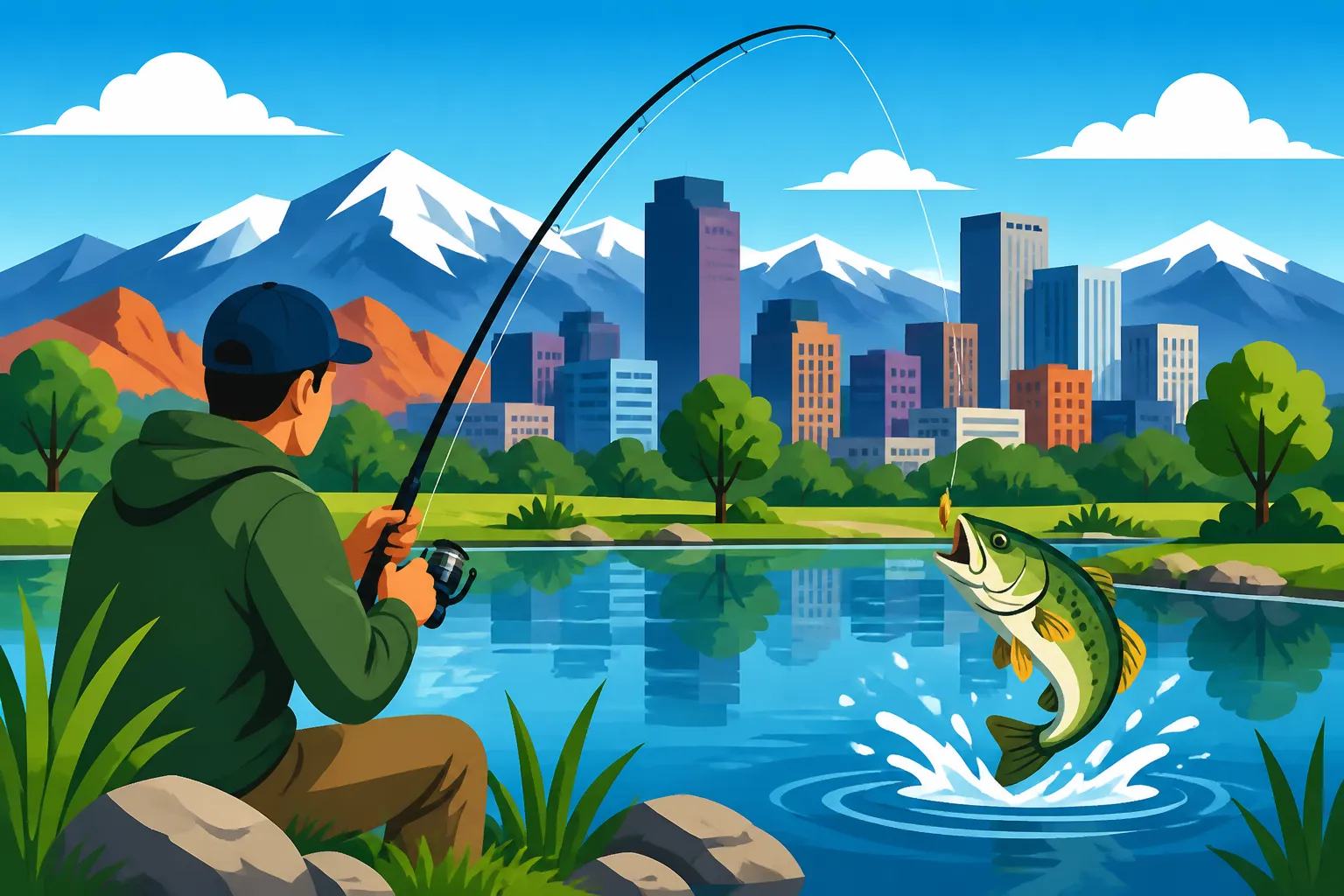
Urban Fishing Ponds in the Denver Metro
Living in the bustling Denver Metro area, it can often feel like a pipe dream to find a peaceful fishing spot without driving for hours into the mountains. The thought of battling I-70 traffic for a quick angling fix is enough to deter even the most dedicated angler. This guide is your comprehensive resource for discovering the fantastic, often overlooked, urban fishing ponds right here in the Denver area, proving that a quality, convenient fishing experience is closer than you think.
The Undeniable Appeal of Urban Fishing in Denver
For many, the idea of "city fishing" conjures images of murky, overlooked ponds with little to offer. But Denver's urban fishing scene is a vibrant, carefully managed ecosystem designed to provide accessible and enjoyable angling opportunities right in your backyard. It's a true blessing for those of us who cherish our time on the water but are often short on time.
Why City Ponds Are a Lifesaver for Anglers
Let's be honest, not everyone has the luxury of taking a full day or weekend to drive up to a remote mountain lake or a fabled Gold Medal river. For parents with young kids, folks working demanding schedules, or even those just looking for a spontaneous outing, urban ponds are an absolute game-changer. They offer immediate access to fishing without the travel stress, expense, or extensive planning required for a backcountry trip. You can often be at a pond within minutes of deciding to go, which means more casts and less driving. This convenience is unparalleled, allowing you to squeeze in an hour before dinner or after work, transforming what might otherwise be a stressful day into a tranquil escape.
Common Misconceptions About Urban Fishing
A big reason many anglers overlook urban ponds is the lingering belief that they're not "real" fishing spots. Some imagine polluted waters, stunted fish, or overcrowded banks. However, Colorado Parks and Wildlife (CPW) invests considerable resources into managing and stocking Denver's urban waters, ensuring they're healthy, vibrant, and productive. These aren't just puddles; many are sizable lakes and reservoirs offering diverse species and quality angling. The water quality is regularly monitored, and stocking programs ensure a consistent supply of fish. Furthermore, while popular, many of these spots offer ample shoreline or different access points, allowing for a surprising amount of solitude even within city limits.
What Makes Denver's Urban Lakes Special
What truly sets Denver's urban lakes and ponds apart is the thoughtful integration of nature into the urban fabric. These aren't just bodies of water; they're often focal points of beautiful city parks, complete with walking trails, playgrounds, and picnic areas. This makes them ideal for family outings where fishing is just one part of a larger outdoor adventure. CPW's dedication to its Urban Fishing Program means these waters are frequently stocked, especially with trout, making them particularly rewarding for beginners and children. Beyond the fish, you'll often find a surprising amount of wildlife, from waterfowl to raptors, adding to the overall experience. It's an opportunity to reconnect with nature without ever leaving the city grid, and that's something truly special.
Top Urban Fishing Spots Across the Denver Metro
The Denver Metro area boasts a fantastic array of urban fishing opportunities, from small, neighborhood ponds perfect for a quick cast to larger reservoirs that feel miles away from the city bustle. Each spot offers its own unique charm and angling challenges.
Central Denver Gems
Right in the heart of the city, you'll find several beloved fishing destinations that are incredibly accessible. These spots are perfect for quick trips and often cater well to families.
Sloan's Lake Park
Sloan's Lake, located just west of downtown, is Denver's second-largest park lake, offering stunning views of the city skyline and the distant mountains. It's a truly iconic urban fishing spot. Anglers here can expect to find a diverse population of fish, including rainbow trout, largemouth bass, channel catfish, crappie, bluegill, and even some wiper. CPW regularly stocks rainbow trout, especially in the cooler months, making it a reliable spot for trout fishing. During the warmer seasons, focus shifts to bass and catfish, which thrive in the lake's structure and warmer waters. Shore fishing is popular, but many also use float tubes or kayaks to access deeper water and weed beds. The park itself is a hub of activity, so while you're fishing, you'll see everything from paddle boarders to joggers, creating a lively atmosphere.
Washington Park
Washington Park, another classic Denver locale, features two main bodies of water: Grasmere Lake and Smith Lake. Both are relatively shallow but are regularly stocked by CPW with rainbow trout, particularly during spring and fall. These lakes are perfect for introducing kids to fishing due to their easy access and consistent stocking. Beyond trout, you might also find bluegill and common carp, offering varied targets. The park's beautiful, mature trees and well-maintained pathways make for a picturesque fishing experience, and it's incredibly popular with families enjoying picnics and leisurely strolls. It's important to remember these are smaller, calmer waters, so light tackle and a gentle approach often yield the best results.
City Park's Ferril Lake
Ferril Lake, the centerpiece of Denver's iconic City Park, offers a truly unique urban fishing experience with the Denver Museum of Nature & Science and the city skyline as your backdrop. This lake is another excellent spot for trout, which are stocked by CPW, particularly in spring and fall. Beyond the rainbows, Ferril Lake also hosts healthy populations of largemouth bass, channel catfish, and various panfish like bluegill and crappie. The lake's edges are easily accessible, and there are several docks and bridges that provide good fishing opportunities. While boating is popular on Ferril Lake (you'll often see paddle boats and kayaks), anglers typically stick to shore fishing or small personal watercraft. It’s an ideal spot to combine fishing with a day out enjoying one of Denver's premier parks.
Northern Metro Hotspots
Venturing slightly north of downtown, several larger and equally productive bodies of water await, offering more space and often a wider variety of fish.
Standley Lake Regional Park
Standley Lake in Westminster is a major reservoir that serves as a drinking water supply for several surrounding cities, and it also happens to be a fantastic fishing destination. This lake prohibits gas motors, making it a tranquil haven for kayakers, paddleboarders, and electric-trolling motorboats. Standley Lake is renowned for its diverse fishery, including excellent populations of walleye, smallmouth bass, largemouth bass, channel catfish, perch, and impressive rainbow trout and even some tiger muskies. Due to its size and depths, it offers a more challenging and rewarding experience than smaller ponds. Shore access is available, but a boat or float tube can greatly enhance your ability to explore its vast waters. Remember to check local regulations for Standley Lake as they can be specific due to its role as a drinking water reservoir.
Barr Lake State Park
Located on the eastern edge of the Denver Metro area near Brighton, Barr Lake State Park offers a more expansive, wildlife-rich fishing experience that feels a world away from the city. The lake is a warmwater fishery, home to channel catfish, largemouth bass, wiper, northern pike, and a variety of panfish. It's a particularly great spot for those targeting larger warmwater species. The park also features an abundance of birdlife, including bald eagles, making it a superb destination for nature lovers who enjoy fishing. There's good shoreline access, a boat ramp for those with powerboats (check motor restrictions), and even a fishing pier, ensuring options for all types of anglers. Anglers often find success here using cut bait for catfish or various lures for bass and pike.
Webster Lake in Northglenn
Webster Lake, a central feature of Northglenn's Webster Lake Park, is another valuable urban fishing resource. This smaller, community-focused lake is regularly stocked with rainbow trout during the cooler months, providing consistent action for anglers. In warmer seasons, it's also a reliable spot for channel catfish, largemouth bass, and panfish like bluegill and crappie. The lake offers easy shoreline access, paved walking paths, and picnic areas, making it a pleasant spot for a family outing. Its size makes it manageable for younger anglers, and the diverse species provide opportunities for various fishing techniques.
Southern Metro Favorites
The southern stretch of the Denver Metro also holds some of the region's largest and most popular fishing destinations, offering extensive opportunities for both boat and shore anglers.
Cherry Creek State Park
Cherry Creek State Park in Aurora is an expansive urban oasis, centered around the large Cherry Creek Reservoir. This reservoir is a powerhouse fishery, incredibly popular with local anglers. It supports a wide array of species, including rainbow trout (stocked heavily in spring and fall), walleye, largemouth bass, smallmouth bass, channel catfish, crappie, bluegill, and northern pike. Its vast open water makes it ideal for boat fishing, with multiple boat ramps available, but there's also extensive shoreline for bank anglers. For those looking to try different tactics, trolling for walleye is popular, as is casting for bass along the numerous coves and drop-offs. The park also offers amenities like camping, a dog park, and trails, making it a true recreational hub. Remember that a Colorado State Park Pass or daily entrance fee is required in addition to your fishing license.
Chatfield State Park
Just southwest of Denver, Chatfield State Park and its large reservoir offer another premier fishing experience. Similar to Cherry Creek, Chatfield is a multi-species haven, brimming with rainbow trout (especially in cooler weather), smallmouth and largemouth bass, walleye, channel catfish, crappie, perch, and wiper. This reservoir is a favorite among boat anglers due to its size and well-maintained boat ramps. Shore anglers will find plenty of access points around the reservoir's perimeter, including designated fishing areas. The variety of species and habitat means there's always something to target, whether you're casting for bass in the shallows, jigging for walleye in deeper water, or soaking bait for catfish overnight. For those new to fishing or looking for an experienced hand to guide them on larger waters, platforms like FishingBooker can connect you with local guides who specialize in Chatfield's diverse fishery, helping you pinpoint the best spots and techniques.
Quincy Reservoir in Aurora
Quincy Reservoir, managed by Aurora Water, provides a serene and often less crowded fishing experience due to its regulations (no swimming, no gas motors). It's primarily a warmwater fishery known for its excellent largemouth bass and smallmouth bass populations, as well as walleye, yellow perch, and crappie. While trout are not typically stocked here, the strong warmwater species make it a fantastic destination for targeting those fish. Many anglers consider Quincy to be one of the best bass fisheries in the metro area. Access is limited to certain hours and requires a small entry fee or annual pass, which helps manage crowds and preserve the quality of the fishing. It’s a great spot for those who prefer the quiet approach of a float tube or kayak, allowing you to stealthily access prime bass habitat along the shorelines.
Eastern and Western Metro Options
While the central, northern, and southern areas boast some major players, the broader metro area also has numerous smaller, more neighborhood-oriented ponds and lakes, perfect for local anglers.
Bear Creek Lake Park in Lakewood
On the western side of the metro, Bear Creek Lake Park in Lakewood offers fishing opportunities on Bear Creek Lake. This popular park provides a multi-faceted fishing experience with trout stocking during cooler months and a good variety of warmwater species like largemouth bass, smallmouth bass, walleye, yellow perch, bluegill, and channel catfish. The lake is generally deep and offers a lot of structure, making it interesting for anglers using boats, kayaks, or even float tubes. Shore fishing is plentiful, especially in designated areas. It's a great spot to practice different techniques, from casting lures for bass to using powerbait for freshly stocked trout. Just like many state parks, remember that a park entrance fee typically applies here.
Central Park Ponds (Denver)
The Central Park (formerly Stapleton) neighborhood in northeast Denver features several smaller, well-maintained ponds, such as Westerly Creek Lake and Bluff Lake. While smaller in scale, these ponds are part of CPW's Urban Fishing Program and are regularly stocked with rainbow trout, making them excellent choices for quick fishing trips, especially with children. You'll also find warmwater species like bluegill, largemouth bass, and channel catfish in these waters. They offer easy, paved access and a family-friendly environment. These neighborhood ponds are fantastic for teaching basic fishing skills, and the consistent stocking provides a high chance of success, which is always encouraging for beginners.
Here's a quick comparison of some popular urban fishing spots:
| Fishing Spot | Primary Fish Species Targeted | Best For | Key Features | Access Type |
|---|---|---|---|---|
| Sloan's Lake | Rainbow Trout, Bass, Catfish, Crappie | All-around, City Views | Large, iconic lake; diverse species; boat rentals nearby (non-motorized) | Shore, Float Tube, Kayak |
| Washington Park Lakes | Rainbow Trout, Bluegill, Carp | Beginners, Families | Tranquil park setting; consistent trout stocking; easily accessible shoreline | Shore |
| Ferril Lake (City Park) | Rainbow Trout, Bass, Catfish, Panfish | Family Day Out, Scenic | Iconic backdrop; frequent trout stocking; docks | Shore, Small Watercraft |
| Standley Lake | Walleye, Bass, Perch, Trout, Tiger Muskie | Larger Fish, Quiet Boating | No gas motors; diverse game fish; drinking water reservoir regulations | Shore, Electric Boat, Kayak |
| Barr Lake State Park | Catfish, Bass, Wiper, Northern Pike | Warmwater, Birdwatching | Expansive state park; wildlife viewing; good for larger warmwater species | Shore, Boat (motor limits apply) |
| Cherry Creek State Park | Trout, Walleye, Bass, Catfish, Pike | Multi-Species, Boating | Large reservoir; diverse fishery; full park amenities; boat ramps | Shore, All Boats |
| Chatfield State Park | Trout, Bass, Walleye, Catfish, Wiper | Multi-Species, Boating | Large reservoir; diverse fishery; full park amenities; boat ramps | Shore, All Boats |
| Quincy Reservoir | Largemouth Bass, Smallmouth Bass, Walleye, Perch, Crappie | Bass Fishing, Quiet | No gas motors; excellent bass habitat; fee required for entry | Shore, Float Tube, Kayak |
| Bear Creek Lake Park | Trout, Bass, Walleye, Perch, Catfish | Varied, Western Metro | Good structure; diverse species; park amenities | Shore, All Boats |
| Central Park Ponds | Rainbow Trout, Bluegill, Bass, Catfish | Quick Trips, Kids | Neighborhood ponds; frequent trout stocking; easy access | Shore |
What You'll Catch: Species in Denver's Urban Waters
The beauty of urban fishing in Denver lies in the diverse range of species you can encounter, thanks to dedicated management by Colorado Parks and Wildlife. It's not just about one type of fish; these waters support thriving populations of both coldwater and warmwater species, offering something for every angler.
The Trout Stocking Program
One of the cornerstones of Denver's urban fishing success is CPW's robust trout stocking program. Throughout the cooler months, typically from early spring through late fall, many of these urban ponds and lakes are regularly replenished with thousands of catchable-sized rainbow trout. This consistent stocking ensures a high probability of success, especially for beginners and children, making it an incredibly popular activity. You can often find details on which ponds have been recently stocked by checking the Reading Colorado's Weekly Stocking Report on the CPW website, which is an invaluable resource for planning your trips. While rainbow trout are the most common, some waters might also see a mix of brown trout or even tiger trout, especially in larger reservoirs. For a deeper dive into these finned beauties, you might want to consult Colorado's Trout Species, A Field Guide.
Warmwater Species Abound
Beyond trout, Denver's urban waters are teeming with a fantastic array of warmwater species that thrive in the slightly warmer, shallower environments of many city lakes and reservoirs. You'll commonly find healthy populations of largemouth bass, smallmouth bass, and channel catfish. These species provide thrilling fights and can grow to impressive sizes, making them a favorite target for many anglers. Panfish like bluegill and crappie are also ubiquitous, offering constant action and being excellent table fare. Larger reservoirs such as Cherry Creek and Chatfield are renowned for their walleye populations, which are a highly prized sport fish. Some lakes, like Standley Lake, even hold wiper (a hybrid striped bass) and formidable northern pike, providing an exciting challenge for anglers looking for a predatory thrill. Targeting these warmwater fish often requires different techniques and baits than trout, adding another layer of depth to your urban angling adventures.
Managing Invasive Species
While most species are managed for sport, Colorado Parks and Wildlife also actively manages certain fish populations that can become problematic if left unchecked. Northern pike, for instance, are highly predatory and can have significant impacts on trout and native fish populations in some waters. In many Colorado waters, including some in the Denver Metro, pike are managed with liberal bag limits, or even a mandate to not return them to the water once caught, to help control their numbers. Similarly, species like common carp, while providing a challenging fight, are often considered a nuisance in some urban environments. It's crucial for anglers to be aware of species-specific regulations and understand the role they play in ecosystem management. Always consult the current Colorado fishing regulations brochure to understand the specific rules for the water body you are fishing, as these can vary significantly and are designed to protect the health of Colorado's fisheries.
Essential Gear and Techniques for City Pond Fishing
One of the great things about urban fishing in Denver is that you don't need a boatload of specialized gear to get started. Many of these ponds and lakes are perfectly suited for simpler setups, making it an accessible hobby for everyone.
Rods, Reels, and Line for Urban Anglers
For the typical urban pond, a versatile spinning rod and reel combo is your best bet. A light to medium-light action rod, around 6 to 7 feet in length, will handle most of what you'll encounter, from feisty trout to respectable bass and catfish. This length offers good casting distance from the bank while still being manageable in tighter spaces. Pair it with a spinning reel spooled with 4 to 8-pound monofilament or fluorocarbon line. Monofilament is a great all-around choice due to its stretch and knot strength, while fluorocarbon offers lower visibility and good abrasion resistance. For targeting larger warmwater species like walleye or pike in bigger reservoirs, you might step up to a medium action rod and 8 to 12-pound line, or even braided line for its sensitivity and strength.
Best Baits and Lures for Denver's Ponds
When it comes to bait, simplicity often wins. For trout, powerbait (in various colors and forms like dough or nuggets), salmon eggs, and small worms (like mealworms or nightcrawlers) are consistently effective. These baits can be fished on a small hook with a lightweight sinker, either on the bottom or suspended under a bobber. For warmwater species, nightcrawlers are a universal bait that attracts everything from bluegill to catfish. Corn is surprisingly effective for carp. When it comes to lures, small inline spinners (like Mepps or Panther Martin), tiny spoons (Kastmasters are a classic), and small soft plastic grubs or swimbaits on jig heads are highly productive for trout and panfish. For bass, try Texas-rigged worms, spinnerbaits, or crankbaits. For walleye, jigs tipped with a minnow or a soft plastic, or trolling crankbaits, are often the ticket. Experimentation is key, as what works one day might not the next.
Mastering Bank Fishing and Wading in Urban Settings
Most urban fishing in Denver is done from the bank. Look for areas with access, often near deeper water, submerged structure (like old timber or rocks), or points that extend into the lake. Pay attention to changes in depth or vegetation, as these are prime holding areas for fish. Casting out and slowly retrieving your lure, or setting up a bait rig to wait for a bite, are common and effective strategies. When fishing with bait, it's often best to let your bait settle on the bottom or suspend it a foot or two off the bottom with a bobber. For lure fishing, vary your retrieve speed and depth until you find what the fish are reacting to. While wading is less common in most urban ponds due to mucky bottoms and park regulations, larger reservoirs like Chatfield or Cherry Creek might offer limited wading opportunities in shallower areas—always check specific park rules first. If you do wade, ensure you have appropriate footwear for safety and stability. For a more in-depth discussion on targeting specific species, exploring resources like Trolling Techniques for Colorado Reservoirs could be beneficial.
Regulations and Responsible Angling in Denver's Urban Parks
Fishing in Denver's urban parks means enjoying nature amidst the city, but it also comes with a responsibility to understand and abide by local and state regulations. These rules are in place to protect the fishery, ensure public safety, and maintain a pleasant experience for everyone.
Understanding Colorado Parks and Wildlife Regulations
Before you even make your first cast, you need a valid Colorado fishing license. This is non-negotiable for anyone 16 years of age or older. For a comprehensive overview, check out our Colorado Fishing License Guide for Residents and Nonresidents. It’s easy to obtain a license online through CPW's website or at many sporting goods stores. Even in urban ponds, game wardens do patrol, and fishing without a license can lead to significant fines. Beyond the license, you must be familiar with the general statewide regulations, as well as any specific rules for the particular body of water you're fishing. Many urban ponds fall under the Colorado Fishing License Rules for Community Ponds in Denver and the broader Urban Fishing Program, which often have specific bag and possession limits. These can include daily limits for trout, bass, or catfish, and sometimes special restrictions on certain species. Always consult the current CPW fishing brochure for the most up-to-date information.
Catch and Release vs. Keeping Your Catch
Deciding whether to keep or release your fish is an important aspect of responsible angling. Many anglers practice catch and release, especially for larger game fish like bass or walleye, to help maintain healthy populations. If you choose to keep fish, always ensure you are within the legal How Many Trout You Can Keep Per Day in Colorado or other species-specific bag limits. Handle fish with wet hands, minimize their time out of water, and use appropriate tools like needle-nose pliers for hook removal to ensure their best chance of survival if you intend to release them. For species like trout, especially during warmer months, catch-and-release mortality can be higher, so consider keeping your limit quickly and responsibly if the water temperatures are elevated. Always know the rules for the specific water you're fishing, as some urban ponds might have catch-and-release only sections or size restrictions.
Respecting the Environment and Other Users
Urban parks are shared spaces, and respecting both the environment and other park users is paramount. This means packing out all your trash, including fishing line, bait containers, and any other litter. Never leave hooks or line unattended, as they can be dangerous to wildlife and other park visitors. Be mindful of noise levels and give other anglers, picnickers, and path users ample space. If you're using bait, ensure you're not leaving a mess on the bank or attracting unwanted pests. Clean up after yourself thoroughly. Finally, adhere to all posted park rules, such as hours of operation, designated fishing areas, and any restrictions on bait or methods. Remember, by demonstrating responsible behavior, we ensure these valuable urban fishing opportunities remain open and enjoyable for everyone for years to come.
Planning Your Urban Fishing Adventure
Embarking on an urban fishing trip in Denver is remarkably easy once you know a few key planning tips. The accessibility and management of these waters mean you can often decide to go on a whim and still have a successful and enjoyable outing.
Utilizing CPW's Stocking Reports
One of the best ways to ensure a successful trout fishing trip in Denver's urban ponds is to keep a close eye on the Colorado Parks and Wildlife stocking reports. CPW regularly updates its website with information on where and when trout have been stocked. This intelligence is gold for anglers, especially if you're targeting rainbow trout, as freshly stocked fish are often eager to bite. You can typically find these reports on the CPW website under their fishing section. Knowing when a pond was last stocked can dramatically increase your chances of a productive day, and it's a practice savvy urban anglers swear by. This data can also inform your choice of bait and technique, as newly stocked trout often respond well to common presentations like PowerBait or worms.
Best Times of Year and Day to Fish
Urban fishing in Denver offers opportunities year-round, but success can vary with the seasons and even the time of day.
- Spring and Fall: These are arguably the best seasons for trout fishing in urban ponds. The cooler water temperatures are ideal for trout, and CPW's stocking efforts are often at their peak. For Colorado Fishing Seasons Month by Month, these transition periods are generally fantastic. Early mornings and late afternoons/evenings tend to be most productive as fish are more active and light levels are lower.
- Summer: As water temperatures rise, trout fishing can slow down, and it's best to target them early in the morning before the heat sets in. This is prime time for warmwater species like bass, catfish, and panfish, which are more active in warmer water. Night fishing for catfish can be particularly rewarding during the summer months.
- Winter: Many urban ponds can offer surprising ice fishing opportunities when conditions allow, particularly for trout. However, always prioritize safety and ensure ice thickness is adequate before venturing out. Even open water areas on larger reservoirs can still provide fishing for trout or other cold-tolerant species.
Regardless of the season, early mornings and late evenings often provide the best fishing, as fish are generally more active during these cooler, lower-light periods.
Family-Friendly Fishing and Accessibility
Denver's urban fishing ponds are exceptionally family-friendly, making them perfect venues for introducing children to the joys of angling. Most parks feature paved paths, easy access to the water's edge, and nearby amenities like restrooms, playgrounds, and picnic tables. This combination ensures that even if the fish aren't biting constantly, there's still plenty to keep everyone entertained. Many of these ponds are part of CPW's Angler Outreach Program, which focuses on providing accessible and productive fishing experiences for all. If you're wondering Do Kids Need a Fishing License in Colorado?, the answer is generally no for those under 16, making it even more accessible for young ones. For those with mobility challenges, many urban parks offer ADA-compliant fishing piers or paved access points, making it possible for everyone to enjoy a day by the water. When planning a trip, consider which ponds have these amenities and what other activities the park offers to make it a memorable outing for the whole family. If you're looking for an even more hands-on introduction to fishing, particularly for kids, some guides listed on platforms like FishingBooker might offer family-specific outings on larger nearby lakes or reservoirs, providing tailored instruction.
Disclaimer
Please note that fishing regulations, stocking schedules, and park rules can change. Always consult the official Colorado Parks and Wildlife website and local park signage for the most current information before planning your trip. Fishing inherently involves risks; please prioritize safety and responsible outdoor practices.