Fishing the Rio Grande’s Gold Medal Stretch Near South Fork
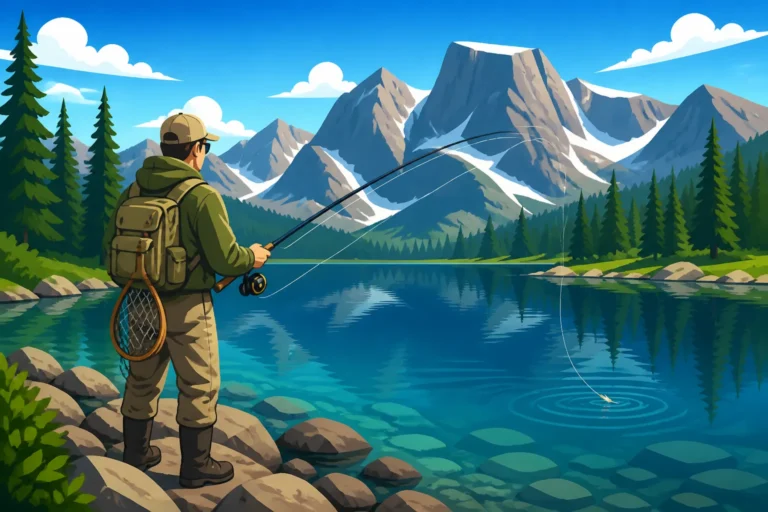
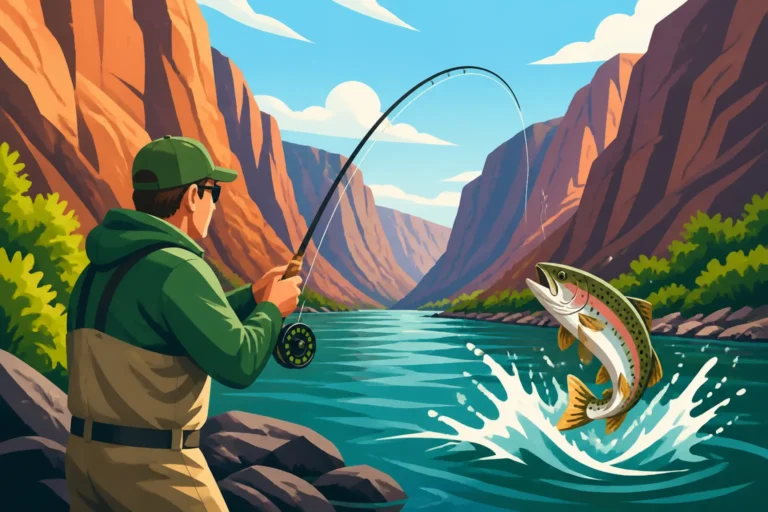
Stepping into the clear, cold waters of the Rio Grande near South Fork, you're not just fishing; you're immersing yourself in a legendary part of Colorado's angling heritage. For many, the idea of tackling Gold Medal waters can feel daunting, riddled with complex regulations and the pressure to catch trophy trout. This guide aims to demystify fishing this incredible stretch, offering practical advice to help you connect with some truly magnificent fish, whether you're a seasoned fly fisher or looking to refine your skills.
Exploring the Gold Medal Waters of the Rio Grande near South Fork
The Rio Grande, particularly the stretch designated as Gold Medal Water near South Fork, is a jewel in Colorado's crown for trout fishing. This designation isn't given lightly; it signifies a special place that consistently produces large trout (14 inches or longer) at a rate of at least 60 pounds per acre, with at least 12 large trout per acre. It means the conditions here are prime for growing exceptional fish, and that's exactly what anglers find.
This specific Gold Medal stretch kicks off below the Rio Grande Reservoir, winding its way downstream for about 18 miles, passing through the historic town of South Fork itself. What you'll find here is a diverse ecosystem – wide, braided sections give way to deeper pools, then transition into riffles and runs that tumble over an endless supply of trout-holding structure. The river here benefits from the cold, consistent flows released from the reservoir, which are crucial for maintaining healthy trout populations year-round, even during drought conditions that can plague other parts of the state.
One of the unique aspects of this section is its accessibility combined with its wild feel. While some stretches are easily reached from Highway 149, offering convenient pull-offs and public access, other parts require a bit more legwork, rewarding the adventurous angler with solitude and untouched pockets of water. You'll often find yourself casting against a backdrop of towering pines, aspen groves, and the majestic peaks of the San Juan Mountains, making every moment on the water a truly memorable experience. Understanding the nuances of Colorado's Gold Medal Water Regulations Explained is key to enjoying this special area responsibly.
Strategic Fishing Techniques for Rio Grande Success
Fishing the Rio Grande's Gold Medal waters demands a thoughtful approach, but it doesn't have to be overly complicated. The river here holds a mix of browns and rainbows, and occasionally even some Rio Grande Cutthroat Trout, all of which can be incredibly discerning. Your success will often hinge on presenting your flies or lures naturally and accurately, paying close attention to the water you're fishing.
Nymphing Deep Runs and Riffles
Nymphing is, without a doubt, one of the most consistently productive methods on the Rio Grande. The sheer volume of aquatic insects living beneath the surface provides a constant food source for trout, and they spend a significant portion of their day feeding on these subsurface morsels. When targeting deeper runs, slow-moving pools, or the current seams created by boulders, a well-executed nymph rig can be deadly.
Many anglers find success with a two-nymph rig, often with a heavier fly (like a Pat's Rubber Leg or a Stonefly Nymph) as the anchor, followed by a smaller, more imitative fly (such as a Pheasant Tail, Hare's Ear, or a Zebra Midge). The key is to get your flies down to where the fish are feeding, which often means adding enough weight – either with split shot or a weighted fly – to tick the bottom without constantly snagging. Watching your indicator for the slightest hesitation or dip is crucial, as many takes will be subtle. Learning specific Nymphing Techniques for Colorado Tailwaters can really enhance your game on this river.
For those who prefer a more direct connection, Euro Nymphing techniques have also gained immense popularity here. This method allows for exceptional drift control and sensitivity, enabling anglers to detect even the most delicate bites in complex currents. It’s particularly effective in the faster, more turbulent sections where a traditional indicator might be harder to track. Regardless of your chosen nymphing style, remember that a drag-free drift is paramount; any unnatural movement in your line or flies will quickly spook the wary trout.
Dry Fly Opportunities and Matching the Hatch
While nymphing might be the bread and butter, the dry fly fishing on the Rio Grande can be absolutely phenomenal, especially during certain hatches and seasons. Nothing quite beats the thrill of seeing a large trout rise to sip your perfectly presented dry fly from the surface. The river sees various insect hatches throughout the year, including Caddis, Mayflies (Blue-Winged Olives, Green Drakes, Pale Morning Duns), and Stoneflies.
When a hatch is on, "matching the hatch" becomes your primary goal. This means selecting a dry fly that closely imitates the size, shape, and color of the natural insects on the water. Observing the water for rising fish and what they are feeding on is your first step. Are they sipping tiny midges, or are they aggressively engulfing larger stoneflies? A quick sweep with a small seine net or even just flipping over a few rocks can give you clues about the prevalent insects.
Even when there isn't an obvious hatch, terrestrial patterns like grasshoppers, ants, and beetles can be incredibly effective, especially during the warmer months. These patterns imitate insects that have fallen into the water from the bankside vegetation. Presenting a larger foam hopper with a smaller nymph dropper (a "dry-dropper" rig) can often cover both bases, enticing fish that are looking up and those still feeding subsurface. For those dedicated to the art, our guide on Dry Fly Fishing Colorado's Freestone Rivers offers deeper insights that are directly applicable here.
Streamer Fishing for Aggressive Trout
For anglers looking to target the largest, most aggressive brown trout in the Rio Grande, streamer fishing is an exciting and often rewarding technique. These bigger fish are often predators, more interested in chasing down a meal than delicately sipping tiny insects. Streamers imitate baitfish, sculpins, or even smaller trout, appealing to the predatory instincts of larger fish.
Casting streamers often involves a more active approach: casting across or slightly downstream, then retrieving with varying strips and pauses to give the fly a lifelike, wounded baitfish action. Focus on areas where larger fish are likely to ambush prey, such as undercut banks, deep pools, log jams, or sudden drops in depth. Early mornings, late evenings, or even overcast days can be prime times for streamer fishing, as low light conditions often encourage bigger fish to move out from cover.
Popular streamer patterns include Woolly Buggers (in various colors like olive, black, or brown), Sculpzillas, or articulated patterns like Sex Dungeons. The retrieve speed is critical; sometimes a slow, deliberate strip is best, while other times a fast, erratic retrieve can trigger a strike. Don't be afraid to experiment! This dynamic style of fishing often leads to some of the most memorable and heart-pounding battles on the Rio Grande.
Here’s a quick overview of some essential patterns for the Rio Grande:
| Fly Type | Common Patterns | Ideal Conditions | Notes |
|---|---|---|---|
| Nymphs | Pat's Rubber Leg, Stonefly Nymph, Pheasant Tail, Hare's Ear, Zebra Midge | Year-round, especially deep runs & riffles | Focus on getting them deep; drag-free drifts. |
| Dry Flies | Parachute Adams, Elk Hair Caddis, Green Drake, PMD, Blue-Winged Olive | During hatches, warmer months | Match size & color; observe rising fish. |
| Terrestrials | Foam Hopper, Ant, Beetle | Summer, early fall; grassy banks | Fish near vegetation or as a dry-dropper. |
| Streamers | Woolly Bugger, Sculpzilla, Sex Dungeon | Low light, aggressive trout, deeper holding areas | Strip and pause; target structure. |
Understanding Species and Regulations on the Upper Rio Grande
Knowing what fish species call the Rio Grande home and, more importantly, understanding the specific rules that govern fishing in these Gold Medal waters are critical for a successful and legal outing. Colorado Parks and Wildlife (CPW) works hard to maintain these exceptional fisheries, and following their guidelines helps ensure these waters remain productive for future generations.
The Trout of the Rio Grande
The primary residents of this Gold Medal stretch are the magnificent Brown Trout and the robust Rainbow Trout. Brown trout are known for their incredible fight and often grow to impressive sizes in these fertile waters. You'll find them lurking in deeper pools, under cut banks, and around submerged structures, often more active during lower light conditions or when actively hunting. They can be quite elusive, making a big brown a prized catch. Our guide to Brown Trout in Colorado, Where They're Wild dives deeper into these magnificent fish.
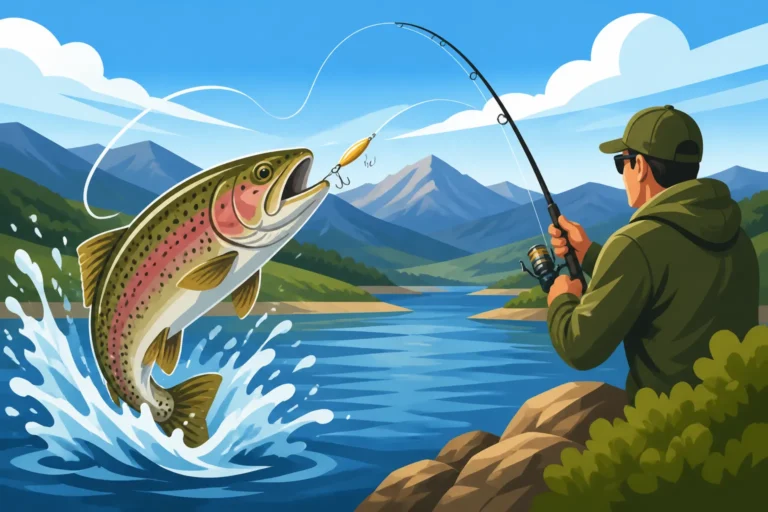
Rainbow trout, often stocked but also with some wild populations, provide consistent action throughout the year. They tend to be a bit more opportunistic feeders than browns, often found in riffles and runs, eager to snatch a well-presented nymph or dry fly. The vigor of these rainbows is something every angler appreciates.
Additionally, while less common, the Rio Grande is also home to populations of Rio Grande Cutthroat Trout in the San Luis Valley. These native beauties are identifiable by their distinctive red slashes under their jaw. Due to conservation efforts, if you encounter one, it's often best practice to handle it with extreme care and release it quickly. Always double-check current regulations, as special rules, like catch-and-release only, often apply to native cutthroat populations. Our comprehensive Colorado's Trout Species, A Field Guide offers detailed information on all the trout you might encounter.
Navigating Gold Medal Water Regulations
Fishing in a Gold Medal section comes with specific regulations designed to protect the trophy fishery. These rules are stricter than general statewide regulations, so it's absolutely crucial to consult the most current Colorado Fishing Regulations Every Angler Should Know brochure before heading out. You can usually pick up a free copy wherever licenses are sold, or view it online through the CPW website.
For the Rio Grande Gold Medal Water near South Fork, common regulations often include:
- Artificial Flies and Lures Only: This typically means no live bait. Only flies and lures constructed of materials such as metal, plastic, wood, or other non-edible substances, or a combination thereof. This prevents the introduction of invasive species and ensures fish aren't deeply hooked by bait.
- Single, Barbless Hooks: This is a common requirement in Gold Medal waters to minimize harm to fish during catch-and-release. Crushing the barb on your hooks is a simple way to comply and makes releasing fish much easier and safer for them.
- Catch-and-Release or Restricted Bag Limits: Many Gold Medal stretches are entirely catch-and-release for trout, or have very specific size and number restrictions. For the Rio Grande Gold Medal Water, the specific regulation is typically "all trout 12 inches or greater must be immediately returned to the water." The daily bag and possession limit for trout is usually two fish, with only one fish allowed over 16 inches. Always verify these details as they can change annually.
It’s worth noting that a Colorado fishing license is mandatory for anyone 16 years or older. You can easily purchase one online through the CPW website, at a local sporting goods store, or even over the phone. Make sure you understand the nuances of a Colorado Fishing License Guide for Residents and Nonresidents if you're visiting from out of state. Beyond the license, anglers typically need to purchase a Habitat Stamp as well, though there are exemptions for certain ages or licenses.
Optimal Seasons and Overcoming Challenges on the Rio Grande
Colorado's weather and seasonal changes dramatically influence fishing conditions, and the Rio Grande near South Fork is no exception. Understanding these shifts and knowing how to adapt your approach can significantly improve your chances of success and make your trip more enjoyable.
Spring: Runoff and Early Season Opportunities
Spring on the Rio Grande is a tale of two halves. Early spring, usually March and April, can offer fantastic fishing as snowmelt is minimal, and the water is clear. Fish are often hungry after winter and eager to feed. Blue-Winged Olive (BWO) hatches can provide excellent dry fly action on warmer, overcast days, and consistent nymphing is almost always productive.
However, come late May and June, the full force of spring runoff typically arrives. This is when the river swells with snowmelt, turning high, fast, and often muddy. While challenging, runoff isn't necessarily a reason to stay home. Fish will often push to the banks, seeking slower currents and eddies where they can escape the main flow and find food. Fishing larger, weighted stonefly nymphs, worm patterns, or flashy streamers tight to the bank can be surprisingly effective. You might also find clearer water below small tributaries or in side channels. Our guide on When Colorado's Spring Runoff Hits and How to Fish Around It offers extensive tips for these challenging conditions.
Summer: Productive, But Mind the Sun and Crowds
By late June or early July, runoff typically subsides, and the Rio Grande settles into its summer flows. This is prime time for consistent fishing. Water temperatures are ideal, and a variety of hatches, including Caddis and larger Mayflies like Green Drakes and Pale Morning Duns, bring fish to the surface. Terrestrial fishing with grasshoppers and ants becomes highly effective, especially through August and into September.
The main challenge in summer can be bright sun and increased angler pressure. On sunny days, fish often become more active early in the morning and late in the evening. Midday can be slower, with fish seeking deeper, shadier holding lies. Weekends, especially holiday weekends, will see more people on the river. If you're looking for solitude, consider fishing on weekdays or exploring some of the less accessible public access points. You can also explore options for Hiring a Fishing Guide in Colorado, What to Expect if you want local expertise and potentially access to private water to avoid crowds. Services like FishingBooker can help you find reputable guides who know the less-traveled spots and secret honey holes on the Rio Grande.
Fall: Trophy Trout and Spawning Colors
Fall is often considered the most glorious time to fish the Rio Grande. As temperatures drop, the river clears, and the surrounding aspen groves turn brilliant shades of gold and red. More importantly, brown trout begin their spawning migrations, becoming incredibly aggressive and less wary as they move into shallower gravel beds. This is when the opportunity to catch a true trophy brown trout is at its peak.
Streamer fishing is particularly effective during the fall, as are egg patterns presented behind spawning fish (though avoid directly targeting fish on redds, as this can harm future generations). Nymphing remains highly productive, and strong BWO hatches can occur on cooler days. The river is simply vibrant with activity, and the cooler weather makes for comfortable fishing conditions. Just remember that other anglers know this too, so popular spots can still draw a crowd, especially on weekends. Our comprehensive guide to Colorado Fishing Seasons Month by Month can help you plan your autumn adventure.
Winter: Solitude and Cold-Weather Nymphing
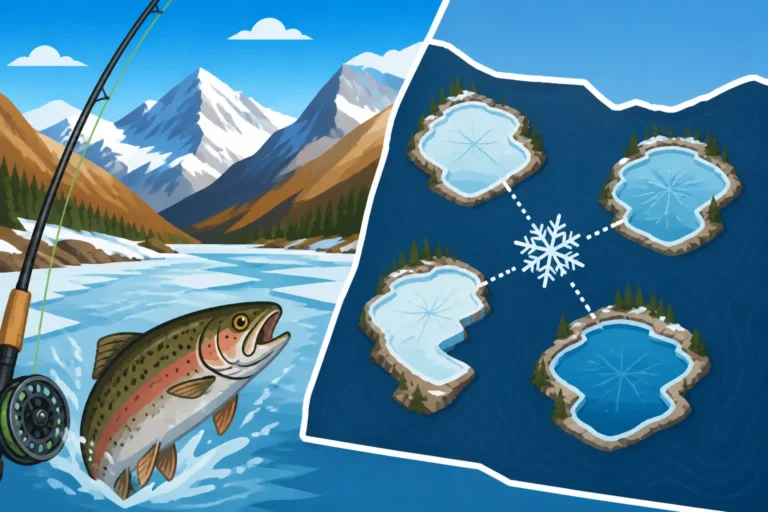
Winter fishing on the Rio Grande offers a unique, tranquil experience for the dedicated angler. While the weather can be harsh, the rewards can be significant: fewer crowds and often very eager fish. The river typically remains open and ice-free in many sections due to consistent reservoir releases, making it fishable throughout the colder months.
During winter, trout become less active and typically hold in deeper, slower pools, tailouts, and oxygenated eddies. Nymphing with smaller patterns, such as tiny midges, annelids (worm patterns), and small Pheasant Tails, is the most consistent method. Slow, subtle presentations are key. The best fishing windows are usually during the warmest part of the day, from late morning to mid-afternoon, when insect activity (primarily midge hatches) is highest. Layering clothing, bringing hand warmers, and being prepared for rapidly changing weather are essential for a safe and comfortable winter outing. Many anglers use resources like FishingBooker to scout out guides who specialize in winter fishing on rivers like the Rio Grande, as their expertise can be invaluable in these conditions.
Planning Your Rio Grande Adventure
Preparing for your trip to the Rio Grande's Gold Medal Water near South Fork means considering a few practical aspects beyond just fishing techniques. The San Luis Valley, where South Fork is located, is a high-altitude environment, and being prepared for varying conditions will ensure a more enjoyable experience.
First and foremost, always check the latest regulations and fishing reports. River conditions, especially water flow and clarity, can change quickly. The Colorado Parks and Wildlife website often provides updated information, and local fly shops in towns like South Fork, Del Norte, or Creede are invaluable resources. They can tell you what's hatching, what flies are working, and where the best access points are currently. Their insights are golden!
Consider your gear. Given the prevalence of artificial flies and barbless hook regulations, a good fly rod (usually a 4 to 6-weight) with appropriate fly line and a selection of local patterns is essential. Waders and wading boots with good grip are a must, as you'll be navigating rocky riverbeds. The water can be deceptively swift and cold, so safety should always be a priority when wading. A sturdy wading staff can provide extra stability.
Finally, think about accommodation and amenities. South Fork offers various lodging options, from motels to cabins and campgrounds. There are also local eateries and general stores for supplies. However, it's a small mountain town, so plan accordingly. If you're extending your trip to explore other amazing Colorado fishing, platforms like FishingBooker can also help you find guided trips or learn about other prime locations throughout the state. Whether you're seeking a quiet weekend or an epic angling challenge, the Rio Grande near South Fork promises an unforgettable experience.
Disclaimer
The information provided in this guide is for general informational purposes only and is subject to change. Anglers are solely responsible for checking and complying with all current Colorado Parks and Wildlife regulations, licensing requirements, and local restrictions before engaging in any fishing activities. Always prioritize safety and practice ethical angling, including responsible catch-and-release techniques to preserve our valuable fisheries.