Does the Yampa River Freeze Over in Winter?
For anyone who loves the serene beauty and challenge of fishing Colorado’s incredible rivers, the thought of winter often brings a mix of excitement for ice fishing and a little dread about which moving waters will actually remain fishable. It’s a common frustration to plan a trip, only to find your favorite stretches completely locked up by ice. When it comes to the legendary Yampa River, especially around Steamboat Springs, many wonder if winter turns it into a solid sheet or if there are still opportunities to cast a line. This guide will dive deep into the Yampa’s winter personality, helping you understand where and when you can still find open water and hungry fish.
The Yampa River's Winter Temperament: Ice or Open Water?
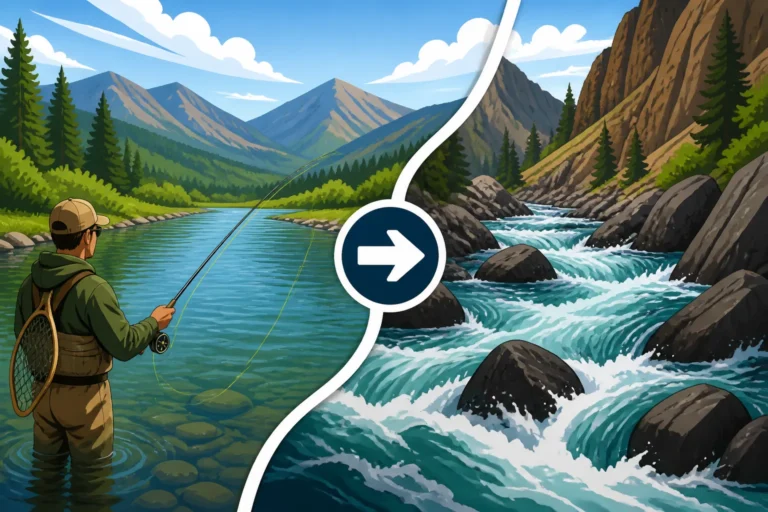
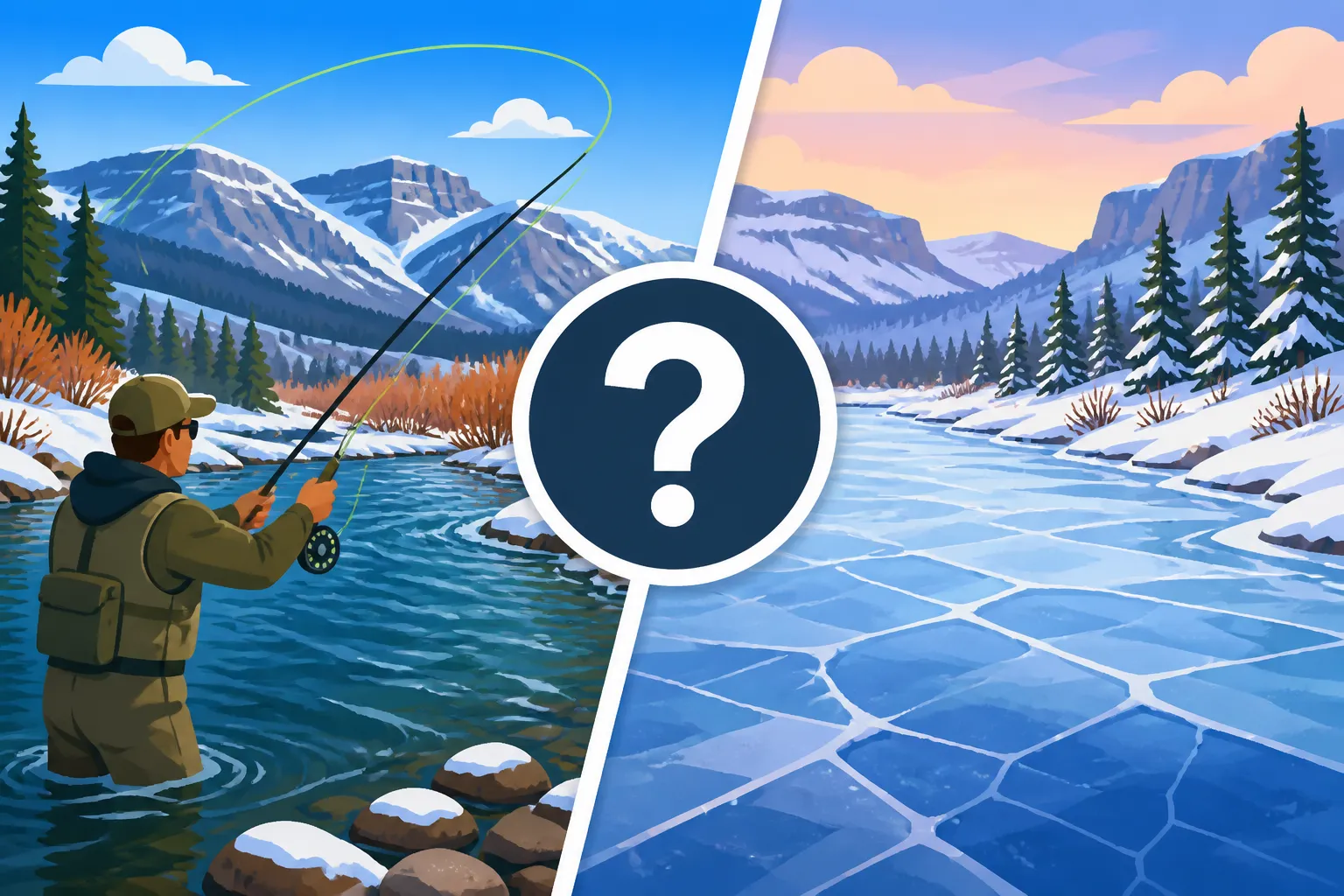
The straightforward answer to whether the Yampa River freezes over in winter is: it depends, but generally, yes, at least in certain sections and under specific conditions. Unlike some of Colorado's famous tailwater rivers, which are fed by deep reservoirs that release warmer, constant flows year-round, the Yampa River is a freestone river. This means its temperature and flow are much more susceptible to ambient air temperatures and snowmelt, making it prone to freezing when the mercury drops and stays down.
Understanding the Yampa's behavior in winter requires looking at various factors, including its geography, flow rates, and the severity of the winter. It’s not a simple, uniform freeze, and savvy anglers can often find pockets of opportunity.
Factors Influencing Ice Formation
Several critical elements dictate how much and where the Yampa River freezes during the colder months. These aren't just scientific curiosities; they directly impact your chances of finding fishable water.
Ambient Air Temperatures: This is, without a doubt, the most significant factor. When daytime highs consistently remain below freezing (32°F or 0°C) and nighttime lows plummet even further, ice formation accelerates rapidly. Steamboat Springs, where a popular section of the Yampa runs, experiences notoriously cold winter temperatures, often dipping into single digits or even below zero Fahrenheit for extended periods. These prolonged cold snaps are the primary cause of solid ice cover.
Water Flow Rates: The speed at which the river flows plays a crucial role. Faster-moving sections, like rapids or constricted channels, are much less likely to freeze solid compared to wide, slow-moving pools or backwaters. The constant agitation and current prevent ice crystals from coalescing and thickening. However, even these faster sections can develop shelf ice along the banks or anchor ice on the riverbed if the cold is severe enough. This is why you might find open runs flanked by significant ice shelves, making access challenging.
River Elevation and Geography: The Yampa River originates high in the Flat Tops Wilderness, descending through various elevations before joining the Green River. Higher elevation sections, particularly those above Steamboat Springs, will generally freeze earlier and more completely due to colder ambient temperatures and potentially lower, slower flows. Conversely, some lower sections, while still cold, might experience slightly milder conditions or faster flows that resist complete freezing. The river's meandering nature also creates slow oxbows and shallower areas that are prime candidates for ice formation.
Snowpack and Runoff (or lack thereof): While the Yampa's flows are heavily influenced by spring runoff, in winter, a stable snowpack actually helps insulate the surrounding land, which in turn can slightly moderate how quickly the river cools. However, sustained periods of minimal snowpack can lead to colder ground temperatures that contribute to a deeper freeze in the riverbed and banks.
Where to Find Open Water on the Yampa in Winter
Despite its freestone nature, the Yampa River isn't always a lost cause for winter anglers. Knowing which sections are more likely to remain open, or open up quickly after a cold snap, is key to a successful outing.
The Downtown Steamboat Springs Stretch
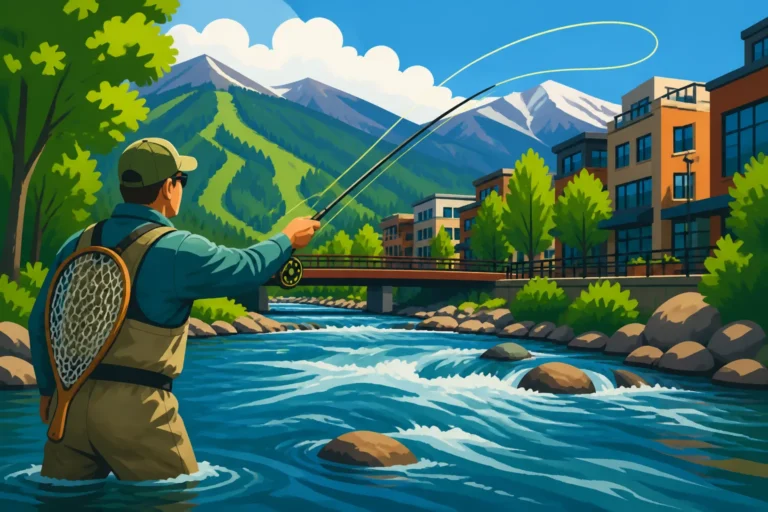
This is arguably the most famous and accessible section of the Yampa, and often where anglers hope to find winter action. The good news is that certain parts of the Yampa River in Steamboat Springs itself can remain open, even during colder periods. The urban environment sometimes contributes to slightly warmer microclimates, and some stretches have enough current to resist a complete freeze.
However, don't expect wide-open water everywhere. What you'll typically find are "runs" or "riffles" where the water moves faster, often flanked by thick shelf ice or slush. Access might be limited to specific points where city paths meet the river, or where bridges cross, allowing you to get a cast in. Fishing the Yampa River in Steamboat Springs during winter is truly an exercise in identifying these open pockets and approaching them cautiously. You might see anglers focusing on areas near bridges like the one at 5th Street or spots where the river narrows slightly, increasing its velocity.
Tributary Confluences and Springs
Like many rivers, the Yampa benefits from warmer inflows from tributaries or natural springs. These localized warmer water sources can create ice-free zones, sometimes quite small, but often concentrated with fish seeking more comfortable temperatures. Identifying these spots requires local knowledge or a good understanding of the river's hydrology. They are often less obvious but can be highly productive. These areas also tend to have more consistent bug activity, providing a reliable food source for trout.
Below Dams (Not Applicable to Yampa)
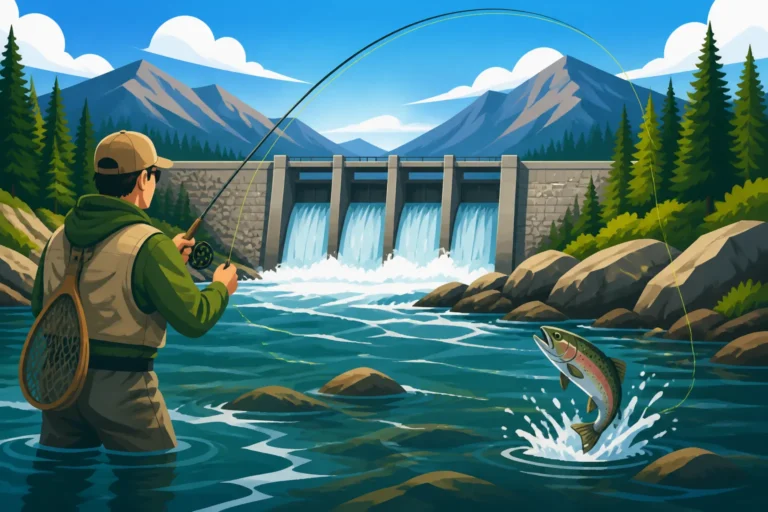
It's important to clarify that the Yampa River does not have major dams immediately upstream of its popular fishing sections that create significant tailwater effects. While there are reservoirs in its upper basin, they don't produce the classic "tailwater" conditions of warmer, consistent flows that keep rivers like the Fryingpan or the Blue River open all winter. This distinction is crucial because anglers accustomed to the reliable open water of Colorado's tailwaters might be surprised by the Yampa's propensity to freeze. For those interested in understanding the difference, our guide on winter fishing on Colorado’s tailwaters gives a good overview of how various rivers behave.
Winter Fishing Challenges and Techniques
Fishing the Yampa in winter, even in open sections, presents unique challenges and requires specific approaches. This isn't your lively spring or summer experience; it's a slower, more deliberate game.
Navigating Ice and Cold Conditions
The most apparent challenge is the ice itself. Shelf ice can extend far from the bank, limiting casting room and making wading dangerous or impossible. Slush ice might float down the river, fouling lines and making drifts difficult. Anglers need to prioritize safety above all else. Always check ice conditions carefully, wear appropriate winter attire (layers are your friend!), and consider bringing ice cleats for better traction on slippery banks. A wading staff is not just for balance; it's a critical tool for testing stability on icy edges. Understanding ice conditions can help you make informed decisions about ice safety.
Trout Behavior in Cold Water
Trout, like all cold-blooded creatures, become lethargic in frigid water. Their metabolism slows down, and they don't need to feed as aggressively as they do in warmer months. They'll conserve energy by holding in slower, deeper pools, often near the bottom, and won't move far for a meal. This means your presentations need to be precise, slow, and right in their wheelhouse. Don't expect them to chase your fly or lure across a run.
Essential Winter Techniques
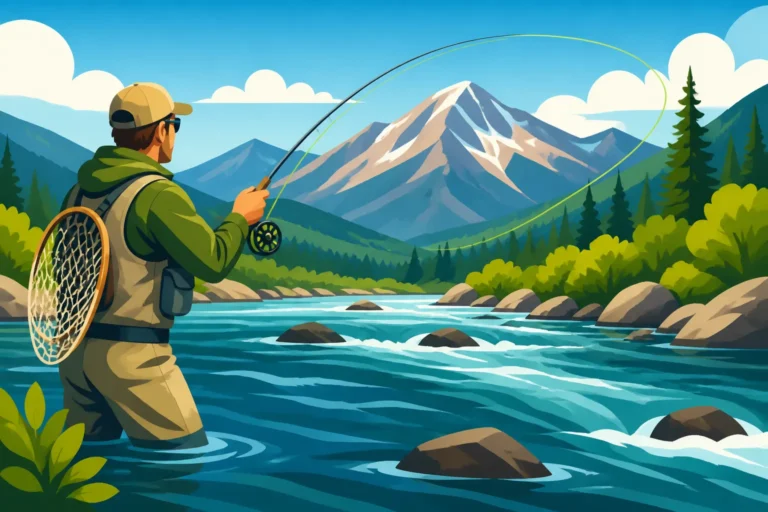
Deep Nymphing: This is often the most effective method. Trout are hugging the bottom, and small, subsurface insect imitations are their primary food source. Using a heavily weighted nymph rig, often with multiple flies (e.g., a Pat's Rubber Legs or a larger stonefly pattern as an anchor, with a smaller midge or baetis imitation as a dropper), is key. Focus on getting your flies down deep into the slowest, darkest parts of pools and runs. Indicators should be sensitive enough to detect the subtle takes of a cold-water trout. If you're looking for more advanced nymphing strategies, our guide on how to fish a nymph under an indicator has excellent tips.
Midge Fishing: Midges are a year-round staple for Colorado trout, but they become especially important in winter when other insect activity is minimal. Tiny midge larva, pupa, and adult patterns can be incredibly effective. Sometimes, trout will rise to midge adults on warmer, calmer winter days, offering a rare dry fly opportunity. For a deeper dive, check out our article on Midge Fishing in Colorado Winters.
Streamer Fishing (Slow and Deep): While not as common as nymphing, streamers can still entice larger, more aggressive trout, particularly brown trout. The key is to fish them slowly and deep, mimicking baitfish that might be struggling in the cold. Think short, subtle strips rather than aggressive retrieves.
Spin Fishing: For spin anglers, small jigs tipped with bait (like a waxworm or a mealworm), or small spoons and spinners retrieved very slowly, can be productive. The same principle applies: get your offering down to where the fish are holding and present it with minimal, enticing movement.
The Yampa River Through the Winter Months
The freezing and thawing cycle of the Yampa isn't static; it evolves as winter progresses.
Early Winter (November-December)
As autumn transitions to winter, the Yampa begins to cool significantly. Ice will start forming in slower eddies and along shaded banks. Fishing can still be productive, especially on warmer days, but anglers should be prepared for rapidly changing conditions. Flows are generally lower and clearer, making fish more visible but also warier. This is a time of year when trout are still recovering from their fall spawn (for browns) or preparing for spring (for rainbows).
Mid-Winter (January-February)
This is typically the coldest period, where ice cover will be most extensive on the Yampa. Many sections, particularly those outside of the main Steamboat Springs town limits, might be completely frozen over. Even within town, significant shelf ice and slush are common. Finding truly open, fishable water becomes a challenge, often limited to specific, faster runs. Anglers need to be extra vigilant about safety, and a good resource for checking conditions is the local fly shops in Steamboat Springs, such as Straightline Sports or Steamboat Flyfisher. They can provide up-to-the-minute reports on access and open water.
Late Winter (March)
As spring approaches and daylight hours lengthen, temperatures may start to moderate. You might see the river begin to "open up" more consistently. Ice jams can occur as large sheets of ice break up, creating potential hazards, but also revealing more fishable water. March can be a surprisingly good month, as fish start to become more active in anticipation of the spring thaw and the first hatches of the year. Our general guide to Colorado Fishing Seasons Month by Month provides a broader context for these seasonal shifts.
Comparing the Yampa to Other Colorado Rivers
It's helpful to understand how the Yampa's winter conditions compare to other popular fishing destinations in Colorado.
Freestone vs. Tailwater Rivers
As mentioned, the Yampa is a freestone river. This means its conditions are dictated directly by weather. Rivers like the Arkansas River or the Colorado River (in its upper sections) are also freestones and will exhibit similar freezing patterns, though local conditions and specific stretches will vary.
In stark contrast are Colorado's famous tailwater rivers, such as the Fryingpan River below Ruedi Reservoir, the Blue River below Dillon Reservoir, or the South Platte River below Cheesman Reservoir. These rivers are fed by deep reservoirs that release water from below the surface, which remains at a relatively constant, warmer temperature (around 38-42°F) year-round. This makes tailwaters reliable open-water fishing destinations throughout the winter. If your goal is guaranteed open water in Colorado during winter, a tailwater is often a safer bet than the Yampa. For insights into fishing these reliable winter havens, check out Winter Fishing on Colorado's Tailwaters.
Planning Your Winter Yampa Trip
If you're set on fishing the Yampa River in winter, careful planning is essential.
Check Local Conditions: Always, always call local fly shops in Steamboat Springs before heading out. They'll have the most current information on open water, ice conditions, and what flies or lures are working. Websites like FishingBooker can sometimes offer insights from recent trip reports, though direct calls to local outfitters are often best for real-time conditions.
Gear Up Appropriately: Beyond warm clothing, consider bringing a good thermos with hot drinks, hand warmers, and extra layers. Your rod guides will freeze, so a small bottle of Loon Outdoors Stanley’s Ice Off Paste or similar de-icer is invaluable. A quality pair of polarized sunglasses is crucial for spotting fish and navigating glare off the snow and ice.
Flexibility is Key: Winter fishing in Colorado demands flexibility. If the Yampa is completely frozen, have a backup plan. There are often nearby reservoirs that offer ice fishing opportunities, or other rivers that might be open. If you're interested in exploring other winter options, our guide on Ice Fishing in Colorado, Getting Started can point you in the right direction.
Respect the Fish and the Environment: Cold-water trout are fragile. Handle them minimally, keep them in the water as much as possible, and ensure a quick, clean release. Also, respect private property and leave no trace.
While the Yampa River around Steamboat Springs certainly succumbs to winter's icy grip in many places, it's not entirely out of commission. With diligent research, the right gear, and a patient, safety-conscious approach, anglers can still find rewarding moments battling trout amidst the serene beauty of a Colorado winter. Just remember, it's a very different river than it is in summer, so adjust your expectations and techniques accordingly. Before you head out, familiarize yourself with Colorado Fishing Regulations Every Angler Should Know to ensure a smooth and legal outing. You don't want to find yourself dealing with What Happens If You Fish in Colorado Without a License during your winter adventure!
Disclaimer
The information provided in this guide is for general informational purposes only and is subject to change. Fishing conditions, regulations, and safety recommendations can vary and are often dependent on current weather and environmental factors. Always consult the official Colorado Parks and Wildlife (CPW) website and local resources, such as fly shops or guides, for the most up-to-date and specific information before planning any fishing trip. Safety should always be your top priority when fishing in winter conditions.