Midge Fishing in Colorado Winters
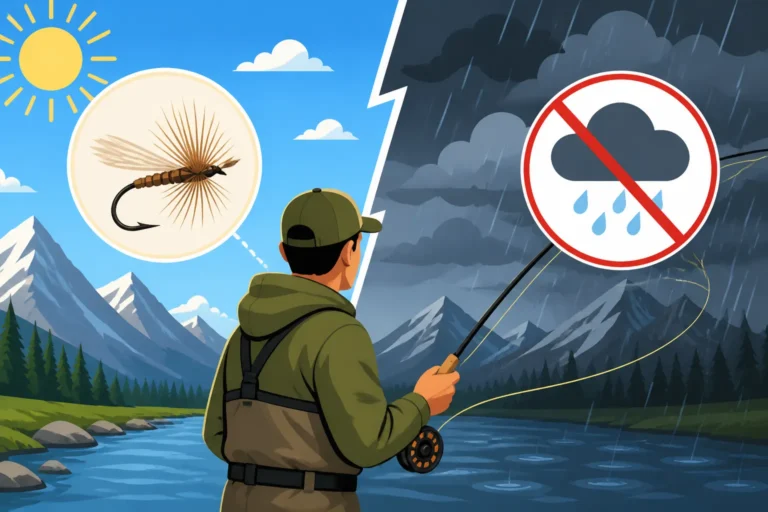
The crisp, biting air of a Colorado winter often sends many anglers into hibernation, dreaming of spring hatches and warmer days. But for those who brave the chill, a secret world of incredibly consistent, rewarding fishing awaits, dominated by the smallest, yet most abundant, insect in the trout's winter diet: the midge. This comprehensive guide will pull back the curtain on the art and science of midge fishing in Colorado winters, helping you conquer the cold and connect with some of the most tenacious trout the state has to offer.
Why Winter Midge Fishing is Your Cold-Weather Salvation
Winter in Colorado can feel like a fishing wasteland if you're not clued into the right strategies. The big, splashy hatches of summer are long gone, streamflows often drop, and the sheer thought of numb fingers and frozen rod guides is enough to keep many folks glued to their fireplaces. It's a real frustration, watching those fair-weather anglers pack up their gear until May, while you're itching to feel a tug on the line. But here's the thing: while other insect activity slows to a crawl, midges are always there, offering a steady, reliable food source for trout. This makes midge fishing not just an option, but often the only viable option for consistent action during the coldest months.
The Unwavering Consistency of Winter Midges
Unlike mayflies or caddis, which have distinct, often short-lived hatches tied closely to water temperature and sunlight, midges are incredibly resilient. They thrive in a wider range of conditions and their lifecycle continues year-round, albeit at a slower pace in winter. When the water temperature drops and other insects become scarce, trout become highly opportunistic, and midges become the primary buffet. Think of it: a trout isn't going to turn its nose up at a tiny, protein-rich morsel when larger meals are few and far between. This biological reality translates directly into angling opportunity, making midge fishing a consistent producer even on the most frigid days.
Imagine a frigid January afternoon on the Arkansas River near Salida. The sun is low, and patches of ice cling to the banks. Most folks would assume fishing is futile. But if you’re fishing small midge patterns, drifting them ever-so-slowly through a deep, slow eddy, you're tapping into the trout's dependable winter food source. It's often the only game in town, and it works. This is the beauty of winter midge fishing – it's predictable when other things aren't.
Embracing the Winter Challenge and Reward
There's a unique satisfaction that comes from deciphering a winter river. It's a slower, more deliberate game, demanding a heightened sense of observation and finesse. You're not just casting; you're truly hunting for fish, reading subtle currents, and presenting tiny flies with surgical precision. The conditions themselves add to the challenge – the cold demands layered clothing, careful gear management, and patience. It’s a completely different rhythm than the often-frenzied pace of summer fishing.
When that indicator finally dips, a testament to your careful presentation of a tiny midge, the reward feels amplified. It's a hard-earned fish, a triumph over the elements and the inherent difficulty of presenting such small flies to finicky, cold-water trout. Many seasoned anglers consider winter midge fishing to be the ultimate test of their skills, a quiet, meditative pursuit that deepens their connection to the river and its inhabitants. It's less about the numbers and more about the quality of the experience and the fish you bring to hand.
Understanding Midges: The Trout's Tiny Lifeline
Before you can effectively fish midges, you need to understand them. These tiny, two-winged insects (Chironomidae) are often mistaken for mosquitoes, but unlike their blood-sucking cousins, adult midges are harmless. What makes them so crucial to trout is their abundance and their relatively continuous life cycle. In fact, midges are the most prolific insect in most trout streams, forming the base of the food chain, especially when other hatches are scarce.
The Midge Life Cycle in Winter
Midges undergo a complete metamorphosis: egg, larva, pupa, and adult. In winter, this cycle slows down significantly due to colder water temperatures, but it doesn't stop. Trout key into specific stages, making it essential for anglers to imitate them.
- Larva: Midge larvae are typically worm-like, often red, olive, black, or brown, and live in the substrate of the riverbed. They can be found in incredible densities, providing a constant source of food for bottom-feeding trout. During winter, trout spend a lot of time "nosing" the bottom, and these larvae are a staple.
- Pupa: When ready to emerge, the larva transforms into a pupa, which then drifts or swims towards the surface. This is a critical stage for anglers because pupae are vulnerable and become highly available to trout as they ascend. They often have a segmented body and a small "wing bud" or gill tuft near the head, giving them a distinct profile. Trout will often suspend in the water column to intercept these emerging pupae.
- Adult: Once at the surface, the pupa sheds its shuck and emerges as a tiny, winged adult. These adults can sometimes gather in swarms, particularly on warmer, overcast winter days, and fall back onto the water after mating or simply from exhaustion. Though less common than subsurface stages, a sparse winter midge hatch of adults can still bring trout to the surface, especially in slower eddies.
Understanding these stages allows you to select the right fly pattern and present it effectively. For example, if you see trout sipping subtly, they might be taking adult midges or emergers right in the film. If they're not rising, they're almost certainly feeding on larvae and pupae below the surface. This nuanced approach is vital for success in Colorado's challenging winter conditions.
The Importance of Size and Color
When it comes to midges, size truly matters, and usually, smaller is better in winter. Most winter midge patterns range from size #18 down to an almost impossibly small #26 or even #28. Trout in cold water have slower metabolisms and tend to be more deliberate and selective in their feeding. A pattern that's even a single hook size too large can be enough to deter a take.
Colors for midge patterns can vary, but generally, black, red, olive, cream, and gray are dominant. Red or "blood" midges are particularly effective imitations of larvae, often appearing bright against the snow-covered banks. Olive and black are fantastic all-around choices for both pupae and adults. It's often helpful to carry a variety of sizes and colors to experiment with, as specific water conditions or a particular hatch might dictate what the trout are keying in on. Checking a local fly shop or online forums for recent reports on specific rivers can also give you clues about the prevalent midge colors and sizes. For a deeper dive into specific patterns, check out our guide on Best Midge Patterns for Colorado Winter Fishing.
Essential Gear for Winter Midge Success
Fishing tiny flies in cold weather requires a specialized setup, leaning heavily towards finesse and sensitivity. You need gear that can handle the delicate presentation of minuscule flies and detect the almost imperceptible takes of cold-water trout. Don't worry, you don't need to break the bank, but investing in a few key pieces will significantly improve your experience and success rate.
Rods, Reels, and Lines for Delicate Presentation
For winter midge fishing, you'll want a lighter rod, typically a 3-weight or 4-weight, between 8.5 and 10 feet long. The extra length helps with line control, subtle mends, and reach, which is crucial when fishing tiny nymph rigs or delicately placing dry flies in swirling eddies. A softer, more moderate action rod will also protect fine tippets and help absorb the shock of a hooked fish, preventing break-offs. If you're wondering about the nuances of rod selection, our guide on Best Rod Weight for Colorado Trout Fishing offers more insights.
Your reel doesn't need to be a high-tech marvel; a simple, reliable click-and-pawl or disc drag reel that balances your rod is perfectly adequate. The main concern is storing your line. For your fly line, a weight-forward floating line that matches your rod weight is standard. Some anglers prefer a half-size heavy line to help load the rod for short, delicate casts.
Leaders, Tippet, and Indicators: The Connection to the Fish
This is where the rubber meets the road (or the tippet meets the trout!). Fine tippet is absolutely non-negotiable for winter midge fishing. We're talking 5x, 6x, 7x, or even 8x fluorocarbon. Fluorocarbon is preferred because it's nearly invisible in the water and sinks, helping your tiny flies get down quickly without being tethered by a floating line. Trout in clear, cold water are incredibly spooky and discerning, so presentation counts for everything. It's often the difference between catching fish and simply practicing your casting. Our article on How Fine a Tippet You Need for Selective Tailwater Trout has more detailed information.
Your leader should be relatively long, 9 to 12 feet, tapered down to a fine point. Many anglers opt for a specialized euro-nymphing leader or build their own with sections of monofilament and fluorocarbon for maximum sensitivity and precise depth control.
Indicators are crucial for detecting subtle takes when nymphing. Small, sensitive indicators are best – things like air-lock strike indicators, small foam indicators, or even highly visible leader sections. The key is minimal drag and high visibility. Larger, heavier indicators will pull your tiny flies out of the strike zone unnaturally.
Winter Midge Fly Box Essentials
Your midge fly box should be stocked with a variety of patterns, sizes, and colors to imitate all life stages. When purchasing flies, or even materials to tie your own, sites like Amazon offer a wide selection from various brands, making it easy to build a diverse collection without visiting multiple stores. Here's a quick rundown of some must-haves:
| Midge Stage | Pattern Name (Examples) | Typical Sizes | Common Colors | Notes |
|---|---|---|---|---|
| Larva | Blood Midge Larva, Zebra Midge (bottom nymph) | #18 – #26 | Red, Black, Olive, Brown | Often weighted with a bead, fish on the bottom. |
| Pupa | Top Secret Midge, Mercury Black Beauty, Jujubee Midge, Disco Midge | #18 – #26 | Black, Olive, Gray, Cream | Often have a clear bead head or iridescent body. |
| Emerger | RS2, Griffith's Gnat (wet), WD-40, Crippled Midge | #18 – #28 | Black, Gray, Olive | Imitate pupae struggling to break the surface film. |
| Adult | Griffith's Gnat, Flimsy Midge, Tiny Parachute Midge | #20 – #28 | Black, Gray, Olive | Best for sparse surface activity, often in clusters. |
A good rule of thumb is to start with a smaller size and a natural color (like black or olive), and then adjust if you're not getting bites. Sometimes a subtle flash of silver or copper bead on a Zebra Midge can make all the difference, especially in slightly off-color water. Remember, How Small a Midge Pattern You Need in Winter is often the key to success.
Techniques for Tricky Winter Midges
Catching trout on tiny midges in cold water is less about aggressive casting and more about finesse, patience, and precise presentation. These fish are often lethargic, holding in slower currents, and their takes can be incredibly subtle. Mastering these techniques will significantly increase your hook-up rate.
The Art of Nymphing Midge Rigs
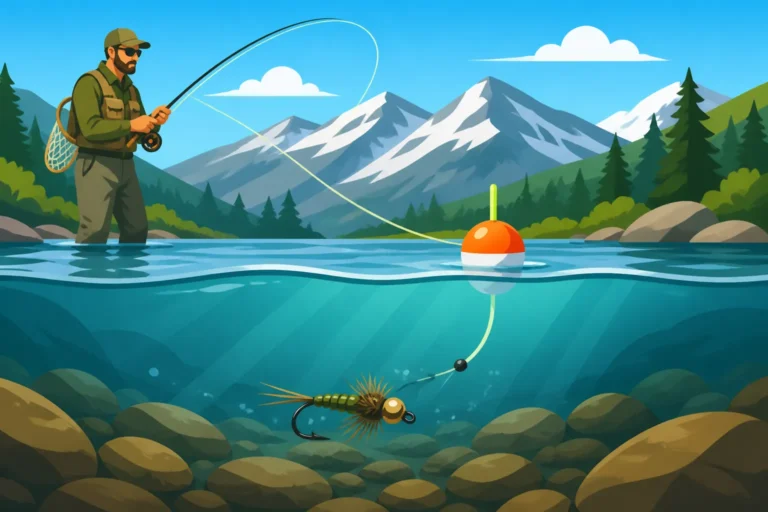
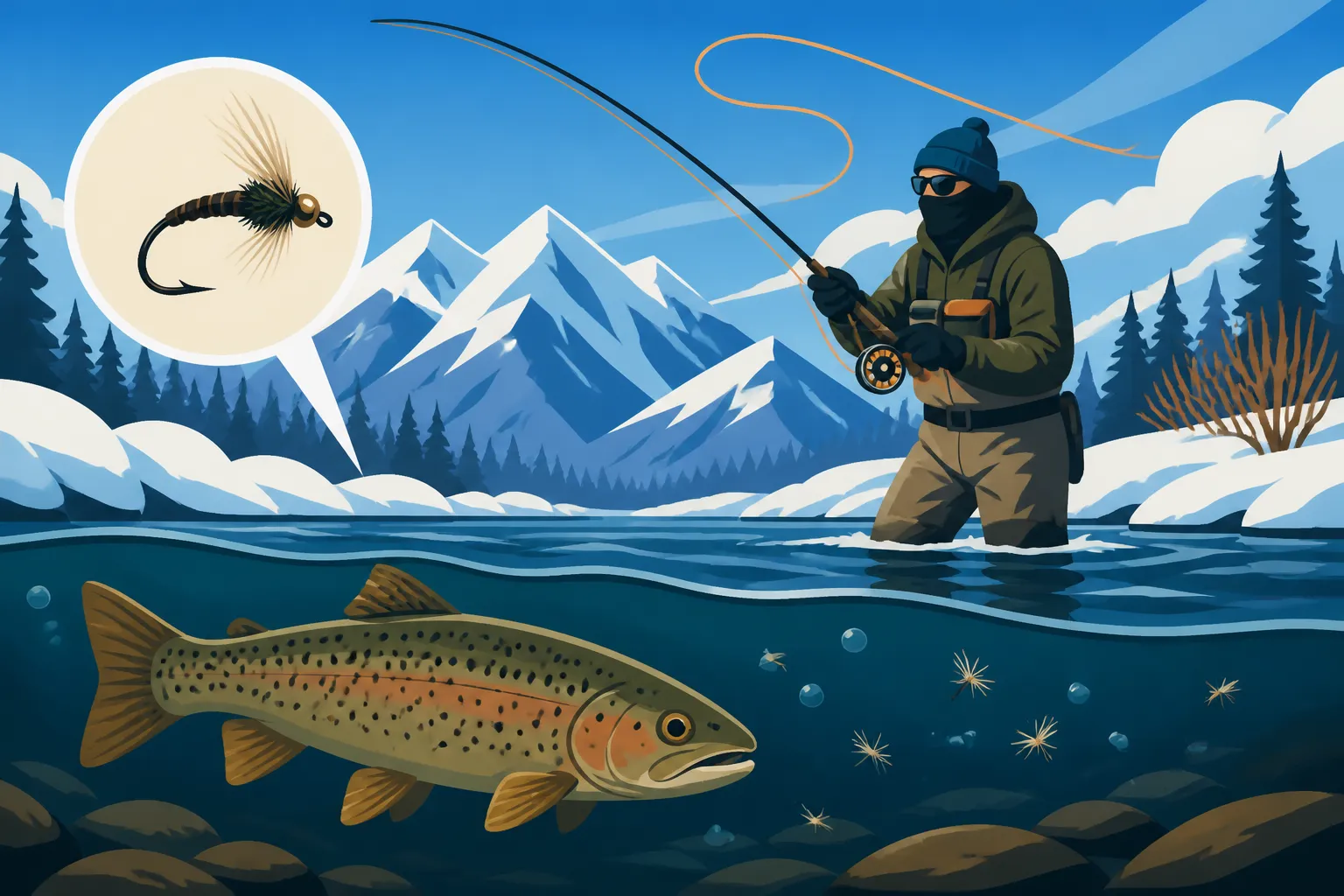
Nymphing is, without a doubt, the most effective way to fish midges in winter. Most trout feeding in cold conditions are doing so subsurface, targeting larvae and pupae drifting along the bottom or suspended in the water column. A typical winter midge nymph rig will involve two or even three flies, with the heaviest fly (often a larger midge pattern like a #18 Zebra Midge or a small stonefly or caddis nymph) at the bottom to act as an anchor, and one or two smaller midge pupa or larva patterns (sizes #20-#26) trailing above it. This setup allows you to cover multiple depths and imitate various stages. You can also purchase pre-tied nymphing leaders or bulk tippet on Amazon to build your own custom rigs.
The key to successful winter nymphing is a slow, drag-free drift. Trout in cold water won't move far for a meal, so your flies need to be presented directly in their feeding lane, tumbling naturally with the current. This often means adding enough split shot to get your flies down quickly, but not so much that they drag on the bottom unnaturally. Watch your indicator like a hawk; any hesitation, slight twitch, or sudden movement could be a fish. When in doubt, set the hook! For more advanced techniques, our guide on Nymphing Techniques for Colorado Tailwaters can provide excellent insights.
Dry-Dropper and Emerger Tactics
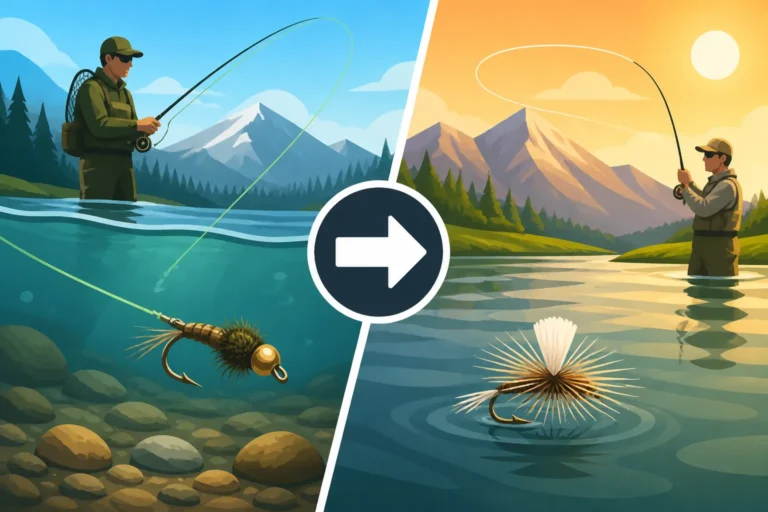
While less common than subsurface nymphing, there are definitely days in winter when trout will rise to adult midges or sip emerging pupae right in the surface film. These are usually warmer, overcast days, or periods when a strong hatch of midges is occurring, often on Colorado's famous tailwaters.
For emergers, a dry-dropper rig can be very effective. This involves tying a small, buoyant dry fly (like a larger Griffith's Gnat or even a foam terrestrial if you expect a rare larger insect) to your leader, and then attaching a midge pupa or emerger pattern (like an RS2 or a WD-40) on a short piece of tippet (6-12 inches) off the bend of the dry fly hook. The dry fly acts as both an attractor and an indicator, while the dropper imitates an emerging midge struggling to break through the surface tension.
When trout are rising to adult midges, you'll need to observe their feeding behavior closely. Are they sipping gently, barely breaking the surface? This indicates they're taking adult midges or emergers right in the film. Are they rising more aggressively? That's less likely in winter but could point to a stronger hatch. Choose a tiny dry fly, like a #22-#26 Griffith's Gnat, and cast it gently to rising fish. Accurate, delicate casts are paramount, as these fish are often very aware of their surroundings. You can read more about surface presentations in our guide on Dry Fly Fishing Colorado's Freestone Rivers.
The Importance of a Slow, Controlled Drift
Regardless of whether you're nymphing or fishing dry flies, a slow, controlled, and drag-free drift is the most crucial element of winter midge fishing. Cold water slows down trout's metabolism, and they become less willing to chase. This means your fly needs to present itself as an easy meal right in front of their noses.
Achieving a drag-free drift means actively mending your line to avoid any pull from conflicting currents. This is where a longer rod really shines. Cast slightly upstream, immediately mend your line to allow the indicator and flies to drift at the same speed as the current, and follow your indicator with your rod tip. The slower the water, the more precise your drift needs to be. Sometimes, a tiny "micro-mend" is all it takes to keep your flies drifting naturally. Pay attention to how your indicator behaves; any unnatural acceleration or deceleration likely means drag, and drag means no fish.
Finding the Fish: Winter Water Reads
Trout behave differently in winter than they do in warmer months. Their primary concerns shift from abundant food and diverse habitat to finding consistent, stable water temperatures and minimal current to conserve energy. Understanding these preferences is key to locating fish during Colorado's colder periods.
The Allure of Colorado's Tailwaters
Colorado's renowned tailwaters are often the holy grail for winter midge fishing. These are rivers flowing out of the base of large dams (like the Fryingpan River below Ruedi Reservoir, the Blue River below Dillon Reservoir, or the Taylor River below Taylor Park Reservoir). The water released from the bottom of these reservoirs is usually a consistent temperature, often staying above freezing even when air temperatures plummet. This stable environment means insect life, including midges, can thrive more consistently, and trout can maintain a higher metabolism than in freestone rivers.
Because of the consistent water flow and temperature, tailwaters often offer excellent fishing throughout the winter. Trout will typically congregate in deeper runs, slow pools, and eddies where the current is minimal, allowing them to expend less energy while still having access to drifting food. These areas also provide vital thermal refuge. Gold Medal Waters, many of which are tailwaters, are particularly productive, but often come with stricter regulations regarding barbless hooks and catch-and-release, which you can learn more about in Colorado's Gold Medal Water Regulations Explained.
Reading Freestone Rivers in Winter
While tailwaters are often more consistent, freestone rivers (those not regulated by a dam, like much of the Colorado River or Arkansas River) can still offer fantastic winter midge fishing. The challenge is that these rivers are much more susceptible to extreme temperature swings and ice formation. When fishing freestones in winter, you need to be much more selective about when and where you fish.
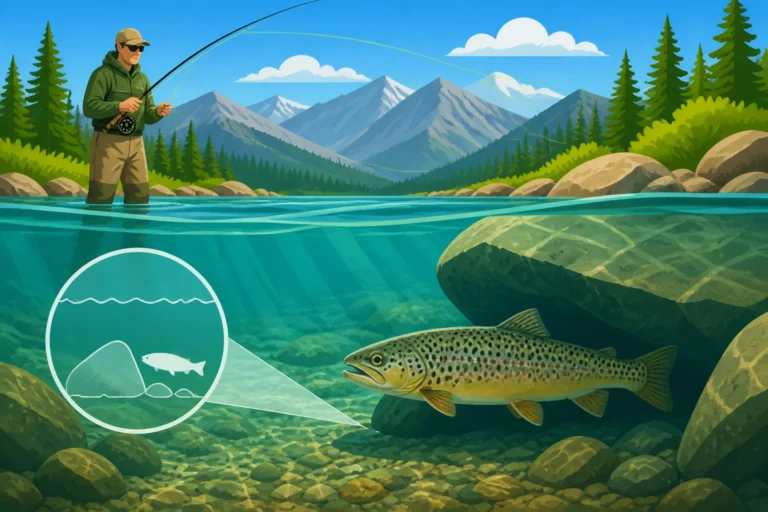
Look for deep, slow pools, especially those with some overhead cover or structure like large boulders or undercut banks. Trout will seek out the warmest, most protected water they can find, which typically means the deepest, slowest sections of the river. Avoid fast, shallow riffles, which will be too cold and oxygenated, and offer little in the way of cover or consistent food. Look for sections of the river that remain ice-free, which often indicates deeper, more stable water. Access to these areas can be tricky, so always prioritize safety when wading near ice. Our guide on Colorado Fishing Seasons Month by Month can give you a broader understanding of yearly patterns.
Locating Winter Trout Holds
Regardless of whether you're on a tailwater or a freestone, winter trout tend to hold in predictable places. They are energy conservators, so they won't be in fast currents expending energy unless absolutely necessary for feeding.
- Deep Pools: These are prime holding areas. Fish will often be near the bottom, stacked up, waiting for food to drift by.
- Slow Eddies: Look for slower currents adjacent to faster water. Trout will sit in the seam, allowing food to be delivered to them with minimal effort.
- Undercut Banks and Structure: These areas provide cover from predators and relief from the current.
- Seams: The transition zone between fast and slow water is always a good bet, as it acts as a conveyor belt for food.
- Anywhere the Current is Slow: This is the overarching principle. Trout are looking for a break from the current to conserve precious energy.
When you find a promising spot, be patient. Work the water thoroughly, making multiple drifts through the suspected holding areas. Sometimes it takes several perfect drifts to entice a cold, finicky trout to strike. Keep in mind that How Water Temperature Affects Trout Feeding directly impacts their activity levels.
Common Winter Midge Fishing Challenges and Solutions
Let's be realistic: winter fishing in Colorado isn't always sunshine and roses. The conditions can be brutally challenging, and you'll face obstacles that summer anglers rarely even consider. But with a bit of foresight and the right strategies, you can overcome these hurdles and still have a productive day on the water.
Battling the Cold and Ice
The most obvious challenge is the cold itself. Freezing air temperatures lead to numb fingers, frozen rod guides, and general discomfort. It's enough to send even the most ardent angler scrambling back to the truck.
Solutions:
- Layer Up, Smartly: Forget bulky single layers. Focus on a good wicking base layer, insulating mid-layers (fleece or down), and a waterproof, windproof outer shell. Bring extra layers.
- Hand Warmers: These are a lifesaver. Keep them in your wader pockets, gloves, or even tucked into your hat. You can buy bulk packs on Amazon.
- Gloves: Neoprene or fleece fingerless gloves allow for dexterity while providing some warmth. Full gloves or mittens are great for when you're not actively casting.
- Thermos: A hot drink (coffee, tea, cocoa) can do wonders for morale and core temperature.
- Guide De-Icer: A small bottle of guide de-icer spray is essential to keep your rod guides from freezing solid, preventing line damage and frustrating casting issues.
- Wade Safely: Ice on the banks and riverbed can be treacherous. Invest in good wading boots with felt soles and studs for traction. A wading staff is a non-negotiable safety item. Our article on Best Waders for Cold Tailwater Fishing offers more advice on staying warm and dry. Additionally, for safety, consider reading up on Do You Need Studded Boots for Icy River Banks?
Detecting Subtle Takes
Trout in cold water are notoriously lethargic. Their strikes are rarely aggressive grabs; instead, they're often subtle sips or a slight hesitation in your indicator's drift. This can be incredibly frustrating when you feel like you're doing everything right but still missing fish.
Solutions:
- Enhance Sensitivity: Use the finest tippet you dare (7x or 8x). Pair it with a highly sensitive indicator, or even consider tight-line nymphing (Euro nymphing) if the conditions allow, which eliminates the indicator entirely and relies on direct line contact.
- Watch the Line, Not Just the Indicator: Sometimes, the only sign of a take is a slight twitch or pause in your fly line where it enters the water.
- Set the Hook Often: If you see anything out of the ordinary, set the hook with a gentle, upward motion. It's better to make a few false sets than to miss a fish. Practice makes perfect here.
- Sharpen Your Hooks: Tiny midge hooks need to be needle-sharp to penetrate effectively with a light hookset. Carry a hook file and use it often.
Dealing with Finicky, Spooky Trout
Clear, low winter flows and the lack of cover often make trout incredibly wary. One wrong move, and you can put down an entire pool of fish, turning a promising spot into a dead zone.
Solutions:
- Stealth is Key: Approach the river quietly and slowly. Stay low, especially in open areas. Avoid casting shadows over the water.
- Longer Leaders and Tippet: Use a 10-12 foot leader with an additional 2-3 feet of fine tippet (5-8x). This keeps your fly line further from the fish and allows for a more natural drift.
- Minimize False Casts: Each false cast flashes your fly line in the air, which can alert fish. Try to make fewer, more efficient casts.
- Dress in Natural Colors: Bright clothing can stand out against a snowy backdrop or clear sky. Stick to muted browns, greens, and grays.
- Understand the Feeding Window: Trout often have short, intense feeding windows in winter. Maximize your time on the water during these periods, which are often mid-day when temperatures are at their highest. You can also monitor a Reading Colorado's Weekly Stocking Report to understand where fish might be more active.
Winter midge fishing isn't just about catching fish; it's about connecting with the river in its most serene, often challenging, state. It's a testament to your perseverance and passion, and with the right knowledge and gear, you can turn those frigid Colorado days into memorable angling adventures. And remember, when you finally land that beautiful winter trout, always prioritize its well-being. Learn How to Handle Trout for a Safe Release to ensure they swim away healthy.
Disclaimer
Fishing regulations, conditions, and fish behavior can change rapidly. Always consult the most current Colorado Parks and Wildlife regulations brochure before heading out, and check local river conditions and forecasts. Fishing can be dangerous; prioritize safety, especially in cold weather and around icy water. This guide is for informational purposes only. For detailed local information, check How to Read Colorado's Fishing Regulations Brochure.