Best Waders for Cold Tailwater Fishing
There's nothing quite like the crisp air and serene solitude of fishing Colorado's tailwaters, especially in the colder months. But that serene beauty can quickly turn into uncomfortable misery if you're not properly geared up. Many anglers underestimate just how bone-chillingly cold that constant flow of water from deep reservoirs can be, leading to shivering, numb feet, and a prematurely ended day on the river. This guide is all about helping you understand why specific waders are a game-changer for these frigid conditions and what features will keep you warm, dry, and happy on the water.
Why Cold Tailwater Fishing Demands Specific Waders
Imagine stepping into the Arkansas River in November, or even a spring morning on the Blue River. That water isn't just cold; it's persistently cold, day in and day out, thanks to its origins deep within a reservoir. Your standard summer waders just won't cut it, and frankly, expecting them to is setting yourself up for a truly miserable experience.
Understanding Tailwater Temperatures
Tailwaters are unique in that the water flowing out of a dam is drawn from the bottom of the reservoir, where temperatures remain remarkably consistent and, for us anglers, consistently cold. While a freestone river might warm up considerably on a hot summer afternoon, a tailwater like the one below Ruedi Reservoir on the Fryingpan River will often stay in the low 40s or even upper 30s Fahrenheit year-round. This isn't just a slight chill; it's a constant, penetrating cold that leeches body heat at an alarming rate.
This constant cold impacts your comfort directly. Your legs and feet, submerged for hours, will be fighting a losing battle against heat loss if your waders aren't up to the task. It's not just about comfort, though; it's about safety. Prolonged exposure to these temperatures can lead to hypothermia, even on a sunny day, if your core body temperature drops. Think about the folks who brave Winter Fishing on Colorado's Tailwaters – they know the cold is serious. Proper waders act as a crucial barrier, helping you maintain that critical warmth and extending your time on the water, which often translates to more fish.
The Difference Between Wader Materials
When you're looking at waders, you'll generally find two main material types: neoprene and breathable fabrics. Each has its strengths and weaknesses, especially when it comes to battling the cold.
Neoprene waders are essentially wetsuits for your legs. They work by trapping a thin layer of water against your skin, which your body then warms. The material itself is an excellent insulator. You'll find them in various thicknesses, typically 3mm or 5mm, with 5mm being the warmer option. They're fantastic for pure warmth, especially if you're standing in truly frigid water for extended periods, like during some ice fishing scenarios. However, neoprene doesn't breathe. If you're hiking any distance to your fishing spot or if the air temperature rises, you'll quickly become clammy and sweaty inside, which can ironically make you feel colder once you're back in the water.
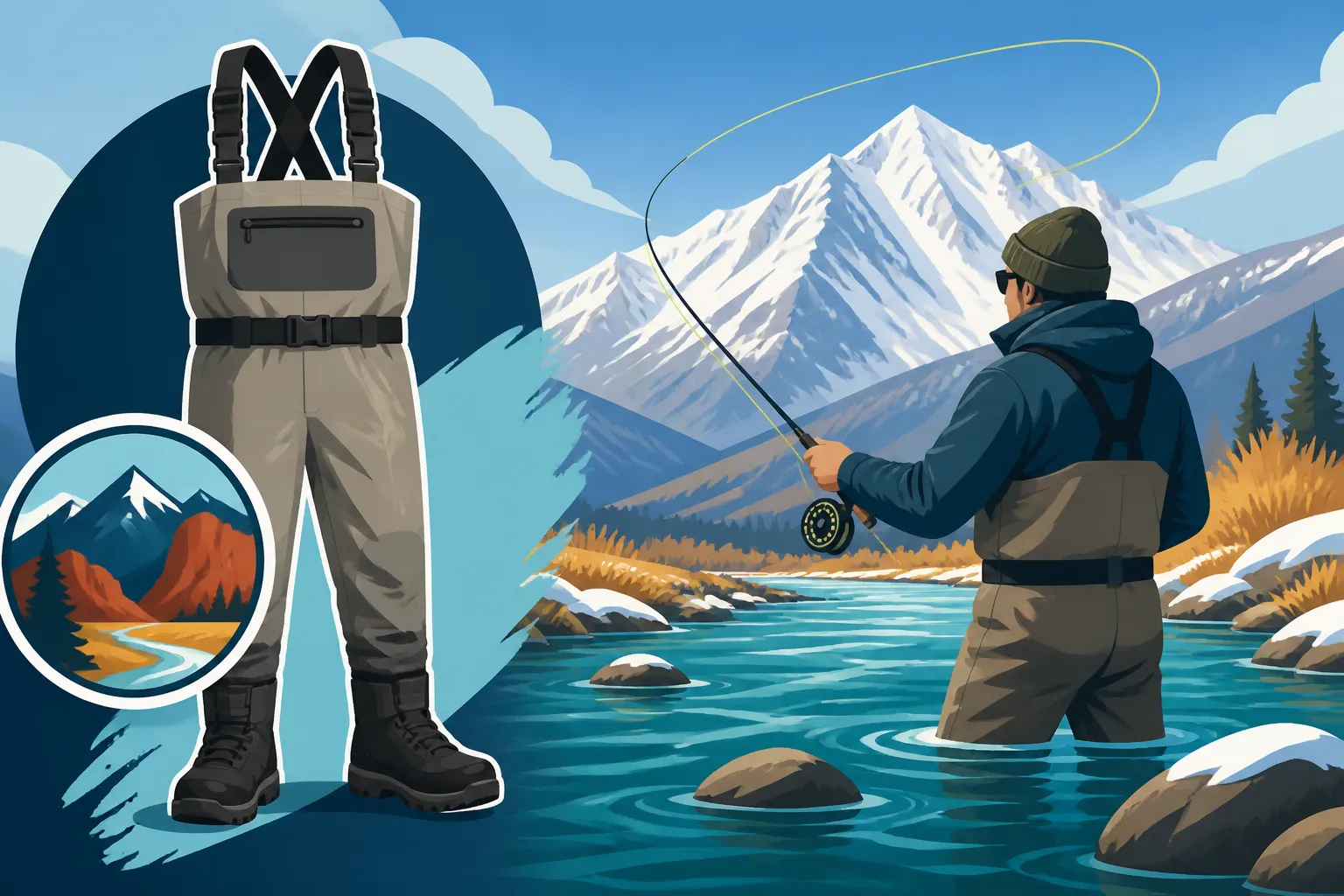
Breathable waders, on the other hand, are typically made from advanced multi-layer fabrics like Gore-Tex or proprietary materials developed by brands like Simms or Orvis. These fabrics are designed to allow perspiration vapor to escape while preventing water from entering. They don't offer much inherent insulation on their own; their warmth comes entirely from the layers you wear underneath. This layering system is incredibly versatile, allowing you to adapt to changing conditions by adding or removing fleece pants or thermal base layers. For many Colorado anglers, especially those who might hike a bit or fish across different seasons, breathable waders offer the best flexibility. They might not feel as immediately warm as thick neoprene in single-digit water, but they excel at managing moisture and preventing that clammy chill.
Key Features to Look for in Cold Weather Waders
Choosing the right waders for cold tailwater fishing isn't just about picking a material; it's about scrutinizing the details that will make a real difference between a productive, comfortable day and an early retreat to the truck.
Insulation and Layering Capacity
When it comes to staying warm in cold tailwaters, you need to think about insulation. If you opt for neoprene, the thickness matters. A 5mm neoprene wader will provide significantly more warmth than a 3mm, making it ideal for the coldest winter days or if you're particularly susceptible to cold. However, remember the breathability trade-off.
For breathable waders, insulation means space for insulation. You want waders that are cut generously enough in the legs and chest to accommodate thick fleece pants, wool base layers, and maybe even a pair of insulated shorts without feeling constrictive. If your layers are compressed, they lose their insulating properties, and you'll get cold. Think about it like wearing a too-tight sleeping bag – it won't keep you warm. The foot booties, too, need to be appropriately sized to allow for thick wool socks without cramping your feet inside your wading boots. Many anglers fishing in Colorado's high country or during Colorado's March Trout Stocking, What to Expect know that robust layering is key. Don't skimp here; your toes will thank you.
Durability and Puncture Resistance
Colorado's rivers aren't always manicured paths. You're often scrambling over jagged rocks, pushing through thick brush along the bank, or navigating icy edges. This environment can be brutal on waders. A small puncture in cold weather isn't just an annoyance; it can quickly become a significant source of discomfort and even put you at risk.
Look for waders that boast reinforced knees and seat areas. These are the spots most prone to wear and tear from kneeling on rocks or sitting on rough surfaces. High-quality waders often use a tougher, more abrasion-resistant fabric in these high-stress zones. The quality of the seams is also paramount. Poorly taped or stitched seams are often the first point of failure, leading to leaks. Investing in waders with robust, well-sealed seams is crucial for longevity. While even the best waders can eventually get a pinhole, choosing a durable pair from the outset significantly reduces the frequency of those frustrating cold-water surprises.
Fit and Mobility for Wading Safety
A proper fit is essential for both warmth and safety. Waders that are too tight will restrict blood flow, especially to your extremities, making you colder. They'll also limit your range of motion, making it harder to navigate uneven river bottoms or cast effectively. On the other hand, waders that are excessively baggy can create drag in strong currents, potentially becoming a safety hazard, and they can also bunch up, causing friction and hot spots when you're hiking.
You want waders that allow for a full range of movement without excess material flapping around. Pay attention to the length of the legs and the inseam. When you bend your knees, the waders shouldn't pull tightly in the crotch or lift the foot booties off your feet. This is particularly important if you're practicing techniques like Nymphing Techniques for Colorado Tailwaters which often involves careful wading and body positioning. Consider trying on waders with your typical cold-weather layers underneath to ensure the fit is right. For stockingfoot waders, ensure the neoprene booties are a good fit for your feet without being too snug, leaving just enough room for your thickest wool socks.
Additional Considerations for Colorado's Winter and Shoulder Seasons
When you're gearing up for cold weather fishing in Colorado, it's not just about the waders themselves; it's also about how they integrate with your other gear and how you choose features to match your specific fishing style.
Bootfoot vs. Stockingfoot Waders for Cold
This is a big debate among anglers, and both have their merits, especially in cold conditions.
Bootfoot waders have the boots permanently attached to the waders.
- Pros for cold: They are often warmer because there's no gap between the wader and the boot for cold air or water to seep in. They're also incredibly convenient to put on and take off, which is a huge bonus when your fingers are numb. For activities like ice fishing or short, cold wading sessions, they can be ideal. Many models also offer insulated boots, providing integrated warmth.
- Cons for cold: The integrated boots might not offer the same level of ankle support or traction as high-quality separate wading boots. If the boot doesn't fit your foot perfectly, it can lead to discomfort or cold spots. They are also less packable and generally heavier, which can be a drawback if you're hiking into a remote spot. If the boot part gets damaged, you might need to replace the entire wader.
Stockingfoot waders require you to wear separate wading boots.
- Pros for cold: This setup offers incredible versatility. You can choose insulated wading boots designed specifically for cold weather, often with features like thicker insulation, improved grip for icy conditions, and superior ankle support. If your boots wear out or you want different traction (e.g., felt for slick rocks, studded for ice), you can simply replace the boots. The separation can also allow for more specific layering with different socks. For anglers who do a lot of walking or need specific traction for Reading Water on a Colorado Freestone River, stockingfoot waders and specialized boots are often preferred.
- Cons for cold: There's a slight potential for cold spots if water infiltrates between the wader's gravel guard and the boot, though modern designs minimize this. They also take a bit longer to gear up since you have to put on two separate items. The overall cost can be higher since you're buying waders and boots separately.
For serious cold-weather anglers, especially those who brave early mornings or late evenings when How Water Temperature Affects Trout Feeding is impacted by chill, investing in a good pair of insulated wading boots to go with stockingfoot waders is often the warmest and most flexible option.
Essential Wader Accessories for Cold
Even the best waders need a supporting cast of accessories to maximize warmth and function in cold Colorado conditions.
First and foremost, a wader belt is non-negotiable. Not only is it a crucial safety item, helping to prevent your waders from filling with water in a fall, but it also helps trap warm air inside your waders, acting as another layer of insulation around your core. Cinch it snugly, but not uncomfortably tight. Gravel guards are also important for stockingfoot waders. These pull down over your wading boots to prevent sand, grit, and small pebbles from getting into your boots, which can cause discomfort and wear holes in your wader booties. Keeping your feet happy and protected is paramount.
Consider carrying hand warmers. Pop a few into your wader pockets, or even inside your gloves or boot wader booties if you're really struggling with cold digits. A good insulated fishing jacket or vest that pairs well with your waders is also key. Look for designs that don't bunch up when you put your waders on and allow for easy access to pockets. And don't forget your base layers. Merino wool or synthetic fleece pants are far superior to cotton, which loses all insulating properties when wet. For exceptionally cold days, a pair of thick fleece wader pants will make a world of difference. Many cold weather anglers even employ a combination of layers, such as a thin merino base layer and then a robust fleece pant for maximum insulation.
| Feature | Neoprene Waders | Breathable Waders (with layers) |
|---|---|---|
| Primary Warmth | Inherently insulating material (5mm>3mm) | Achieved through layering underneath |
| Moisture Management | Traps perspiration, can lead to clamminess | Wicks moisture vapor out, keeps you drier |
| Versatility | Less versatile; can be too hot for active use | Highly versatile for varying temps/activity levels |
| Weight/Bulk | Heavier and bulkier | Generally lighter and more packable |
| Durability | Good puncture resistance, but hard to repair rips | Varies by fabric, often reinforced in key areas, easier to patch |
| Mobility | Can be stiff, less flexible | More flexible, allows full range of motion |
| Best For | Very cold, static wading; ice fishing | Active wading, hiking, variable conditions, all seasons |
Maintaining Your Waders for Longevity in Cold Conditions
Your waders are an investment, especially when they're designed for the rigors of cold tailwater fishing. Proper care isn't just about making them last; it's about ensuring they perform their best when you need them most – keeping you warm and dry in those chilly Colorado waters.
Proper Cleaning and Drying
After a day on the river, especially if you've been in muddy or silty water, your waders need a little love. Ignoring this can lead to premature wear and, frankly, some pretty nasty smells. Always rinse your waders, both inside and out, with fresh water. This removes dirt, algae, and any potential aquatic invasive species. Pay special attention to the neoprene booties and the seams where grit can accumulate.
The most crucial step is proper drying. Never, ever store damp waders. This is a recipe for mildew, which not only smells terrible but also breaks down the fabric and seam tape over time, leading to leaks. Hang your waders upside down first to allow the feet to drain and dry thoroughly. Then, turn them right-side out and hang them in a well-ventilated area, away from direct sunlight or excessive heat. A fan can significantly speed up the drying process. Make sure they are completely bone-dry before storing them. Hanging them in a closet or garage is fine, but avoid folding them tightly for extended periods, as this can create permanent creases that stress the fabric and seam tape.
Patching and Repairing Leaks
Let's be realistic: if you spend enough time fishing, especially in Colorado's rugged environment, your waders will eventually get a leak. It's not a matter of if, but when. A small pinhole in summer might be a minor annoyance, but in cold tailwaters, it can quickly become a significant source of discomfort and chill. Addressing leaks promptly is key.
Most breathable waders come with a small repair kit, often including a piece of wader fabric and some AquaSeal or similar sealant. For small punctures or minor seam failures, you can often do a DIY repair. First, identify the leak by turning the waders inside out and spraying the outside with rubbing alcohol; leaks will show as dark spots. Or, fill them with water while they are outside-out (be careful not to overfill or stress the seams). Once located, clean and dry the area thoroughly, then apply the sealant or patch according to the kit's instructions. For larger tears or significant seam failures, you might consider sending them to a professional wader repair service. Many reputable wader manufacturers also offer repair services, which can extend the life of your expensive gear for many more seasons. Don't let a small leak snowball into a ruined day on the river.
Disclaimer
This article is for general informational purposes only and does not constitute professional advice. Laws, prices and regulations vary by location and change over time. Consult a qualified professional for guidance on your specific situation.