How to Cast in Colorado’s Afternoon Wind
There's nothing quite like a beautiful morning on a Colorado river, calm and still, only for the afternoon to roll in with a relentless, gusting wind that makes casting feel like an impossible chore. Many anglers, myself included, have felt that profound frustration as their perfect loop unravels into a tangled mess or their line gets picked up and deposited twenty feet off target. This guide is here to help you navigate those blustery Colorado afternoons, offering practical advice and techniques to keep your fly or lure where it needs to be, even when Mother Nature isn't cooperating.
Understanding Colorado's Afternoon Wind Patterns
Colorado's geography plays a huge role in its notorious afternoon winds. You might start your day with glass-smooth water and a gentle breeze, only to have the entire river valley transform into a wind tunnel by noon. This isn't just bad luck; it's often a predictable weather phenomenon driven by thermal activity and topography.
Imagine the sun heating up the high peaks and exposed mesas throughout the morning. As the air warms, it rises, creating a low-pressure zone. Cooler, denser air from lower elevations, or from areas shaded by mountains, rushes in to fill that void. This movement of air is what we feel as wind. In mountain valleys, these winds often get funneled, intensifying their speed and creating unpredictable swirling gusts. You might be tucked into a relatively calm spot, only for a sudden downdraft to hit you like a truck. Recognizing that these winds are often inevitable, especially from late spring through fall, is the first step in learning to adapt. It's not about wishing the wind away, but about fishing with it or, at the very least, minimizing its impact.
This is particularly noticeable on larger, more exposed waters like the reservoirs or broader sections of rivers in the middle of a wide valley. Think about fishing a place like Eleven Mile or Spinney Mountain Reservoir, or even some of the wider stretches of the Arkansas River – you can almost set your watch to the wind picking up after 11 AM. The wind isn't just a nuisance; it also affects where fish hold and how they feed. Strong winds can blow insects off the water, creating feeding opportunities, but they also create chop that breaks up the surface, making it harder for fish to see your presentation.
Gear Adjustments to Battle the Breeze
When the wind starts to howl, your standard setup might not cut it. Making a few strategic adjustments to your fishing gear can make a world of difference, turning a frustrating outing into a manageable one. It's about giving yourself every advantage possible against an invisible force.
Choosing the Right Rod Weight and Action
For fly anglers, a heavier rod weight is often the first line of defense against strong winds. If you typically fish a 5-weight rod, consider stepping up to a 6-weight or even a 7-weight. The extra backbone and power in a heavier rod allow you to push through wind gusts more effectively. It creates more line speed and momentum, helping your loop stay tight and your fly cut through the air.
Beyond just the weight, the rod's action matters. A faster-action rod typically has more power in the butt section and a stiffer tip, which translates to more reserve power to punch lines through the wind. A slower, more flexible rod might feel great on a calm day for delicate presentations, but it will quickly become a noodle in a sustained gust, making it nearly impossible to generate the necessary line speed. If you're heading out specifically on a day known for wind, or to a notoriously windy spot like some of Colorado's high-country lakes, grabbing that heavier, faster-action rod is a smart move. When considering your next purchase, look for rods that specifically mention "power" or "wind performance" in their descriptions. You can find a good selection of specialized rods on platforms like Amazon. For more insights on this topic, check out our guide on Best Rod Weight for Colorado Trout Fishing.
Heavier Lines and Leader Setups
Just as a heavier rod helps, so does a heavier or more wind-resistant fly line. Many fly line manufacturers offer specific "wind" or "heavy" tapers that have a shorter, more aggressive front taper and a heavier head section. This design helps the line turn over flies more effectively in windy conditions and maintains momentum.
For leaders, short and stout is the name of the game. A long, delicate leader designed for clear, still water will simply collapse and tangle in the wind. Shorten your leader, perhaps down to 7.5 feet or even 6 feet, and increase the diameter of your butt section. This creates a more direct energy transfer from your fly line to your fly, making it less likely to get blown off course. When it comes to tippet, consider bumping up a size. If you normally fish 5X, try 4X. While it might slightly reduce stealth, the ability to punch your fly through the wind often outweighs the need for extreme subtlety when things are really blowing. Similarly, for spin fishing, using a slightly heavier lure or a braided line with a thinner diameter can help cut through the wind better than thick monofilament. Knowing when to make these changes is crucial for success, and can be influenced by the information found in Best Fly Line for High-Altitude Wind.
The Role of Fly or Lure Selection
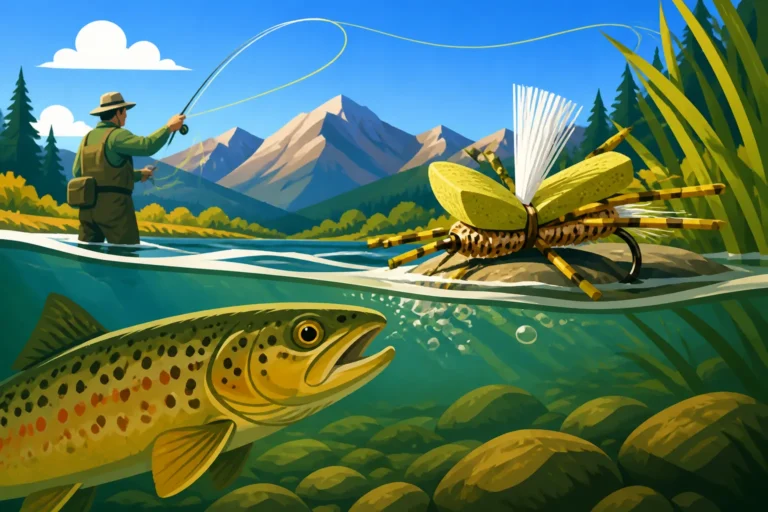
The flies or lures you choose can also impact how well you cast in windy conditions. Large, bulky dry flies act like tiny parachutes, catching the wind and making accurate casting incredibly difficult. If you're determined to fish dry flies, opt for more aerodynamic patterns, or consider a dry-dropper rig where the dropper acts as a weight to help anchor the system.
For nymphing or streamer fishing, embrace the weight! Heavier nymphs, jig-style patterns, or streamers with lead eyes will cast much better in the wind because they have more mass to carry through the air. The increased weight helps your line turn over and ensures your fly gets down to the fish quickly, minimizing drift caused by surface wind. For spin anglers, consider denser lures like spoons, heavier spinners, or weighted soft plastics that can be cast farther and maintain their trajectory. These options are often available on platforms like Amazon, offering a wide variety to choose from.
Casting Techniques to Conquer the Wind
Making a few adjustments to your casting technique is perhaps the most crucial element in battling Colorado's afternoon winds. It’s less about brute force and more about smart mechanics and understanding how wind interacts with your line.
Lowering Your Cast for Punch
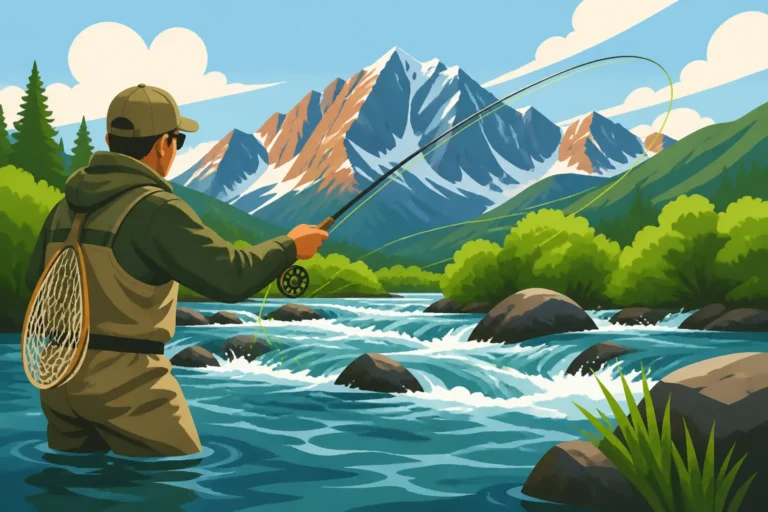
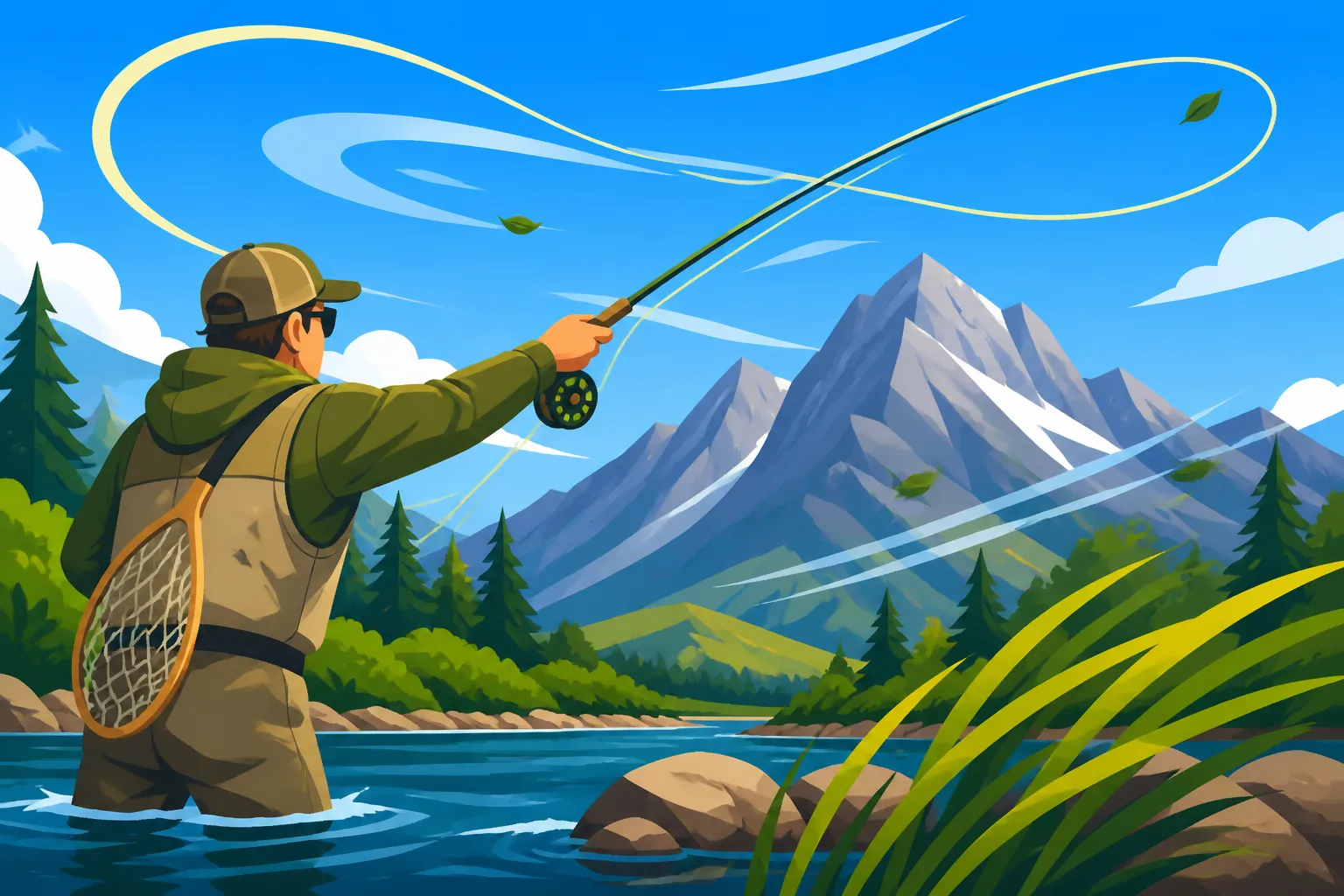
One of the most effective techniques is to simply lower your casting trajectory. Think about it: a high, open casting loop exposes more of your line to the wind, allowing it to grab and pull your fly off course. Instead, aim for a tight, narrow loop, keeping your backcast and forward cast as close to the water as possible.
When casting into the wind, really drive your rod forward, imagining you're trying to punch your fly through the wind rather than over it. Keep your rod tip low on your forward cast, finishing with it pointed towards your target. This creates a low-profile presentation that minimizes the surface area of your line exposed to the gusts. If the wind is coming from your side, try to make your cast perpendicular to the wind as much as possible, or slightly "into" it on your casting stroke to allow the wind to help push your line straight rather than blow it sideways. This might mean adjusting your body position or angle to the water.
Double Hauling for Extra Power
If you're a fly angler, mastering the double haul is an absolute game-changer for windy conditions. The double haul adds extra line speed and momentum to both your backcast and forward cast, giving you the power needed to drive your line through even stiff headwind.
It involves a quick pull and release of the fly line with your free hand during both the backcast and forward cast. This technique effectively loads the rod more deeply, generating more energy. While it takes practice, the ability to generate this additional line speed will not only help you cast further in calm conditions but becomes indispensable when you need to fight the wind. Many anglers consider it a fundamental skill for fishing in challenging environments. Dedicating time to practice this in your backyard, even without a fly on, will pay dividends when you're facing those strong gusts on the river.
The Sidearm or Belgian Cast
Sometimes, a direct headwind or tailwind isn't the only challenge; crosswinds can be even more frustrating, blowing your line into bankside bushes or creating slack. This is where a sidearm cast or a Belgian cast (also known as a Wulff cast or oval cast) can be incredibly useful.
A sidearm cast simply means keeping your casting plane horizontal or slightly angled, rather than vertical. This keeps your line under the wind's main force, allowing it to slice through more effectively. It also provides more control, especially in tight quarters or when you need to avoid obstructions.
The Belgian cast is a bit more advanced but incredibly effective for fighting crosswinds. It involves a diagonal backcast (often sidearm or slightly below horizontal) followed by a high, over-the-shoulder forward cast, or vice-versa. The key is that your backcast and forward cast are not in the same plane, creating an "oval" shape. This counteracts the wind's influence by bringing the line around rather than directly into it. It's especially good for casting streamers or heavy rigs that might hinge with a traditional vertical cast in the wind. Practice these casts when the conditions are calm, so they become second nature when you truly need them.
On-the-Water Strategies and Safety
Beyond gear and technique, there are crucial strategies you can employ on the water to maximize your chances of success and stay safe when the wind picks up. Remember, sometimes the best cast is the one you don't make into a losing battle.
Reading the Water and Wind Direction
One of the most important skills is learning to read both the water and the wind. Pay attention to ripples, vegetation, and how the wind is moving across the surface. Is it a consistent breeze, or are there swirling gusts? Is it blowing upstream, downstream, or across?
If you have a direct headwind, you'll need maximum power and a low trajectory. If you have a tailwind, you can often let the wind assist your cast, using less power and focusing on accuracy. Crosswinds are tricky; try to position yourself so the wind is at your back or at least quartering from the upstream side. This gives you more control over your drift and less chance of the wind creating slack in your line. On reservoirs or larger lakes, strong winds can create noticeable currents and wave action, which can concentrate baitfish and, consequently, predatory species. Observing these patterns can help you locate active fish. Knowing How Wind Affects Fishing on Colorado's High Lakes can be a huge advantage.
Finding Shelter and Strategic Positioning
Sometimes, the best strategy isn't to fight the wind directly, but to avoid it. Look for natural windbreaks: deep cut banks, large boulders, dense stands of trees, or even the lee side of a bend in the river. These spots can offer a surprising amount of shelter, making casting much more manageable.
Even a small change in your position can make a big difference. If the wind is blowing directly upstream, for example, moving to the downstream side of a large rock or a patch of willows might give you enough of a break to make an effective cast. Don't be afraid to move around and experiment with different angles to the wind. For more specific location tips, our guide on Best High-Country Lakes for Colorado Fishing often touches on wind exposure in different areas.
Prioritizing Safety in Strong Winds
Safety should always be your top priority, especially when dealing with strong winds, particularly if you're fly fishing. Errant fly hooks propelled by strong gusts can be incredibly dangerous.
- Protect Your Eyes: Always wear sunglasses or other eye protection. This is non-negotiable. A fly or lure can become a projectile in windy conditions, and your eyes are extremely vulnerable.
- Wading Stability: Strong winds, especially combined with currents, can impact your balance. Wade cautiously, use a wading staff for stability, and avoid deep or fast-moving water when the wind is really ripping. For cold water, consider investing in quality Best Waders for Cold Tailwater Fishing to stay comfortable and safe.
- Respect Your Limits: If the wind is so strong that casting becomes unsafe or entirely ineffective, sometimes the best decision is to take a break, move to a more sheltered spot, or even call it a day. There's no shame in prioritizing safety and enjoyment over battling impossible conditions.
- Check Forecasts: Before you even leave the house, check the wind forecast. If gale-force winds are predicted, you might adjust your plans entirely, choosing a more sheltered body of water or opting for a different fishing activity. Being prepared is half the battle.
Practice Makes Perfect
Like any fishing skill, casting in the wind requires practice. Don't wait for a perfectly calm day to try out these techniques. Head out when there's a moderate breeze and consciously work on lowering your loop, driving your cast, and potentially experimenting with a sidearm or Belgian cast. The more you practice, the more these adjustments will become second nature, and the less frustrated you'll feel when those inevitable Colorado afternoon winds start to blow.
Remember that fishing in Colorado also requires a valid license. You can learn more in our comprehensive Colorado Fishing License Guide for Residents and Nonresidents. Always be familiar with the local rules, as detailed in Colorado Fishing Regulations Every Angler Should Know, to ensure a responsible and enjoyable outing. Our general guide to Colorado's Trout Species, A Field Guide can also help you identify your catch!
By combining the right gear, adjusting your casting technique, and employing smart on-the-water strategies, you can turn those challenging, windy Colorado afternoons into productive and enjoyable fishing experiences.
| Wind Strength | Casting Adjustment (Fly Fishing) | Casting Adjustment (Spin Fishing) | Gear Recommendation (Fly) | Gear Recommendation (Spin) |
|---|---|---|---|---|
| Light Breeze | Minor adjustments, slightly tighter loop | Standard cast, maybe slight sidearm | Standard rod/line, maybe slightly heavier leader | Standard rod/line, versatile lures |
| Moderate Wind | Lower trajectory, tight loops, drive cast harder | Lower trajectory, heavier lures, use braid line | Stepping up rod weight (e.g., 5wt to 6wt), shorter leader | Medium-heavy rod, heavier lures (spoons, weighted jigs) |
| Strong Wind | Aggressive double haul, sidearm/Belgian cast, very low loops | Strong sidearm cast, heavy lures (e.g., crankbaits, heavy spoons) | Faster action, heavier rod (6wt+), aggressive line taper | Heavy rod, heaviest lures, prioritize accuracy over distance |
| Gusting/Variable | Adapt quickly, cast between gusts, focus on presentation zone | Wait for lulls, focus on compact casts | Versatile setup, quick leader changes | Versatile setup, quick lure changes, focus on heavy options |
Disclaimer
This article is for general informational purposes only and does not constitute professional advice. Laws, prices and regulations vary by location and change over time. Consult a qualified professional for guidance on your specific situation.