How to Read Colorado’s Weekly Stocking Report
It can be incredibly frustrating to head out to your favorite Colorado fishing spot, full of hope, only to spend hours casting without a single bite. You wonder if the fish have moved, if you're using the wrong bait, or if the water is just plain empty. But what if there was a way to get a heads-up on where Colorado Parks and Wildlife (CPW) has recently released thousands of hungry trout and other species? This guide will show you exactly how to read Colorado's weekly stocking reports, turning those frustrating days into exciting, fish-filled adventures.
Understanding Why Stocking Reports Matter
For many anglers in Colorado, especially those looking to consistently catch fish, knowing when and where CPW is stocking is a game-changer. It’s not just about adding more fish to a lake or river; it's a carefully managed program designed to enhance recreational opportunities, introduce diversity, and even aid in the recovery of native species. Ignoring these reports means missing out on some of the best, most predictable fishing opportunities the state has to offer.
Beyond Just "More Fish"
When CPW announces a stocking, it's not just a random dump of fish. There's a scientific and strategic reason behind every release. Stocking programs are vital for a few key reasons. First, they supplement natural reproduction in waters where fish populations might struggle due to habitat loss, heavy fishing pressure, or environmental factors like drought or high temperatures. For instance, many of our popular urban ponds rely almost entirely on regular stockings to maintain a healthy fish population throughout the year, ensuring local communities have easy access to fishing.
Second, stocking helps to introduce a variety of species to different waters, catering to diverse angler preferences. While some areas are managed for wild, self-sustaining populations, others are managed as put-and-take fisheries, where the expectation is that anglers will harvest the fish. This balance provides opportunities for everyone, from the experienced fly angler targeting native cutthroat trout to a family with kids hoping to catch a few rainbow trout for dinner. Understanding this distinction can help you appreciate the bigger picture behind each report.
Planning Your Trip with Stocking Information
Imagine planning a weekend trip. You check the weather, pack your gear, and maybe even look at a map of the area. But without checking the stocking report, you're essentially going in blind regarding fish availability. A stocking report provides crucial intelligence. It can tell you if a specific lake or reservoir has just received a fresh batch of catchable trout, dramatically increasing your odds of success. This is particularly true for smaller ponds or high-pressure urban fisheries where fish populations can be depleted quickly.
By knowing when a water body was recently stocked, you can time your visit to coincide with the best fishing window. Often, freshly stocked fish are less wary and more aggressive feeders as they adjust to their new environment, making them easier targets. It also helps you decide what kind of gear to bring. If you know thousands of 10-inch rainbow trout were just released, you might lean more towards power baits, worms, or small spinners rather than intricate fly patterns. This targeted approach transforms your fishing experience from a hopeful guess into a strategic hunt.
Where to Find Colorado's Official Stocking Reports
The good news is that Colorado Parks and Wildlife makes their stocking information readily available to the public. You don't need a secret password or an insider connection. The challenge for many newcomers, or even seasoned anglers, is knowing where to look and understanding the nuances of the various resources. Don't worry, we're going to break it all down for you, making it simple to find the data you need for your next outing.
The Colorado Parks and Wildlife Website
The primary and most reliable source for stocking information is the official Colorado Parks and Wildlife (CPW) website. They maintain a dedicated section for fish stocking, which is updated regularly. To find it, navigate to the "Things To Do" section, then look for "Fishing" and finally, "Fish Stocking." On this page, you'll typically find a link to the "Weekly Stocking Report" as well as access to their comprehensive "Fish Stocking Schedule."
The weekly report is usually presented as a downloadable PDF or an interactive table, detailing all stocking events that occurred in the previous week. This is invaluable for planning a trip for the upcoming weekend. The broader stocking schedule or interactive map, sometimes found within the Using Colorado's Fishing Atlas to Plan a Trip feature, offers a look at planned stockings further into the future or a historical record. It's a goldmine of information, covering not just trout but also species like bass, walleye, and kokanee salmon, depending on the management objectives for specific waters. While you're there, it's always a good idea to check out the Colorado Fishing Regulations Every Angler Should Know to make sure you're up to date on any changes or special rules for the waters you plan to visit.
Local Fly Shops and Fishing Forums
While the CPW website is the official word, local fly shops and online fishing forums can be fantastic supplementary resources. Many fly shops, especially those in popular fishing destinations like Basalt or Deckers, receive and often post the weekly stocking reports in their stores. The staff there often have first-hand knowledge of recent stockings and can offer real-time advice on what's biting and what gear is working. They might even have insights into which specific areas of a lake or river are most productive post-stocking.
Online fishing forums and social media groups dedicated to Colorado fishing also serve as vibrant communities where anglers share information, often discussing recent stocking reports and their experiences. Just remember, while these community sources can be incredibly helpful, they are unofficial. Always cross-reference with the official CPW reports, especially if you're making a long drive or relying heavily on the information. These unofficial channels can, however, provide crucial anecdotal evidence about how quickly fish are being caught after a stocking or how well they're dispersing. For example, a quick check might reveal that a particular lake that was stocked two days ago is already fishing incredibly well, or conversely, that the fish are still quite lethargic due to cold water temperatures.
Deciphering the Details of a Stocking Report
Once you've located the stocking report, the real work begins: understanding what all those numbers and names actually mean. A stocking report isn't just a list; it's a data-rich document that, when properly interpreted, can tell you a detailed story about the fish you're about to pursue. It's not always obvious to the untrained eye, but with a little guidance, you'll be reading these reports like a pro in no time.
Key Information to Look For
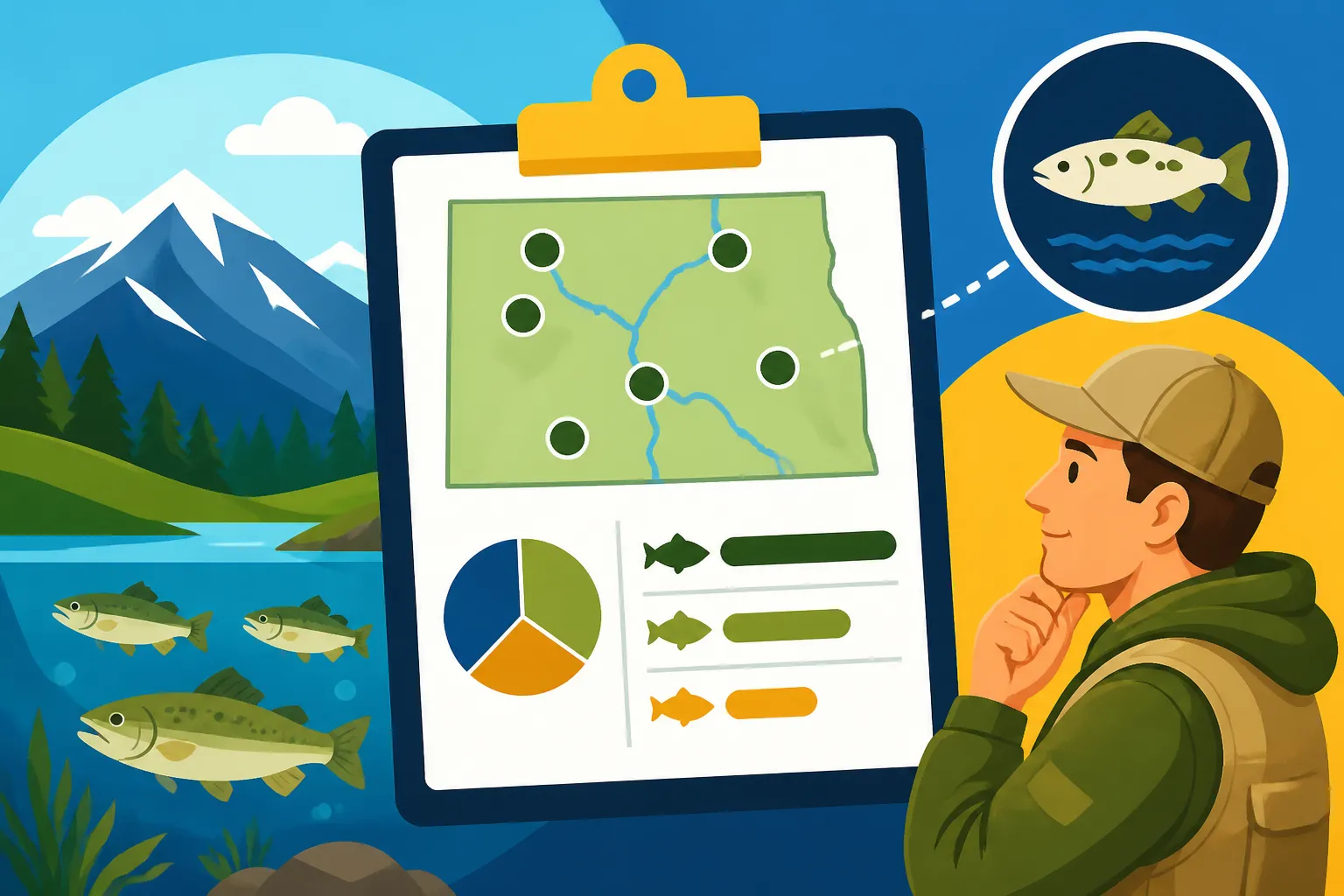
Stocking reports typically follow a fairly consistent format, whether you're looking at a PDF or an interactive online table. Here are the crucial columns and what they tell you:
- Water Name: This is the obvious one, identifying the lake, reservoir, river, or pond that was stocked. Pay close attention to the exact name, as some areas might have similar names or multiple sections.
- Date Stocked: This is critical for timing your trip. Fish behavior can change within days or even hours of being released. The fresher the stocking, often the more aggressive the bite.
- Species: This tells you exactly what kind of fish were stocked. Common species include Rainbow Trout, Brown Trout, Cutthroat Trout (often specific subspecies like Greenback or Colorado River Cutthroat), Brook Trout, Kokanee Salmon, Walleye, Bass, and even Catfish in warmer waters. Knowing the species helps you select appropriate baits and techniques. You might also see "Cutbow," which is a hybrid of a rainbow and cutthroat trout.
- Number of Fish: This indicates the total quantity of fish released. A higher number generally means more opportunities for anglers. However, in larger bodies of water, even a high number of fish can get spread out quickly.
- Size/Weight: This column provides an estimate of the average size or weight of the stocked fish. You might see terms like "Catchable," meaning fish typically 8-12 inches long, perfect for immediate angling. Other terms like "Fingerlings" or "Subcatchable" mean smaller fish (often 2-6 inches) that are stocked for future growth and typically require more patience or different techniques. Sometimes, a report might even specify "pounds" rather than individual fish, especially for smaller species or baitfish.
Understanding these details is like having a secret roadmap. For example, knowing that "Blue Mesa Reservoir" was recently stocked with "Kokanee Salmon" of a certain size on a specific date can help you narrow down your tackle box choices. Similarly, if you see a local urban pond stocked with "Rainbow Trout – Catchable," you know a trip there might yield immediate results, perhaps even for a Colorado Youth Fishing License Rules for Ages 16 and 17 holder or a Is Fishing Free for Kids 15 and Under in Colorado? child.
Understanding Fish Species and Sizes
The species and size information in the report are incredibly powerful. A report might show "Rainbow Trout – Catchable," which usually implies fish in the 8-12 inch range that are ready to bite. These are typically grown in hatcheries and are often less wary than wild fish. They're excellent targets for bait fishing with popular options like PowerBait, worms, or corn, as well as small spinners or spoons.
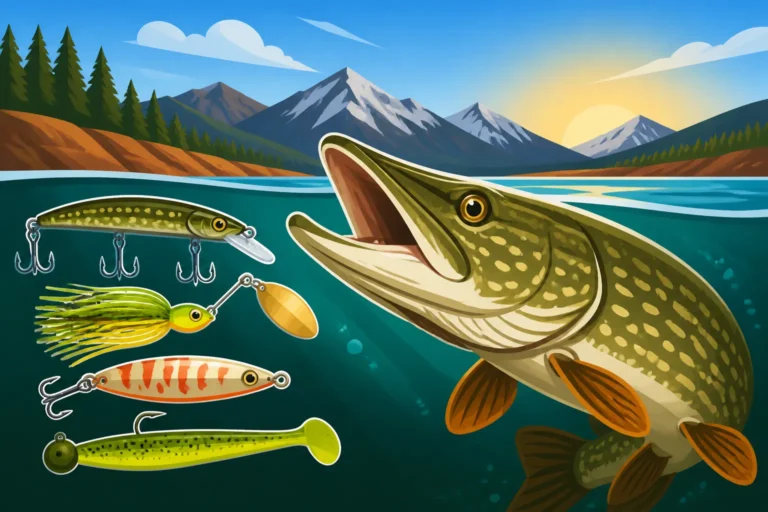
On the other hand, a report indicating "Walleye – Fingerlings" means small, young walleye, likely only a few inches long, were introduced to grow into larger fish over time. You won't typically catch these immediately, but it's a good sign for the future health of the fishery. Understanding the distinction helps manage expectations. If you're looking for dinner tonight, "catchable trout" is your target. If you're looking to understand the long-term potential of a lake, "fingerlings" for species like bass or pike are good indicators.
Here's a quick guide to common stocking terms:
| Report Term | Common Species | Typical Size/Purpose | Suggested Technique |
|---|---|---|---|
| Catchable | Rainbow, Brown, Brook, Cutbow | 8-12 inches, for immediate harvest/angling | Bait (PowerBait, worms), Spinners, Small Flies (Nymphs) |
| Subcatchable | Rainbow, Brown, Brook, Cutbow | 4-7 inches, to grow out for future angling | Small Flies (Nymphs, Midges), Micro Jigs, Patience |
| Fingerling | Walleye, Bass, Pike, Kokanee | 1-3 inches, for long-term population growth | Not typically targeted immediately after stocking |
| Broodstock | Rainbow, Brown, Cutthroat | Large, mature fish (15+ inches), for genetic diversity | Any technique; these are trophy-sized but wary |
| Native/Wild Spec. | Greenback Cutthroat, R.G. Cut. | Varies, often for species recovery or specific genetic strains | Often catch-and-release, specific fly patterns (e.g., small nymphs) |
Remember that different species have different behaviors. Colorado's Trout Species, A Field Guide can give you a deeper understanding of what each type of fish prefers. For example, stocked rainbow trout in a small pond will often readily hit anything bright or smelly, while freshly stocked brown trout might be a bit more cautious.
Putting the Stocking Report to Work for Your Next Trip
Now that you know how to find and read the stocking report, it’s time to integrate this valuable information into your actual fishing plan. This isn't just about showing up; it's about strategizing your approach to maximize your chances of success and truly enjoy your time on the water.
Timing Your Visit for Optimal Success
The "Date Stocked" column is your golden ticket. Generally, the best fishing for freshly stocked fish occurs within the first few days to a week after they are released. These fish are often disoriented from transport and hatchery life, and they are typically very hungry. They haven't yet learned to associate anglers with danger, making them less wary and more aggressive in biting. This is when you can often experience what anglers call "hot bites," where action is fast and furious.
However, keep in mind that popular waters, especially those close to major population centers like Denver, will see increased angler pressure immediately after a stocking. If you can, try to visit on a weekday morning rather than a busy weekend to avoid crowds. After a week or two, stocked fish start to acclimate to their new environment, becoming more selective in their feeding habits and a bit more cautious. The initial "easy pickings" phase will pass, and you'll need to employ more traditional tactics. Also, consider the weather; a cold front or sudden temperature drop might make even freshly stocked fish lethargic. You can learn more about how fish behave throughout the year by checking out Colorado Fishing Seasons Month by Month.
Choosing the Right Gear and Techniques
The species and size information from the stocking report directly impacts your gear choices. For "catchable" rainbow trout in lakes and ponds, simpler is often better. Baits like PowerBait (especially in bright colors), corn, marshmallows, or worms fished on the bottom with a small weight or suspended under a bobber are incredibly effective. Small inline spinners (such as a Mepps or Panther Martin) or spoons (like a Kastmaster) can also produce fantastic results. You can find a wide array of these basic fishing supplies easily on Amazon, making it simple to stock up before your trip. For more detail on bait use, explore Bait Fishing Techniques for Colorado Lakes.
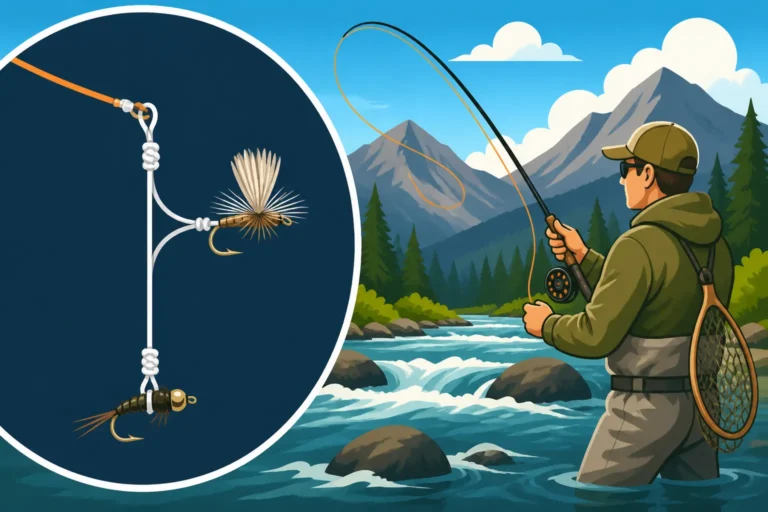
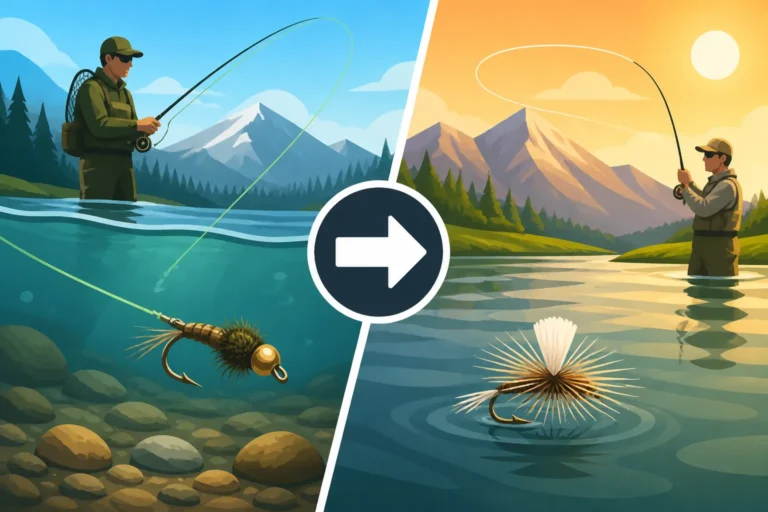
If the report indicates smaller fish or species like brown trout or cutthroats in rivers, your approach might shift towards fly fishing or light spin fishing with micro-jigs and soft plastics. For fly anglers, fresh stockers often respond well to attractor patterns like an egg pattern, a San Juan worm, or a small nymph like a Copper John or Pheasant Tail. As the fish acclimate, matching the hatch with more natural patterns becomes increasingly important. Always double-check the Colorado Fishing Regulations Every Angler Should Know for specific water bodies, as some rivers and lakes have restrictions on bait, barbless hooks, or catch-and-release rules, especially on designated Gold Medal Waters.
Combining Reports with Other Resources
A stocking report is a powerful tool, but it's even more effective when used in conjunction with other resources. Before you head out, cross-reference the stocked water body with the Colorado Fishing Atlas. This interactive map from CPW can provide valuable information on access points, depth contours, vegetation, and even historical stocking data, giving you a better understanding of the environment the fish were introduced into. For example, if you see a large section of deep water near an access point on the atlas, that's likely where the fish were stocked, and a good place to start your efforts.
Additionally, always check current weather conditions and water temperatures. High temperatures, for instance, can stress fish, making them less active. Conversely, certain species, like walleye, might become more active in low light or specific temperature ranges. Combining the fresh information from the stocking report with environmental conditions, local knowledge, and an understanding of Colorado's Trout Possession Limit, Explained will give you the most comprehensive advantage for a successful fishing day. Knowing When Colorado Parks and Wildlife Starts Stocking Trout Each Spring can also help you anticipate when these reports will become more frequent and relevant.
Disclaimer
Fishing conditions can change rapidly. Always consult the official Colorado Parks and Wildlife (CPW) website for the most current regulations, stocking schedules, and emergency closures before heading out. Information provided here is for general guidance only and should not replace official CPW publications. Enjoy your time responsibly on Colorado's beautiful waters!