What Species Bite Best Through the Ice in Colorado
There’s nothing quite like the crisp air and serene silence of a Colorado winter, but for us anglers, it often means swapping out our waders for ice cleats and our drift boats for augers. Deciding where to drop a line when you're staring down a frozen hole can feel like a shot in the dark, especially when you're hoping for consistent action. This guide is all about shedding light on exactly what species are most active and likely to bite when Colorado's lakes and reservoirs freeze over, giving you the best chance at a successful and enjoyable hardwater adventure.
Understanding Colorado's Ice Fishing Scene: What Bites Best?
Ice fishing in Colorado offers a unique challenge and reward, transforming familiar summer fishing grounds into entirely new landscapes. The key to success often lies in knowing which fish remain active and accessible under the ice, and why they might be biting. It’s not just about luck; it’s about understanding the specific behaviors of different species in cold water.
The Allure of Winter Angling in Colorado
For many, ice fishing is a way to extend the fishing season, a chance to get out when other outdoor activities might be less appealing. But it's more than just a pastime; it's an experience. Imagine sitting on a five-gallon bucket, watching your line intently in the quiet stillness, surrounded by snow-covered peaks. There's a certain meditative quality to it, a patience that's deeply rewarded when your bobber finally dips, or your sonar screams with a fish on the move. Colorado's diverse waters, from high mountain lakes to expansive plains reservoirs, offer incredible opportunities, but success really hinges on targeting the right species for the conditions. It can be a bit daunting when you first start, figuring out what lures work and where to even begin, but once you crack the code, it's incredibly rewarding.
Common Ice Fishing Species in Colorado
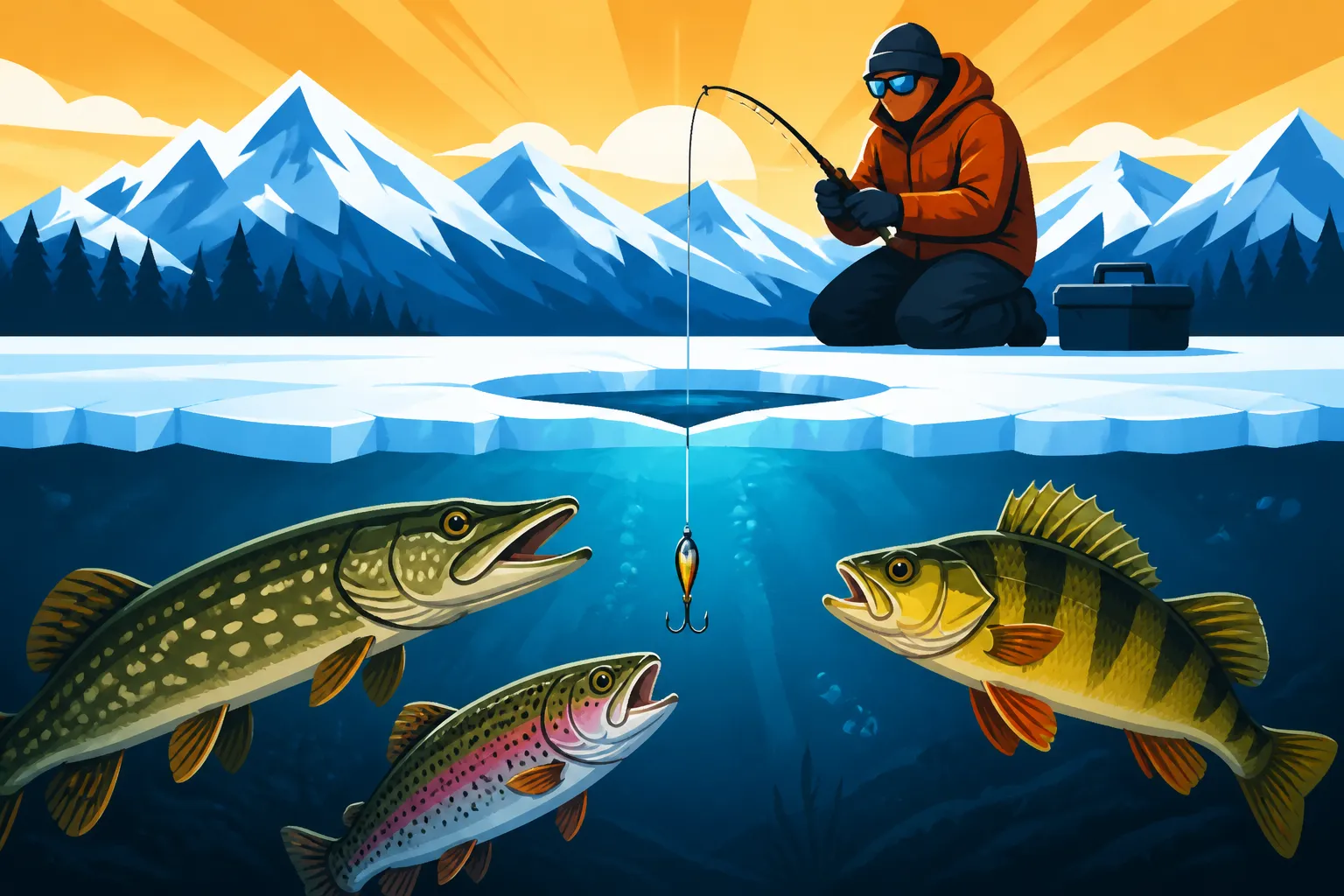
When it comes to what's biting through the ice in Colorado, a few key players consistently top the list. These species tolerate colder water well, often remain active feeders, and can be found in good numbers across various reservoirs. We're talking about various trout species, the ever-popular kokanee salmon, and some exciting warm-water fish like perch, pike, and walleye. Each offers a different kind of challenge and reward, making the pursuit of each species a unique angling experience. Understanding their cold-water behavior is the first step in filling your bucket or just enjoying the thrill of the catch.
Targeting Trout and Salmon Through the Ice
Trout and salmon are arguably the bread and butter of Colorado's ice fishing scene. They are widely distributed, often stocked, and provide a fantastic fight on light tackle. Knowing which trout and salmon species to focus on, and how to approach them, can drastically improve your odds.
Rainbow Trout and Brook Trout
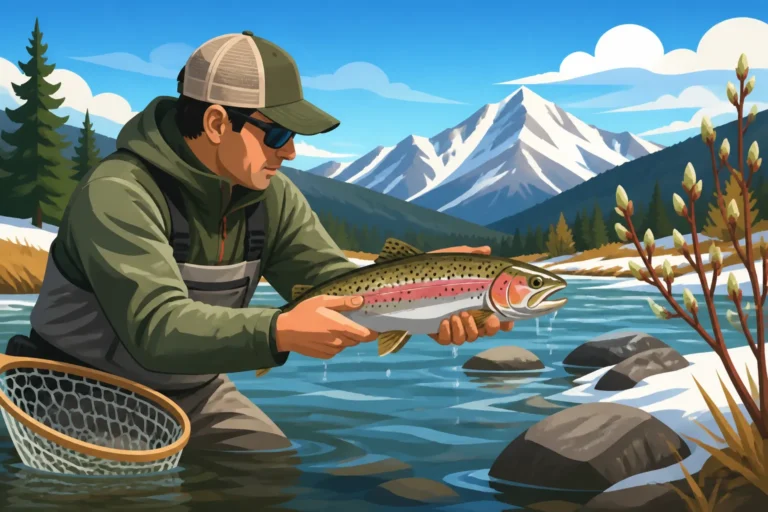
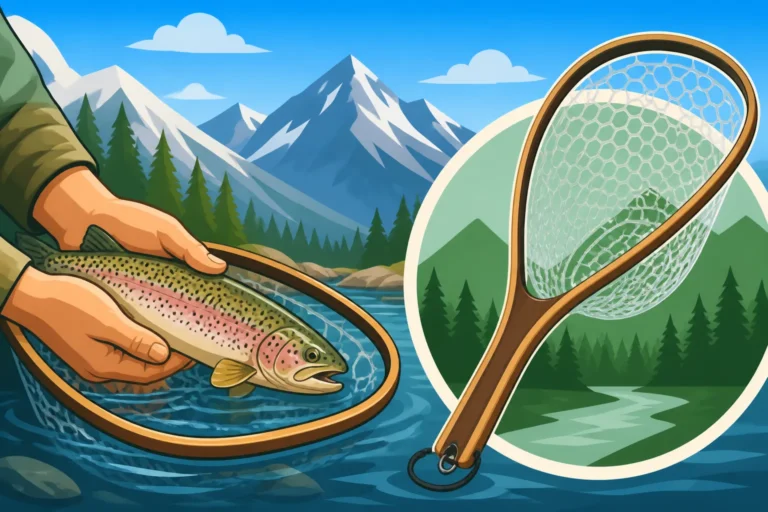
Rainbow trout are perhaps the most common catch for ice anglers in Colorado, and for good reason. They are extensively stocked by Colorado Parks and Wildlife (CPW) in many lakes and reservoirs, making them readily available. Rainbows tend to be opportunistic feeders, often willing to strike small jigs tipped with bait like mealworms, wax worms, or even corn. You'll often find them cruising in shallower to mid-depth waters, typically from 10 to 30 feet, especially near structures or drop-offs where they can ambush prey. They're usually quite aggressive, making for exciting fights, and their abundance means you can often have a very active day, even if you’re new to ice fishing. It's truly one of the most accessible species when you're getting started with ice fishing in Colorado, offering consistent action.
Brook trout, while typically smaller, are also a favorite among ice anglers, especially in high-country lakes. These beautiful, vibrant fish are often found in shallower water, sometimes as shallow as 5-15 feet, particularly around weed beds or rocky bottoms. They have a reputation for being eager biters, especially on tiny jigs or spoons tipped with bait. If you're looking for a picturesque setting and steady action, finding a lake known for brook trout can be incredibly rewarding. Just remember, the ice fishing season in these higher elevation areas can start earlier and last longer, but always check conditions carefully.
Brown Trout's Winter Habits
Brown trout, known for their cunning and predatory nature, can be a more challenging but highly rewarding target through the ice. While rainbows often cruise openly, browns tend to hug structure more tightly. Look for them around rocky points, submerged timber, or along sharp drop-offs, often in similar depths to rainbows (15-40 feet), but they might be deeper if chasing baitfish. Browns are less likely to respond to a tiny jig and bait; instead, they often prefer a more aggressive presentation. Think small spoons, tube jigs, or even larger minnow-imitating lures. Early morning and late afternoon can be prime times, as these predatory fish are often more active during low light. Landing a big, wild brown through an ice hole is a true badge of honor for any Colorado ice angler.
Lake Trout in Deep Reservoirs
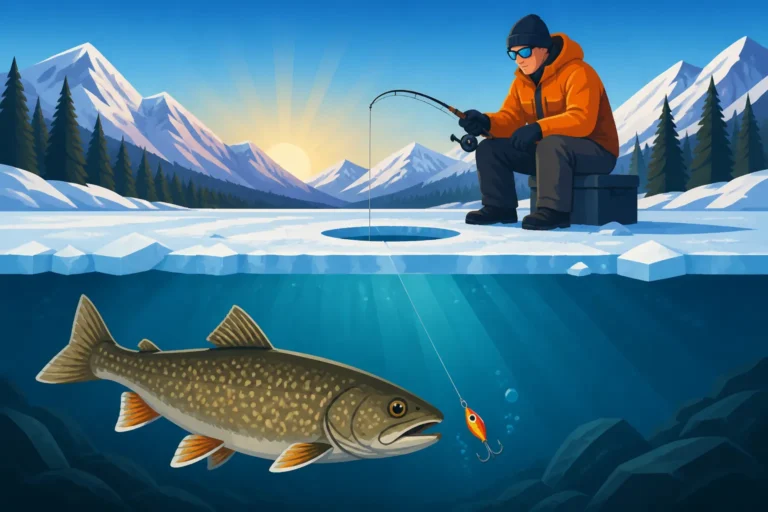
For those seeking a true trophy, lake trout are the ultimate ice fishing quarry in Colorado. These powerful fish inhabit some of Colorado's deepest and coldest reservoirs, like Blue Mesa Reservoir or Taylor Park Reservoir. Targeting lake trout (or "lakers" as they're affectionately known) requires specialized gear and a different approach. They typically hold in much deeper water, often 40-100+ feet, making a good fish finder indispensable. Large tube jigs, heavy spoons, or even live or dead bait (where legal) are often the ticket. Jigging these lures aggressively to attract attention, then pausing, is a common and effective tactic. The fight of a big laker through an ice hole is legendary – a powerful, deep struggle that will test your tackle and your resolve. Keep an eye on specific regulations for these waters, as limits and sizes can vary, especially for trophy fish. For instance, Colorado's State Record Lake Trout often come from these very waters.
Kokanee Salmon's Unique Ice Fishing Appeal
Kokanee salmon, the landlocked sockeye, offer a fast-paced and exciting ice fishing experience, particularly during their prime feeding times. Reservoirs like Blue Mesa, Granby, and Wolford Mountain are renowned for their kokanee populations. These fish are plankton eaters, but they readily strike small, brightly colored jigs or spoons, often tipped with a kernel of corn. The key with kokanee is typically depth and finding the schools. They often suspend in the water column, rather than hugging the bottom, frequently in depths of 20-60 feet. A good fish finder is invaluable for locating these mobile schools. Once you find them, the action can be furious, with multiple hook-ups. Their distinctive pink-orange flesh also makes them excellent table fare. During their spawning runs in the fall, you might find them shallower, but for ice fishing, focus on suspended schools in deeper water. Trolling for Kokanee Salmon in Colorado is a popular summer technique, but for ice fishing, jigging is the way to go.
Pursuing Panfish and Pike Under the Ice
Beyond the trout and salmon, Colorado's icy waters also hold a bounty of other species that offer fantastic winter fishing opportunities, from consistent panfish action to the thrill of a predatory northern pike. These species provide a welcome variety and often different techniques, keeping ice fishing exciting.
Yellow Perch for Consistent Action
If you're looking for consistent action and a delicious meal, yellow perch are your best bet in many Colorado reservoirs. These schooling fish are incredibly popular among ice anglers because they are often found in large numbers and are usually eager to bite. Perch typically prefer shallower to mid-depth areas, often 10-30 feet, especially near weed beds, drop-offs, or submerged timber. They'll readily strike small jigs (like teardrop jigs or tungsten jigs), tipped with a piece of mealworm, wax worm, or a small piece of perch eye (if legal and you have one already caught). When you find a school of perch, you can often catch them one after another, leading to a fantastic day and a cooler full of tasty fillets. Learning Best Bait for Ice Fishing Perch in Colorado can really up your game. Many anglers find their success with perch using micro-jigs that can be easily found on Amazon.
Northern Pike, the Winter Apex Predator
Northern pike offer a completely different, adrenaline-pumping ice fishing experience. These toothy predators remain highly active under the ice and will aggressively ambush bait. Pike can be found in a variety of depths, from shallow weed-lined bays (5-15 feet) to deeper areas (20-40 feet) if they are following schools of baitfish. The most popular method for ice fishing pike is using tip-ups, which allow you to spread multiple lines over an area, each rigged with a large live or dead baitfish (where legal). While sitting in your shelter, watching a tip-up flag pop up against the snowy backdrop is a moment that gets your heart racing. You can also target them actively with large spoons or lipless crankbaits, jigged aggressively. Be prepared with heavy line, a steel leader, and a good set of pliers, because these fish have formidable teeth. Be mindful of Colorado's Daily Northern Pike Limit, as they are often encouraged to be harvested in many waters due to their predatory impact on other species.
Walleye: A Challenge and a Reward
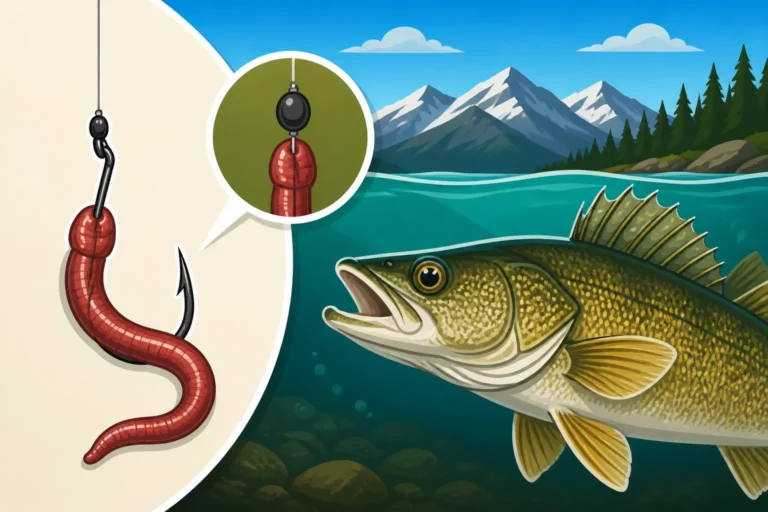
Walleye are another highly sought-after species for Colorado ice anglers, known for their elusive nature and superb eating quality. Often called "ghosts of the lake," walleye can be challenging to locate and entice, but the reward is well worth the effort. They prefer low-light conditions, so early morning, late afternoon, and even night fishing can be prime. Walleye typically inhabit deeper basins, mud flats, or submerged humps, often in depths of 20-60 feet. Blade baits, jigging spoons, and lipless crankbaits are effective, often tipped with a minnow head or a piece of nightcrawler (where legal). A slow, methodical jigging motion is often key to tempting these finicky eaters. A high-quality fish finder is almost essential for locating walleye, as they tend to hold tight to structure. Many anglers rely on portable fish finders, often available on Amazon, to pinpoint these elusive fish. They’re a true test of an angler's skill, and catching one through the ice is a significant accomplishment. Make sure you're aware of Colorado's Daily Walleye Limit for the waters you're fishing.
Essential Ice Fishing Techniques and Gear for Success
Knowing what bites best is just the first step. To consistently catch fish through the ice in Colorado, you need the right techniques and the appropriate gear. This isn't just about comfort; it's about efficiency and, most importantly, safety.
Setting Up for Different Species
Successfully targeting specific species through the ice often comes down to precise presentation and understanding their preferred habitat.
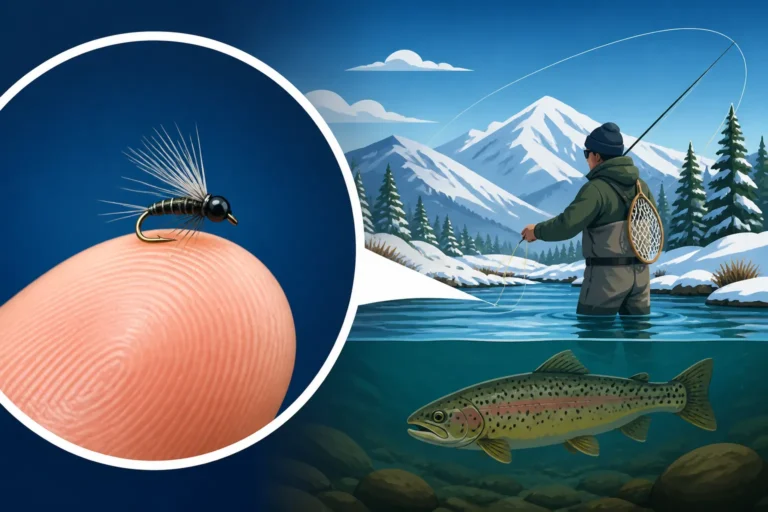
- Trout and Kokanee: For rainbows, brookies, and kokanee, a sensitive rod is crucial to detect those subtle bites. Ultra-light or light action rods, paired with 2-4 pound test fluorocarbon or monofilament line, are perfect. Small teardrop jigs, tungsten jigs, or spoons in bright colors (chartreuse, orange, pink) are highly effective. Tipping them with bait like a wax worm, mealworm, or a few kernels of corn can make all the difference. For kokanee, actively jigging and then pausing is key, as they often strike on the drop or during the pause. Rainbows are often found cruising, so fishing multiple holes at different depths can improve your chances.
- Lake Trout: Lakers demand heavier tackle. Medium-heavy rods with a strong backbone, spooled with 8-15 pound test braided line and a fluorocarbon leader, are common. Large tube jigs (3-6 inches), heavy jigging spoons, or swimbaits that imitate baitfish are excellent choices. Jigging aggressively to get their attention, followed by a long pause, is a classic tactic. Remember, these fish are often very deep, so a good reel with a smooth drag is essential.
- Perch and Panfish: Similar to smaller trout, perch respond well to ultra-light gear. Tiny jigs, often with a glow-in-the-dark finish, tipped with small baits are irresistible. Look for them in schools, and if you catch one, there are likely more nearby. A sensitive spring bobber or a very light tip on your rod will help you detect their incredibly light bites.
- Pike and Walleye: For pike, stout rods (medium to medium-heavy) are necessary, often with baitcasting reels for fighting power. Tip-ups are a popular choice, rigged with large baitfish. When jigging for pike or walleye, medium action rods with 6-10 pound test line are suitable. Spoons, blade baits, and lipless crankbaits work well. For pike, a steel or heavy fluorocarbon leader is non-negotiable to prevent bite-offs. Walleye often prefer a slower, more deliberate jigging motion, especially during low light.
Regardless of the species, having a portable fish finder can be a game-changer. These devices, readily available on Amazon, help you locate fish, identify depth, and even see how fish react to your lure. This technology allows you to adjust your presentation in real-time, significantly increasing your chances of success.
Safety First: Preparing for Colorado's Ice
Ice fishing is exhilarating, but it comes with inherent risks, and safety should always be your top priority. In Colorado, ice conditions can vary wildly depending on elevation, recent weather, and water body type.
- Ice Thickness: The absolute golden rule is to never venture onto ice that isn't at least 4 inches thick for a single person on foot. For groups or snowmobiles, 5-7 inches are recommended, and for vehicles, 8-12+ inches. Always check How Thick Ice Needs to Be Before You Fish It in Colorado before heading out. Use an ice auger or spud bar to check thickness as you go.
- Gear for Safety: Always bring safety gear. Ice picks are a must; wear them around your neck. A throw rope can be invaluable for helping others. Dress in layers to stay warm and dry, and wear proper ice cleats to prevent slips and falls. A warm, waterproof ice fishing suit will protect you from the elements. A sturdy ice auger, like those from Strikemaster or Eskimo (often found on Amazon), is essential not just for fishing, but for checking ice thickness.
- Buddy System: Never fish alone. Always go with at least one other person and let someone know where you're going and when you expect to return. This simple step can be life-saving.
- Awareness: Be aware of your surroundings. Cracks, slushy spots, or areas near inlets/outlets can indicate weak ice. Pay attention to weather changes; rapidly warming temperatures can degrade ice quality quickly.
The Right Tools for the Job
Having the right gear makes your ice fishing trip more comfortable, safer, and more productive.
- Shelter: An ice fishing shelter, whether a portable pop-up or a flip-over style, provides protection from the elements, making long days on the ice much more enjoyable.
- Auger: A good ice auger is non-negotiable. Whether you choose a hand auger for lighter duty, a powerful gas auger, or a convenient electric auger, it needs to be sharp and reliable. Consider What Auger Size Works Best for Colorado Ice Fishing based on the species you're targeting; a wider hole is needed for larger fish like lake trout or pike.
- Rods and Reels: As discussed, specialized ice fishing rods are shorter and more sensitive than open water rods. Pair them with small, reliable spinning reels. Many great combos can be found on Amazon.
- Electronics: A fish finder (flasher or LCD unit) is a game-changer for locating fish and understanding depth. GPS units can help you navigate back to productive spots.
- Transportation: For accessing larger reservoirs, a snowmobile, ATV, or even a specialized ice fishing sled can be incredibly helpful for moving gear and anglers around.
Best Colorado Ice Fishing Spots for These Species
Colorado boasts an incredible array of ice fishing locations, each with its own character and species concentrations. Knowing where to go for what can truly optimize your winter angling experience.
Front Range Favorites for Trout and Perch
If you're looking for accessible ice fishing close to major population centers, the Front Range offers some excellent options, often abundant with trout and panfish.
- Eleven Mile Reservoir: This expansive reservoir near Fairplay is legendary for its large rainbow trout, kokanee salmon, and some impressive northern pike. It's a popular spot for a reason, but its size allows anglers to spread out. You'll find active fish throughout the winter, and many come here specifically for the chance at a trophy rainbow. Ice Fishing at Eleven Mile State Park is a fantastic experience with good facilities.
- Antero Reservoir: Known for its trophy-sized rainbow and brook trout, Antero is another gem. The fish here grow fast, thanks to rich forage. It can get windy, so a good shelter is a plus. Anglers often find success with jigs tipped with PowerBait or worms. Fishing Antero Reservoir for Trophy Rainbows is a popular pursuit for serious ice anglers.
- Chatfield Reservoir: Just south of Denver, Chatfield offers good opportunities for rainbow trout, walleye, and even crappie and perch. It often freezes later than higher-elevation lakes but is a great option once safe ice forms. Its proximity makes it a convenient choice for a quick trip. You might even find good numbers of wipers here.
High-Country Haunts for Lake Trout and Kokanee
For those willing to venture higher and endure colder temperatures, Colorado's high-country reservoirs offer some of the best trophy fishing.
- Blue Mesa Reservoir: Colorado's largest body of water, Blue Mesa, is famous for its monster lake trout and abundant kokanee salmon. Targeting lakers here means fishing deep, often 50-100+ feet, using big tube jigs or spoons. Kokanee can be found suspended, biting on small jigs and corn. This reservoir is a bucket-list destination for many ice anglers. Check out Ice Fishing Blue Mesa Reservoir in Winter for specific tactics.
- Lake Granby: Located near Rocky Mountain National Park, Granby is another top-tier lake for large lake trout and kokanee. The deep, clear waters are ideal for these species. Like Blue Mesa, a fish finder is crucial for locating suspended kokanee schools or deep-holding lake trout.
- Taylor Park Reservoir: Nestled in a stunning mountain valley, Taylor Park is a fantastic destination for large lake trout and northern pike. The fishing can be phenomenal, but it's often very cold, so proper gear is essential. This reservoir holds some truly massive fish for those who put in the effort.
Eastern Plains Reservoirs for Walleye and Panfish
Don't overlook Colorado's Eastern Plains for ice fishing! While the scenery might be different, these reservoirs offer fantastic opportunities, especially for warm-water species.
- Jackson Lake State Park: A popular destination on the plains, Jackson Lake offers excellent ice fishing for walleye, saugeye, crappie, and perch. The ice often forms reliably here, and the fishing can be very productive. Walleye anglers frequent this lake, often fishing structure or mud flats.
- Pueblo Reservoir: Further south, Pueblo Reservoir offers a longer ice fishing season due to its warmer climate, but safe ice can still form. This lake is well-known for its walleye, wiper, crappie, and even some large channel catfish, providing diverse angling opportunities.
When planning your trip, always consult the current Colorado Parks and Wildlife (CPW) fishing regulations for specific lakes and species, as limits and special rules can change. You can usually find the most up-to-date information by reading Colorado Fishing Regulations Every Angler Should Know or through their website.
Disclaimer
The information provided in this guide is for general informational purposes only and is subject to change. Always consult the official Colorado Parks and Wildlife (CPW) regulations and local conditions before engaging in any fishing activities. Ice conditions can be unpredictable and dangerous; extreme caution is advised. Fishing regulations, season dates, and bag limits vary by location and species, and it is the angler's responsibility to know and follow all applicable rules.