Fishing Colorado in April Before Runoff
There’s a unique kind of angler’s frustration that sets in every year around April in Colorado. You’ve been itching all winter, dreaming of open water and bending rods, but April is this wild card. One day it’s 70 degrees and sunny, the next it’s dumping snow, and looming over it all is the inevitable "runoff"—that period of high, muddy water when snowmelt swells our rivers. The trick is to hit the sweet spot before the runoff really kicks in, when conditions can be phenomenal. This guide is all about helping you understand and master fishing Colorado in April, so you can make the most of those golden pre-runoff windows.
April's Fickle Forecast: Understanding Pre-Runoff Conditions
April in Colorado is a beautiful, if bewildering, month. It's that time of year when winter is clinging on with icy fingers, but spring is relentlessly pushing through with warming sunshine. For us anglers, this creates a fascinating, albeit challenging, dynamic that directly impacts where and how we fish. Getting a handle on these conditions is your first step to success.
The Unpredictable Nature of Colorado Spring Weather
Anyone who lives in Colorado knows the adage: "If you don't like the weather, wait five minutes." This is especially true in April. You can experience all four seasons in a single day! A morning might start with a crisp chill and clear skies, perfect for a long walk to a favorite run. By midday, a squall could blow in, bringing snow, rain, or even graupel (those little ice pellets that feel like tiny hail). Then, just as quickly, the sun can reappear, warming things up considerably. This kind of volatility is tough on anglers because it affects everything from what layers you need to wear to how fish are behaving. Trout, in particular, are sensitive to sudden barometric pressure changes and rapid shifts in water temperature. You might find them actively feeding during a brief warm spell, only for them to shut down entirely when a cold front pushes through. Planning for the worst and hoping for the best is always the safest bet, packing extra layers and being ready to adapt your strategy on a dime.
Water Temperatures and Clarity: Key Indicators
Before the big runoff, water temperatures are slowly on the rise, and clarity is generally still pretty good in many areas. This period of increasing warmth is a major trigger for fish activity. As the water inches up from the mid-30s into the 40s and even low 50s, trout become more active and willing to chase food. They're still a bit sluggish from winter, but their metabolism is waking up. Look for the warmest parts of the day, usually late morning to late afternoon, as prime feeding windows. In larger reservoirs and lakes, the ice may have just come off, or be in the process of melting, leaving the water frigid but signaling the start of open-water opportunities. Clarity is also crucial. Pre-runoff, many rivers and streams are still running clear, making sight fishing a possibility on certain sections. However, a sudden warm day or overnight rain could introduce a temporary bump in flows and a slight tint to the water. This can actually be good, offering a bit more cover for the fish and making them less wary. It's a delicate balance; too much turbidity, and feeding slows. Too clear and the fish can be extremely spooky.
Spotting the Earliest Whispers of Runoff
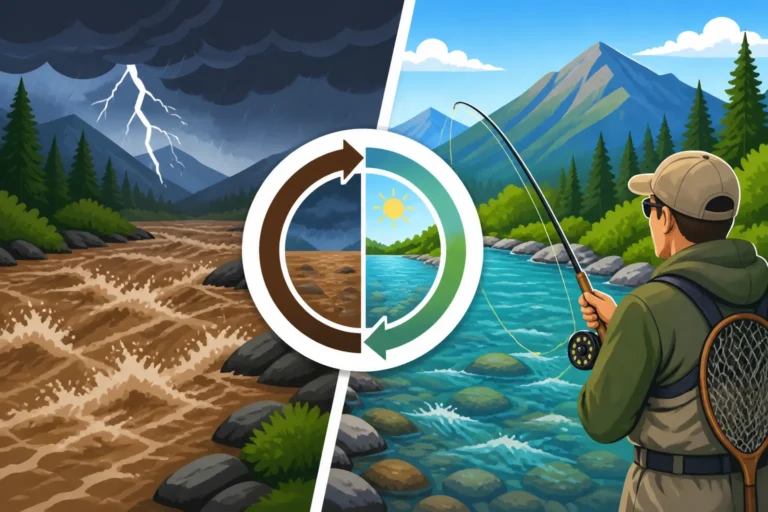
While the true "runoff" often doesn't hit its peak until late May or early June, you'll start to see its earliest signs in April. The first indicators are usually subtle increases in river flows, particularly in freestone rivers that rely directly on snowmelt. You might notice the water levels are just a bit higher each day, and the current feels a little stronger. The water might develop a very faint green or grey tint, indicating that some sediment is starting to be picked up from the thawing banks. One major sign is a sudden jump in overnight air temperatures combined with strong daytime sun, which accelerates snowmelt. Pay close attention to the forecast, not just for the day you plan to fish, but for the preceding days as well. If there's a sustained warm spell, especially in the high country, you can bet that the rivers will respond. Many anglers use resources like the USGS streamflow gauges (easily found online) to monitor river levels in real time. Knowing these trends can help you decide if it's better to stick to a clear tailwater or if your favorite freestone is still in prime pre-runoff condition. The difference between a river that's fishing great and one that's blown out can be a matter of hours in late April.
Strategic Fishing Approaches for Early Spring Success
With the capricious nature of April weather and water conditions, you can't just throw the same old flies or lures and expect results. Anglers who find consistent success during this pre-runoff window are those who are strategic, adaptable, and willing to delve into the subtle nuances of early spring fish behavior.
Subsurface Domination: Nymphing and Streamer Tactics
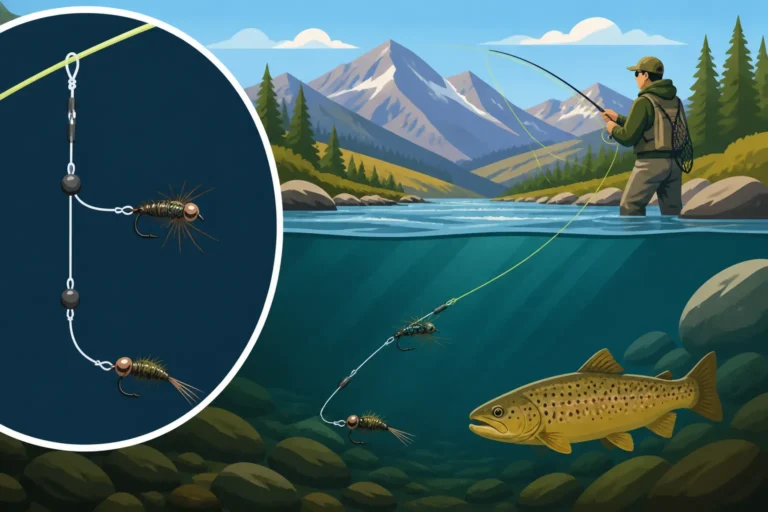
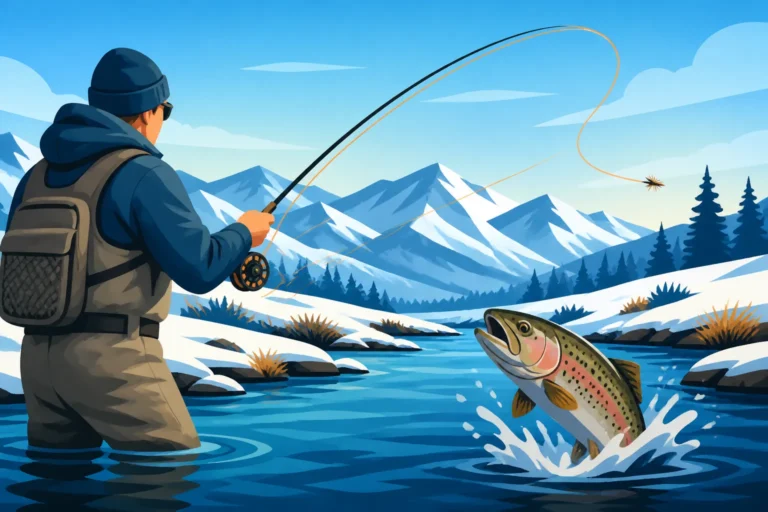
Given the often cold water and the fact that most insect hatches aren't in full swing yet, the vast majority of a trout's diet in April comes from what's available subsurface. This makes nymphing an absolutely indispensable technique. You'll want to focus on weighted nymph rigs that can get down to the fish quickly and efficiently. Think about using larger, heavier anchor flies like a Pat's Rubber Legs, 20-Incher Stonefly, or a Girdle Bug, often trailed by smaller, more imitative nymphs such as a Pheasant Tail, Hare's Ear, or a variety of midge patterns. Often, the trout are still lethargic from winter and holding tight to the bottom in slower, deeper runs or behind current breaks. Adjust your split shot and indicator depth frequently to ensure your flies are truly ticking along the riverbed where the fish are holding. Many anglers also find success with Euro nymphing techniques, which allow for extremely precise depth control and sensitivity to subtle takes. For those who prefer spin fishing, drifting small jigs tipped with bait (where legal) or artificial attractants can be deadly, replicating a natural nymph drift.
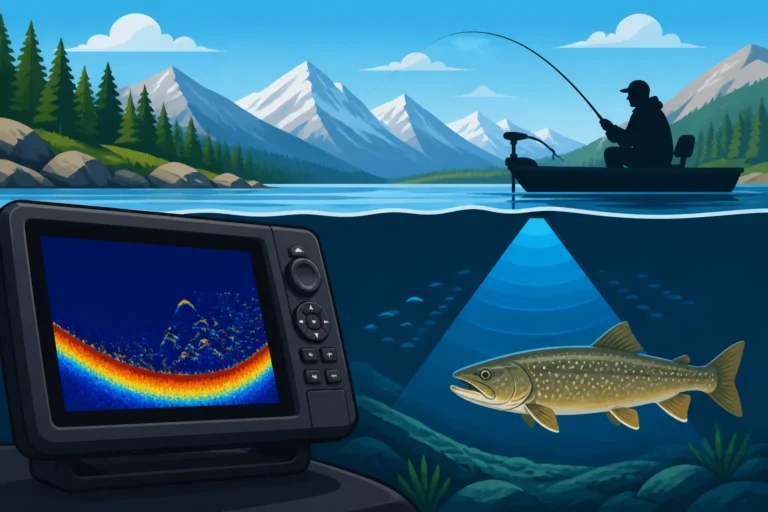
Streamer fishing also shines in April, especially for targeting larger, more aggressive brown trout. These fish are often looking for a substantial meal, and a well-presented streamer can trigger an instinctual predatory strike. Patterns like Woolly Buggers, Sculpzillas, or Articulated Streamers in olive, black, or natural baitfish colors are excellent choices. Concentrate your efforts around structure – submerged rocks, log jams, undercut banks – where bigger fish will be ambushing prey. A slow, methodical retrieve with pauses can often be more effective than a fast strip, allowing the fish time to react in the colder water. Try varying your retrieve speed and depth until you find what triggers a response. On larger reservoirs and lakes, spoons like the Kastmaster or Daredevil, or even soft plastic swimbaits, can imitate baitfish, appealing to hungry lake trout or pike in search of an easy meal. Remember that larger profiles can sometimes attract larger fish, so don't be afraid to experiment with bigger offerings.
Capitalizing on Opportunistic Dry Fly and Emerger Hatches
While April might not be synonymous with prolific dry fly fishing, there are absolutely opportunities to be had, and missing them means missing out on some incredibly rewarding fishing. Blue-Winged Olives (BWOs) are often the first significant hatch of the spring, especially on Colorado's tailwaters. These small, olive-bodied mayflies typically emerge on overcast, drizzly days, or during the warmer parts of the afternoon. When they do, the trout can key in on them aggressively, offering fantastic dry fly action. Have a good selection of BWO dry flies in sizes #18-22 ready, along with BWO emergers and tiny nymph patterns like a WD-40 or Barr's Emerger. The key is to watch the water closely for rising fish. Often, trout will be sipping emergers just under the surface, making a dry-dropper rig with a small emerger trailing a larger dry fly an effective presentation.
Another important, though often overlooked, food source in April are midges. These tiny insects hatch year-round, but their importance becomes magnified in colder months when other bugs are scarce. On calm, sunny afternoons, you might see clouds of adult midges dancing over the water, and fish will rise to them. Again, patterns in sizes #20-24, or even smaller, are necessary. Griffith's Gnats, tiny Parachute Adams, or even simply a small black dry fly can imitate adult midges effectively. Below the surface, midge pupa and larva patterns are always a good bet. While not as widespread as summer hatches, these sporadic dry fly and emerger opportunities provide a welcome break from nymphing and can be incredibly exciting when the fish decide to cooperate. Always carry a variety of sizes and patterns, as selectivity can be high with these small insects.
Locating and Targeting Pre-Spawn and Post-Winter Fish
Understanding the life cycle of the various fish species you're targeting is paramount in April. Many species are either preparing to spawn, actively spawning, or recovering from their winter dormancy. Rainbow trout, for example, are typically spring spawners. In April, you might find them staging in slower, shallower areas near gravel beds in rivers, or cruising the shorelines of lakes and reservoirs as they prepare to deposit their eggs. Targeting these fish can be effective, but it's crucial to be mindful of actively spawning fish. Avoid casting directly to fish on redds (their spawning beds) to ensure the health of future generations. Instead, focus on the deeper runs just below or above these areas, where fish might be feeding heavily before or after their spawning efforts.
Brown trout, on the other hand, are fall spawners, so in April, they are typically post-spawn and actively recovering from their winter exertions. This often means they are hungry and looking to put on weight. They'll be found in deeper pools, undercut banks, and around structure, conserving energy but ready to pounce on a well-presented meal. Kokanee salmon, another popular Colorado species, are also fall spawners and will be in a post-spawn recovery phase, making them generally less active targets in April. For warmwater species like northern pike or walleye in reservoirs, April often marks the beginning of their pre-spawn activity. Pike will move into shallower, weedier bays, while walleye might start staging near rocky points or submerged humps. Targeting these fish during their pre-spawn feeding binges can be incredibly productive. It's all about knowing what species are doing what, when, and where.
Prime Colorado Destinations for April Angling
While spring runoff will eventually transform many of Colorado's freestone rivers into raging torrents, April offers some fantastic windows to hit specific types of water. Knowing where to go can make all the difference between a frustrating day and a memorable one.
Reliable Tailwater Fisheries
Tailwater fisheries—rivers that flow out from the bottom of large dams—are often your most consistent and reliable bets in April. The water released from the dam comes from deep within the reservoir, meaning its temperature is much more stable than a freestone river. This stability helps to keep water temperatures consistent and typically warmer than ambient air temperatures, and crucially, these rivers are often less affected by spring runoff. The flows are controlled by the dam, so they usually remain clear and fishable even when freestone rivers are blowing out.
Excellent examples include the Fryingpan River below Ruedi Reservoir, known for its prolific midge and BWO hatches and incredible numbers of large rainbow trout. The Blue River below Dillon Reservoir near Silverthorne is another fantastic tailwater, offering year-round access and strong populations of trout, especially in its Gold Medal Water sections. The South Platte River, particularly the sections below Cheesman Reservoir and Deckers, is legendary for its challenging but rewarding fly fishing, with consistent hatches and large, wary trout. The Taylor River below Taylor Park Reservoir is famous for producing some of the largest trout in the state, making it a bucket-list destination for many. These waters provide consistent conditions that allow for focused nymphing or dry fly fishing when the hatch is on. Remember that these areas can be popular, so consider fishing during weekdays or arriving early to secure your spot. You might want to review specific techniques in our guide to Nymphing Techniques for Colorado Tailwaters.
Accessible Front Range Urban Waters and Reservoirs
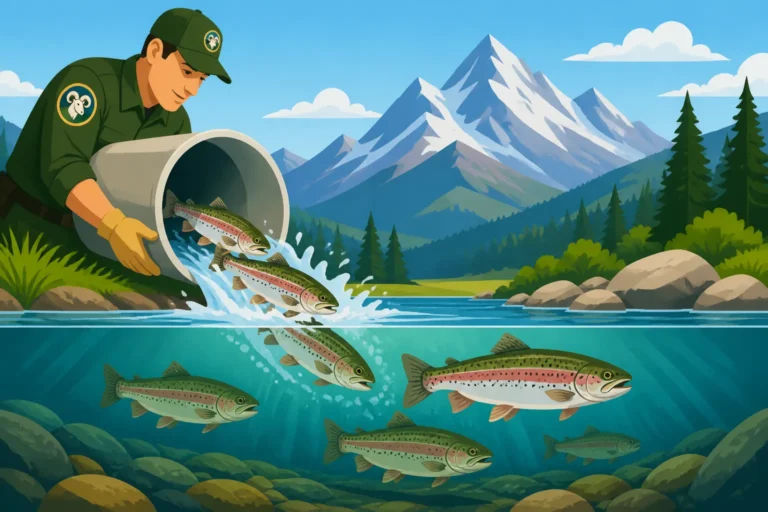
For anglers living near Colorado's Front Range, April offers prime opportunities to fish the numerous urban waters and larger reservoirs that begin to wake up after winter. Many of these lakes and ponds are regularly stocked by Colorado Parks and Wildlife (CPW) with rainbow trout, providing excellent "put-and-take" fishing. As the ice melts and water temperatures rise, these stocked fish become active and are eager to bite. Popular urban ponds and lakes in the Denver Metro area, such as those found within city parks or larger open spaces, often get regular trout stockings, providing easily accessible fishing for families and beginners.
Larger reservoirs like Chatfield Reservoir, Cherry Creek Reservoir, and Boyd Lake State Park also offer excellent April fishing. At these reservoirs, the focus isn't just on trout. As waters warm, species like walleye, northern pike, bass, and even crappie start to become more active. Anglers can target cruising trout near shorelines with powerbait or worms, or switch to lures and jigs for the other species in deeper water or near structure. Ice-out fishing on these reservoirs can be phenomenal as fish cruise the newly accessible shallows looking for food. Keep an eye on the CPW stocking reports, often available online, to know exactly when and where new fish are being introduced. These spots are fantastic for a quick trip after work or a weekend outing, providing diverse angling opportunities without a long drive. Our post on Best Fishing Lakes Near Denver, Colorado offers more specific recommendations.
High-Country Lakes and Rivers: A Conditional Bet
While many high-country lakes and rivers will still be locked under ice and snow in April, some lower-elevation mountain streams and certain larger lakes might start to become accessible. This is truly a conditional bet, heavily dependent on the snowpack and how warm the spring has been. If you're adventurous and willing to hike, you might find some unique opportunities in areas that are just shedding their winter coat.
Lakes that are at lower to mid-elevations (say, below 8,000-9,000 feet) might experience "ice-out" in late April. This period can be magical, as fish that have been confined under ice for months become incredibly active, cruising the newly melted shorelines and eager to feed. Shore fishing with small lures, flies, or bait can be very effective during this time. For rivers in these mountain valleys, look for stretches that are protected from direct snowmelt, perhaps spring-fed sections or those with minimal high-country drainage. These might offer a brief window of fishable water before the main runoff begins. Always check local conditions, road closures, and trail access before planning a high-country trip in April. A great resource is the local fly shops or ranger stations, who often have the most up-to-date ground truth. Remember that even if the ice is gone, the water will be bone-chillingly cold, so proper layering and safety precautions are essential. For a broader overview, check out Colorado's Gold Medal Waters Explained to see if any lower-elevation Gold Medal stretches are accessible.
Equipping for April: Gear Essentials and Layering Strategies
Preparing your gear for Colorado's April fishing can feel like packing for a trip around the world. The weather is so unpredictable that you need to be ready for anything from sunshine to blizzards. Having the right equipment and dressing intelligently will ensure you stay comfortable and focused on the fish, no matter what Mother Nature throws your way.
The Importance of Layered Clothing and Waders
This cannot be stressed enough: layering is your best friend in April. Forget cotton; it gets wet and stays wet, chilling you to the bone. Opt for moisture-wicking synthetic or merino wool base layers against your skin. On top of that, a good fleece or down vest provides insulation. Your outer layer should be a waterproof and windproof jacket. A lightweight rain jacket is crucial even on sunny days, as those sudden afternoon showers or snow squalls can appear out of nowhere. Don't forget a warm hat and gloves, especially for early mornings or when the wind picks up. Buffs or neck gaiters are also fantastic for protecting your face from wind and sun.
Your waders are equally important. Breathable waders are standard, but consider thicker neoprene waders if you know you'll be standing in frigid water for extended periods, or if ice-out conditions are still present. A good pair of wading boots with sturdy soles, perhaps even studded ones for slippery riverbeds, will provide stability and safety. No one wants to end a fishing trip early because they’re soaked and shivering. Being able to shed or add layers quickly and easily is key to staying comfortable throughout the day, allowing you to focus on the fishing instead of the cold. Many reputable brands like Simms, Patagonia, and Orvis offer excellent layering systems, and you can find a wide range of options on sites like Amazon.
Rods, Reels, and Lines for Versatile Spring Fishing
Given the varied conditions and techniques you might employ in April, having versatile rod and reel setups is beneficial. For fly anglers, a standard 9-foot, 5-weight fly rod is a workhorse that handles most trout fishing scenarios, from delicate dry flies to medium-sized nymph rigs. If you plan on throwing larger streamers or fishing bigger rivers with heavier nymph setups, a 6-weight can offer more backbone and casting power. Pairing your rod with a reliable reel that has a smooth drag system is essential. Load your reel with a good quality weight-forward floating line, which is versatile enough for most presentations. You'll also want to carry extra spools or leaders for different situations – longer, lighter leaders for spooky fish in clear water, and shorter, stronger leaders for heavy nymph rigs.
For spin anglers, a 6 to 7-foot medium-light to medium action spinning rod with a sensitive tip is ideal for detecting subtle bites. Pair it with a 1000 to 2500 size spinning reel spooled with 4-8 pound test monofilament or fluorocarbon line, or a braided line with a fluorocarbon leader for added sensitivity and abrasion resistance. These setups are versatile enough to cast small lures, drift bait, or jig for various species in rivers and lakes. Consider having a second, slightly heavier setup if you plan on targeting larger species like pike or lake trout in bigger reservoirs. Having a sturdy landing net, especially a rubber-mesh net for safe catch-and-release, is also an absolute must.
Your April Fly and Lure Arsenal
Your fly and lure box for April needs to be well-stocked and adaptable. For fly anglers, your nymph box should be brimming with a variety of patterns in different sizes and weights. Think about:
- Stoneflies: Pat's Rubber Legs, 20-Incher Stone, Girdle Bug (sizes #8-14)
- Mayflies: Pheasant Tail Nymphs, Hare's Ear Nymphs, BWO Nymphs (sizes #14-20)
- Midges: Zebra Midges, Mercury Black Beauties, Top Secret Midges (sizes #18-24)
- Worms: San Juan Worms, Squirmy Wormies (sizes #10-16)
For dry flies, focus on BWO patterns (parachutes, CDC, comparaduns in #18-22) and tiny midge dries (Griffith's Gnat, Parachute Adams in #20-24). Don't forget emergers like Barr's Emerger. Streamers in olive, black, brown, and white, such as Woolly Buggers and Sculpzillas, are also crucial.
Spin anglers will want a diverse collection of lures:
- Spoons: Kastmaster, Daredevil, Crocodiles in silver, gold, and vibrant colors for trout and pike.
- Spinners: Panther Martin, Mepps, Rooster Tail in various sizes and blade colors.
- Jigs: Small jigs (1/16 to 1/8 oz) in white, black, or olive, often tipped with a piece of worm or Gulp! bait.
- Soft Plastics: Small grubs, tubes, and swimbaits for targeting bass, walleye, or even larger trout.
- Hard Baits: Small jerkbaits or crankbaits that imitate baitfish can also be effective.
Always carry a selection of terminal tackle: split shot, strike indicators, extra leaders and tippet in varying strengths, and a pair of forceps or hemostats for hook removal. Having a diverse selection on hand will allow you to quickly adapt to changing conditions and fish preferences.
Here's a quick reference table for April conditions and strategies:
| Water Type | Typical April Condition (Pre-Runoff) | Recommended Fly/Lure Tactics | Key Fish Species |
|---|---|---|---|
| Tailwaters | Cold, clear, consistent flows; potential for BWO/Midge hatches | Heavy Nymph Rigs (Stoneflies, Midges), small Streamers, BWO/Midge Dry Flies | Rainbow Trout, Brown Trout, Cutthroat Trout |
| Freestone Rivers (Lower Elevation) | Cold, generally clear; increasing flows as snow melts at higher elevation; potential for opportunistic hatches | Nymphing (Pheasant Tails, Hare's Ears), Streamers, Dry-Dropper Rigs | Brown Trout, Rainbow Trout, Brook Trout |
| Lakes/Reservoirs (Ice-Out) | Cold water, fish cruising shorelines; newly accessible areas | Shore fishing with bait/PowerBait, small Lures (spoons, spinners), Trolling (deeper for bigger fish) | Rainbow Trout, Brown Trout, Lake Trout, Pike, Walleye, Perch |
Navigating Regulations and Practicing Responsible Angling
Getting out on the water in Colorado is an amazing experience, but it comes with responsibilities. Knowing the rules and practicing ethical angling ensures that our beautiful fisheries remain healthy and vibrant for future generations. April is a critical time for fish as they emerge from winter, and extra care can make a huge difference.
Confirming Your License and Stamp are Up to Date
Before you even think about wetting a line, make absolutely sure your Colorado fishing license is valid for the current season. Colorado's fishing licenses typically run from April 1st through March 31st of the following year, meaning April is often the start of a new license year. It's easy to forget to renew, especially after a long winter break. Residents and nonresidents alike need a license, and the costs vary depending on your residency and the duration of the license you choose. You can purchase or renew your license online at the CPWShop.com website, by phone, or in person at various license agents and sporting goods stores like those found in your local Cabela's or Walmart.
In addition to your fishing license, most anglers between the ages of 18 and 64 (inclusive) are also required to purchase a Habitat Stamp. This stamp is vital as it directly funds conservation efforts, ensuring healthy habitats for Colorado's wildlife, including our fish. Make sure you understand the nuances of Colorado Fishing License Guide for Residents and Nonresidents and know Who Needs Colorado's Habitat Stamp to avoid any issues. Not having the proper license and stamp can result in hefty fines, so take a few minutes to double-check everything before you head out. It's a small price to pay for the privilege of enjoying Colorado's incredible waters.
Ethical Practices for Vulnerable Early Season Fish
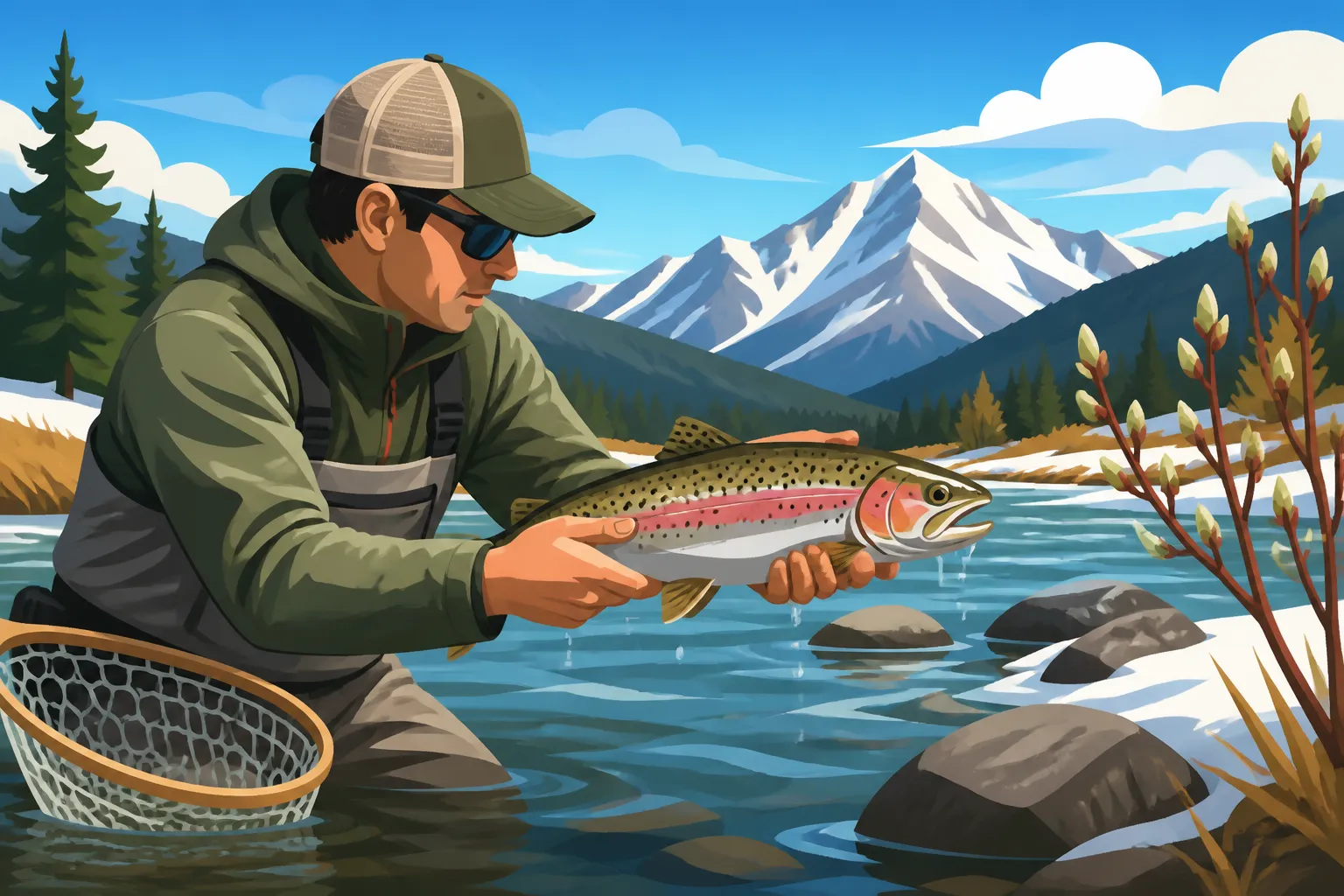
April fish can be particularly vulnerable. They're often lethargic from the cold winter, actively spawning (like rainbow trout), or recovering from spawning (like brown trout). This means practicing responsible catch-and-release is more important than ever. If you plan to release fish, handle them with extreme care:
- Minimize Time Out of Water: Keep the fish submerged as much as possible, especially during colder temperatures when air exposure can still be stressful.
- Wet Hands: Always wet your hands before touching a fish to protect its delicate slime coat, which is its primary defense against disease.
- Barbless Hooks: Consider using barbless hooks. They make hook removal quicker and cause less damage to the fish's mouth. Many Gold Medal Waters actually require barbless hooks, so it’s good practice to crimp your barbs regardless. Our article on Barbless Hook Rules on Colorado Rivers delves into this further.
- Proper Hook Removal: Use forceps or pliers to gently remove the hook. If a fish is deeply hooked, cut the line as close to the hook as possible rather than trying to rip it out.
- Support for Recovery: Cradle the fish gently in the water, facing it upstream, until it regains its strength and can swim away on its own. Never "pump" a fish back and forth, as this forces water over its gills in the wrong direction.
Also, be mindful of spawning fish on redds (gravel beds where fish lay eggs). Avoid wading through redds or targeting fish actively spawning, as this can disrupt the reproductive cycle. It's crucial to respect these vulnerable periods to ensure healthy fish populations for years to come.
Staying Informed on Closures and Special Regulations
Colorado Parks and Wildlife (CPW) implements a wide array of specific regulations for different bodies of water, and these can change seasonally or in response to environmental conditions. It is your responsibility as an angler to know and follow these rules. This includes bag and possession limits, size restrictions (like the Colorado's 14-Inch Trout Length Rule on certain waters), bait restrictions, and special closures. Some rivers, especially certain Gold Medal Waters, have very specific rules regarding catch-and-release, flies and lures only, or barbless hooks.
In April, keep an eye out for any specific winter closures that might still be in effect, or new closures due to early season high water or sensitive spawning areas. The CPW publishes a comprehensive annual fishing brochure that details all regulations, and it's something you should always carry (either physically or digitally) when you're out fishing. You can easily find the digital version on the CPW website. Local fly shops and guide services are also excellent resources for the most up-to-date information on current conditions and any temporary closures or special restrictions. Being prepared and informed not only keeps you on the right side of the law but also contributes to the sustainable enjoyment of Colorado's incredible fishing opportunities. Don't rely on assumptions – always check!
Disclaimer
The information provided in this guide is for general informational purposes only and does not constitute legal or professional advice. Fishing regulations and conditions in Colorado can change frequently. Always consult the most current Colorado Parks and Wildlife regulations and local conditions before planning any fishing trip. The author and publisher are not responsible for any actions taken based on the information presented herein.