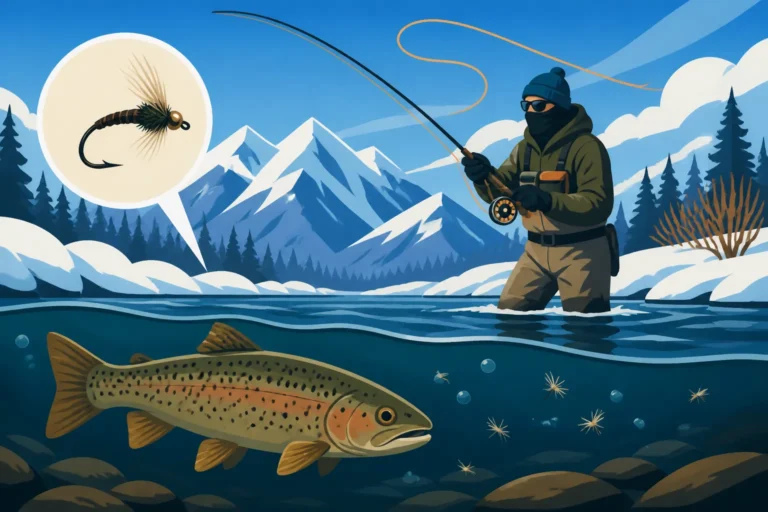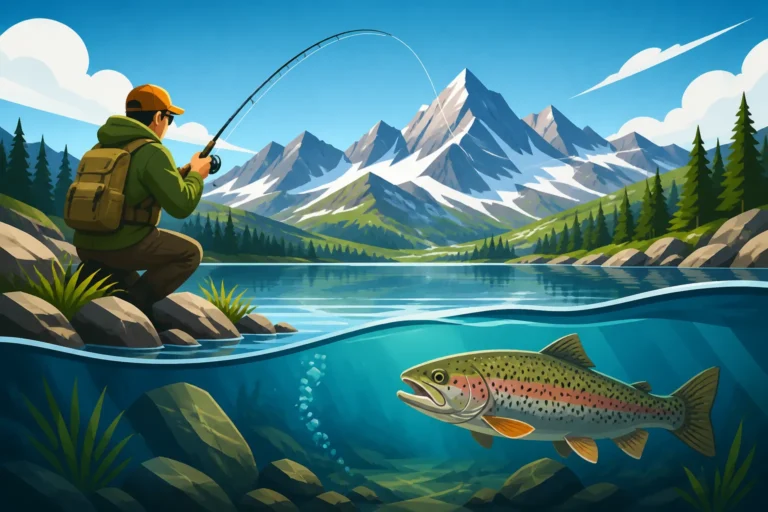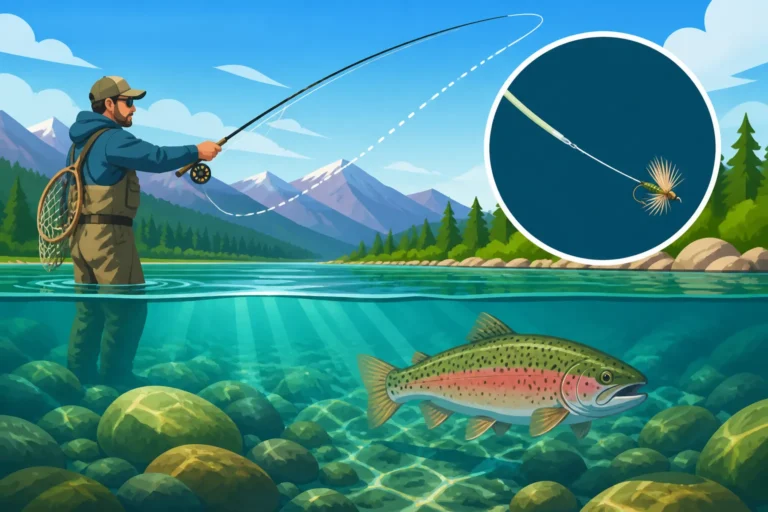
Winter Fishing on Colorado’s Tailwaters
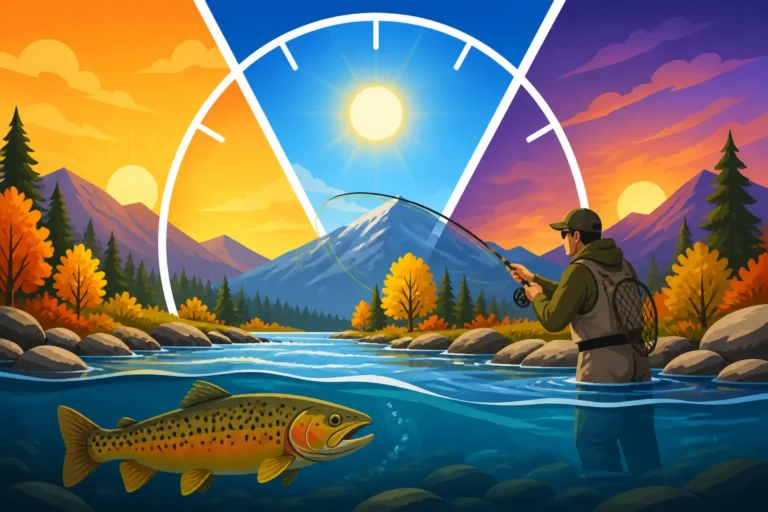
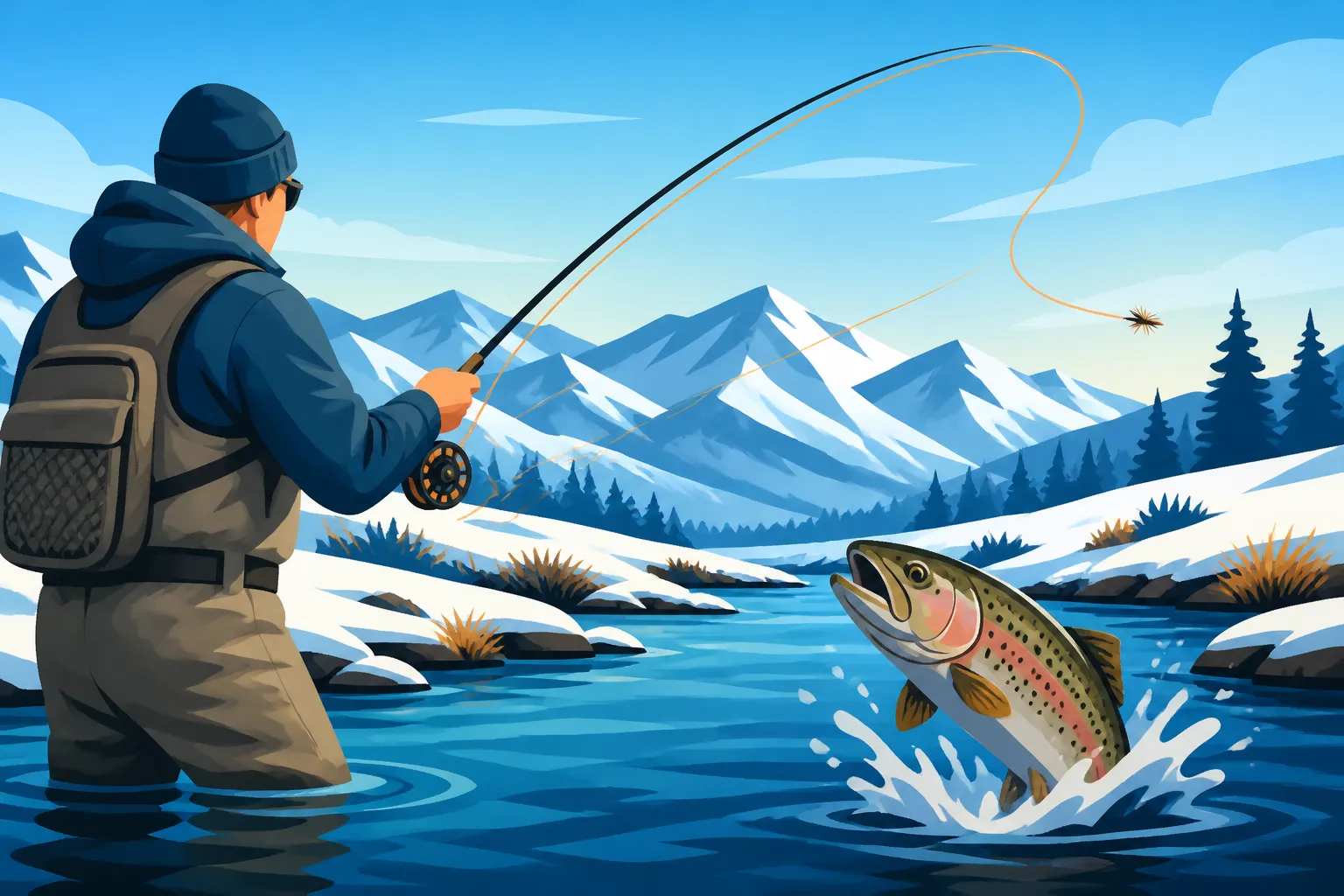
The biting cold of a Colorado winter often sends anglers into hibernation, but for those in the know, some of the most consistent and rewarding fishing can be found on our beautiful tailwaters. If you've ever felt the sting of winter winds on an open lake or freestone river and wondered if there was a better way to chase trout year-round, this guide is your answer to unlocking the secrets of winter tailwater fishing.
The Unique Allure of Winter Tailwaters
When most of Colorado's rivers and lakes are locked under ice or experiencing frigid, fluctuating temperatures, tailwaters offer a consistent refuge for both fish and dedicated anglers. These special stretches of river below large dams maintain surprisingly stable conditions, creating a unique microclimate that can be incredibly productive during the colder months. It’s a stark contrast to the often unpredictable nature of other waterways, providing a reliable option when everywhere else seems dead.
Why Tailwaters Stay Open and Warmer
The magic of a tailwater lies in its origin: the bottom release of a large reservoir. While the surface of a reservoir might freeze solid, the water drawn from its deeper sections remains at a more stable, often warmer temperature throughout the winter. This means the river immediately below the dam can flow freely and consistently, even when ambient air temperatures plummet. The ground temperature itself helps insulate the water, preventing extreme drops that would otherwise make fishing unbearable or even impossible. This thermal stability is absolutely crucial for trout, as it keeps their metabolism somewhat active, encouraging them to feed regularly. You won't find the wide temperature swings you'd see on a high mountain stream, which can shut down fish activity for days.
Furthermore, the dam itself acts as a massive filter, often providing a continuous, albeit cold, flow of relatively clear water. This consistent flow prevents ice formation for considerable distances downstream, making access easier and fishing much more pleasant than trying to punch through thick ice on a lake. While a reservoir might freeze over and offer prime opportunities for Ice Fishing in Colorado, Getting Started on its surface, the tailwater below it presents an entirely different, open-water experience. This steady environment creates a haven for aquatic insects and fish alike, setting the stage for some incredible winter angling.
Reading Winter Water: Where Fish Hold
In winter, trout become much more lethargic than their summer counterparts. Their primary goal is energy conservation, which means they're looking for comfortable lies with minimal current and easy access to food. This generally translates to deeper, slower pools, seams, and eddies. Think about spots where the current is just enough to bring food to them, but not so strong that they have to expend a lot of energy to hold their position.
You'll often find fish congregated in these deeper pockets, sometimes stacked up like cordwood, especially in areas with good cover like submerged rocks or logs. They’re less likely to be in fast riffles or shallow runs unless there’s a consistent, significant hatch, which is a rare treat in winter. Look for depressions in the riverbed, the slower water on the inside bends of a river, or even below current breaks created by large boulders. These prime holding spots are where trout can maintain their position with minimal effort while waiting for nymphs and midges to drift by. Understanding Where Trout Hold During Low, Clear Water is critical for winter success, as their behavior is highly predictable.
Essential Gear for Winter Tailwater Success
Winter fishing on Colorado’s tailwaters isn't just about finding the fish; it's also about staying comfortable and safe in potentially harsh conditions. The right gear makes all the difference, transforming a potentially miserable experience into an enjoyable and productive one.
Layering Up for Colorado's Cold
Colorado winters are no joke, and while tailwaters offer respite from some of the extremes, you'll still be out in cold air, sometimes for hours. Proper layering is paramount. Start with a good moisture-wicking base layer – think merino wool or synthetic materials, never cotton, which holds moisture and chills you. Over that, add an insulating mid-layer like a fleece or down vest. For your outer shell, a waterproof and windproof jacket is non-negotiable, protecting you from biting winds and any unexpected precipitation.
Don't forget your extremities! A warm hat that covers your ears is essential, as is a good pair of gloves. Many anglers opt for fingerless gloves to maintain dexterity while tying knots and handling fish, with a convertible mitten layer for when the cold really sets in. Warm, wool socks (again, no cotton!) are crucial to keep your feet from freezing inside your waders. Investing in high-quality items, perhaps from reliable online retailers like Amazon, will pay dividends in comfort and enjoyment. When considering Best Waders for Cold Tailwater Fishing, look for breathable models with good insulation, often paired with thick wading socks.
Rods, Reels, and Line Choices
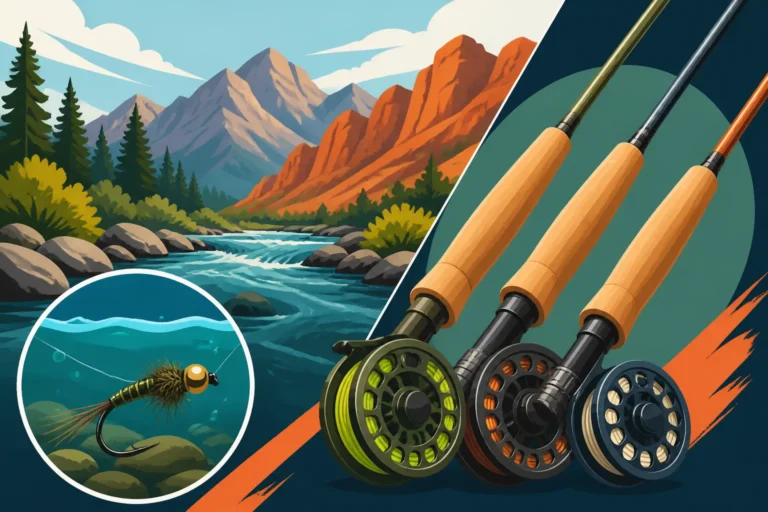
For winter tailwater fishing, precision and sensitivity are more important than brute force. A 9-foot, 4-weight or 5-weight fly rod is a versatile choice, offering enough backbone for larger fish but sensitive enough to detect subtle takes from lethargic trout. If you're leaning into Euro nymphing, a longer, lighter rod—like a 10 or 11-foot 2- or 3-weight—will significantly enhance your feel and line control. You can explore What Euro Nymphing Rods Work Best for Colorado Rivers to find the perfect setup for this specialized technique.
Your reel doesn't need to be fancy; a good, reliable disc drag is sufficient, as most winter fights won't involve screaming runs. However, ensuring it's clean and lubricated to prevent ice buildup is a good idea. For fly line, a weight-forward floating line is standard for indicator nymphing. If you're going the Euro nymphing route, a specialized monofilament leader or dedicated Euro nymphing line will be much more effective for detecting strikes. For spin anglers, a light to medium-light action rod (6 to 7 feet) paired with a small spinning reel spooled with 4-6 lb fluorocarbon or braided line with a fluorocarbon leader is ideal for presenting small jigs and baits.
Winter Fly Box Essentials
In winter, the trout's diet narrows considerably. Midges are king, dominating the aquatic insect life. You'll want a wide array of midge patterns in different sizes (from tiny #20s up to #24s or even #28s) and colors (black, red, olive, cream). Popular patterns include Zebra Midges, Top Secret Midges, and Miracle Midges. Having these in both larva and pupa stages is key.
Blue-Winged Olives (BWOs) are another important winter food source, especially on cloudy, warmer days. Carry various BWO nymph patterns (like Pheasant Tails and Barr's Emergers) in sizes #18-#22. For spin anglers, small jigs (1/32 to 1/16 oz) in black, white, or olive, tiny spoons, and small, soft plastic worms can be incredibly effective. Sometimes, even a smaller Woolly Bugger in black or olive can entice an opportunistic strike, especially if you're trying to target a Streamer Fishing for Colorado Brown Trout scenario.
Here's a quick look at some key winter fly patterns for Colorado's tailwaters:
| Fly Pattern | Type | Sizes | Notes |
|---|---|---|---|
| Zebra Midge | Nymph | #18-24 | Classic, highly effective, easy to tie. Black, red, olive. |
| Top Secret Midge | Pupa | #20-26 | Great emerger imitation, often fished in the film. |
| Miracle Midge | Larva | #22-28 | Extremely small, excellent for picky fish. Red, black. |
| Barr's Emerger | Nymph | #18-22 | Blue-Winged Olive emerger, very productive. |
| Pheasant Tail Nymph | Nymph | #18-22 | Versatile, mimics many mayfly species, including BWOs. |
| Mercury Black Beauty | Pupa | #20-24 | Glass bead provides weight and flash. |
| Griffith's Gnat | Dry Fly | #18-22 | Excellent for clusters of adult midges on surface. |
| RS2 | Nymph | #18-22 | Emerger, very effective for subtle takes. |
You can find a more extensive list of Best Midge Patterns for Colorado Winter Fishing to stock your box.
Mastering Winter Nymphing Techniques
Nymphing is, without a doubt, the most productive method for winter fishing on Colorado's tailwaters. Trout are typically hugging the bottom, and a well-presented nymph rig is the best way to get your flies into their feeding zone. Success here relies on careful rig construction, precise casting, and keen strike detection.
Building a Deep Nymph Rig
Winter nymphing almost always requires a multi-fly setup to imitate the diverse, yet small, aquatic insects present. A common setup involves an indicator, split shot, and two or three flies. Start with a leader that is 7.5 to 9 feet long, tapered down to 5x or 6x tippet. Attach your indicator at a depth roughly 1.5 times the water depth you expect to fish; for example, if the water is 4 feet deep, set your indicator at 6 feet. This allows your flies ample time to sink to the bottom.
Below the indicator, attach a heavy lead fly, often a tungsten-beaded midge or BWO nymph (e.g., a size #18 Zebra Midge or a small Perdigon). About 12-18 inches below that, tie on a lighter "dropper" fly, which could be another midge larva or pupa pattern, perhaps a Top Secret Midge or a tiny Miracle Midge. If regulations allow and you prefer a three-fly rig, add a third fly another 12-18 inches below the second. The key is to get your flies down quickly and keep them drifting naturally near the riverbed. You’ll want to understand What Split Shot Size Works Best in Fast Colorado Currents and adjust accordingly to ensure your flies are getting to the fish.
Perfecting Your Drift and Strike Detection
A natural, drag-free drift is absolutely crucial in winter. Trout are cold and lethargic, meaning they won't move far to intercept a fly that looks unnatural. Cast upstream, allowing your flies to sink, then mend your line to keep slack out and ensure your indicator drifts at the same speed as the current. Watch your indicator like a hawk for any hesitation, twitch, or subtle downstream movement that isn't consistent with the current. Even the slightest pause can indicate a fish has taken your fly.
When you see a suspected strike, set the hook immediately with an upstream sweep of your rod. In winter, takes can be incredibly subtle – sometimes it feels like your line just got heavy, or your indicator just stopped for a split second. Don't be afraid to set the hook on anything that looks suspicious. You'll hook bottom sometimes, but you'll also connect with more fish. A dedicated read on How to Set Up a Nymph Rig for a Deep Tailwater Run provides even more detailed steps for optimal success.
Euro Nymphing for Precision
For those looking for an even more direct and sensitive approach, Euro nymphing has become incredibly popular on Colorado's tailwaters. This technique eliminates the traditional strike indicator, instead relying on a long, sensitive rod, specialized leader, and direct connection to your flies to feel the subtle takes. It allows for unparalleled control over your drift and immediate strike detection, which is a massive advantage when fish are barely mouthing a tiny fly.
With a long Euro nymphing rod (10 to 11 feet is common), you use minimal fly line, often just a sighter attached to your leader, and cast heavy, thin-profile tungsten nymphs. You hold your rod tip high, keeping the line off the water, and follow your flies downstream. The absence of a large indicator reduces drag, allowing for a perfectly natural drift. You’re literally feeling the subtle bumps and takes as your flies tumble along the bottom. This method is exceptionally effective in deep seams and pockets where fish are concentrated, and it’s a game-changer for anglers willing to learn its nuances.
Beyond Nymphing: Other Winter Tactics
While nymphing is the bread and butter of winter tailwater fishing, there are occasional opportunities to mix it up with other techniques. These moments are often fleeting but can provide exciting changes of pace and sometimes even larger fish.
Streamer Strategies for Big Browns
Winter doesn't mean big fish disappear; they just become more selective and harder to find. However, on those rare slightly warmer, overcast days, or during low light conditions (dawn/dusk), large brown trout can be enticed by streamers. These aggressive fish are often looking for a substantial meal, and a well-presented streamer imitating a baitfish or sculpin can trigger a predatory strike.
Focus your streamer efforts on deeper pools, undercut banks, and around large structure where big browns might be lurking. Use patterns like a small Woolly Bugger, a sculpin imitation, or a Baby Gonga in black, olive, or brown. Retrieve with varying speeds, incorporating pauses and strips to mimic an injured baitfish. The key is to get the streamer down into the strike zone and impart action that grabs attention. While Brown Trout Spawning Season in Colorado happens in the fall, these fish remain active predators throughout the winter, albeit in short windows.
The Rare Winter Dry Fly Opportunity
Dry fly fishing in winter is a cherished, often unexpected, treat. It typically occurs on mild, cloudy days, especially when a strong midge or Blue-Winged Olive hatch gets underway. Tailwaters can see massive midge hatches even in the dead of winter, bringing fish to the surface for a brief, glorious feeding frenzy.
When you do encounter rising fish, observe them carefully. Are they sipping tiny midges, or are they more aggressively taking larger adult BWOs? Match the hatch as closely as possible, using tiny midge dry flies like a Griffith's Gnat or even a single, unweighted midge pupa pattern. For BWOs, a small Parachute Adams or a compara-dun in sizes #18-22 can be effective. Presentation is everything; a delicate cast and a perfect, drag-free drift are required to fool these often-educated winter sippers. These moments are fleeting but incredibly rewarding, a true testament to the unique conditions of Colorado's tailwaters. For more on specific hatches, be sure to check out Matching a Blue-Wing Olive Hatch on a Colorado Tailwater.
Navigating Challenges and Staying Safe
Winter fishing offers immense rewards, but it also comes with its own set of challenges. Being prepared and prioritizing safety is crucial for an enjoyable and successful outing.
Dealing with Ice and Snow
Even on open tailwaters, ice can be a factor. Riverbanks can become treacherous, covered in slippery snow and ice, or even develop shelf ice along the edges. Always scout your access points carefully. Use a wading staff for stability, especially when entering or exiting the water. Ice can form on your rod guides, making casting difficult. A quick dip in the water or a bit of silicone spray can help prevent this. Your hands will get cold, so have those convertible mittens or hand warmers from Amazon at the ready.
Snowfall can make travel to and from fishing spots challenging, so ensure your vehicle is winter-ready with appropriate tires. Be mindful of changing conditions throughout the day. A sunny morning can give way to a blizzard by afternoon, and you don't want to be caught unprepared. Always check the weather forecast before heading out, and be prepared to turn back if conditions deteriorate. Colorado Fishing Seasons Month by Month highlights how variable conditions can be, so vigilance is always key.
Prioritizing Safety and Comfort
Your personal safety and comfort should always come first. The cold is no joke, and hypothermia is a serious risk. Wear appropriate layers, stay hydrated, and bring plenty of high-energy snacks. A thermos of hot coffee, tea, or soup can be a real morale booster. Always let someone know where you're going and when you expect to return, especially if you're venturing to more remote areas.
Consider bringing a small first-aid kit, a headlamp, and a fully charged cell phone. Even though it's cold, sunscreen and sunglasses are important, as the sun's reflection off snow and water can be intense. Remember that conditions underfoot can be slippery due to mud, ice, or uneven terrain. Taking a moment to assess your footing before each step can prevent a painful fall. Enjoy the solitude and beauty of winter fishing, but always do so responsibly and safely.
Disclaimer
Please note that fishing regulations in Colorado can change. Always consult the latest Colorado Parks and Wildlife (CPW) regulations brochure before heading out. This guide is for informational purposes only and does not supersede official regulations.