Brown Trout Spawning Season in Colorado
There's a special magic that descends upon Colorado's rivers and streams each fall, a certain electric energy that signals a major event in the trout world: the brown trout spawn. For anglers, this time of year can be incredibly productive, but it also comes with a big responsibility to understand and respect these fish during their most vulnerable period. It's a challenging balance between enjoying fantastic fishing and ensuring the health of our beloved wild trout populations. This guide will walk you through everything you need to know about the brown trout spawning season in Colorado, from timing and locations to ethical angling practices that help protect these magnificent fish.
Understanding the Colorado Brown Trout Spawn Cycle
The brown trout (Salmo trutta) is an iconic species in Colorado, known for its resilience and often impressive size. Unlike rainbow trout, which typically spawn in the spring, brown trout are fall spawners. This distinction is crucial for anglers, as the behaviors, locations, and ethical considerations shift dramatically with the seasons. Missing out on the beauty of fall fishing is one thing, but accidentally harming a spawning fish is quite another.
When Brown Trout Start to Spawn in Colorado
The brown trout spawn in Colorado typically kicks off in late September and can run through October and into November, sometimes even creeping into early December in some lower elevation or warmer waters. The exact timing is highly dependent on a few critical factors: water temperature and day length. As the days shorten and water temperatures begin their steady decline, usually dipping below 50 degrees Fahrenheit, brown trout receive the biological cue that it's time to reproduce.
You'll notice the change first in the higher elevation rivers and streams, where colder temperatures arrive sooner. Places like the upper sections of the South Platte River or the Fryingpan River might see activity earlier in October. As autumn progresses and deepens its chill, the spawn moves downstream and into larger rivers and reservoirs. This staggered timing means that while one river might be in full swing, another might just be getting started, or even winding down. It's why staying informed about local conditions, perhaps through your favorite fly shop or the official Colorado Fishing Regulations Every Angler Should Know guide, is so vital.
The Biological Drivers Behind the Spawn
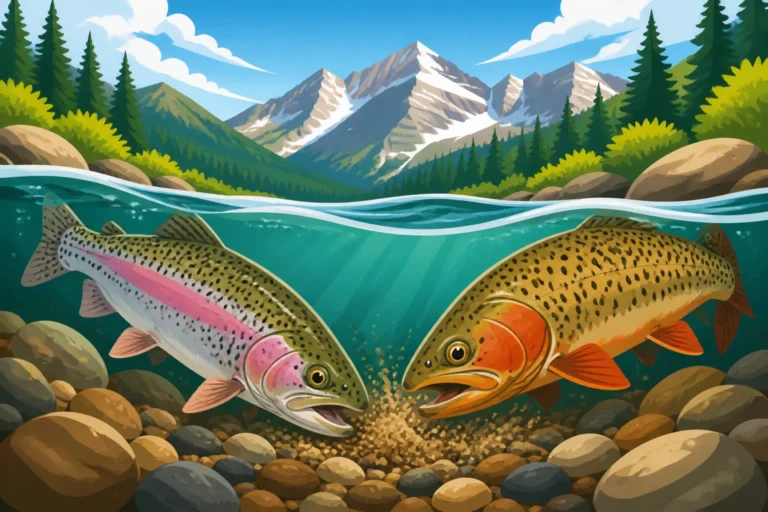
The entire spawning process is an incredible display of nature's design, driven by instinct and survival. Male brown trout, often called "bucks," undergo a striking transformation, developing a prominent hooked jaw known as a "kype" and deepening their already vibrant coloration. They become exceptionally aggressive, fiercely defending their territory and prospective mates. Females, or "hens," will seek out suitable areas to construct their nests, which are called "redds."
This biological imperative to reproduce is so strong that it overrides much of their normal feeding behavior. While they might still strike out of aggression or opportunism, their primary focus isn't foraging. Understanding this behavioral shift is key for ethical angling. These fish are literally putting their lives on the line to ensure the next generation, and interrupting that process can have significant long-term impacts on the health and abundance of the population.
Identifying Spawning Habitats and Redds
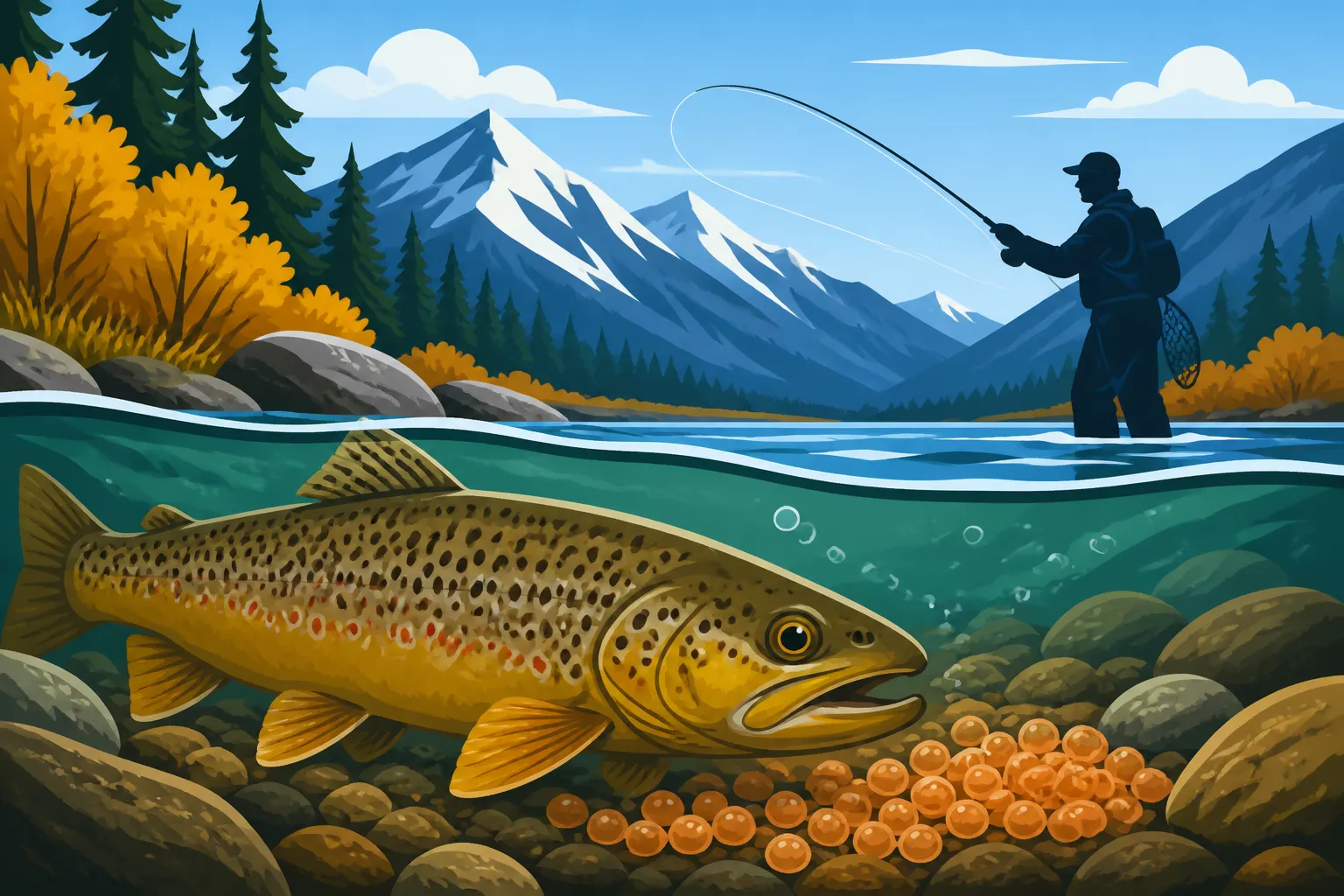
Spotting a brown trout redd is one of the most important skills an ethical fall angler can develop. Redds are essentially gravel nests created by female trout, typically found in areas with clean, oxygenated water and suitable gravel substrate. These are often in riffle areas at the tail end of pools, where water flows over shallow gravel beds.
Here's what to look for:
- Lightly Colored Gravel: When a hen sweeps her tail to clear away silt and create the depression for her eggs, she exposes the cleaner, lighter-colored gravel underneath. This contrast against the darker, undisturbed riverbed is usually the most obvious sign.
- Oval-Shaped Depressions: The redd itself will be an oval-shaped depression, often with a mound of disturbed gravel immediately downstream, created as the hen digs.
- Active Fish: You'll often see brown trout, sometimes in pairs or small groups, actively defending or tending to these areas. The males will be particularly aggressive, chasing off other fish or even attempting to "head-butt" any perceived threats.
- Shallow, Moving Water: Redds are almost always in relatively shallow, moving water, typically less than a few feet deep, where there's a consistent flow to oxygenate the eggs.
If you see these signs, it's crucial to give the area a wide berth. These redds contain thousands of future trout, and disturbing them, even inadvertently, can be detrimental. Stepping on a redd can crush eggs, and harassing spawning fish can stress them to the point of mortality, or prevent them from successfully completing their reproductive cycle.
Ethical Angling During the Brown Trout Spawn
The fall season offers some of the most spectacular fishing opportunities in Colorado, with brown trout often at their most colorful and aggressive. However, it also demands a heightened sense of responsibility from every angler. The health of our wild trout populations depends on us respecting their most vulnerable time. If you're heading out to fish in the fall, make sure you know your Colorado Fishing Regulations Every Angler Should Know and follow these ethical guidelines.
Why Targeting Spawning Fish is Harmful
Targeting brown trout that are actively spawning, or even those holding directly on a redd, is a contentious issue, and for good reason. While it might lead to some exciting strikes from aggressive males, it comes at a significant cost to the trout population. When a fish is focused on spawning, it's under immense physiological stress. They expend tremendous energy constructing redds, laying eggs, fertilizing them, and defending their territory.
Catching and fighting a spawning fish adds an extraordinary layer of stress, which can lead to delayed mortality or compromise their ability to successfully reproduce. A female might abandon her redd, or a male might be too exhausted to defend his territory, allowing other fish to prey on the eggs. Furthermore, snagging, though illegal, can be an unintended consequence when casting into redds, leading to injury or death. The ultimate goal of conservation-minded anglers should be to ensure the long-term sustainability of the fishery, not just to catch a fish in the moment. Remember that Colorado's Gold Medal Water Rules often come with enhanced conservation practices due to their importance to wild trout populations.
Proper Handling for Spawning Trout
Even when you're being careful and trying to avoid active spawning areas, it's inevitable that you might hook a brown trout that is in the pre-spawn, post-spawn, or even actively spawning stage. In these situations, your handling techniques become even more critical. The goal is to minimize stress and maximize the fish's chances of survival and successful reproduction.
Here are some guidelines:
- Reduce Fight Time: Use appropriate tackle that allows you to land the fish quickly. Prolonged fights are extremely exhausting for fish, especially when they're already stressed by spawning.
- Keep Them Wet: The absolute golden rule. Keep the fish in the water as much as possible. Even a few seconds in the air can cause significant damage to their gills and slime coat, which protects them from disease. If you must take a quick photo, keep it over the water and get the shot quickly.
- Wet Hands: Always wet your hands before touching a fish. Dry hands can remove the protective slime layer, making the fish susceptible to infection.
- Minimize Handling: Avoid squeezing the fish, especially around the belly where vital organs, including reproductive organs, are located. Support the fish horizontally with one hand under the tail and another under the belly.
- Barbless Hooks: Consider using barbless hooks, or crimping down the barbs on your hooks. This makes hook removal much easier and quicker, reducing injury to the fish's mouth. Many premium fly and spin fishing hooks, available on platforms like Amazon, now come with barbless options, or you can easily modify them yourself.
- Revive Gently: If a fish seems sluggish, hold it gently in the current, facing upstream, until it regains its strength and can swim away on its own. Don't pump it back and forth; this pushes water the wrong way through its gills.
- No "Hero Shots" on Redds: Absolutely avoid taking photos of fish directly over a redd. This can encourage others to target those sensitive areas.
By practicing these careful handling techniques, you're not just releasing a fish; you're releasing a potential parent that can contribute to future generations of brown trout in Colorado.
Reading Water to Avoid Spawning Areas
The best ethical practice is to simply avoid fishing directly on redds and in areas where you observe active spawning. This requires a keen eye and a commitment to observation before you even make your first cast. Before you wade into a promising riffle or cast into a beautiful run, take a moment to really look at the water.
Scan the riverbed for those tell-tale light patches of gravel. Observe fish behavior. Are they paired up? Are males aggressively chasing each other? Are they holding in very shallow, exposed areas of gravel that look "cleaned"? If the answer to any of these is yes, move on. There's plenty of productive water to fish that isn't directly involved in the spawn.
Focus your efforts on deeper pools, undercut banks, slower runs, and areas with structure like submerged logs or large rocks. These are typically holding areas for brown trout that are not actively spawning but are still feeding, either in preparation for the spawn or recovering afterward. Remember that Fall Fishing in Colorado, What Changes isn't just about fish behavior, but also about where they are concentrating their efforts. It's often the case that the largest brown trout, the ones that are truly worth targeting, will be found in these holding lies rather than directly on the redds, waiting for an opportune moment to feed.
Best Practices for Fall Fishing Around the Spawn
While the spawn requires a thoughtful approach, it certainly doesn't mean you have to hang up your rod for the fall. On the contrary, fall can offer some of the most exhilarating fishing of the entire year for brown trout. The key is adapting your strategy to target fish that are either preparing to spawn, recovering from it, or simply feeding in non-spawning areas.
Focus on Pre-Spawn and Post-Spawn Feeding Zones
Brown trout are incredible opportunists. Before they commit fully to the strenuous act of spawning, they often go on a serious feeding binge to build up energy reserves. Similarly, after the spawn, they are often ravenous as they recover from the energy drain. These are the fish you want to target.
Look for them in deeper pools, current seams, undercut banks, and around large structure that offers both cover and ambush points. They’ll often be found near the mouths of tributaries or other areas where baitfish might be congregating. Think about where a trout would hold to conserve energy while waiting for a meal to drift by. These fish are less stressed than those actively on redds, and therefore much more likely to survive a catch-and-release encounter. Identifying these holding lies requires careful observation of water flow, depth, and structure. Understanding the dynamics of Colorado's Trout Species, A Field Guide will help you predict these behaviors.
Effective Lures and Flies for Active Brown Trout
The fall is a time when brown trout can be incredibly aggressive, and this often translates to a willingness to chase larger, more enticing patterns. Their diet often shifts to include bigger meals as they prepare for or recover from the spawn.
- Streamers: This is prime time for streamer fishing. Large, articulated streamers in colors like olive, black, brown, white, or even brighter "sexy" patterns can imitate baitfish that brown trout are actively preying on. Stripping streamers through deep pools, along undercut banks, or around submerged structure can provoke violent strikes from aggressive browns. Don't be afraid to experiment with different retrieve speeds and jigging motions. Consider patterns like the Woolly Bugger, Sex Dungeon, Sculpzilla, or Sparkle Minnow. Streamer Fishing for Colorado Brown Trout is a truly effective method this time of year.
- Egg Patterns: While fishing directly over redds with egg patterns is generally discouraged, fishing egg patterns downstream from active spawning areas can be highly effective and ethical. As eggs are laid, some inevitably get dislodged and drift downstream, becoming a high-protein snack for opportunistic trout. Dead-drifted egg patterns in orange, pink, or chartreuse can be deadly.
- Nymphs: Larger nymphs, especially stonefly imitations (Pat's Rubber Legs, 20 Incher Stone), worm patterns (San Juan Worm), or caddis larvae, can still be very productive. Fish these deep in slow-moving pockets and runs where trout might be conserving energy.
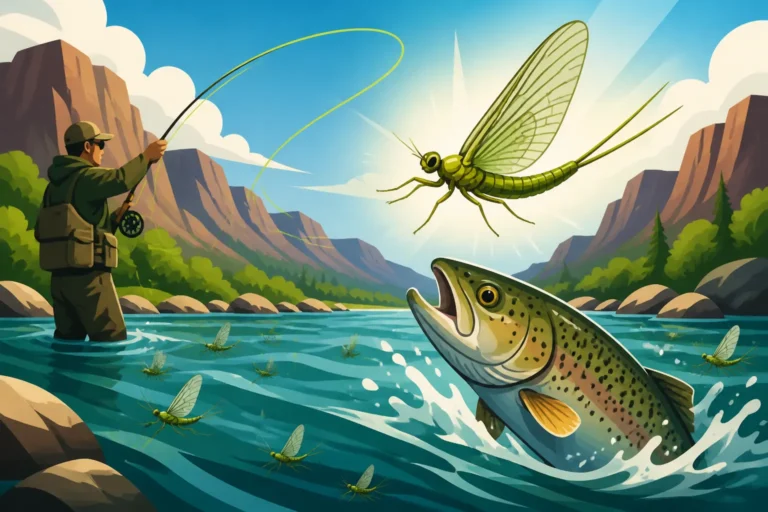
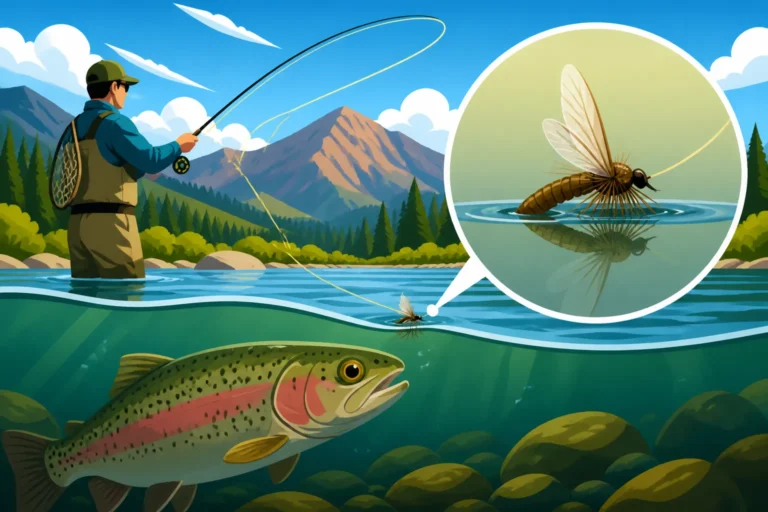
- Dry Flies: While less common than in summer, warmer fall days can still see hatches of Blue-Winged Olives (BWO's) or even larger terrestrials like grasshoppers (though these hatches usually dwindle by October). Always be prepared with a few dry fly options, especially on tailwaters.
Remember, the goal is to present a meal to an actively feeding fish, not to provoke a strike from a stressed, spawning fish.
Adjusting Techniques for Cooler Water
As water temperatures continue to drop through the fall, trout metabolism slows down. This means they might not be as eager to chase down a rapidly stripped streamer or a fast-drifting nymph. Adjusting your presentation becomes crucial for success.
- Slower Retrieves: When streamer fishing, slow down your strip. Think more "enticement" and less "chase." Sometimes, a simple dead drift with an occasional twitch can be more effective.
- Deeper Presentations: Trout will often move into deeper water as temperatures drop. Ensure your nymphs are getting down to the bottom, where fish are likely holding. Use enough weight (split shot or heavier flies) to achieve this.
- Smaller Movements: When jigging or twitching lures, use subtle movements rather than aggressive ones. A gentle lift and fall can often be all it takes to trigger a strike.
- Fish During Warmest Parts of the Day: In late fall, trout fishing can be best during the warmest parts of the day, typically late morning to mid-afternoon. The fish might become more active as water temperatures rise slightly. You can gain insights into these patterns by checking Colorado Fishing Seasons Month by Month.
By understanding how brown trout behavior changes with the dropping temperatures, you can refine your techniques to maximize your chances of success while still maintaining ethical angling practices. Many anglers consult online resources or local fly shops like Angler's Covey or ArkAnglers for specific fall pattern advice and conditions.
Top Colorado Waters for Fall Brown Trout Action
Colorado is truly a brown trout paradise, and fall offers some of the best opportunities to target these beautiful fish. While ethical angling during the spawn means being mindful of redds, there are numerous waters where you can find excellent pre- and post-spawn brown trout action.
Gold Medal Rivers Known for Brown Trout
Colorado's designated Gold Medal Waters are renowned for their ability to consistently produce large trout, and many of these stretches are prime brown trout habitat. These rivers often have healthy populations of wild brown trout that offer fantastic fall fishing.
- Arkansas River: The Arkansas River, particularly the stretches near Salida and Buena Vista, offers excellent brown trout fishing. These sections are known for their strong populations of wild browns. In the fall, focus on deep pockets, structure, and current seams. The river's varied flows and access points make it a favorite.
- South Platte River: The South Platte is a legendary brown trout fishery. Sections like the "Dream Stream" (between Spinney Mountain Reservoir and Eleven Mile Reservoir) and Cheesman Canyon are famous for large browns, especially during the fall. While these areas can see heavy spawning activity, there are also plenty of holding lies for non-spawning fish. Remember, areas like the Dream Stream can be incredibly popular, so patience and careful observation are key. Check out fishing information for Fishing the Dream Stream and Cheesman Canyon on Colorado's South Platte.
- Fryingpan River: Below Ruedi Reservoir, the "Fryingpan" is a true tailwater gem. It’s known for growing huge trout, including impressive brown trout. The consistent cold water from the dam means fish are often active, and large browns will be on the hunt for sculpins and other baitfish.
- Gunnison River: The Gunnison River, especially the Black Canyon and the Gunnison Gorge, holds incredible numbers of wild brown trout. These are remote, challenging waters that reward persistent anglers with truly memorable experiences. The fall colors in the canyon are also spectacular. Learn more about Fishing Colorado's Gunnison River and the Black Canyon.
- Taylor River: The Taylor River below Taylor Park Reservoir is another fantastic tailwater known for massive brown trout. While the "Catch and Release" sections can be very technical, the potential for trophy browns is immense.
When fishing these popular spots, always be aware of other anglers and respect their space.
Smaller Streams and Tributaries to Explore
While the big Gold Medal rivers get a lot of attention, don't overlook Colorado's myriad smaller streams and tributaries. These often provide more solitude and can be phenomenal brown trout fisheries, especially during the fall. Brown trout will often migrate from larger rivers into smaller, gravelly tributaries to spawn.
- Tributary Mouths: Even if you avoid fishing the small tributary itself, the area where a small stream enters a larger river can be a hotspot. Brown trout will stage here before moving upstream, or feed on anything washed down.
- High-Country Creeks: Many smaller, accessible creeks in the mountains hold healthy populations of smaller, but very eager, wild brown trout. These fish are less pressured and can offer a more relaxed fishing experience. Examples might include sections of Clear Creek, Boulder Creek, or numerous smaller streams in national forests.
- Upper River Sections: The upper reaches of many major rivers, before they gain significant size, often behave like smaller streams and can hold excellent numbers of wild brown trout. These areas might also see an earlier start to the spawning activity due to colder temperatures.
Exploring these less-pressured waters can lead to surprising rewards and a deeper connection with Colorado's wild landscapes. Always check local regulations, as some smaller streams may have specific seasonal closures or restrictions.
Reservoir Fishing for Big Fall Browns
While rivers are synonymous with the brown trout spawn, large reservoirs also host impressive populations of brown trout that can offer fantastic fall fishing. These fish don't typically build redds in the same way river fish do, often broadcasting their eggs over rocky bottoms, but they still exhibit strong pre- and post-spawn feeding behaviors.
- Blue Mesa Reservoir: Famous for its kokanee salmon, Blue Mesa also boasts a significant population of large brown trout, many of which feed on those very same kokanee. Fall can be a great time to troll or cast large swimbaits and spoons for these predatory browns. The sheer size of this reservoir means you can often find solitude. More on Fishing Colorado's Blue Mesa Reservoir.
- Eleven Mile Reservoir: Known for its trophy trout potential, Eleven Mile offers excellent opportunities for brown trout from shore and boat. Target rocky points, submerged structure, and drop-offs with lures or bait.
- Spinney Mountain Reservoir: Another South Park gem, Spinney has a reputation for large fish, including browns. Similar to Eleven Mile, shore access and boat fishing can yield big results in the fall.
- Riffle and Inlet Areas: Focus on the shallower, gravelly riffle areas or inlets where rivers flow into the reservoir. These mimic riverine spawning habitats, and brown trout will often congregate here during the fall. They might be targeting kokanee salmon that are making their spawning runs, offering a fantastic opportunity for big predatory browns.
For reservoir fishing, having a boat or a float tube can greatly expand your access to prime areas. If you're looking for gear for these larger waters, a quick search on Amazon for "Colorado trout fishing gear" will bring up a wealth of options, from robust trolling setups to versatile casting rods.
The Important Role of Conservation During the Spawn
The thrill of a big brown trout in the net during the vibrant colors of autumn is truly something special, but it's a privilege that comes with a solemn responsibility. The brown trout spawning season is a critical period for the species, and our actions as anglers directly impact the health and sustainability of these populations for years to come. It’s not just about what we catch, but how we respect the cycle of life.
How Anglers Contribute to Trout Health
Every angler has a direct role to play in brown trout conservation, particularly during the spawn. The decisions we make on the water, from where we cast our lines to how we handle a hooked fish, collectively shape the future of the fishery. When we choose to avoid fishing on redds, when we release a fish quickly and carefully, and when we educate others about ethical practices, we are actively contributing to the resilience of the trout population.
Consider the ripple effect: a single healthy female brown trout can lay thousands of eggs. Protecting just one successful spawn can mean hundreds, if not thousands, of new trout entering the system in the coming years. Conversely, careless actions can jeopardize those future generations. It’s about being a steward of the resource, not just a consumer. Furthermore, purchasing your Colorado Fishing License Guide for Residents and Nonresidents and other required stamps, like Colorado's Habitat Stamp, Explained, directly funds conservation efforts by Colorado Parks and Wildlife (CPW).
CPW's Efforts in Brown Trout Management
Colorado Parks and Wildlife (CPW) plays a vital role in managing and protecting brown trout populations across the state. They conduct regular surveys, monitor fish health, assess spawning success, and implement regulations designed to ensure sustainable fisheries. This includes stocking programs in some areas, but more importantly, it involves protecting wild, self-sustaining populations of brown trout.
CPW's efforts are based on scientific data and a deep understanding of trout biology. They establish specific fishing seasons, bag and possession limits, and special regulations for sensitive areas or specific species to maintain ecological balance. For instance, specific stretches of Gold Medal Water or wild trout sections might have strict catch-and-release rules or gear restrictions to minimize impact. While CPW manages the overall health, it's the individual angler's adherence to these rules and adoption of best practices that truly makes the difference on the ground, or rather, on the water. You can often find valuable information on their website, including Reading Colorado's Weekly Stocking Report, which, while focused on stocked fish, gives insight into general fishery management.
Protecting Future Generations of Wild Trout
The ultimate goal of respecting the brown trout spawn is to ensure that future generations of anglers can enjoy the same incredible fishing experiences we do today. Wild trout are a precious resource, adapting to their environment and contributing to the genetic diversity and robustness of the species. Protecting their ability to reproduce naturally is paramount.
By choosing to focus on pre- and post-spawn fish, by handling every trout with extreme care, and by actively avoiding spawning redds, we are making a conscious choice to support the natural cycle of life. We are investing in the future of Colorado's fisheries, ensuring that the magic of the fall brown trout spawn continues year after year. It's a testament to the power of responsible angling that we can enjoy this incredible resource while simultaneously working to protect it. Even something as simple as choosing a good quality, quick-drying fishing towel from Amazon can contribute to better fish handling and release practices.
| Ethical Angling During Brown Trout Spawn | Recommended Practice | Why It Matters |
|---|---|---|
| Redd Avoidance | Identify and avoid visible redds (light-colored gravel, oval depressions, active fish). Fish upstream or downstream. | Protects thousands of developing eggs from crushing or disturbance, ensuring future fish populations. |
| Targeting Spawning Fish | Focus on pre-spawn feeding fish or post-spawn recovering fish in holding lies (pools, cut banks, deep runs). | Minimizes stress on fish actively involved in reproduction, increasing their survival and spawning success rates. |
| Fish Handling | Keep fish in water as much as possible. Wet hands. Use barbless hooks. Support horizontally. Minimize fight time. | Preserves protective slime layer, prevents organ damage, and reduces post-release mortality for stressed fish. |
| Gear Selection | Use appropriate tackle to land fish quickly. Consider barbless hooks for easier release. | Reduces fight duration, minimizing exhaustion and stress on spawning or recovering trout. |
| Knowledge & Education | Understand the spawn cycle, local regulations, and share best practices respectfully with other anglers. | Empowers a community of responsible anglers, reinforcing conservation efforts and ensuring long-term fishery health. |
| Conservation Mindset | Prioritize the long-term health of the fishery over personal catch numbers during this sensitive period. | Fosters sustainable angling, ensuring robust brown trout populations for future generations to enjoy. |
Disclaimer
Fishing regulations and conditions in Colorado can change, sometimes without much advance notice. While we strive to provide the most accurate and up-to-date information, it is always your responsibility to consult the latest official Colorado Parks and Wildlife (CPW) regulations before heading out. Local conditions, such as water levels and temperatures, can also vary greatly, impacting fishing success and safety.