Ice Fishing in Colorado, Getting Started
The idea of fishing through a hole in the ice can seem incredibly daunting, especially when you're used to casting a line in warmer weather. Many anglers pack away their gear the moment the mercury drops, missing out on some of Colorado's most serene and productive fishing. But don't let the cold or the unknown keep you indoors; this guide is here to break down everything you need to know to get started with ice fishing in our beautiful state, making it accessible and enjoyable.
Why Embrace Colorado Ice Fishing?
For many, winter means the end of fishing season, a time to tie flies and dream of spring runoff. But for those willing to brave the chill, ice fishing opens up a whole new world of angling possibilities. It's not just about enduring the cold; it's about discovering a unique peace and often, incredible fishing action that isn't available at other times of the year.
Breaking the Winter Blues
Let's be honest, those long Colorado winters can sometimes feel never-ending, filled with snow shoveling and cabin fever. Ice fishing offers a fantastic way to combat the winter blues, providing a tangible reason to get outdoors, breathe in that crisp mountain air, and engage in an activity you love. Instead of being cooped up, you're out on a frozen lake, surrounded by stunning, snow-covered landscapes, perhaps even with friends or family. It's a social activity that brings people together, sharing hot coffee, laughs, and the anticipation of a bite. The quiet solitude of a vast, frozen reservoir, broken only by the crack of ice or the whir of a reel, can be incredibly therapeutic, a much-needed escape from daily stresses.
Unique Opportunities for Anglers
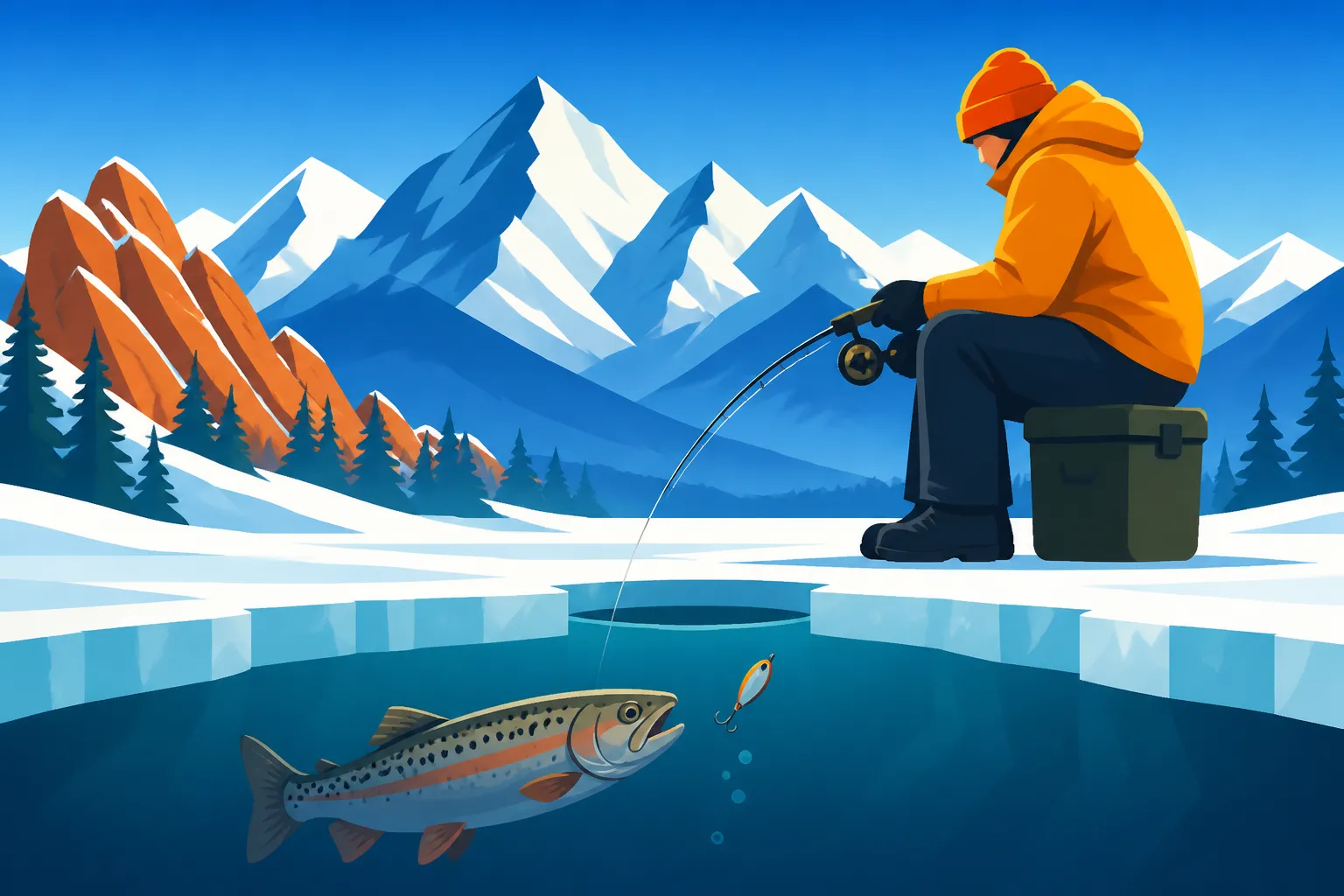
Ice fishing isn't just a substitute for open-water fishing; it presents distinct advantages. For one, fish often congregate in specific, predictable areas under the ice, making them easier to locate once you understand their winter patterns. Many species, especially trout, remain quite active throughout the winter months, feeding consistently. Moreover, with less fishing pressure compared to peak summer seasons, you might find yourself in prime spots that are typically crowded. There’s a certain thrill to pulling a vibrant rainbow trout or a hefty lake trout from beneath a thick layer of ice. You also get unparalleled access to parts of lakes and reservoirs that might be difficult to reach by boat or from the shore during other seasons, opening up new fishing grounds and potentially bigger catches.
Essential Gear for Safe and Successful Ice Fishing
Stepping onto the ice requires a different set of tools and a much stronger emphasis on safety than your typical warm-weather fishing trip. Don't cut corners here; the right gear makes all the difference for both your comfort and your well-being.
Safety First: Non-Negotiable Items
Before you even think about dropping a line, prioritize safety. The most crucial item is a set of ice picks, worn around your neck, ready to deploy if you fall through. These inexpensive tools can literally save your life by giving you the grip needed to pull yourself back onto the ice. Along with picks, always carry a throw rope or rescue rope, ideally 50-75 feet long, which can be deployed to help someone else in distress. Spud bars or ice augers are not just for making holes; they're essential for checking ice thickness as you venture out. You want to make sure the ice is a minimum of 4 inches thick for a single person on foot, 5-7 inches for a snowmobile or ATV, and 8-12 inches for a small vehicle. Never rely on tracks alone; always check the ice yourself. Additionally, don't forget waterproof layers, sturdy boots with good traction (ice cleats are highly recommended), and a first-aid kit. A fully charged phone in a waterproof case is also a must, along with a portable power bank for emergencies. Remember, conditions can change rapidly, and being prepared is paramount for enjoying Colorado's winter wonderland responsibly.
Augers: Hand, Electric, or Gas?
Once safety is covered, your next big decision is how you're going to make holes in the ice. This is where the auger comes in, and you've got a few types to choose from, each with its pros and cons.
Hand Augers: These are the most basic and affordable option. They're essentially a giant corkscrew with sharp blades that you manually turn to bore a hole. They are lightweight, require no fuel or batteries, and are virtually silent. They are perfect for anglers who fish occasionally, don't need many holes, or prefer to travel light and far from their vehicle. However, they can be a real workout, especially if the ice is thick (say, over 10-12 inches), and making multiple holes will leave you tired. For quick, quiet solo trips, especially on thinner early-season ice, a hand auger from a brand like Nils Master or Eskimo is a solid choice.
Electric Augers: A rapidly growing favorite, electric augers, like those from ION or StrikeMaster, are powered by rechargeable lithium-ion batteries. They are significantly quieter than gas augers, produce no fumes, and start instantly with the push of a button. They drill holes with incredible speed and efficiency, making quick work of even thick ice. Battery life has improved dramatically, often allowing for dozens of holes on a single charge. The main downsides are their higher upfront cost and the need to manage battery life, especially in extreme cold, which can reduce performance. Carrying a spare battery is often a good idea for longer outings. These are fantastic for anglers who want power without the noise and maintenance of gas.
Gas Augers: These are the workhorses of the ice fishing world, known for their raw power and ability to drill countless holes quickly, regardless of ice thickness. Brands like Eskimo and Jiffy are popular choices. They run on gasoline and often a two-stroke oil mix, making them less environmentally friendly and much noisier than electric or hand augers. They also require more maintenance and can be a bit finicky to start in very cold weather. However, for serious anglers who drill many holes, fish frequently, or deal with exceptionally thick ice (think late-season Colorado reservoirs), a gas auger is still king. They are generally heavier and bulkier, so consider your transport method.
Here's a quick comparison of auger types:
| Feature | Hand Auger | Electric Auger | Gas Auger |
|---|---|---|---|
| Cost | Low | Medium to High | Medium to High |
| Noise Level | Silent | Very Low | High |
| Fumes | None | None | Yes |
| Weight | Light | Medium | Heavy |
| Speed | Slow (user-dependent) | Fast | Very Fast |
| Maintenance | Low (blade sharpening) | Low (battery care) | High (engine tune-ups) |
| Best For | Occasional use, portability, thin ice | Frequent use, convenience, no fumes | Heavy use, thick ice, many holes |
Rods, Reels, and Line for Ice Fishing
Ice fishing setups are typically much shorter than their open-water counterparts, usually ranging from 24 to 36 inches. This short length is perfect for fishing directly over a hole and allows for precise jigging movements. You'll find two main types of rods: ultra-light to medium-light action rods for panfish and smaller trout, and medium to medium-heavy rods for larger species like lake trout or northern pike. Many ice rods have sensitive tips that detect even the lightest bites, which is crucial when fish are lethargic in cold water.
For reels, you can use spinning reels, similar to what you'd use in open water, but smaller. Alternatively, inline reels are popular as they reduce line twist, which can be a problem with spinning reels, especially when using small jigs. When it comes to line, fluorocarbon is a favorite for its low visibility and minimal stretch, which helps with bite detection. Monofilament can also work, especially in lighter tests, offering more stretch which can be forgiving when fighting fish on a short rod. Line weights typically range from 2-pound test for panfish to 8-12 pound test for larger trout or pike. Some anglers even use braided line with a fluorocarbon leader for added strength and sensitivity, especially when deep-water jigging for species like lake trout. Don't forget a small pair of pliers or forceps for hook removal and a measuring tape to ensure your catch meets Colorado's size regulations.
Shelters and Warmth: Staying Comfortable
While you can certainly bundle up and fish in the open, investing in a good ice fishing shelter can transform your experience, especially on a blustery Colorado day. Shelters provide protection from wind, snow, and cold, making your time on the ice much more enjoyable.
Portable Pop-Up Shelters: These are incredibly popular for their ease of setup and portability. They collapse into a manageable bag and can be deployed in minutes, creating a comfortable, insulated space. Brands like Clam and Eskimo offer various sizes, from one-person models to larger shelters that can comfortably fit multiple anglers and gear. They are great for mobility, allowing you to move and set up quickly if the fish aren't biting in one spot. You can often find a good selection on sites like Amazon.
Hub-Style Shelters: Similar to pop-ups but often larger and more robust, hub shelters feature a central hub system that allows for quick expansion into a spacious cube-like structure. They provide excellent headroom and floor space, making them ideal for families or groups. While still portable, they offer more comfort and often feature windows, vents, and internal storage pockets.
Flip-Over Shelters: These shelters, often called "shanties" or "sled shelters," are mounted on a sled base, which also serves as your transport for gear. You simply "flip" them over to deploy. They are heavier but offer ultimate convenience, as your gear (rods, heater, tackle) can stay packed in the sled. They are extremely quick to set up and take down, making them perfect for hole-hopping or moving around the lake. Many are insulated for maximum warmth.
To truly stay comfortable, a portable propane heater is almost a necessity inside a shelter. Buddy Heaters are a popular and reliable choice, providing ample warmth without taking up too much space. Always ensure proper ventilation when using any propane heater inside a shelter to prevent carbon monoxide buildup. Layering your clothing is also critical: start with a moisture-wicking base layer, add insulating middle layers (fleece or down), and top it off with waterproof and windproof outer layers. Warm socks, waterproof boots, and insulated gloves or mittens are non-negotiable. Don't forget a comfortable portable chair or bucket to sit on while you wait for a bite.
Finding the Right Ice Fishing Spots in Colorado
Colorado boasts an incredible array of lakes and reservoirs that freeze over, offering fantastic ice fishing opportunities. Knowing where to go and how to interpret ice conditions is key to a successful trip.
Popular Colorado Ice Fishing Destinations
Colorado is blessed with diverse waters, and many of them become prime ice fishing locales once winter sets in. For trout, the high-country reservoirs often freeze early and provide excellent action. Places like Eleven Mile Reservoir near Lake George and Spinney Mountain Reservoir (often open for walk-in ice fishing earlier in the season) are renowned for large trout, including hefty rainbows and browns. Antero Reservoir is another favorite, known for its trophy-sized rainbows and kokanee salmon. These South Park reservoirs offer incredible scenery and a real chance at a fish of a lifetime.
If you're closer to the Front Range, Chatfield Reservoir and Cherry Creek Reservoir offer opportunities for a variety of species, including trout, walleye, bass, and panfish, sometimes even within view of the Denver skyline. Blue Mesa Reservoir, out in the Gunnison area, is legendary for its massive lake trout and robust kokanee salmon fishery. You can read more about Fishing Blue Mesa Reservoir for Kokanee Salmon or Fishing Blue Mesa Reservoir for Lake Trout if you're targeting those specific species. For those seeking a challenge and a different experience, a place like Grand Lake, Colorado's largest natural lake, also offers deep-water lake trout possibilities. When planning your trip, consider checking out the "Colorado's Best Ice Fishing Reservoirs" resource to help narrow down your choices based on species and location.
Understanding Ice Thickness and Safety
This cannot be stressed enough: ice safety is paramount. The Colorado Parks and Wildlife (CPW) generally recommends a minimum of 4 inches of clear, solid ice for safe foot travel. However, conditions can vary greatly across a single body of water, and even within a single day. New, clear ice is stronger than old, cloudy, or snow-covered ice. Ice near inlets, outlets, bridges, or areas with current will always be thinner and more unpredictable. Springs or submerged structures can also create weak spots.
Always assume ice is unsafe until you have personally verified its thickness. Use your spud bar or auger to check every 10-15 feet as you venture out. If you hit thin ice, retreat immediately. Pay close attention to changes in ice color: dark ice indicates deeper water and potentially thinner ice, while white or opaque ice suggests trapped air or snow, which makes it weaker than clear ice. Cracks and pressure ridges can also be dangerous. It's always best to go with a buddy, inform someone of your plans and expected return time, and carry all essential safety gear as discussed earlier. Learning "How Thick Ice Needs to Be Before You Fish It in Colorado" is an absolute must before any trip.
Using Resources to Locate Fish
In ice fishing, finding the fish is half the battle, sometimes even more! Fish behavior changes dramatically in winter. They often school up and seek out specific structures, depth ranges, or areas with warmer water or current. Sonar units, often called fish finders or flasher units, are invaluable tools. They help you identify bottom structure, depth, and crucially, the presence of fish and their depth. A good flasher will show you your jig, making it easier to present your bait precisely where the fish are holding.
Beyond electronics, maps are your best friend. Navionics and other digital mapping apps can show you underwater contours, drop-offs, humps, and submerged features that attract fish. These features act as highways and holding areas for fish. Pay attention to transition zones where a flat shelf drops into deeper water, or where a point extends out into the main lake basin. Weed lines, if present, can also hold fish looking for cover and food. Don't be afraid to drill multiple holes and move around until you locate active fish. Sometimes, even a short move of 10-20 feet can make a huge difference in your success rate. Local bait shops are also excellent resources for recent fishing reports and tips on where the fish are biting.
Basic Ice Fishing Techniques for Beginners
Once you've got your gear and you're safely on the ice, it's time to actually catch some fish! Ice fishing techniques are relatively straightforward, but mastering them takes practice and patience.
Jigging and Bait Presentation
Jigging is the most common and effective technique for ice fishing. It involves using small lures, called jigs, often tipped with bait, and imparting movement to them to attract fish. The idea is to mimic small insects, minnows, or other prey.
The Basic Jigging Motion: Drop your jig to the desired depth (often just above where you see fish on your flasher, or near the bottom). Then, lift your rod tip a few inches, let it drop, and pause. Repeat this motion, varying the speed and height of your lifts. Sometimes a subtle quiver is all it takes; other times, a more aggressive snap will trigger a strike. Pay very close attention to your rod tip and line, as bites can be incredibly subtle—a slight twitch, a momentary slackening, or a tiny pull. This is where a sensitive rod tip truly shines.
Bait Tipping: While some jigs are effective on their own, tipping them with bait significantly increases your chances. Common baits include mealworms, wax worms, maggots (spikes), or small pieces of cut bait like sucker meat or shrimp. For lake trout, a small chunk of sucker or a minnow head on a tube jig can be deadly. The scent and added natural movement of the bait can entice even finicky fish to bite. Always check Colorado's bait restrictions; some waters are artificials-only or have specific rules.
Setting Up Tip-Ups for Passive Fishing
While jigging keeps you active, tip-ups allow for a more passive approach, letting you cover more area and often target larger, more wary fish. A tip-up is a device that sits over an ice hole, holding your line and bait at a set depth. When a fish bites, it trips a flag, signaling a strike.
How Tip-Ups Work: Each tip-up consists of a spool submerged below the ice (to prevent freezing), a line, a hook, and a flag mechanism. You bait your hook (often with a live minnow, if legal, or a large cut bait), set the depth using a bobber stop or by reeling in/out, and then set the flag trigger. When a fish takes the bait, it pulls the line, releasing the flag and indicating a bite.
Advantages: Tip-ups are excellent for targeting larger predatory fish like northern pike, walleye, or lake trout that might prefer a larger, stationary bait. They allow you to fish multiple holes simultaneously (within legal limits for the number of lines you can fish in Colorado, which is typically two rods per person, but confirm this for your specific water). While you're actively jigging one hole, a tip-up can be silently waiting for a trophy fish in another. Just be sure to set your drag properly before deploying, or be ready to hand-line the fish in once the flag goes up.
Best Baits and Lures for Colorado Species
Choosing the right bait and lure combination can make a significant difference. What "What Species Bite Best Through the Ice in Colorado" are you targeting?
For Trout (Rainbow, Brown, Cutthroat):
- Jigs: Small tungsten jigs in bright colors (pink, chartreuse, orange) are excellent, especially when tipped with a wax worm or mealworm. Marabou jigs or small plastic-tailed jigs also work well.
- Spoons: Tiny Kastmaster, Swedish Pimple, or Daredevil spoons in silver, gold, or flashy colors are great for attracting trout with their flash and flutter. Tip with bait for added appeal.
- PowerBait/Dough Bait: Especially effective for stocked rainbow trout, fished on a small treble hook or plain hook suspended off the bottom.
- Live Bait: Small minnows (where legal) can be very effective, especially for larger browns.
For Lake Trout:
- Tube Jigs: White, black, or natural-colored tube jigs (3-5 inches) are a classic. Tip with a piece of sucker meat or a minnow head.
- Large Spoons: Heavier spoons like the Northland Buck-Shot Rattle Spoon or a larger Swedish Pimple can attract aggressive lakers.
- Vertical Jigs: Brands like Jigging Rapalas or Chubby Darters are excellent for deep water, mimicking baitfish.
For Walleye:
- Jigging Raps/Blade Baits: These lures have a tight vibrating action that walleye can't resist.
- Spoons: Gold or perch-patterned spoons tipped with a minnow head.
- Live Minnows: Fished on a jig head or under a tip-up, minnows are often irresistible to walleye.
For Panfish (Perch, Crappie):
- Micro Jigs: Tiny jigs (1/32 to 1/64 oz) in bright colors, tipped with a single maggot or wax worm.
- Small Spoons: Very small spoons can also entice panfish.
- Tear Drop Jigs: Classic choice for panfish.
For Northern Pike:
- Large Spoons: Think big, flashy spoons like Dardevles or Doctor Spoons.
- Large Tube Jigs: Similar to lake trout, but often larger.
- Live or Dead Smelt/Sucker Minnows: The preferred bait for big pike, often fished under a tip-up. Ensure minnows are purchased from a reputable source to prevent disease transmission and adhere to bait restrictions. For guidance on appropriate gear, you can often find a wide selection of lures and tip-ups on Amazon, ready to be delivered to your door.
What Fish Species Can You Catch Through the Ice?
Colorado's diverse aquatic ecosystems mean that ice fishing isn't just a trout game. While trout are certainly a major draw, many other species offer exciting opportunities for winter anglers.
Trout: Rainbow, Brown, and Lake Trout
Trout are arguably the most popular target for Colorado ice anglers. They remain active feeders throughout the colder months, especially in the state's numerous high-country reservoirs and tailwaters.
Rainbow Trout: These feisty fish are widely stocked across Colorado, making them a common and enjoyable catch through the ice. They readily take small jigs, spoons, and power bait. Reservoirs like Eleven Mile, Antero, and Chatfield often have robust populations. Targeting them is usually best in shallower to mid-depth waters (5-20 feet), often near structure or drop-offs. Their vibrant colors against the white ice make for a beautiful sight. Remember to check "Colorado's Daily Rainbow Trout Limit" for the waters you're fishing.
Brown Trout: Known for their wary nature and impressive fighting ability, brown trout offer a more challenging but rewarding ice fishing experience. Larger browns tend to be more predatory, often holding in deeper water near structure or submerged trees. They respond well to larger jigs, spoons, and live or dead bait (where legal). The Dream Stream on the South Platte, and other specific sections of rivers and reservoirs, hold incredible wild brown trout that can be targeted through the ice. Fall spawners, they'll often be found in specific areas through early winter.
Lake Trout (Mackinaw): For many, the ultimate ice fishing trophy in Colorado is the mighty lake trout. These deep-water predators grow to immense sizes in lakes like Blue Mesa Reservoir, Granby, and Twin Lakes. Targeting them requires heavier gear, often larger tube jigs, vertical jigs, or big spoons tipped with cut bait. Lake trout typically inhabit deeper sections of reservoirs, often suspended over structure or cruising along deep contours. A good fish finder is almost essential to locate these bottom-hugging giants. The reward of reeling in a 10, 20, or even 30-pound lake trout from beneath the ice is truly unforgettable.
Panfish and Walleye Opportunities
Beyond trout, Colorado's warmer water reservoirs offer fantastic ice fishing for panfish and walleye, providing a different type of challenge and often excellent table fare.
Panfish (Perch, Crappie, Bluegill): These smaller, schooling fish are perfect for beginners and provide consistent action. Yellow perch are particularly popular targets in lakes like Cherry Creek, Chatfield, and Pueblo Reservoir. Crappie and bluegill can also be found in many of these same waters. Panfish respond enthusiastically to tiny jigs tipped with a maggot or wax worm, fished slowly near weed lines or submerged brush. They often congregate in large schools, so once you find them, the action can be non-stop. This makes them ideal for kids or for simply enjoying steady bites.
Walleye: Renowned for their delicious white meat and elusive nature, walleye offer an exciting challenge for ice anglers. They are primarily found in reservoirs on the eastern plains and Front Range, such as Pueblo Reservoir, Chatfield, and Cherry Creek. Walleye are light biters, especially in cold water, requiring patience and a sensitive rod. They are often targeted during low-light conditions (dawn and dusk) using jigging spoons, blade baits, or live minnows on a jig head, fished near main lake points, humps, or deep flats. Understanding "Colorado's Daily Walleye Limit" is important, as limits can be restrictive due to their popularity.
Targeting Pike Through the Ice
Northern pike are another exciting, albeit sometimes controversial, species to pursue through the ice in Colorado. These aggressive ambush predators are found in several reservoirs, including Eleven Mile, Spinney Mountain, and Williams Fork Reservoir.
Pike are often targeted using large tip-ups rigged with big live or dead bait (like sucker minnows, where legal), set in shallower bays or along weed lines. They can also be caught on large spoons or tube jigs. Pike fishing through the ice is often a waiting game, but when a flag goes up and you're battling a toothy, powerful pike, it's an adrenaline rush like no other. Due to their predatory nature and potential impact on trout populations, Colorado Parks and Wildlife often encourages the harvest of pike in certain waters; always check "Colorado's Daily Northern Pike Limit" and specific regulations for the water you are fishing. Pike fishing offers a unique opportunity to catch a truly large, powerful fish that strikes with incredible force.
Navigating Colorado's Ice Fishing Regulations
Just like any other form of fishing, ice fishing in Colorado comes with a set of rules and regulations designed to protect fish populations and ensure safe, sustainable angling for everyone. It's crucial to be familiar with these before you head out.
Licensing Requirements and Habitat Stamps
Before you even think about drilling a hole, you need a valid Colorado fishing license. Every angler aged 16 and older needs one. Whether you're a resident or a non-resident, there are various options available, from annual licenses to short-term ones like a 1-day or 5-day license. You can easily purchase these online through the Colorado Parks and Wildlife (CPW) website (cpwshop.com), by phone, or in person at various license agents and sporting goods stores like Walmart or a local fly shop. Our comprehensive guide, "Colorado Fishing License Guide for Residents and Nonresidents," provides all the details you need to get yours.
In addition to your fishing license, most anglers between the ages of 18 and 64 are also required to purchase a Habitat Stamp. This stamp contributes vital funds to wildlife conservation and habitat protection efforts across the state. There are some exemptions, such as for seniors (65 and older) and veterans with specific qualifications. It’s always best to understand "Colorado's Habitat Stamp, Explained" to ensure you're in compliance. Without both a valid license and, if applicable, a Habitat Stamp, you could face fines and penalties if checked by a Colorado Parks and Wildlife officer.
Understanding Daily and Possession Limits
Colorado Parks and Wildlife sets specific daily and possession limits for various fish species, and these limits can even vary by specific body of water. A daily limit refers to the maximum number of fish of a certain species you can keep in a single day, while a possession limit refers to the maximum number of fish you can have on your person, in your vehicle, or in your freezer at home, regardless of when they were caught.
For example, on many general waters, the daily limit for trout might be four fish. However, a specific lake known for trophy fish might have a limit of only one trout over 20 inches. Always consult the current Colorado Fishing Brochure or the CPW website for the most up-to-date and specific regulations for the lake or reservoir you plan to fish. Misunderstanding these limits can lead to serious legal repercussions. Be especially diligent with species like walleye, kokanee salmon, and northern pike, as their limits and special regulations can often be more complex. Our guide on "Colorado's Trout Possession Limit, Explained" can offer more clarification on these important distinctions.
Specific Rules for Ice Fishing
Beyond general fishing regulations, ice fishing has its own unique set of rules to keep in mind.
Number of Lines: Generally, in Colorado, you are allowed to fish with up to two rods or lines simultaneously. However, there are exceptions, especially on certain waters or during specific seasons, so always double-check the local regulations. If you plan to use more than one rod, you might need a Second-Rod Stamp in addition to your regular license.
Ice Shelter Regulations: While shelters are generally allowed, they must be removed from the ice by a certain date (usually late February or early March) to prevent them from becoming hazards as the ice melts. Check the specific dates published by CPW each year. Some waters may also require you to mark your shelter with your name and CPW customer ID.
Hole Size: There are typically restrictions on the maximum diameter of ice holes you can cut, usually around 10 inches. This is to prevent hazards to other anglers, especially children.
Bait Restrictions: As mentioned earlier, bait restrictions are common in Colorado. Some "Gold Medal" waters or specific lakes might be "artificial flies and lures only," or have prohibitions on live baitfish to prevent the spread of disease or invasive species. Always confirm what is permissible bait for the specific body of water you're fishing.
Cleaning Fish on the Ice: While some anglers prefer to clean their catch on the ice, rules regarding the disposal of fish entrails can vary. On many waters, it's illegal to leave entrails on the ice or to return them to the water, as this can attract predators or spread disease. It's best practice to bag your entrails and dispose of them properly off-site. Always carry a copy of the current Colorado Fishing Regulations Every Angler Should Know, either digitally on your phone or a printed brochure, to avoid any issues.
Planning Your First Ice Fishing Trip: A Step-by-Step Guide
Embarking on your first ice fishing adventure can feel like a lot to coordinate, but breaking it down into manageable steps, from pre-trip preparation to on-the-ice best practices, will make it much smoother and more enjoyable.
Pre-Trip Checklist
A successful ice fishing trip starts long before you ever step foot on the ice. Meticulous planning is key to ensuring safety, comfort, and a good chance at catching fish.
First, check the weather forecast relentlessly. Look for temperatures, wind chill, and precipitation. High winds can make even mild temperatures feel brutal, and a sudden snowstorm can create whiteout conditions. Layering is critical, so lay out all your clothing: thermal base layers, insulating fleece or down mid-layers, and waterproof, windproof outer shells. Don't forget multiple pairs of warm socks, waterproof boots, and insulated gloves or mittens. A warm hat and neck gaiter are also crucial.
Next, inspect all your gear. Are your auger blades sharp? Is your electric auger battery fully charged, and do you have a spare? Do you have enough propane for your heater? Check your rod and reel setups: ensure lines are spooled correctly, knots are fresh, and hooks are sharp. Pack a variety of jigs, spoons, and baits suitable for the target species. Include all safety items: ice picks, throw rope, first-aid kit, and a fully charged phone with a portable charger. Pack plenty of water, as dehydration can still occur in cold weather, and high-energy snacks or a hot thermos of soup or coffee. Finally, always tell someone your exact fishing location and your expected return time. This is a non-negotiable safety measure for any backcountry or isolated activity.
On-the-Ice Best Practices
Once you're out on the frozen water, a few habits can significantly improve your experience and safety.
Prioritize Safety at All Times: As you venture onto the ice, use your spud bar or auger to check ice thickness every few steps. Avoid areas of questionable ice, like those near inlets, outlets, or pressure ridges. Stay clear of open water. If you're with a group, spread out to distribute weight, especially if the ice thickness is marginal. Always keep your ice picks accessible, worn around your neck. If you plan to drive a vehicle onto the ice (only advisable on exceptionally thick, proven ice), ensure you know the specific regulations and never exceed weight limits. Parking too close to other vehicles can also concentrate weight in one area, creating weak spots.
Mobility is Key: Don't be afraid to drill multiple holes. Fish move, and what might be a hot spot one hour could be completely barren the next. If you're not getting bites within 15-20 minutes, consider moving to a new hole, or even relocating to a different area of the lake. A good auger, like those from Strikemaster or Eskimo, allows for quick hole drilling, facilitating this mobility. Use your fish finder constantly to identify schools of fish or interesting bottom structure. Sometimes, moving just 20 feet can put you directly on a school.
Fish Responsibly and Respectfully: Keep your fishing area tidy. Pack out everything you pack in, including any trash, broken line, or fish entrails. Be mindful of other anglers; avoid loud noises, don't crowd others, and respect their space. If you're practicing catch-and-release, handle fish gently with wet hands and return them to the water quickly to maximize their survival chances. Use a landing net designed for ice fishing to minimize handling stress. Adhering to all Colorado's fishing regulations, including bag and possession limits, is not just about compliance, but about preserving the resource for everyone.
Post-Trip Care and Cleaning
The trip doesn't end when you step off the ice. Proper post-trip care for yourself and your gear ensures longevity and readiness for your next adventure.
Personal Recovery: Once you're off the ice, get into warm, dry clothes as soon as possible. Rehydrate and refuel your body with a good meal. Cold weather can be surprisingly taxing on your system, so allow yourself to warm up gradually and recover. Check yourself for any signs of frostbite or hypothermia, especially on fingers, toes, and ears.
Gear Maintenance:
- Shelter: If your shelter is wet, set it up at home (if possible, in a garage or basement) to dry completely before packing it away. Packing a damp shelter can lead to mold and mildew.
- Auger: Clean any ice slush or debris from your auger blades. If they're dull or damaged, consider sharpening or replacing them. For gas augers, check fuel levels and consider adding a fuel stabilizer if storing for an extended period. For electric augers, bring batteries indoors to warm up before recharging, then store them in a cool, dry place.
- Rods and Reels: Wipe down all rods and reels with a damp cloth to remove any ice, dirt, or slush. Allow them to air dry. Loosen the drag on your reels to relieve tension on the spring. Inspect your line for nicks or abrasions and replace if necessary.
- Clothing: Hang all wet clothing to dry thoroughly. Pay special attention to boots and gloves, as dampness can lead to odors and material degradation.
- Coolers/Buckets: Empty and clean your cooler or fishing buckets, preparing them for the next trip.
Following these steps will not only keep your gear in top condition but also make the process of getting ready for your next Colorado ice fishing adventure much quicker and more enjoyable.
Disclaimer
Please note that fishing regulations, license costs, and ice conditions are subject to change. Always consult the most current Colorado Parks and Wildlife (CPW) regulations and local advisories before heading out on any fishing trip. Safety on the ice is your responsibility; never assume ice is safe and always prioritize caution.