How Small a Midge Pattern You Need in Winter
The winter fishing scene in Colorado can feel like a riddle wrapped in an enigma, especially when those beautiful trout are subtly sipping on something you can barely see. It’s a common frustration for anglers: you’re out on the river, the air is crisp, and fish are rising, but your standard fly patterns are getting snubbed. This guide will dive deep into the world of minuscule midges, explaining exactly why they’re the key to winter success and how small your patterns truly need to be to fool selective Colorado trout.
The Winter Nymphing Challenge in Colorado
When the temperatures drop and the landscape turns to a pristine white, the rivers of Colorado transform. While many think fishing slows to a halt, it actually becomes an intricate dance of precision and patience, especially for those targeting trout that are still actively feeding. The real challenge lies in adapting your approach to the subtle realities of cold water.
Why Trout Get Picky in Cold Water
Trout, like all cold-blooded creatures, experience a significant slowdown in their metabolism when water temperatures plummet. They're not expending as much energy, so their need for calories decreases, and they become incredibly selective about what they eat. Imagine trying to decide on dinner when you're not particularly hungry; you'd probably be pretty choosy about what lands on your plate. It's the same for trout in winter. They're looking for the most energy-efficient meal possible, and that usually means a small, readily available, and easy-to-catch insect.
On top of reduced metabolism, winter often brings crystal clear, low water conditions, especially on many of Colorado's renowned tailwaters. This means trout have a much better view of their surroundings, making them far warier of unnatural presentations or oversized flies. They have more time to inspect your offering and decide if it's worth the energy to even move for it. This heightened awareness is precisely why going small becomes paramount.
The Ubiquity of Midges in Winter
While stoneflies and caddis might steal the show in warmer months, midges are the unsung heroes of winter fly fishing. These tiny two-winged insects are present in virtually every aquatic ecosystem year-round, from the highest alpine lakes to the largest reservoirs, but they truly dominate the menu during the colder seasons. Unlike other insects that might have distinct hatches that shut down in winter, midges are constantly going through their life cycle – larvae, pupae, and adults – making them a reliable food source even when ice forms on the riverbanks.
Colorado's tailwater fisheries, like those on the Fryingpan River or the South Platte River, are particularly known for their prolific midge populations. The consistent water temperatures released from the bottom of dams create an ideal environment for midges to thrive, even when the air outside is freezing. This makes Winter Fishing on Colorado's Tailwaters a highly productive, albeit challenging, endeavor. Trout often stack up in slow, deep runs, quietly sipping on emerging midge pupae or adult midges trapped in the surface film. Understanding this continuous life cycle is crucial to selecting the right midge pattern and size.
Reading the Water for Winter Takes
Fishing tiny flies in cold water isn't just about the fly itself; it's also about a complete shift in how you "read" the river and detect strikes. In summer, a trout might aggressively slam a big dry fly, leaving no doubt about the take. In winter, especially when trout are sipping micro-midges, the takes are incredibly subtle. You might not see a dramatic plunge of your indicator, but rather a slight hesitation, a barely perceptible twitch, or a downstream drag that seems out of place.
When targeting these winter sippers, Nymphing Techniques for Colorado Tailwaters often involve long drifts with minimal drag, allowing your tiny midge patterns to tumble naturally in the current. Your eyes need to be trained to detect the slightest anomaly in your indicator's drift. A good indicator, like a small Thingamabobber or a sensitive yarn indicator, will be your best friend. Sometimes, the only sign of a take is the indicator simply stopping for a split second, or moving sideways against the current. It takes intense focus, especially when you're bundled up and trying to keep warm. Learning How to Read Riffles, Runs and Pools on a Freestone River also applies here, as trout will seek out slower, more predictable currents where midges are concentrated.
Decoding Midge Sizes for Winter Success
The world of fly sizes can be intimidating, especially when you start talking about numbers that seem impossibly small. But for winter midge fishing, embracing these tiny scales is absolutely non-negotiable.
Understanding Fly Hook Sizes and Their Implications
Fly hook sizes operate on a counter-intuitive scale: the larger the number, the smaller the hook. So, a size #18 hook is significantly larger than a size #24. For winter midge fishing in Colorado, you'll primarily be dealing with sizes ranging from #18 all the way down to a microscopic #30. Most commercially available flies will start around #18 or #20, but many serious winter anglers carry patterns in #22, #24, and even #26.
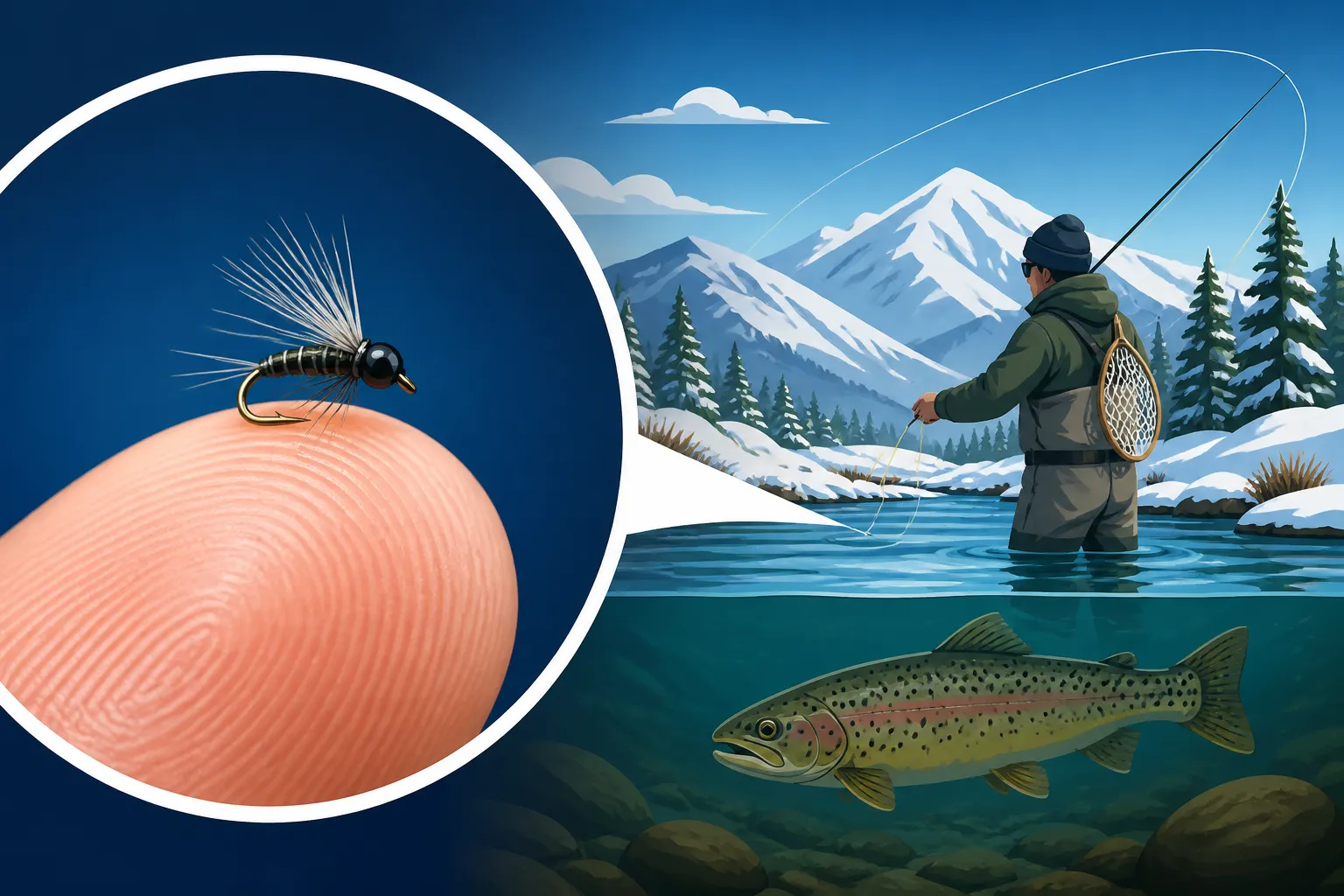
These micro-sizes aren't just for show; they directly mimic the actual size of the natural midges trout are feeding on. A midge larva or pupa is truly minuscule, often no bigger than a grain of rice, or even smaller. Trying to fool a trout that's keyed in on a #26 pupa with a #20 pattern is like trying to convince a picky eater to take a pizza when they specifically asked for a single grape. The size also impacts presentation. Smaller hooks with less material allow for a more natural, subtle drift, which is critical in clear, slow winter water. The difference between a #20 and a #24 might seem negligible to us, but to a trout, it can be the difference between a meal and a refusal.
The "Go-To" Winter Midge Sizes
For most Colorado winter fishing scenarios, you'll want to arm your fly box with midges in the #20 to #24 range. These sizes offer a good balance of being small enough to fool picky trout while still being manageable for most anglers to tie onto their tippet. A common strategy is to start with a #20 or #22 as your lead fly (the heaviest or deepest fly in a multi-nymph rig) and then trail a #24 or even a #26 midge pupa or larva behind it.
Many anglers find success with these sizes on popular Gold Medal Waters like the South Platte River at Deckers or the Fryingpan. These areas are known for selective trout, and a well-presented #22 Zebra Midge or a #24 Black Beauty can often be the ticket. When you visit your local fly shop, or even browse fly selections on Amazon, you'll notice that these smaller sizes are specifically highlighted for winter fishing. Don't be shy about asking the experts in the shop which sizes are currently performing best on the local rivers.
When to Go Even Smaller (and Why You Might Hate It)
There are definitely times when even a #24 midge won't cut it. On extremely clear days, in heavily pressured waters, or when trout are clearly focused on a hatching midge so tiny it's almost invisible, you might need to go down to #26, #28, or even a daunting #30. This is where the challenge truly escalates, and you might find yourself mumbling frustrations under your breath.
Tying on a #28 midge with cold, numb fingers, possibly in low light, is an exercise in extreme patience and excellent eyesight. You’ll be reaching for your cheaters (magnification glasses) or a headlamp, and your knot-tying skills will be tested to their absolute limit. The tippet required for these flies is often 7x or 8x, which is incredibly fine and prone to breaking if not handled carefully. But when nothing else works, and you finally manage to thread that microscopic fly onto your tippet and hook into a beautiful winter trout, the sense of accomplishment is unmatched. It's often the difference between a skunk and a successful day.
Here's a quick reference for typical winter midge patterns and their effective sizes:
| Pattern Name | Life Stage | Common Winter Sizes | Notes |
|---|---|---|---|
| Zebra Midge | Larva/Pupa | #18 – #26 | Classic, highly effective, versatile. Black, olive, red, or silver wire bodies. |
| Black Beauty | Larva/Pupa | #20 – #26 | Simple, imitates emerging pupae. Often with a silver bead. |
| Jujubee Midge | Pupa | #20 – #24 | Realistic, segmented body, usually with a small bead. |
| Top Secret Midge | Pupa | #22 – #28 | Clear body with dark wing bud, very realistic. |
| Griffith's Gnat | Adult | #18 – #22 | Cluster of adult midges on the surface. Effective for risers. |
| Mercury Midge | Pupa | #20 – #26 | Clear bead head gives it a "mercury" look, very enticing. |
| Blood Midge | Larva | #20 – #24 | Red coloration, mimics Chironomidae larvae, often successful in still water. |
Essential Winter Midge Patterns for Colorado Anglers
Having a range of midge sizes is critical, but so is having a variety of patterns that imitate the different life stages and colors of these tiny insects. Trout can be surprisingly selective not just about size, but also about the precise imitation of what they’re feeding on.
Larvae, Pupae, and Adult Midge Patterns
Midges, or Chironomids, have four life stages: egg, larva, pupa, and adult. In winter, trout are most commonly feeding on the larval and pupal stages beneath the surface, but don't discount the adult emergers, especially on warmer, calm days.
- Larvae: These are the worm-like stage of the midge, often found crawling on the bottom or drifting in the current. They come in various colors, with green, olive, red (blood midges), and black being the most common in Colorado. Patterns like the Blood Midge or simpler wire-wrapped larva imitations are excellent.
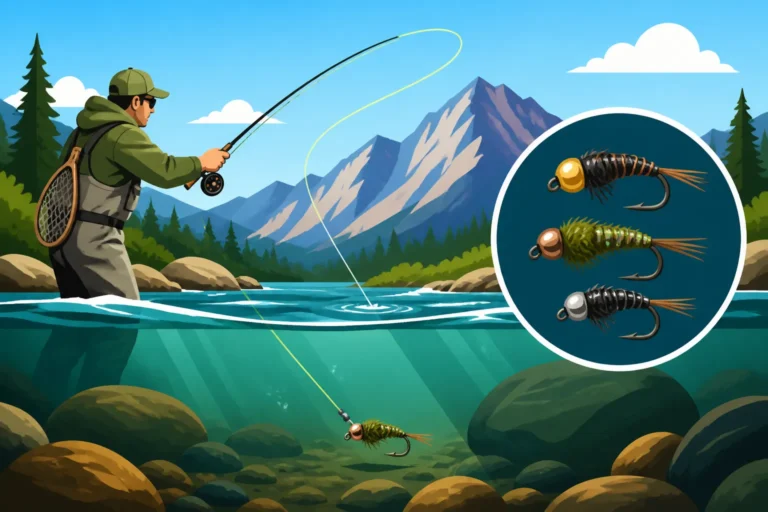
- Pupae: This is often the most important stage for winter fly fishing. Midge pupae slowly ascend through the water column to hatch into adults, making them vulnerable targets for trout. They typically have a more defined head and a slightly segmented body. Patterns like the Zebra Midge, Black Beauty, Jujubee Midge, and Top Secret Midge are fantastic pupa imitations. These are often tied with a small bead head to help them sink and imitate the gas bubble that helps the pupa rise.
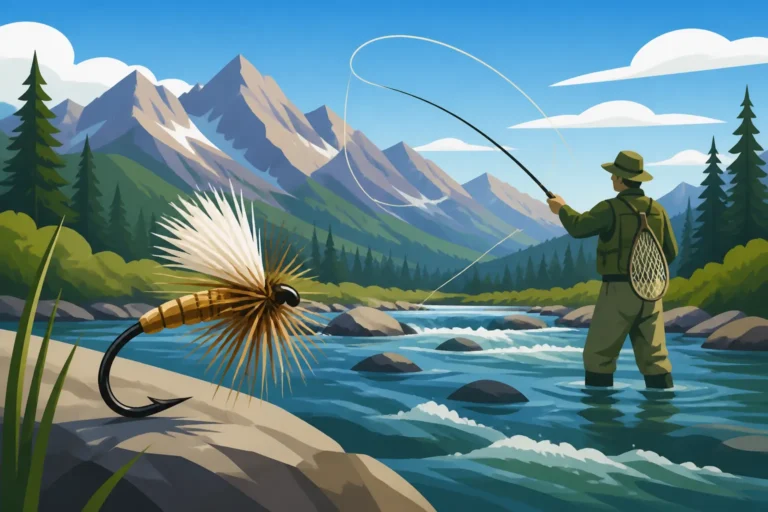
- Adults: While less common for consistent winter feeding, adult midges can hatch even on cold days, especially around midday. If you see trout gently sipping on the surface, a small adult midge pattern or an emerger can be deadly. The Griffith's Gnat (which imitates a cluster of adult midges) or tiny dry fly imitations in sizes #20-24 are excellent choices. Don't forget emerger patterns like the WD-40 or a Miracle Midge which imitate the pupa struggling to break the surface. For detailed guidance on specific patterns, check out Best Midge Patterns for Colorado Winter Fishing.
Top Midge Patterns to Stock Your Box
When you’re preparing your fly box for a cold day on the river, think variety in color and profile within those tiny sizes. Here are some indispensable patterns:
- Zebra Midge: This is arguably the most essential winter midge pattern. Simple, effective, and easy to tie or buy. Stock them in black with silver wire, black with red wire, olive with copper wire, and even plain red. Sizes #18 to #26 will cover most situations. You can find large assortments of these on
Amazon, which can be a good way to get started. - Black Beauty: Another incredibly simple yet effective pattern. It's essentially a black thread body with a silver wire rib and sometimes a small silver bead. It imitates a midge pupa perfectly. Again, sizes #20 to #26 are your bread and butter.
- Jujubee Midge / Top Secret Midge: These are more realistic pupa patterns with segmented bodies and usually a wing bud imitation. They often come in natural colors like black, olive, gray, and brown. When trout are extremely selective, these more imitative patterns can make a difference. Look for them in #20 to #24.
- Blood Midge: Especially effective in stillwater or slower runs, these red larval patterns can be absolute fish magnets. They imitate a specific type of midge larva that can appear reddish. Sizes #20 to #24 are good to have.
- Griffith's Gnat: When fish are rising to adults, this cluster pattern is a must-have. While it’s a dry fly, it’s still small and delicate. Have a few in #18 to #22.
Having a good selection of these patterns in the recommended sizes will prepare you for almost any winter midge hatch you encounter.
Presentation is Key: Weighting and Drifting
Even the perfect midge pattern in the perfect size will be ignored if the presentation isn't right. In winter, this means ensuring your fly gets down to the feeding zone (often near the bottom in deeper, slower water) and drifts as naturally as possible, free of drag.
Achieving the right depth usually requires adding weight to your leader. This can be done with small split shot (often non-toxic tin or tungsten), or by fishing your midge patterns in a multi-fly nymph rig, with a heavier fly (perhaps a larger stonefly nymph or a larger bead-head midge) as your lead fly, followed by your smaller midge patterns. Remember to keep the split shot a good 8-12 inches above your top fly to allow the flies to drift naturally. Too much weight will make your rig snag, too little will keep your flies out of the strike zone.
Drag is the enemy of natural presentation. Your goal is for your flies to drift at the exact speed of the current, without being pulled unnaturally by your fly line or indicator. This often means making upstream mends with your fly line to allow your indicator and flies to drift freely. It's a delicate balance, and can be particularly challenging in complex currents. Practice your Midge Fishing in Colorado Winters techniques to perfect your drift.
Rigging for Micro-Midges: Tippet, Leaders, and Indicators
Fishing tiny flies effectively means paying extreme attention to every component of your leader and rigging. Each element plays a crucial role in presentation and strike detection.
The Importance of Fine Tippet
This cannot be stressed enough: when fishing tiny midges in clear winter water, fine tippet is absolutely essential. Trout are highly visual in clear water, and a thick piece of tippet can make your otherwise perfect fly look unnatural and alarming. For midges in the #20-24 range, 6x or 7x fluorocarbon tippet is usually appropriate. If you're going down to #26-30, you'll almost certainly need 7x or even 8x fluorocarbon.
Fluorocarbon is preferred over monofilament for winter nymphing because it's nearly invisible underwater and sinks faster, helping your small flies get to the fish quicker. The downside is that it can be a bit stiffer and harder to knot, especially in smaller diameters. When buying tippet, look for quality brands like Rio, Umpqua, or Scientific Anglers. You can often find a good selection of these on Amazon. Remember, How Fine a Tippet You Need for Selective Tailwater Trout is directly proportional to the size of your fly and the clarity of the water.
Leader Construction for Stealth and Sensitivity
A standard 9-foot tapered leader is a good starting point for nymphing, but for winter midges, you might want to extend it. Many anglers prefer leaders that are 10 to 12 feet long, or even longer, especially when fishing very clear, slow pools. This extra length helps create distance between your brightly colored fly line and the fish, reducing the chance of spooking them. It also allows for a more subtle presentation and better drift.
Some anglers even construct their own custom leaders, starting with a heavier butt section and gradually tapering down to a very fine tippet. This allows for precise control over turnover and helps maintain a delicate drift. When How to Set Up a Nymph Rig for a Deep Tailwater Run is your goal, a longer leader allows your flies more time to sink and present naturally at depth.
Indicators for Ultra-Subtle Takes
Forget those big, buoyant bobbers you might use for stillwater fishing. For delicate winter midge nymphing, you need a sensitive indicator that will register even the most subtle take. Small, low-profile indicators are key.
- Small Thingamabobbers: These spherical indicators come in various sizes, and the smallest ones (1/2 inch or 3/4 inch) are excellent for midge fishing. They are highly buoyant for their size and easy to see.
- Yarn Indicators: These are incredibly sensitive, made from water-resistant yarn. They absorb very little water and react to the slightest tug. Brands like New Zealand Strike Indicator offer fantastic options.
- Slightly larger pinch-on foam indicators: Brands like Air-Lock offer small, adjustable foam indicators that are easy to attach and adjust depth.
The key is to use an indicator that is just buoyant enough to suspend your flies and weight, but not so large that it creates undue drag or spooks fish. Often, using a smaller indicator means you need to get closer to the fish or have excellent eyesight. Choosing the right indicator is a crucial part of Midge Fishing in Colorado Winters.
When you're out on the water, pay close attention to your indicator. Any pause, stutter, or sideways movement that isn't consistent with the current could be a fish. Often, the takes are so soft, you won't feel them with your rod; you'll only see them in the indicator's behavior. Make sure to have a few different options for indicators in your kit, which you can easily find at your local fly shop or even on Amazon.
Successfully fishing micro-midges in winter is an acquired skill that requires patience, attention to detail, and a willingness to embrace tiny flies and subtle techniques. But the reward – a beautiful, healthy Colorado trout brought to hand on a freezing winter day – makes all the effort absolutely worthwhile. Don't let the cold deter you; some of the most memorable fishing experiences happen when the river is quiet and the fish are focused on the smallest of meals.
Disclaimer
The information provided in this guide is for general informational purposes only and does not constitute professional advice. Fishing regulations, conditions, and techniques can change, and it is always the angler's responsibility to consult current Colorado Parks and Wildlife regulations and assess local conditions before engaging in any fishing activity. Always prioritize safety and responsible angling practices.