What Euro Nymphing Rods Work Best for Colorado Rivers
Anglers often hit a wall when trying to effectively present nymphs to trout in the fast, complex currents of Colorado's rivers and tailwaters using traditional fly fishing setups. The delicate dance of detecting subtle strikes and maintaining precise drifts can feel like an uphill battle, especially when you're dealing with spooky, selective fish. This guide is here to shed light on the specialized world of Euro nymphing rods, helping you understand exactly what characteristics make a rod shine on Colorado's diverse waters, and how to choose the best one to elevate your nymphing game.
Why Euro Nymphing Excels on Colorado's Diverse Rivers
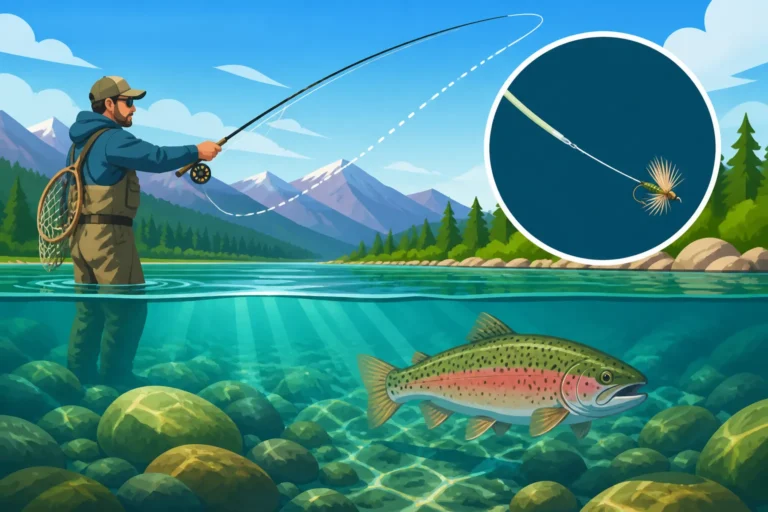
Euro nymphing, also known as contact nymphing or tight-line nymphing, has exploded in popularity for good reason, especially on our challenging Colorado rivers. It’s a technique designed to give you unparalleled control and sensitivity, making it incredibly effective for tempting trout that might otherwise ignore your offerings. The method minimizes slack line, allowing for instantaneous strike detection and precise depth control, which is often the key to success in the varied flows we encounter across the state.
Navigating Diverse Water Types
Colorado's waterways are a patchwork of environments, from the broad, powerful tailwaters below large dams like the Fryingpan River to the pocket water of high-country freestone streams. Each presents its own set of challenges. Traditional fly lines, with their inherent sag and weight, can make it difficult to get nymphs down quickly and maintain a drag-free drift in varied currents. Euro nymphing, by design, combats this. With a specialized rod and line setup, you can effectively fish everything from fast, deep runs to shallow riffles, keeping your flies in the strike zone longer. This versatility is crucial when you're fishing a river like the Arkansas River Near Salida, where you might encounter several different water types within a single stretch.
Tackling Selective Trout
Colorado's trout, particularly in heavily fished areas or Gold Medal Waters, can be incredibly selective. They're often accustomed to seeing flies and are adept at refusing anything that looks unnatural. Euro nymphing rods are engineered to enhance your feel, allowing you to detect the slightest take that you might otherwise miss. The direct connection to your flies, free from the influence of a heavy fly line, means your nymphs behave more naturally in the water, mimicking real insects drifting along. This subtle presentation can be the difference between a frustrating day and a memorable one, especially when you're trying to fool a wary brown trout that's seen it all. Learning to adapt your Nymphing Techniques for Colorado Tailwaters will dramatically increase your success rate, and the right rod is your primary tool.
Key Characteristics of an Ideal Euro Nymphing Rod for Colorado
Choosing the right Euro nymphing rod isn't just about grabbing the longest, lightest one you can find. It’s about understanding the synergy between rod length, line weight, action, and even the handle design to maximize your effectiveness on Colorado's unique fisheries.
Rod Length and Line Weight Considerations
When we talk about Euro nymphing rods, we're generally looking at lengths ranging from 10 to 11.5 feet, with 10 to 10.5 feet being a sweet spot for many Colorado anglers. Why so long? The extra length provides several critical advantages. First, it allows for superior line control and the ability to keep more of your leader off the water, minimizing drag and allowing for longer, more precise drifts. This is especially beneficial when fishing wider rivers or reaching across complex currents. Second, the added length acts as an extension of your arm, giving you greater reach to guide your flies through intricate seams and pockets, a common feature in many of our freestone rivers.
As for line weight, most Euro nymphing rods designed for trout fall into the 2- to 4-weight category. A 2-weight rod offers maximum sensitivity and delicacy, ideal for presenting tiny flies on light tippet to extremely selective fish in clear water. However, a 3- or even 4-weight provides a bit more backbone, which can be useful for casting slightly heavier nymph rigs, fighting larger trout more efficiently, or when fishing in windier conditions common in the mountains. For example, if you're targeting the robust trout found in the Colorado River Fishing From Glenwood Canyon to Kremmling, a 3-weight might offer a better balance of sensitivity and power. For smaller streams and more delicate presentations, a 2-weight is often preferred, allowing you to use lighter tippets and protect them when fighting fish.
Rod Action and Sensitivity
The "action" of a fly rod describes where it bends when under pressure. For Euro nymphing, a rod with a fast to medium-fast action and a very sensitive tip is paramount. The fast action provides the crispness needed for accurate, subtle casts that present nymphs with precision, and the power to set the hook quickly. Crucially, the sensitive tip is your direct link to what's happening underwater. It allows you to feel the slightest tick or change in resistance, indicating a subtle strike from a trout. Many manufacturers achieve this with a soft, forgiving tip section that transitions into a stiffer mid and butt section. This design enables delicate presentations and superior strike detection while still providing the backbone needed to control and land fish, even larger ones. Without this sensitivity, you'd miss countless subtle takes, especially from trout that mouth the fly ever so gently.
Handle and Reel Seat Design
While often overlooked, the ergonomics of the rod handle and reel seat play a significant role in comfort and performance during long days of Euro nymphing. Many Euro nymphing rods feature a specialized "fighting butt" or extended grip below the reel seat. This allows you to balance the rod more effectively, distributing the weight and reducing fatigue, especially important when holding the rod up for extended periods. The grip itself is typically a slender, often reverse half-wells or full-wells cork handle, designed for comfortable handling and minimal interference with the line.
The reel seat is also important. A down-locking reel seat (where the reel tightens from the bottom) is commonly preferred as it moves the reel's weight further back on the rod, creating a better balance point. Since Euro nymphing relies heavily on balance to reduce arm fatigue and enhance sensitivity, this design choice is significant. A well-balanced setup minimizes the effort needed to hold the rod tip high, allowing you to focus entirely on your drift and strike detection. When you're spending hours focusing on the precise movements required for Euro nymphing, having a rod that feels like an extension of your arm rather than a cumbersome tool makes all the difference.
Top Rod Recommendations for Colorado Waters
Navigating the myriad of Euro nymphing rods on the market can be daunting. From budget-friendly options to high-performance models, there's a rod for every angler and every budget. Here, we'll discuss general categories and what to look for, rather than specific models, which can change frequently. You'll often find a good range of options available for purchase through online retailers like Amazon.
Entry-Level to Mid-Range Options
For anglers just getting into Euro nymphing or those on a tighter budget, there are excellent rods that offer fantastic performance without breaking the bank. These rods typically provide a good balance of length, sensitivity, and durability. Brands like Redington, Fenwick, and Echo often have models in their lineup that fit this description. They might feature a slightly heavier swing weight than their premium counterparts, or use slightly less refined components, but they are more than capable of helping you learn the technique and catch fish.
When considering an entry-level rod, prioritize length (10 to 10.5 feet) and a light line weight (2 or 3-weight). Ensure the tip feels sensitive enough to detect subtle takes. Many anglers find great deals on these types of rods on Amazon, especially during seasonal sales. Don't be afraid to read reviews from other anglers who have used these rods on similar water to get a better sense of their real-world performance. You might be surprised at how well some of these more affordable options perform, especially when paired with a good line and leader system.
High-Performance Rods for Serious Anglers
For the dedicated Euro nympher who demands the absolute best in sensitivity, lightness, and component quality, several premium brands stand out. Sage, Loomis, Scott, and Orvis all produce high-end Euro nymphing rods that are incredibly light in hand, exceptionally sensitive, and built with top-tier materials. These rods are designed to be held up for hours without fatigue, allowing for unparalleled feel and precision. They often feature proprietary carbon fiber blends and advanced tapers that push the boundaries of what a fly rod can do.
While these rods come with a higher price tag, the investment often translates into a significant advantage on the water. The enhanced sensitivity means you'll detect more strikes, and the reduced swing weight allows for more precise and less fatiguing fishing. These rods are often specifically designed to protect very fine tippet, which is crucial when fishing for wary trout on challenging waters like the Dream Stream. While you won't always find the very latest models of these premium rods on Amazon, it's worth checking larger online fly fishing retailers or local fly shops in Colorado, which often carry a wide selection of these specialized tools.
Understanding the Colorado River Landscape
When choosing your ideal rod, also consider the types of Colorado rivers you plan to fish most often. If you spend most of your time on smaller, brushy streams where precise casts into tight pockets are common, a 10-foot 2-weight might be your best friend. Its shorter length makes it more maneuverable. However, if you primarily fish larger, more open tailwaters known for their challenging currents and larger trout, a 10.5 to 11-foot 3 or 4-weight could provide the extra reach and power you need.
For example, when exploring the intricacies of Fishing Cheesman Canyon on the South Platte, a precise and sensitive 2-weight rod is often preferred for targeting the highly educated brown and rainbow trout. Conversely, for the broader expanses of the Gunnison River, where longer casts and bigger fish are more common, a slightly more powerful 3 or 4-weight might give you more confidence. Consider how the rod's length and power will interact with the specific challenges of your favorite fishing spots.
Beyond the Rod: Other Essential Gear for Colorado Euro Nymphing
While the Euro nymphing rod is undoubtedly the star of the show, it's just one piece of the puzzle. To truly unlock the full potential of this technique on Colorado rivers, you need to pair it with the right supporting cast of gear. The synergy between rod, reel, line, and leader is what makes this method so deadly effective.
Matching Reels and Lines
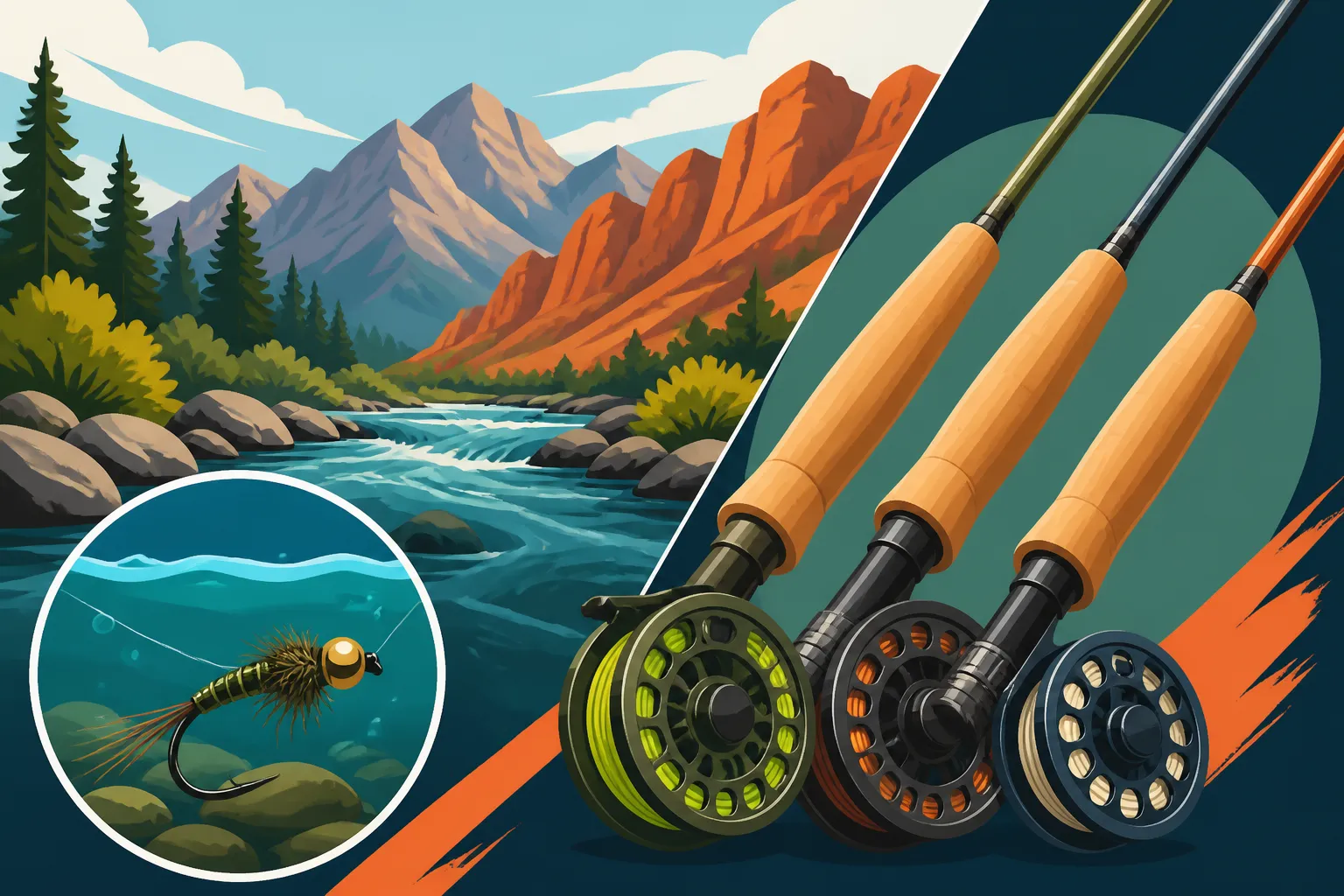
Unlike traditional fly fishing where the reel plays a significant role in casting, for Euro nymphing, the reel's primary purpose is to balance the rod and hold your line. Therefore, a lightweight reel that balances the longer rod well is crucial. Many Euro nymphing reels are specifically designed to be light and often have a larger arbor to quickly retrieve slack line. You want a reel that, when mounted on the rod, allows the balance point to be just above the grip, minimizing arm fatigue. For a 10-foot 3-weight rod, a small 2/3 weight reel is usually sufficient. You can often find good quality, affordable reels on Amazon that will get the job done without overcomplicating things.
The Euro nymphing line itself is distinctly different from a standard fly line. Instead of a thick, weighted head, Euro nymphing lines are typically very thin, level lines, often in the 0 to 2-weight range, or specialized tapered lines designed to minimize sag. The idea is to have minimal mass between your rod tip and your leader, allowing for maximum sensitivity and direct contact with your flies. This light line does not load the rod for casting in the traditional sense; instead, the weight of your nymph rig provides the casting energy. Ensure you purchase a line specifically labeled for Euro nymphing to get the full benefit of the technique.
Indicators, Leaders, and Tippet
The leader system is arguably the most critical component after the rod itself. A typical Euro nymphing leader is long, often 18 to 25 feet, and usually constructed with a brightly colored monofilament or braided sighter section that acts as your visual strike indicator. This sighter is typically 12-24 inches long and made of bi-color (e.g., pink and yellow) line, allowing you to detect the slightest pause or movement that indicates a fish has taken your fly. These sighters are often tied into a long, tapered leader using specific knots to maintain strength.
Below the sighter, you'll attach varying lengths of fluorocarbon tippet, typically ranging from 4x down to a delicate 7x or even 8x, depending on water conditions and fish selectivity. The choice of tippet size is crucial for presenting small flies naturally and avoiding spooking wary trout. However, using fine tippet requires a rod that can absorb shock and protect against break-offs, which is why a proper Euro nymphing rod with a flexible tip is so important. Understanding how to set up a Nymph Rig for a Deep Tailwater Run is essential, and the right leader and tippet are key. Many anglers carry a variety of tippet spools to adapt to changing conditions.
Waders and Boots for River Navigation
While not directly part of your rod setup, proper wading gear is indispensable for successful Euro nymphing on Colorado rivers. This technique often requires getting into the water and positioning yourself precisely to achieve the ideal drift. High-quality waders, typically breathable chest waders, allow you to remain comfortable and dry even in cold water. Matching them with wading boots that provide excellent grip is paramount for safety, especially when navigating slippery rocks and strong currents. You'll often be actively moving through the river, wading upstream or across currents, so stability is key. Knowing How to Stay Safe Wading Fast Colorado Currents is not just good advice, it's crucial for maximizing your time on the water. Don't underestimate the importance of reliable footwear for maintaining your balance and accessing prime fishing lies that might be unreachable from the bank.
A comfortable sling pack or vest is also a great addition, allowing you to carry your tippet, nippers, floatant, and a variety of Best Flies for Colorado's Gold Medal Trout Water close at hand, without having to return to the bank frequently. The efficiency of being able to change flies or adjust your leader quickly without disrupting your rhythm is a significant advantage in Euro nymphing.
Disclaimer
The information provided in this guide is for general informational purposes only and does not constitute professional advice. Fishing regulations, conditions, and techniques can vary, and it is always the angler's responsibility to comply with current local and state regulations. Always prioritize safety when fishing and be aware of your surroundings.