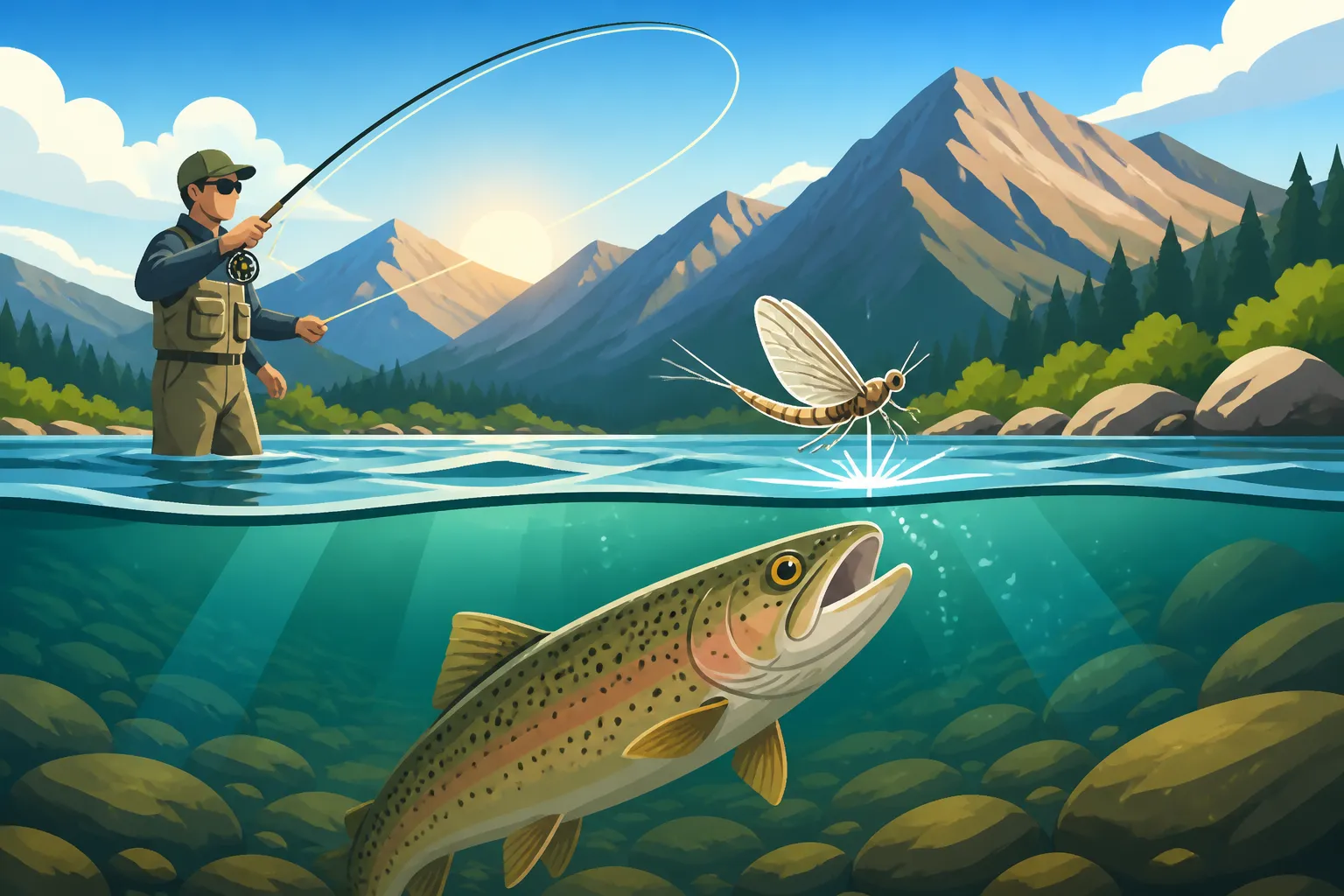
When Trico Spinner Falls Happen on Tailwaters
There are few things more frustrating for a fly angler than showing up to a river only to find a massive hatch underway, with trout rising everywhere, and you have absolutely no idea what they're eating. It's a common scenario, especially on Colorado's legendary tailwaters, where tiny insects like Tricos can emerge in unbelievable numbers, driving fish into a feeding frenzy. This comprehensive guide will unravel the mystery of Trico spinner falls, explaining when and why they happen on Colorado's tailwater fisheries, and arming you with the knowledge and tactics to successfully fish one of the most exciting, albeit challenging, dry fly opportunities in the Rockies.
Understanding the Trico: The Tiny "White-Winged Curse"
Before we can effectively fish a Trico spinner fall, we need to understand the insect itself. Tricos, often affectionately (or exasperatedly) called the "white-winged curse" by anglers, are a genus of mayflies known for their incredibly small size and their predictable, mass emergences. While they might be minuscule, their sheer numbers make them a critical food source for trout, especially on the nutrient-rich, consistent flows of tailwater rivers.
The Trico Life Cycle and Why Spinners Matter So Much
The Trico's life cycle is a classic mayfly progression, but with a few key distinctions that make the spinner fall so unique and important. It starts with eggs laid on the river bottom, which hatch into nymphs. These nymphs live in the rocky substrate, feeding on algae and detritus. When conditions are right, they emerge as sub-imagos (duns), which are typically black or very dark, with dark wings.
The critical phase for anglers, however, comes after the dun stage. Unlike many other mayflies that spend a fair amount of time as duns, Trico duns quickly fly to streamside vegetation to molt into their adult, sexually mature form: the spinner. These spinners are distinctively different, with clear, translucent wings and often a pale body. The males often emerge first, swarming in dense clouds over the water, waiting for the females. Once mating occurs, the females join the males in these aerial ballets, often high above the river. After mating, both male and female spinners die, falling to the water's surface with their wings splayed out flat. This is the fabled "spinner fall," and it's what drives trout wild.
Why Tailwaters Are Trico Hotspots
Colorado's tailwater fisheries, like the Fryingpan River, the Blue River, and the South Platte River below Cheesman Canyon, are absolutely ideal habitats for Tricos. These rivers flow out of the bottom of large reservoirs, resulting in several key characteristics:
- Consistent Water Temperatures: The deep water releases from dams keep tailwater temperatures relatively stable year-round, which Tricos thrive in. They avoid the dramatic temperature swings of freestone rivers.
- Rich Nutrient Loads: Reservoirs act as settling ponds, concentrating nutrients that then flow downstream, fostering prolific algal growth – the primary food source for Trico nymphs.
- Stable Flows: While flows can fluctuate with dam operations, they generally lack the violent, scouring spring runoff of freestone rivers, providing a stable environment for nymph development.
These conditions create a perfect storm for massive Trico populations, leading to the spectacular spinner falls that make these rivers famous (and sometimes infamous) among fly anglers. If you're looking for an excellent place to experience this phenomenon, focusing on Colorado's Gold Medal Waters is a good bet, as many of them are tailwaters with robust Trico populations.
When to Expect Trico Spinner Falls in Colorado
Timing is everything when it comes to Trico spinner falls. These hatches are incredibly predictable, occurring at specific times of the day during specific seasons. Missing the window by even an hour can mean the difference between epic dry fly action and a frustrating, fishless morning.
The Peak Season: Mid-Summer Through Early Fall
Trico spinner falls typically begin in earnest in late June or early July, peaking throughout August, and continuing strong into September and even early October in some areas. The exact start and end dates can vary slightly based on elevation and water temperatures. High-elevation tailwaters might see them start a bit later and end sooner, while lower, warmer stretches of river could have them earlier and longer.
During these months, conditions are often perfect. The days are long, allowing for sufficient insect development, and the water temperatures are optimal for Trico activity. This is also when many other hatches might be winding down, making the Trico one of the last major dry fly opportunities of the season on many rivers.
The Daily Window: Early Morning is Prime Time
This is arguably the most crucial piece of information for fishing Tricos: the spinner fall is an early morning affair. Generally, you'll want to be on the water and ready to fish just as the sun is starting to hit the river, or even a little before.
Here's a typical daily timeline:
- Pre-dawn to Sunrise: Male Trico duns begin emerging, quickly molting into spinners and forming mating swarms.
- Sunrise to 9:00 AM (approximately): Mating occurs, and the spinner fall begins as dead and dying Tricos drift downstream. This is the absolute prime window for trout to feed aggressively on the surface. Depending on cloud cover, wind, and temperature, this window might be as short as 60-90 minutes, or it could stretch for a couple of hours on a perfectly still, overcast morning.
- After 9:00 AM (approximately): As the sun gets higher, wind often picks up, dispersing the remaining spinners and pushing them to the banks. The mass feeding frenzy usually subsides, though a few opportunistic trout might still be picking off stragglers.
It's important to remember that this timeline is approximate. A cloudy, calm morning will extend the spinner fall, while a bright, windy day will shorten it dramatically. Always check the local weather forecast and be prepared to start early. If you want to dive deeper into the seasonal nuances of fishing, our article on Colorado Fishing Seasons Month by Month can provide more context.
Impact of Weather and Water Conditions
While the calendar and clock provide a good starting point, weather and water conditions play a significant role in the intensity and duration of a Trico spinner fall.
- Calm, Overcast Mornings: These are the holy grail for Trico fishing. The lack of wind allows the spinners to accumulate in large slicks on the water, making them an easy target for trout. Overcast skies also extend the spinner fall by delaying the sun's direct heat, which can cause the insects to dry out and disperse faster.
- Bright, Sunny Mornings: The spinner fall can still be excellent, but it often starts and ends earlier. The bright light can make it harder to spot your tiny fly and subtle takes. Fish might also be more skittish.
- Windy Conditions: Even a light breeze can make Trico fishing incredibly difficult. The wind breaks up the spinner slicks and can make casting tiny, lightweight dry flies nearly impossible. If it's windy, you might have to adjust tactics or wait for a calmer day.
- Water Levels and Clarity: Consistent, clear water is best. High, turbid water (which is rare on tailwaters during Trico season) will suppress the hatch and make it impossible to sight-fish rising trout. Our article on Reading Water on a Colorado Freestone River offers insights into how different water conditions affect trout behavior, which can be partially applied to tailwaters.
Fishing the Trico Spinner Fall: Techniques and Tackle
Successfully fishing a Trico spinner fall requires patience, precision, and specialized tackle. The fish are often incredibly selective, keying in on the exact size, shape, and even profile of the natural insects. This isn't a time for sloppy casts or oversized flies.
Essential Fly Patterns: Imitating the Spinner
The key to Trico success lies in your fly box. You'll need ultra-small patterns that accurately imitate the spent spinner.
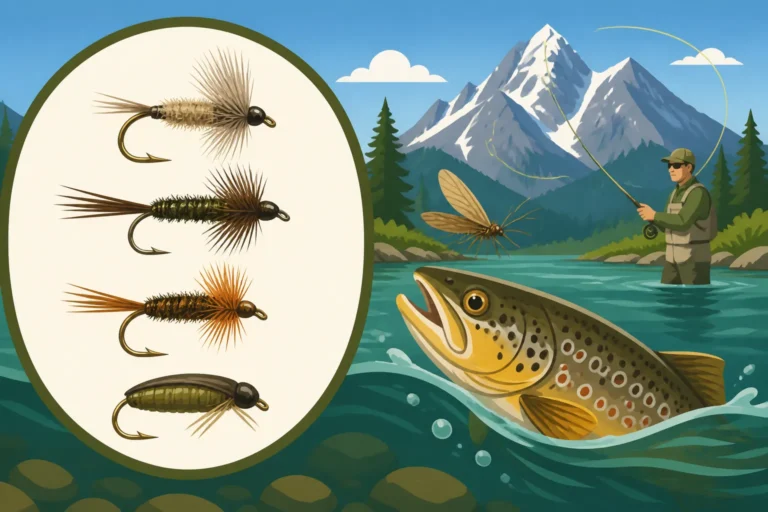
- Trico Spinner (Sizes 20-24): This is the bread and butter. Look for patterns with white, translucent wings splayed flat, mimicking the dead insect. Body colors are typically black, dark gray, or olive, depending on the specific Trico species. Many fly shops, and even retailers like Amazon, offer a wide variety of these essential patterns.
- Black Parachute Trico (Sizes 20-24): While not a perfect spinner imitation, the parachute post makes it much easier to see. It can sometimes fool less selective fish, especially if the naturals are mixed with emerging duns.
- Micro Parachute Adams (Sizes 20-24): Another "searching" pattern that can work if the fish aren't super picky, mainly for visibility for the angler.
- Small Comparaduns or CDC Duns (Sizes 20-22): If you see fish occasionally taking emergers or still-active duns, these can be worth trying. However, the spinner is usually the dominant food form during the fall.
It's wise to carry a variety of these patterns, as subtle differences in color or wing material can make a big difference to finicky tailwater trout. For a broader look at insect imitations, check out our guide on Best Flies for Colorado's Gold Medal Trout Water.
Tackle for Tiny Flies and Finicky Fish
Your gear needs to be light and sensitive to present these tiny flies delicately and protect fine tippet.
- Fly Rod: A 3 or 4-weight rod, 8.5 to 9 feet long, is ideal. The softer action of these rods helps protect delicate tippets and allows for more precise presentations. A longer rod can also help with line control and mending.
- Fly Reel: Any light fly reel that balances your rod will do. The reel is mostly for line storage in this scenario, as you'll be fighting fish mostly on the rod.
- Fly Line: A weight-forward floating line that matches your rod weight is standard. Some anglers prefer a "trout specific" or "presentation" line, which often has a longer, finer front taper for softer landings.
- Leader and Tippet: This is where you absolutely cannot skimp. You'll need a long leader, typically 9 to 12 feet, with a fine taper down to 6x or 7x tippet. Fluorocarbon tippet can be advantageous due to its invisibility underwater, but regular monofilament works too. Our article on Best Leader Length for Clear Tailwater Water offers more insights on this. In extreme cases, you might even need 8x tippet, but be prepared for more break-offs. Carrying a spool of high-quality 6x and 7x tippet is non-negotiable. You can often find a good selection of tippet materials on Amazon, perfect for those highly selective fish.
| Component | Recommendation | Why It Matters |
|---|---|---|
| Rod | 3-4 weight, 8.5-9 ft, medium-fast action | Delicate presentation, tippet protection, precise casts |
| Reel | Lightweight, balances rod | Line storage, not primary fighting tool |
| Line | Weight-forward floating, presentation taper | Soft landings, accurate casts with small flies |
| Leader | 9-12 ft, tapered to 6x/7x | Stealth, keeps fly from dragging |
| Tippet | 6x-7x fluorocarbon or monofilament | Invisibility, delicate connection to tiny flies |
| Flies | Trico Spinner (20-24), Parachute Trico (20-24) | Matches the exact size and profile of naturals |
| Accessories | Magnifying tool, desiccant, floatant, nippers | Essential for tying, drying, and general fly care |
Presentation is Paramount: The Perfect Drift
With Trico fishing, presentation often trumps fly pattern. Even the perfect fly will be refused if it's dragging or not behaving naturally.
- Dead Drift: Your fly must drift completely drag-free, exactly at the speed of the current, just like a natural spinner. Any unnatural movement will immediately spook the fish. This often requires excellent line control and mending.
- Upstream Casts: Most Trico fishing involves casting upstream or slightly up-and-across to rising fish. This allows you to present the fly before the line, reducing the chance of spooking fish and making it easier to achieve a drag-free drift.
- Accuracy: On tailwaters, trout often hold in specific feeding lanes, sometimes only a few inches wide. Your cast needs to be accurate enough to drop the fly right into that lane, a foot or two above the rising fish.
- Detecting the Take: Takes during a Trico spinner fall can be incredibly subtle – sometimes just a dimple or a slight sip. Watch your fly intently, and if you lose sight of it, watch the water where you expect it to be. If you see any disturbance, set the hook gently. Knowing How Fine a Tippet You Need for Selective Tailwater Trout will also help you understand the delicate balance between breaking fish off and getting a natural presentation.
Challenges and Tips for Success
Trico fishing is notorious for its difficulty, but overcoming these challenges is incredibly rewarding. Don't get discouraged; even experienced anglers find it tough.
Seeing Your Fly and Detecting Strikes
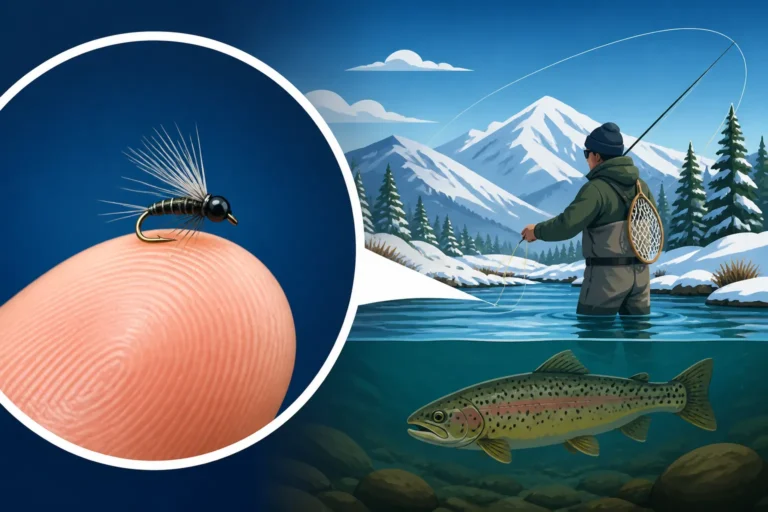
The biggest challenge for many anglers is simply seeing a size 22 or 24 black fly on the water.
- Add a Visibile Post: Some Trico patterns incorporate a small white or hi-vis post (like a Parachute Trico) to help with visibility. However, sometimes even that's not enough.
- Spot the Fish, Not the Fly: Often, it's easier to focus on the rising fish. Cast a foot or two upstream of its last rise, and anticipate where your fly should be. If the fish rises again in that area, set the hook.
- Polarized Sunglasses: High-quality polarized sunglasses are absolutely essential. They cut glare and allow you to see the fly, the fish, and the subtle takes much more clearly. Many excellent options are available on Amazon.
- Indicator Fly: Some anglers will tie a slightly larger, more visible dry fly (like a size 16 Parachute Adams) as a lead fly, and then tie a Trico spinner on a short tag of tippet (6-12 inches) off the bend of the lead fly. The larger fly acts as an indicator, and you watch it for any movement or pause.
Spooking Fish and Approach
Tailwater trout, especially during a heavy hatch, can be incredibly wary.
- Stealthy Approach: Move slowly and quietly along the bank. Avoid wading unnecessarily, and if you must wade, do so upstream of the fish you intend to target.
- Long Casts: Practice making longer, delicate casts to avoid getting too close to the feeding fish.
- Minimize False Casts: Each false cast overhead increases your chances of spooking fish. Try to make one or two false casts at most before presenting your fly.
Wind and Light Conditions
As mentioned, wind can be a nightmare.
- Fish the "Lulls": If it's windy, try to time your casts during brief lulls in the breeze.
- Adjust Casting Angle: Cast directly into or with the wind to minimize its impact on your line and fly.
- Early Bird Gets the Worm: The absolute calmest conditions are usually right at dawn. Get there early to maximize your chances before the wind picks up.
Dealing with "Selective" Trout
Trout feeding on Tricos can be notoriously selective.
- Examine Naturals: If you're struggling, try to catch a few natural spinners on the water (a small net can help) and examine them closely. Note their size, color, and how they sit on the water.
- Change Flies Often: If a fish refuses your fly multiple times, don't keep casting the same pattern. Change to a different Trico spinner pattern, a different size, or a slightly different color. Sometimes, it's a very subtle difference that makes the fish commit.
- Consider a Dropper: If fish are rising but completely ignoring your spinner, they might be taking Trico emergers or even tiny midge nymphs just below the surface. Try a small midge emerger or nymph (like a Zebra Midge or Mercury Midge in sizes 20-24) as a dropper off your dry fly. Our article on Nymphing Techniques for Colorado Tailwaters offers more ideas for fishing below the surface.
Trico spinner falls are a quintessential Colorado fishing experience, offering some of the most challenging yet rewarding dry fly action imaginable. By understanding the insect, timing your visit, employing the right tackle, and refining your presentation, you'll be well on your way to cracking the code of these tiny, trout-enticing mayflies.
Disclaimer
This article is for general informational purposes only and does not constitute professional advice. Laws, prices and regulations vary by location and change over time. Consult a qualified professional for guidance on your specific situation.