Best Time of Day for Streamer Fishing in Fall
Trying to figure out the absolute best time to hit the river with streamers in the fall can feel like a real puzzle. You've heard the old adages about dawn and dusk, but Colorado's unique autumn conditions, from crisp mornings to unexpected midday warmth, can throw a wrench into those traditional ideas. This guide is all about cutting through the guesswork, helping you understand when and why those big, aggressive fish are most likely to bite your streamer in the autumn months.
Understanding Fall Water Conditions for Streamer Fishing
Fall in Colorado is a magical time, but it’s also a season of transition, and these changes dramatically impact where and when trout feed. Understanding these shifts in water temperature, clarity, and overall river behavior is the first step to unlocking consistent streamer success. It's not just about tossing a big fly; it's about being in tune with the environment.
The Cooling Trend and Its Impact on Trout Activity
As summer's heat fades and the aspens turn golden, air temperatures in Colorado start their steady decline, especially at night. This cooling trend means river and lake water temperatures begin to drop, often falling into that sweet spot for trout activity. Think of it like this: during the peak of summer, trout can get a bit lethargic in warmer water, much like we might feel sluggish on a really hot day. But once the water cools into the 40s and 50s Fahrenheit, their metabolism revs up. They become more active, needing to feed more frequently and aggressively to build up fat reserves for the coming winter. This physiological change is a huge reason why Fall Fishing in Colorado, What Changes so dramatically from summer.
You'll notice this most acutely in our freestone rivers, which are heavily influenced by ambient air temperatures and snowmelt. Tailwaters, those rivers flowing out of the bottom of a dam like the Fryingpan River below Ruedi Reservoir, tend to be more stable, but even they feel the chill as reservoir turnover can bring colder water to the surface. Early fall might see water temperatures hovering in the low 60s during the day, making the fish active but not yet in full winter preparation mode. By late October and November, daytime water temperatures might only reach the low 40s or high 30s, which is when those aggressive, larger fish are truly on the hunt. This increased activity directly translates to a greater willingness to chase and strike a larger, more caloric meal like a streamer.
Water Clarity and Streamer Presentation
Fall often ushers in periods of lower and clearer water across many of Colorado’s rivers. Gone are the high, turbid flows of spring runoff, replaced by more stable, often crystal-clear conditions, particularly on tailwaters. This clear water presents both an opportunity and a challenge for the streamer angler. On one hand, it can make fish incredibly wary. They have more time to inspect your offering and are more likely to spook if your approach isn't stealthy. You might need to make longer casts, use a longer leader, and generally be more subtle in your presentation.
However, a sudden fall rain or an early season snowmelt can temporarily increase turbidity. While many anglers might shy away from slightly off-color water, this can actually be a boon for streamer fishing. The reduced visibility makes trout feel more secure, allowing them to drop their guard and become more opportunistic feeders. They rely less on sight and more on vibration and scent, which a large streamer excels at creating. For example, if you're fishing a typically clear stretch of the South Platte, and a quick afternoon storm rolls through, turning the water just slightly off-color, that's often your cue to tie on a larger, darker streamer. You might even want to consider some of the Best Streamer Colors for Murky Colorado Water to maximize your chances. This slight discoloration can mask your presence and make your streamer appear like an easy, less detectable meal.
Prime Time: The Golden Hours for Fall Streamer Fishing
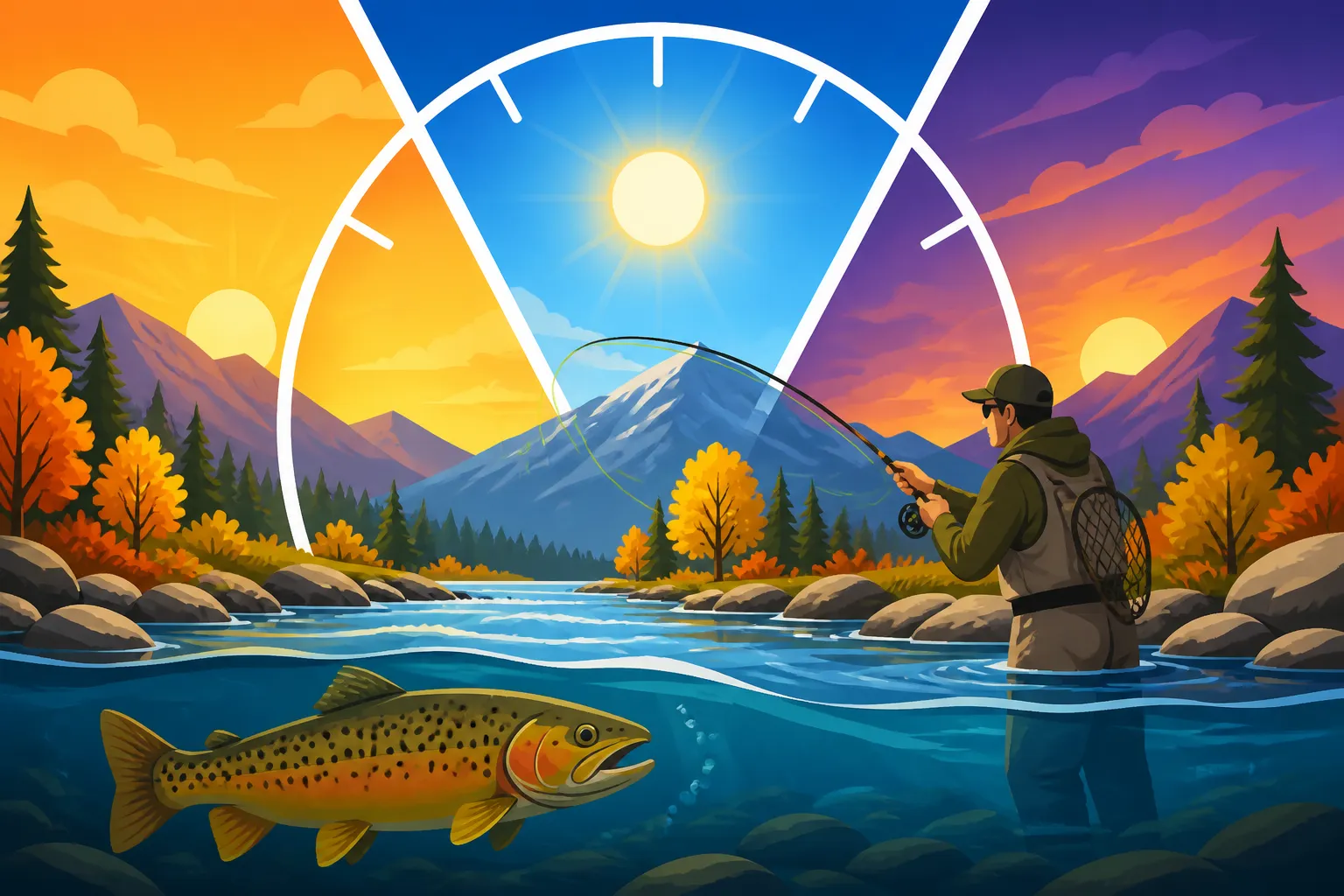
When it comes to streamer fishing in the fall, the clock often plays a crucial role, but it's less about a rigid schedule and more about understanding how light and environmental factors influence trout behavior throughout the day. While the "golden hours" of dawn and dusk are often touted, a nuanced approach considering the day's specific conditions can unlock opportunities even in the midday sun.
Early Mornings and Late Evenings: Low Light Advantage
There’s a reason why many dedicated streamer anglers are also early risers or twilight hunters: low light is often your biggest ally. As the sun barely peeks over the eastern peaks, or dips behind the western ridges, the subdued light creates an environment where trout feel significantly more comfortable leaving their protective cover to hunt. During these transition periods, the trout's natural caution tends to diminish. The shadows are longer, the water's surface reflects less glare, and a large streamer darting through the water looks less like a potential threat and more like an injured baitfish or a sculpin struggling against the current. This is particularly true for larger, more predatory trout, especially the aggressive brown trout, which are preparing for their Brown Trout Spawning Season in Colorado. They're more inclined to ambush a meal when they feel less exposed.
Imagine you're standing on the banks of the Fryingpan River at dawn, the air crisp enough to see your breath. The sun hasn't hit the water yet, and the river is a tapestry of deep, shifting shadows. This is precisely when a well-placed streamer, stripped aggressively through a deep pool or along a cut bank, can elicit a brutal strike. The same holds true as dusk settles; the fading light encourages trout to move into shallower feeding lanes where they might not venture during the bright midday. These periods of low light aren't just aesthetically pleasing; they're biologically significant, signaling a shift in the trout's comfort level and their willingness to hunt big.
The Midday Window: When Cloudy Skies or Wind Prevail
While dawn and dusk often steal the spotlight, dismissing the midday hours for streamer fishing in the fall would be a significant mistake, especially if the weather cooperates. On bright, sunny fall days with clear skies, trout can indeed become more wary and less likely to chase a streamer in direct sunlight. However, if the day brings overcast skies, dense cloud cover, or a consistent breeze, the midday window can become incredibly productive. The key here is the disruption of light and surface conditions.
Overcast skies effectively extend those "low light" conditions throughout the day. Without direct sunlight penetrating the water, trout feel less exposed and are more likely to stay active and hunt in various parts of the river. A persistent wind is another game-changer. It creates chop and ripples on the water's surface, breaking up the clear view a trout has of the sky and the surrounding banks. This surface disturbance acts as camouflage, making it harder for fish to discern subtle details of your leader or the artificiality of your streamer. The wind can also blow terrestrial insects into the water, stirring up the ecosystem and encouraging fish to be on the lookout for food. On a blustery fall day, say on the Arkansas River near Salida, you might find incredibly aggressive brown trout hitting streamers hard even at noon, precisely because the wind is making them feel more secure and blurring their vision of the world above. Don't be afraid to keep that streamer rod in hand, even when the sun is at its highest, if the clouds roll in or the wind starts to blow.
Tactical Considerations Beyond the Clock
While understanding the best times of day is crucial, successful fall streamer fishing also hinges on a deeper understanding of trout behavior, specific locations, and the precise techniques that make your fly irresistible. The clock is merely one factor in a complex equation, and ignoring the other variables can lead to frustration, even during prime hours.
Locating Fall Trout and Their Lying Habits
Trout aren't static; their preferred lies shift with the seasons, and fall is a significant time for this. As water temperatures continue to drop, trout begin to move out of the faster, oxygen-rich riffles and pocket water they favored in summer, seeking out deeper, slower-moving pools, runs, and the heads of riffles where they can conserve energy and find thermal refuge. More importantly, fall is the spawning season for brown trout. This biological imperative drives them to become incredibly territorial and aggressive. They will move into shallower, gravelly areas to build redds (nests) and will fiercely protect these areas from perceived threats, including other fish and, conveniently for us, large streamers. Therefore, targeting areas known for brown trout spawning activity, or just downstream from them, can be highly productive.
Consider the renowned waters of the Fishing the Dream Stream and Cheesman Canyon on Colorado's South Platte. In the fall, especially from late September through November, the Dream Stream becomes a hotspot for brown trout moving up from Spinney Mountain and Eleven Mile Reservoirs to spawn. Here, you'll find them holding in deeper pockets adjacent to shallow spawning beds, or actively cruising the spawning grounds. Even if they aren't actively feeding, a streamer swung or stripped past a territorial brown can often elicit an aggressive, protective strike. These fish are less concerned with hunger and more with defending their turf, making them excellent targets for streamers.
Streamer Selection and Presentation for Fall
Choosing the right streamer and presenting it effectively are paramount. In fall, with fish often thinking about big meals to bulk up, larger patterns tend to shine. Think about patterns that imitate baitfish, sculpins, or even crayfish, which are common food sources for predatory trout. Classic patterns like the Woolly Bugger in olive, black, or brown are always reliable. More advanced articulated streamers, such as a Sex Dungeon or a Double Deceiver, offer incredible lifelike movement in the water, mimicking larger forage fish. These flies are designed to move a lot of water and create a visual commotion, triggering that predatory instinct. You can find a vast array of materials on Amazon, from high-quality hooks to flashabou, if you're keen on tying your own, or purchase pre-tied flies from outfitters.
When it comes to presentation, varying your retrieve speed and depth is key. Sometimes, a slow, deliberate strip that allows the streamer to sink and jig through deeper water will be effective. Other times, an aggressive, erratic strip that makes the streamer dart and flee will trigger a chase. Often, you'll need to get your streamer deep, especially in those colder, slower pools where fall trout like to hold. This might mean adding weight to your leader, using a sinking line, or even incorporating a short, sharp jigging motion as you retrieve. Knowing How Deep to Fish Streamers for Colorado Brown Trout is a critical component to success. Don't be afraid to experiment with different retrieve speeds and depths until you find what the fish are responding to on a given day. Sometimes, a simple dead drift with a slight twitch can work wonders, mimicking an injured baitfish tumbling downstream.
Adaptability is Key: Reading the River in Real-Time
Even with the best knowledge of optimal times and proven tactics, fishing remains an art of adaptability. Colorado's diverse and often unpredictable mountain weather means that what works one day, or even one hour, might not work the next. True success in fall streamer fishing comes from constantly observing and adjusting your approach based on what the river tells you.
Monitoring Weather and Water Conditions
Never underestimate the power of the weather in Colorado, especially in the fall. A beautiful, calm morning can quickly turn into a blustery, snowy afternoon. Always check the forecast before you head out, but be prepared for anything. Sudden drops in temperature, especially overnight, can send water temperatures plummeting, making fish more lethargic in the morning and potentially shifting their most active feeding window to warmer parts of the day. Conversely, a prolonged period of warm, sunny weather might extend the early morning and late evening bites.
Beyond temperature, pay close attention to precipitation. A heavy rainstorm can blow out a river, making it too high and muddy for effective streamer fishing, though a slight bump in flow and a touch of color can be fantastic. An early season snow, on the other hand, can add just enough cold water to perk up trout and trigger a feeding frenzy before the truly cold snap sets in. Regularly consulting resources like Colorado Parks and Wildlife's stocking reports or fishing atlases can give you a baseline, but nothing beats actual, on-the-ground observation. For specific rivers, understanding When Colorado's Spring Runoff Hits and How to Fish Around It can even give clues about how rivers react to other seasonal flow changes, although runoff itself is long past by fall. Always have a plan B, and don't be afraid to switch locations or techniques if conditions aren't favorable where you started.
Experimentation and Observation
The most successful anglers are perpetual experimenters and keen observers. Don't fall into the trap of rigidly sticking to what "should" work. If you're out during what you consider a prime streamer window – say, first light on a cloudy morning – and you're not getting any takes, it's time to change something. This could mean changing your streamer pattern, size, or color. Maybe a natural olive isn't working, but a flashier white or black pattern will trigger a strike. Perhaps you need to consider Best Flies for Colorado's Gold Medal Trout Water and see if there are any streamer patterns mentioned there you haven't tried. Sometimes, it's as simple as adjusting your retrieve speed or the depth you're targeting. Are you stripping too fast? Too slow? Are you getting your fly deep enough to reach those lethargic fish holding close to the bottom, or perhaps too deep, missing fish that have moved up to ambush?
Watch the water. Are there any subtle movements? Any flashes of fish? Even if they're not hitting your streamer, observing their behavior can provide clues. If you see fish flashing on nymphs, maybe a quick switch to a heavy nymph rig, much like you might use for How to Set Up a Nymph Rig for a Deep Tailwater Run, could be productive to get them actively feeding before switching back to streamers. Sometimes, the fish aren't in the obvious spots. A deep seam that was barren at dawn might suddenly become active mid-morning due to a slight warming trend, or fish might have moved closer to structure. Don't be afraid to cover different types of water – faster runs, slower pools, undercut banks, and even shallow riffles – to find where the fish are holding and what they're willing to chase. The beauty of fall streamer fishing is its dynamic nature, and your ability to adapt will often be the deciding factor between a slow day and an unforgettable one.
Disclaimer
Please note that fishing regulations and conditions in Colorado can change. Always consult the most current Colorado Parks and Wildlife (CPW) regulations brochure before heading out. Safety should always be your top priority when fishing any body of water.