Why High Alpine Lakes Fish Best in Midsummer
It's a common story: you pack up your gear, hit the trails early in the season, full of hope for some pristine alpine lake fishing, only to find the lake still locked under a thick sheet of ice or the fish completely shut down. The high country in Colorado is an incredible, albeit challenging, place to fish, and timing is absolutely everything. This guide will walk you through precisely why midsummer, typically from late July through early September, offers the most rewarding and accessible fishing experiences in Colorado's stunning high alpine lakes.
Understanding Colorado's Alpine Environment
The soaring peaks and remote basins of Colorado’s high country offer some of the most spectacular scenery and truly wild fishing experiences in the state. However, this beauty comes with a unique set of challenges and a very short window of optimal conditions. Understanding the extreme environment is key to planning a successful trip.
The Lingering Grip of Winter
Even when the Front Range is basking in warm sunshine, winter maintains a tenacious hold on Colorado's high alpine lakes well into summer. Many of these lakes, often nestled above 10,000 feet, can remain frozen solid well into June, and sometimes even July, depending on the snowpack. Imagine hiking for hours, dreaming of casting a line into crystal-clear water, only to be met with an expanse of ice. It's a frustrating reality many anglers face when they misjudge the mountain's timetable.
The sheer volume of snow that accumulates at these elevations takes an incredibly long time to melt, insulating the ice and keeping water temperatures near freezing. Even after the ice-out finally occurs, often with dramatic cracking and shifting ice floes, the water remains profoundly cold. This glacial chill significantly impacts fish activity, making them lethargic and less inclined to feed aggressively. Early season anglers might find fish, but they're often sluggish and unwilling to chase anything. Moreover, the trails leading to these remote lakes can still be covered in deep, slushy snow, making access difficult, hazardous, and sometimes even impossible without specialized mountaineering gear.
Short but Sweet Summers
When summer finally arrives in the high country, it's a vibrant, albeit fleeting, affair. The window for truly pleasant and productive fishing in alpine lakes is remarkably compressed, typically lasting only a few short weeks before the first signs of autumn begin to creep in. This isn't your leisurely lowland summer; it's an intense burst of warmth and life squeezed between long winters.
During this brief period, the sun's intensity at high altitude is surprisingly powerful, rapidly warming the thin air and, crucially, the surface layers of the lakes. This warming trend kickstarts the entire aquatic ecosystem, from the microscopic plankton to the myriad of insects that form the base of the trout's diet. These short summers dictate everything, from the types of vegetation that can thrive to the reproductive cycles of fish and insects. Anglers need to align their trips with this precious window to maximize their chances of success and truly enjoy the experience. The transformation from a frozen wasteland to a bustling ecosystem happens quickly, and missing it by even a week or two can mean the difference between epic fishing and a frustrating slog.
Why Midsummer is the Peak Fishing Season
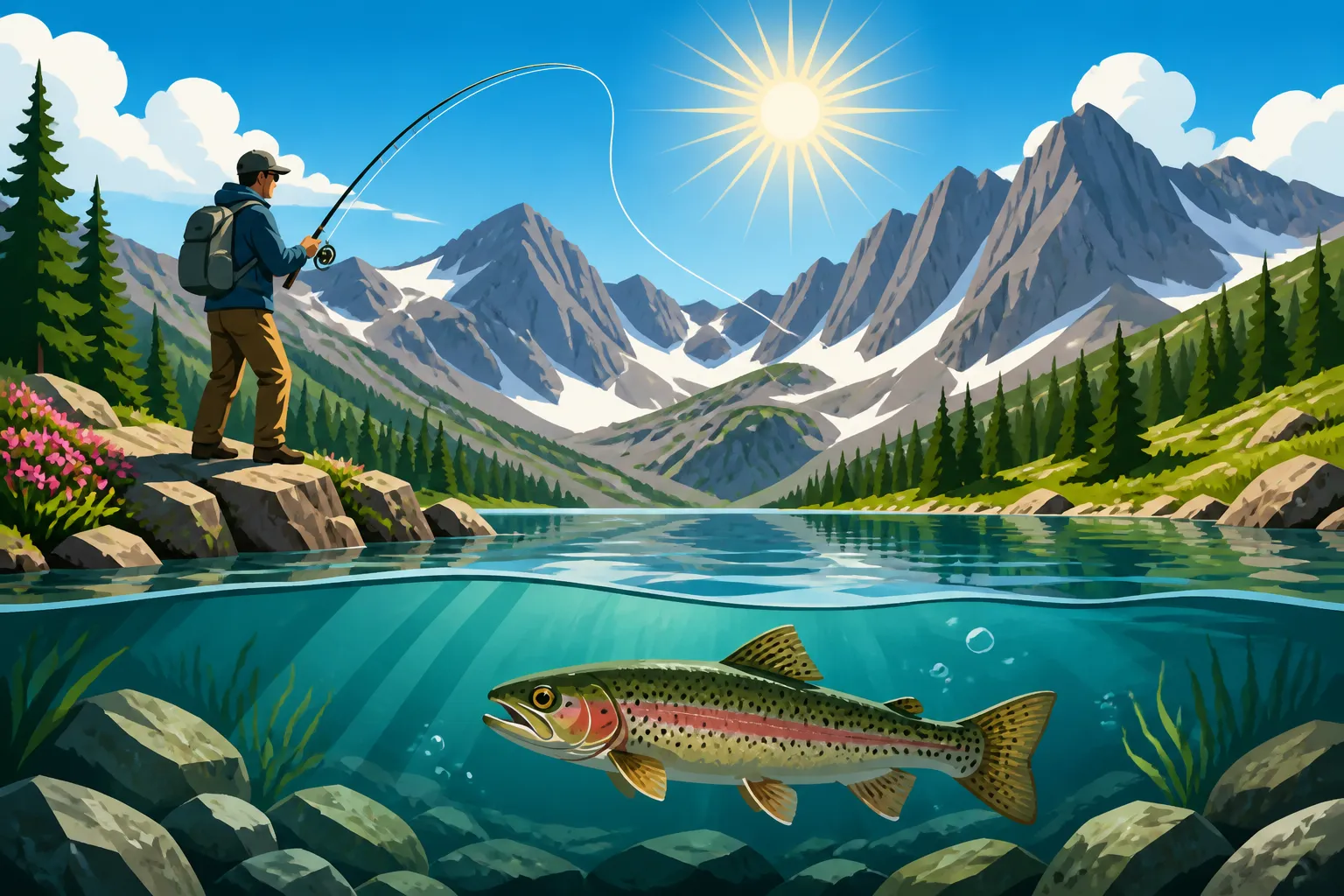
Once the high country has fully shaken off winter’s chill, typically from late July through the end of August, these alpine lakes transform into vibrant fisheries. This is the sweet spot, the prime time when everything aligns for exceptional fishing. The factors that converge during midsummer create an environment where trout are active, abundant, and often eager to bite.
Optimal Water Temperatures and Insect Activity
The most critical factor in midsummer success is the warming water. After weeks of intense sunshine, the surface layers of these high-altitude lakes reach their ideal temperature range for trout. Unlike the frigid conditions of early season, where fish are sluggish and conserve energy, warmer water significantly boosts a trout's metabolism. This means they need to eat more frequently and are much more active, cruising the shallows and rising to the surface to feed. You'll notice a marked difference in their energy and fight when hooked.
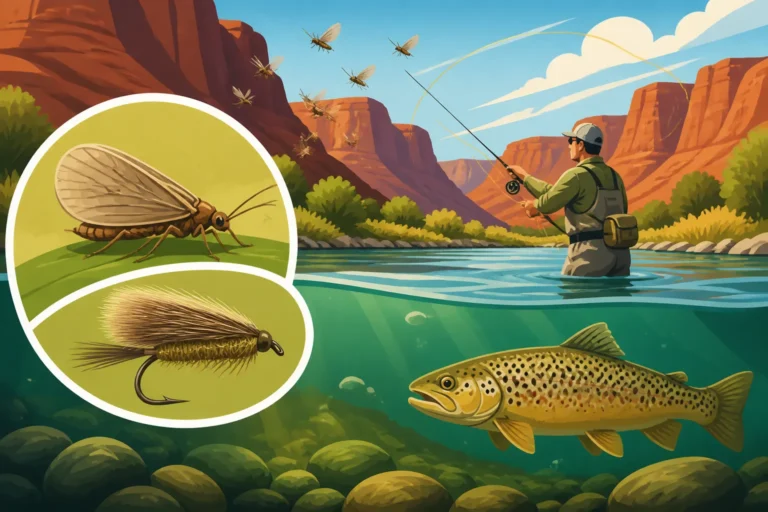
This metabolic boost coincides with an explosion of insect life, providing a veritable buffet for hungry trout. Midsummer sees prolific hatches of various aquatic insects like midges, caddisflies, and even larger stoneflies in some systems. More importantly for surface activity, terrestrials like grasshoppers, ants, and beetles are abundant along the shorelines, frequently tumbling into the water and becoming easy meals. Imagine a calm morning on a glassy lake, with trout visibly rising to sip dry flies or snatch a clumsy beetle from the surface. This is the magic of midsummer in the high country. Knowing what the fish are keying in on, often by observing natural insects on the water or in the air, allows you to "match the hatch" and present the most appealing imitation. The sheer volume and variety of food available make trout less selective and more willing to strike.
Accessibility and Comfort
Beyond the fish themselves, midsummer offers the most comfortable and accessible conditions for anglers venturing into the remote backcountry. By late July, the vast majority of snow has melted from even the highest mountain passes and trails, making the journey to these secluded lakes far less arduous and dangerous. You won't have to contend with post-holing through deep snowdrifts or navigating treacherous icy patches. Trails are generally dry, well-defined, and much easier to hike, allowing you to focus on the breathtaking scenery and the excitement of the fishing ahead.
The weather itself is also at its most benevolent. While afternoon thunderstorms are always a possibility in Colorado's mountains, midsummer generally brings the warmest daytime temperatures and milder overnight lows. This translates to more comfortable camping, less bulky gear, and a generally more enjoyable experience overall. You're less likely to shiver through the night or battle freezing winds during the day. This enhanced comfort allows you to fully immerse yourself in the wilderness experience, making the hike in and the time spent fishing all the more rewarding. It's truly a time when the mountains welcome you with open arms.
Strategies for Midsummer Alpine Lake Success
Fishing alpine lakes in midsummer isn't just about showing up; it's about employing the right strategies and being prepared for the unique environment. Success often comes down to understanding the fish, knowing what they're eating, and presenting your offering effectively.
Tackle and Techniques
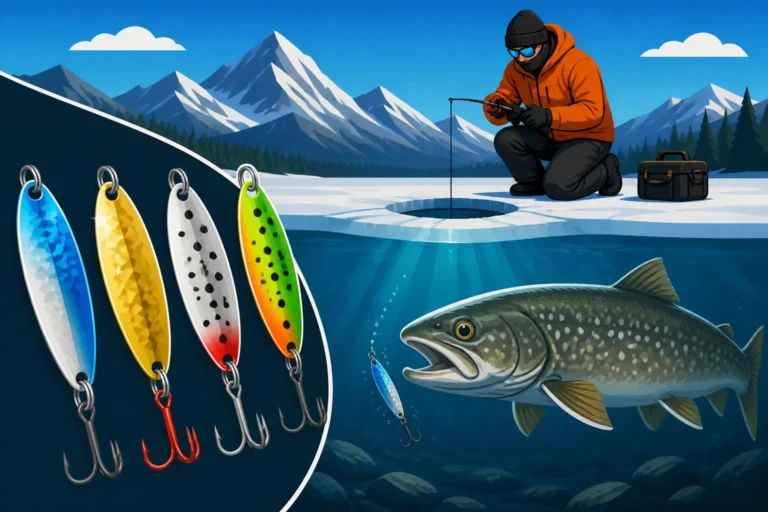
When it comes to tackle for alpine lakes, versatility is your friend. Lightweight spinning gear is an excellent choice for many anglers, allowing for easy casting from shore or a float tube. Small spinners like Mepps or Panther Martins, and compact spoons in silver or gold, are often deadly on hungry trout. Keep your line light, around 4-6 lb test, as these waters can be incredibly clear. For fly anglers, a 3- to 5-weight rod is ideal. You’ll want an assortment of dry flies to imitate the abundant midsummer hatches – think various sizes of Parachute Adams, caddis patterns, and foam terrestrials like grasshopper or ant imitations. Consider carrying a few nymphs like Prince Nymphs or Copper Johns for deeper presentations, and perhaps a small streamer or two, such as a Woolly Bugger, for prospecting aggressive fish.
One technique often overlooked is the dry-dropper rig. This allows you to present a dry fly on the surface, mimicking a terrestrial or a large mayfly, with a small nymph suspended beneath it, covering both surface and subsurface feeding lanes simultaneously. For those looking to stock up on a good selection of flies or compact spinning lures before heading out, online retailers like Amazon offer a vast array of options to fill your tackle box. Always check local regulations regarding bait restrictions, as some high-country lakes are fly-and-lure only, or even barbless hook only. You can learn more about specific fly choices in our guide on Best Flies for Colorado's Gold Medal Trout Water.
Reading the Water and Fish Behavior
Alpine lakes, especially those that are deeper and larger, can be intimidating to approach. Unlike rivers where currents dictate holding lies, stillwaters require you to "read" the structure. Trout in alpine lakes often relate to underwater features, just like their river counterparts. Look for rocky points, submerged ledges, drop-offs, and areas where the lake bottom changes from shallow to deep. These transition zones often concentrate baitfish or insects and provide ambush points for predatory trout.
Inlet and outlet streams are also prime locations, as they bring in fresh food and oxygen. During midsummer, with warmer surface temperatures, trout will often cruise the shallows, particularly during dawn and dusk, looking for easy meals. Observing the water for rising fish is crucial; if you see consistent rises, chances are they're feeding on surface insects, and a well-presented dry fly will be your best bet. If fish aren't showing on the surface, focus on working your subsurface offerings along drop-offs or near any visible structure. Pay attention to how the wind is moving across the lake, as it can push insects and warmer water into certain coves or shorelines, making them active feeding zones. Understanding How Wind Affects Fishing on Colorado's High Lakes can make a big difference.
Essential Gear and Safety Considerations
A trip to a high alpine lake, even in midsummer, requires careful preparation. The weather in Colorado’s mountains can change drastically and rapidly, regardless of the forecast. Layered clothing is non-negotiable; always pack rain gear, even if the skies look clear. A quality pack that can comfortably carry water, snacks, a first-aid kit, a headlamp, and emergency shelter (even a lightweight tarp or space blanket) is essential. Sun protection is critical at high altitudes, so bring a hat, sunglasses, and sunscreen. A pair of sturdy, broken-in hiking boots will save your feet on the approach.
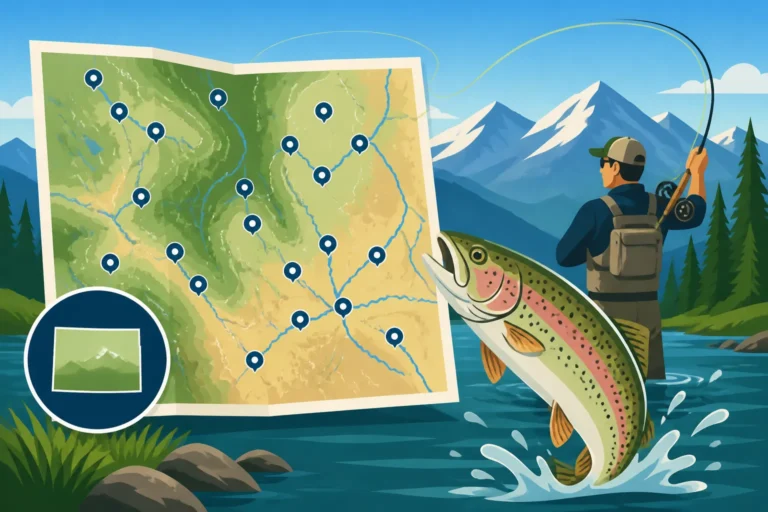
Navigational tools like a map, compass, or a reliable GPS device are paramount, as trails can be faint or obscured in places. Always tell someone your itinerary and expected return time. For extended trips, a water filter or purification tablets are a must. While the beauty is undeniable, the wilderness demands respect and preparedness. Ensuring you have the right gear not only enhances your comfort but, more importantly, ensures your safety. Many of these essential items, from compact first-aid kits to durable rain shells, can be easily sourced from retailers like Amazon for your convenience. Consider our guide on High-Country Lakes for Colorado Fishing for more specific location details.
Midsummer Alpine Lake Fishing Seasonal Comparison
To further illustrate why midsummer truly shines for alpine lake fishing, let's look at how it stacks up against other seasons. Understanding these differences can help you plan your trips more effectively and manage expectations.
| Season | Access & Weather | Water Temperature & Fish Activity | Insect Activity & Food Availability | Overall Fishing Potential |
|---|---|---|---|---|
| Late Spring | Trails often snow-covered, icy, difficult access. | Very cold, lakes often still frozen or just thawing. Fish very lethargic. | Minimal hatches, scarce terrestrials. Fish feed opportunistically. | Low to Very Low (due to ice, cold, and limited fish activity) |
| Early Summer | Trails clearing but can be muddy/wet. Still potential for snow patches. Cool. | Cold after ice-out, slowly warming. Fish starting to become active. | Emergence of some aquatic insects (midges), few terrestrials. | Moderate (improving, but still challenging and inconsistent) |
| Midsummer | Trails generally clear and dry. Warm days, mild nights. Optimal comfort. | Optimal temperatures, fish highly active and feeding aggressively. | Prolific hatches of various aquatic insects and abundant terrestrials. | High to Excellent (peak activity, accessibility, and enjoyment) |
| Late Summer | Trails clear, but cooler temps. Some fall colors emerging. | Water cooling. Fish activity starts to wane slightly but still good. | Terrestrials remain strong, aquatic hatches decrease. Kokanee salmon may begin staging. | High (excellent, but weather windows begin to shorten) |
| Early Fall | Trails clear, but cold, possibility of early snow. Frosty nights. | Cold, fish conserving energy, moving deeper. | Very few aquatic hatches. Terrestrial activity drops off. | Moderate (focus shifts to deep water, specific species) |
Early Season Challenges Late Spring to Early Summer
Attempting to fish Colorado's high alpine lakes too early in the season, typically from late May through early July, is often a lesson in patience and resilience, and frequently, disappointment. While the lower elevations might be experiencing glorious spring weather, the high country operates on its own timeline. As we discussed, many lakes remain stubbornly frozen or only partially thawed. The ice-out period itself can be challenging, as melting snow creates high, turbid water flows into the lakes, reducing visibility and cooling the water further.
Even if you find open water, the fish are still in a state of post-winter lethargy. Their metabolism is slow, and they're not expending much energy chasing food. You might catch a fish or two, but it's often a struggle, and the bites are usually subtle. The journey to these lakes can also be quite difficult, with deep snowdrifts persisting on trails, stream crossings swollen with runoff, and muddy, slick conditions. This can make for a miserable, energy-sapping hike before you even reach the water, let alone begin fishing. For a deeper dive into how changing conditions impact rivers, you might find our article on When Colorado's Spring Runoff Hits and How to Fish Around It useful.
Late Season Opportunities Late Summer to Early Fall
As midsummer transitions into late summer and early fall, usually from early September through mid-October, alpine lake fishing still offers fantastic opportunities, though with a different flavor. The days become shorter, and the crispness in the air signals the approaching winter. Water temperatures begin to cool, and while trout remain active, their feeding behavior can shift. The prolific hatches of midsummer may dwindle, but terrestrial insects like ants and grasshoppers can still be very prevalent, especially on sunny days.
This period often sees larger fish becoming more active, particularly brown trout, as they start to prepare for their spawning runs or simply bulk up for winter. While the crowds thin out considerably compared to midsummer, anglers need to be more mindful of weather windows. Sudden cold snaps, early snowfalls, and unpredictable winds become more common. However, for those willing to brave the cooler temperatures and potential for variable weather, late season can yield some truly memorable catches and an even more serene wilderness experience. It's a trade-off: fewer insects but potentially bigger fish, and less competition, but also a higher risk of adverse weather. Our guide on Fall Fishing in Colorado, What Changes offers valuable insights into these transitional periods.
Disclaimer
Please remember that fishing conditions, regulations, and access can change rapidly in Colorado. Always consult the most current Colorado Parks and Wildlife (CPW) regulations brochure before planning any fishing trip. Be aware of weather forecasts and prepare for rapidly changing mountain conditions. Safety should always be your top priority when venturing into the backcountry.