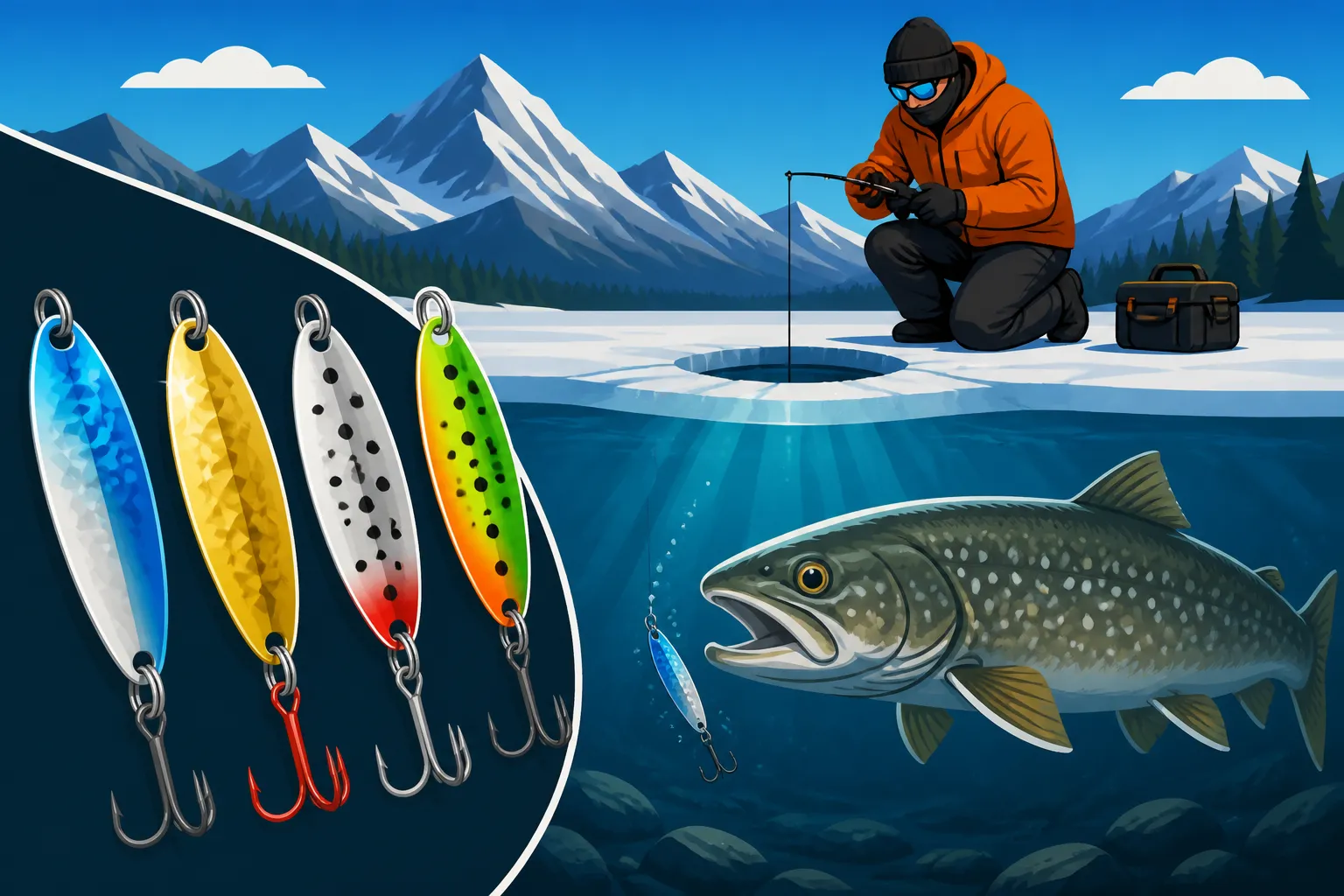
Best Jigging Spoons for Lake Trout Through the Ice
There's nothing quite like the thrill of chasing lake trout through a hole in the ice, but let's be honest, it can also be incredibly frustrating. These powerful fish often hang out in deep, dark waters, making them a challenge to locate and tempt, especially when they're in a lethargic winter mood. If you've spent hours staring at a flasher screen, watching fish seemingly ignore everything you drop down, you know the feeling. This guide is here to help you cut through the confusion and equip you with the knowledge about the best jigging spoons to target those elusive Colorado lake trout during ice season.
Understanding Lake Trout Behavior Under the Ice
Before we even get to the spoons themselves, it’s crucial to understand what makes a lake trout tick, or rather, not tick in the dead of winter. Their behavior shifts dramatically once the ice caps Colorado's expansive reservoirs. Knowing these tendencies will inform your lure selection and presentation, greatly increasing your chances of success.
Why Lake Trout Go Deep in Winter
One of the biggest hurdles when ice fishing for lake trout is simply finding them. Unlike some other species that might move into shallower bays, lake trout in Colorado often retreat to the profound depths once the ice forms. This isn't just about avoiding the cold surface; it's a complex interplay of environmental factors. For instance, in vast bodies of water like Blue Mesa Reservoir or Lake Granby, which are renowned for their lake trout populations, you'll often find these fish suspended anywhere from 40 to over 100 feet deep.
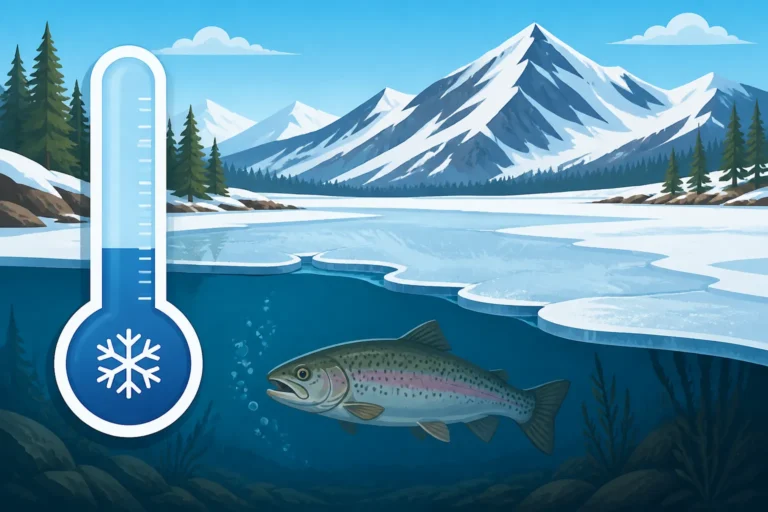
This deep-water preference is driven by several factors. Firstly, water stratifies differently under ice. While surface temperatures are obviously freezing, deeper water maintains a more stable, albeit cold, temperature of around 39 degrees Fahrenheit. Lake trout, being cold-water species, are comfortable in these stable conditions. Secondly, their primary forage, like kokanee salmon or various baitfish, often school up in these deeper, pelagic zones. Where the food goes, the predators follow. So, if you're not targeting the deeper sections of the lake, you could be completely missing the feeding grounds. Understanding this tendency to hold deep is the first step in successful winter laker fishing, and it immediately tells us why lighter tackle just won't cut it.
How Lake Trout Feed in Cold Water
When the water temperatures hover just above freezing, a lake trout's metabolism slows down considerably. This isn't to say they stop eating; rather, their feeding behavior becomes less aggressive and often more opportunistic. You won't typically see them chasing down prey with the same frenzied energy they exhibit in warmer months. Instead, they might cruise slowly, conserving energy, and be more inclined to strike at a lure that mimics an easy meal – something wounded, dying, or simply requiring minimal effort to catch.
This reduced aggression means that your presentation becomes paramount. A subtle lift-and-drop, a gentle quiver, or a long pause might entice a bite where a frantic jigging action would only spook them. Lake trout are also highly visual predators, even in low light, relying on flash, profile, and sometimes, subtle vibrations to hone in on their prey. Therefore, the right jigging spoon isn't just about getting to the depth; it's about presenting something irresistible to a fish that's not exactly in a hurry to eat. If you're looking for more general advice, our guide on Ice Fishing in Colorado, Getting Started covers these types of cold water behaviors across different species.
Key Characteristics of Effective Jigging Spoons for Lake Trout
Now that we understand a bit more about what makes lake trout tick under the ice, let's dive into the specifics of the tools we'll use to catch them: jigging spoons. Not all spoons are created equal, and selecting the right one can make all the difference between a memorable day on the ice and a frustrating blank.
Size and Weight Considerations
When you're fishing for lake trout in Colorado's large, deep reservoirs, the "go big or go home" mentality often rings true for your jigging spoons. These fish are powerful, and they inhabit depths where a small, lightweight lure would take an eternity to reach and would be easily ignored. You’ll typically want spoons in the 1/2 ounce to 2 ounces, and sometimes even heavier for extreme depths or very active fish.
Heavier spoons offer several advantages. Firstly, they cut through the water faster, allowing you to get down to those deep fish efficiently. This is critical when you've located a school on your fish finder, as you want your lure in front of them quickly. Secondly, their weight allows for a more pronounced "fall" or "flutter" action, which is often what triggers a strike. A heavier spoon also helps you maintain contact with the lure in strong currents, which can sometimes be present even under the ice, especially in areas with inflows or outflows. While lighter spoons (1/4 to 3/8 ounce) can be effective in shallower waters (under 20-30 feet) or for extremely finicky fish that are short-striking, your primary arsenal for lake trout should lean towards the heavier end. For specifics on how deep these fish hold, our article on How Deep Lake Trout Hold in Summer might offer some interesting comparisons to their winter habits.
Color and Finish for Deep Water
Choosing the right color for your jigging spoon is more art than science, but there are some reliable principles to follow, especially when fishing deep under the ice. In deeper water, light penetration is significantly reduced, and certain colors appear differently or disappear entirely. This is where glow-in-the-dark and UV-reactive finishes truly shine. These colors absorb ambient light (or UV light) and then emit it, making them visible even in the darkest depths or during low-light conditions like dawn and dusk. Many experienced anglers swear by glow spoons, particularly when targeting the deepest lakers.
Beyond glow, metallic finishes like silver and gold are perennial favorites, mimicking natural baitfish. Silver is excellent on bright days or in clearer water, reflecting what little light is available. Gold works well in slightly stained water or on overcast days, providing a warmer, more subtle flash. Natural baitfish patterns, often with shades of blue, green, or black, can also be highly effective, especially when tipped with a piece of natural bait. Don't be afraid to experiment, though. Sometimes, a "hot" color like chartreuse or orange can trigger an aggressive reaction, acting as an attractor rather than an imitation. Keep an eye on what local bait shops are recommending, as they often have the pulse of what's working best on Colorado's various lakes. You can often find a wide variety of these colors and finishes, including glow and UV options, on Amazon, making it easy to stock up before your next trip.
Action and Profile
The action of a jigging spoon refers to how it moves through the water when jigged and, more importantly, how it falls. This is primarily determined by its shape and weight distribution. Lake trout are often attracted to a wounded baitfish presentation, and a spoon that flutters, wobbles, or darts erratically on the fall can be incredibly effective.
- Flutter Spoons: These typically have a thinner, broader profile, causing them to "flutter" or "swim" sideways as they fall, mimicking a dying baitfish. This slow, erratic fall can be irresistible to a cruising laker. They are particularly effective when fish are somewhat lethargic.
- Darting Spoons: These spoons are often more slender and balanced, designed to dart aggressively sideways or in a circular motion when jigged hard, then fall more quickly with a tight wobble. This action is great for calling in aggressive fish or quickly getting their attention.
- Hybrid Actions: Many spoons blend these characteristics, offering a good balance of flutter and dart.
The profile – how the spoon looks from the side – also plays a role. Longer, slender profiles can imitate minnows, while shorter, broader profiles might mimic shad or other more compact forage. Having a variety of actions and profiles in your tackle box allows you to adapt to the mood of the fish and the specific conditions you encounter, ensuring you have the right tool for the job whether you're fishing Blue Mesa Reservoir or Eleven Mile State Park.
Top Jigging Spoon Recommendations for Colorado Lake Trout
With a better understanding of lake trout behavior and spoon characteristics, let's get down to some specific recommendations. These are some of the tried-and-true jigging spoons that Colorado anglers have relied on for years to put lake trout on the ice.
Classic Flutter Spoons
Flutter spoons are a staple for ice fishing lake trout because their enticing, slow-fall action perfectly imitates a struggling baitfish. They provide a tempting target that even a sluggish laker finds hard to resist.
- Acme Kastmaster: You'd be hard-pressed to find a serious angler in Colorado who doesn't have a few Kastmasters in their tackle box. This spoon is legendary for its versatility. Its classic darting and wobbling action on the fall is a magnet for lake trout. You can jig it aggressively to create a wide sweep or use a subtle lift-and-drop for a more controlled flutter. For lake trout, sizes ranging from 1/2 oz to 1 oz are excellent choices. Popular colors include silver, gold, chrome/blue, and perch. Many anglers find it easy to pick these up on Amazon before heading out.
- Swedish Pimple: Another timeless classic, the Swedish Pimple has been tricking fish for generations, and lake trout are no exception. It has a unique, somewhat erratic flutter that often triggers strikes. Its slender profile and metallic finishes (silver, gold, copper) are simple yet incredibly effective. The smaller sizes can be great for brook trout and rainbows, but for lakers, aim for the larger 1/2 oz and 3/4 oz versions. Tipping a Swedish Pimple with a small piece of sucker meat or a minnow head can often seal the deal, adding scent and a bit more visual appeal to its already captivating wobble.
- Bay de Noc Do-Jigger: Hailing from Michigan's famous Bay de Noc, this spoon is designed with a distinctive wobble and flash that has proven deadly for lake trout and other deep-water predators. Its unique shape gives it a swimming action on the drop that resembles a wounded baitfish, making it a great choice when fish are being finicky. Available in various sizes and colors, the silver and glow patterns are especially effective for Colorado's deeper waters.
Heavyweight and Darting Spoons
When lake trout are actively chasing bait or you need to get your lure down quickly through the water column, heavyweight and darting spoons are your best friends. These lures are designed for speed and aggressive action.
- Luhr-Jensen Krocodile: This is a heavy-duty spoon built for getting down deep and staying there. Its substantial weight means it plummets quickly, and its shape gives it a strong, fish-attracting darting action on the jig. When you want to trigger a reaction strike from aggressive lakers, a Krocodile in a 3/4 oz to 1 1/2 oz size, particularly in silver or chrome, can be incredibly effective. It's especially useful when targeting trophy lake trout that might be holding very deep, like those found in Blue Mesa Reservoir, which is known for its record-setting lakers.
- Northland Buck-Shot Rattle Spoon: This spoon combines flash and vibration, a deadly duo for lake trout. The internal rattle chamber creates sound waves that travel through the water, attracting fish from a greater distance, especially in stained water or low-light conditions. When lake trout are spread out or the bite is tough, the added noise can make all the difference. Pair the rattling action with a glow or natural baitfish pattern in 1/2 oz or 3/4 oz, and you've got a formidable laker-catching machine. You can find a good selection of these and other specialized ice fishing gear on Amazon.
- Rapala Jigging Rap (or similar jigging minnow/shad imitation): While technically a jigging lure rather than a spoon, the Jigging Rap is so exceptionally effective for lake trout that it deserves a spot on this list. Its unique head-down, tail-up profile mimics a dying baitfish perfectly. When jigged, it darts wildly in circles, creating a large visual and vibratory footprint. On the pause, it settles with a slight shimmy, often triggering a strike. Sizes ranging from 2.5 inches to 3.5 inches are excellent for lake trout. Popular colors include perch, silver, glow, and bluegill patterns. It's a must-have for anyone serious about Lake Trout Fishing in Colorado.
Glow and UV Enhanced Spoons
As discussed earlier, light penetration is a major factor in deep ice fishing. Spoons with glow-in-the-dark or UV-reactive finishes provide that extra visual pop that can be crucial for attracting lake trout in their dark, deep habitats.
- Clam Leech Flutter Spoon (Glow/UV): Clam has become a leader in ice fishing tackle, and their Leech Flutter Spoon is a fantastic option for lake trout. It offers a beautiful, slow flutter on the fall combined with vivid glow or UV finishes that really stand out in deep water. These spoons often have realistic baitfish profiles and come in sizes up to 1 1/2 oz, making them ideal for targeting trophy lakers. The glow patterns, especially in green or orange, are incredibly effective in the low light of early morning or late evening, or simply when fishing 80+ feet deep.
- Custom Jigs & Spins Slender Spoon (Glow/UV): True to its name, the Slender Spoon has a thin, sleek profile that gives it an irresistible fluttering action. When combined with its glow and UV color options, it becomes a beacon for curious lake trout. These spoons are often a bit lighter, making them excellent for more subtle presentations or when fish are holding in slightly shallower depths (30-60 feet). However, don't underestimate their ability to attract big fish; their action is just that good.
How to Effectively Fish Jigging Spoons for Lake Trout
Having the best jigging spoons is only half the battle. Knowing how to present them effectively to a winter lake trout is what truly makes the difference. It's a nuanced game of understanding subtle cues and adapting your technique.
Presentation and Retrieve Techniques
Lake trout can be finicky, so varying your retrieve is key. You'll want to experiment with different actions until you find what they're responding to on any given day.
- The Classic "Lift and Drop": This is your bread and butter. Start by lowering your spoon to the desired depth, often just above where you're marking fish on your sonar. Then, lift your rod tip anywhere from 1 to 3 feet quickly, then immediately drop it back down, letting the spoon flutter and fall on a semi-slack line. The strike often happens on the fall, so pay close attention to your line. After the spoon settles, pause for several seconds (5-15 seconds is not uncommon), allowing the fish to inspect it. This pause is crucial for triggering lethargic fish.
- The "Dead Stick" or Quiver: Sometimes, lake trout want almost no action at all. After a hard jig, simply hold the spoon perfectly still for an extended period, or just give it a very subtle quiver with your wrist. This minimal movement can convince a hesitant laker that the bait is easy prey. This technique is particularly effective when you see fish on your flasher but they're not committing to an aggressive presentation. For gear details, our article on Ice Fishing Gear for Colorado Reservoirs delves into suitable rods and lines for this delicate technique.
- "Rip Jigging": If you're marking aggressive fish or trying to call them in from a distance, rip jigging can be effective. This involves a much harder, more aggressive lift of the rod tip, causing the spoon to dart violently. Follow this with a controlled fall and a significant pause. The idea is to create a commotion that mimics a fleeing baitfish, grabbing the laker's attention. Keep a close eye on your fish finder, like the latest Garmin or Humminbird models you might find on Amazon, to see how fish react to different jigging styles; it's an invaluable tool for understanding their mood. If you're wondering how to optimize your sonar, our guide on Best Sonar Settings for Locating Lake Trout has some great tips.
Remember, the strike of a winter lake trout can be incredibly subtle – sometimes it's just a slight "thump," a feeling of extra weight, or your line just stopping on the fall. Always be ready to set the hook.
Adding Attractants and Tipping Baits
While the flash and action of a jigging spoon are powerful attractors, sometimes lake trout need a little extra incentive, especially when their metabolism is slow. This is where tipping your spoon comes into play.
- Natural Baits: A small piece of sucker meat, a minnow head, or even a piece of cut-up perch (if legal in your specific Colorado water) can add crucial scent and texture to your spoon. The scent trail can draw fish in, and the natural feel of the bait can encourage them to hold on longer, giving you more time to set the hook.
- Artificial Attractants: Scented soft plastics, like Berkley Gulp! Minnows or Tubes, offer a convenient and effective alternative to live bait. These are designed to release scent and can be easily threaded onto a spoon's hook. They come in various colors and profiles, allowing you to match the hatch or add a contrasting attractor color. A jar of Gulp! Minnows in white or chartreuse is a great addition to your ice fishing kit and is readily available on Amazon. The key is to use just enough to add scent and bulk without hindering the spoon's natural action.
Rod, Reel, and Line Setup
The right gear setup is critical for feeling those subtle bites and having the backbone to fight a large lake trout in deep water.
- Rod: Look for an ice fishing rod in the 30-40 inch range with a medium-heavy to heavy power and a fast or extra-fast action tip. The sensitive tip will help you detect light bites, while the powerful backbone will provide the leverage needed to haul up a heavy fish from the depths. Brands like St. Croix, Fenwick, and Jason Mitchell (JM Pro Series) offer excellent options.
- Reel: A durable spinning reel in the 2500-3000 size range is a popular choice, offering smooth drag and good line capacity. For those who prefer baitcasting, specialized ice baitcasters are also available and can provide excellent control.
- Line: Your main line should be braided line, typically 10-20 lb test. Braid offers superior sensitivity (no stretch) and strength, allowing you to feel even the slightest tap. However, braid is visible in clear water, so always use a fluorocarbon leader. A 6-10 foot leader of 10-15 lb test fluorocarbon (depending on water clarity and fish size) provides invisibility, abrasion resistance against the ice edge, and just enough stretch to absorb head shakes. Our comprehensive guide on Colorado's Best Ice Fishing Reservoirs provides great locations where this setup will perform exceptionally.
| Jigging Spoon | Key Characteristics | Ideal Conditions | Notable Attributes |
|---|---|---|---|
| Acme Kastmaster | Darting/Wobbling action, robust build, metallic finishes | Versatile for various depths, active to moderately active fish | Widely available, excellent all-rounder |
| Swedish Pimple | Erratic flutter, classic design, metallic finishes | Moderately deep water, finicky or lethargic fish | Timeless appeal, effective with tipping |
| Bay de Noc Do-Jigger | Unique swimming wobble, good flash | Deep water, when a subtle but enticing action is needed | Distinctive action, proven track record |
| Luhr-Jensen Krocodile | Heavy, strong darting action, fast drop | Very deep water, aggressive fish, searching large areas | Gets down quickly, triggers reaction bites |
| Northland Buck-Shot Rattle Spoon | Flash + internal rattle, glow options | Low light, stained water, calling fish from a distance, aggressive fish | Sound attraction, good for low visibility |
| Rapala Jigging Rap | Darting/gliding minnow imitation, subtle quiver | Deep water, finicky fish, mimicking dying baitfish | Highly effective, not strictly a spoon but a top lure |
| Clam Leech Flutter Spoon | Slow flutter, vivid glow/UV finishes, realistic profile | Deep water, low light, lethargic fish, drawing fish from a distance | Maximum visibility in dark conditions |
| Custom Jigs & Spins Slender Spoon | Thin profile, great flutter, glow/UV options | More subtle presentations, slightly shallower depths, finicky fish | Enticing flutter, good for light tackle |
Disclaimer
Always consult the most current Colorado Parks and Wildlife regulations before heading out on the ice. Fishing conditions and regulations can change, and it is your responsibility to be aware of and adhere to all local rules regarding ice safety, legal fishing methods, and possession limits.