Fishing Colorado Lakes at Ice-Out
That chill in the air might still be lingering, but for those of us who live and breathe Colorado fishing, ice-out is more than just a season—it's a renewed promise. After months of drilling through thick ice, or perhaps just dreaming of open water, the transition from frozen lakes to shimmering liquid can be incredibly frustrating to predict, but when it finally arrives, it brings some of the most exciting and productive angling opportunities of the year. This guide is here to walk you through everything you need to know about navigating the unique challenges and incredible rewards of fishing Colorado lakes at ice-out.
Understanding the Ice-Out Phenomenon in Colorado
The moment a lake sheds its icy blanket is a truly magical, and often chaotic, time. It marks a dramatic shift in the underwater world, fundamentally altering fish behavior and opening up new avenues for anglers.
What Exactly is "Ice-Out" and Why It Matters
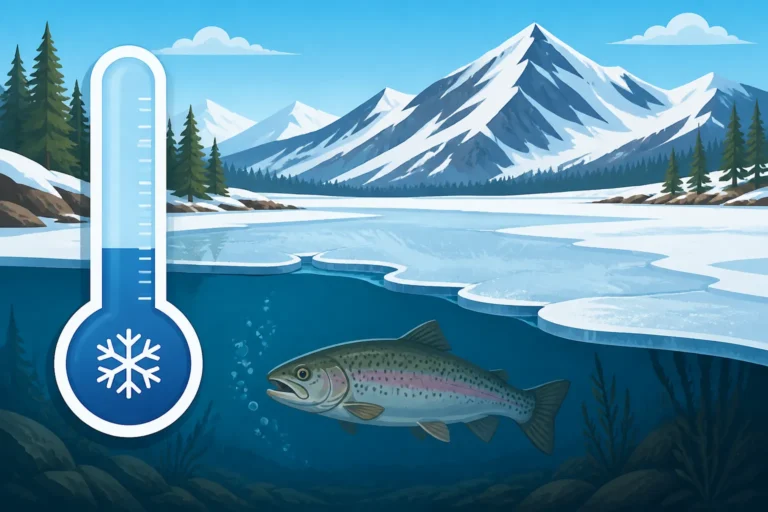
"Ice-out" isn't a single, sudden event; it's a dynamic process where the ice covering a lake begins to melt and break up, eventually disappearing entirely to reveal open water. This can happen gradually, with shorelines opening first, or sometimes quite suddenly with strong winds and warm temperatures. For us anglers, understanding this transition is crucial. Think about it: fish have been locked under a sheet of ice, often in colder, less oxygenated water, for months. When that ice finally retreats, it's like the doors to a buffet have been flung open. The water begins to warm, even slightly, stirring up nutrients and kickstarting the metabolism of baitfish and insects. This sudden influx of available food, coupled with increased oxygen levels from wind and wave action, triggers an aggressive feeding response in many species.
The importance of ice-out extends beyond just hungry fish. It dictates where fish will hold, what they'll eat, and how accessible they are to us. During the initial phases, fish often hug the newly opened shorelines where water is warmest and food is first available. As more ice gives way, they might move to sun-drenched flats or structure that was previously unreachable. If you've spent the winter wondering if you need a Colorado fishing license guide for residents and nonresidents, now's the time to make sure you're all set, because opportunities are about to explode.
Timing and Factors Influencing Colorado Ice-Out
Predicting the exact day of ice-out in Colorado is a bit like predicting a teenager's mood swings – highly variable and prone to last-minute changes. Generally, lower elevation reservoirs along the Front Range, like Cherry Creek Reservoir or Chatfield Reservoir, tend to experience ice-out in March or early April. As you climb higher into the mountains, lakes like Eleven Mile Reservoir or Lake Granby might not shed their ice until late April, May, or even early June for the highest alpine lakes.
Several critical factors play a role in this timing:
- Snowpack: A heavy winter snowpack means more runoff, which can actually keep lake temperatures cooler for longer, delaying ice-out. Conversely, a light snow year can lead to earlier melting.
- Ambient Temperature: Sustained warm air temperatures are the primary driver. A string of sunny 60-degree days can melt ice quickly, while a late-season cold snap can halt or even reverse the process.
- Sun Exposure: The angle of the sun and the lake's orientation matter. South-facing shores and coves that receive more direct sunlight will open up first, often creating small pockets of open water before the main body thaws.
- Wind: Wind is a powerful force during ice-out. Strong winds can break up large sheets of ice, pushing them to one side of the lake and opening vast stretches of water surprisingly fast. This can also churn the water, mixing warmer surface layers with colder depths, which influences where fish will concentrate.
It can be incredibly frustrating to plan a trip, only to find the lake still locked solid, or worse, surrounded by dangerous, unstable ice. That's why it's always essential to check local conditions, often through Colorado Parks and Wildlife (CPW) websites, social media groups, or by calling local tackle shops, before heading out.
Why Ice-Out is a Prime Time for Anglers
While the end of ice fishing might be bittersweet for some, the transition to open water fishing at ice-out presents a completely different, and often more dynamic, set of opportunities. For many, it's the moment they've been waiting for all winter.
Increased Fish Activity and Feeding Frenzies
After spending the long winter under a sheet of ice, many fish species are absolutely ravenous once the water opens up. Their metabolism, slowed by the cold, starts to kick into high gear as water temperatures inch upward. This translates into aggressive feeding behavior, often resulting in what anglers describe as "feeding frenzies." Think of it from the fish's perspective: food sources might have been scarce or difficult to access under the ice. Now, the warming water brings with it active insects, newly hatched baitfish, and stirred-up bottom-dwelling organisms.
Trout, in particular, become incredibly active. Rainbows, browns, and cutthroat trout, which have conserved energy during the colder months, will aggressively chase down lures and flies. Lake trout, those deepwater giants, will often move shallower, capitalizing on the temporary abundance of food along the newly exposed banks or structure. This heightened activity makes them more willing to strike, increasing your chances of a successful day on the water.
Access to Previously Inaccessible Areas
One of the most exciting aspects of ice-out is the opening of vast new fishing grounds. During the ice fishing season, you're limited to where you can safely drill a hole. With ice-out, shorelines become accessible again, allowing anglers to cast into coves, points, and shallow flats that were completely covered just days before. For those with boats, the entire expanse of the lake becomes available, allowing them to troll deeper waters or approach structure from different angles.
This newly granted access also means you can target fish that have been holding in specific, ice-covered areas all winter. Imagine a large weed bed that was unfishable under thick ice; at ice-out, those weeds, still somewhat dormant, become fantastic ambush points for hungry pike or opportunistic trout. Exploring these fresh areas can often lead to discovering new honey holes or presenting your offering to fish that haven't seen an angler's lure in months.
Targeting Specific Species During Ice-Out
Colorado's diverse fish populations offer a variety of exciting targets during the ice-out period. Each species reacts differently to the changing conditions, and knowing these behaviors can significantly improve your success.
- Trout (Rainbow, Brown, Cutthroat): These are often the first species to become active. They’ll cruise shorelines and shallow flats, searching for nymphs, minnows, and anything else that's stirring. Many Colorado Parks and Wildlife (CPW) lakes receive their first stockings of the year around ice-out, making these newly introduced fish quite eager to bite. You can check out the Colorado's Trout Species, A Field Guide to learn more about what you might encounter.
- Lake Trout: Also known as Mackinaw, these large, cold-water predators will often move from their deep winter haunts into shallower water (20-40 feet) during ice-out, especially in areas where baitfish are congregating. This is a fantastic time to target them with large tube jigs or spoons, often jigged near the bottom. If you're passionate about these powerful fish, consider diving into Lake Trout Fishing in Colorado.
- Kokanee Salmon: While primarily a deeper water fish, kokanee salmon can also be found more actively feeding in the water column at ice-out, often responding well to small trolling spoons or dodger-and-squid setups. For more detailed insights, you'll find a wealth of information in Kokanee Salmon Fishing in Colorado.
- Northern Pike: These ambush predators become incredibly aggressive. They'll often lurk in newly thawed weed beds or along rocky points, waiting to ambush unwary baitfish. Large spoons, spinnerbaits, and swimbaits are excellent choices.
- Walleye: Though typically slower to react to the cold water, walleye can offer excellent fishing at ice-out, particularly in the later stages as water temperatures continue to climb. They’ll often be found near rocky points or drop-offs, especially where there's a good current. Jigs tipped with minnows or soft plastics can be highly effective.
Essential Gear and Tackle for Ice-Out Fishing
While the fish might be eager, the conditions during ice-out can still be quite challenging. Having the right gear, from your rod and reel to your clothing, is absolutely crucial for both comfort and success.
Rods, Reels, and Line for Cold Water Conditions
Your equipment needs to be up to the task of battling cold temperatures and potentially powerful, hungry fish.
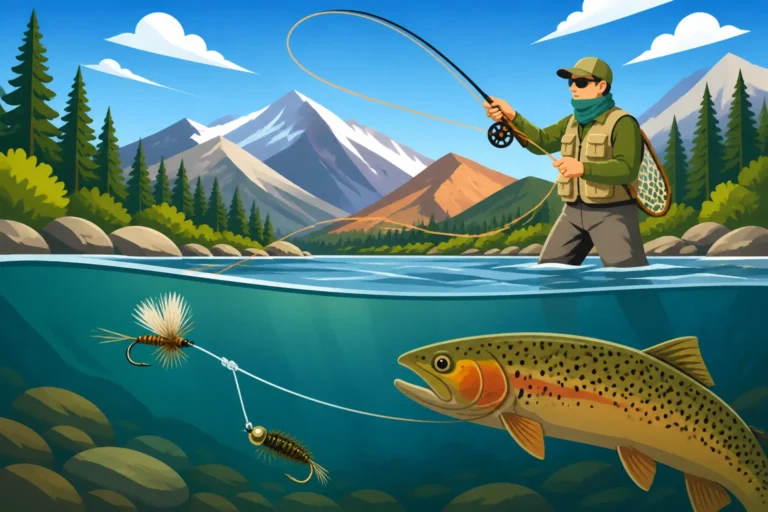
- Rods: For general lake fishing at ice-out, a medium-light to medium power spinning rod, around 6 to 7 feet in length, is a versatile choice. This setup handles a variety of lures and baits, from small jigs to casting spoons. If you're targeting larger species like lake trout or pike, step up to a medium-heavy rod with more backbone. Fly anglers will want a 5- or 6-weight rod for trout, and potentially an 8-weight for bigger fish or throwing larger streamers.
- Reels: A good quality spinning reel in the 2000-3000 size range, paired with your medium-light rod, will offer smooth retrieves and reliable drag performance. Ensure your reel is well-maintained and lubricated, as cold temperatures can sometimes stiffen cheaper mechanisms. For fly fishing, a reel with a smooth, reliable drag is more important than a large capacity, as you'll mostly be hand-lining fish.
- Line: This is where many anglers overlook a crucial detail. Cold water can make monofilament line stiff and prone to memory, leading to frustrating tangles and poor casting.
- Fluorocarbon: A thin diameter fluorocarbon line, either as a main line or a leader, is excellent for cold water. It has very low stretch, is virtually invisible underwater, and resists absorbing water, maintaining its suppleness.
- Braided Line with Fluorocarbon Leader: Many experienced anglers prefer braided line for its incredible strength-to-diameter ratio and sensitivity. However, braid is highly visible and can be abrasive. Pairing it with a 6-10 foot fluorocarbon leader (4-8 lb test for trout, heavier for pike/lake trout) gives you the best of both worlds. You can find high-quality braided lines and fluorocarbon leaders on Amazon from brands like PowerPro or Seaguar.
- Monofilament: If you prefer mono, opt for a premium, low-memory line designed for cold conditions. 4-6 lb test is usually sufficient for trout.
Lures, Baits, and Flies That Shine at Ice-Out
Fish at ice-out are often aggressive, but they can also be somewhat lethargic in the still-cold water, meaning you need a variety of presentations.
- Lures:
- Spoons: Casting spoons like Dardevles, Kastmasters, or Thomas Buoyants are classics for a reason. Their erratic wobble imitates injured baitfish, and their flash is irresistible. Sizes from 1/8 oz to 1/2 oz are versatile.
- Jigs: Small marabou jigs (1/16 to 1/8 oz) in white, black, or olive can be deadly for trout. Tube jigs (2-4 inches) are fantastic for lake trout, often tipped with a piece of sucker meat or a plastic grub.
- Crankbaits/Stickbaits: Smaller suspending crankbaits or jerkbaits that imitate minnows can be incredibly effective, especially when fished with a retrieve-pause-twitch cadence. Think Rapala Husky Jerks or Berkley Flicker Shads.
- Spinnerbaits: For pike, larger spinnerbaits with flashy blades can draw aggressive strikes.
- Baits:
- PowerBait/Worms: For stocked rainbow trout, nothing beats PowerBait in various colors (chartreuse, rainbow, salmon peach) fished off the bottom with a small treble hook and a sliding sinker. Live worms or mealworms can also be very productive.
- Minnows/Sucker Meat: If legal (check regulations!), live or dead minnows, or cut pieces of sucker meat, are irresistible to lake trout and pike.
- Flies:
- Streamers: Patterns like Woolly Buggers (black, olive, white), Clouser Minnows, or Sculpzillas are fantastic for imitating baitfish. Vary your retrieve from slow strips to quick jerks.
- Nymphs: Larger nymphs such as Copper Johns, Prince Nymphs, or Pheasant Tails, often fished under an indicator or stripped slowly, can imitate emerging insects.
- Chironomids/Midges: These tiny insect larvae are a staple for trout in stillwaters year-round. Suspending a chironomid pattern (e.g., Blood Worm, Zebra Midge) under an indicator is a highly effective ice-out technique. You might find some excellent midge patterns for Colorado winter fishing that transition well to ice-out.
| Lure/Bait Type | Primary Target Species | Ideal Conditions/Notes |
|---|---|---|
| Spoons | Trout, Pike, Lake Trout | Erratic retrieve, varying depths, flash |
| Jigs | Trout, Lake Trout, Walleye | Vertical jigging, slow retrieves, tipping with bait |
| Crankbaits | Trout, Walleye, Pike | Suspending models, retrieve-pause-twitch |
| PowerBait/Worms | Stocked Trout | Fished off bottom, slow or still water |
| Streamers | Trout, Pike | Stripping retrieve, imitating baitfish |
| Chironomids | Trout | Suspended under indicator, very slow retrieve |
Apparel and Safety Gear for Unpredictable Conditions
Early spring in Colorado can swing wildly from warm sunshine to sudden snow squalls. Layering is your best friend.
- Layering: Start with a moisture-wicking base layer (merino wool or synthetic), add a warm fleece or puffy jacket for a mid-layer, and finish with a waterproof and windproof outer shell. Bring a warm hat, gloves, and thick wool socks.
- Waterproofs: Waterproof waders (if wading) and a good rain jacket/pants are non-negotiable. Unexpected splashes or precipitation can quickly lead to hypothermia in cold conditions.
- Footwear: Insulated, waterproof boots with good traction are essential. Even if the ice is gone, the ground around the lake can be muddy, slushy, or still have patches of ice.
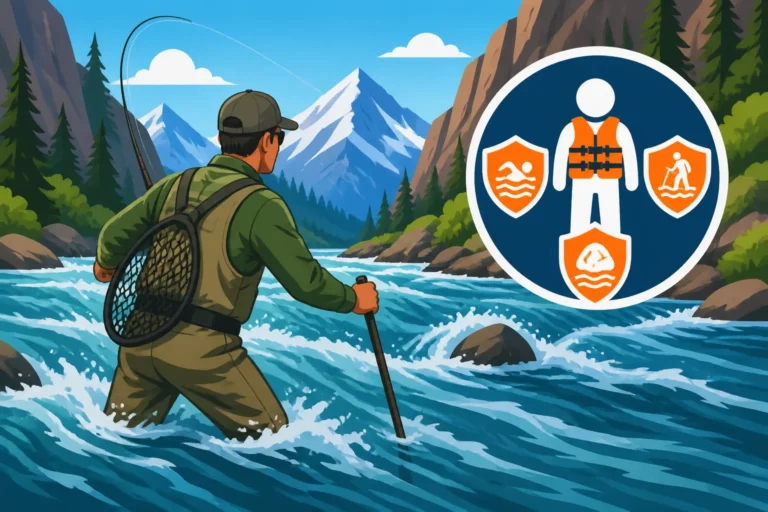
- Personal Flotation Device (PFD): If you're fishing from a boat, float tube, or even just wading deep, a PFD is paramount. Cold water immersion is a real danger, and hypothermia can set in rapidly, affecting your ability to swim or stay afloat. You can find comfortable inflatable PFDs on Amazon that allow for full range of motion while casting.
- Other Essentials: Bring a thermos of hot coffee or tea, hand warmers, a first-aid kit, a headlamp, and plenty of water and snacks. Always tell someone where you're going and when you expect to return.
Effective Techniques for Ice-Out Success
Ice-out fishing demands adaptability. The fish are often on the move, and conditions can change rapidly. Having a range of techniques at your disposal will significantly increase your chances of finding and catching fish.
Shore Fishing Strategies and Spot Selection
For many anglers, especially early in the season, shore fishing is the primary method. It’s accessible and often highly productive during ice-out.
- Focus on Inlets and Outlets: These areas are often goldmines. Inlets bring in warmer, oxygenated water and sometimes new food sources from melting snow and upstream flows. Outlets can create current, which fish use to ambush prey. The confluence of these currents and temperatures can concentrate fish.
- Sun-Warmed Coves and Flats: Pay close attention to shallow coves and flat areas that receive direct sunlight for much of the day. These areas warm up faster than deeper water, attracting baitfish and, consequently, the predators that feed on them. Even a few degrees difference can make a huge impact on fish activity.
- Structure is Key: Look for submerged rocks, logs, weed lines (even dormant ones), or sharp drop-offs near the shore. These provide cover and ambush points for fish. Casting parallel to these features, or fan-casting to cover a wide area, can be effective.
- Work the Water Column: Don't assume fish are only on the bottom. Early in ice-out, they might be suspended at various depths. Start by retrieving your lure or bait near the bottom, then try mid-depths, and finally just below the surface. A slow, erratic retrieve is often best in colder water. Imagine a baitfish, slightly stunned by the cold, moving slowly; that's what you want to mimic.
Boat Fishing Tactics and Electronics Use
Having a boat opens up the entire lake, allowing you to cover more water and access areas unreachable from shore. This is where modern electronics really shine.
- Trolling: For covering vast expanses of water and searching for active fish, trolling is a highly effective method. Use small spoons, crankbaits, or even dodger-and-squid combos for kokanee. Vary your speed until you find what the fish prefer, often a slower speed (1.5-2.5 mph) in colder water. Pay close attention to depths where you get bites, indicating the thermocline or a productive feeding zone. For deeper insights, Trolling Techniques for Colorado Reservoirs offers a comprehensive guide.
- Jigging: Once you locate fish on your sonar, especially lake trout or walleye, vertical jigging can be incredibly productive. Drop a tube jig, spoon, or heavy soft plastic directly to the depth where fish are holding. Use short, sharp lifts and pauses, allowing the lure to flutter enticingly. This method is also excellent for Jigging for Lake Trout Through the Ice which transitions well to open water.
- Anchoring on Structure: Find a promising point, submerged humps, or a channel edge using your fish finder and anchor up. Cast around the structure, allowing your lures or baits to settle. This allows for a more focused approach when you've identified a likely holding area.
- Fish Finders and Mapping: Modern fish finders are invaluable. They not only show you fish but also depth, water temperature, and bottom contours. Use your GPS and mapping features to mark productive spots, identify drop-offs, and navigate safely around submerged hazards. Learning to interpret these readouts will give you a significant advantage. Brands like Lowrance and Humminbird offer excellent units, many of which are available for purchase on Amazon.
Fly Fishing Approaches for Ice-Out Lakes
Fly fishing a stillwater at ice-out is a distinct art form, different from river fishing, but incredibly rewarding. The absence of current means you often have to impart all the movement to your fly.
- Stripping Streamers: This is a classic ice-out technique. Using a sinking or intermediate fly line, cast a streamer (Woolly Bugger, Crystal Bugger, Leech pattern) out and let it sink to the desired depth. Then, retrieve it with a series of short, erratic strips, mimicking a fleeing baitfish or leech. Experiment with different strip speeds and pauses. Olive, black, and white are perennial favorites.
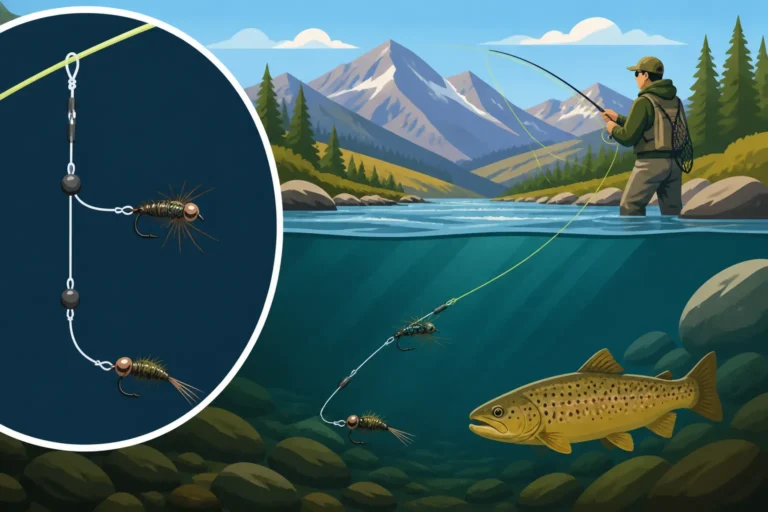
- Suspending Nymphs Under Indicators: Often referred to as "stillwater nymphing," this involves suspending a nymph pattern (Prince Nymph, Pheasant Tail, Copper John) under a strike indicator. The key is to use a long leader (10-15 feet) and ensure your fly is presented at the correct depth. The wind will often provide enough subtle movement, but a very slow retrieve or occasional twitch can also entice a strike. This builds on techniques used in Nymphing Techniques for Colorado Tailwaters, adapting them to still water.
- Chironomid/Midge Fishing: When trout are feeding on tiny midges or chironomids, this can be an incredibly effective, albeit sometimes subtle, method. Use a strike indicator and a very long, fine leader (15-20 feet of 5x or 6x fluorocarbon) with one or two chironomid patterns. These flies are often fished barely moving, or with an incredibly slow "retrieve." Knowing how to match the hatch, even for these tiny insects, is key.
- Leader and Tippet Considerations: Clear water often means fish are spooky. Use longer leaders (9-12 feet minimum) and fine fluorocarbon tippet (3x-6x) to make your presentation as natural as possible. The low visibility of fluorocarbon is a significant advantage in clear lake conditions.
Top Colorado Lakes to Fish at Ice-Out
Colorado is blessed with an abundance of lakes and reservoirs, each offering unique ice-out opportunities. Knowing where to go and what to expect can save you valuable time and effort.
Front Range and Lower Elevation Favorites
These lakes typically melt out earlier, making them popular choices for early season anglers, especially for those in the Denver metro area. The stocking reports from CPW are particularly important for these waters, as many receive a significant influx of trout after ice-out.
- Chatfield Reservoir (Littleton): One of the closest and most popular reservoirs near Denver, Chatfield offers excellent ice-out fishing for rainbow trout, brown trout, walleye, and even smallmouth bass. Trout will cruise the shorelines, especially near the dam and the Plum Creek inlet. Walleye can be found on rocky points and drop-offs. Shore anglers do well with PowerBait, worms, or small spoons. Boaters can troll or jig.
- Cherry Creek Reservoir (Aurora): Another urban gem, Cherry Creek provides great opportunities for trout, walleye, crappie, and wiper at ice-out. The shallower, sun-warmed coves are great for trout, while the main lake offers trolling and jigging for walleye and wiper. Always consult the Best Fishing Lakes Near Denver, Colorado for specific advice on these accessible waters.
- Standley Lake (Westminster): This large reservoir is known for its challenging but rewarding fishing for walleye, smallmouth bass, and occasional large trout. Ice-out provides one of the best times to target the walleye as they become more active. Jigs tipped with minnows or slow-trolled crankbaits can be effective. Note: Standley Lake has specific regulations regarding watercraft and bait, so always check before you go.
These lakes are often heavily stocked, so keeping an eye on the Reading Colorado's Weekly Stocking Report is a smart move. Freshly stocked fish are often eager to bite.
High Country Gems and Later Ice-Out Opportunities
As you move higher in elevation, the ice-out happens later, but the rewards can be truly spectacular, often including trophy-sized fish that have been undisturbed for months.
- Eleven Mile Reservoir (near Lake George): A renowned trout fishery, Eleven Mile is famous for its large rainbow, brown, and cutthroat trout, plus kokanee salmon. Ice-out here, usually in April or early May, is legendary. Anglers can find aggressive trout cruising the newly exposed flats and along the edges of the reservoir. Shore fishing with PowerBait or worms, casting spoons, and trolling are all effective. Fishing Eleven Mile Reservoir offers specific techniques for this fantastic body of water.
- Spinney Mountain Reservoir (near Lake George): Often melting out around the same time as Eleven Mile, Spinney Mountain is a catch-and-release gold medal water, home to truly massive rainbow, cutbow, and northern pike. This is where you go for potential state record fish. Large streamers, spoons, and tube jigs are popular choices. The pike here are absolutely brutal, so be prepared with heavy tackle. Learn more about how to tackle this beast in Fishing Spinney Mountain Reservoir.
- Blue Mesa Reservoir (near Gunnison): Colorado's largest body of water, Blue Mesa is a powerhouse for lake trout and kokanee salmon. Ice-out here can be late, often well into May. Lake trout will move shallower during this period, offering fantastic jigging and trolling opportunities. Kokanee will also be active, making it a prime time for targeting them with downriggers and various trolling rigs. If you're chasing these deep-water giants, Fishing Colorado's Blue Mesa Reservoir is an indispensable resource. Remember to bring heavy-duty gear, as the lake trout here are often substantial.
- Lake Granby (near Granby): Another enormous high-country reservoir, Granby offers excellent fishing for rainbow, brown, cutthroat, and large lake trout. Ice-out can be a bit later, usually late April or May. The inlets and dam areas are often hot spots for trout, while lake trout can be found jigging or trolling structure.
The fish in these high-country lakes are often wilder and can grow to incredible sizes due to the rich food sources and longer growing seasons. Checking the Colorado Fishing Season Dates and Bag Limits is vital for these specific waters, as special regulations often apply, especially for trophy fisheries. You might even be chasing Colorado's State Record Fish, Species by Species at some of these spots!
Reading the Water and Adapting Your Approach
Success at ice-out isn't just about having the right gear or being at the right lake; it's about continuously observing and adapting to the conditions around you. The dynamic nature of this season means flexibility is key.
Understanding Water Temperature and Clarity
These two factors are perhaps the most influential on fish behavior during ice-out.
- Water Temperature: Even a one or two-degree difference can dictate where fish hold. As the ice recedes, the shallowest areas and those receiving direct sunlight will warm first. Fish, particularly cold-blooded species like trout, will gravitate towards these slightly warmer waters because it stimulates their metabolism and increases their activity levels. Look for inlets where warmer water might be flowing in, or shallow, dark-bottomed coves that absorb more solar radiation. A portable water thermometer can be an invaluable tool to identify these subtle but crucial temperature breaks. Fish might feed aggressively in the 38-45°F range, but their activity will diminish outside of that comfort zone.
- Water Clarity: As the ice melts and spring runoff begins, some lakes can become quite turbid. This decreased clarity affects how fish see your lure and where they'll feel comfortable ambushing prey.
- Murky Water: In cloudy water, fish often rely more on their lateral line (vibration sensing) and smell. Use larger, more brightly colored lures (chartreuse, orange, bright greens) that create more vibration. Scented baits or attractants can also be highly effective. Fish might also move closer to the surface or edges of structure to see better.
- Clear Water: In contrast, very clear water demands a more subtle approach. Use smaller, more natural-colored lures or flies, and longer, finer leaders of fluorocarbon to avoid spooking fish. Long casts and a stealthy approach are essential. Fish in clear water often hold deeper or tighter to cover.
Adjusting for Wind and Weather Conditions
Wind and rapidly changing weather are hallmarks of Colorado's spring, and they play a significant role in ice-out fishing.
- Wind Direction and Current: Wind isn't just an inconvenience; it can be your friend. Consistent wind blowing across a lake creates currents that can concentrate baitfish and other food sources on the downwind side. This "wind-blown" bank can be a hotspot, as predators follow their food. However, too much wind can make fishing difficult, especially for fly anglers or those in small boats.
- Wave Action: Wind-driven waves churn the water, increasing oxygen levels and dislodging food items from the bottom or shore. This can also stir up murky water, offering more cover for predatory fish. Fishing the "foamy" edge of these wave-beaten shores can be very productive.
- Changing Weather: Colorado spring weather can change in an instant. A sunny, calm morning can turn into a blustery, snowy afternoon.
- Pre-Frontal Activity: Often, fish will feed aggressively right before a storm front moves in. The barometric pressure changes seem to trigger a feeding spree.
- Post-Frontal Lull: After a cold front passes, fishing can often shut down. The air temperature drops, and fish become lethargic and less willing to bite. It's often best to wait for the weather to stabilize.
- Safety First: Always prioritize safety. High winds can make boating dangerous, and sudden drops in temperature combined with precipitation can lead to hypothermia. If conditions become unsafe, don't hesitate to pack up and head home. There's always another day to fish.
By constantly observing these environmental cues and being willing to adjust your location, lure choice, and retrieve, you'll be well on your way to mastering the exciting and challenging world of ice-out fishing in Colorado.
Disclaimer
The information provided in this guide is for general informational purposes only and does not constitute professional advice. Fishing regulations, conditions, and safety guidelines can change rapidly. Always consult the official Colorado Parks and Wildlife (CPW) website and local regulations before heading out. Exercise caution when on or near water, especially during variable ice-out conditions.