Colorado’s State Record Fish, Species by Species
There's a special kind of thrill that comes with fishing in Colorado. We've all been there, standing knee-deep in a crystal-clear river or patiently watching a bobber on a vast reservoir, dreaming of that one monumental fish. It's the fish that makes your heart pound, the one that makes your reel scream, the one you'll tell stories about for years. For many, that dream extends to catching a true lunker, a fish so impressive it could break a state record. This guide is all about those legendary catches, the official state records for various species found right here in Colorado, and what it takes to join such an elite club.
Understanding Colorado's State Record Program
The idea of catching a state record fish is incredibly alluring, drawing anglers from all walks of life into a pursuit of angling immortality. But what does it truly mean to hold a state record in Colorado, and how exactly are these monumental catches recognized? It's not just about landing a huge fish; there's a specific process, a set of rules, and a deep history behind each entry on the official list. It's about celebrating exceptional fish and the dedicated anglers who pursue them, all while upholding the integrity of the sport.
The Allure of a State Record
For many, the chase for a state record represents the pinnacle of fishing achievement. It's more than just a big fish; it's a testament to skill, perseverance, and often, a little bit of luck. Imagine casting your line into a familiar lake or river, only to hook into something truly extraordinary, a fish that defies expectations and dwarfs all your previous catches. The sheer excitement, the adrenaline rush, and the intense battle that ensues are unforgettable. When that fish is finally brought to the net, and its true size becomes apparent, a new kind of ambition often takes hold: could this be the one? The thought of having your name forever etched in the record books alongside Colorado's most impressive catches is a powerful motivator, pushing anglers to explore new waters, refine their techniques, and spend countless hours honing their craft. It turns a casual hobby into a passionate quest.
How Records Are Verified
Catching a potential state record is just the first step; getting it officially recognized requires a stringent verification process. Colorado Parks and Wildlife (CPW) maintains the official list of state records, and they take the integrity of these records very seriously. When an angler believes they've caught a record-breaking fish, they can't just send in a photo. The fish must be weighed on a certified scale, often at a grocery store, a tackle shop, or a post office, where the scale is regularly calibrated and certified by the state. This ensures accuracy and removes any doubt about the fish's true weight. Length measurements are also crucial, often taken from the tip of the nose to the tip of the tail, with the fish lying flat. Colorado's State Record Fish, Species by Species verification process also usually requires witnesses, who can attest to the catch and the measuring process, further solidifying the claim. In some cases, fish identification might need to be confirmed by a CPW biologist, especially for similar-looking species or hybrids, to ensure the record is attributed correctly. This meticulous approach ensures that every record is legitimate and stands the test of time.
The Application Process and Requirements
So, you've landed a potential record, had it weighed on a certified scale, and measured carefully. What's next? The process involves submitting an official application to CPW. This application typically asks for detailed information about the catch, including the species, weight, length, girth, date of catch, location (down to the body of water), and the type of tackle used. You'll also need to provide the names and contact information of witnesses, and, importantly, clear photographs of the fish. These photos should show the entire fish, close-ups for identification, and ideally, photos of the fish on the certified scale and next to a measuring tape. It's a comprehensive dossier designed to leave no room for ambiguity. Additionally, specific rules often apply, such as the fish needing to be legally caught under current regulations, and caught by rod and reel. The application form can usually be found on the CPW website, and it's a good idea to download and review it before you even go fishing if you're serious about chasing records. This way, you'll know exactly what documentation you'll need if that dream fish ever comes along.
Trout Species Records: Chasing the Big Ones
Colorado is synonymous with trout fishing, and it's no surprise that the records for these magnificent coldwater species are fiercely contested. From the feisty rainbow to the elusive native cutthroat, each trout species presents its own unique challenge and holds a special place in the hearts of Colorado anglers. The records for these fish speak to the incredible growth potential in our rich waters and the dedication required to tempt truly exceptional specimens.
The Majestic Rainbow Trout
Rainbow trout are perhaps the most widely recognized and frequently stocked trout in Colorado. They're celebrated for their vibrant colors, acrobatic fights, and willingness to strike a variety of baits and lures. The state record for a rainbow trout is a testament to the incredible growth these fish can achieve in prime conditions, often in larger reservoirs with abundant forage. Imagine the sheer power of a rainbow trout that has grown to a truly astonishing size, a fish that would feel like pulling up a small log compared to the typical pan-sized stockers we often encounter. Catching such a fish usually involves targeting specific areas where they can grow undisturbed, often near deep water, underwater structures, or where feeder creeks bring in nutrients. Anglers often use heavier tackle, targeting them with large spoons, swimbaits, or even substantial fly patterns like streamer flies that imitate baitfish. These record-breaking rainbows are often older, wiser fish that have evaded capture for years, making their eventual landing an even greater triumph. What Rainbow Trout Eat in Colorado Rivers outlines some of their natural food sources.
Battling a Trophy Brown Trout
Brown trout hold a mystique all their own. Known for their predatory nature and often nocturnal habits, they can be incredibly challenging to catch, especially the truly large ones. Colorado's state record brown trout is a true monster, representing the apex predator in many of our rivers and reservoirs. These fish are not just big; they are cunning, having survived countless angling attempts and grown fat on a diet of smaller fish, crawdads, and large insects. Targeting trophy brown trout often means fishing at dawn, dusk, or even into the night, using large, aggressive presentations. Think big streamers stripped through deep pools, crankbaits retrieved along rocky shorelines, or even live bait where permitted. Best Time of Day for Streamer Fishing in Fall is often a prime time. Locations like the Arkansas River, the Gunnison River, and the Colorado River are renowned for their wild brown trout populations, offering the potential for true giants. The fight from a record brown is legendary – deep, powerful runs, head shakes, and a relentless refusal to give up, pushing an angler and their gear to the absolute limit.
Preserving Native Cutthroat Records
Colorado is home to several native cutthroat trout subspecies, including the Greenback, Colorado River, and Rio Grande cutthroat. These fish are not just sport; they are living symbols of Colorado's natural heritage, often found in pristine, high-elevation streams and lakes. The state records for these native species aren't just about size; they're also about the profound connection to the wild places they inhabit. While catching a truly large native cutthroat can be challenging due to their often remote habitats and delicate nature, it's an incredibly rewarding experience. Anglers seeking these records often employ careful, stealthy approaches, using lightweight tackle and delicate presentations of dry flies, nymphs, or small spinners. Many of these populations are managed for conservation, with catch-and-release rules in place for some areas to protect their fragile numbers. The joy of landing a record-sized native cutthroat often comes with a deep appreciation for its beauty and the importance of its preservation. Colorado's Native Cutthroat Trout Subspecies provides more detail on these unique fish.
Elusive Brook and Striking Tiger Trout
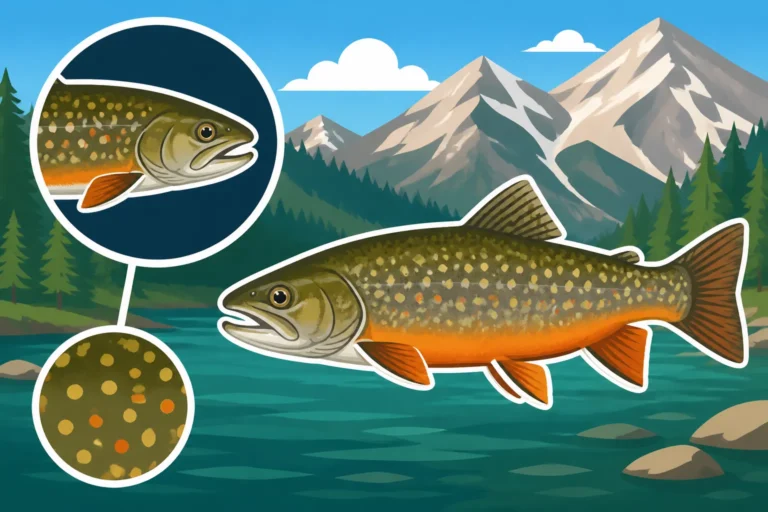
While rainbow, brown, and cutthroat trout often steal the spotlight, Colorado also holds impressive state records for brook trout and tiger trout. Brook trout, with their vibrant colors and distinctive worm-like markings, are often found in smaller, colder mountain streams and high-alpine lakes. They typically don't grow to the massive sizes of rainbows or browns, but a record brook trout is still a substantial fish, showcasing the potential for growth in nutrient-rich alpine environments. Anglers chasing brook trout records often hike into remote areas, using small flies or spinners to tempt these beautiful fish.
Tiger trout, on the other hand, are a unique sterile hybrid of brown and brook trout, recognized for their striking, labyrinthine patterns. These hatchery-produced fish are stocked in specific waters to provide a unique angling experience and can grow surprisingly large, combining the aggressive nature of a brown with the robust health of a brook. The state record for a tiger trout is a true testament to how big these hybrids can get. They are powerful fighters, and because they are sterile, they often put all their energy into growth, making them excellent trophy targets. Finding a record tiger trout often means fishing the specific waters where they are stocked, using tactics similar to those for large brown trout. Tiger Trout in Colorado, a Hatchery Hybrid shares more about these fascinating fish.
Salmon and Char Records: Deep Water Giants
Beyond the iconic trout, Colorado's cold, deep reservoirs are home to other formidable species that boast impressive state records: kokanee salmon and lake trout. These fish thrive in the colder, more expansive waters, offering a different kind of angling challenge and the potential for truly massive catches.
The Silver Flash: Kokanee Salmon
Kokanee salmon are landlocked sockeye salmon, known for their brilliant silver flanks and hard-fighting nature. In Colorado, they are a highly prized sport fish, especially during their spectacular spawning runs when they turn a striking red. The state record for kokanee salmon is an absolute stunner, a fish that represents years of growth in the nutrient-rich waters of reservoirs like Blue Mesa, Dillon, or Granby. Anglers typically target kokanee through trolling, using specialized lures like dodgers and flashers combined with small spoons or squids at specific depths. The pursuit of a record kokanee requires precise boat control, a good understanding of sonar, and a deep knowledge of the fish's habits and preferred depths throughout the seasons. During their spawning runs in the fall, they can be targeted from shore, though specific regulations often apply to protect these vital breeding populations. Kokanee Salmon Spawning Runs in Colorado are a sight to behold.
Monsters of the Deep: Lake Trout
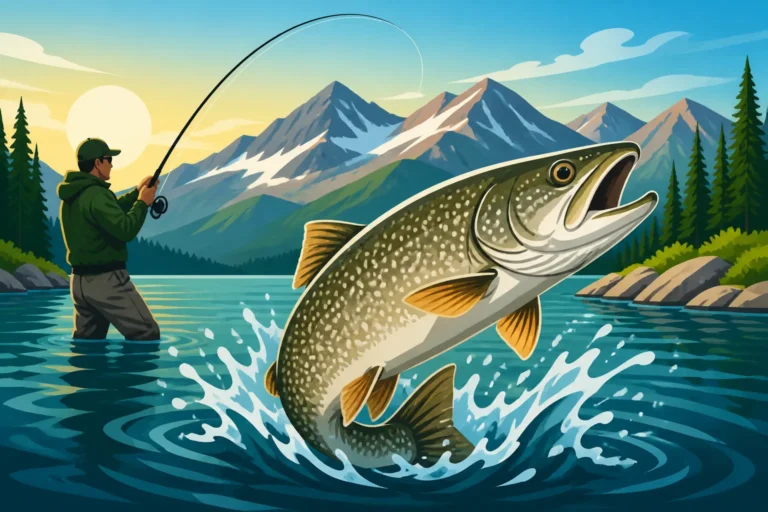
If you're looking for true giants in Colorado's waters, the lake trout is your best bet. These coldwater behemoths inhabit the deepest, coldest parts of our largest reservoirs, like Blue Mesa, Granby, and Taylor Park. The state record lake trout is a fish of truly epic proportions, a testament to the immense size these char can achieve over many years. Targeting record lake trout is a specialized pursuit, often involving heavy tackle, downriggers, and large baits or lures presented at depths of 50 to over 100 feet. Anglers typically use large tubes, jigs, spoons, or even whole dead baitfish to entice these leviathans. Boat electronics, like fish finders, are invaluable for locating the deepwater structure and schools of baitfish that these predators patrol. The fight from a record lake trout is a test of endurance and strength, a prolonged tug-of-war against a powerful, unyielding adversary that prefers the crushing pressure of the depths. Landing one is a monumental achievement, a true battle against one of Colorado's biggest fish. Lake Trout Fishing in Colorado is a serious endeavor.
Warmwater Game Fish Records: Bass, Walleye, and Wiper
While Colorado is famous for its trout, don't underestimate the exciting warmwater fishing opportunities that exist, particularly in our Front Range and eastern plains reservoirs. These waters hold impressive state records for species like bass, walleye, and wiper, offering a completely different kind of challenge and thrill.
The Thrill of Bass Fishing Records
Colorado's bass fishing scene, though perhaps less publicized than its trout streams, is vibrant and can produce some truly impressive fish. Both largemouth and smallmouth bass have their dedicated following, and the state records for these species are solid catches that would make any bass angler proud. Largemouth bass records typically come from warmer, weedier reservoirs and ponds where they have ample cover and a rich food supply. Anglers targeting record largemouth often use techniques like flipping jigs into heavy cover, working topwater lures over submerged vegetation, or slow-rolling spinnerbaits through structure. Smallmouth bass, on the other hand, prefer rocky habitats and cleaner water, often found in reservoirs along the Front Range. Best Waters for Smallmouth Bass in Colorado are often those with good rock piles and clear water. For record smallmouth, anglers might use crankbaits, tubes, or drop-shot rigs fished around rocky points and ledges. Catching a record bass in Colorado often involves a deep understanding of seasonal patterns, habitat preferences, and the subtle nuances of presentation.
Walleye: Colorado's Golden Eye
Walleye are one of Colorado's most sought-after warmwater species, prized for their delicious fillets and the challenging nature of their pursuit. The state record walleye is a true trophy, a large, predatory fish that commands respect. These fish are known for their keen eyesight and often feed during low light conditions, making dawn, dusk, and night fishing prime times. Large reservoirs like Pueblo, Chatfield, and Cherry Creek are well-known walleye factories. Anglers targeting record walleye employ a variety of techniques, including jigging with plastics or live bait, trolling crankbaits, or slip-bobber fishing with leeches or minnows. Finding trophy walleye often requires covering a lot of water, using boat electronics to locate underwater humps, points, and drop-offs where they ambush prey. The soft bite of a walleye can be subtle, but their powerful runs and head shakes once hooked make them an exciting quarry, especially when chasing that elusive state record.
Wiper: The Hybrid Powerhouses
Wiper are a fascinating and hard-fighting hybrid cross between a white bass and a striped bass, stocked in several Colorado reservoirs to provide an exciting sport fishing opportunity. They are known for their incredible strength, speed, and voracious appetites, making the state record wiper a testament to their brute force. Wiper are often found in open water, chasing schools of baitfish, but they will also relate to structure. Reservoirs like Pueblo, Chatfield, and John Martin are popular spots for wiper. Anglers chasing record wiper typically use heavy tackle, casting large spoons, swimbaits, or topwater lures into feeding frenzies, or trolling deep-diving crankbaits. When a large wiper hits, prepare for an intense battle – they make blistering runs and fight all the way to the boat. Their sheer power and willingness to attack aggressive presentations make them a fantastic species for anglers looking for a high-octane fight and a chance at a state record. Wiper, Colorado's Hybrid Striped Bass are truly unique.
Pike and Catfish Records: Ambush Predators and Bottom Dwellers
Beyond the more common game fish, Colorado's diverse waters also hold impressive state records for powerful predators like northern pike and robust bottom dwellers like channel catfish. These species offer a unique challenge and the potential for surprisingly large catches in specific environments.
The Toothiest Challenge: Northern Pike
Northern pike are apex predators in many of Colorado's warmer and cooler reservoirs, known for their torpedo-like bodies, razor-sharp teeth, and explosive strikes. The state record northern pike is a formidable fish, a true freshwater shark that has grown to a colossal size. These ambush predators prefer areas with submerged vegetation, woody debris, or rocky points where they can hide and wait for unsuspecting prey. Reservoirs like Eleven Mile, Blue Mesa, and Williams Fork are well-known for their trophy pike populations. Targeting record pike requires heavy-duty tackle, steel leaders to prevent bite-offs, and large, aggressive lures such as spinnerbaits, jerkbaits, large spoons, or oversized swimbaits. Fly anglers even throw massive fly patterns designed to imitate baitfish or ducklings. The strike of a big pike is violent, and the ensuing fight is characterized by powerful runs and frantic head shakes, requiring a strong rod and reel to bring them to hand. Handling a record pike requires extreme caution due to their teeth, but the reward of landing such a magnificent predator is immense. Northern Pike Fishing in Colorado is not for the faint of heart.
Channel Catfish: The Unsung Heroes
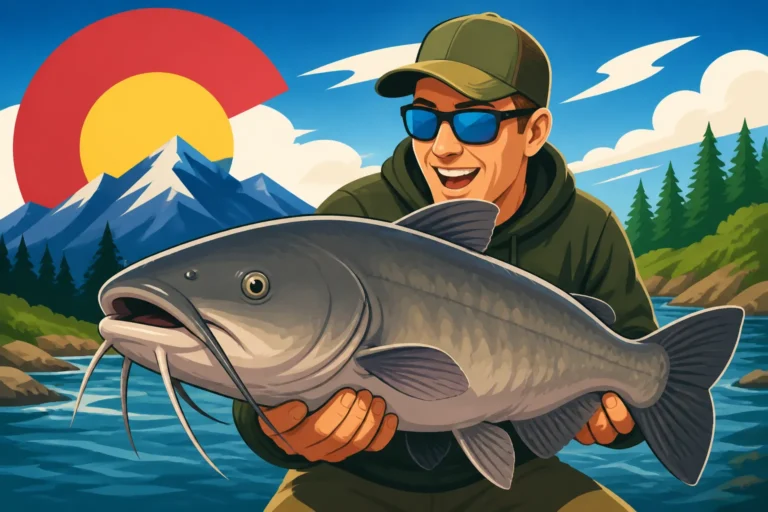
While often overlooked by trout and bass anglers, channel catfish are a fantastic sport fish in Colorado, offering powerful fights and excellent table fare. The state record channel catfish is an absolute beast, a testament to how large these whiskered bottom dwellers can grow in our warmer reservoirs and ponds, especially on the eastern plains. Catfish are primarily nocturnal scavengers, using their keen sense of smell to locate food in murky waters. Anglers targeting record channel cats often use strong baitcasting gear, fishing on the bottom with smelly baits such as cut bait, stink bait, chicken livers, or nightcrawlers. Prime locations for trophy channel catfish include Pueblo Reservoir, John Martin Reservoir, and many of the smaller ponds and lakes managed for warmwater species. The fight from a large channel catfish is a powerful, deep tug-of-war, with the fish using its broad tail to resist being reeled in. For those willing to embrace the smell and patience required, the reward of a record-sized channel catfish is a truly satisfying experience. Channel Catfish Fishing in Colorado's Warmwater Lakes offers great opportunities.
Other Notable State Record Fish
Colorado's waters are home to a surprising array of fish species beyond the marquee trout and warmwater game fish. Many other species, often considered panfish or less common targets, also hold impressive state records, showcasing the diversity of our aquatic ecosystems and the dedication of anglers who pursue them.
Panfish Records: Crappie and Yellow Perch
Crappie and yellow perch are popular panfish, cherished for their delicious taste and their tendency to school, offering fast action for anglers of all skill levels. While typically smaller than trout or bass, the state records for crappie and yellow perch are still substantial fish, representing exceptional growth. Black crappie are known for their paper-thin mouths and schooling behavior, often found around submerged brush, timber, or bridge pilings in reservoirs like Cherry Creek, Pueblo, or Chatfield. Anglers targeting record crappie typically use ultra-light tackle, small jigs, or minnows fished under a bobber. Yellow perch, with their distinctive vertical stripes, are also highly sought after, especially through the ice in winter. They often school in rocky or weedy areas of reservoirs like Eleven Mile or John Martin. For record yellow perch, anglers might use small jigs tipped with bait, or tiny spoons. Catching a state record panfish, while perhaps not as glamorous as a giant trout, is still a significant achievement, requiring finesse and a keen understanding of their schooling patterns.
The Muskie Family: A Rare Feat
The muskie family, specifically muskellunge and tiger muskellunge (a hybrid of northern pike and muskellunge), are among the most elusive and challenging fish to catch in Colorado, making their state records particularly noteworthy. These are true trophy fish, often referred to as "the fish of 10,000 casts" due to their notorious difficulty. Muskellunge are native to other regions but are stocked in a few select Colorado waters, like Middle Park's Shadow Mountain Reservoir or some smaller ponds. Tiger muskellunge are more widely stocked and have larger populations in places like Evergreen Lake, Quincy Reservoir, or Boyd Lake. The state records for these species are massive, predatory fish that have reached incredible sizes. Targeting them requires specialized, heavy-duty tackle, large lures (often over 10 inches long), and immense patience. Anglers often spend entire days or even weeks dedicated solely to the pursuit of a muskie. Their strikes are ferocious, and their fights are powerful, often including aerial acrobatics. Landing a state record muskie or tiger muskie is considered one of the pinnacle achievements in freshwater fishing, a true testament to dedication and skill.
Strategies for Catching a Record Fish in Colorado
Chasing a state record isn't just about luck; it's about preparation, knowledge, and a strategic approach. While there's always an element of chance, putting yourself in the best possible position significantly increases your odds. It involves understanding the fish, the water, and knowing how to effectively use your gear.
Targeting Trophy Waters
The first step in chasing a record is identifying the waters that consistently produce trophy-sized fish for your target species. Not all lakes and rivers are created equal when it comes to growing giants. For instance, if you're after a record lake trout, you'll be focusing on deep, cold reservoirs like Blue Mesa or Granby, not a small urban pond. Similarly, specific sections of rivers, often designated as Gold Medal Waters, are known for producing large trout. Research is key here; consult CPW's fishing atlas, read fishing reports, and talk to local experts at tackle shops. Look for bodies of water with a history of producing large fish, which often correlates with abundant forage, good habitat, and effective management practices. Sometimes, this means seeking out less-pressured areas or fishing during times when these big fish are more active and vulnerable, such as during specific feeding patterns or pre-spawn periods. Don't be afraid to put in the miles; remote high-country lakes might hold a record-sized brook trout that rarely sees a lure. Colorado's Best Fishing Spots by Region is a good place to start your research.
Essential Gear for Record Chasers
Catching a record fish often means using gear that can handle the unexpected. While ultra-light tackle is fun for panfish, a record-sized northern pike or lake trout will quickly expose any weaknesses in your setup. Invest in high-quality rods and reels designed for heavy-duty applications. A strong, smooth drag system on your reel is non-negotiable, as it will be your best friend during long, powerful runs. Spool up with fresh, high-quality line – fluorocarbon or braided lines are often preferred for their strength, sensitivity, and abrasion resistance. Using appropriate leaders, especially steel leaders for toothy critters like pike, is also crucial.
Lure selection is equally important. Record fish didn't get big by being foolish; they often prefer larger, more substantial meals. This means using bigger plugs, swimbaits, spoons, or flies that imitate their natural forage. Don't skimp on hooks; dull or weak hooks can straighten out under the pressure of a truly large fish. Many anglers purchase fishing gear, specialized lines, and even books on trophy fishing techniques from online retailers like Amazon to ensure they have exactly what they need for the pursuit. Always have a large, deep landing net or a proper set of lip grippers to safely land and handle your prize.
Here's a quick reference table for some key record species:
| Fish Species | Typical Record Weight Range (lbs) | Habitat Preference | Primary Fishing Methods |
|---|---|---|---|
| Rainbow Trout | 15-20+ | Reservoirs, tailwaters, larger rivers | Trolling, bait fishing, large flies, spoons |
| Brown Trout | 20-35+ | Rivers, reservoirs, deep pools | Streamers, crankbaits, jigs, bait fishing |
| Lake Trout | 40-50+ | Deep, cold reservoirs | Downrigging, jigging, large tubes, cut bait |
| Kokanee Salmon | 5-7+ | Deep reservoirs | Trolling with dodgers/flashers, small spoons |
| Northern Pike | 30-40+ | Weedy reservoirs, shallow bays | Large spoons, spinnerbaits, jerkbaits, swimbaits |
| Walleye | 15-20+ | Reservoirs, large lakes | Jigging, trolling crankbaits, live bait |
| Largemouth Bass | 8-10+ | Warm, weedy reservoirs, ponds | Jigs, topwater, spinnerbaits, plastics |
| Smallmouth Bass | 5-7+ | Rocky reservoirs, clear lakes, rivers | Crankbaits, tubes, drop-shot, jigs |
| Wiper | 20-25+ | Open water reservoirs, chasing baitfish | Spoons, swimbaits, topwater, crankbaits |
| Channel Catfish | 30-40+ | Warm reservoirs, ponds, slower river sections | Stink bait, cut bait, chicken livers |
| Tiger Muskie | 35-40+ | Reservoirs with vegetation and structure | Large jerkbaits, bucktails, swimbaits |
| Greenback Cutthroat Trout | 3-5+ | High-elevation lakes, pristine streams | Small flies, delicate presentations |
Note: Specific record weights are not listed to avoid outdated information. Always check current CPW records.
Patience and Persistence
The old adage "patience is a virtue" holds especially true for record fishing. Trophy fish are not caught every day, and often not even every trip. It requires an immense amount of persistence, often enduring long hours or days without a bite, only to have that one crucial moment. This is where dedication comes in. It's about showing up when conditions are tough, trying different techniques when nothing seems to work, and being willing to adapt. Record anglers understand that success doesn't happen overnight. They often spend considerable time on the water, observing patterns, learning the nuances of a particular body of water, and refining their approach. It also helps to keep a detailed fishing log, noting conditions, locations, lures used, and results. This data can be invaluable in piecing together the puzzle of where and when to find that record-breaking fish. Remember, every cast is a chance, and the more dedicated you are, the more opportunities you create for that incredible catch.
The Ethics of Record Keeping and Conservation
The pursuit of state record fish, while exciting, also comes with a significant responsibility. As anglers, we are stewards of the resource, and our actions have a direct impact on the health and sustainability of Colorado's fish populations. Balancing the thrill of the chase with a commitment to conservation is paramount, especially when dealing with exceptional, often older, fish that contribute significantly to the gene pool.
Balancing Records with Conservation
Historically, many state records required the fish to be harvested and kept for official weighing. However, with a growing emphasis on catch-and-release fishing, particularly for trophy-sized specimens, this practice has evolved. Many anglers now advocate for "live release" records, where a fish is weighed in a certified sling or net, measured, photographed, and then safely returned to the water. This allows the fish to continue its life, potentially spawning again and contributing to the next generation of trophy fish. Some states have even moved towards length-based records for certain species, encouraging release over harvest. Colorado Parks and Wildlife encourages responsible fishing and safe handling. While current regulations may still require harvest for a traditional weight record, anglers should always consider the conservation impact, especially if they believe the fish might be a crucial breeder. The decision to keep or release a potential record often comes down to personal ethics and a broader understanding of the ecosystem.
Responsible Angling Practices
Whether you're chasing a record or just enjoying a day on the water, responsible angling practices are essential. This includes knowing and adhering to all Colorado Fishing Regulations Every Angler Should Know, including bag and possession limits, size restrictions, and gear restrictions. It also means handling fish with care, especially those intended for release. Minimize the time a fish is out of the water, use wet hands when handling to protect their protective slime coat, and revive fish gently before letting them go. If a fish is deeply hooked and you plan to release it, cut the line rather than attempting to remove the hook, which can cause more damage. Proper equipment, such as a large rubberized landing net, can also help reduce stress and injury to fish. Additionally, never leave trash or discarded fishing line behind. These small actions collectively contribute to healthier fish populations and ensure that future generations of anglers can also enjoy the thrill of pursuing Colorado's legendary fish, perhaps even breaking a record of their own.
Disclaimer
This article is for general informational purposes only and does not constitute professional advice. Laws, prices and regulations vary by location and change over time. Consult a qualified professional for guidance on your specific situation.