Colorado’s Warmwater vs Coldwater Fish Species
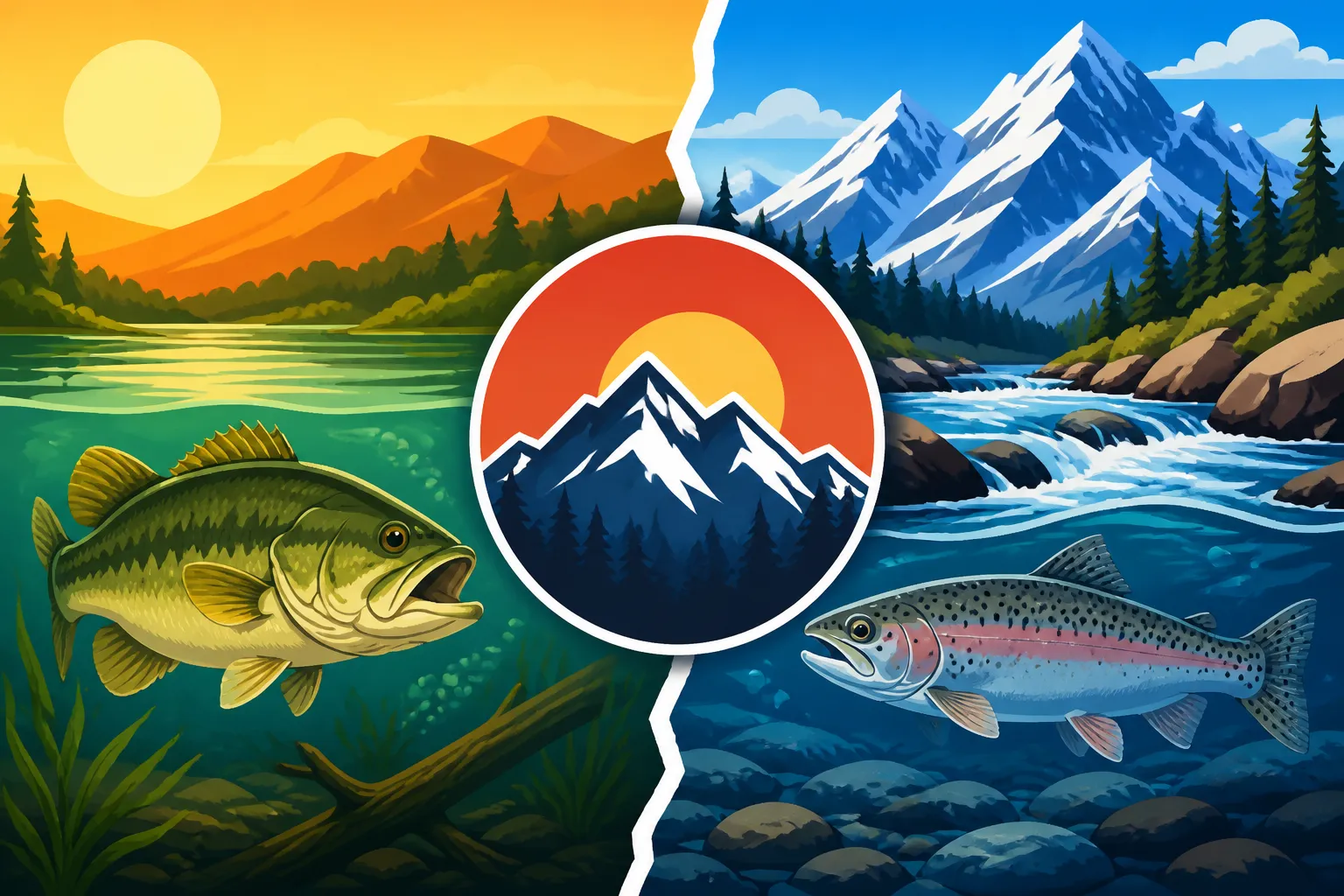
One of the trickiest things about fishing in Colorado is that our waters are incredibly diverse, from icy alpine lakes to sun-baked plains reservoirs. Many anglers get frustrated when they try the same techniques everywhere, wondering why they're catching nothing in one spot and a ton in another. The secret often lies in understanding the fundamental difference between warmwater and coldwater fish species, and how that impacts where and how you should fish for them. This guide will walk you through the distinct characteristics of these aquatic environments and the fish that thrive in them, helping you unlock more successful fishing adventures across our beautiful state.
Understanding the Fundamental Differences: Warmwater vs. Coldwater Environments
It might seem obvious, but the biggest differentiator between warmwater and coldwater species is, well, water temperature! This isn't just about comfort for the fish; it profoundly impacts their metabolism, feeding habits, spawning cycles, and even the oxygen levels in the water. Colorado, with its dramatic elevation changes and varied climates, offers a fascinating blend of both, sometimes even within the same watershed. Knowing what to expect when you arrive at a lake or river can make all the difference.
Temperature Ranges and Their Impact on Fish Physiology
Coldwater fish, like trout and salmon, are built for chilly temperatures. They generally thrive in water that stays below 70 degrees Fahrenheit, ideally much colder, often in the 40s and 50s. These species have higher oxygen requirements and slower metabolisms in comparison to their warmwater counterparts. When water temperatures rise above their comfort zone, even for a short period, they become stressed, lethargic, and often stop feeding. In extreme cases, warm water can be lethal due to reduced dissolved oxygen. This is why you'll often hear about voluntary fishing closures on certain rivers during hot summer months – it's to protect these sensitive coldwater species.
Warmwater fish, on the other hand, are designed for warmer conditions, typically preferring water temperatures in the 70s and 80s, and sometimes even higher. Their metabolisms are generally faster, allowing them to digest food more quickly and grow rapidly in these conditions. They can tolerate lower dissolved oxygen levels than coldwater species, making them perfectly suited for the slower, often shallower waters found in many of Colorado's plains reservoirs or lower-elevation lakes. Trying to catch a bass in a high-mountain stream where the water barely cracks 50 degrees would be a futile exercise, just as you wouldn't expect to find a thriving rainbow trout population in a pond that hits 90 degrees every summer.
Distinct Habitat Characteristics
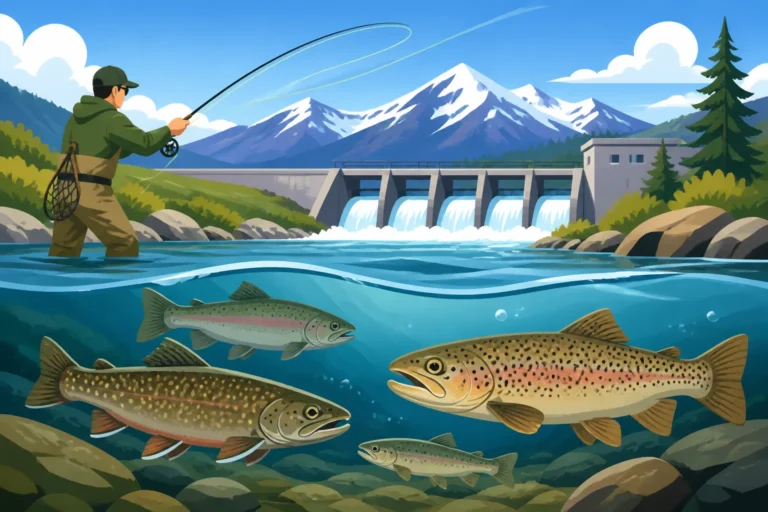
Beyond temperature, the physical characteristics of warmwater and coldwater habitats are markedly different. Coldwater environments in Colorado are usually associated with our magnificent mountain regions: fast-flowing rivers, pristine streams fed by snowmelt, and high-altitude lakes. These waters are typically clear, rocky, and well-oxygenated due to the constant movement and colder temperatures. Think of the crystal-clear currents of the Fryingpan River or the deep, cold depths of a lake nestled high in the Collegiate Peaks. The bottom composition might be gravel, cobble, or bedrock, providing plenty of hiding spots and insect habitat. What Fish Live in Colorado's Coldwater Tailwaters details some prime examples.
Warmwater habitats, conversely, are often found in larger, slower-moving rivers, expansive reservoirs, and ponds at lower elevations, especially on the Front Range and the Eastern Plains. These waters tend to be murkier, with softer, muddier bottoms. They frequently feature abundant aquatic vegetation, submerged timber, and shallower areas that warm up quickly under the Colorado sun. Think of places like Cherry Creek Reservoir or the vast expanses of Pueblo Reservoir. These characteristics provide ideal cover and foraging grounds for species like bass, catfish, and walleye. If you're wondering What Fish Live in Colorado's Warmwater Reservoirs, you'll find a different suite of species altogether.
Colorado's Coldwater Fish Species
When most people picture fishing in Colorado, they're probably imagining battling a feisty trout in a pristine mountain river. And for good reason! Colorado is a renowned destination for coldwater angling, boasting a fantastic array of species that thrive in our high-elevation waters. From native beauties to eagerly stocked favorites, these fish define a huge part of our state's fishing culture.
Native and Introduced Trout Species
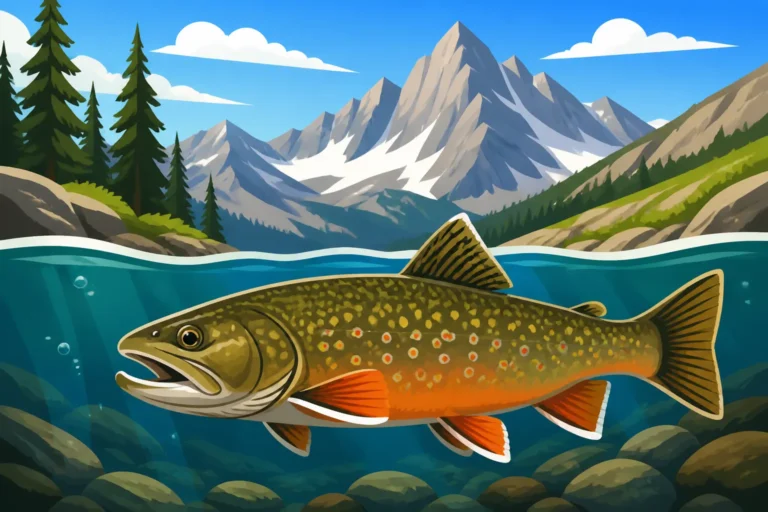
Colorado is a true trout paradise, home to several species, both native and introduced, that capture the hearts of anglers. Our native cutthroat trout, including the Greenback, Colorado River, and Rio Grande subspecies, are conservation success stories and prized catches for their beauty and wildness. You can learn more about these incredible fish in Colorado's Trout Species, A Field Guide. Rainbow trout are perhaps the most widely recognized and stocked species, providing incredible fishing opportunities in rivers, lakes, and reservoirs across the state. They are regularly stocked by Colorado Parks and Wildlife and are known for their acrobatic fights. Brown trout, an introduced species from Europe, have truly made themselves at home here, especially in freestone rivers where they often grow to impressive sizes and are known for their aggressive behavior, particularly during the fall spawn. Brook trout, another introduced species, are smaller but incredibly vibrant, often found in high-mountain streams and lakes, offering a delightful experience for those willing to hike into remote areas.
Each of these trout species has specific preferences within the coldwater spectrum. While all prefer cold, oxygenated water, a brown trout might be perfectly happy in a slightly warmer, slower pool with undercut banks, while a brook trout will seek out the coldest, clearest headwaters. Targeting them often requires different approaches, from delicate dry fly presentations for rising rainbows in a mountain stream to heavy streamers for predatory browns hidden in deep pockets.
Other Coldwater Residents: Kokanee Salmon and Mountain Whitefish
While trout often steal the spotlight, Colorado's coldwater ecosystems are also home to other fascinating species. Kokanee salmon, the landlocked sockeye salmon, are a prime example. These brilliant red fish are not native but thrive in several of Colorado's deep, cold reservoirs, offering fantastic fishing opportunities, especially during their spectacular fall spawning runs. Anglers often troll for them in open water during the summer months. You can dive deeper into their lifecycle and fishing techniques in Kokanee Salmon Fishing in Colorado.
Another often-overlooked coldwater resident is the mountain whitefish. These native fish are found in many of Colorado's larger, colder rivers, often inhabiting the same stretches as trout. While not as flashy as trout, they are a blast to catch on light tackle and are an indicator of healthy coldwater ecosystems. They tend to feed on the bottom, often in riffles and runs, and can be caught on small nymphs or worms. Many anglers view them as a bonus catch while targeting trout, but they are a worthy species in their own right and quite good to eat. They tend to school up, so where you find one, you'll often find many.
Colorado's Warmwater Fish Species
Stepping away from the mountains and into the plains, a completely different cast of characters emerges. Colorado's warmwater fisheries are incredibly diverse and offer exciting opportunities for anglers seeking a different kind of challenge, often with bigger, harder-fighting fish. These species are masters of adapting to fluctuating temperatures and can provide action even when the mountain rivers are locked in ice or roaring with spring runoff.
Popular Game Fish: Bass, Walleye, and Northern Pike
The warmwater world of Colorado is dominated by some true heavy hitters. Bass, both largemouth and smallmouth, are immensely popular. Largemouth bass prefer weedy, shallow areas with lots of cover, making them prevalent in ponds and reservoirs with abundant vegetation. Smallmouth bass, on the other hand, favor rocky structures, drop-offs, and clearer water. Both offer explosive strikes and strong fights, making them a favorite for many. For specific tips on chasing these fighters, check out Bass Fishing in Colorado. Walleye are another highly sought-after species, known for their delicious white flesh and notoriously finicky bites. They are often found in large, turbid reservoirs, especially on the Eastern Plains, preferring deeper water during the day and moving shallower to feed at dawn and dusk. Night fishing can be incredibly productive for walleye, and many anglers equip themselves with specialized baits and jigs, which can be easily found on platforms like Amazon.
Northern pike are another top predator in many Colorado warmwater lakes and reservoirs. These toothy giants are known for their aggressive strikes and can grow to impressive sizes. They often hide in thick vegetation or near submerged structures, ambushing their prey. While they are a blast to catch, some waters have specific regulations on pike due to their predatory impact on other fish populations, particularly trout. Familiarizing yourself with these rules is crucial. Northern Pike Fishing in Colorado offers a comprehensive look at these apex predators.
Other Warmwater Species: Catfish, Crappie, and Perch
Beyond the main game fish, Colorado's warmwater environments host a thriving community of other species that provide excellent fishing opportunities. Channel catfish are abundant in many of our reservoirs and larger rivers, especially in the warmer months. They are powerful fighters and fantastic table fare, often caught using smelly baits on the bottom. Night fishing for catfish is a time-honored tradition and often yields the biggest catches. Catfish Fishing in Colorado is a great resource if you're looking to target these whiskered warriors.
Crappie, both black and white, are panfish favorites known for schooling up and providing fast action. They are often found near submerged brush piles, docks, or standing timber, and can be caught using small jigs, minnows, or even tiny spoons. They are excellent eating and a perfect target for family fishing trips. Yellow perch are another popular panfish, especially for ice fishing. They are delicious and tend to congregate in schools, making for a fun day on the ice or in open water. While often caught incidentally, targeting them with small jigs or worms can lead to a cooler full of tasty fillets. Finding the right ultra-light gear for these panfish can often be done with a quick search for "panfish tackle" on a site like Amazon.
Where to Find Warmwater and Coldwater Fish in Colorado
Colorado's geography dictates where you'll encounter these different fish species. It's truly a state of diverse aquatic landscapes, from the highest peaks to the sprawling eastern plains. Understanding these geographical divides is key to planning a successful fishing trip, ensuring you're targeting the right species in the right environment.
Mountain Streams and High-Altitude Lakes
When you think "Colorado coldwater fishing," you're likely picturing the state's magnificent mountain regions. The fast-flowing rivers and streams that originate from snowmelt, like the Arkansas, South Platte, and Colorado River, are classic coldwater habitats. Here, you'll find thriving populations of rainbow, brown, cutthroat, and brook trout. The constant current, ample oxygen, and stable cool temperatures make these environments ideal for trout to flourish. Popular sections like the Dream Stream or the Fryingpan River are perfect examples, offering world-class fly fishing for large, wary trout. Fishing the Dream Stream and Cheesman Canyon on Colorado's South Platte is a must-read if you're planning a trip to these iconic locations.
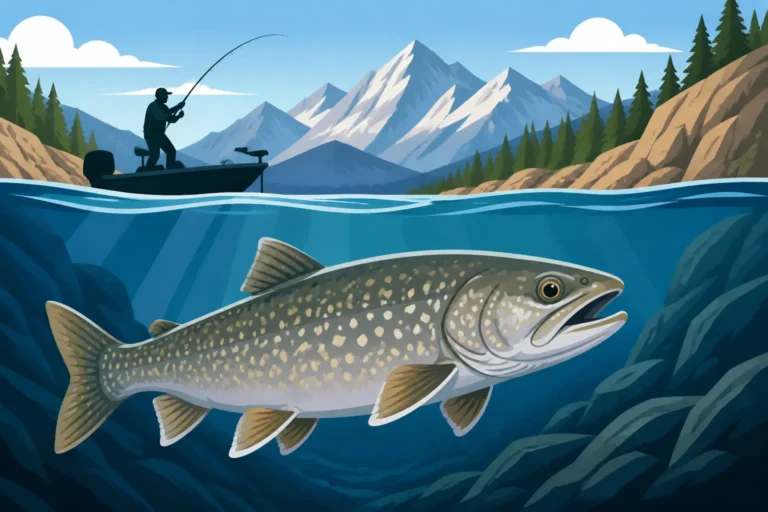
High-altitude lakes, often accessible only by hiking or horseback, are another haven for coldwater species. These pristine waters, nestled above 9,000 feet, remain cold year-round and are frequently stocked with trout, especially cutthroat and brook trout, due to their limited natural spawning opportunities. Many of these lakes offer incredible solitude and stunning scenery, rewarding the adventurous angler with vibrant, hard-fighting fish. Even larger mountain reservoirs like Blue Mesa Reservoir or Taylor Park Reservoir, while accessible by vehicle, maintain deep, cold water that supports species like lake trout and kokanee salmon.
Front Range Reservoirs and Eastern Plains
As you move away from the high country and into the lower elevations of the Front Range and the expansive Eastern Plains, the fishing landscape shifts dramatically towards warmwater species. Here, large reservoirs like Chatfield, Cherry Creek, and Pueblo become prime targets for bass, walleye, crappie, and catfish. These impoundments are often shallower, with more varied bottom structures and extensive aquatic vegetation, which creates ideal habitat for species that prefer warmer water. Many of these reservoirs also host hybrid species like wiper, a cross between striped bass and white bass, known for their incredible fighting power. You can often find great bank fishing access or boat ramps at these locations, making them popular for anglers of all skill levels.
The rivers and smaller lakes on the Eastern Plains, which often flow slower and experience higher summer temperatures, also support robust warmwater fisheries. Think of the South Platte River as it leaves the mountains and meanders across the plains, offering excellent catfish and carp fishing, or smaller ponds teeming with bass and sunfish. These areas are vital for providing accessible fishing opportunities closer to population centers and offering a different angling experience altogether, often with more consistent action in the heat of summer. It's a testament to Colorado's diverse aquatic resources that you can pursue such different types of fishing within a relatively short drive.
Fishing Strategies for Each Water Type
Just as the fish species and habitats differ, so too must your approach to fishing. What works wonders in a cold, fast-moving river might prove completely ineffective in a warm, murky reservoir. Adapting your gear, techniques, and even your mindset is crucial for success, whether you're chasing trout or targeting a trophy walleye.
Gear and Techniques for Cold Water
When fishing coldwater environments, especially for trout, a lighter touch and finesse are often required. For fly fishing, which is immensely popular in Colorado's trout streams, you'll typically use delicate rods (3-5 weight), fine tippets, and a variety of fly patterns designed to imitate aquatic insects or small baitfish. Nymphing, dry fly fishing, and streamer fishing are all common techniques, each requiring specific rigging and presentation skills. During runoff, you might switch to heavier nymphs or streamers to get down to the fish. Nymphing Techniques for Colorado Tailwaters is a fantastic resource for improving your coldwater nymphing game.
Spin fishermen targeting coldwater species will often employ ultra-light or light spinning rods with sensitive tips, spooled with 4-6 pound test line. Small inline spinners, spoons, and soft plastics (like Gulp! minnows or worms) are very effective. Bait fishing with worms, salmon eggs, or powerbait can also be highly productive, especially in lakes or slower river sections. The key is often to use natural presentations and avoid spooking fish in the clear, cold water. Warm clothing and waders are almost always a necessity, even in summer, as you'll be spending time in or near chilly water. Investing in quality cold-weather fishing gloves and a good waterproof jacket, perhaps from Amazon, can really make a difference on a chilly morning.
Gear and Techniques for Warm Water
Warmwater fishing often calls for heavier tackle and more aggressive techniques. For bass, medium to medium-heavy baitcasting or spinning rods are standard, paired with 10-20 pound test line, or even heavier braided line if fishing heavy cover. Lures like crankbaits, spinnerbaits, jigs, and soft plastics (worms, creature baits) are staples. Flipping and pitching into dense cover, casting along weed lines, or working submerged structures are common tactics. Walleye fishing often involves trolling with crankbaits or bottom-bouncing rigs with live bait (minnows or nightcrawlers), or jigging spoons and blade baits. The use of electronics, such as fish finders, becomes much more prevalent in warmwater reservoir fishing to locate schools of fish and bottom structure.
For species like northern pike, you'll want even heavier gear: stout rods, strong lines (often with a steel leader to prevent bite-offs), and large, durable lures like spoons, swimbaits, or large spinnerbaits. Catfish anglers often use medium to heavy action rods, heavier lines, and bait like cut bait, stink baits, or worms fished on the bottom with a Carolina rig or slip sinker rig. The choice of bait can be highly specific to the species and conditions. Often, warmwater fishing can be done from the bank or a boat, and you'll typically be less concerned about wading into the water itself, making comfort a priority in warm weather. A good pair of polarized sunglasses for spotting structure, easily found on Amazon, can greatly enhance your warmwater fishing experience.
Conservation and Management of Colorado's Fisheries
Colorado's diverse fishing opportunities don't happen by accident. They are the result of dedicated conservation efforts and thoughtful management strategies by Colorado Parks and Wildlife (CPW). Understanding these efforts and our role as anglers in supporting them is paramount to ensuring that both warmwater and coldwater fisheries continue to thrive for generations to come.
Protecting Native Species and Their Habitats
A cornerstone of Colorado's fisheries management is the protection and recovery of native fish species, particularly our various subspecies of cutthroat trout. The Greenback Cutthroat Trout, Colorado's state fish, was once thought extinct, and its incredible comeback story is a testament to focused conservation. Efforts include identifying genetically pure populations, establishing new populations in protected headwater streams, and carefully managing angling pressure in these sensitive areas. This often involves specific regulations, such as catch-and-release only or the use of specific gear (like Barbless Hook Rules on Colorado Rivers) to minimize harm to these precious fish.
Protecting critical habitats is also vital. This includes maintaining water quality, ensuring adequate instream flows, preventing habitat degradation from development or pollution, and managing riparian zones. Anglers play a critical role by adhering to regulations, practicing responsible catch-and-release techniques, and being stewards of the environment by packing out all trash and minimizing their impact on sensitive ecosystems. Support for CPW through fishing license purchases directly funds these vital conservation initiatives, ensuring the health of both coldwater mountain streams and warmwater plains reservoirs.
Balancing Stocking with Wild Populations
Colorado Parks and Wildlife operates an extensive stocking program, releasing millions of fish each year into waters across the state. This is especially important for popular coldwater species like rainbow trout, which often don't reproduce successfully in many stocked lakes and reservoirs. Stocking also provides put-and-take fisheries, ensuring accessible angling opportunities for a wide range of people, particularly in urban ponds and heavily fished reservoirs. For example, Rainbow Trout in Colorado, Where They're Stocked explains where these fish are often found. This stocking helps to relieve pressure on wild, self-sustaining populations and introduces fish into new or renovated waters.
However, stocking isn't a one-size-fits-all solution, and CPW carefully balances stocking efforts with the health of wild populations. For instance, in areas with strong wild trout populations, stocking might be limited or nonexistent to prevent genetic mixing or competition for resources. Similarly, management of certain warmwater species, like northern pike, can involve controlled stocking or even removal efforts in specific waters to protect other desired species, such as native cutthroat trout, from predation. This delicate balance ensures that while angling opportunities are abundant, the long-term health and genetic integrity of Colorado's wild fish, both warmwater and coldwater, remain a top priority. It's a complex dance between providing recreation and preserving nature, and our regulations reflect this ongoing commitment.
| Feature | Coldwater Fish Species | Warmwater Fish Species |
|---|---|---|
| Preferred Temp | Below 70°F (ideal 40s-60s°F) | Above 70°F (ideal 70s-80s°F) |
| Oxygen Needs | High | Moderate to Low |
| Habitat | Fast-flowing rivers, mountain streams, high-altitude lakes | Slower rivers, large reservoirs, plains ponds |
| Water Clarity | Typically clear | Often murky, varied |
| Bottom Type | Rocky, gravel, cobble, bedrock | Soft, muddy, sandy, vegetated |
| Common Species | Rainbow, Brown, Cutthroat, Brook Trout, Kokanee Salmon, Mountain Whitefish | Largemouth/Smallmouth Bass, Walleye, Northern Pike, Channel Catfish, Crappie, Perch |
| Typical Gear | Light fly rods, ultra-light spinning gear, small lures | Medium-heavy spinning/baitcasting gear, larger lures |
| Key Challenge | Delicate presentation, reading currents, temp sensitivity | Locating structure, adapting to varied cover |
Disclaimer
This article is for general informational purposes only and does not constitute professional advice. Laws, prices and regulations vary by location and change over time. Consult a qualified professional for guidance on your specific situation.