Northern Pike Fishing in Colorado
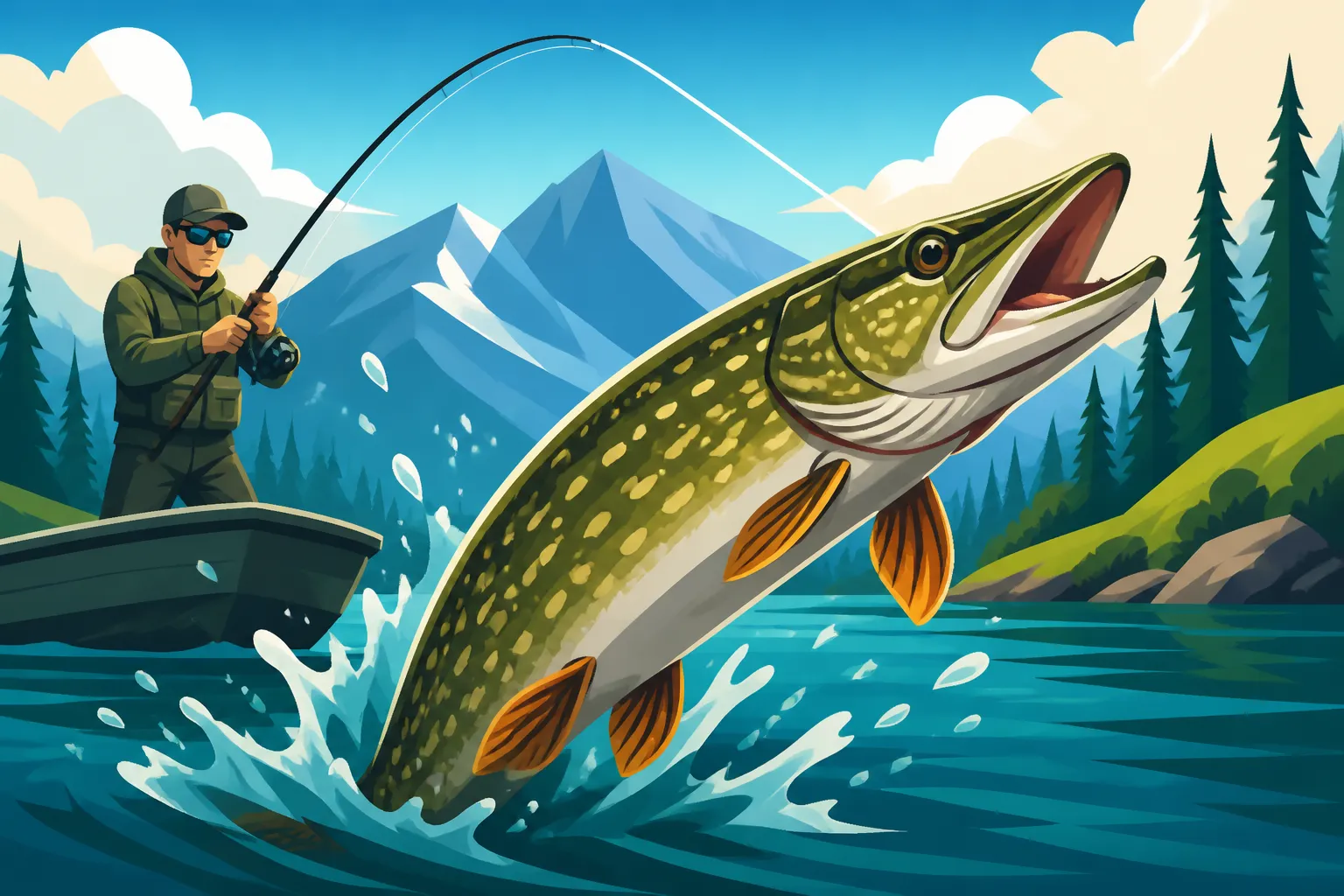
Northern Pike fishing in Colorado can be a real adventure, but it often comes with a bit of a reputation. Many anglers see these toothy critters as a nuisance, aggressively preying on our beloved trout and kokanee salmon. Yet, for others, the thrill of battling a hard-fighting, often monstrous pike is an irresistible draw. This comprehensive guide will dive deep into everything you need to know about targeting Northern Pike across Colorado's diverse waters, from identifying these formidable fish to mastering the techniques that bring them to the net.
Understanding Northern Pike in Colorado
Northern Pike (Esox lucius) are fascinating, albeit controversial, fish in Colorado. They're often misunderstood, seen as either a trophy or a problem, depending on who you ask and where you're fishing. Their presence in certain waters can have a significant impact, making it crucial for anglers to understand their biology, behavior, and the role they play in the ecosystem.
Pike's Reputation: Predator or Pest?
Let's not beat around the bush: Northern Pike are apex predators. They're built for ambush, with long, slender bodies, powerful tails, and mouths full of razor-sharp teeth. In their native ranges, they're a vital part of the food chain, but in Colorado, where many of our prized fisheries are home to trout and salmon, pike are often viewed with a wary eye. They grow large quickly, and their voracious appetites mean they're not shy about feasting on smaller fish, including juveniles of desirable sport fish like rainbow trout, brown trout, and especially kokanee salmon. This predatory nature is precisely why Colorado Parks and Wildlife (CPW) often has specific regulations in place for pike, encouraging anglers to harvest them in certain areas to help manage their populations and protect other species. It's a delicate balance, and understanding this context is key to being a responsible angler in the state. Why Colorado Culls Pike From Some Waters delves deeper into these management strategies.
Where Northern Pike Thrive in Colorado Waters
Despite their non-native status in many areas, Northern Pike have found several homes where they thrive in Colorado. They prefer cooler, clear waters with abundant vegetation, which provides both cover for ambush and a healthy population of smaller fish to feed on. Lakes and reservoirs with extensive shallow areas, submerged weed beds, and structure like fallen timber or rock piles are prime pike habitat. They can tolerate a wide range of temperatures but are most active in waters between 50 and 70 degrees Fahrenheit. You'll find them lurking in these areas, ready to explode onto an unsuspecting meal. Reservoirs with large bays and coves that warm up quickly in spring are especially attractive to pike, offering ideal spawning grounds and excellent foraging opportunities.
Identifying Northern Pike: Key Characteristics
Identifying a Northern Pike is relatively straightforward once you know what to look for. These fish have a distinctive, elongated body shape, reminiscent of a torpedo, which allows them to cut through the water with incredible speed during a strike. Their coloration typically ranges from dark green to olive or brownish, with lighter, bean-shaped spots or streaks along their sides. The belly is usually white or cream. Perhaps their most defining feature is their large, duckbill-shaped snout, packed with rows of sharp, backward-pointing teeth designed to hold onto struggling prey. Unlike muskie, another large esocid, pike have fully scaled cheeks, whereas muskie have scales only on the upper half. They also tend to have fewer pores on their lower jaw (usually 5 or fewer on each side, compared to 6 or more for muskie). Their dorsal and anal fins are set far back on their body, close to the tail, which is another adaptation for powerful, sudden bursts of speed.
Top Colorado Waters for Northern Pike
Colorado boasts several fantastic fisheries for Northern Pike, offering opportunities for anglers of all skill levels. While pike aren't found in every water body, those that do hold them can produce some truly incredible fishing experiences, from plentiful numbers to genuine trophy-sized specimens.
Blue Mesa Reservoir: The Pike Powerhouse
If there's one place in Colorado synonymous with trophy Northern Pike, it's Blue Mesa Reservoir. Located near Gunnison, this massive body of water is not only Colorado's largest lake but also a renowned pike fishery. The reservoir's diverse habitat, including deep main channels, vast flats, submerged timber, and extensive weed beds, provides an ideal environment for pike to grow to impressive sizes. It's common for anglers to hook into pike measuring well over 30 inches, with 40-inch fish being a real possibility. Blue Mesa's pike feast on abundant kokanee salmon and various sucker species, allowing them to bulk up considerably. Early spring and late fall are particularly productive, as pike move into shallower bays and points to feed or stage for spawning. Many anglers also find great success trolling or casting large baits in the deeper sections, especially near structure, during the warmer months. While known for its lake trout and kokanee, Blue Mesa's pike population offers a thrilling alternative target. Fishing Blue Mesa Reservoir for Lake Trout provides context on other species in this vast reservoir.
Eleven Mile Reservoir and Spinney Mountain Reservoir
Further east, in the South Park region, Eleven Mile Reservoir and Spinney Mountain Reservoir are also celebrated pike destinations. These high-altitude reservoirs offer different challenges and rewards. Eleven Mile is known for its incredible size and clear water, providing plenty of room for pike to roam. Spinney Mountain, though smaller, is a true gem, often producing pike in the 30-inch range with regularity. Both reservoirs have extensive weed lines and submerged structure where pike lie in wait. Because these are higher elevation waters, the season can be a bit shorter, with ice fishing being a major draw during the winter months. During the open water season, large spinnerbaits, jerkbaits, and swimbaits cast along weed edges or trolled through deeper channels prove very effective. Anglers often find that pike here are exceptionally strong fighters, thanks to the cold, oxygen-rich waters.
Other Notable Pike Fisheries Across the State
While Blue Mesa, Eleven Mile, and Spinney often steal the spotlight, Colorado has other excellent waters for pike fishing. Which Colorado Reservoirs Hold Northern Pike provides a more exhaustive list, but let's highlight a few:
- Chatfield Reservoir: Just south of Denver, Chatfield offers a convenient option for Front Range anglers. While not typically known for massive pike, it holds a healthy population that can be targeted, especially in its warmer, shallower bays.
- Horsetooth Reservoir: Near Fort Collins, Horsetooth is another Front Range favorite. Its clear, rocky structure can make pike fishing challenging but rewarding, often requiring a bit more finesse.
- Rifle Gap State Park: Located on the Western Slope, Rifle Gap offers excellent opportunities for pike, often with less pressure than the larger, more famous reservoirs. Its abundant vegetation and clear water are ideal for stalking these predators.
- Harvey Gap State Park: Close to Rifle Gap, this smaller reservoir also holds good numbers of pike, often providing consistent action for anglers using a variety of methods.
- Narraguinnep Reservoir: Down in Southwest Colorado, Narraguinnep offers a more remote experience for pike anglers, with good numbers and the chance at a solid fish.
Each of these waters presents unique characteristics and demands different approaches, but all offer the exciting prospect of hooking into a Colorado pike.
Essential Gear for Colorado Pike Fishing
Northern Pike are not your average trout. They're big, they're strong, and they have mouths full of teeth that can make short work of improper tackle. Equipping yourself with the right gear isn't just about increasing your chances of success; it's also about ensuring the safety of both you and the fish, especially if you plan on practicing catch-and-release. Skimping on pike gear is a surefire way to lose fish, lures, and sometimes even valuable fingers.
Rods, Reels, and Lines: Built for Battle
When targeting Northern Pike, think "heavy-duty." You're looking for gear that can withstand violent strikes, powerful runs, and the sheer weight of a large fish.
- Rods: A medium-heavy to heavy power rod, typically 7 to 9 feet in length, is ideal. For casting large lures, a fast action rod will give you the backbone to cast accurately and drive a hook through tough cartilage. If you're trolling or fishing heavy cover, a more moderate-fast action might be preferable for better give. Many anglers opt for a baitcasting setup, as it offers more power and control with heavy lines and baits.
- Reels: For baitcasting, a robust reel with a strong drag system is crucial. Look for models designed for muskie or saltwater use, which will handle the stress. For spinning setups, choose a larger reel, generally in the 4000 to 6000 size range, again with a reliable, smooth drag. The drag is your shock absorber; a sticky drag means broken lines or pulled hooks.
- Lines: Braided line is the go-to for pike fishing due to its incredible strength, low stretch, and thin diameter. A main line of 30 to 65-pound test is common, providing the stopping power needed for big fish and abrasive weed beds. Its lack of stretch also helps in setting hooks from a distance. For some clear-water applications or presentation purposes, a heavy monofilament or fluorocarbon (20-30lb test) might be used, but braided line remains king for overall utility. If you're running low on your favorite braided line, don't forget you can always restock quickly on Amazon.
Lures and Baits: What Pike Can't Resist
Pike are opportunistic predators, and they'll hit a wide variety of offerings. The key is often size and action.
- Spoons: Classic metal spoons, like Dardevles or Five of Diamonds, in bright colors (red/white, silver, orange) are deadly. Their wobbling action mimics injured baitfish and can be retrieved steadily or jigged.
- Spinnerbaits: Large spinnerbaits with big blades (Colorado or Willow Leaf) create a lot of flash and vibration, especially effective in weedy areas where pike often hide. Look for models with sturdy wire frames and good quality skirts.
- Jerkbaits/Crankbaits: Suspending or floating jerkbaits that can be twitched and paused, or large diving crankbaits that reach deeper depths, are excellent choices. Mimic distressed baitfish with erratic retrieves.
- Soft Plastics/Swimbaits: Large soft plastic swimbaits, particularly those with paddle tails, can be rigged weedless and worked through heavy cover. The lifelike swimming action is irresistible to hungry pike. You can find a huge selection of these in various sizes and colors on Amazon, perfect for stocking up before your next trip.
- Dead Bait: For still-fishing or ice fishing, large dead baitfish (like smelt, suckers, or mackerel), often rigged with quick-strike rigs, can be incredibly effective, especially for larger, less active pike. Always check regulations on what types of baitfish are legal to use in Colorado waters.
Terminal Tackle: Wire Leaders and Tools
This is where many anglers make mistakes, and it can cost them a trophy fish. Pike teeth are no joke.
- Wire Leaders: A steel or heavy fluorocarbon leader is absolutely non-negotiable. Pike will sever monofilament or standard fluorocarbon line in an instant. Leaders should be at least 12 inches long, and rated for 40-80 pounds, depending on the size of pike you anticipate. Braided wire leaders with swivels and snaps are convenient, but heavy fluorocarbon (80-100lb) can offer a more subtle presentation in clear water.
- Pliers/Forceps: Long-nosed pliers or hemostats are essential for safely removing hooks from a pike's mouth. Their teeth are everywhere, and trying to unhook them by hand is asking for trouble.
- Jaws Spreaders/Dehookers: A jaw spreader can be incredibly helpful for keeping a pike's mouth open while you work to remove hooks, especially if the lure is deeply embedded. A dedicated dehooker tool can also aid in safely extracting hooks with minimal stress to the fish. Make sure you have a reliable set of these tools; you can often find great value sets on Amazon that include everything you need for safe fish handling.
- Gloves: Heavy-duty gloves (like rubberized fishing gloves) can protect your hands from both teeth and gill plates if you need to handle a pike for a photo or release.
Having this essential gear will not only prepare you for the fight but also ensure a safer and more successful Northern Pike fishing experience in Colorado.
Effective Techniques for Catching Colorado Pike
Pike are known for their aggressive strikes, but consistently catching them requires more than just throwing a lure in the water. Understanding their behavior and employing the right techniques for different conditions can make all the difference between a frustrating day and a memorable one.
Casting and Retrieving: Covering Water
Casting and retrieving is arguably the most common and versatile method for pike fishing, allowing you to cover vast amounts of water and target specific structures.
- Fan Casting: Start by "fan casting" an area, meaning you cast in a fan-like pattern, covering all angles from your position. This ensures you present your lure to any pike lurking in that zone. Pay close attention to transition areas: where shallow water meets deep, where weed beds end, or where structure breaks up a uniform bottom.
- Varying Retrieve Speeds: Pike can be finicky about retrieve speed. Sometimes they want a fast, erratic retrieve that mimics a fleeing baitfish, triggering a reaction strike. Other times, a slow, steady retrieve or a stop-and-go cadence (especially with jerkbaits) can entice a less aggressive fish. Experiment until you find what they're keying in on.
- Working Structure and Cover: Pike are ambush predators. They love to hide in cover like weed beds, submerged trees, or rock piles, waiting for prey to pass by. Cast your lure right into, or along the edges of, these areas. Don't be afraid to bump your lure into logs or weeds; often, this erratic movement can provoke a strike. Remember that pike are often found in relatively shallow water, especially in spring and fall, so don't overlook those margins.
Trolling for Deep-Water Pike
When pike move to deeper water, particularly during the heat of summer or in large, open reservoirs, trolling can be an incredibly effective method. Trolling allows you to present lures at specific depths over long distances, covering ground that casting alone simply can't.
- When to Troll: Trolling is best when pike are suspended in the water column or relating to deep structure that is difficult to reach with casting. This is common in reservoirs like Blue Mesa or Eleven Mile during mid-summer.
- Using Downriggers or Dipsy Divers: To get your lures down to the desired depth, you'll often need specialized equipment like downriggers or dives. Downriggers allow precise depth control, letting you run your lures just above or through known pike holding zones. Dipsy Divers or similar devices use water resistance to dive your lure to a specific depth without the need for heavy weights on your line.
- Trolling Speeds and Lure Selection: A good starting trolling speed for pike is typically between 2.0 to 3.5 miles per hour, but this can vary. Experiment with speed to see what triggers bites. Large crankbaits, spoons, or even big soft plastic swimbaits are excellent trolling lures. The key is to choose lures that have a good action at your chosen speed and that will run at the depth where you're marking fish on your sonar.
Ice Fishing for Pike: Winter Warriors
Colorado's frozen lakes offer fantastic opportunities to target pike, often yielding some of the largest fish of the year. Ice fishing for pike is a different ballgame but incredibly rewarding. Ice Fishing in Colorado, Getting Started is an excellent resource if you're new to the sport.
- Tip-Ups for Dead Bait: Tip-ups are a staple for ice fishing pike. These devices hold a baited line in the water and signal a bite by flagging a brightly colored indicator. Rigged with a large dead baitfish (like a smelt or sucker) on a quick-strike rig, suspended a few feet off the bottom or near the top of a weed bed, tip-ups can be deadly. Pike will often cruise expansive flats or channel edges under the ice.
- Jigging for Active Pike: While tip-ups are passive, jigging offers an active approach. Use heavy ice fishing rods with strong reels and braided line. Large jigging spoons, lipless crankbaits, or even substantial soft plastics tipped with a minnow head can entice aggressive pike. Jig them with sharp lifts and pauses, trying to mimic a struggling baitfish.
- Locating Winter Pike: In winter, pike often relate to remaining green weed beds, transition zones, or underwater points. Early ice and late ice can be particularly productive as pike are more active in shallower water. During mid-winter, they might hold deeper along drop-offs or basin edges, especially if food sources are limited in the shallows. Drilling a series of holes to cover different depths and structures is crucial. Ice Fishing Gear for Colorado Reservoirs will give you a comprehensive look at what you need for winter success.
Mastering these techniques will significantly improve your chances of success on Colorado's pike waters throughout the year.
Pike Regulations and Management in Colorado
Fishing for Northern Pike in Colorado isn't just about the thrill of the catch; it's also about understanding and adhering to the specific regulations set by Colorado Parks and Wildlife (CPW). These rules are in place for a good reason, primarily to manage pike populations and protect native or highly valued sport fish. Ignoring these regulations can lead to serious penalties, so it's always wise to be informed. Colorado Fishing Regulations Every Angler Should Know is a great general reference.
Bag and Possession Limits: Know Before You Go
Colorado has specific bag and possession limits for Northern Pike, and these can vary significantly depending on the body of water. It's not a "one size fits all" situation.
- General Statewide Limits: While general statewide limits exist, many popular pike fisheries have special regulations that supersede them. For example, some waters might have no bag or possession limit for pike, actively encouraging anglers to harvest them. This is often the case where pike are considered detrimental to other species.
- Water-Specific Rules: Always, always check the current Colorado fishing regulations brochure for the specific lake or reservoir you plan to fish. You might find a lake with a limit of 10 pike of any size, while another nearby might have a limit of 2, with only one over a certain length. These localized rules are critical. For instance, Colorado Daily Northern Pike Limit discusses how these daily limits are set.
- Why Limits Exist: The primary reason for varying pike limits is population management. In some waters, pike are actively managed to reduce their numbers because they prey heavily on native cutthroat trout or stocked kokanee salmon, which are species CPW is working to protect or enhance. In other waters, where pike are an established part of the fishery and don't pose as significant a threat, more standard limits might apply. Your role as an angler is crucial in assisting CPW's management goals by understanding and following these rules.
Why Colorado Manages Pike: Protecting Native Species
The management of Northern Pike in Colorado is a complex issue, often driven by their non-native status and their impact on other fish populations.
- Impact on Trout and Kokanee: Northern Pike are incredibly efficient predators. In many Colorado waters, they were introduced, either intentionally or accidentally, and quickly established thriving populations. Their diet often includes smaller trout and kokanee salmon, both of which are highly valued by anglers and are crucial components of Colorado's coldwater fisheries. When pike populations boom, they can decimate juvenile trout and salmon, making it harder for these species to survive and thrive.
- Role in Ecosystem: While all predators play a role in an ecosystem, the concern with pike in Colorado is often their "out-of-place" nature. They can disrupt the natural balance, particularly in waters where native fish are already under pressure from habitat loss or other factors. CPW's goal is to maintain healthy, balanced fisheries, and sometimes that means actively managing predator species like pike to protect vulnerable populations. Are Northern Pike Considered Invasive in Colorado? explores this topic in detail, while How Colorado Manages Pike to Protect Trout delves into the specific strategies.
- Conservation vs. Recreation: This creates a tension between conservation efforts and recreational opportunities. For many, catching a large pike is an exciting experience. For CPW, allowing unbridled pike proliferation can jeopardize other fisheries. The regulations aim to strike a balance, often leaning towards encouraging harvest in waters where pike pose a significant threat.
Handling Pike Responsibly: Safety and Conservation
Handling Northern Pike requires care, not just for the fish, but for your own safety. Those teeth are formidable, and a thrashing pike can cause injury.
- Careful Handling: When you land a pike, try to keep it in the water as much as possible, especially if you intend to release it. If you need to bring it aboard for unhooking or a quick photo, handle it firmly but gently. A good technique is to grip it behind the head, just above the gills, where there are fewer teeth, or use a fish gripper tool.
- Quick Release if Required: If you're in a catch-and-release only section or choose to release your fish, do so quickly. Use your long-nosed pliers or dehooker to remove the hook as efficiently as possible. Avoid excessive handling, especially by squeezing the fish's belly. Revive the fish by holding it gently in the water, facing into the current, until it swims away under its own power.
- Safe Harvesting: If you plan to harvest your pike (and are within legal limits), dispatch it humanely and quickly. Bleeding the fish immediately after dispatching can improve the quality of the meat. Keep the fish on ice to preserve its freshness. Remember to check local regulations; in some waters, harvesting all pike is encouraged. This responsible approach ensures both your safety and the health of Colorado's fisheries.
Seasonal Strategies for Northern Pike
Northern Pike are active year-round in Colorado, but their behavior, location, and feeding patterns change dramatically with the seasons. Understanding these seasonal shifts is crucial for consistently finding and catching them. Adapting your techniques and choosing the right spots based on the time of year will significantly increase your success.
Spring: Post-Spawn Aggression
Spring is often considered one of the best times to target Northern Pike in Colorado, largely due to their post-spawn aggression.
- Shallow Water Focus: As ice breaks up and water temperatures begin to rise, pike move into shallow, vegetated bays and coves to spawn. After spawning (which typically occurs when water temperatures are in the low 40s to mid-50s Fahrenheit), they are often ravenous. They need to quickly replenish energy lost during the spawning process, making them incredibly aggressive and willing to strike at almost anything.
- Warming Trends: Look for pike in areas that warm up quickly, like dark-bottomed flats or shallow coves that receive a lot of sunlight. These areas not only attract pike but also draw in their prey, creating a feeding buffet.
- Pre-Spawn Feeding: Even before the spawn, pike can be found in staging areas near these shallow spawning grounds, often very fat and aggressive as they prepare for the strenuous activity of spawning. Targeting these pre-spawn fish can yield some of the largest pike of the year. Large, slow-moving baits, like big swimbaits or dead bait on tip-ups (if ice is still present), can be effective. After the spawn, more active presentations like spinnerbaits and jerkbaits often work wonders.
Summer: Deep and Hungry
As summer progresses and water temperatures climb, pike often transition to deeper, cooler waters, making them a bit more challenging to locate but still very catchable.
- Moving to Cooler, Deeper Water: Pike, especially larger ones, will retreat from the hot, shallow bays and move to areas where the water remains cooler and more oxygenated. This often means deeper sections of the reservoir, along thermoclines, or near underwater springs. They'll still relate to structure, but it will be deep structure: submerged points, humps, old creek channels, or deep weed edges.
- Low Light Tactics: During the peak of summer, pike may become less active during the bright midday sun. Early mornings, late evenings, and even night fishing can be highly productive. During these low light periods, they may move shallower to hunt or become more willing to chase a lure in deeper water.
- Trolling and Vertical Jigging: This is where trolling shines. Using downriggers or heavy weights to get large crankbaits and spoons down to the pike's preferred depth can be very effective. Vertical jigging with heavy spoons or large soft plastics over deep structure where you mark fish on your sonar can also trigger strikes from less active, deep-holding pike.
Fall: Feeding Frenzy
Fall is another prime season for Northern Pike in Colorado. As water temperatures cool, pike enter a period of intense feeding, bulking up for the lean winter months.
- Bulking Up for Winter: Just like in spring, pike become incredibly aggressive as they sense the approaching winter. They'll gorge themselves on baitfish, meaning they're often willing to chase and strike at a wide range of lures.
- Shallow Migrations: As the cold autumn nights chill the water, pike will often move back into shallower areas, especially those with remaining green weed beds, rock piles, or other structure. They might be found shallower than in summer, but not as shallow as in the spring.
- Aggressive Bites: Expect hard, aggressive strikes. This is a great time for casting large spinnerbaits, jerkbaits, and swimbaits along weed lines and points. Focus on areas where baitfish are congregating, as the pike won't be far behind. Fall colors, like reds, oranges, and yellows, can be very effective lure choices, mimicking the vibrant hues of autumn foliage and possibly triggering a visual strike.
Winter: Under the Ice
Colorado's harsh winters don't stop dedicated pike anglers; in fact, they open up a whole new realm of possibilities with ice fishing.
- Ice Fishing Focus: As discussed, tip-ups and jigging are the dominant methods. Pike remain active under the ice, albeit sometimes at a slower pace.
- Consistent Locations: Once you find them, pike often stay in relatively consistent locations under the ice, especially if there's a good food source nearby. Look for them in bays with remaining green vegetation, along deep weed edges, or near prominent underwater points and drop-offs.
- Live Bait/Dead Bait Advantage: While jigging can work, dead bait (like large smelt or suckers) on tip-ups often has an advantage in winter. The scent trail can draw in fish from a wider area, and the stationary presentation of a dead bait appeals to less active pike. Remember to use quick-strike rigs to ensure a good hookup and minimize deep hooking.
Understanding and adapting to these seasonal patterns will give you a significant advantage when targeting Northern Pike in Colorado.
Advanced Pike Fishing Tips and Tricks
Once you've got the basic gear and seasonal strategies down, there are always ways to refine your approach and increase your chances of landing those truly memorable Colorado pike. These advanced tips focus on deeper understanding of pike behavior and environmental cues.
Reading the Water: Structure and Cover
Pike are masters of ambush, and understanding where they lie in wait is paramount. It's not just about finding water; it's about finding the right water.
- Weed Lines: This is arguably the most critical structure for pike. They love dense vegetation, especially broad-leafed weeds like cabbage or lily pads, which provide excellent camouflage and ambush points. Focus on the edges of these weed beds, pockets within them, or lanes of open water that run through them. Pike will sit just inside the weeds, ready to dart out and intercept anything passing by.
- Drop-Offs: Where a shallow flat suddenly plunges into deeper water, you'll often find pike. They use these drop-offs as highways, moving between shallow feeding grounds and deeper holding areas. Fish parallel to the drop-off, or cast from the deep side up onto the shallow side, working your lure down.
- Submerged Timber and Rock Piles: Any form of hard structure offers cover and ambush opportunities. Submerged trees, brush piles, and large rock formations can hold significant numbers of pike, especially if baitfish are also present. These areas can be tricky to fish due to snags, but the rewards can be great.
- Current Breaks: In rivers or areas of reservoirs with some current, look for anything that breaks that flow – a large boulder, a point, or an eddy. Pike will sit in these calm pockets, letting the current bring food to them.
Understanding Pike Behavior: Ambush Predators
Pike are not long-distance chasers; they are sprinters. Their entire body is designed for short, explosive bursts of speed.
- Strike Zones: They have a relatively small "strike zone" or attack radius. This means you often need to bring your lure right into their line of sight, or close enough to trigger that instantaneous reaction. If you cast past a weed line, bring your lure right along that edge. If you see a submerged log, try to scrape your lure past it.
- Patience and Observation: While they can be aggressive, sometimes a little patience goes a long way. If you cast to a spot and don't get a hit, wait a moment, then cast again from a slightly different angle or with a different retrieve speed. Often, a pike needs to be teased into biting. Watch for subtle signs of baitfish activity, like flickering minnows or surface disturbances, which often indicate pike are nearby.
- Follow-Ups: Pike are known for following lures right up to the boat or shore before striking. If you see a pike following, don't stop your retrieve! Instead, try a sudden jerk, a pause, or a figure-eight pattern at the end of your retrieve. This erratic movement can often trigger a strike from a hesitant fish that was just inspecting your lure.
Targeting Trophy Pike: Size Over Quantity
If your goal is to land a truly massive Colorado pike, you'll need a slightly different approach than simply catching numbers of smaller fish. It's about dedication and sometimes a bit of luck. Colorado's State Record Northern Pike shows what's possible.
- Dedication to Specific Waters: Some waters consistently produce bigger pike than others. Blue Mesa and Spinney Mountain are prime examples. Focus your efforts on these known trophy waters.
- Bigger Baits: "Big bait, big fish" is a common adage, and it often holds true for pike. Large swimbaits, oversized jerkbaits, and even whole dead baitfish are more likely to attract the attention of a trophy-sized pike looking for a substantial meal. These fish are not wasting energy chasing tiny morsels. Best Lures for Northern Pike in Colorado Reservoirs will give you some great options.
- Patience and Persistence: Trophy pike are not caught every day. You might go many trips without a bite, but the one you do get could be the fish of a lifetime. Be patient, fish during optimal low-light conditions, and be persistent in working known trophy areas. Often, these big fish are solitary and territorial, so once you find one, you might not find many others right next to it. How to Fish a Spinnerbait for Colorado Pike provides good details for one popular lure choice.
Cooking and Enjoying Your Catch
So, you've battled a feisty Northern Pike and decided to keep it for dinner. Great choice! While pike sometimes get a bad rap for being "bony," with the right cleaning technique, they can be absolutely delicious. Pike meat is firm, white, and flaky, with a mild flavor, making it versatile for many culinary applications.
Cleaning Northern Pike: The Y-Bone Challenge
The main obstacle people encounter when cleaning Northern Pike is the notorious "Y-bones." These small, fork-shaped bones run along the lateral line in the upper half of the fillet. However, with a specific filleting technique, you can easily remove them and enjoy boneless fillets.
- Standard Fillet Cuts: Start by making the standard fillet cuts along the spine, from just behind the gill plate to the tail. Once you have two fillets, skin them as you would any other fish.
- Locating the Y-Bones: Lay the skinned fillet flat, flesh side up. Run your finger along the top half of the fillet, feeling for the line of Y-bones. They'll start about a third of the way down from the top edge and run roughly parallel to the lateral line, ending about two-thirds of the way down the fillet's length.
- The "Five-Fillet" Method:
- Fillet 1 (Top Loin): Make a cut along the top of the Y-bone line, separating the boneless top loin from the rest of the fillet.
- Fillet 2 & 3 (Bottom Loin): Make a cut along the bottom of the Y-bone line, separating the lower, completely boneless section of the fillet. You'll now have a thin strip in the middle containing the Y-bones.
- Fillet 4 & 5 (Cheeks): Don't forget the cheek meat! Use a spoon or a small, sharp knife to scoop out the small, tender nuggets of meat from behind the eye socket on each side of the head. These are completely boneless and delicious.
- Discarding the Y-Bone Strip: The middle strip containing the Y-bones can be discarded or used for stock if you're very patient about picking out bones.
By following this method, you'll end up with three boneless sections per side (two from the main body, plus the cheek) and minimal waste.
Simple and Delicious Pike Recipes
Once you have those beautiful, boneless fillets, the culinary possibilities are endless. Here are a few simple ways to enjoy your pike:
- Baking: A healthy and easy option. Place fillets on a baking sheet, drizzle with olive oil, season with salt, pepper, garlic powder, and lemon juice. Bake at 375°F (190°C) for 12-15 minutes, or until flaky. Add fresh herbs like dill or parsley for extra flavor.
- Frying: For a classic crispy finish, dredge pike fillets in seasoned flour (mixed with salt, pepper, paprika, and a touch of cayenne), then dip in an egg wash, and finally coat in breadcrumbs or a fish fry mix. Fry in hot oil (about 350°F / 175°C) until golden brown and cooked through, typically 3-5 minutes per side. Serve with tartar sauce and a lemon wedge.
- Grilling: Pike fillets hold up well on the grill. Marinate them briefly in Italian dressing or a mixture of olive oil, soy sauce, garlic, and ginger. Grill over medium-high heat for 4-6 minutes per side, depending on thickness, until the meat flakes easily. A cedar plank can also add a wonderful smoky flavor.
- Pike Patties: If you have smaller pieces or want to use the Y-bone strip (after carefully deboning), ground pike meat makes excellent fish patties. Mix with breadcrumbs, egg, onion, and seasonings, then form into patties and fry or bake.
Preserving Your Pike: Freezing and Smoking
If you've had a particularly successful day and have more pike than you can eat fresh, preserving your catch ensures you can enjoy it later.
- Freezing: For best results, flash freeze your fillets. Place them individually on a baking sheet lined with parchment paper in the freezer until firm (about 1-2 hours). Then, transfer them to vacuum seal bags or freezer bags, removing as much air as possible. You can also "glaze" them by dipping frozen fillets into cold water and refreezing, creating a protective layer of ice before bagging. Properly frozen pike can last 6-12 months.
- Smoking: Smoking is a fantastic way to preserve pike while imparting a delicious, savory flavor. Brine your fillets for several hours or overnight in a salt and sugar solution with your favorite spices. Pat them dry to form a pellicle, then smoke them at a low temperature (around 160-180°F / 70-80°C) until they reach an internal temperature of 140-145°F (60-63°C) and have a nice smoky flavor and texture. Smoked pike is excellent on crackers, in dips, or flaked into salads.
| Reservoir | Location | Typical Pike Size | Best Season | Notable Feature |
|---|---|---|---|---|
| Blue Mesa Reservoir | Gunnison | 25-40+ inches | Spring, Fall, Winter | Trophy potential, vast open water, deep |
| Eleven Mile Reservoir | Lake George | 20-35 inches | Spring, Fall, Winter | High altitude, clear water, good numbers |
| Spinney Mountain Reservoir | Hartsel | 25-35+ inches | Spring, Fall, Winter | Quality fish, often catch-and-release focused |
| Chatfield Reservoir | Littleton (Denver) | 18-28 inches | Spring, Summer | Convenient Front Range access, good numbers |
| Horsetooth Reservoir | Fort Collins | 18-30 inches | Spring, Fall | Scenic, clear water, structure-oriented |
| Rifle Gap State Park | Rifle | 20-30 inches | Spring, Fall, Winter | Good vegetation, less pressure |
This article is for general informational purposes only and does not constitute professional advice. Laws, prices and regulations vary by location and change over time. Consult a qualified professional for guidance on your specific situation.