Which Colorado Reservoirs Hold Northern Pike
One of the most surprising—and sometimes frustrating—things for anglers in Colorado is encountering a toothy northern pike when they're targeting trout, walleye, or kokanee salmon. These aggressive predators have found homes in quite a few of our state's waters, and knowing where they live, why they're there, and how to either target them or avoid them can make all the difference in your fishing experience. This guide will dive deep into which Colorado reservoirs are known for holding northern pike, helping you navigate these unique fishing opportunities.
Understanding Northern Pike in Colorado's Ecosystem
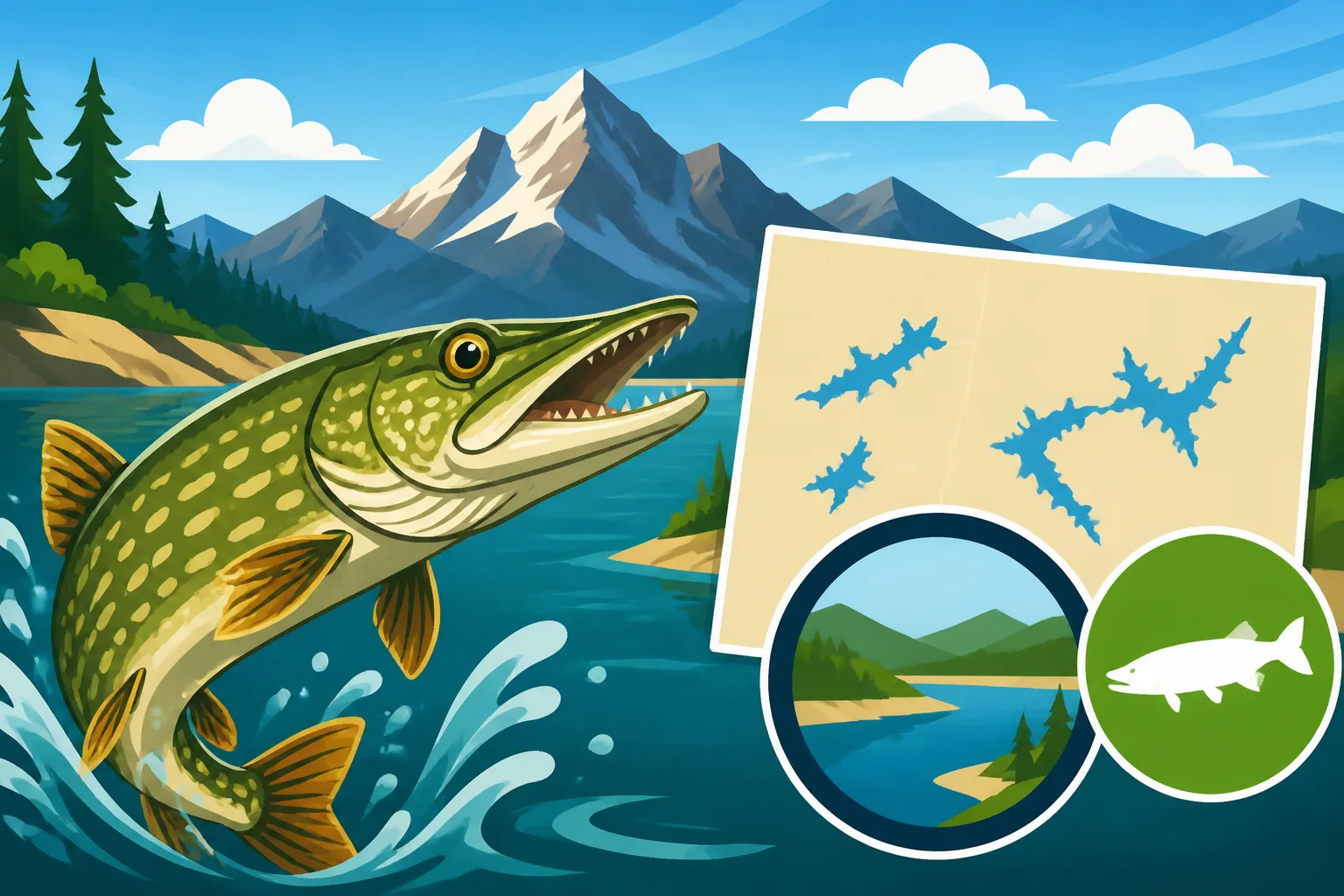
Northern pike are truly impressive fish, with sleek, muscular bodies, duckbill snouts, and rows of razor-sharp teeth. They are ambush predators, often lurking in weed beds or submerged structures, waiting to dart out and devour unsuspecting prey. While they offer an exciting challenge for anglers, their presence in Colorado's aquatic ecosystems is a bit of a mixed bag, leading to careful management by wildlife agencies.
Why Northern Pike are Present: Stocking vs. Illegal Introductions
It might surprise some to learn that northern pike weren't always a widespread species across Colorado. In many cases, their presence is due to intentional, managed stocking programs by Colorado Parks and Wildlife (CPW) in specific lakes and reservoirs where they serve a purpose, often to control populations of overabundant prey fish or provide a unique sportfishing opportunity. These are often larger, warm to cool-water impoundments where pike can thrive without severely impacting sensitive native trout populations.
However, a significant portion of pike populations in other waters stems from illegal introductions. This practice, often referred to as "bucket biology," involves individuals illegally transporting live fish from one body of water and releasing them into another. The intentions behind these acts might vary, from creating a new fishery for a desired species to attempting to introduce a forage base. Unfortunately, the consequences are often disastrous, disrupting delicate ecosystems and threatening native species that have no natural defenses against such a formidable predator. When pike show up in high-country lakes or prime trout waters where they were never intended, it’s almost always a result of these unlawful introductions, and it presents a serious challenge for conservation efforts.
Impact on Native and Desirable Species
The presence of northern pike, especially when illegally introduced, can have a profound impact on the local fish populations. They are voracious eaters, consuming large quantities of smaller fish, including juvenile trout, kokanee salmon, and even other sportfish. In high-altitude lakes or pristine cold-water rivers, where native cutthroat trout or sensitive aquatic invertebrates thrive, the introduction of pike can decimate populations that took decades, if not centuries, to establish.
For instance, in certain reservoirs managed for trophy trout or kokanee, pike can reduce the overall numbers of these target species, leading to fewer fish for anglers and a less diverse ecosystem. CPW often has to implement aggressive management strategies, including culling pike, to protect these valuable fisheries. It's a constant balancing act between managing existing populations for sportfishing where appropriate and actively working to remove them from sensitive waters where they pose a threat. Anglers are often encouraged to keep all pike they catch in certain waters precisely for this reason, to help control their numbers and mitigate their impact. You'll find specific bag and possession limits for many species, including pike, detailed in the annual Colorado Fishing Regulations Every Angler Should Know brochure.
Major Colorado Reservoirs Known for Northern Pike
While pike can pop up in unexpected places, there are several key reservoirs across Colorado where they are a known and often targeted species. These waters vary greatly in size, depth, and overall ecosystem, but they share the common thread of providing suitable habitat for these toothy predators.
Front Range Favorites
For anglers living along the bustling Front Range, several reservoirs offer opportunities to tangle with northern pike. These spots are often popular and accessible, making them great options for a day trip.
One of the most well-known pike destinations on the Front Range is Chatfield Reservoir near Denver. While Chatfield is primarily famous for its excellent walleye, smallmouth bass, and rainbow trout fishing, it also holds a healthy population of northern pike. These fish tend to hang around the extensive weed beds and submerged timber, especially in the shallower bays and coves. Anglers targeting pike here often use larger spoons, spinnerbaits, or swimbaits. The pike in Chatfield can grow quite large, offering a real challenge. You'll often find them lurking near the inlets or areas with structure. Fishing Chatfield Reservoir covers other species and tactics as well.
Similarly, Cherry Creek Reservoir, also in the Denver metro area, is another excellent pike option. Like Chatfield, Cherry Creek is a multi-species fishery, but it provides ample habitat for pike in its coves and shallower, vegetated areas. Anglers report good success casting big baits or trolling for them, especially during the cooler months. The pike here are aggressive and can offer a thrilling fight, sometimes surprising an angler who might have been expecting a walleye.
Boulder Reservoir is another Front Range lake that holds northern pike. It's a popular spot for a variety of water sports, but serious anglers know it for its pike potential. The reservoir has good weed growth and areas with submerged structure, creating ideal ambush points. Early mornings or late evenings tend to be the most productive times, particularly as water temperatures start to cool.
Western Slope Hotspots
Moving west, Colorado's vast Western Slope offers some truly exceptional pike fisheries, often in larger, more remote, and deeper reservoirs. These waters can produce some truly trophy-sized fish.
Blue Mesa Reservoir is perhaps Colorado's most famous northern pike fishery. Located near Gunnison, it's the largest body of water in Colorado and holds an abundance of baitfish, including kokanee salmon, which pike absolutely love. While Blue Mesa is renowned for its trophy lake trout and kokanee salmon, it also hosts a substantial population of very large pike. CPW actively manages pike in Blue Mesa, with regulations encouraging anglers to harvest them to help balance the ecosystem. You'll find pike throughout the reservoir, particularly in the many arms and bays with submerged timber and weed lines. Anglers often troll large crankbaits or cast big spoons and soft plastics to entice these monsters. Fishing Blue Mesa Reservoir for Lake Trout and Fishing Blue Mesa Reservoir for Kokanee Salmon are also great resources, but remember that pike are often a bycatch or target in these same waters.
Another prime Western Slope location is Williams Fork Reservoir near Parshall. This reservoir is known for its cold, deep waters and excellent trout fishing, but it also has a significant pike population. Pike here tend to patrol the shallower margins and areas with structure, especially during warmer periods. They can grow quite large, feeding on the abundant forage fish. Anglers often target them by casting large spoons, jerkbaits, or even using dead bait under a bobber.
Other Notable Waters
Beyond the major hotspots, northern pike can be found in a scattering of other waters across the state, each offering a slightly different experience.
Eleven Mile Reservoir in South Park is widely celebrated for its trophy trout fishing. However, it also has a reputation for large northern pike. These pike are particularly predatory towards the reservoir's trout, leading to specific regulations aimed at encouraging pike harvest. Anglers often catch pike while trolling for trout or by deliberately targeting them with large spoons and swimbaits in the weedier bays. The sheer size of some of the pike in Eleven Mile can be truly astounding, providing an unexpected thrill for those accustomed to trout. Fishing Eleven Mile Reservoir delves into other aspects of this popular spot.
Just upstream from Eleven Mile, Spinney Mountain Reservoir also holds northern pike, though perhaps in slightly lesser numbers than its downstream neighbor. Spinney is a Gold Medal Water, primarily managed for trophy trout, but pike will certainly make an appearance. They present a challenge and a management concern in this premier trout fishery. Like Eleven Mile, anglers often encounter them while pursuing trout, or they can be targeted in specific areas with heavy cover. Knowing Do You Need a Boat to Fish Spinney Mountain Reservoir? can help you plan your pike hunt here.
Down in Southern Colorado, Pueblo Reservoir is another reservoir where northern pike can be found. Known for its warmwater species like walleye, bass, and crappie, Pueblo's extensive shoreline structure and varied depths also provide excellent habitat for pike. They are often found in the shallower, weedy areas or around submerged brush piles. Anglers targeting other species frequently hook into pike, confirming their presence and the excitement they bring to the fight.
Here's a quick look at some key Colorado reservoirs known for Northern Pike:
| Reservoir Name | Region | Primary Species (Also Known For) | Pike Presence | Typical Pike Size | Best Tactics |
|---|---|---|---|---|---|
| Blue Mesa Reservoir | Western Slope | Lake Trout, Kokanee Salmon | High | Large, Trophy | Trolling large crankbaits, spoons, dead bait |
| Chatfield Reservoir | Front Range | Walleye, Smallmouth Bass, Trout | Moderate | Medium to Large | Large spoons, spinnerbaits, swimbaits, jerkbaits |
| Cherry Creek Reservoir | Front Range | Walleye, Bass, Crappie | Moderate | Medium to Large | Large spoons, spinnerbaits, swimbaits, trolling |
| Eleven Mile Reservoir | South Park | Trophy Trout | Moderate | Large, Trophy | Trolling, large spoons, swimbaits |
| Williams Fork Reservoir | Western Slope | Trout | Moderate | Medium to Large | Large spoons, jerkbaits, dead bait |
| Boulder Reservoir | Front Range | Walleye, Wipers | Low to Moderate | Medium | Spoons, spinnerbaits |
| Spinney Mountain Reservoir | South Park | Trophy Trout | Low to Moderate | Medium to Large | Trolling, large spoons, swimbaits |
| Pueblo Reservoir | Southern CO | Walleye, Bass, Wipers | Moderate | Medium | Spinnerbaits, swimbaits, jerkbaits |
Strategies for Targeting (or Avoiding) Northern Pike
Whether you're actively seeking to land a trophy pike or hoping to avoid them while fishing for other species, understanding their habits and the right gear is crucial. These fish are powerful, and if you're not prepared, they can quickly destroy lighter tackle.
Gear and Techniques for Pike
If you're heading out specifically for northern pike, you need to arm yourself appropriately. These fish are known for their explosive strikes and formidable teeth, which can easily cut through standard monofilament or fluorocarbon lines.
- Rods and Reels: Opt for a medium-heavy to heavy action spinning or baitcasting rod, typically 7 to 8 feet long. This gives you the power to cast larger lures and handle a hard-fighting fish. Pair it with a sturdy reel spooled with 30-50 pound braided line. Braid offers excellent strength and sensitivity, which is crucial for feeling those subtle takes or detecting strikes from far away.
- Leaders: This is arguably the most critical piece of gear for pike. You absolutely need a steel or heavy fluorocarbon leader (60-100 pound test) to prevent bite-offs. Pike teeth are no joke. Many anglers prefer pre-made steel leaders, available from tackle shops or online retailers like Amazon, which come with swivels and snaps for easy lure changes.
- Lures: Pike are attracted to flashy, noisy, and large presentations.
- Spoons: Classic red-and-white or silver spoons are incredibly effective. Their wobbling action mimics injured baitfish.
- Spinnerbaits: Large spinnerbaits with tandem blades create a lot of flash and vibration, irresistible to an ambush predator.
- Jerkbaits and Crankbaits: Long, minnow-imitating jerkbaits or diving crankbaits in natural or bright colors (firetiger is a pike favorite) are excellent for covering water.
- Swim Baits: Large soft plastic swimbaits, often weighted, can be deadly when fished with a steady retrieve or a jigging motion.
- Dead Bait: In some waters, and where regulations allow, using large dead baitfish (like suckers or smelt) suspended under a large bobber or fished on the bottom can be very effective, especially for larger, lazier pike.
When casting, focus on areas with submerged structure, weed lines, drop-offs, and points. Pike love to sit on the edge of cover, waiting for prey to pass by. A brisk retrieve with occasional pauses or jerks often triggers strikes.
Identifying Pike Habits and Prime Times
Northern pike are ambush predators, and their behavior is largely dictated by water temperature, light conditions, and the presence of their preferred prey. Understanding these factors can significantly improve your chances of success.
- Seasonality: While pike can be caught year-round, spring and fall are often considered the prime seasons. In the spring, after ice-out, pike move into shallower waters to spawn, and they are often very aggressive as they recover. In the fall, as water temperatures cool, they go on a feeding frenzy to bulk up for winter, making them highly active. During the summer, they tend to retreat to deeper, cooler water during the hottest parts of the day, moving shallower in the mornings and evenings. They are also a popular target for Ice Fishing in Colorado, Getting Started, often biting well through the ice.
- Time of Day: Early morning and late afternoon/evening tend to be the most productive times, especially during warmer months. During these periods, light levels are lower, and many baitfish are more active, creating better ambush opportunities for pike. Overcast days can also extend the prime bite throughout the day.
- Habitat: Pike are masters of camouflage and cover. Look for them in areas with:
- Weed Beds: Submerged vegetation provides excellent cover and acts as a hunting ground.
- Submerged Timber and Rock Piles: These structures offer ambush points and shade.
- Drop-offs and Points: Pike often patrol the edges of sudden depth changes, intercepting baitfish moving between deep and shallow water.
- Inlets and Outlets: Moving water can concentrate baitfish, attracting pike.
If you're trying to avoid pike while fishing for other species, the general advice is to fish in deeper, more open water away from heavy cover, and use smaller lures that are less attractive to a large predator. However, a big pike will still take a small trout fly or lure if it's hungry enough!
Regulations and Responsible Angling
Colorado Parks and Wildlife manages northern pike populations through specific regulations, which can vary by body of water. It's absolutely crucial to Reading Colorado's Fishing Regulations Brochure every year, as rules can change.
- Bag and Possession Limits: In some waters, especially those where pike are deemed detrimental to other species (like trout or kokanee), CPW may impose very liberal bag limits, even encouraging anglers to harvest all pike caught. For example, at Blue Mesa Reservoir, there is currently no bag or possession limit for northern pike under a certain length, and a daily bag limit on larger pike. This is a clear directive to help reduce their numbers. Always check the regulations for the specific body of water you are fishing. You can usually find Colorado Bag and Possession Limits by Species in the current fishing brochure.
- Harvest vs. Release: If the regulations encourage harvest, please do your part. By keeping the pike you catch (and consuming them, as they are quite tasty!), you're directly contributing to the health of the fishery and helping to protect other species. If you do release a pike, handle it with extreme care due to its sharp teeth and powerful jaws. A long-nosed pliers or a jaw spreader can be invaluable for removing hooks safely without injuring yourself or the fish.
- Illegal Stocking: Never, ever introduce fish from one body of water into another. This "bucket biology" is illegal in Colorado and carries severe penalties. As discussed earlier, it can devastate ecosystems and harm native fish populations. You'll often see signs at boat ramps reminding anglers of this critical rule.
What to Do If You Catch a Pike (And What Not To Do)
Catching a northern pike can be an exhilarating experience, especially if you weren't expecting it! But their powerful nature and sharp teeth require a specific approach to ensure safety for both you and the fish.
Handling and Release (or Retention)
Whether you plan to keep your pike for dinner or release it, knowing how to handle it is paramount.
- Safety First: Pike have incredibly sharp teeth, not just on their jaws but also on their tongue and gill rakers. Never stick your hand in a pike's mouth. A sturdy pair of long-nosed pliers or a hook remover is essential for extracting hooks. A jaw spreader can also be very helpful to safely access the hook. Some anglers even carry a specialized "pike glove" or lip grippers.
- Landing the Fish: When landing a pike, avoid grabbing it by the eye sockets (a common technique for walleye, but unsafe for pike). The best method is to use a large, rubberized landing net to minimize damage to the fish and keep it contained. If you don't have a net, you can carefully slide your hand under its belly and support its head while quickly removing the hook.
- Quick Hook Removal: Once landed, work quickly to remove the hook. If the fish is to be released, minimize its time out of water. Use your pliers to quickly dislodge the hook.
- The "Gill Grab" (Advanced): For experienced anglers who plan to retain the fish, a common method for handling a larger pike is the "gill grab." You slide your hand under the gill plate from the bottom, reaching up to grasp the underside of the gill arch. This immobilizes the fish and allows you to lift it safely. WARNING: This technique requires practice and extreme caution, as inserting your hand incorrectly can severely injure the fish or cut your hand on the sharp gill rakers. It's generally best reserved for fish you intend to keep and for experienced anglers. For catch-and-release, a net and pliers are safer for both parties.
- Proper Release: If releasing, ensure the fish is fully revived before letting it go. Hold it gently in the water, supporting its belly, and allow water to flow over its gills until it can swim away under its own power. This is particularly important for large fish.
- Retention: If you decide to keep your pike, dispatch it quickly and humanely. Pike are excellent eating, with firm, white, flaky meat. Be aware of Colorado Daily Bag Limits by Species and Possession Limits vs Daily Limits in Colorado as they apply to pike.
Preventing Further Spread
The issue of illegal fish introductions is a constant battle for Colorado Parks and Wildlife. As responsible anglers, we all have a role to play in preventing the further spread of non-native species, especially predators like northern pike, into sensitive ecosystems.
- Clean, Drain, Dry: This mantra isn't just for aquatic nuisance species like zebra mussels; it applies to preventing fish transfer too. Always clean your boat, waders, and fishing gear thoroughly between fishing trips, especially when moving between different bodies of water. Make sure to drain all water from your boat, livewells, and bait buckets.
- Never Transfer Live Fish: It's illegal and incredibly damaging. Even if you think you're helping, you could be setting a new population of a problematic species loose. If you catch a fish you don't recognize or that seems out of place, consult the CPW regulations or release it immediately in the same water.
- Educate Others: If you see someone engaging in suspicious activity or discussing transferring fish, gently educate them on the risks and legality. We all share the responsibility of protecting Colorado's precious fisheries. The health of our waters and the future of fishing depend on it.
Northern pike offer a thrilling angling experience in Colorado, providing a chance to target a powerful, toothy predator that fights hard and can grow to impressive sizes. By understanding which reservoirs hold them, what gear and tactics to use, and how to practice responsible angling, you can make the most of your pike fishing adventures while also contributing to the health of Colorado's diverse aquatic ecosystems. Tight lines out there!
Disclaimer
This article is for general informational purposes only and does not constitute professional advice. Laws, prices and regulations vary by location and change over time. Consult a qualified professional for guidance on your specific situation.