Reading Colorado’s Fishing Regulations Brochure
Oh, the Colorado fishing regulations brochure. Just seeing those words probably brings a slight tremor to your hand, doesn't it? For many of us, it feels less like a helpful guide and more like a legal document written in a language only lawyers and wildlife officers truly understand. You're not alone if you've ever stared at a page, trying to decipher what applies to your specific fishing spot, feeling that knot of anxiety about accidentally breaking a rule. This comprehensive guide is here to break down that intimidating document, helping you navigate its complexities so you can spend less time scratching your head and more time enjoying Colorado's incredible waters, confident you're fishing by the book.
Why the Colorado Fishing Regulations Brochure is Crucial, Not Just Confusing
Let's be honest, few of us eagerly await the new fishing regulations brochure each year. It's often viewed as a necessary evil, a thick pamphlet filled with tiny print and seemingly endless exceptions. But here's the thing: understanding this document isn't just about avoiding a hefty fine (though that's certainly a motivator!). It's about protecting the very resource we love – the fish, their habitats, and the future of fishing in Colorado. It’s also about ensuring a safe and fair experience for everyone out on the water.
More Than Just a Rulebook
Think of the regulations brochure as a cornerstone of conservation. Every rule, from bag limits to bait restrictions, is designed with a specific purpose in mind, usually to maintain healthy fish populations or protect sensitive ecosystems. For instance, those strict catch-and-release rules on certain Gold Medal Waters aren't there to make your life harder; they're in place because those specific stretches of river hold exceptionally large, wild trout that need extra protection to thrive and reproduce. Without these rules, overfishing could quickly deplete a fishery, ruining it for everyone. The brochure also covers important safety information, like boating regulations on certain reservoirs or closures due to wildlife activity, which can keep you out of harm's way.
Avoiding Common Mistakes
The fear of making a mistake is real. Imagine spending a glorious day on the Colorado River Fishing From Glenwood Canyon to Kremmling, only to realize you kept one too many brown trout or used the wrong kind of bait. That sinking feeling in your stomach is something no angler wants to experience. Ignorance of the law is never an excuse, and game wardens are out there to enforce these rules. Fines can range from a few hundred dollars to thousands, depending on the severity of the violation, not to mention potential loss of fishing privileges. By taking the time to understand the brochure, you're not just being a law-abiding citizen; you're safeguarding your wallet and your future fishing adventures. It's truly worth the effort to become familiar with rules like those covered in the general guide, Colorado Fishing Regulations Every Angler Should Know.
Navigating the Digital vs. Physical Brochure
In today's world, you have options for accessing these regulations. Both the digital and physical versions have their pros and cons, and knowing how to find and use each can save you a lot of headache, especially when you're out in the field.
Finding the Latest Version Online
The Colorado Parks and Wildlife (CPW) website is your absolute best friend when it comes to the regulations. Each year, usually in March, they release the updated brochure, and it's immediately available as a downloadable PDF. This is fantastic because you always have access to the most current information, which is paramount since regulations do change. You can pull it up on your smartphone or tablet right there on the bank, pinch and zoom to read the fine print, and even use the search function to quickly find specific terms or water bodies. I always recommend downloading a copy to your device, even if you plan on printing it, because cell service isn't always reliable in those beautiful, remote Colorado fishing spots we all love. Having it offline is a lifesaver.
Where to Grab a Physical Copy
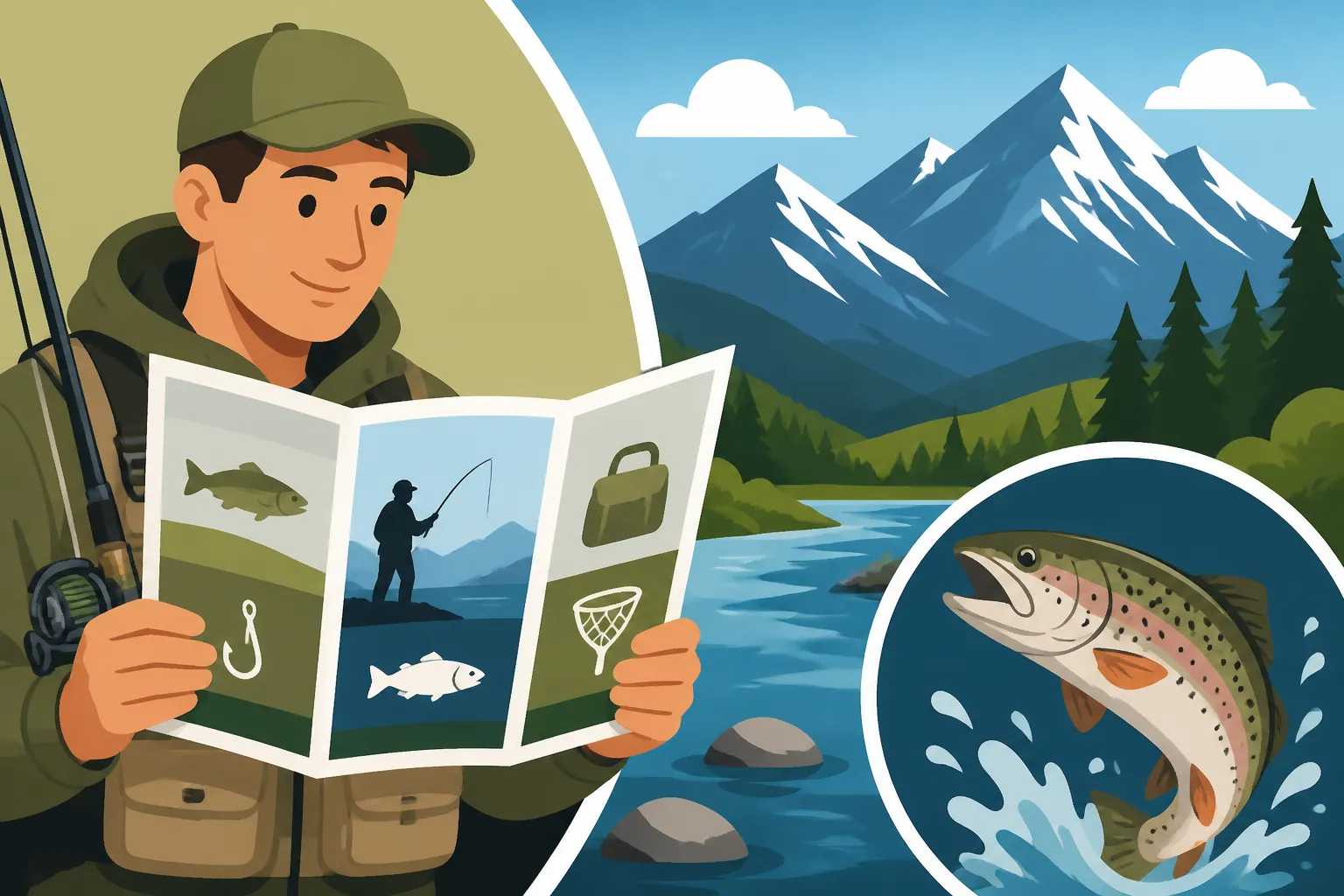
While digital is convenient, there's something to be said for a good old-fashioned printed brochure. Many anglers, myself included, prefer to mark pages, highlight key rules, and scribble notes right in the margins. It’s a tactile experience that often helps information stick better. You can pick up a physical copy at almost any location where you can buy a fishing license: major sporting goods stores like Cabela's or Sportsman's Warehouse, smaller local bait and tackle shops, and of course, any Colorado Parks and Wildlife office. When you renew your annual license, they usually offer you a copy right there. Keep a few copies – one for your tackle box, one for your truck, and maybe one for your coffee table for those late-night regulation deep-dives. While not a regulation brochure itself, having a good pair of polarized sunglasses for reading regulations on sunny days or a small waterproof case for your physical copy, both easily found on Amazon, can make the experience more comfortable.
Deconstructing the Key Sections of the Brochure
The brochure is laid out logically, but knowing where to look for what information is half the battle. It's typically divided into several main sections, each crucial for a different aspect of your fishing trip.
Understanding Statewide Regulations
At the beginning of the brochure, you'll find the general statewide regulations. These are the foundational rules that apply almost everywhere in Colorado unless a specific body of water has a special provision. This section covers things like legal fishing methods (e.g., fly fishing, spin fishing, bait fishing), general bag and possession limits for common species like trout, and definitions of terms like "snagging" or "unattended line." You'll also find details about purchasing a fishing license, including who needs one and different options like annual, one-day, or five-day licenses. This is also where you'll find information about mandatory stamps, like Colorado's Habitat Stamp, Explained which is required for most anglers aged 18-64, and the often-overlooked Colorado's Second-Rod Stamp and Who Needs One if you plan to fish with more than one line. Don't skip these seemingly boring sections; they set the baseline for everything else!
Decoding Water-Specific Regulations
This is where things can get a little tricky, but it's also where the most important details often reside. After the statewide rules, the brochure dives into specific regulations for individual waters, organized either geographically or alphabetically. Colorado has thousands of lakes, reservoirs, and miles of rivers, and many of them have unique rules that supersede the general statewide regulations.
For example, a section might list specific length limits for trout on a particular river, or a ban on bait on a certain lake. You’ll often see these listed with the body of water name, followed by specific rules. This is especially true for our famed Colorado Gold Medal Water Regulations Explained, which almost always have special provisions such as mandatory catch-and-release, flies and lures only, or barbless hooks. Always double-check this section for your intended fishing destination. If you're heading to a popular spot like the South Platte River near Deckers or Cheesman Canyon, you can bet there are highly specific rules you must know.
Species-Specific Rules and Limits
While the statewide section provides general limits, the brochure will also detail Colorado Bag and Possession Limits by Species where they differ or have additional nuances. For instance, while trout often have a general limit, specific species like kokanee salmon might have very different rules, especially during their spawning runs. Walleye, northern pike, and bass also frequently have specific length and bag limits that vary by water body to help manage their populations.
It’s not uncommon to see different limits for different species within the same body of water. You might be able to keep 4 trout, but only 1 northern pike over 24 inches. Pay close attention to these details, as misidentifying a fish or misunderstanding its specific limit could lead to trouble. The brochure will often include helpful illustrations or descriptions to aid in species identification, which is particularly useful for distinguishing between native cutthroat trout and their rainbow relatives.
Common Pitfalls and How to Avoid Them
Even with the brochure in hand, it's easy to overlook a critical detail or misinterpret a rule. These common pitfalls often trip up even experienced anglers.
The Habitat Stamp and Who Needs One
One of the most frequent questions (and sources of confusion) revolves around the Colorado Habitat Stamp. Many anglers mistakenly believe that once they've bought their fishing license, they're good to go. However, most residents and non-residents between the ages of 18 and 64 are required to purchase a Habitat Stamp annually in addition to their fishing license. This stamp is vital for funding habitat restoration and conservation projects across the state, benefiting countless wildlife species, including our beloved fish. If you already have a hunting license, you typically only need one stamp per year, as it covers both activities. Always check the current regulations or the Colorado Fishing License Guide for Residents and Nonresidents to confirm if you need one. Forgetting this small detail can result in a fine, making an otherwise enjoyable day a costly one.
The Second-Rod Stamp for Multi-Rod Anglers
Another common oversight, especially for those who like to fish multiple lines in still waters, is the second-rod stamp. In Colorado, if you plan to use more than one rod (up to a maximum of two rods) at the same time, you are required to purchase a second-rod stamp. This applies to still water only, like lakes and reservoirs; you cannot fish with two rods on rivers or streams. This stamp is often an inexpensive add-on when you purchase your main license, but forgetting it can lead to a citation. Imagine you're ice fishing on Blue Mesa Reservoir, happily jigging with two lines, only to find out you're in violation because you didn't have that extra stamp. It’s a simple requirement, but easily missed if you don’t thoroughly read the statewide regulations section.
Navigating Catch-and-Release vs. Harvest Rules
The distinction between catch-and-release and harvest rules is critical, especially when fishing Colorado's world-class trout waters. Many stretches, particularly Gold Medal Waters, are designated as "catch-and-release only" or have strict length limits (e.g., "all trout between 12 and 20 inches must be immediately released"). These rules are designed to protect larger, breeding fish.
Understanding Catch-and-Release Rules on Colorado's Cutthroat Waters means not just letting fish go, but doing so properly. This includes minimizing handling, keeping the fish in the water as much as possible, and using barbless hooks. In fact, many waters require barbless hooks to further reduce harm to fish. The brochure clearly outlines these specifics, sometimes even providing guidance on handling fish. If you're on a "flies and lures only" water, you won't be able to use bait at all. It's not enough to know the general limits; you must know the specific rules for your chosen fishing spot regarding what you can keep, what you must release, and how you can go about it.
Here's a quick reference table for some common regulations nuances:
| Regulation Type | General Statewide Rule (Examples) | Water-Specific Exception (Examples) | Key Considerations |
|---|---|---|---|
| Trout Bag Limit | 4 trout total, any species | 2 trout under 12 inches (e.g., South Platte River) | Check for specific length windows and species limits. |
| Bait Use | Legal on most waters | Flies & Lures Only (e.g., many Gold Medal Waters) | Some waters restrict bait to protect fish or water quality. |
| Barbless Hooks | Not generally required | Required on specific rivers (e.g., Fryingpan River) | Essential for catch-and-release survival on sensitive fisheries. |
| Second Rod | Allowed with stamp on still waters | Not allowed on any moving water (rivers/streams) | Applies to lakes and reservoirs only; one stamp for up to two rods. |
| Season Dates | Year-round for many species | Specific closures for spawning (e.g., Kokanee salmon runs) | Always check for seasonal closures, especially for game species like kokanee. |
Real-World Scenarios and Practical Application
Now that we've broken down the brochure's structure and common pitfalls, let's put it into action with a couple of typical Colorado fishing scenarios. This is where understanding the brochure really pays off.
Planning a Trip to a Gold Medal Water
Imagine you're planning a bucket-list trip to the Dream Stream, the famous stretch of the South Platte River between Spinney Mountain and Eleven Mile Reservoirs. This is a highly productive, but also highly regulated, piece of water.
First, you'd open your regulations brochure (or the PDF on your phone). You'd look for the "South Platte River" entry, specifically the section for the "Dream Stream." There, you'd immediately see it's designated as Gold Medal Water. This almost certainly means specific rules. You'd likely find:
- Artificial flies and lures only: No worms, powerbait, or any organic bait.
- Barbless hooks required: A crucial detail for protecting the large, wild trout here.
- Catch-and-release only: Or perhaps a very strict slot limit, like "all fish between 12 and 20 inches must be released, only one fish over 20 inches allowed." For the Dream Stream specifically, the current rule is generally catch and release only, with artificial flies and lures and barbless hooks.
- No wading in spawning areas during certain times: The brochure might highlight seasonal closures or restrictions to protect spawning fish.
You'd then confirm you have your annual Colorado fishing license and, if applicable, your Habitat Stamp. You'd also check Colorado Fishing Season Dates and Bag Limits to make sure there aren't any unexpected closures. Missing any of these details could lead to a fine and a very disappointing trip. For instance, an angler once told me how he drove hours to fish the Dream Stream, only to realize he'd forgotten to crimp his barbs, forcing him to spend the first hour on the bank carefully removing them from his entire fly box. A quick check of the regulations beforehand could have prevented that frustration.
Fishing a Front Range Reservoir
Let's say you're taking your family out for a relaxed day of fishing at a popular Front Range spot like Chatfield Reservoir. This scenario presents a different set of challenges and opportunities.
You’d check the regulations for Chatfield Reservoir. While it might have some general statewide rules, it's a large, diverse fishery with warmwater species like walleye, smallmouth bass, and even channel catfish, alongside stocked rainbow trout. The specific regulations might indicate:
- Different bag limits for different species: You might have a daily limit for trout, but a separate, stricter limit for walleye, often with minimum length requirements.
- Bait allowed: Unlike many trout rivers, bait (worms, minnows, dough baits) is generally permitted on these reservoirs.
- Second-rod stamp: If you or your family members want to fish with two rods each, you'd need to ensure everyone aged 18-64 has a second-rod stamp in addition to their regular license.
- Ice fishing specific rules: If you're going in winter, there might be specific rules about ice thickness or shelter types.
You'd also want to ensure everyone has their appropriate Do Kids Need a Fishing License in Colorado? or adult licenses. This is a situation where having multiple species can complicate things, as one might require catch-and-release while another allows harvest. The brochure would be your ultimate authority on distinguishing these rules. Using a fishing app that helps identify species, available on app stores like Amazon or Google Play, can complement your brochure knowledge for accurate identification.
Beyond the Brochure: Supplemental Resources
While the regulations brochure is the ultimate authority, it's not the only tool in your angler's toolbox. Colorado Parks and Wildlife, along with local communities, provide several other excellent resources that can help you plan your trips and interpret the rules even better.
Colorado's Fishing Atlas and Stocking Reports
The CPW Fishing Atlas is an absolute game-changer. It's an interactive online map that shows you public fishing access points, boat ramps, fish species present in various waters, and most importantly, links directly to the specific regulations for each identified body of water. Imagine being able to click on a lake or river and instantly see its unique rules without flipping through pages! This tool is invaluable for trip planning and ensuring you're compliant.
In conjunction with the Fishing Atlas, CPW also publishes weekly stocking reports. This report, easily accessible online, tells you exactly which lakes and reservoirs have been stocked with trout (and sometimes other species), when, and what size. Knowing When Colorado Parks and Wildlife Starts Stocking Trout Each Spring and where they're putting fish can greatly influence your trip planning. You can also learn how to effectively use these tools by checking out resources like Reading Colorado's Weekly Stocking Report. While the brochure tells you what the rules are, the Fishing Atlas and stocking reports tell you where and when to apply them for the best fishing experience.
Local Expertise and Community
Never underestimate the power of local knowledge. Your local fly shop or bait and tackle store isn't just a place to buy gear; it's a hub of information. The staff usually fish these waters regularly and can offer insights that even the best brochure can't convey. They often know about recent changes, specific hatches, or particular spots that are fishing well. Don't be shy to ask them about local regulations, especially on those more obscure smaller streams or ponds that might have unique nuances.
Online forums and local fishing clubs are another fantastic resource. Anglers often share their experiences, observations, and tips, sometimes even pointing out subtle regulation details that are easy to miss. Just remember to always verify any advice with the official CPW regulations; personal anecdotes, while helpful, should never override the official printed rules. Building a relationship with your local fishing community can enhance your understanding of both the fish and the rules that protect them.
Disclaimer
The information provided in this guide is for general informational purposes only and is not a substitute for the official Colorado Parks and Wildlife fishing regulations brochure. Regulations can change annually and it is always the angler's responsibility to consult the most current official brochure before fishing. Always refer to the latest version of the Colorado Fishing Regulations available on the Colorado Parks and Wildlife (CPW) website or at licensed vendors.