Colorado’s Second-Rod Stamp and Who Needs One
One of the most common head-scratchers for anglers in Colorado is navigating the ins and outs of fishing regulations. Many folks grasp the basic idea of needing a fishing license, but when it comes to specific add-ons like the second-rod stamp, confusion often sets in. This comprehensive guide will clear up exactly what Colorado's second-rod stamp is, who genuinely needs one, and how it fits into your overall fishing adventure here in the Centennial State.
Understanding Colorado's Second-Rod Stamp
Fishing in Colorado is a cherished pastime, but like any regulated activity, it comes with its own set of rules designed to manage resources and ensure sustainable angling for generations to come. The second-rod stamp is one of those rules, and it’s often misunderstood. It’s not just an arbitrary fee; it’s a specific authorization that allows you to double your chances of a bite.
Defining the Purpose of the Stamp
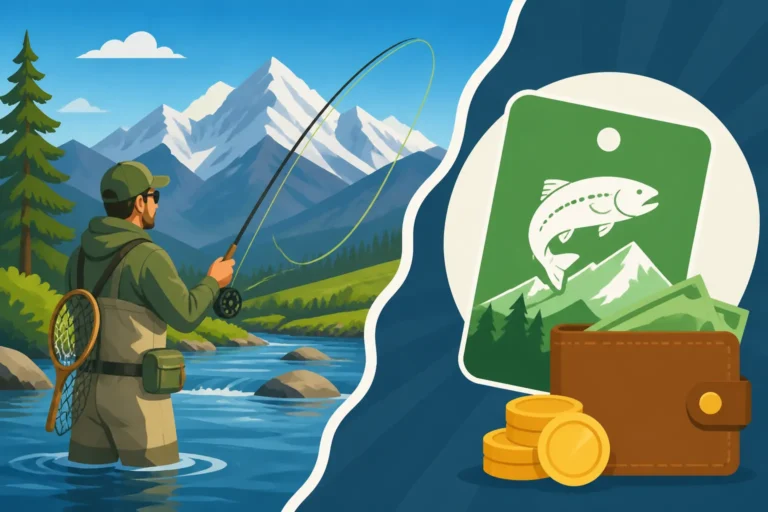
At its core, the Colorado second-rod stamp is an additional endorsement you purchase alongside your standard fishing license, granting you the legal right to fish with two rods or lines simultaneously. Without this stamp, your regular fishing license only permits you to use a single rod and line at any given time. Imagine you’re out on a beautiful reservoir, say Blue Mesa Reservoir for Kokanee Salmon, and you want to try trolling with one setup while bottom-fishing with another for lake trout. This is precisely when the second-rod stamp becomes not just convenient, but absolutely necessary. It's about maximizing your angling effort within the bounds of responsible fishing practices.
The intent behind allowing two rods, once authorized, is to enhance the fishing experience without over-harvesting. It acknowledges that sometimes, especially in larger bodies of water or when targeting different species, having an extra line in the water can significantly improve your chances or allow for different techniques. It's a way for Colorado Parks and Wildlife (CPW) to offer flexibility to anglers while still maintaining control over fishing pressure.
Distinguishing from a Regular Fishing License
It’s crucial to understand that the second-rod stamp is not a standalone license; it's an add-on. Think of it like a specialty endorsement on your driver’s license—you need the base license first, then you can add on privileges. You cannot, for example, purchase only a second-rod stamp and expect to fish legally. You must first possess a valid annual, one-day, or five-day Colorado Fishing License Guide for Residents and Nonresidents for your age and residency status.
This distinction is vital for compliance. A wildlife officer checking your license will expect to see your primary fishing license in conjunction with the second-rod stamp if you are actively using two lines. Failing to have both, or having only the stamp without a valid license, would be considered fishing illegally. The cost of the stamp is separate from your main license fee, and it contributes to a different aspect of wildlife management, which we'll delve into next. For those curious about the base costs, our guide on Colorado Fishing License Costs Explained offers a detailed breakdown.
Its Contribution to Conservation
Like all fees and licenses issued by Colorado Parks and Wildlife, the revenue generated from the second-rod stamp plays a direct role in funding critical conservation efforts across the state. These funds support fish stocking programs, habitat restoration projects, access improvements at various fishing locations, scientific research, and enforcement activities. When you purchase a second-rod stamp, you're not just buying the right to use an extra line; you're investing directly back into the health and future of Colorado's aquatic ecosystems.
Consider the immense work that goes into maintaining healthy fish populations in diverse waters, from high-alpine lakes to vast plains reservoirs. CPW stocks millions of fish annually, including popular species like rainbow trout, brown trout, and kokanee salmon, ensuring there’s plenty for everyone to enjoy. Your stamp helps pay for the hatcheries, the trucks, and the personnel needed to make this happen. So, while it might feel like another small cost, it's a vital part of the larger conservation puzzle, helping to protect the very resources that draw us to the water in the first place.
Who Absolutely Needs a Second-Rod Stamp in Colorado
This is where the rubber meets the road. Knowing precisely when this stamp is required can save you a potential citation and ensure your day on the water is worry-free. It's simpler than many people imagine, but there are nuances.
Anglers Desiring Two Lines in the Water
The golden rule is straightforward: if you want to fish with more than one line at the same time, you need a second-rod stamp. Period. This applies whether you're fly fishing with two different nymph rigs (though this is less common with fly rods), spin fishing with one rod and a bobber while casting lures with another, or ice fishing with multiple holes. Most anglers think of this in terms of physical "rods," but the regulation actually refers to "lines." While using two rods is the most common way to fish two lines, it's the number of active lines in the water that triggers the requirement.
For example, imagine you're at Chatfield Reservoir trying to catch some walleye. You might set up one rod with a bottom rig and bait, cast it out, and let it sit in a rod holder while you actively cast and retrieve a crankbait with a second rod. In this scenario, both lines are actively fishing, even if one is just "waiting." This clearly requires a second-rod stamp. Many anglers find this particularly useful for species like walleye, pike, or lake trout where different techniques or bait presentations can increase success rates.
Age Requirements and Exceptions
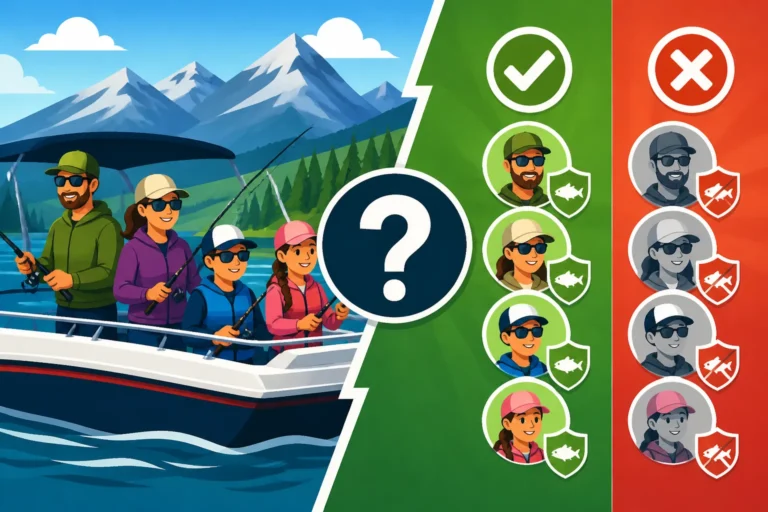
Colorado Parks and Wildlife regulations are usually pretty good about considering age, and the second-rod stamp is no different. The good news for younger anglers is that kids under 16 years of age are generally exempt from needing a fishing license altogether, and this exemption extends to the second-rod stamp as well. This means a child aged 15 or younger can fish with two rods without needing to purchase the stamp, provided they are accompanied by a licensed adult who is actively supervising them. Our post on Do Kids Need a Fishing License in Colorado? offers more details on these youth rules.
However, once a young angler turns 16, they are considered an adult in the eyes of Colorado fishing regulations and must purchase their own fishing license. If they then wish to use two rods, they will also need to purchase the second-rod stamp, just like any other adult. There are no other common age-based exemptions for the second-rod stamp, meaning seniors and veterans, while sometimes eligible for discounted primary licenses, still need the stamp if they opt for two lines.
Understanding the "Actively Attending" Rule
Another critical component of using a second rod (with the stamp, of course) is the "actively attending" rule. This isn't just a suggestion; it's a firm regulation. Colorado law states that all lines must be "actively attended" by the angler. What does "actively attended" mean in practical terms? It means you must be close enough to your fishing lines to exercise immediate control over them. You can't cast out two lines and then wander off to check out a different part of the lake, have a picnic 50 yards away, or take a nap in your car.
A good rule of thumb is that you should be able to see both your rods and reach them quickly if a fish bites. This is especially important in scenarios like ice fishing, where anglers might drill multiple holes. If you're ice fishing, all your tip-ups or jigging rods need to be within your immediate visual and physical reach. This rule is in place to prevent "ghost fishing," where lines are left unattended, potentially leading to lost gear, snagged wildlife, or fish being left on the line for extended periods, causing undue stress or mortality. So, while the second-rod stamp gives you the privilege of two lines, it comes with the responsibility of actively managing both.
Common Misconceptions About the Second-Rod Stamp
It's easy to get tangled up in the rules, especially with something that seems like a small detail. Dispelling common myths about the second-rod stamp can prevent unnecessary frustration and ensure you're always on the right side of the law.
The "One Person, One Rod" Fallacy
Perhaps the most pervasive misconception is the idea that "one person, one rod" is an unbreakable rule in Colorado, regardless of circumstances. This simply isn't true when the second-rod stamp is in play. The stamp exists precisely to allow an angler to break that "one rod" constraint. Many new residents or even long-time visitors assume that Colorado’s regulations are stricter than they actually are, or they might be used to rules from other states. While the baseline is one rod per licensed angler, the second-rod stamp explicitly provides the exception.
This misconception can lead to missed opportunities or, worse, anglers unknowingly limiting their effectiveness. For instance, if you're trolling for lake trout at a deep reservoir like Grand Lake and also want to drop a jig for suspended kokanee, you might hesitate, thinking it's illegal. With the proper stamp, these strategies are perfectly legitimate. It's about being informed and taking advantage of the options CPW provides to enhance your fishing experience.
Misunderstanding Private Water Rules
Another common misunderstanding revolves around fishing on private property or in private lakes. Some anglers mistakenly believe that if they are on private land or fishing in a private pond, state regulations, including the need for a fishing license and stamps, don't apply. This is a potentially costly error. In Colorado, with very few exceptions, state fishing licenses and all associated stamps (like the second-rod stamp and the Colorado's Habitat Stamp, Explained) are required for all waters, public or private, that contain fish.
The key distinction is access. Private land means you need permission from the landowner to access the water. However, once you are there, the fish in that water body are generally considered a public resource, managed by the state, unless it's a truly self-contained, entirely private aquaculture operation. Therefore, if you're fishing with two rods on a friend's ranch pond or a private lake with permission, you still need both your fishing license and the second-rod stamp. Always assume state regulations apply unless you have explicit confirmation otherwise from Colorado Parks and Wildlife, which is extremely rare for fishing.
Assuming It's Included in Your Annual License
Many anglers, especially those who primarily fish with one rod, might scroll through the CPW website or the annual regulations brochure and see the various license options. They might assume that a comprehensive "annual license" would naturally cover everything, including the ability to use multiple rods. This is not the case. The second-rod stamp is always an additional purchase on top of your base fishing license. It's an optional add-on, not an automatic inclusion.
When you go to purchase your license, whether online at CPWShop.com or through a licensed vendor, you'll see the option to add the second-rod stamp as a separate item. The cost is clearly delineated. Missing this option during purchase can lead to a sticky situation if you decide later in the year to try two rods. So, always double-check your purchase summary to ensure you've selected all the necessary permits for your planned activities. This is especially relevant if you're exploring Colorado's Annual, One-Day and Five-Day License Options, as the second-rod stamp applies across all these durations.
Purchasing Your Second-Rod Stamp
Getting your hands on a second-rod stamp is a straightforward process, designed to be convenient for anglers no matter where they are in the state. Just like your regular fishing license, you have a few options for purchase.
Online Through CPWShop.com
The easiest and often most popular way to purchase your second-rod stamp, along with your primary fishing license, is directly through the Colorado Parks and Wildlife online portal, CPWShop.com. This digital platform is designed for user-friendliness, allowing you to buy and manage all your Colorado hunting and fishing licenses from the comfort of your home. You'll simply navigate to the fishing license section, select the type of fishing license you need (resident annual, nonresident five-day, etc.), and then you'll be presented with various add-on options, including the second-rod stamp.
The system will guide you through the purchase, and once completed, you'll receive a digital copy of your license and stamp that you can print at home or keep on your smartphone. Remember, an official digital display on your phone is perfectly acceptable proof of license in Colorado. This online method is fantastic for planning ahead, especially if you're a nonresident planning a trip and want to get all your paperwork in order before you even pack your bags. Our guide on Buying a Colorado Fishing License Online at CPWShop.com goes into greater detail on this process.
In-Person Retailers
For those who prefer a more traditional approach, or who find themselves needing a license on short notice, numerous authorized sales agents across Colorado sell fishing licenses and stamps. These typically include sporting goods stores like Cabela's or Bass Pro Shops, many Walmart locations, and a multitude of smaller independent fishing shops, general stores, and even some hardware stores in rural areas. Just look for businesses displaying the official Colorado Parks and Wildlife license agent signage.
When purchasing in person, you'll need to provide some basic identification, such as a valid Colorado driver's license for residents, or other state-issued ID for nonresidents. The staff at these locations are usually well-versed in the different license types and can help ensure you get the right primary license and add the second-rod stamp if that's what you're after. This is also a great opportunity to ask local questions about current fishing conditions or recommended gear, though remember to buy your gear (like a new fishing reel or a tackle box) from places like Amazon well in advance to avoid last-minute rushes. To find a location near you, check out Where to Buy a Colorado Fishing License in Person.
Purchasing with Your Annual License
Most anglers who plan to use two rods throughout the year will purchase the second-rod stamp at the same time they buy their annual fishing license. This is the most efficient way to do it, ensuring you're covered for the entire license year (which typically runs from April 1st to March 31st of the following year, regardless of purchase date). When you renew your license each spring, you’ll have the option to add the second-rod stamp again if you choose.
It's also possible to add the second-rod stamp later if you didn't buy it initially. If you decide mid-season that you want to start using two rods, you can simply go back to CPWShop.com or visit a vendor and purchase only the second-rod stamp, as long as your primary fishing license is still valid. The system will link it to your existing license profile. This flexibility is helpful for anglers whose fishing plans might change throughout the year.
The Importance of Compliance and Penalties
Understanding the regulations is one thing; adhering to them is another. Compliance with Colorado's fishing laws, including the second-rod stamp, isn't just about avoiding a ticket; it's about respecting the resource and the efforts of others.
Why Wardens Check for It
Colorado Parks and Wildlife officers (game wardens) are tasked with protecting the state's natural resources and ensuring fair and ethical use by recreationists. When a warden encounters an angler, they are checking for a variety of things: a valid fishing license, compliance with bag and possession limits (like How Many Trout You Can Keep Per Day in Colorado), proper bait usage, and, critically, the number of lines in the water. If they observe you using two rods, their next step will be to ask for your second-rod stamp.
Wardens aren't just looking to write tickets; they're educators and stewards of the environment. They want to ensure everyone understands and follows the rules so that Colorado's incredible fishing opportunities can continue to thrive. A simple check helps maintain order, discourages illegal activity, and reinforces the importance of responsible angling practices. These officers are often out in remote areas, dedicated to ensuring wildlife is protected for all to enjoy.
Penalties for Non-Compliance
Fishing without a required license or stamp in Colorado can lead to significant consequences. While specific penalties can vary based on the officer's discretion, the severity of the offense, and whether it's a repeat offense, you can generally expect a citation, which is a criminal misdemeanor in Colorado. The fines can be substantial, often ranging into hundreds of dollars, plus court costs. Beyond the immediate financial impact, there can be administrative penalties, such as points against your license privileges or even temporary suspension of your hunting and fishing rights.
Imagine spending a beautiful day fishing, only to have it ruined by a fine that could have been easily avoided by spending a few extra dollars on a stamp. It's a stark reminder that ignorance of the law is not an excuse. Our guide on Penalties for Fishing Without a License in Colorado details these consequences further. It’s simply not worth the risk. A small investment in the second-rod stamp ensures your peace of mind and keeps you legal.
The Broader Impact of Poaching
Beyond individual penalties, widespread non-compliance, often referred to as poaching when regulations are knowingly violated, has a broader, more detrimental impact on Colorado's fisheries and wildlife. Every regulation, including the second-rod stamp, is designed to help manage pressure on fish populations. When anglers use more lines than permitted without the proper authorization, it can lead to increased harvest rates that are not accounted for in CPW's management models.
This unregulated pressure can deplete fish stocks, particularly in heavily fished areas or for vulnerable species. It undermines the conservation efforts funded by legal license sales and stamps. Essentially, those who flout the rules are taking more than their fair share and diminishing the experience for compliant anglers, while also straining the very resources that make Colorado a world-class fishing destination. Respecting the second-rod stamp, therefore, isn't just about personal compliance; it's an act of collective responsibility towards the future of Colorado fishing. Many anglers purchase useful items like fishing line or hooks from Amazon and rely on these reputable sources, just as CPW relies on revenue from licenses and stamps to uphold fishing quality.
Special Considerations and Multi-Rod Scenarios
While the primary rule for the second-rod stamp is straightforward, there are a few specific scenarios and multi-rod rules that can sometimes cause confusion. Let's clarify these to ensure you're fully prepared for any fishing situation.
Ice Fishing and Multiple Holes
Ice fishing is a unique and popular way to enjoy Colorado's frozen lakes and reservoirs, especially during the colder months. Many ice anglers love the ability to drill multiple holes and use different presentations simultaneously. Good news: the second-rod stamp applies to ice fishing in exactly the same way it does to open water fishing. If you plan to use more than one line while ice fishing – whether that's two jigging rods, a jigging rod and a tip-up, or two tip-ups – you must have a valid second-rod stamp.
The "actively attending" rule is particularly relevant here. You can set up multiple holes, but all your lines must be within your immediate control. You can’t spread your holes across a vast area and leave lines unattended. Typically, this means keeping your holes fairly close together, within a reasonable distance that allows you to monitor all your indicators and respond to bites quickly. This often means staying within visual range of your fishing shelter or directly over your holes. Check out our guide on Colorado Ice Fishing Rules for more specific details on this frosty pursuit.
| Scenario | Second-Rod Stamp Required? | Notes |
|---|---|---|
| One Rod, One Line | No | This is the standard, covered by your primary fishing license. |
| Two Rods, Two Lines | Yes | Allows you to actively fish with two separate lines simultaneously. |
| Two Rods, One Line (one stored) | No | If only one line is in the water, no stamp is needed, even if a second rod is rigged. |
| Child (under 16) with Two Rods | No | Kids under 16 are exempt from needing a license or stamp. |
| Guided Trip, Two Rods | Yes | You are responsible for your own license and stamp, even with a guide. |
| Private Water, Two Rods | Yes | State regulations apply to fish in most private waters. |
| Ice Fishing, Two Lines | Yes | The "actively attending" rule is crucial for ice fishing with multiple lines. |
Guided Trips and Shared Equipment
When you book a guided fishing trip in Colorado, whether it's a float trip down the Colorado River or a walk-wade trip on the Fryingpan, your guide will provide a wealth of knowledge, equipment, and expertise. However, it's absolutely essential to remember that you are still responsible for your own legal compliance. This means you must have your own valid Colorado fishing license and, if you intend to use two rods during the trip, your own second-rod stamp. The guide's license doesn't cover you, nor does any shared equipment negate your individual responsibility.
If a guide sets up two rods for you and encourages you to fish them simultaneously, they are operating under the assumption that you have the proper permits. Always clarify this with your guide beforehand, and ensure you have all your documents in order. Many guides suggest purchasing your license and stamp well in advance of your trip. You can often find great deals on fishing accessories like polarized sunglasses or wading boots on Amazon to get ready for your trip.
Two-Rod Stamp vs. Second Fishing License
This might sound silly, but some anglers wonder if they could just buy a second fishing license instead of a second-rod stamp to use two rods. The answer is a resounding no. Even if you somehow managed to purchase two separate fishing licenses under your name, it would not grant you the right to use two rods. The regulations specifically state that a second-rod stamp is required to use more than one rod, not a second license.
Furthermore, purchasing multiple licenses for a single individual is redundant and unnecessary. The second-rod stamp is specifically designed for this purpose, and it's a more cost-effective solution than buying an entirely separate primary license. Adhering to the specific regulatory mechanism for using two rods keeps things clear and simple for both anglers and wildlife officers. It reinforces the purpose of each type of permit within Colorado's comprehensive Colorado Fishing Regulations Every Angler Should Know.
Conclusion: Fish Smart, Fish Legal
Navigating Colorado's fishing regulations can feel like a maze at times, but understanding specific requirements like the second-rod stamp is crucial for a smooth and enjoyable experience on the water. It’s a small extra step that ensures you’re fully compliant, contributing to the state’s conservation efforts, and avoiding potential fines.
Whether you're targeting big lake trout with multiple presentations, trying to entice wary brown trout in a river, or simply wanting to increase your chances with an extra line, the second-rod stamp is your ticket to legally expanding your angling opportunities. Remember the key takeaways: if two lines are in the water, the stamp is required (unless you're under 16). Purchase it easily online or in person, and always make sure you're actively attending your lines. By doing so, you're not just following the rules; you're helping preserve Colorado's incredible fishing heritage for all of us.
Disclaimer
The information provided in this guide is for general informational purposes only and does not constitute legal advice. Fishing regulations can change, and it is the responsibility of every angler to consult the most current official Colorado Parks and Wildlife regulations brochure or website before fishing. Always verify specific rules, seasons, and limits for the waters you intend to fish.