Where to Buy a Colorado Fishing License in Person
We've all been there: the fishing itch hits hard, you've got a free weekend, and all you want to do is get out on the water. But then you remember that crucial detail – your Colorado fishing license has expired, or you simply haven't gotten one yet. While buying online is super convenient for some, others prefer the good old-fashioned way of purchasing in person, or maybe you just ran out of time for an online order to process. This comprehensive guide is here to walk you through exactly where and how you can pick up your Colorado fishing license face-to-face, ensuring you're ready for the reel adventure without a hitch.
Why Choose In-Person for Your Fishing License?
In an age where almost everything can be done online, it might seem old-fashioned to head into a physical location to buy something as simple as a fishing license. However, there are some really compelling reasons why many anglers, both seasoned veterans and eager newcomers, prefer the in-person approach. It's not just about tradition; it's about certainty, local interaction, and sometimes, plain old convenience when you're already out and about.
Benefits of a Face-to-Face Transaction
One of the biggest advantages of buying your license in person is the immediate gratification. There's no waiting for an email confirmation, no worrying about printer issues if you need a physical copy right away, and no fussing with digital downloads on your phone. You walk in, complete the transaction, and walk out with your valid license in hand, ready to hit the water that same day. This can be a huge relief, especially if you've made a last-minute decision to go fishing.
Beyond the instant turnaround, purchasing in person often provides an opportunity for direct interaction with knowledgeable staff. Whether you're at a Colorado Parks and Wildlife (CPW) office or a local sporting goods store, the folks behind the counter often have a wealth of local information. They might be able to tell you about recent stocking reports, suggest a nearby fishing spot that's been hot, or even give you a heads-up on any specific local regulations you might not be aware of from just reading the general brochure. It's like getting a mini-briefing before your trip, which can be invaluable.
Furthermore, for those who aren't as tech-savvy or who simply prefer to handle important transactions with a real human being, the in-person option removes any potential digital barriers. Not everyone has reliable internet access, a working printer, or even a smartphone for digital licenses. The assurance of speaking to someone and receiving a physical document can make the process much smoother and less stressful. It's a tangible exchange that many find more trustworthy and straightforward.
Common Scenarios Favoring In-Person Purchase
Imagine this: you're driving through a small Colorado town, maybe on your way to a remote mountain lake, and you suddenly realize your fishing license from last year expired a few weeks ago. Stopping at a local gas station or bait shop that sells licenses becomes a lifesaver. You can grab your license, maybe pick up some last-minute snacks or bait, and continue your journey without a significant delay. This spontaneity is a key scenario where in-person purchases shine, especially when you're far from home or unexpected plans pop up.
Another common scenario involves groups or families. If you're organizing a fishing trip for several people, especially if some are new to fishing or are children who need specific licenses, purchasing together in person can simplify things. You can ensure everyone gets the correct type of license, understand the nuances of a Colorado Youth Fishing License Rules for Ages 16 and 17 or verify details about a Colorado Fishing License Guide for Residents and Nonresidents. It helps avoid confusion and ensures everyone is legally covered, making the start of your trip much smoother.
Finally, consider those times when you need specific advice or gear. Perhaps you're venturing into a new type of fishing, like ice fishing for the first time, and you need to ask questions about local conditions or recommended tackle. While you might research gear on platforms like Amazon, buying certain items in person allows you to physically inspect them and get personalized recommendations. Pairing that with your license purchase at a dedicated sporting goods store means you can get both your paperwork and expert advice in one stop, setting you up for success on the water.
Colorado Parks and Wildlife (CPW) Offices: Your Primary Source
When it comes to official outdoor recreation permits and licenses in Colorado, the Colorado Parks and Wildlife (CPW) offices are the gold standard. These are the direct source for all things related to hunting and fishing licenses, and they offer a full range of services that you might not find at other retail locations. If you want to go straight to the source and potentially get some very specific information, a CPW office is an excellent choice.
Locating CPW Offices Across Colorado
Colorado Parks and Wildlife maintains numerous offices throughout the state, from the bustling Front Range cities to more remote, rural communities. You'll find a CPW office in major hubs like Denver, Colorado Springs, Grand Junction, and Fort Collins, but also in smaller towns such as Salida, Montrose, and Steamboat Springs. These offices are strategically placed to serve both residents and nonresidents, often near popular outdoor recreation areas or major travel routes.
The easiest way to find the closest CPW office to you is by visiting the official Colorado Parks and Wildlife website. They have an interactive map or a listing of all their offices with addresses and operating hours. It's always a good idea to check their current hours before you head out, as these can sometimes vary, especially around holidays or during different seasons. A quick call ahead can also confirm they are open and ready to assist you, ensuring your trip isn't wasted.
For example, if you're planning a trip to fish the Blue River in Silverthorne, you might find a CPW office in a nearby community or even one of their satellite service centers. Heading to a CPW office is not only convenient for getting your license but also for picking up the latest Colorado Fishing Regulations Every Angler Should Know brochure, which is an invaluable resource for understanding bag limits, specific water restrictions, and other crucial rules.
What to Expect at a CPW Office
When you walk into a Colorado Parks and Wildlife office, you'll generally find a professional and helpful environment. The staff are typically employees of CPW, meaning they are well-versed in all aspects of Colorado's outdoor regulations. They can assist you with purchasing any type of fishing license, whether it's an annual license, a Colorado's Annual, One-Day and Five-Day License Options, or even specialized stamps like Colorado's Habitat Stamp, Explained.
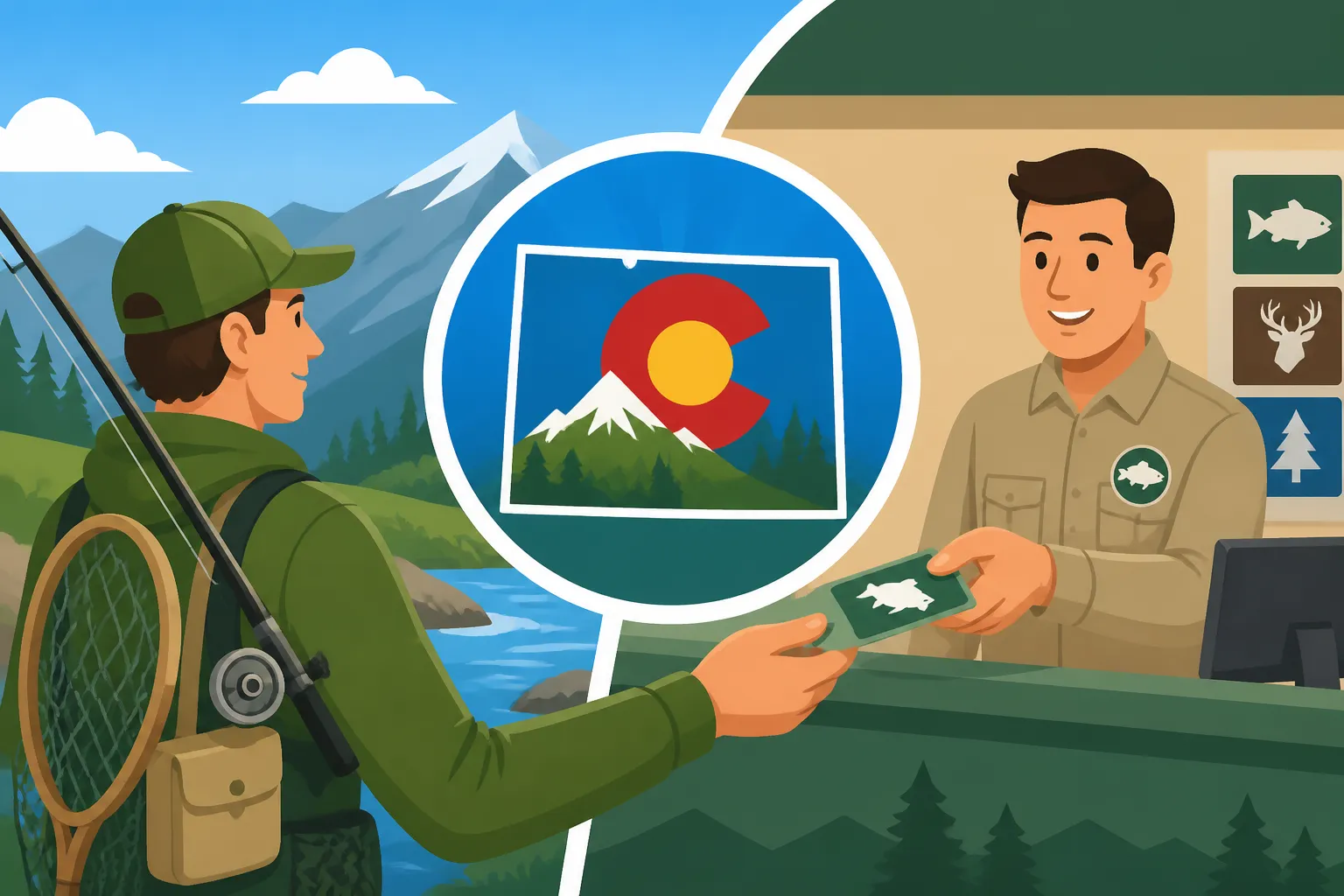
Expect to present proper identification, especially if you're claiming Colorado residency. You'll need to fill out a short form with your personal details, and the staff will process your payment. The entire transaction is usually quick and efficient, assuming there isn't a long line. It's a straightforward process designed to get you your license with minimal hassle, and you can ask any questions you have about specific regulations or even where to find the best fishing spots in the area.
Beyond just licenses, CPW offices often serve as information hubs. You can often find maps, educational materials, and even information on conservation efforts. It’s a great opportunity to learn more about the natural resources you're enjoying. Don't be shy about asking questions; these folks are passionate about Colorado's outdoors and are usually more than happy to share their knowledge.
Retail Partners: Sporting Goods Stores and More
While CPW offices are excellent, they might not always be the most convenient option depending on where you are. Thankfully, Colorado has a robust network of authorized license agents spread across the state, making it incredibly easy to pick up your fishing license at a variety of retail locations. These include large chain stores, local sporting goods shops, and even many gas stations and convenience stores.
Major Retailers That Sell Licenses
Large national retailers with a significant presence in Colorado are often authorized to sell fishing licenses. Think about stores like Walmart or some larger sporting goods chains. These stores are particularly convenient because they have extended hours, often staying open late into the evening, and they're usually located in easy-to-access commercial areas. This means you can often pick up your license while also grabbing groceries, bait, or other last-minute fishing supplies.
When you visit a large retailer, you'll typically head to the customer service desk or the sporting goods department. The process is similar to a CPW office: present your ID, provide your information, and pay the fee. Many of these stores are equipped with the CPW's electronic point-of-sale system, which streamlines the process and ensures your license is immediately valid. You might even find a broader selection of gear, from fishing rods to tackle boxes, making it a true one-stop shop for your angling needs.
While these stores are fantastic for convenience and variety, remember that the staff might not always have the same depth of specific local fishing knowledge as a dedicated CPW officer or a local bait shop owner. However, they are perfectly capable of getting you your license and any basic fishing gear you might need. For specialized gear or deep discounts, you might still do your research online, perhaps comparing prices on sites like Amazon before making a purchase.
Local Bait Shops and General Stores
Beyond the big box stores, many smaller, independent businesses across Colorado also serve as authorized license agents. These include charming local bait and tackle shops, mom-and-pop general stores, and even some gas stations, especially in towns known for their proximity to excellent fishing waters. These local spots offer a unique experience and often come with a distinct advantage: local expertise.
When you step into a local bait shop, you're not just buying a license; you're often stepping into a community hub. The owners and staff frequently live and fish in the area, meaning they can provide invaluable, up-to-the-minute reports on water conditions, recent hatches, and where the fish are biting. They might tell you about a secret spot on the Fryingpan River or the best lure for kokanee salmon at Blue Mesa Reservoir, knowledge that's hard to come by anywhere else.
These smaller establishments often cater specifically to anglers, so you'll find a curated selection of local baits, flies, and tackle that are proven to work in the surrounding waters. They also tend to be very friendly and welcoming, creating a pleasant experience beyond just a transaction. If you're looking for an authentic local touch and insider tips to complement your Colorado Fishing License Costs Explained purchase, these community-focused retailers are truly excellent resources.
Necessary Documentation and Payment for In-Person Purchases
Getting your Colorado fishing license in person is straightforward, but it's not quite as simple as just walking in and asking for one. You'll need to have certain information and forms of payment ready to ensure a smooth and quick transaction. Being prepared will save you time and prevent any frustrating delays, getting you on the water faster.
Proof of Residency Requirements
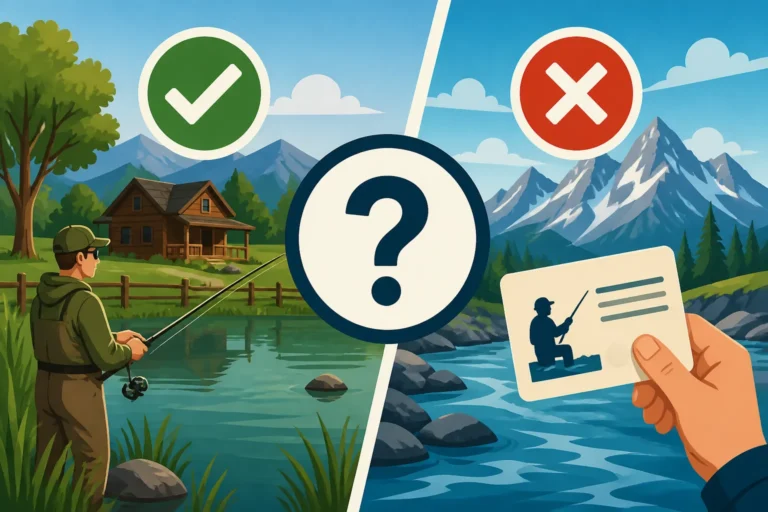
If you're a Colorado resident, you'll want to purchase a resident license, as it's significantly cheaper than a nonresident one. However, to qualify for a resident license, you need to prove you actually live in Colorado. This isn't just a verbal declaration; CPW has specific requirements for what constitutes residency, and you'll need to provide documentation to back it up. Generally, you must have resided in Colorado for at least six consecutive months immediately prior to purchasing your license.
The most common and accepted forms of proof of residency include a valid Colorado driver's license or a Colorado state identification card. If your ID doesn't explicitly state "Colorado" or if it's new, you might be asked for additional documentation. This could include a voter registration card, vehicle registration, or a utility bill with your Colorado address. It’s always best to bring a couple of forms of identification that clearly show your name and current Colorado address, just in case.
For those who are new to the state or have unique situations, understanding What Counts as Colorado Residency for Licensing can be crucial. Sometimes, college students or active-duty military personnel have different guidelines. If you're unsure, it's always a good idea to check the CPW website or call a CPW office ahead of time to confirm what specific documents you'll need to bring. Being prepared means less time at the counter and more time casting a line.
Acceptable Forms of Payment
Once you've proven your residency (or confirmed you're buying a nonresident license), the next step is payment. Most CPW offices and authorized retail agents accept a variety of payment methods, but it's wise to be prepared with a few options.
Credit and debit cards are almost universally accepted. Visa, MasterCard, Discover, and American Express are standard at most locations, including large retailers like Walmart and many CPW offices. Using a card is convenient, but always double-check with smaller, independent bait shops, as some might prefer cash or have minimum purchase requirements for card transactions.
Cash is always a reliable option, especially if you're visiting a smaller, rural store or a bait shop where credit card machines might occasionally be temperamental. Having the exact amount for your license, including the additional cost for the Colorado Habitat Stamp Cost if applicable, can speed up the process even further. Checks are less commonly accepted these days, but it's worth asking if it's your only option, though it's generally best to stick to cash or card.
| Document Type | For Residents | For Nonresidents | Notes |
|---|---|---|---|
| Valid Photo ID | Colorado Driver's License/State ID | Driver's License/State ID | Must be government-issued. |
| Proof of Residency (If ID isn't enough) | Utility Bill, Voter Registration, Vehicle Registration | Not applicable for nonresident license | Required to prove 6+ months residency for resident rates. |
| Social Security Number | Recommended | Not always required | Helps with CPW system for future purchases/license lookups. |
| Payment Options | Credit/Debit Card, Cash | Credit/Debit Card, Cash | Most locations accept major cards. Some smaller shops may prefer cash. Checks rarely accepted. |
Table: What to Bring for Your In-Person Colorado Fishing License Purchase
Common Questions and Troubleshooting In-Person Purchases
Even with the best preparation, questions or unexpected situations can arise when buying your fishing license in person. Knowing how to troubleshoot these common issues can make your experience much smoother and ensure you don't leave empty-handed. From forgotten IDs to understanding the different license options, being informed is key.
What If I Forget My ID?
Forgetting your identification can be a real headache when you're trying to purchase a fishing license. While some retailers might be lenient for a simple one-day nonresident license if you have an old license number, generally, a valid government-issued photo ID is required. This is especially true if you're trying to prove Colorado residency for the discounted resident rates. Most CPW offices and authorized agents use a system that requires accurate personal information, which is verified by your ID.
If you arrive at a location without your primary form of ID, don't panic immediately. Sometimes, if you've purchased a Colorado hunting or fishing license before, the agent might be able to look up your existing customer profile using your full name and date of birth. However, they may still require visual confirmation of identity. It's much safer to return home and retrieve your ID if possible. Alternatively, if you have a digital copy of your ID on your phone or a photo of your driver's license, some agents might accept it for reference, but official policy typically requires the physical document.
The best advice here is always to make sure your wallet, with your driver's license or state ID, is the first thing you grab when heading out to get your license. If you're a long-time angler, keeping a record of your previous customer identification number (CID) with CPW can also sometimes help speed up the process if an agent can find you in the system, even if you still need your physical ID for verification.
Understanding Different License Types When Buying In-Person
Walking into a store and just asking for "a fishing license" might not get you the best or most appropriate option. Colorado offers a variety of license types, each designed to fit different needs and durations. When buying in person, it's a great opportunity to ask questions and ensure you're getting exactly what you need.
You'll encounter options like the annual license, which is valid from April 1st to March 31st of the following year. This is usually the most cost-effective if you plan to fish more than a few days a year. Then there are shorter-term options, such as the one-day or five-day licenses, perfect for tourists or those planning a single weekend trip. These are particularly popular with nonresidents, and understanding What a Five-Day Nonresident Colorado License Costs can help you budget your trip.
Don't forget about specific stamps or endorsements. Most anglers between the ages of 18 and 64 are required to purchase a Habitat Stamp along with their fishing license. You might also want to consider a Colorado's Second-Rod Stamp and Who Needs One if you plan on fishing with two lines, which is a popular option in many reservoirs. The staff at CPW offices and many sporting goods stores can guide you through these choices and help you understand the full cost, ensuring you're fully compliant with all state regulations before you even wet a line.
Making the Most of Your In-Person Visit
Purchasing your fishing license in person isn't just about the transaction; it's an opportunity to gather valuable information, stock up on essentials, and even connect with the local angling community. You're already there, so why not maximize the benefits of your visit?
Asking for Local Fishing Advice
One of the biggest advantages of an in-person license purchase, especially at a local bait shop or a CPW office, is the chance to tap into local knowledge. While browsing gear on Amazon for inspiration, nothing beats real-time, hyper-local advice. Don't hesitate to strike up a conversation with the staff behind the counter. They are often avid anglers themselves or are constantly interacting with others who fish the local waters.
You might learn about which flies are currently working on the Arkansas River, whether the walleye are biting at Cherry Creek Reservoir, or if a particular section of river has been affected by recent weather. They can often provide tips on specific access points, parking, and current water conditions that aren't always readily available online. For instance, asking about the best time to fish the Dream Stream or if there's any special technique for fishing the Blue River below Dillon Reservoir can drastically improve your chances of success.
This kind of localized intelligence is invaluable. It can save you hours of fruitless casting and steer you toward the most productive spots and techniques for that specific day and time of year. Sometimes, just a simple "What's biting?" can lead to a treasure trove of information that transforms your fishing trip from a hopeful outing into a genuinely successful one.
Grabbing the Latest Regulations Brochure
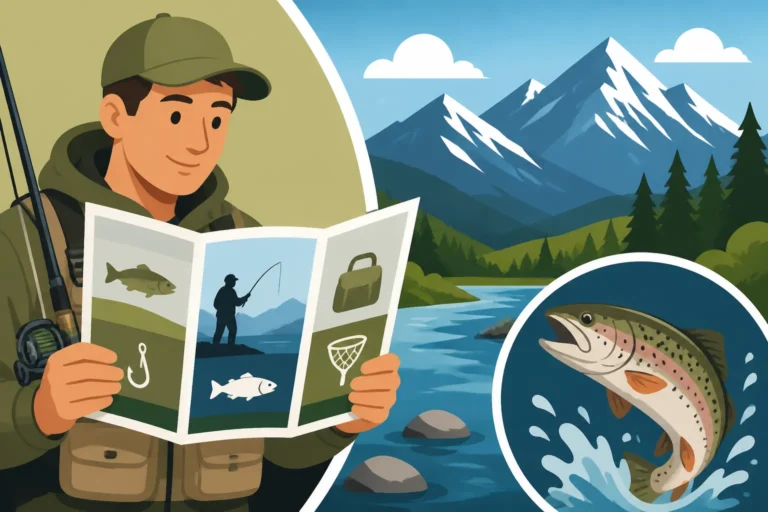
While you're at a CPW office or an authorized retail agent, always make sure to pick up the latest Colorado fishing regulations brochure. This isn't just a suggestion; it's practically a necessity. Although the staff can give you pointers, the official brochure is the definitive guide to all rules and limits. Even if you're a seasoned Colorado angler, regulations can change from year to year, and specific bodies of water often have unique rules.
This brochure will detail everything from statewide bag and possession limits for various species to specific restrictions on Gold Medal Waters, catch-and-release only sections, and bait restrictions. It also provides important information on seasons, valid fishing methods, and even how to report a violation or a record catch. It's your compact, legal guide to responsible angling in Colorado.
Having a physical copy of the regulations can be incredibly useful when you're out on the water, especially in areas with spotty cell service where looking up rules on your phone might be impossible. It’s peace of mind to know you have all the information you need right there in your tackle box or glove compartment. If you ever have a question while fishing, you can quickly reference it and avoid any potential issues, ensuring your day on the water is both fun and fully compliant.
Disclaimer
Please note that while this guide provides comprehensive information, fishing regulations and licensing requirements in Colorado are subject to change by Colorado Parks and Wildlife (CPW). Always consult the official CPW website or the most current fishing regulations brochure for the most up-to-date and accurate information before heading out to fish.