Colorado Gold Medal Water Regulations Explained
Oh, the allure of Colorado's Gold Medal Waters! There’s nothing quite like the dream of hooking into a truly massive trout, a fish that feels like a legend on your line. But let's be honest, the excitement can quickly turn into a headache when you start trying to decipher all the specific regulations that apply to these special places. It often feels like you need a law degree just to cast a line without breaking a rule. That's why we're diving deep into the nuances of Colorado's Gold Medal Water regulations, so you can spend less time scratching your head and more time enjoying some of the best fishing our state has to offer.
What Exactly Are Colorado's Gold Medal Waters?
Before we get into the nitty-gritty of the rules, it’s important to understand why these particular stretches of river and lake are given such a prestigious designation in the first place. These aren't just any fishing spots; they are Colorado's crown jewels, managed specifically to produce exceptional fishing experiences.
The Designation and Its Purpose
The term "Gold Medal Water" isn't just a catchy phrase; it's an official designation bestowed by Colorado Parks and Wildlife (CPW) on waters that meet stringent criteria for producing trophy-sized trout. To earn this title, a stretch of water must consistently support a minimum of 60 pounds of trout per acre and, even more specifically, at least twelve 14-inch or larger trout per acre. Think about that for a moment – sixty pounds of fish, with a significant number of them being absolute giants. This isn't your average stocked pond; these are aquatic havens where trout thrive.
The purpose behind this designation is twofold. First and foremost, it's about conservation and stewardship. By identifying and protecting these prime fisheries, CPW ensures that these incredible ecosystems continue to flourish, benefiting not just anglers but the entire natural environment. Secondly, it's about providing unparalleled angling opportunities. These waters are managed to create sustainable populations of large, healthy trout, offering anglers the chance to catch fish of a lifetime. It’s a commitment to both the fish and the fishing experience, ensuring that these special places remain extraordinary for generations to come.
Where You'll Find These Special Stretches
Colorado is blessed with a number of Gold Medal Waters, scattered across the state, from high-mountain valleys to sweeping canyons. You'll find that many of these are "tailwaters," meaning they are river sections located immediately below large dams. The consistent cold water flows from the bottom of reservoirs often create incredibly stable and nutrient-rich environments, ideal for trout growth. Think of legendary spots like the Fryingpan River below Ruedi Reservoir, the Taylor River below Taylor Park Reservoir, or specific sections of the Arkansas River and the South Platte River, including the famous Dream Stream and Cheesman Canyon.
It’s crucial to understand that the Gold Medal designation usually applies to specific stretches of a river, not the entire waterway. For instance, a river might have a 10-mile section designated as Gold Medal, while the stretches above or below it operate under general regulations. These spots are often well-known and can see significant angler pressure, especially during peak seasons. However, the rewards of persistent angling in these areas are often well worth the effort. To find the exact boundaries of these special waters, consulting the official Colorado Parks and Wildlife fishing brochure or their online Fishing Atlas is always your best bet.
Unique Gear and Bait Restrictions on Gold Medal Waters
One of the first things you’ll notice about Gold Medal Waters is that the rules around what you can use to catch fish are often much stricter than in other areas. These regulations are put in place with a very specific goal: to protect the delicate balance of these trophy fisheries and ensure the long-term health of the fish.
Barbless Hooks A Must-Have for Conservation
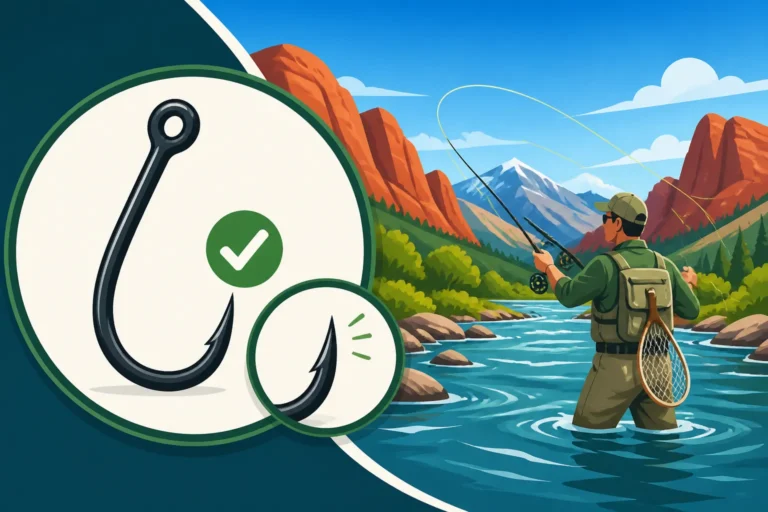
If there's one regulation that defines fishing on Colorado's Gold Medal Waters, it's the mandatory use of barbless hooks. This isn't just a suggestion; it's a strict requirement designed to minimize injury to the fish, especially since many anglers practice catch-and-release in these areas to preserve the trophy populations. A barbed hook can cause significant tissue damage, making it harder for a released fish to survive.
A barbless hook, as the name suggests, has no barb. When you catch a fish on a barbless hook, it can be removed quickly and cleanly with minimal fuss and injury to the fish's mouth. If you’re used to fishing with barbed hooks, don’t fret! You don't necessarily need to buy all new hooks. You can easily crimp down the barb on your existing hooks using a pair of pliers. Many anglers keep a small, sturdy pair of pliers, perhaps one they picked up from Amazon, specifically for this purpose in their fishing vest. This simple act dramatically increases the survival rate of released fish, making it a cornerstone of responsible angling in these special zones. Failing to use barbless hooks, whether you're fly fishing or spin fishing, can result in a hefty fine, as wardens are particularly vigilant in these prized areas. You can learn more about specific rules in our guide to Barbless Hook Rules on Colorado Rivers.
Artificial Flies and Lures Only No Live Bait
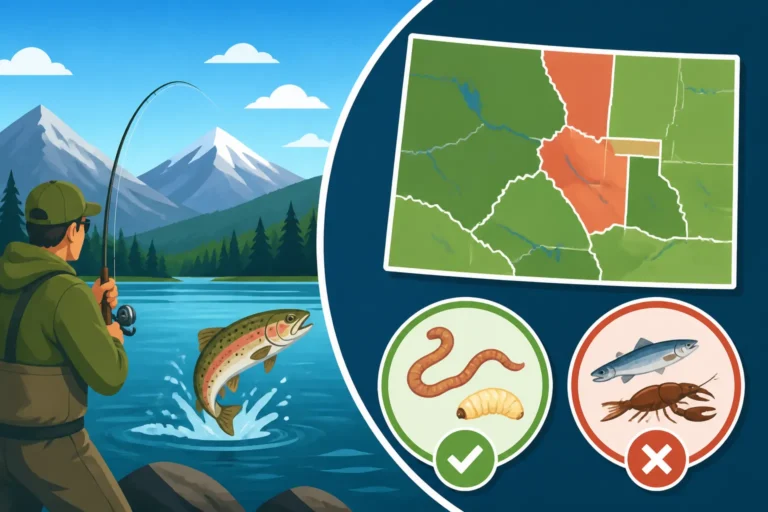
Another key restriction you'll encounter on most, if not all, Gold Medal Waters is the "artificial flies and lures only" rule. This means that using any form of live bait, dead bait, or organic bait (like worms, minnows, salmon eggs, or even scented dough baits) is strictly prohibited. This regulation is rooted deeply in conservation principles, aiming to protect the fish populations and the overall aquatic environment.
The reasoning behind this rule is multi-faceted. First, it helps prevent the introduction of non-native species or diseases that could be inadvertently carried in bait. Second, it reduces the likelihood of fish swallowing hooks deeply, which is far more common with bait and significantly lowers a fish's survival rate upon release. Artificial flies and lures are generally designed to hook fish in the mouth, allowing for easier and safer unhooking. Finally, this rule encourages a more skill-based form of angling, where success often depends on matching the hatch or presenting a lure effectively, rather than relying on the irresistible draw of natural food. It’s always best to check the specific regulations for the water you plan to fish, as even some non-Gold Medal stretches in Colorado might have similar Colorado Bait Restrictions and Where They Apply.
Size and Bag Limits for Gold Medal Trout
While the aim of Gold Medal Waters is to produce trophy trout, that doesn't always mean you can keep every big fish you catch. In fact, these areas often have some of the most restrictive harvest regulations in the state, all designed to maintain the quality of the fishery.
The 14-Inch Rule and Species Specifics
A common regulation across many Gold Medal Waters in Colorado is the "14-inch rule," which often dictates that only one or two trout over 14 inches can be harvested per day. Sometimes, it's even stricter, with a total bag limit of two trout, only one of which can be over 14 inches. The precise wording can vary significantly from one Gold Medal stretch to another, so it's absolutely paramount to consult the most current CPW fishing regulations brochure for the specific water you intend to fish.
This minimum size limit is a cornerstone of trophy trout management. It allows fish to grow to a substantial size, ensuring they have several seasons to spawn and contribute to the population before they can be harvested. This strategy helps maintain the genetic health of the population and ensures that there are always large fish for future anglers to enjoy. You might find specific regulations for different trout species too; for instance, some waters may have unique limits for rainbow trout versus brown trout, reflecting their different reproductive cycles or population health. Understanding Colorado's 14-Inch Trout Length Rule is vital before you head out.
Catch-and-Release Considerations
Even when harvest is allowed within the specific bag and size limits, many dedicated anglers on Gold Medal Waters choose to practice catch-and-release exclusively. This is often driven by a personal ethos of conservation, a desire to protect these magnificent fish, and the understanding that releasing a trophy fish allows it to grow even larger and contribute to the fishery. For some, the true reward isn't the fish on the dinner plate, but the challenge and thrill of the catch itself, knowing that the fish can fight another day.
If you do decide to practice catch-and-release, doing it correctly is just as important as the regulations themselves. Always wet your hands before handling a fish to protect its delicate slime coat. Avoid squeezing the fish, especially around its belly. Use a good quality net, preferably one with a rubber mesh, to minimize injury while the fish is in the water. Try to keep the fish in the water as much as possible, only lifting it briefly for a quick photo if you must. The faster you can unhook and release a fish, the higher its chances of survival. In some very sensitive areas, particularly those involved in native cutthroat recovery efforts, catch-and-release might not just be a choice, but a mandatory regulation for all species.
Understanding the Second-Rod Stamp in Gold Medal Areas
Many anglers enjoy the option of fishing with more than one line at a time, and Colorado does offer a "Second-Rod Stamp" for this purpose. However, like many other aspects of fishing Gold Medal Waters, there are specific limitations and outright prohibitions when it comes to using multiple rods in these special areas.
When a Second Rod is Allowed and Its Limitations
Colorado's Second-Rod Stamp is a separate purchase from your annual fishing license. It allows a single angler to use two fishing lines simultaneously, provided they are within a reasonable distance and under immediate control. This can be a great advantage in larger reservoirs or lakes where you might be targeting different species or experimenting with different depths or lures. However, it's absolutely critical to understand that this stamp does not grant universal permission to use two rods everywhere.
When it comes to Gold Medal Waters, the use of a second rod is often severely restricted or even completely prohibited. The strict regulations in these prime trout fisheries aim to reduce fishing pressure per angler and ensure the highest quality experience, which often means limiting each angler to a single line. Imagine a crowded stretch of the Fryingpan River with everyone casting two lines; it would quickly become a tangled mess and a far less enjoyable experience for all. Therefore, always assume a single-rod limit on Gold Medal Waters unless the specific regulations explicitly state otherwise. Our guide to Colorado's Second-Rod Stamp and Who Needs One offers more detail.
Why Restrictions Exist on Multiple Rods
The rationale behind limiting or prohibiting multiple rods in Gold Medal Waters is directly tied to the management goals for these areas. These are high-quality, high-pressure fisheries, and the CPW aims to manage them sustainably while also preserving the quality of the angling experience. Allowing multiple rods would dramatically increase the effective fishing pressure on these already popular and often sensitive trout populations.
Consider the impact: more lines in the water mean a higher chance of hooking fish, which increases overall stress on the fishery, especially if many fish are being caught and released. It can also lead to more snagged lines, increased conflicts between anglers, and a general degradation of the serene, skill-focused experience that Gold Medal Waters are designed to offer. The emphasis in these areas is often on the quality of the individual catch and the skill of the angler, rather than simply maximizing the number of fish caught. These restrictions help maintain the challenge, the mystique, and the overall health of these invaluable resources, ensuring they remain productive for years to come.
Essential Regulations Beyond Gear and Limits
While understanding barbless hooks, artificial lures, and size limits is crucial, there are other fundamental regulations that apply to all Colorado fishing, including Gold Medal Waters. Overlooking these can lead to just as much trouble, and they are essential components of responsible angling.
Showing Your License and Habitat Stamp
First and foremost, whether you're fishing in a Gold Medal Water or any other public water in Colorado, a valid Colorado fishing license is absolutely non-negotiable for anyone aged 16 and older. This license funds the conservation efforts of CPW, directly supporting fish stocking programs, habitat restoration, and enforcement. Along with your fishing license, most anglers between the ages of 18 and 64 are also required to purchase a Habitat Stamp. This stamp is another vital source of funding for CPW, dedicated to conserving important wildlife habitats across the state.
It’s not enough to just buy these; you must have them on your person while fishing and be prepared to show them to any authorized wildlife officer upon request. Many anglers now carry their digital license on their smartphone, which is perfectly acceptable. However, if your phone battery dies or you lose signal, you could be in a bind. Some prefer to print a paper copy to keep in their tackle box or fishing vest as a backup. Regardless of how you carry it, being able to readily present your license and stamp demonstrates your compliance and responsibility as an angler. For a full breakdown, check out our Colorado Fishing License Guide for Residents and Nonresidents and Colorado's Habitat Stamp, Explained.
Respecting Private Property and Access Points
Colorado's rivers, including its Gold Medal Waters, often flow through a mosaic of public and private land. While the water itself might be considered public access for fishing, accessing that water can often require crossing or wading along private property. This creates a common point of confusion and potential conflict for anglers, and it's a regulation that cannot be stressed enough: respect private property.
Always pay close attention to signs indicating private land, "no trespassing" zones, or designated public access points. Fishing from a public road right-of-way might be legal, but stepping off that right-of-way onto private land without permission is trespassing, even if it's just to get a better casting angle. Many landowners along popular river stretches are rightly protective of their property, and violations can lead to fines, legal action, and a tarnishing of the angling community's reputation. Utilize resources like the CPW Fishing Atlas or local fishing maps (many of which you can even find through Amazon) which clearly mark public access points and easements. When in doubt, err on the side of caution and seek out clearly marked public access, or consider hiring a guide who has access to private water to avoid any issues. Always remember that good angler etiquette extends beyond just the fish; it also means respecting the land and those who own it.
Navigating Specific Gold Medal Water Examples
While the general rules for Gold Medal Waters apply broadly, each specific stretch often has its own unique nuances and challenges. Understanding these local intricacies can be the difference between a frustrating day and a truly memorable one.
The Fryingpan River A Technical Paradise
The Fryingpan River, particularly its lower section below Ruedi Reservoir near Basalt, is globally renowned as a Gold Medal Water. It’s a technical fly fishing paradise, famous for its incredible density of large, selective trout, especially rainbow and brown trout. The consistent cold water from the bottom of the reservoir creates an ideal environment for prolific insect hatches, leading to notoriously picky fish.
The regulations here are tight, reflecting its status as a premier trophy fishery. Most of the lower Pan, particularly the famous "Toilet Bowl" area directly below the dam, is strictly artificial flies and lures only, with barbless hooks being mandatory. Bag limits are typically very restrictive, often catch-and-release only or allowing a very limited harvest of fish above a specific size, if any. Anglers here often spend hours trying to "match the hatch" with tiny midge and mayfly patterns, showcasing the technical skill required. Despite the crowds it sometimes draws, the Fryingpan remains an unmissable experience for dedicated anglers. Our comprehensive guide, Fishing Colorado's Fryingpan River Below Ruedi Reservoir, dives even deeper.
The Dream Stream and Cheesman Canyon on the South Platte
The South Platte River boasts two of Colorado's most iconic Gold Medal stretches: the Dream Stream (between Spinney Mountain and Eleven Mile Reservoirs) and Cheesman Canyon (below Cheesman Dam). Both are legendary for their abundant and large brown and rainbow trout populations, offering a different kind of challenge and beauty. The Dream Stream is a high-meandering meadow river, while Cheesman Canyon is a rugged, steep-walled canyon that requires more strenuous hiking to access.
Regulations on both of these stretches are very similar to the Fryingpan: artificial flies and lures only, and strictly barbless hooks. The bag limits are typically either catch-and-release only, or a very limited harvest (e.g., one fish over 16 or 20 inches, depending on the precise section and year). These areas are particularly famous for their fall brown trout spawn, where massive fish move upriver, creating incredible, though often crowded, fishing opportunities. During these spawning seasons, specific sections might even have temporary closures to protect the fish. Respecting closures and avoiding fishing to actively spawning fish (on their redds) is a critical part of ethical angling here. To plan your trip, explore Fishing the Dream Stream and Cheesman Canyon on Colorado's South Platte.
The Taylor River Below the Dam
Another powerhouse Gold Medal Water is the Taylor River, particularly the short, intensely productive stretch directly below the Taylor Park Reservoir Dam near Almont. This section is famous for holding some of the largest trout in Colorado, including brown trout that can reach truly astonishing sizes. The water here is consistently cold and rich, a perfect incubator for trophy fish, making it a bucket-list destination for many.
The regulations on the Taylor below the dam are among the strictest in the state, often being entirely catch-and-release only, with mandatory artificial flies and lures, and barbless hooks. Due to the high number of extremely large fish in a relatively short section of river, it can be a challenging, but ultimately rewarding, place to fish. Anglers often employ heavy nymph rigs or large streamer patterns to tempt the leviathans that lurk in the deep pools and runs. Despite its popularity and the pressure it receives, the Taylor continues to produce monster trout year after year, a testament to its Gold Medal management. For more details on this incredible fishery, check out Fishing the Taylor River Below the Dam.
The Importance of Checking Current Regulations
If there’s one piece of advice that echoes louder than any other when fishing in Colorado, especially in its Gold Medal Waters, it’s this: always check the current regulations. Trust me, relying on old information or hearsay is a recipe for a bad day.
Why Regulations Change Annually
Fishing regulations are not set in stone; they are living documents, meticulously crafted and annually updated by Colorado Parks and Wildlife. These changes aren't arbitrary; they are the result of ongoing scientific research, environmental monitoring, and careful management aimed at sustaining healthy fish populations and ecosystems. Factors such as drought conditions, unusual runoff events, disease outbreaks, species recovery efforts, and even angler pressure can all prompt adjustments to bag limits, size restrictions, season dates, or permitted fishing methods.
For instance, a particular species might have a banner spawning year, leading to a more liberal bag limit in certain areas. Conversely, a severe drought could lead to emergency closures or strict catch-and-release mandates to protect vulnerable fish. It’s why the official CPW fishing brochure, which is published annually, is your absolute bible. You can pick up a physical copy at any license agent, sporting goods store, or CPW office, or download a digital version from their website. Local fly shops are also invaluable resources for the latest conditions and last-minute changes, as they live and breathe these waters every day. As anglers, the responsibility falls squarely on our shoulders to know the rules, and ignorance is never considered an excuse. Before you head out, make it a habit to refer to something like Reading Colorado's Fishing Regulations Brochure.
Penalties for Non-Compliance
Let's not sugarcoat it: violating Colorado's fishing regulations can have serious consequences. This isn't just about a slap on the wrist. Wildlife officers (game wardens) are highly trained, dedicated professionals who patrol these waters diligently, especially the popular Gold Medal stretches. They are there to protect the resource, and they take violations very seriously.
Penalties for infractions can range from significant monetary fines, which can easily run into hundreds or even thousands of dollars, to the confiscation of your fishing gear, loss of your fishing license (which can mean you can't legally fish in Colorado, or even other states, for an extended period), and in more severe cases, mandatory court appearances. Imagine catching that trophy fish, only to have your day ruined by a costly ticket because you forgot to crimp a barb or used the wrong bait. It’s a disheartening scenario that's entirely avoidable. Beyond the legal ramifications, non-compliance also harms the very resource we cherish and undermines the conservation efforts that make these Gold Medal Waters so special. Don't risk it; always be informed and always comply. If you're curious about the potential repercussions, our article on What Happens If You Fish in Colorado Without a License provides further insight.
Maximizing Your Gold Medal Experience Responsibly
Fishing Gold Medal Waters isn't just about following the letter of the law; it's also about embracing a deeper sense of responsibility and stewardship. To truly maximize your experience, you need to think about ethical angling and equipping yourself properly.
Ethical Angling Practices
Beyond simply adhering to the official regulations, ethical angling means adopting a mindset that prioritizes the health of the fish and the environment, as well as showing respect for fellow anglers. This includes the principle of "leave no trace" – pack out everything you pack in, and if you see any trash, pick it up. Our natural spaces are precious, and it’s everyone’s responsibility to keep them pristine.
Another key aspect is respecting other anglers' space. Gold Medal Waters can get crowded, especially on weekends or during prime hatches. Give other anglers plenty of room; a good rule of thumb is to allow at least 50 to 100 feet between you and the next angler, unless specific circumstances (like a very wide river) allow for closer proximity without interference. Also, be mindful of wading. While wading is often necessary, try to avoid disturbing active spawning beds (redds), which appear as clean, gravelly depressions in the riverbed. Wading through these areas can destroy eggs and future fish. Finally, be aware of wildlife; you're in their home, so give them space and never disturb them. These practices ensure a pleasant experience for everyone and contribute to the long-term health of these special places.
Gear Recommendations for Gold Medal Waters
Having the right gear won't just make your experience more enjoyable; it can also help you comply with regulations and increase your success. For Gold Medal fly fishing, a lighter rod (like a 4 or 5-weight) is generally preferred for the common trout sizes, paired with a high-quality reel and a good fly line. Your leader and tippet selection will be crucial, often requiring long, fine leaders and tippet as light as 5X or 6X, especially on clear, technical tailwaters. For spin anglers, light action rods with sensitive tips and fine lines (4-6 lb test) will give you the best feel for strikes.
Specialized fly patterns or lures are also a must. Local fly shops are an invaluable source for "what's hatching" and what patterns are currently working. You can also find a fantastic array of fly tying materials and pre-tied flies on Amazon if you want to prepare in advance. Don’t forget those essential tools: hemostats or forceps for hook removal, a pair of nippers for your line, and a quality net (rubber mesh, of course). Investing in good waders and wading boots that offer both comfort and grip is also essential, as Gold Medal rivers can have slippery, rocky bottoms. Many anglers also find a reliable fishing pack or vest, perhaps one they researched on Amazon for durability and features, indispensable for keeping all these essentials organized and accessible. The right gear helps you focus on the fish, not on fumbling with your equipment.
Table: Snapshot of Colorado Gold Medal Water Regulations
To give you a quick overview of how regulations can vary, here's a snapshot comparing some key rules across a few famous Gold Medal Waters. Remember, this is a generalization, and always consult the official CPW regulations brochure before fishing.
| Water Name | Location (General) | Gear Restriction | Hook Type | Bag Limit (Trout) | Second Rod Stamp |
|---|---|---|---|---|---|
| Fryingpan River (Lower) | Basalt | Artificial Flies & Lures Only | Barbless Only | Catch-and-Release Only | Prohibited |
| South Platte River (Dream Stream) | Near Spinney/Eleven Mile | Artificial Flies & Lures Only | Barbless Only | Catch-and-Release or Highly Restricted (e.g., 1 over 20") | Prohibited |
| South Platte River (Cheesman Canyon) | Near Deckers | Artificial Flies & Lures Only | Barbless Only | Catch-and-Release Only | Prohibited |
| Taylor River (Below Dam) | Near Almont | Artificial Flies & Lures Only | Barbless Only | Catch-and-Release Only | Prohibited |
| Arkansas River (Browns Canyon) | Near Buena Vista | Artificial Flies & Lures Only | Barbless Only | 2 Trout, only 1 over 16" | Prohibited |
Disclaimer
The information provided in this guide is for general informational purposes only and is subject to change. It is your sole responsibility to consult the most current and official Colorado Parks and Wildlife (CPW) fishing regulations brochure before engaging in any fishing activities. Laws and regulations can change without notice.