What Happens If You Fish in Colorado Without a License
It’s easy to get caught up in the excitement of a beautiful Colorado day by the water, casting lines into a sparkling lake or a rushing river, only to realize later, or worse, be reminded by a Colorado Parks and Wildlife (CPW) officer, that your fishing license might be expired or missing entirely. The thought of facing consequences for something that feels like a simple oversight can be incredibly unsettling and ruin an otherwise perfect day. This guide aims to clear up exactly what happens if you find yourself fishing in Colorado without the proper licensure, helping you understand the ramifications and, more importantly, how to easily avoid them.
The Immediate Consequences of Fishing Without a License in Colorado
No one wants to be the person on the water getting a stern talking-to, or worse, a ticket from a CPW officer. It can be embarrassing, frustrating, and certainly put a damper on your fishing trip. But understanding the immediate fallout can help you grasp the seriousness of the situation.
Initial Encounter and Identification
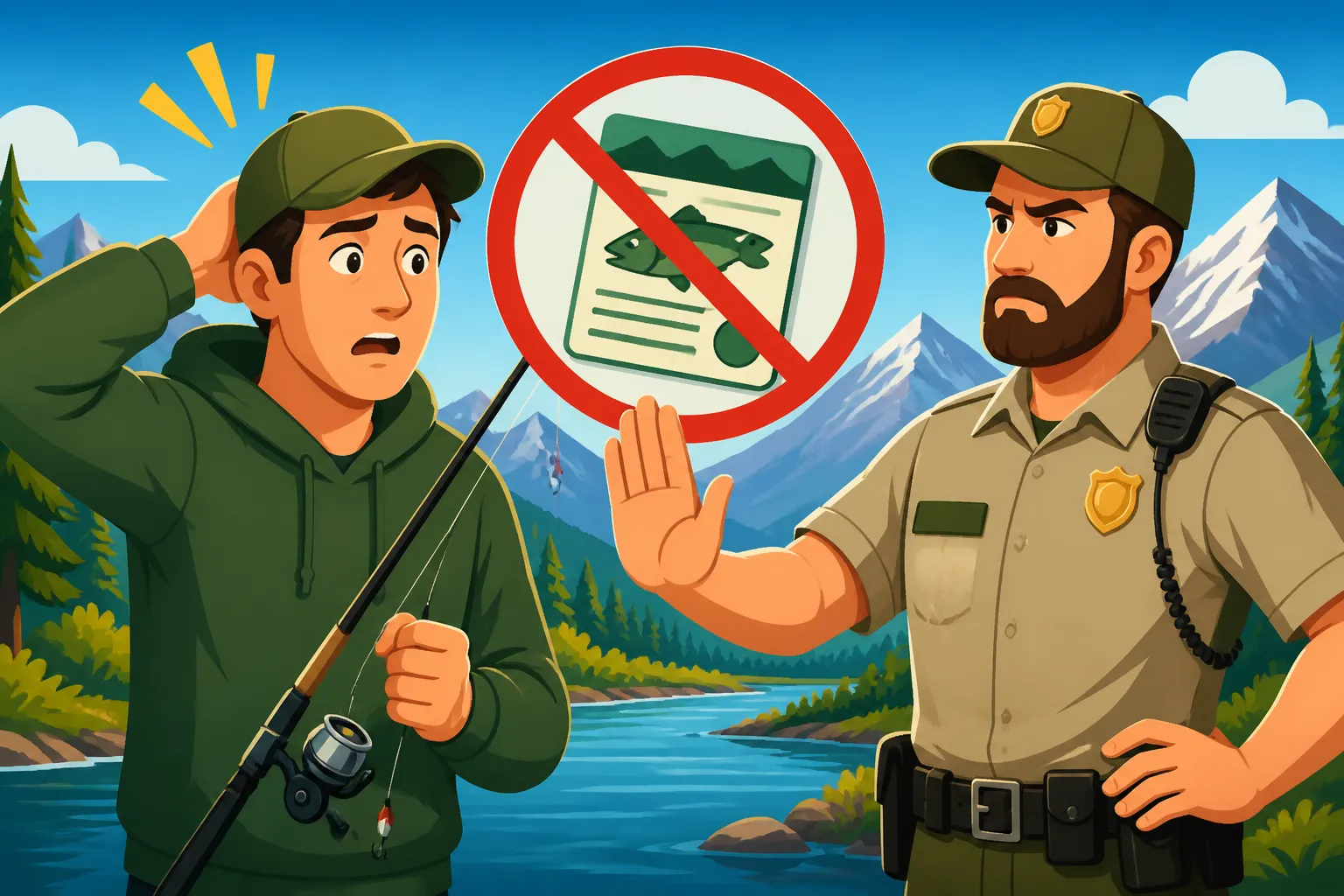
Imagine you're deep in concentration, enjoying the quiet solitude of the Arkansas River, when a CPW officer approaches. This isn't uncommon; officers regularly patrol popular fishing spots and even remote areas to ensure compliance with state regulations. Their primary role is to protect Colorado's natural resources and ensure fair recreational use for everyone.
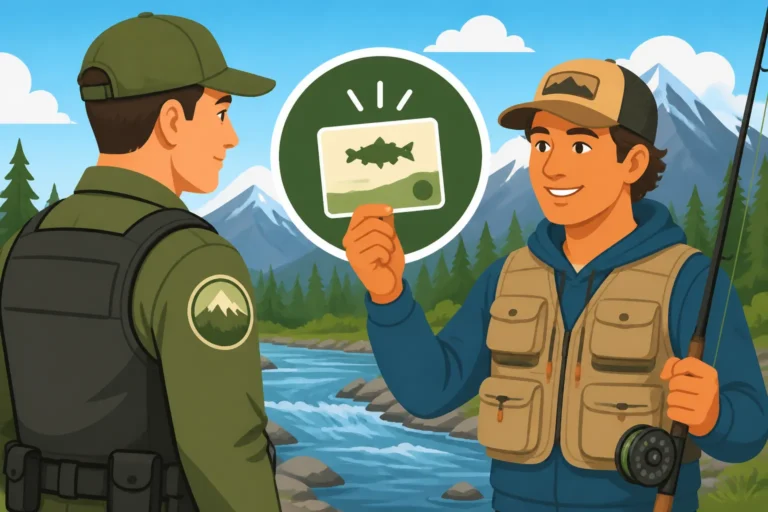
When an officer approaches, they will typically ask to see your fishing license, and often a form of identification, like a driver's license. If you can't produce a valid license, whether it's because you forgot it at home, it’s expired, or you never bought one, this is where the trouble begins. The officer will verify your identity and check the CPW database to confirm your license status. Even if you bought a license but simply don't have it on you, they can often look it up. However, the onus is on you to produce it, either physically or digitally. Failing to do so can sometimes lead to further issues, even if you did technically purchase one. Many anglers keep a digital copy on their phone, which is perfectly acceptable, but make sure your phone is charged and accessible. For those who prefer a physical copy, ensure it's in a waterproof wallet or easily retrievable. You can find more details on how to present your credentials in our guide on Showing Your Colorado Fishing License in the Field.
The Summons and Fine Structure
If you're found fishing without a valid license, you will almost certainly receive a citation. This isn't just a friendly warning; it's a legal summons to appear in court or pay a fine. In Colorado, fishing without a valid license is generally classified as a misdemeanor. The fine for a first offense can vary, but it's typically a base fine plus surcharges. These can easily add up to several hundred dollars. For instance, according to recent CPW guidelines, a basic violation could start around $50-$100 but with court costs and surcharges, it often climbs significantly higher, sometimes exceeding $200-$300. This is a pretty hefty price to pay for what might seem like a small oversight.
It's also important to understand that if you have prior wildlife violations, the penalties could be more severe. This isn't a "one-and-done" type of system if you're a repeat offender. The Colorado Parks and Wildlife system tracks these violations, and multiple infractions can lead to harsher fines and other long-term consequences, which we'll delve into shortly. These fines are designed to deter illegal activity and help fund the very conservation efforts that make fishing in Colorado so special. Our article on Colorado Fishing License Costs Explained can give you a better idea of what you should have paid in the first place, which is significantly less than the penalty.
Confiscation of Gear and Catch
This is one of the most frustrating and often surprising consequences for anglers. Depending on the severity of the violation and the officer's discretion, your fishing equipment—your rod, reel, tackle box, and even your cooler—could be confiscated on the spot. Imagine that new high-end rod you just bought, perhaps even from a popular online retailer like Amazon, being taken away. It's a tough pill to swallow. This confiscation is not always a permanent seizure, but it often means you'll have to go through a legal process to get your gear back, which can be time-consuming and inconvenient, sometimes requiring court appearance.
Furthermore, any fish you've caught while fishing illegally will also be confiscated. This isn't just about the monetary value of the fish; for many anglers, it's about the pride of the catch. Having to hand over your hard-earned trout or salmon, especially if it was a trophy fish, adds insult to injury. The rationale behind this is simple: any resources taken illegally cannot be kept. This serves as a strong deterrent and reinforces the idea that all fishing activity must be conducted within the bounds of the law.
Long-Term Repercussions Beyond the Initial Fine
The immediate sting of a fine and confiscated gear is bad enough, but the consequences of fishing without a license can extend far beyond that initial encounter. These long-term effects can impact your ability to enjoy not just fishing, but other outdoor activities in Colorado as well.
License Suspension and Future Restrictions
One of the most significant long-term impacts is the potential suspension of your fishing privileges. If you are convicted of fishing without a license, CPW has the authority to suspend your ability to obtain a future Colorado fishing license for a specified period. This could be anywhere from a year to several years, depending on the nature of the violation and whether it's a repeat offense. This means that even if you decide to get legal in the future, you might not be able to. For a passionate angler, being barred from the waters of Colorado for an extended time is truly devastating. Imagine watching the prime seasons come and go, unable to cast a line in your favorite spots, all because of an earlier lapse in judgment. It's a stark reminder that these regulations are serious.
This suspension isn't just a quiet note on your file; it's often a statewide, and sometimes even interstate, ban. Colorado is part of the Wildlife Violator Compact, an agreement among many states that allows member states to recognize and uphold each other's wildlife license suspensions. This means that a suspension in Colorado could prevent you from purchasing a fishing or hunting license in other participating states, greatly limiting your recreational opportunities.
Impact on Hunting Privileges
For many outdoor enthusiasts, fishing isn't their only passion. Hunting often goes hand-in-hand with angling. A common misconception is that a fishing violation only affects fishing. However, in Colorado, a serious enough wildlife violation, including repeat offenses for fishing without a license, can lead to the suspension of all your hunting and fishing privileges. This means that if you're a deer hunter, an elk hunter, or even a small game enthusiast, your ability to pursue these activities could be jeopardized.
CPW views all wildlife resources as interconnected, and violations in one area can reflect a broader disregard for wildlife laws. The fines and penalties are structured to protect all of Colorado's wildlife. This integrated approach emphasizes that the state takes all wildlife regulations seriously, not just those pertaining to the specific activity where the violation occurred. It's a comprehensive system designed to ensure that those who recreate on Colorado's public lands do so responsibly and legally. Understanding Colorado Fishing Regulations Every Angler Should Know can help you avoid these overarching issues.
Potential for Escalated Charges
While a first offense for fishing without a license is typically a misdemeanor with a fine, certain aggravating factors can escalate the charges and consequences significantly. For example, if you are also caught exceeding bag limits, fishing during a closed season, using illegal bait, or fishing in a restricted area, the penalties can quickly multiply and become far more severe. These additional violations can lead to higher fines, longer license suspensions, and even potential jail time in extreme cases.
Consider a scenario where an individual is caught fishing without a license, but also possesses an illegal amount of fish over the specified Colorado Bag and Possession Limits by Species, or is found fishing in a critical spawning area that is clearly marked as closed. These are not simple oversights; they are violations that directly harm the sustainability of Colorado's fisheries. Such actions indicate a deliberate disregard for conservation efforts and will be treated with much greater severity by CPW and the legal system. It's crucial to consult the official Colorado Fishing Regulations Brochure annually to stay current.
Understanding Why Colorado Parks and Wildlife Takes It Seriously
It might feel like a minor offense to simply forget a piece of paper, but the regulations surrounding fishing licenses are foundational to the health and sustainability of Colorado's incredible natural resources. CPW doesn't enforce these rules arbitrarily; there are critical reasons behind every regulation.
Funding Conservation Efforts
One of the most direct and crucial reasons for requiring fishing licenses is financial. The revenue generated from the sale of fishing licenses is a primary funding source for Colorado Parks and Wildlife. This money doesn't just sit in a state account; it's directly reinvested into managing, protecting, and enhancing Colorado's diverse wildlife populations and their habitats. This includes everything from stocking trout in lakes and rivers, to habitat restoration projects along critical waterways, to scientific research that helps understand fish populations.
Without the consistent revenue from license sales, CPW would struggle to maintain the very fisheries that anglers enjoy. Think about the stocking programs that ensure healthy populations in popular urban ponds and remote mountain lakes. The fish you catch and enjoy are often there because of these programs, which are funded by license fees. When someone fishes without a license, they are essentially taking advantage of a resource without contributing to its upkeep, which impacts everyone who plays by the rules and cares about conservation. This is also why the Colorado's Habitat Stamp, Explained is so important for those between the ages of 18 and 64, as it provides additional dedicated funds for habitat preservation.
Protecting Colorado's Fisheries
Beyond funding, the licensing system is a vital tool for managing and protecting fish populations. By requiring licenses, CPW can monitor the number of anglers on the water, estimate fishing pressure, and make informed decisions about stocking levels, bag limits, and season dates. This data is critical for preventing overfishing and ensuring that future generations can also enjoy Colorado's rich aquatic environments.
Consider the delicate balance of an ecosystem. Without proper management, a popular fishing spot could quickly become depleted. Regulations like those found in the Colorado Fishing Season Dates and Bag Limits are in place for specific species and areas to prevent this. Licenses help CPW gather data on who is fishing where, allowing them to assess impacts and adjust strategies as needed. When anglers disregard the licensing requirement, they undermine this management system, potentially contributing to unsustainable practices that can harm fish populations and degrade habitats. This isn't just about catching a fish; it's about preserving an entire natural heritage.
The Importance of a Habitat Stamp
While distinct from the fishing license itself, the Habitat Stamp is often purchased in conjunction with a fishing license (unless you're exempt, such as seniors or youth). This stamp also plays a monumental role in funding conservation. Required for most individuals aged 18 to 64 who purchase a hunting or fishing license in Colorado, the Habitat Stamp provides dedicated funds specifically for the protection, acquisition, and maintenance of crucial wildlife habitats across the state.
Many anglers don't realize the direct link between this small stamp and the quality of their fishing experience. Healthy habitats mean healthier fish populations, cleaner water, and more vibrant ecosystems. When you buy a license and, if applicable, a Habitat Stamp, you're directly contributing to securing the future of Colorado's wildlife and wild places. Ignoring the license requirement means opting out of this collective responsibility, which ultimately detracts from the long-term health of our beloved fishing grounds. It underscores CPW's commitment to ensuring that recreational users contribute to the sustainability of the very resources they enjoy.
How to Ensure You're Always Legal on the Water
Given the potential headaches and financial penalties, ensuring you always have a valid fishing license is easily the best course of action. It's really not that complicated, especially with today's technology and various purchase options.
Verifying License Status and Renewal
Before you even head out the door, take a moment to double-check your license. This might sound obvious, but it's the most common mistake. Did you buy an annual license that just expired? Or maybe you bought a short-term license for a quick trip, and you're out longer than you planned? Colorado offers several options, including Colorado's Annual, One-Day and Five-Day License Options, so always confirm which one you hold.
You can easily check your license status online through the Colorado Parks and Wildlife website (CPWShop.com). If you have an account, it will show you all your active licenses and their expiration dates. Make it a habit to check at the beginning of each year, or before any significant fishing trip. Setting a reminder on your phone or calendar for your license expiration date can also be incredibly helpful. Many people simply forget their annual license expires at the end of March each year, regardless of when they purchased it within that cycle. If you need to renew, our guide on Renewing a Colorado Fishing License walks you through the process.
Keeping Your License Accessible
Once you have a valid license, the next step is to make sure it's always with you and easily accessible while you're fishing. Colorado law requires you to have your license on your person and produce it upon request by a CPW officer.
For many, this means a physical printout tucked into a waterproof wallet or lanyard. For others, a digital copy on their smartphone works perfectly. Just remember to download it or screenshot it, so you're not relying on cell service in remote areas. A dead phone battery is not an excuse for not being able to produce your license! Some anglers keep a spare printout in their tackle box or glove compartment. The key is redundancy and accessibility. If you're wondering about the specifics of who needs a license, especially for younger anglers, check out Do Kids Need a Fishing License in Colorado?.
Common Misconceptions to Avoid
There are a few common misunderstandings that often lead to anglers being caught without a license.
First, private water is not exempt. Many people mistakenly believe that if they are fishing on private land, or a private lake or pond, they don't need a state fishing license. This is incorrect. Unless a body of water is specifically designated as a private commercial aquaculture facility (which is rare for recreational fishing), Colorado's statewide licensing requirements still apply, even if you have permission from the landowner. The fish in those waters are still considered a state resource.
Second, ignorance of the law is not an excuse. Claiming you "didn't know" you needed a license, or that yours was expired, will not prevent you from receiving a citation. As anglers, we have a responsibility to know and abide by the regulations. You can find comprehensive information on how to obtain a license in our detailed article How to Buy a Colorado Fishing License.
Third, residency status matters. What constitutes Colorado residency for licensing purposes can be tricky, especially for new residents, college students, or military personnel. If you're unsure about your status, consult the CPW regulations. Buying a resident license when you're not legally a resident is a serious violation. Our guide on What Counts as Colorado Residency for Licensing provides clear details.
| Violation Type | Typical Initial Fine (Approx.) | Potential Additional Consequences |
|---|---|---|
| Fishing Without a License | $50 – $100 base + surcharges | Up to $500, license suspension (1+ year), gear/catch confiscation, court appearance, Wildlife Violator Compact entry. |
| Fishing with Expired License | $50 – $100 base + surcharges | Similar to above, often treated the same as no license at all. |
| Failure to Produce License | Up to $100 base + surcharges | Additional fine, even if valid license exists but cannot be shown. |
| Over Bag Limit (minor) | $50 – $200 base + surcharges | Higher fines, longer license suspension, catch confiscation. |
| Fishing in Closed Waters | $100 – $500 base + surcharges | Significant fines, lengthy license suspension, potential jail time, serious impact on privileges. |
| No Habitat Stamp (if required) | $50 – $100 base + surcharges | Similar to fishing without a license, as it's a required component. |
Disclaimer
The information provided in this guide is for general informational purposes only and does not constitute legal advice. While we strive to provide accurate and up-to-date information, fishing regulations and penalties are subject to change. Always refer to the official Colorado Parks and Wildlife regulations and consult with a legal professional for specific legal questions regarding violations.