Colorado Fishing License Rules for Tribal Land Waters
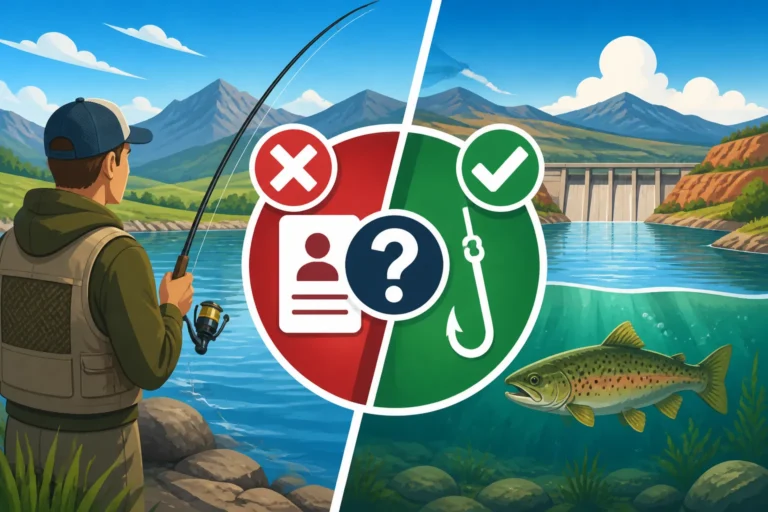
One of the most common misunderstandings anglers face when planning a fishing trip in Colorado is assuming a state fishing license covers all waters within the state's borders. It's a natural assumption, right? You buy your license, you're good to go. But then you start looking at maps, or hear whispers about specific areas, and suddenly you're wondering: what about tribal lands? Do the rules change? The short answer is a resounding yes, and navigating these unique regulations can feel like stepping into a whole different country, even within Colorado. This guide is here to untangle the complexities of Colorado fishing license rules when it comes to tribal land waters, ensuring you understand exactly what's required so you can fish legally and respectfully.
Understanding Tribal Sovereignty and Fishing Regulations
It's easy to forget that within the geographical boundaries of Colorado, there are sovereign nations with their own laws, governance, and resource management. These are the tribal lands of the Ute Mountain Ute Tribe and the Southern Ute Indian Tribe. Just as you wouldn't expect your Colorado fishing license to work in Wyoming, you shouldn't expect it to automatically grant you access or permission to fish on tribal lands. This concept, known as tribal sovereignty, is fundamental to understanding why separate permits are necessary.
The Unique Legal Landscape
Tribal nations have inherent rights to self-governance, which includes managing their natural resources like water, land, and wildlife. This means that any body of water, river, or lake that falls within the established boundaries of a tribal reservation is under the jurisdiction of that specific tribe, not the State of Colorado. They establish their own seasons, bag limits, and licensing requirements, all designed to protect and manage their natural heritage according to their own traditions and conservation goals. For an angler, this means you're dealing with two distinct legal frameworks: state laws for state lands and waters, and tribal laws for tribal lands and waters. Ignoring this distinction isn't just a minor infraction; it can lead to serious legal consequences, including fines and confiscation of gear. It's a stark difference from simply needing a Colorado Fishing License Guide for Residents and Nonresidents for state waters.
Why State Licenses Don't Apply
The reason your standard Colorado fishing license doesn't apply on tribal lands is purely jurisdictional. When you purchase a Colorado fishing license, you are buying the privilege to fish in waters managed by Colorado Parks and Wildlife (CPW). These funds go towards CPW's conservation efforts, stocking programs, and enforcement across state-managed areas. Tribal governments operate independently, so your state license fees do not contribute to their fish and wildlife management or provide them with revenue for their own conservation programs.
Think of it like this: your driver's license lets you drive on public roads, but it doesn't grant you permission to drive on private property without the owner's consent. Tribal lands are, in essence, private property on a national scale, governed by a sovereign entity. This is a crucial difference from fishing on, say, National Forest land, where a state license generally does apply because the federal government and state often have cooperative agreements for wildlife management. Always consult the specific tribal authority for their rules, as they may differ significantly from standard Colorado Fishing Regulations Every Angler Should Know.
Specific Tribal Nations and Their Fishing Requirements in Colorado
Colorado is home to two federally recognized Ute Tribes: the Ute Mountain Ute Tribe and the Southern Ute Indian Tribe, both located in the southwestern part of the state. Each tribe maintains its own distinct fishing regulations and policies regarding access for non-tribal members. Understanding these specific requirements is paramount before casting a line.
The Ute Mountain Ute Tribe
The Ute Mountain Ute Tribe's reservation encompasses a vast area primarily in Montezuma and La Plata counties, extending into Utah and New Mexico. Their lands are rich in natural beauty and hold several waters that are often appealing to anglers. However, public access for fishing on Ute Mountain Ute tribal waters is generally not permitted for non-tribal members. This is a significant distinction. While some tribal lands across the U.S. offer permits for fishing, the Ute Mountain Ute Tribe has historically maintained very strict control over access to their natural resources, including fishing.
If you are not a member of the Ute Mountain Ute Tribe, you should assume that fishing on their reservation is prohibited unless you receive explicit, written permission from the tribal government. This means popular fishing spots that might appear accessible on a map, but are actually within reservation boundaries, are off-limits. It's not a matter of simply buying a special permit; it's a matter of policy that prioritizes tribal member use and conservation. Always verify current policies directly with the Ute Mountain Ute Tribe's Game and Fish Department if you have any doubts, rather than relying on outdated information or assumptions.
The Southern Ute Indian Tribe
In contrast to the Ute Mountain Ute Tribe, the Southern Ute Indian Tribe, whose reservation is primarily located in La Plata and Archuleta counties, does offer fishing permits to non-tribal members for specific waters. This is excellent news for anglers looking for unique fishing opportunities in southwestern Colorado. Their reservation is home to several lakes and reservoirs, some of which are well-regarded for trout, bass, and pike fishing.
Waters like Navajo State Park's tribal portions (distinct from the state park portions), tribal reservoirs, and sections of the Pine River often fall under Southern Ute jurisdiction. To fish these waters, you must purchase a specific Southern Ute Indian Tribe fishing permit. This permit is entirely separate from your Colorado state fishing license and your Colorado's Habitat Stamp, Explained. The cost of these permits varies depending on whether you're a resident or non-resident, and the duration of the permit (e.g., daily, annual). These permits fund the tribe's own wildlife management and conservation efforts. Before heading out, it's crucial to obtain the most current regulations and permits directly from the Southern Ute Indian Tribe's Department of Natural Resources or their designated vendors.
Permit Requirements and Obtaining Access
For the Southern Ute Indian Tribe, acquiring a permit is a straightforward process once you know where to look. Their Department of Natural Resources (DNR) typically manages the sale of these permits. You might find physical locations, such as their tribal headquarters in Ignacio, local sporting goods stores in the vicinity, or sometimes even through their official website. Always check the tribe's official DNR website or contact them directly for the most up-to-date information on where and how to purchase permits, as well as specific fees and rules. For example, some tribal permits might be available at a local gas station in Ignacio, while others require a visit to the tribal offices.
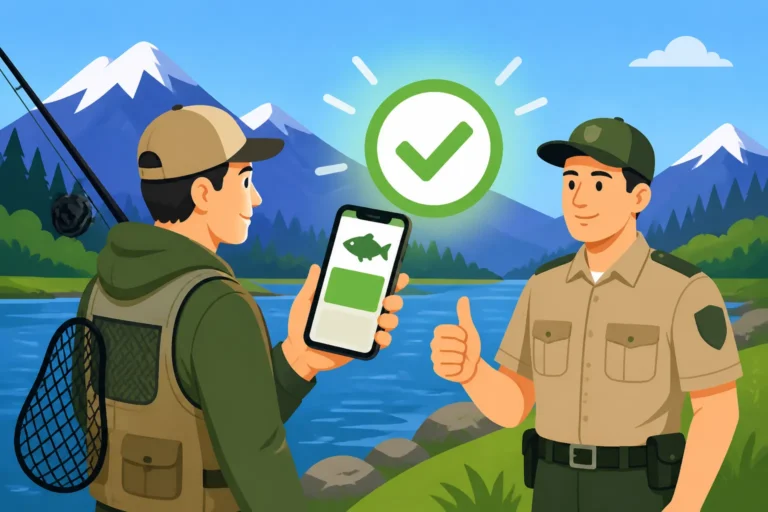
When purchasing a permit, be prepared to provide personal identification, and always carry your tribal permit with you while fishing, along with any relevant state licenses if you're transitioning between tribal and state waters. The tribal permit will outline specific regulations regarding fishing methods, bag limits, and any catch-and-release requirements for their waters. These rules can be different from what you're used to, so reading the fine print is vital. For instance, some tribal waters might have bait restrictions or specific length limits that differ from the state's.
Here's a simplified overview of typical fishing permit scenarios in Colorado's tribal lands:
| Feature | Ute Mountain Ute Tribe Waters | Southern Ute Indian Tribe Waters | Colorado State Waters (for comparison) |
|---|---|---|---|
| Public Fishing Access | Generally Not Permitted | Permitted with Tribal Permit | Permitted with State License |
| Required License/Permit | Tribal Permission (rare) | Southern Ute Fishing Permit | Colorado Fishing License |
| Where to Purchase | N/A | Southern Ute DNR, authorized vendors | CPWShop.com, authorized vendors, phone |
| Who Manages Resources | Ute Mountain Ute Tribe | Southern Ute Indian Tribe | Colorado Parks and Wildlife (CPW) |
| Funds Go Towards | Tribal conservation | Tribal conservation | CPW conservation, stocking, enforcement |
Remember, costs for tribal permits are separate from your general Colorado Fishing License Costs Explained. You won't find Southern Ute permits on CPWShop.com; you'll need to go directly through tribal channels. It’s also worth noting that some popular online retailers like Amazon might sell general fishing gear and books about Colorado's Best Fishing Spots by Region, but they will not sell official tribal fishing permits.
Navigating Access and Respecting Tribal Lands
Fishing on tribal lands is not just about having the correct permit; it's about showing deep respect for the land, the culture, and the sovereignty of the tribal nation. These lands are ancestral homes, vital cultural sites, and crucial ecosystems managed by indigenous peoples for their community's well-being and future generations.
Conservation and Cultural Sensitivity
When you visit tribal lands, you are a guest. This means adhering strictly to all posted rules and regulations, and also extending courtesy and respect to tribal members and the environment. This includes:
- Leave No Trace: Pack out everything you pack in, and perhaps even more. This includes all trash, fishing line, and any other litter. The principles of Leave No Trace are paramount, especially in culturally sensitive areas.
- Stay on Designated Paths/Areas: Do not trespass onto private tribal lands or areas not designated for public recreational use. Respect boundaries, fences, and signs.
- Follow Regulations Precisely: Tribal regulations on bag limits, catch-and-release, bait use, and specific fishing methods might be more stringent or simply different from state rules. For example, some tribal waters might have specific seasons for different fish species that don't align with Colorado Fishing Season Dates and Bag Limits. Ensure you understand and follow them without exception. This also extends to how you handle Colorado's Trout Species, A Field Guide, making sure you can correctly identify species, especially if there are specific rules for native fish.
- Respect Sacred Sites: If you encounter any sites that appear to be of cultural or historical significance, observe them from a distance and do not disturb them.
- Ask Before Taking Photos: If you wish to photograph tribal members or their property, always ask for permission first.
This respectful approach ensures that access can continue for future generations and fosters good relations between anglers and tribal communities. It's a privilege, not a right, to fish on these lands.
Penalties for Non-Compliance
Fishing on tribal lands without the proper tribal permit, or violating tribal fishing regulations, is a serious offense. This isn't just a minor ticket; it can lead to severe penalties. Tribal law enforcement agencies, including tribal game wardens, have the authority to issue citations, impose hefty fines, and confiscate fishing equipment. In some cases, repeat offenses or egregious violations could even lead to arrest and prosecution in tribal court, or even federal charges if certain laws are violated.
The consequences of fishing without a tribal license are often more immediate and potentially more severe than what happens if you fish in Colorado without a license on state waters. You might find yourself having to navigate a legal system you're entirely unfamiliar with, which can be confusing and costly. The financial penalties can quickly outweigh the cost of an annual permit. Beyond legal repercussions, unauthorized fishing disrespects tribal sovereignty and can damage the opportunities for responsible anglers in the future. Always prioritize obtaining the correct permit and meticulously following all rules.
When you are planning your trip, you'll find a wealth of information in the Colorado Fishing License Guide for Residents and Nonresidents, and also by checking out the official website for each specific tribal nation. While you might be tempted to just quickly glance at a physical copy of Reading Colorado's Fishing Regulations Brochure for state waters, remember that tribal regulations are often distinct and require separate consultation. Always do your homework, secure the correct permits, and approach these unique fishing opportunities with an attitude of gratitude and respect.
Disclaimer
The information provided in this guide is for general informational purposes only and is subject to change. Regulations for fishing licenses and access to tribal lands can change frequently. It is always the angler's responsibility to verify the most current regulations and obtain necessary permits directly from the relevant tribal authorities or Colorado Parks and Wildlife before engaging in any fishing activities. This guide does not constitute legal advice.