Colorado’s Two-Rod Stamp vs a Second Fishing License
It can be incredibly frustrating to feel like you're navigating a labyrinth of rules just to enjoy a peaceful day of fishing. Many anglers in Colorado get tangled up wondering if they need a second fishing license or something called a "two-rod stamp" to cast an extra line. This guide is designed to untangle those regulations, clearly explaining the difference between the two and helping you understand exactly what you need to fish with multiple rods in Colorado.
Understanding Colorado's Basic Fishing License Requirements
Before we even get to the concept of a second rod, it’s crucial to understand the foundation: your primary fishing license. This isn't just a piece of paper; it's your official permission slip from the state to partake in the sport. Without it, you're not legally allowed to fish in Colorado waters, whether you're using one rod or ten.
Who Needs a Standard Fishing License
Generally speaking, anyone aged 16 and older who wants to fish in Colorado needs a valid fishing license. This applies to both residents and nonresidents alike. There are some specific nuances, of course. For instance, kids 15 and under can fish for free, which is a fantastic way to introduce the next generation to the joys of angling without an extra financial barrier for parents. However, once that 16th birthday hits, it's time to get licensed up. Even if you're just dipping a line into a small community pond or a mighty reservoir, if you're old enough, you need that license. You can learn all about the different requirements in our comprehensive guide on the Colorado Fishing License Guide for Residents and Nonresidents.
It's a common misconception that if you're on private land, perhaps a friend's pond, you might be exempt. While the land itself is private, the fish typically belong to the state, and thus, state regulations still apply. Always assume you need a license unless explicitly stated otherwise by Colorado Parks and Wildlife (CPW) in their official regulations. This basic license funds critical conservation efforts, fish stocking, and habitat improvements, so it’s more than just a fee – it’s an investment in the future of Colorado's incredible fisheries.
The Purpose of Your Primary License
Your primary Colorado fishing license serves as your fundamental legal authorization to engage in fishing activities within the state. It allows you to cast a single line into the waters, observe bag and possession limits, and enjoy the sport, all while contributing to the vital conservation work done by Colorado Parks and Wildlife. Think of it as your base-level access pass. This license is tied to you, the individual angler, not to the number of rods you're using.
Each license type, whether it’s an annual, one-day, or five-day option, grants you the privilege to fish within its specified validity period. The revenue generated from these licenses goes directly back into managing fish populations, enforcing regulations, and maintaining public access points. Without this initial purchase, any discussion about using additional rods is moot, as you wouldn't be legally fishing at all. The cost structure for these can vary quite a bit depending on residency and duration, which we break down in detail in our article on Colorado Fishing License Costs Explained.
What Exactly is Colorado's Two-Rod Stamp?
Now that we've covered the basics, let's dive into the core of the matter: the two-rod stamp. This is where many anglers, even seasoned ones, sometimes get confused. It’s not a second fishing license, and understanding its specific purpose is key to avoiding penalties.
The Core Function of the Two-Rod Stamp
The Colorado two-rod stamp is an add-on privilege to your existing, valid fishing license. It's a supplementary purchase that grants you the specific legal right to use a second fishing rod or line simultaneously while you are actively fishing. Without this stamp, your standard fishing license only permits you to use one rod at a time. It’s important to emphasize the "simultaneously" aspect – you can always bring multiple rods with you, but only one can be actively fishing without this stamp.
Imagine you're out on a lake, and you want to try jigging for lake trout with one rod while you have a bait rig set up for walleye on another. This is exactly the scenario the two-rod stamp is designed for. It maximizes your efficiency and allows you to experiment with different techniques or target different species at the same time. This stamp is not transferable; it's linked directly to your primary fishing license and, by extension, to you. It's crucial to understand that without your primary license, the two-rod stamp is completely useless. It's like having a VIP pass but no ticket to get into the concert in the first place. For more specific details, you can refer to Colorado's Second-Rod Stamp and Who Needs One.
When and Where You Can Use a Two-Rod Stamp
The two-rod stamp is generally applicable across most Colorado public waters, allowing you to deploy two rods where you could normally only use one. This includes many of the state's popular reservoirs, lakes, and even some rivers, provided the specific water body doesn't have its own unique restrictions. For instance, certain "Gold Medal Waters" or specific river stretches might have special regulations regarding gear, bait, or even the number of rods, so always check the local rules.
It's particularly popular in stillwater environments like Chatfield Reservoir, Blue Mesa Reservoir, or Eleven Mile Reservoir, where anglers might be targeting multiple species or simply want to cover more water from a boat or the bank. During ice fishing season, the two-rod stamp is incredibly valuable, as it allows you to drill two holes and actively fish with two lines, increasing your chances of a bite in cold conditions. However, the key takeaway is always to consult the current Colorado Fishing Regulations brochure or the Colorado Parks and Wildlife website. Regulations can change, and specific waters might have special rules that override the general two-rod stamp permission. Never assume; always verify.
Costs and How to Obtain the Two-Rod Stamp
The cost of Colorado's two-rod stamp is relatively modest, designed to be an accessible add-on for anglers who want the extra flexibility. As of recent years, the annual two-rod stamp typically costs around $5.00, though prices can adjust from year to year. This small fee directly supports wildlife management efforts, similar to your primary license.
Obtaining the two-rod stamp is straightforward. When you purchase your annual or short-term fishing license, you'll be given the option to add the two-rod stamp to your cart. Whether you're buying your license online at CPWShop.com, through the MyOutdoorColorado app, or in person at a licensed vendor like a sporting goods store or Walmart, the stamp is available as an easy add-on. It will then be digitally linked to your license or printed alongside it, making it part of your valid fishing credentials. Knowing How to Buy a Colorado Fishing License will walk you through the process, including how to add the two-rod stamp. Just ensure it's clearly listed on your license document or digital display for easy verification by a CPW officer.
Why a "Second Fishing License" Isn't the Answer
This is where the distinction becomes absolutely critical. Many new anglers, or even those coming from other states with different regulations, mistakenly believe they need to buy a whole new fishing license to use a second rod. This is incorrect for Colorado.
The Misconception of Multiple Licenses
The idea of purchasing a "second fishing license" in Colorado stems from a misunderstanding of how the state's licensing system works. In Colorado, your fishing license is tied to you as an individual. It's not a per-rod authorization. One person, one license. It's like having a driver's license; you don't buy a second one just because you want to drive a different car or have an extra steering wheel. The license permits you to operate.
If you were to purchase a second full fishing license, you would simply be buying a redundant piece of paper. It would still only authorize you to fish, and without the specific two-rod stamp, you'd still be limited to one actively deployed line. Colorado Parks and Wildlife views a single angler fishing with two rods and two separate licenses the same as an angler with one license and no two-rod stamp: they are not compliant with the two-rod rule. The primary license covers your person; the two-rod stamp covers the extra gear.
Limitations and Legalities of Multiple Licenses
Beyond simply being unnecessary, trying to use a "second fishing license" instead of a two-rod stamp has no legal benefit and could even lead to confusion if you encounter a wildlife officer. The officers are looking for a single, valid fishing license for the individual angler, plus the specific two-rod stamp if you're using more than one rod. Presenting two full licenses for one person using two rods doesn't grant you any additional privileges.
It's a costly and pointless endeavor. Instead of paying for a redundant full license, which could be upwards of $30-40 or more for a resident annual license, you only need to spend the approximately $5 for the two-rod stamp. The regulations are very clear on this: the right to use multiple lines comes from the specialized stamp, not from stacking multiple primary licenses. This clarity helps streamline enforcement and ensures everyone contributes appropriately to the system. Understanding these details will help you avoid penalties for What Happens If You Fish in Colorado Without a License or the proper stamps.
Practical Scenarios: Two Rods in Action
Let's explore some real-world situations where the two-rod stamp shines and what you need to consider. This stamp truly opens up new possibilities for anglers looking to maximize their time on the water.
Ice Fishing with Two Rods
Ice fishing is arguably where the two-rod stamp proves most invaluable. When you're sitting on a frozen lake, drilling holes and waiting for a bite, having a second line in the water significantly increases your chances of success. With your two-rod stamp, you can set up two separate holes, each with its own rod, bait, or jig. This allows you to:
- Target different depths: You might have one line fishing near the bottom for lake trout or walleye, and another suspended higher in the water column for kokanee salmon or perch.
- Experiment with different presentations: One rod might have a dead stick bait setup, while the other is actively jigged. You can try different lures, colors, or bait types simultaneously to see what the fish are responding to on a given day.
- Cover more ground: While you're limited to a certain number of holes (usually dictated by local ice fishing regulations), using two rods essentially allows you to present two different offerings in two different locations without constantly moving your single rod.
Just remember that you must be actively attending both lines. You can't set one up and walk away to warm up in your ice hut for an hour. They need to be within your immediate control and observation. Our guide on Colorado Ice Fishing Rules offers more specific advice on this popular winter pastime.
Open Water Applications for Two Rods
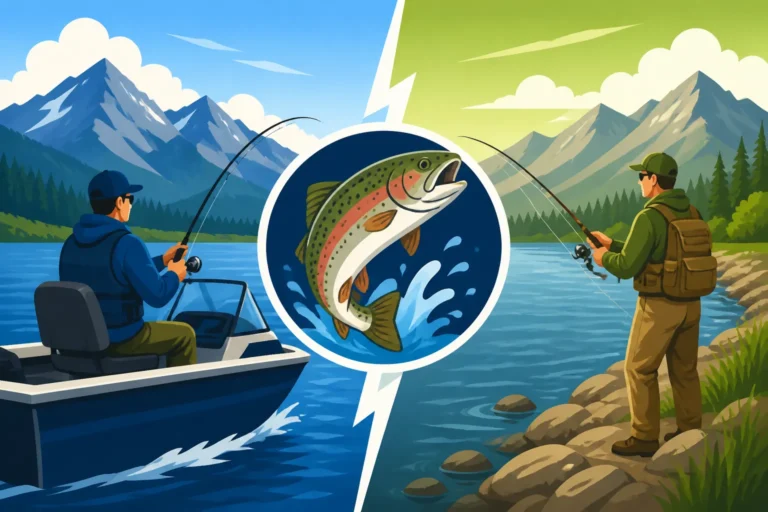
The benefits of the two-rod stamp extend well beyond ice fishing. On open water, whether you're fishing from a boat, a kayak, or even from the shore, having a second rod can be a game-changer.
- From a Boat or Kayak: If you're trolling, you can run two lines with different lures or depths, dramatically increasing your trolling spread and the likelihood of encountering fish. If you're anchored or drifting, you might have one rod casting and retrieving while the other is set with a stationary bait. This is particularly effective for targeting species like walleye, catfish, or carp, which might prefer a slower, more scent-based presentation.
- Shoreline Angling: Even from the bank, a two-rod setup can be incredibly useful. You could have a heavier setup cast far out with a large bait for big fish like northern pike or lake trout, while your second rod is set up closer to shore with a lighter rig for panfish or smaller trout. This allows you to explore different zones and techniques without constantly re-rigging.
Again, the key is "active attendance." Both rods must be under your control and within a reasonable distance for you to manage them effectively. You shouldn't be fishing two rods on opposite ends of a long pier or in areas where you can't quickly respond to a bite on either line. For more detailed information, look at Two-Rod Fishing Rules in Colorado.
Important Exceptions and Species-Specific Rules
While the two-rod stamp provides broad permissions, it's never a universal pass. There are crucial exceptions and species-specific rules you must be aware of:
- Specific Waters: Some "catch-and-release only" waters, or certain stretches of designated Gold Medal Water, might have specific restrictions that limit you to a single rod, or even mandate barbless hooks. Always check the signage at access points and the current CPW regulations. For example, certain areas aiming to protect native cutthroat populations might be more restrictive.
- Species-Specific Methods: While less about the number of rods and more about method, be mindful of rules for certain species. For instance, snagging is generally illegal, except for specific seasons and waters for kokanee salmon. Even then, the two-rod stamp simply allows two lines; it doesn't change the legality of the method.
- Bag and Possession Limits: Using two rods doesn't double your bag limit! The daily bag and possession limits for each species remain the same regardless of how many lines you're fishing. The stamp only provides the opportunity to increase your chances, not your take home.
Always consult the official Colorado Fishing Regulations Every Angler Should Know before heading out. Ignorance of the law is not an excuse, and game wardens in Colorado are very diligent about enforcing these rules to protect the resource.
Ensuring You're Compliant and Prepared
Having the right licenses and stamps is only half the battle. You also need to ensure they're properly displayed and that you understand the implications of non-compliance. It's about being a responsible and prepared angler.
Verifying Your Purchase and Displaying Your License
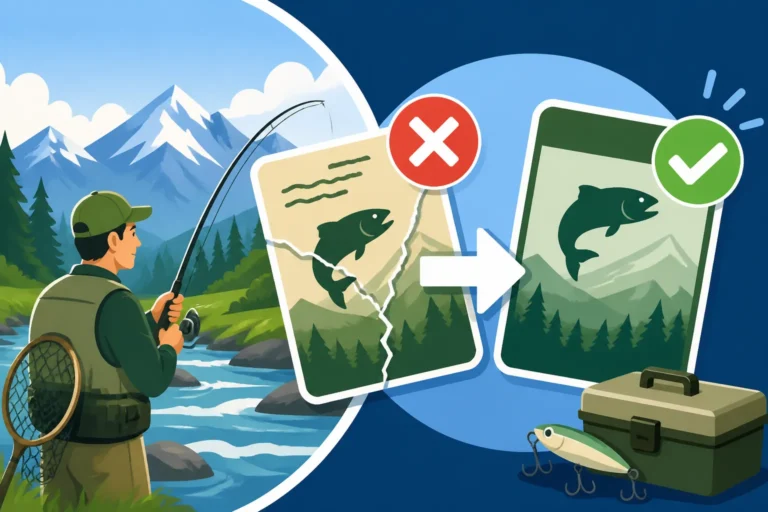
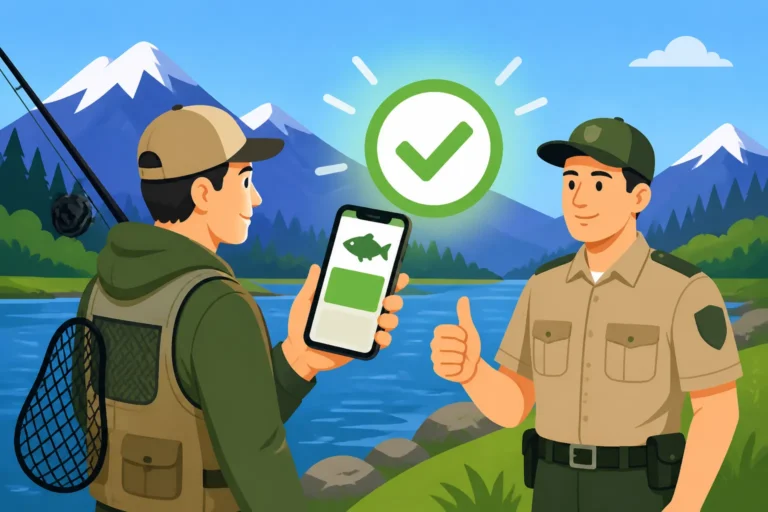
Once you've purchased your Colorado fishing license and the two-rod stamp, you need to ensure they are properly accessible. Most anglers these days opt for digital licenses via the MyOutdoorColorado app on their smartphone. This is perfectly legal and convenient. However, if your phone battery dies or you're in an area without service, you'll want a backup.
Many anglers choose to print a physical copy of their license and keep it laminated in their tackle box or wallet. This way, if your phone is out of commission, you still have proof of purchase. Regardless of whether it's digital or physical, your license and stamp must be readily available for inspection by a Colorado Parks and Wildlife officer upon request. They won't wait for you to drive home to retrieve it. For advice on Showing Your Colorado Fishing License in the Field, consult our detailed post. Always double-check that your two-rod stamp is clearly printed or shown on the same document as your primary fishing license, ensuring it’s unmistakable that you’ve paid for that extra privilege.
Penalties for Non-Compliance
Fishing without a valid license or without the appropriate stamps (like the two-rod stamp) can lead to significant penalties in Colorado. This isn't just a slap on the wrist; it can be a serious deterrent. If a CPW officer finds you fishing with two rods but without a two-rod stamp, you could be cited. The penalties typically involve:
- Fines: These can range from moderate to substantial, easily exceeding the cost of the stamp itself. You'll likely also incur court fees and surcharges.
- Loss of Privilege: In more severe or repeated instances, you could face the suspension of your fishing privileges for a period, meaning you wouldn't be able to purchase a license at all.
- Confiscation of Gear: In some cases, especially for egregious violations, an officer may have the authority to confiscate your fishing equipment.
These penalties are designed to protect Colorado's natural resources and ensure that everyone contributes fairly to their management. It’s far simpler and cheaper to spend the few extra dollars on the stamp than to risk the legal headaches and financial burden of a citation. Make sure to renew your license annually, and add the stamp if you plan to use two rods. Check out How to Renew a Colorado Fishing License Online to stay current.
Comparing Your Options: License vs. Two-Rod Stamp
To help clarify the differences, let's break down the key aspects of your primary fishing license and the two-rod stamp in a simple comparison.
| Feature | Primary Colorado Fishing License | Colorado Two-Rod Stamp |
|---|---|---|
| Purpose | Grants basic legal permission for one individual to fish. | Grants additional permission to use a second line/rod. |
| Requirement | Mandatory for anglers 16+ (with few exemptions). | Optional, but mandatory if using more than one rod. |
| Cost (Annual, approx.) | Varies by residency (e.g., ~$30+ for resident, ~$100+ for nonresident) | ~$5.00 (additional to primary license) |
| Validity | Valid for a specific period (annual, 1-day, 5-day). | Valid for the same period as the primary license it's attached to. |
| Transferable | No, assigned to an individual. | No, assigned to the primary license holder. |
| Stand-alone? | Yes, required to fish at all. | No, only valid when paired with a primary fishing license. |
| Benefit | Legal access to Colorado's fisheries. | Increased fishing efficiency and versatility. |
| Penalties without | Significant fines, potential loss of privilege, gear confiscation. | Fines, potential loss of privilege. |
This table clearly illustrates that the two-rod stamp is a privilege built upon your existing fishing license, not a replacement or a second license in itself.
Conclusion: Get the Right Permit for Your Angling Style
Navigating fishing regulations can feel like a chore, but when it comes to using more than one rod in Colorado, the answer is surprisingly straightforward. You need one valid Colorado fishing license for yourself, and if you plan to actively fish with a second rod at the same time, you need to purchase the affordable two-rod stamp as an add-on. There is no need for a "second fishing license" in Colorado.
This simple stamp unlocks greater flexibility, allowing you to try different techniques, target multiple species, or simply increase your odds of a successful day on the water, whether you're ice fishing on Blue Mesa or casting into the South Platte. Always prioritize checking the current Colorado Parks and Wildlife regulations, as specific water bodies can have unique rules. By understanding this distinction and ensuring you have the correct documentation, you can avoid unnecessary fines and fully enjoy the incredible fishing opportunities Colorado has to offer.
Disclaimer
The information provided in this guide is for general informational purposes only and does not constitute legal advice. Fishing regulations are subject to change by Colorado Parks and Wildlife. Always consult the official Colorado Parks and Wildlife website or the current year's fishing regulations brochure for the most accurate and up-to-date information before engaging in any fishing activities.