Colorado Fishing Rules for Boat Anglers vs Bank Anglers
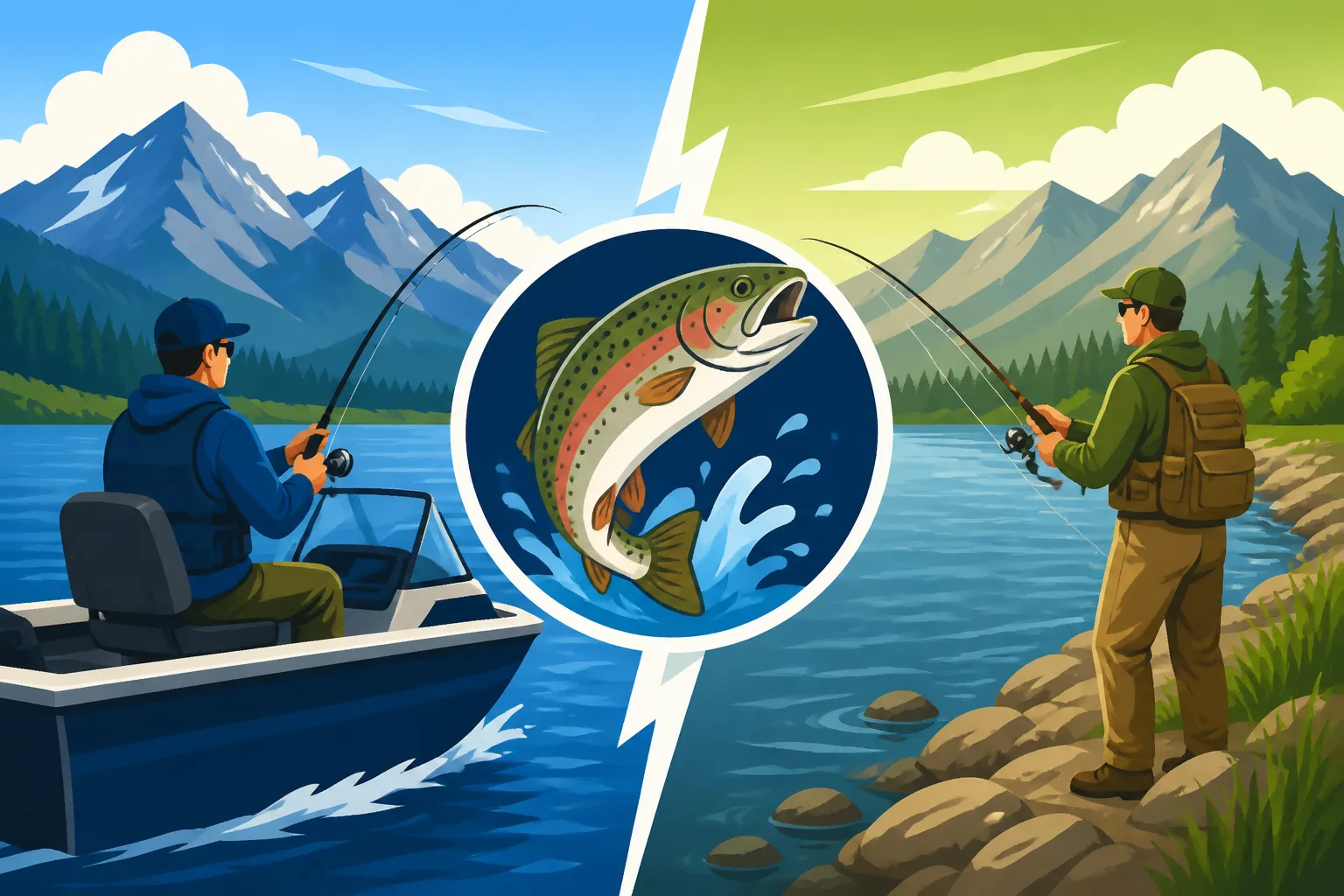
It’s a common scenario: you’re standing on the shore of a beautiful Colorado lake, casting your line, and then a boat cruises by, anglers aboard seemingly enjoying the same experience but perhaps with different gear or access. This often sparks a thought – do the rules change when you swap your waders for a boat seat? The short answer is yes, sometimes, and understanding these nuances is key to a responsible and successful day on the water. This comprehensive guide will untangle Colorado's fishing regulations, highlighting the specific considerations for both boat anglers and bank anglers, ensuring you're fully informed whether you're paddling a kayak or casting from solid ground.
The Foundation: Rules That Apply to Everyone
Before we dive into what differentiates boat and bank angling, it's crucial to understand the bedrock of Colorado's fishing regulations. These are the rules that apply universally to every angler, regardless of how or where you choose to fish. Ignoring these basics can lead to fines, frustrating encounters with wildlife officers, and ultimately, a spoiled day on the water.
Your Essential Colorado Fishing License
First and foremost, virtually everyone needs a valid Colorado fishing license. This isn't just a suggestion; it's a legal requirement for anyone 16 years of age or older. Whether you're dropping a line from a boat in the middle of Blue Mesa Reservoir or simply flicking a fly into a high-country stream from the bank, that license needs to be on your person. Colorado Parks and Wildlife (CPW) uses these license sales to fund vital conservation efforts, fish stocking programs, and habitat restoration, which benefits all anglers. You can find a complete rundown in our Colorado Fishing License Guide for Residents and Nonresidents. It's a small investment for endless days of enjoyment and a direct contribution to keeping Colorado's fisheries healthy.
It's important to remember that this applies equally to visitors. A nonresident on a week-long vacation casting from the bank of the Colorado River needs a license just as much as a resident fishing from their boat on Lake Granby. Don't assume that because you're just "trying it out" or "only fishing for a little while" that you're exempt. The rules are clear.
Bag and Possession Limits
Once you've got your license, the next big universal rule revolves around bag and possession limits. Colorado has specific regulations on the number and size of fish you can keep for each species, and these limits apply indiscriminately to all anglers. It doesn't matter if you caught a trophy brown trout from your drift boat on the Arkansas River or reeled in a handful of panfish from a community pond shoreline; the limits are the same.
For instance, if the daily bag limit for rainbow trout in a particular body of water is four, you can only keep four, period. Your method of fishing doesn't grant you extra fish. These limits are in place to ensure sustainable fish populations for everyone, now and in the future. Always consult the current year's Colorado Fishing Season Dates and Bag Limits and the CPW regulations brochure. For specific species, you might want to look into details like Colorado's Daily Walleye Limit, as these can vary significantly by water body. Ignorance of the rules is never an excuse, so taking a few minutes to read the regulations brochure is an absolute must before heading out.
The Habitat Stamp Requirement
Another critical universal requirement is the Colorado Habitat Stamp. If you're between the ages of 18 and 64 and you're purchasing a hunting or fishing license, you'll need to buy one of these stamps as well. It's a one-time annual purchase that contributes significantly to the conservation of Colorado's wildlife habitats. Again, whether you're a boat angler or a bank angler, if you fall into that age bracket, you need this stamp. We've got a detailed explanation on Colorado's Habitat Stamp, Explained to help you understand who needs one and why it's so important for the state's natural resources.
Specific Considerations for Boat Anglers
While the core licensing and limit rules are universal, boat anglers face an additional layer of regulations primarily concerning vessel operation, safety, and launch access. These rules are designed to ensure the safety of all water users and to prevent the spread of aquatic invasive species.
Vessel Registration and Aquatic Nuisance Species (ANS)
If you're operating any motorized vessel on Colorado waters, it must be registered with Colorado Parks and Wildlife. This includes everything from large bass boats to smaller electric-powered kayaks. Non-motorized vessels like canoes, kayaks, rafts, and stand-up paddleboards that are 10 feet or longer also generally require an ANS stamp to be legally used in Colorado waters. This stamp helps fund the state's rigorous aquatic nuisance species inspection and decontamination program, which is crucial for protecting Colorado's pristine waters from devastating invaders like zebra and quagga mussels.
Before launching your boat, whether motorized or not, you'll likely encounter a mandatory ANS inspection station at popular reservoirs and lakes. You must stop at these stations, even if you think your boat is clean. Failing to stop for an inspection can result in significant fines. This means you need to "Clean, Drain, Dry" your vessel and all associated gear every time you leave a body of water. "Clean" means removing all visible mud, plants, and aquatic organisms. "Drain" means pulling plugs, draining live wells, and emptying any water from your boat. "Dry" means allowing your boat and gear to dry thoroughly before its next use.
Imagine you're planning a trip to Blue Mesa Reservoir. You've got your boat loaded, your fishing gear from Amazon ready, and you're excited to chase some lake trout. But if you don't stop for the ANS inspection, or if your boat isn't properly cleaned and drained, you could face delays or even be turned away. This isn't about inconveniencing you; it's about protecting the very waters you love to fish.
Boating Safety Equipment
Safety on the water is paramount, and boat anglers have specific requirements for personal flotation devices (PFDs) and other safety equipment. These rules vary depending on the size and type of your vessel, but generally, you'll need:
- PFDs: Every person on board must have a readily accessible, U.S. Coast Guard-approved PFD. For children 12 years and younger, wearing a PFD at all times while the vessel is underway is mandatory.
- Throwable Device: Boats 16 feet or longer (excluding canoes and kayaks) must have a throwable flotation device.
- Sound-Producing Device: A whistle, horn, or bell is often required.
- Fire Extinguisher: Motorized vessels generally need a fire extinguisher.
- Navigation Lights: If operating between sunset and sunrise, proper navigation lights are a must.
These aren't suggestions; they are legal requirements designed to save lives. Picture yourself on a blustery day on Dillon Reservoir, the wind kicking up waves. Having readily accessible PFDs isn't just a rule; it's common sense that could prevent a tragedy. For smaller craft like kayaks and float tubes, the rules are a bit simpler, but PFDs are still absolutely essential. If you're specifically fishing from a smaller vessel, you might want to review Colorado Fishing License Rules for Kayak Anglers or Colorado Fishing License Rules for People Fishing From a Float Tube for more specific guidance.
Access and Launching
Boat anglers typically access the water via designated boat ramps. These ramps are often located within state parks or managed recreation areas, and they may require a day-use pass or a Colorado State Parks Pass in addition to your fishing license. It's a common misconception that your fishing license grants you free entry to state parks for boating access. This isn't the case; they are separate fees for separate purposes. We cover this distinction in more detail in Colorado State Park Passes vs Fishing Licenses.
Always inspect the launch area before backing your trailer in. Look for hidden rocks, shallow spots, or debris that could damage your boat. Be courteous at the ramp – launch efficiently and move your vehicle and trailer out of the way promptly to allow others access.
Unique Aspects for Bank Anglers
Bank anglers, while often facing fewer regulatory hurdles in terms of vessel operation, have their own set of unique considerations, primarily centered around public and private land access and shoreline ethics.
Public vs. Private Land Access
One of the biggest differences for bank anglers is navigating public versus private land. While many rivers and lakes offer extensive public access points, much of Colorado's land, especially along popular fishing rivers, is privately owned. It is your responsibility to know where you are and to respect private property. Trespassing, even unintentional, can lead to legal trouble and damage the relationship between anglers and landowners.
CPW's Fishing Atlas is an invaluable tool for bank anglers, clearly delineating public and private land boundaries, as well as designated public access points. Always check it before you go. If you're unsure about access to a specific stretch of water, assume it's private until you confirm otherwise. Posting "No Trespassing" signs is common, and you should always adhere to them.
There's a persistent myth that if a stream flows through private land, you can still wade it as long as you stay in the water. This is generally not true in Colorado. The land under non-navigable streams is considered private property, and accessing it from private land without permission is trespassing. Always seek permission from landowners if you want to fish a section that crosses private property, or stick to clearly marked public access points. For more information, you can check out Do You Need a License to Fish Private Water in Colorado?
Shoreline Ethics and Conservation
Bank anglers have a particular responsibility to practice "Leave No Trace" principles. This means packing out everything you pack in, including all trash, discarded fishing line, and bait containers. Leaving behind tangled fishing line (which can be bought from retailers like Amazon), bait boxes, or food wrappers not only pollutes the environment but also endangers wildlife and degrades the experience for other anglers.
Consider other users of the shoreline as well. Many public areas are used by hikers, birdwatchers, and families. Be mindful of your casting space, avoid loud noises, and keep pets under control. Leaving the area cleaner than you found it is always a good rule of thumb. It helps maintain access for everyone and preserves the natural beauty of Colorado for future generations.
Fishing in Urban Ponds and State Wildlife Areas
Many bank anglers enjoy fishing Colorado's urban ponds and State Wildlife Areas (SWAs). These spots often provide easy access and are regularly stocked by CPW, making them fantastic options, especially for families and beginners. However, even these areas have specific rules. SWAs often have unique restrictions on hours of access, types of bait allowed, or even required entry fees beyond your fishing license. Always check the signage at the entrance to an SWA or consult the CPW website for specific regulations.
Shared Responsibilities and Common Misconceptions
Despite the differences in mode of transport, both boat and bank anglers share many of the same responsibilities, and often fall prey to similar misunderstandings of the rules.
The Second-Rod Stamp
One common point of confusion for both types of anglers is the "second-rod stamp." In Colorado, if you wish to fish with two rods simultaneously, you must purchase a second-rod stamp in addition to your regular fishing license. This applies whether you're casting two lines from your boat, or have one pole set up on a rod holder while you actively fish another from the bank. It's a simple, inexpensive stamp, but forgetting it can lead to a fine if a wildlife officer observes you using two rods without it. Learn more about Colorado's Second-Rod Stamp and Who Needs One.
Bait and Tackle Restrictions
Bait and tackle restrictions also apply equally to both boat and bank anglers, although their application can vary widely depending on the specific water body. Some waters, particularly Colorado's Gold Medal Waters, often have strict "flies and lures only" or "artificial flies and lures with a single, barbless hook" regulations. Other waters might allow worms, power bait, or even live minnows. These rules are always clearly outlined in the annual CPW regulations brochure.
It's absolutely critical to know the bait and tackle rules for the specific water you're fishing. Accidentally using bait in a "flies and lures only" section can result in a hefty ticket, regardless of whether you're in a boat or on the bank. Many anglers also wonder Can You Use Bait in Colorado's Gold Medal Waters? The answer is often no, but always double-check the specifics for that particular stretch of river.
What Happens If You Break the Rules?
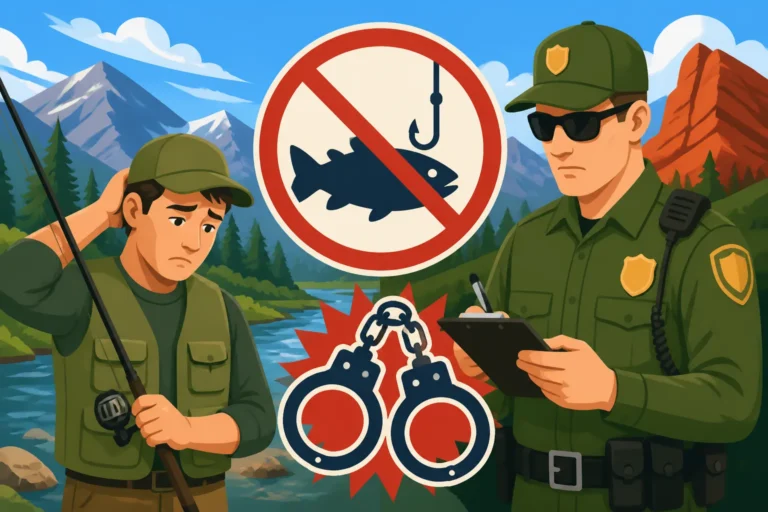
The consequences for violating fishing regulations are the same for both boat and bank anglers. Fishing without a license, keeping over-limit fish, or using illegal bait can result in significant fines, confiscation of gear, and even loss of future fishing privileges. These penalties are designed to deter illegal activity and protect Colorado's precious natural resources.
It’s easy to think "no one will notice," but Colorado's wildlife officers are dedicated and vigilant. They patrol waterways and shorelines regularly, and they are trained to spot violations. For a comprehensive look at the repercussions, you can read What Happens If You Fish in Colorado Without a License. It’s simply not worth the risk. Always carry your physical license or a digital copy on your phone, and be prepared to present it to a wildlife officer upon request.
Navigating Shared Waters: Respect and Responsibility
Ultimately, whether you're a boat angler or a bank angler, you're part of a larger community of outdoor enthusiasts enjoying Colorado's incredible natural beauty. Respect and responsibility are key to ensuring a positive experience for everyone.
Sharing the Resource
Imagine a popular river like the South Platte, renowned for its trout fishing. Bank anglers will be spread along the public access points, carefully working their way through riffles and pools. Simultaneously, drift boats might be floating downstream, their occupants also casting for trout. Both groups have a right to be there, and courtesy goes a long way.
Boat anglers should strive to give bank anglers ample space, avoiding cutting off their drifts or motoring too close to the shore where people are actively fishing. Similarly, bank anglers should avoid casting directly into the path of an approaching boat, and be mindful that boats often need clear passage through certain sections of a river. A little wave, a friendly nod, or a simple "How's the fishing?" can diffuse potential tension and foster a cooperative atmosphere.
Environmental Stewardship
Beyond regulations, both boat and bank anglers share a deep responsibility for environmental stewardship. This includes understanding and helping to prevent the spread of aquatic invasive species, participating in river cleanups, and advocating for healthy habitats. Your actions, whether on foot or in a boat, directly impact the future of fishing in Colorado.
The health of Colorado's waters depends on the collective efforts of its users. By adhering to all regulations, being mindful of your impact, and actively engaging in conservation, you help ensure that the privilege of fishing in this magnificent state remains for generations to come. To stay informed, make it a habit to regularly check the official Reading Colorado's Fishing Regulations Brochure for updates, as rules can occasionally change from year to year.
Conclusion
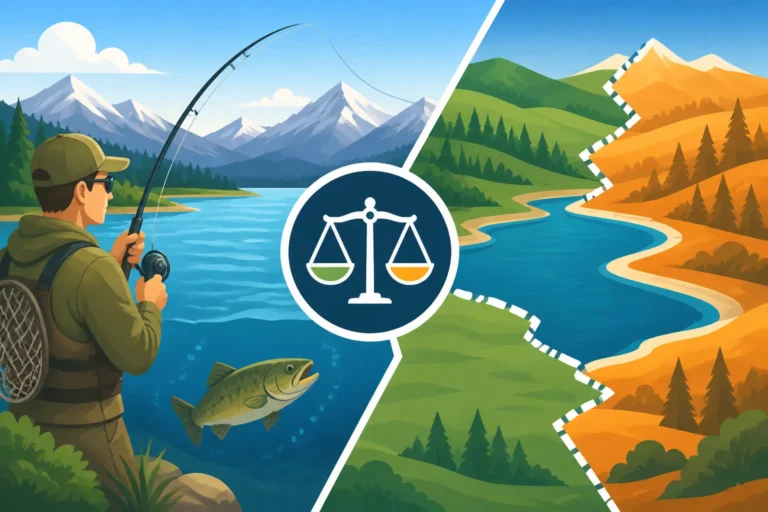
So, whether you prefer the solitude of casting from the bank or the freedom of exploring vast waters from a boat, Colorado offers unparalleled fishing opportunities. The key to enjoying these experiences responsibly lies in understanding and respecting the rules. While the core requirements for licenses, stamps, and bag limits are universal, boat anglers carry additional responsibilities related to vessel registration, safety equipment, and ANS inspections. Bank anglers, on the other hand, must be particularly diligent about understanding public and private land boundaries. By staying informed, practicing good ethics, and showing respect for fellow anglers and the environment, you're ensuring that Colorado remains a premier fishing destination for everyone.
Disclaimer
Please note: Fishing regulations in Colorado are subject to change. This guide is intended for informational purposes only and should not be considered a substitute for the official Colorado Parks and Wildlife (CPW) fishing regulations brochure. Always consult the most current CPW regulations before heading out to fish.