Does a Colorado License Cover Fishing From a Float Tube?
Navigating the world of Colorado fishing regulations can sometimes feel like trying to untangle a particularly stubborn bird's nest of fishing line. You've got your rod, your reel, maybe even some fancy new waders, and you're eyeing that perfect float tube for accessing those hard-to-reach spots on your favorite lake. But then the nagging question hits you: does a Colorado fishing license actually cover fishing from a float tube? This guide is here to untangle that line for you, explaining exactly how your license applies and what else you need to know to safely and legally enjoy float tube fishing in the Centennial State.
Understanding Colorado's Core Fishing License Requirements
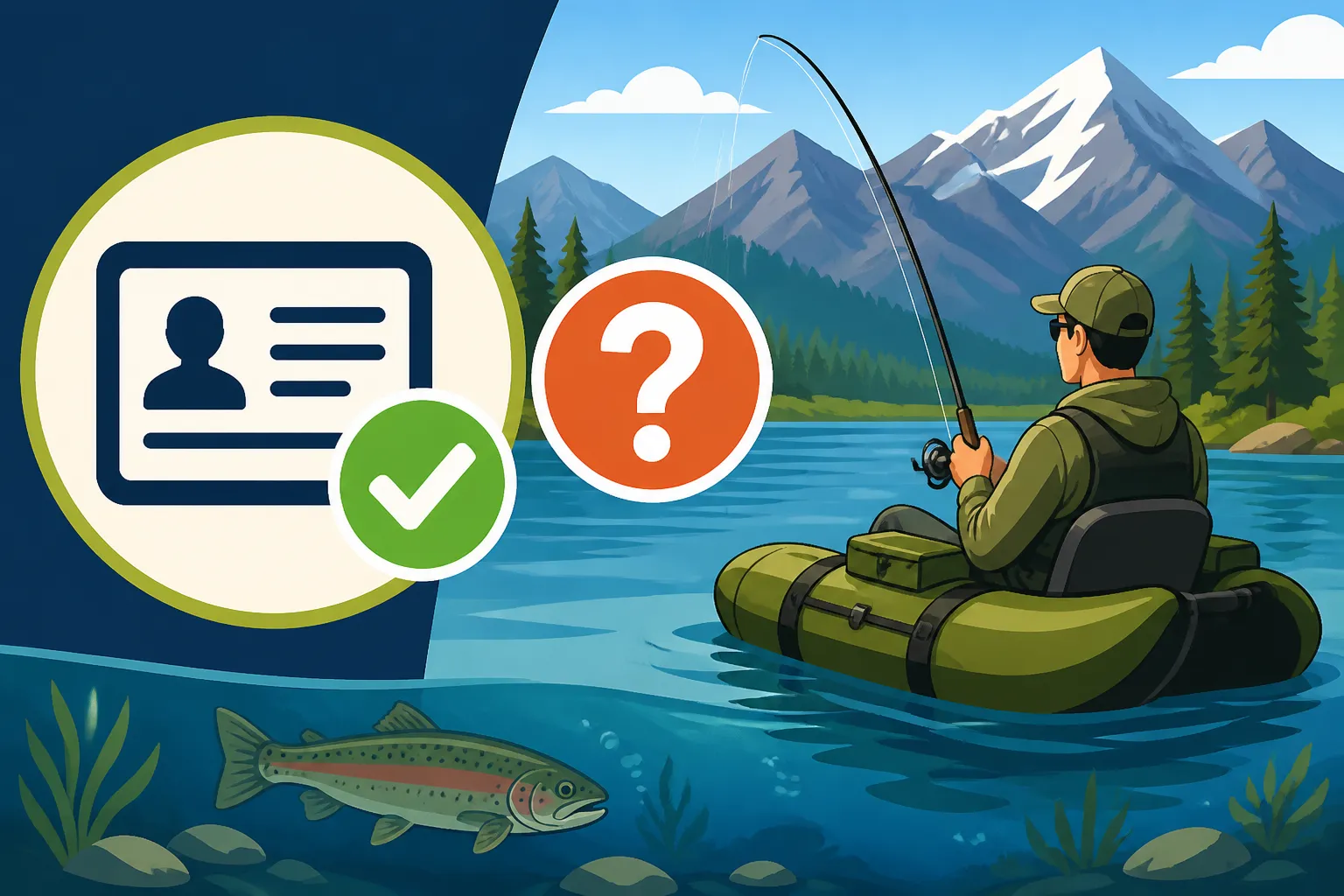
It's a common misconception that certain types of fishing, or fishing from certain vessels, might require a different kind of license. Maybe you think a boat needs one license, a kayak another, and a float tube something entirely unique. The truth is much simpler, and thankfully, it works in your favor as a float tube enthusiast. The fundamental principle in Colorado is that the fishing license covers the person doing the fishing, not the equipment they're using to do it.
Who Needs a License to Fish in Colorado?
In Colorado, if you're 16 years of age or older and you plan to engage in the act of fishing, you absolutely need a valid Colorado fishing license. It doesn't matter if you're casting from the bank, wading into a river, dropping a line from a fully rigged bass boat, or gently paddling along in your float tube; the moment your line hits public water with the intent to catch fish, that license needs to be in your possession. This rule is pretty straightforward and applies uniformly across almost all public waters in the state. Many anglers are curious about the various options available, from annual passes to shorter terms. You can get a clear breakdown of these choices in our guide on Colorado's Annual, One-Day and Five-Day License Options.
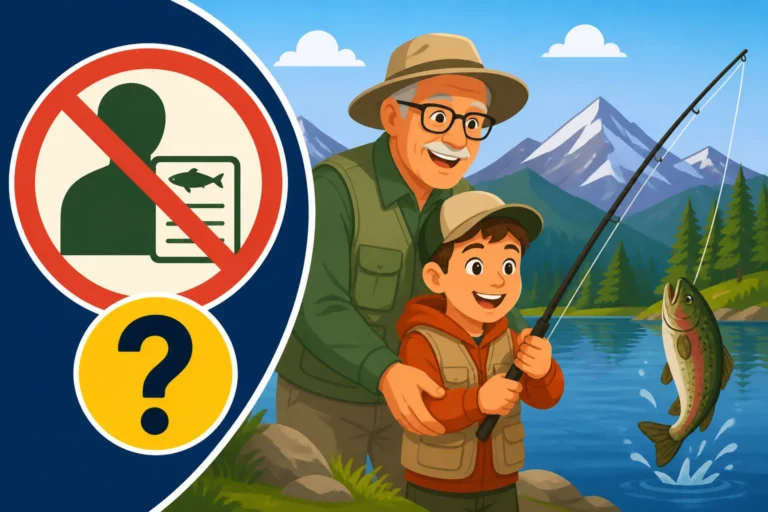
There are a few key exceptions, of course. For instance, kids aged 15 and under don't need a license to fish in Colorado, which is a fantastic way to introduce the younger generation to the joys of angling without an extra hurdle. There's also the celebrated Colorado's Free Fishing Weekend, typically held in early June, where residents and nonresidents alike can fish without a license. However, outside of these specific scenarios, if you're an adult angler, your license is non-negotiable. It’s also crucial to remember that even if you're fishing in a stocked pond within a city park, if that water is accessible to the public, a license is still required. It's all about public access, not just the remote wilderness spots.
The Role of the Habitat Stamp
Beyond your basic fishing license, most adult anglers in Colorado will also need to purchase a Habitat Stamp. This often causes a bit of confusion, as it's an additional fee on top of the license itself. Think of it as your contribution to the ongoing conservation efforts that help maintain Colorado's incredible wildlife and natural spaces, including the very habitats that support our fish populations. The Habitat Stamp is required for residents and nonresidents aged 18 through 64 who are purchasing a hunting or fishing license. Those outside of that age range, like seniors and youth, are typically exempt.
When you buy your fishing license, whether you're doing it online at CPWShop.com, over the phone, or in person at a licensed vendor, the system will usually prompt you to add the Habitat Stamp if you fall within the required age bracket. It's not a separate license in itself, but rather a necessary accompaniment to most licenses. For a deeper dive into this vital component, check out our piece on Colorado's Habitat Stamp, Explained. It's an investment that directly benefits the beautiful places we love to fish, ensuring they remain vibrant for generations to come.
Resident vs. Non-Resident Licenses
Colorado, like many states, distinguishes between resident and non-resident fishing licenses, and this distinction primarily impacts the cost. Residents, who call Colorado home for at least six consecutive months, generally pay a lower fee for their annual licenses. Non-residents, visiting from other states or countries, will pay a higher rate for their annual, one-day, or five-day licenses. The state requires specific documentation to prove Colorado residency for licensing purposes, so if you've recently moved here or are wondering if you qualify, it's worth reviewing the criteria.
This tiered pricing helps ensure that those who primarily benefit from and utilize Colorado's resources year-round contribute differently than those who visit periodically. Regardless of your residency status, the rules of fishing—including the allowance of float tubes—remain the same once you have your valid license. It’s simply a matter of the price point for access. For a comprehensive comparison of costs and requirements, our article on Resident vs Nonresident Fishing Licenses in Colorado can provide all the details you need to make an informed decision.
Fishing from a Float Tube: What to Know Beyond the License
So, with a valid Colorado fishing license in hand, you are absolutely covered to fish from your float tube. That's the main takeaway. But while the license itself is universal, there are still some important considerations and regulations specific to using a float tube on Colorado's waters that you'll want to be aware of for safety, legality, and a more enjoyable experience.
Watercraft Regulations and Safety
Even though a float tube is a small, personal watercraft, it's still subject to certain safety regulations, particularly those enforced by the U.S. Coast Guard and Colorado Parks and Wildlife (CPW). The most critical rule for any vessel, including a float tube, is the requirement for a Personal Flotation Device (PFD), or life vest. Every person on board a vessel must have a Coast Guard-approved PFD that is readily accessible or worn. For float tubers, it’s usually recommended to wear it, as conditions can change quickly on the water.
Beyond the PFD, there are other common-sense safety measures that are highly recommended. A whistle or other sound-producing device is excellent for signaling others, especially if you get into a tricky situation or need to alert a passing boater to your presence. Many float tubers also carry a small knife, which can be invaluable for cutting tangled lines or emergencies. Remember, you'll likely be wearing waders, which, while keeping you dry, can fill with water if you capsize. Always use a wader belt to minimize water entry and consider the potential for cold shock if fishing in cooler temperatures. Always prioritize safety, as Colorado's waters, especially high-country lakes and rivers, can be incredibly cold, even in summer.
Access and Restrictions
While float tubes are generally permitted where other small, non-motorized watercraft are allowed, it’s crucial to understand that specific bodies of water might have unique regulations. For example, some small, sensitive ponds or reservoirs, especially those managed by municipalities or local parks, might restrict any watercraft, including float tubes, to protect fragile ecosystems or simply for public safety near swimming areas. Before heading out, always check the local regulations for the specific lake, reservoir, or river you plan to fish. You can often find this information on the CPW website or by calling the local park or managing agency.
Another aspect of access involves launching your float tube. Many lakes and reservoirs have designated boat ramps, but for a float tube, you often just need a safe, clear spot along the shoreline. However, respect private property boundaries and only launch from public access points. Remember that even if the water is public, the land around it might be private. Always refer to resources like the Colorado Fishing Atlas to identify public access points and potential restrictions. Knowing these details beforehand can save you a lot of frustration and ensure you're always fishing legally and responsibly.
Essential Gear for Float Tubing
Beyond your fishing license, gearing up for a float tube adventure involves a few specialized items to ensure comfort, safety, and success. The float tube itself is paramount, of course. Modern float tubes, often available from retailers like Amazon, are designed with comfort and utility in mind, featuring multiple air bladders for safety, spacious pockets for gear, and sometimes even rod holders. Choosing one that fits your body size and has ample storage is a great start.
Here's a breakdown of other essential gear:
| Gear Item | Purpose | Notes |
|---|---|---|
| Float Tube | Your personal fishing craft | Choose one with multiple air bladders for safety and ample storage. |
| Waders & Fins | Stay dry and propel yourself | Neoprene waders for cold water, breathable for warm. Fins for efficient movement. |
| PFD (Life Vest) | Crucial safety item | US Coast Guard approved, worn or readily accessible. |
| Air Pump | Inflate/deflate your tube | Manual foot/hand pump or electric pump for convenience. |
| Anchor System | Stay put in wind or current | Small grapple anchor with line, often a quick-release system. |
| Fishing Rods | Your primary tool | Shorter rods (6-7 ft) are often easier to manage from a float tube. |
| Net | Safely land and release fish | Rubberized net is best for fish health. Look for a longer handle. |
| Tackle Box/Bag | Organize lures, flies, and tools | Waterproof bags are a must. |
| Safety Whistle | Signal for help or warn others | Easily attach to PFD. |
| Water & Snacks | Stay hydrated and energized | Essential for any extended time on the water. |
| Sun Protection | Hat, sunglasses, sunscreen | Colorado's sun is intense, even on cloudy days. |
When you're out there, having everything within easy reach makes for a much smoother fishing experience. Many float tubes come with D-rings and straps, allowing you to customize your setup with additional accessories like rod holders or even a small fish finder. Think about what you'll need for a few hours on the water and pack accordingly. It's often a good idea to secure everything to the tube, so if you do happen to flip, you don't lose all your valuable gear to the depths.
Best Practices for Float Tube Anglers in Colorado
Float tube fishing offers an incredibly intimate and serene way to connect with Colorado's stunning waterways. You can sneak into coves that boats can't reach, glide silently over productive flats, and feel truly immersed in the environment. To ensure these experiences are positive for both you and the environment, adopting best practices is key.
Being a Responsible Angler
One of the cornerstones of enjoying Colorado's natural resources is embracing responsible angling. This means adhering to the principles of "Leave No Trace." Pack out everything you pack in, and perhaps even a little extra litter you find. Your float tube allows you access to pristine areas, and it's our collective responsibility to keep them that way.
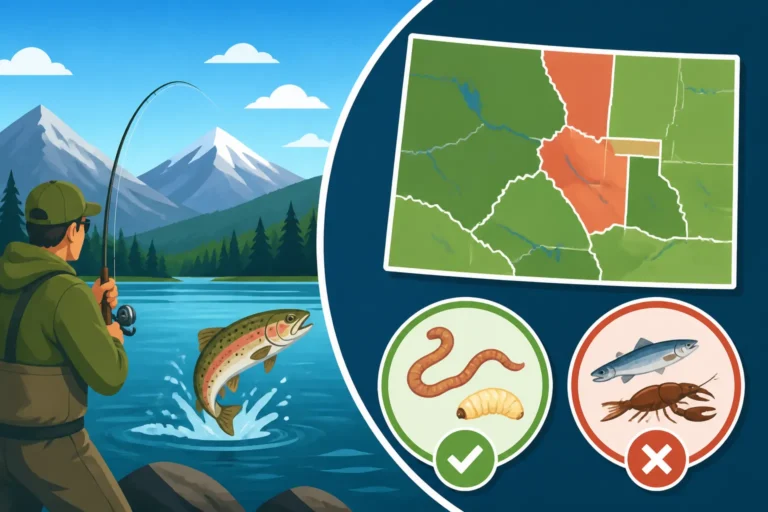
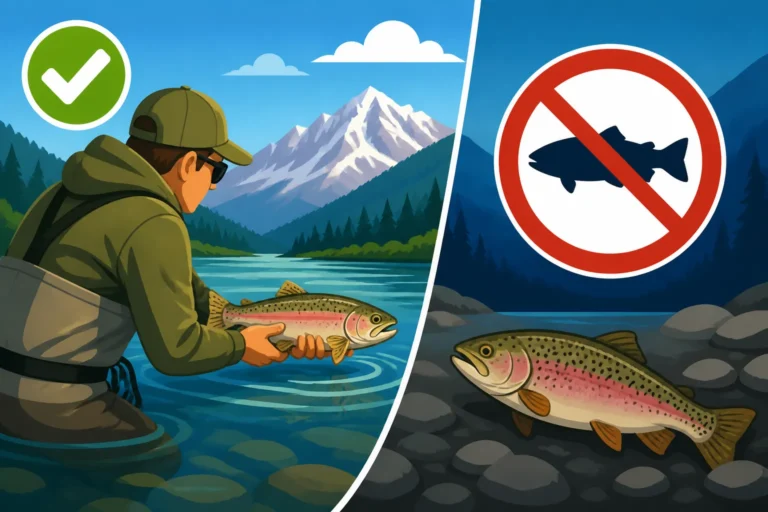
Beyond litter, understanding and respecting Colorado's fishing regulations is paramount. This includes knowing the Colorado Fishing Season Dates and Bag Limits for the species you're targeting in the specific body of water you're on. Regulations can vary widely from one lake or river to the next, so always consult the most current Colorado Fishing Regulations Every Angler Should Know, often found in the official CPW brochure. For instance, some waters might be catch-and-release only, while others have specific length limits or bait restrictions. Improper fish handling for catch-and-release is also a concern; wet your hands before touching fish, keep them in the water as much as possible, and quickly release them to ensure their survival. Being mindful of other anglers – whether they're in kayaks, on the bank, or in larger boats – also contributes to a peaceful experience for everyone.
Planning Your Float Tube Adventure
A successful and enjoyable float tube outing begins long before you even hit the water. Planning is crucial, especially in Colorado's variable mountain environment.
Checking Weather and Water Conditions: This is perhaps the most critical planning step for float tubers. Wind is your biggest enemy. Even a slight breeze can make paddling difficult, blow you far from your intended fishing spot, or even create choppy conditions that are unsafe for a low-profile craft like a float tube. Always check the wind forecast for your chosen location, especially on large reservoirs. Also, consider water temperatures; if the water is cold, ensure you have appropriate insulation under your waders. Rivers can also be dangerous during periods of high flow, like during spring runoff, so knowing what to expect is vital. Our guide on When Colorado's Spring Runoff Hits and How to Fish Around It offers great insights into river conditions.
Using Resources Wisely: Colorado Parks and Wildlife (CPW) offers a wealth of information that every angler should utilize. Their Colorado Fishing Atlas is an incredible interactive map that shows public access points, fishing regulations for specific waters, and even recent stocking reports. This can help you identify ideal float tube locations and ensure you're fishing legally. You can also consult local fly shops or sporting goods stores for current conditions and expert advice; they often have the most up-to-date intel on what’s biting and where.
Sharing Your Plans: Because float tubing can take you to more remote sections of water, it’s always a smart idea to let someone know where you’re going and when you expect to return. This simple safety measure ensures that if something unexpected happens, someone knows to look for you. It's especially important if you're exploring high-country lakes or less-frequented areas.
Targeting the Right Fish and Water: Different species thrive in different environments, and your float tube gives you excellent flexibility to target them. Want trophy trout? Head to a high-alpine lake or a tailwater river. Looking for warmwater species like bass or pike? Larger, warmer reservoirs might be your best bet. Think about the depth you'll be fishing, the structure available, and what kind of retrieve or presentation your float tube allows for. For example, if you're targeting Kokanee Salmon, Blue Mesa Reservoir is a prime location, and a float tube allows excellent access to coves and shallower areas that might be overlooked by larger boats. Remember, Colorado's Daily Bag Limits by Species can vary wildly, so know your target.
Disclaimer
Please note that fishing regulations and safety guidelines can change. While this guide provides comprehensive information, always consult the most current official Colorado Parks and Wildlife (CPW) regulations and local advisories before heading out on the water. Your safety and adherence to the law are your responsibility.