Do Grandparents Need a License to Fish With Grandkids in Colorado?
There's nothing quite like the joy of sharing a love for the outdoors with your grandchildren, especially when it comes to the peaceful pursuit of fishing. But for many grandparents across Colorado, the idea of taking the little ones out for a day on the water is often overshadowed by confusing regulations: Do I need a license if they don't? What if I'm just helping them? This guide will cut through the uncertainty, clearly explaining when grandparents need a fishing license in Colorado to ensure your family outings are always fun and compliant.
Understanding Colorado's Basic Fishing License Requirements
Before we dive into the specifics of fishing with grandkids, let's lay a solid foundation of Colorado's general fishing license rules. It's really the starting point for understanding everything else, and it can be a source of confusion for many seasoned anglers, let alone those just trying to introduce the next generation to the sport.
The General Rule for Adults 16 and Older
In Colorado, the basic rule is quite clear: anyone 16 years of age or older must possess a valid Colorado fishing license to fish. This isn't just for actively casting a line; it applies to anyone attempting to take fish, defined broadly by Colorado Parks and Wildlife (CPW) regulations. This means if you, as a grandparent, are holding a rod, setting a hook, or actively retrieving a line with the intention of catching fish, you need a license. It doesn't matter if you're keeping the fish or practicing catch and release; the act of fishing itself requires that license.
Think of it this way: even if you're just demonstrating a technique, if that demonstration leads to a fish on the line, you're technically participating. The intent to fish is key here. Many folks wonder if they can "supervise" without a license, but the line is often blurrier than they think. It's always safer to assume that if you're involved in any hands-on aspect of fishing, you need to be properly licensed. Understanding the various Colorado Fishing License Options for someone without a smartphone can also be really helpful for ensuring everyone in the family can comply, especially if they prefer traditional methods of carrying documentation.
The Youth Exemption for Ages 15 and Under
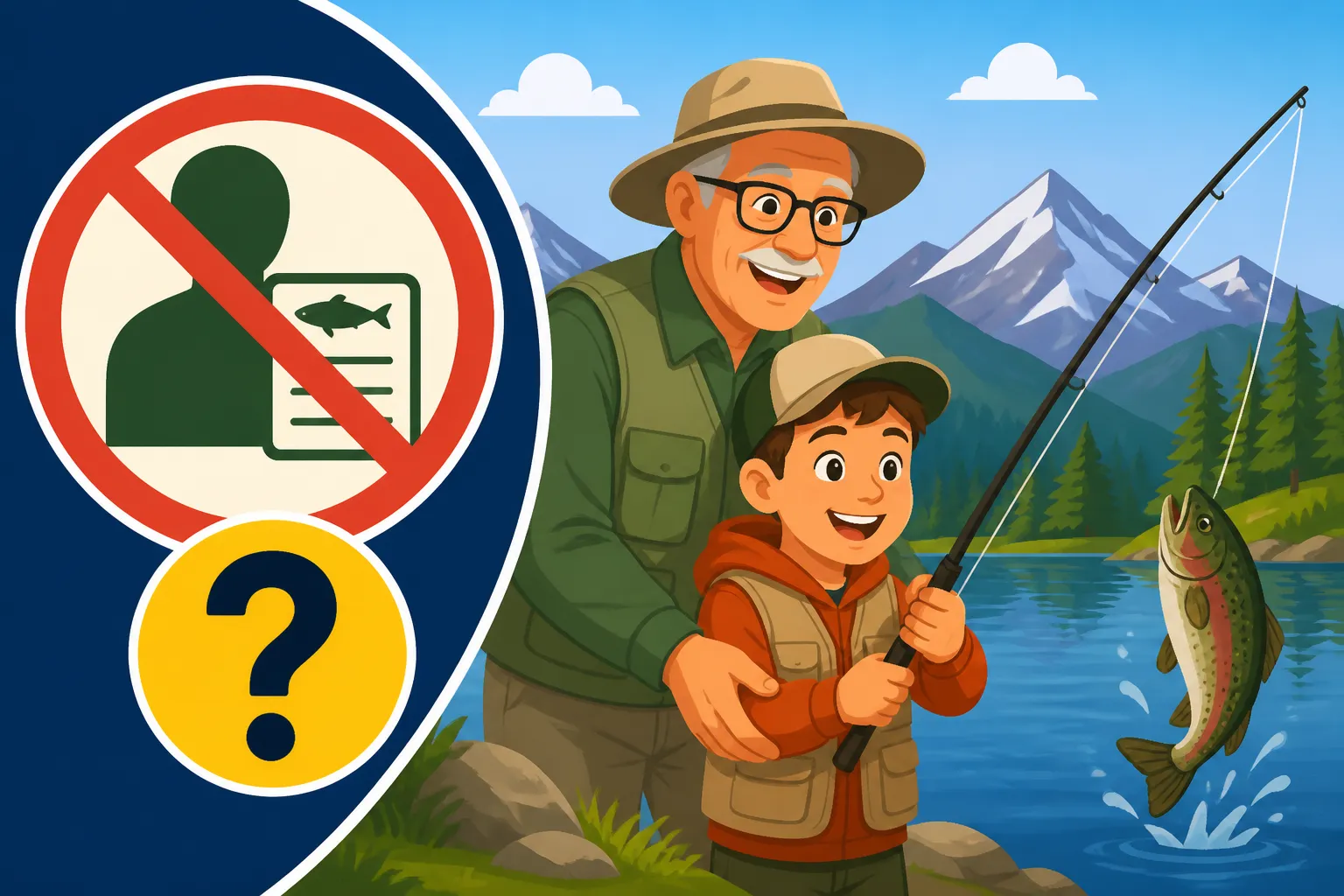
Here's where the good news for family outings comes in: children 15 years of age and younger do NOT need a Colorado fishing license. This is a fantastic rule designed to encourage youth participation in outdoor activities without adding an extra financial or bureaucratic hurdle for families. A child of any age, from a toddler holding a bobber rod to a teenager mastering a fly cast, can fish legally without their own license or habitat stamp.
This exemption is crucial for grandparents planning trips. It means your grandkids can fish to their heart's content, and you don't have to worry about securing a separate license for each of them. However, it's vital to remember that this exemption applies only to the child. It doesn't extend to the supervising adult. So, while little Johnny might not need a license, Grandma or Grandpa probably will if they plan to touch a rod or reel. This thoughtful policy helps make trips more accessible, particularly when you consider Is Fishing Free for Kids 15 and Under in Colorado?.
What Happens If You Don't Have a License
Fishing without a valid license in Colorado isn't just a minor oversight; it's a violation of state law, and the penalties can be significant. A game warden checking licenses in the field isn't uncommon, especially on popular waters. If you're caught fishing without the required license, you could face fines, mandatory court appearances, and even the suspension of future hunting and fishing privileges. It's certainly not the memory you want to make on a family fishing trip.
The monetary fines can vary, but they often range into the hundreds of dollars, plus court costs and potential surcharges. Beyond the financial impact, there's the inconvenience and embarrassment of dealing with a legal issue while trying to enjoy a peaceful day outdoors. It's a stark reminder that while regulations might seem like a hassle, they're in place to manage and protect Colorado's precious wildlife resources. A little preparation, like knowing How to Buy a Colorado Fishing License beforehand, can save you a lot of grief.
Navigating the Grandparent-Grandchild Fishing Scenario
Now, let's zero in on the specific situation that brings many of you here: fishing with your beloved grandkids. This is where the nuances of the law often create confusion. It's not just about whether the child needs a license, but about the grandparent's role and the implications for their license status.
When Grandparents Absolutely Need a License
Here's the straightforward answer: if you, as a grandparent, are actively participating in the act of fishing, you need a valid Colorado fishing license. This includes situations where you:
- Hold a fishing rod and cast it out yourself. Even if you're just "testing the water" before handing it to your grandchild, if a fish bites while you're holding it, you're fishing.
- Reel in a fish yourself. If your grandchild gets a bite and you take the rod to reel it in for them, you are actively participating in taking the fish.
- Set the hook for your grandchild. This is a common helping gesture, but if you're physically manipulating the rod to set the hook, you're engaged in the act of fishing.
- Have your own fishing rod in the water, even if you're primarily assisting your grandchild. If you have multiple rods out, and one of them is yours, you need a license. This also brings up the topic of a Colorado's Second-Rod Stamp and Who Needs One if you're planning on running more than one line.
The intention here is to capture anyone who is actively engaging with fishing gear with the purpose of catching fish. The spirit of the law implies that if you're benefiting from the fishing opportunity, you should be contributing through a license. It’s always best to err on the side of caution. Imagine the scenario: you're showing your grandchild how to properly cast a spinner on the Arkansas River, and a beautiful brown trout takes your lure while it's in your hands. A game warden might interpret that as you fishing, regardless of your ultimate intention.
When Grandparents Might Not Need a License But It's Still Risky
This is the tricky part, and it's where most misunderstandings occur. Technically, if a grandparent is solely supervising a child (15 or under) who is fishing, and the grandparent does not touch the fishing equipment at any point, nor do they have their own line in the water, they may not need a license. However, this is an incredibly fine line and often difficult to maintain in practice.
Consider these scenarios:
- The "Hands-Off" Supervisor: You sit on a bucket by the lake, coaching your grandchild from a distance, never touching their rod, baiting their hook, or helping to reel. In this pure supervisory role, where you are not physically involved in any aspect of "taking" a fish, you might be legally in the clear. But how realistic is that for a fun family day?
- The "Just Baiting the Hook" Dilemma: What if you only bait the hook or cast the line for your grandchild, and then immediately hand the rod back? Some interpretations suggest that if you're not the one fishing (i.e., holding the rod with the intent to catch when the fish bites), it might be acceptable. However, this is a very grey area. Game wardens are trained to interpret active participation. If you're handling the gear, you're interacting with the fishing process.
The problem with relying on these nuanced interpretations is that they leave room for individual discretion by the enforcing officer. What you see as "helping" or "supervising" could be viewed as "fishing" by someone else. The last thing you want is a legal debate on the banks of a beautiful Colorado river with your grandkids present. The risk of misunderstanding or misinterpretation makes this a precarious position.
The Safest Approach for Grandparents
Given the potential for misinterpretation and the goal of a stress-free day outdoors, the absolute safest and most recommended approach for grandparents fishing with grandkids is for the grandparent to purchase a valid Colorado fishing license. This simple step eliminates all ambiguity and ensures you're fully compliant with state regulations, regardless of how hands-on your day becomes.
Think of it as peace of mind. For a relatively small fee, you ensure that you can freely help your grandchild bait a hook, untangle a line, cast out a troublesome lure, or even assist in landing their first big catch, without a moment's worry about legality. It allows you to fully engage in the experience, create lasting memories, and truly mentor your grandchild in the art of fishing. You can easily get an annual license, or perhaps consider Colorado's Annual, One-Day and Five-Day License Options if you only plan a few outings a year. Even if you only go out for a single afternoon, understanding Colorado Fishing License Options for a Single Afternoon can save you trouble. This way, you're not just a supervisor; you're a full participant in their adventure.
Important Considerations Beyond Just the License
Getting your fishing license is a critical first step, but it's far from the only thing to keep in mind when planning a fishing trip with your grandkids in Colorado. There are other regulations and practical aspects that seasoned anglers know all too well, and new anglers should definitely be aware of.
The Habitat Stamp Requirement
Almost every adult who purchases a fishing license in Colorado also needs to purchase a Habitat Stamp. This stamp is not optional for most adult anglers aged 18 to 64 and contributes vital funds to wildlife habitat protection and conservation efforts across the state. While kids 15 and under are exempt from the fishing license requirement, and therefore don't need a Habitat Stamp, you, as a grandparent, will likely need one in addition to your fishing license.
There are some specific exemptions, such as for seniors (65+) who purchase a qualifying lifetime license, or certain disabled individuals and veterans. However, for most grandparents buying a standard annual or short-term license, the Habitat Stamp is a mandatory add-on. For example, if you're between 18 and 64, your annual license cost will include the Habitat Stamp. It's a small fee that goes a long way in preserving the beautiful landscapes and healthy ecosystems that make Colorado such a fantastic place to fish. You can find more details about Colorado's Habitat Stamp, Explained to see if you qualify for any exemptions.
Second-Rod Stamp Considerations
If you, the grandparent, decide to fish with two rods at the same time – perhaps one for yourself and another nearby to assist your grandchild – you'll need to purchase an additional Second-Rod Stamp. Colorado regulations generally limit anglers to one rod unless they purchase this extra stamp.
This is a specific regulation that often catches people off guard. If you plan to have a rod actively fishing for yourself while also managing a separate rod for your grandchild, you'll need both your primary fishing license, the Habitat Stamp (if applicable), and the Second-Rod Stamp. If your grandchild is fishing with their own rod, that rod counts as their rod and doesn't fall under your Second-Rod Stamp unless you are actively fishing it yourself. It's all about who is legally controlling and attempting to take fish with each line. You can learn more about Do You Need a Second-Rod Stamp to Fish Two Rods in Colorado?.
Specific Water Regulations and Catch Limits
Colorado boasts an incredible diversity of fishing waters, from high-alpine lakes to bustling urban ponds, and the regulations can vary significantly depending on where you cast your line. It's not enough to simply have your license; you need to understand the local rules for the specific body of water you're visiting.
- Gold Medal Waters: These are designated areas known for their exceptional trout fishing. They often come with stricter regulations, such as catch-and-release only, artificial flies and lures only, or specific length restrictions (like Colorado's 14-Inch Trout Length Rule). You wouldn't want to unknowingly keep a fish from a catch-and-release section of the Fryingpan River or the Dream Stream.
- Daily and Possession Limits: Every species has specific daily bag and possession limits. For example, How Many Trout You Can Keep Per Day in Colorado can vary, and it’s important to know if you're targeting trout, walleye, or kokanee salmon. These limits apply to licensed anglers. If your grandchild catches fish, those fish count towards the licensed angler's daily and possession limits if the licensed angler is responsible for those fish. For example, if you're both keeping fish, the combined total must not exceed your personal limits. It’s always best to check the current Colorado Fishing Regulations Every Angler Should Know before heading out.
- Bait Restrictions: Some waters, especially Gold Medal sections or those managed for native trout, prohibit the use of bait. This means no worms, no PowerBait, just artificial lures or flies. Always check the regulations brochure for the specific water you plan to fish. You can often find this information by checking How to Read Colorado's Fishing Regulations Brochure or on the CPW website.
Other Essential Gear and Planning
Beyond licenses and stamps, a successful and enjoyable family fishing trip involves practical preparation.
- Safety First: Life vests for children (and adults, especially on boats), a well-stocked first-aid kit, and plenty of water are non-negotiable. Sunscreen and hats are also crucial in Colorado's high-altitude sun.
- Appropriate Gear: Ensure your grandkids have kid-friendly rods and reels. Simple spin-casting setups are usually best for beginners. Pack extra hooks, sinkers, bobbers, and plenty of bait. You might find a great starter kit on Amazon.
- Comfort Items: Snacks, drinks, chairs, and maybe even a small cooler for any keepers or lunch. Kids, especially, need frequent breaks and sustenance.
- Weather Preparedness: Colorado weather can change rapidly. Pack layers, rain gear, and extra socks. A sunny morning can quickly turn into a chilly, wet afternoon.
- Leave No Trace: Teach your grandkids the importance of packing out everything you pack in, respecting wildlife, and leaving the fishing spot cleaner than you found it. This teaches them essential outdoor ethics.
Making Family Fishing Trips Enjoyable and Stress-Free
Fishing with grandchildren is about so much more than just catching fish. It's about building connections, teaching valuable life skills, fostering a love for nature, and creating cherished memories. By taking a few extra steps in planning and mindset, you can ensure these outings are truly special.
Teaching and Mentoring Responsibilities
As a grandparent, you're not just an adult chaperone; you're a mentor. This means embracing the opportunity to teach your grandkids about more than just casting a line.
- Patience is Key: Fishing requires patience, a skill that's increasingly rare in our fast-paced world. Model this patience, even when the fish aren't biting. Talk about why fish might not be biting and what you could try differently. Teach them that success isn't just about the catch, but the experience.
- Respect for Nature: Show them how to handle fish gently, especially if practicing catch and release. Explain why certain regulations exist, like slot limits or barbless hooks, to protect fish populations. Teach them about the local ecosystem, identifying birds, plants, and other wildlife you encounter. A quick search on Amazon for a kid-friendly field guide could enhance this aspect of the trip.
- Practical Skills: Beyond casting and reeling, teach them to tie basic knots, bait a hook (if using bait), identify different fish species, and even clean a fish if they're old enough and you plan to keep some. These are practical life skills that will serve them well in many aspects of their lives. For instance, knowing the difference between a rainbow and a cutthroat can be fascinating, and you can learn more about How to Tell a Cutthroat From a Rainbow Trout.
- Safety Awareness: Reinforce water safety, how to properly handle hooks, and what to do in case of an emergency. This responsibility is paramount, and your active role as a licensed angler helps you guide them safely.
Preparing for a Successful Outing
Success on a family fishing trip isn't measured by the cooler full of fish, but by the smiles and engagement of your grandkids. Thoughtful preparation ensures a smoother, more enjoyable experience for everyone.
- Choose the Right Spot: Opt for easily accessible locations, perhaps an urban pond stocked by CPW or a calmer reservoir with good bank access. Overly technical or remote waters might be too challenging for young anglers. Places like Chatfield Reservoir or Cherry Creek Reservoir, with amenities and often good stocking programs, can be ideal. You can find more details on Urban Fishing Ponds in the Denver Metro.
- Manage Expectations: Explain that fishing is sometimes about "fishing," not "catching." Celebrate small victories, like a perfect cast or a nibble. If they get bored, have a backup plan: a snack break, a walk, or even just sitting and observing nature.
- Involve Them in Planning: Let them help pick out snacks, pack the gear, or even choose a new lure or bobber. Giving them ownership in the process increases their excitement and investment in the trip. You might even browse fishing accessories on Amazon together.
- Keep it Short (Initially): Especially for younger children, a few hours might be plenty. You can always extend the trip if they're still engaged, but it's better to end on a high note before they get tired or bored.
Documenting and Remembering the Experience
In this digital age, capturing memories is easier than ever, and these shared moments are truly priceless.
- Photos and Videos: Take plenty of pictures and videos, not just of the fish, but of the entire experience: casting, laughing, eating snacks, and enjoying the scenery. These visual memories will be treasured for years to come.
- Fishing Journal: Encourage your grandkids to keep a simple fishing journal. They can draw pictures of the fish they caught (or tried to catch!), describe the weather, or write about their favorite part of the day. This is a wonderful way to foster writing skills and reflect on their adventures.
- Stories and Anecdotes: Share your own fishing stories and encourage them to tell theirs. These oral traditions build family bonds and keep the spirit of the outdoors alive. Talk about their biggest catches, or even their biggest "almost" catches!
By being prepared, licensed, and ready to share your passion, you're not just taking your grandkids fishing; you're creating a legacy of outdoor adventure and family connection that they'll carry with them for a lifetime.
Colorado Fishing License Requirements: Grandparents and Grandkids
| Who Is Fishing? | Needs a Colorado Fishing License? | Needs a Colorado Habitat Stamp? | Can You Fish Two Rods (with Second-Rod Stamp)? | Notes |
|---|---|---|---|---|
| Grandchild (Ages 15 and Under) | NO | NO | Not applicable | Free to fish. Grandparent's license requirements are separate. |
| Grandparent (Ages 16+) Actively Fishing | YES | YES (if 18-64) | YES (with purchase of stamp) | Actively fishing includes casting, reeling, setting the hook, or having a line in the water. |
| Grandparent (Ages 16+) ONLY Supervising | NO (technically) | NO (technically) | Not applicable | HIGHLY RISKY. If you touch equipment or assist beyond verbal instructions, you may be considered fishing. It's strongly recommended to have a license for peace of mind. |
| Grandparent (Ages 65+) Actively Fishing | YES | NO (generally) | YES (with purchase of stamp) | Seniors generally do not need a Habitat Stamp. Check specific Colorado Fishing Licenses for Seniors and Veterans for details on qualifying lifetime licenses. |
| Grandparent (Ages 16+) with Disability Fishing | YES | NO (generally) | YES (with purchase of stamp) | Certain disabilities may qualify for exemptions from Habitat Stamp or special licenses. Check Colorado's Lifetime License for Residents With Disabilities for eligibility. |
Disclaimer
The information provided in this guide is for general informational purposes only and is not intended as legal advice. Fishing regulations can change, and specific situations may require unique interpretations. Always consult the official Colorado Parks and Wildlife (CPW) regulations brochure or website for the most current and definitive rules before you go fishing.