How to Read Colorado’s Fishing Regulations Brochure
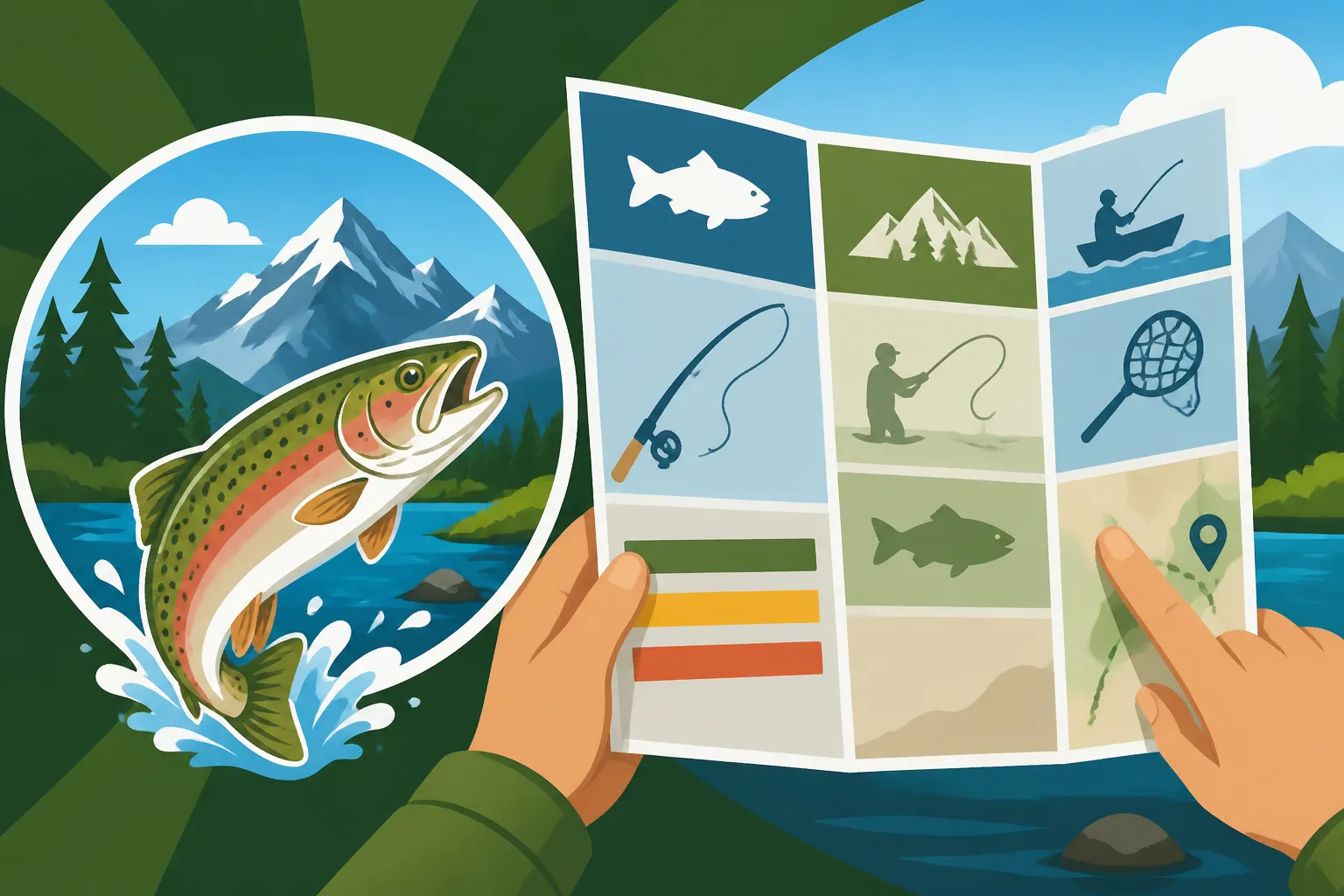
Oh, the Colorado fishing regulations brochure! It's one of those essential pieces of information that can feel like trying to solve a cryptic puzzle, isn't it? Many anglers, myself included, have spent countless minutes poring over its pages, squinting at tiny maps, and trying to untangle legal jargon just to ensure we're fishing legally. This guide is here to walk you through the labyrinth that is the Colorado Parks and Wildlife (CPW) fishing regulations brochure, helping you confidently understand what you need to know before you cast your line.
Why the Colorado Fishing Regulations Brochure Feels So Overwhelming
Let's be honest, that little booklet (or the digital PDF) can feel like a college textbook at first glance. You're just trying to figure out if you can keep that beautiful rainbow trout you just caught, and suddenly you're sifting through pages about endangered species, special restrictions, and definitions that seem to require a law degree to comprehend. It’s a common frustration, and you’re not alone in feeling a bit lost.
The Sheer Volume of Information
The primary reason the regulations feel overwhelming is simply the sheer volume of information packed into such a compact format. Colorado boasts an incredible diversity of fisheries, from high-alpine lakes to bustling urban ponds, and each can have its own specific rules. The CPW's job is to consolidate all of these regulations into one document, which naturally leads to a dense read. You'll find sections on general statewide rules, then specific regional breakdowns, and finally, individual listings for hundreds of lakes, reservoirs, and rivers. Trying to absorb it all at once is like trying to drink from a firehose – it’s just too much.
Legal Jargon and Technical Terms
Another big hurdle is the legal and technical language that pervades the brochure. Terms like "bag limit," "possession limit," "artificial flies and lures," "chumming," and "snagging" are thrown around, and while seasoned anglers might know exactly what they mean, for newcomers or those just brushing up, it can be confusing. For instance, the difference between a daily bag limit and a possession limit is crucial but often misunderstood. The daily bag limit refers to the number of fish you can keep in a single day, while the possession limit is the maximum number of fish you can have on your person, in your cooler, or at your campsite at any given time. Understanding these distinctions is vital to avoid unintentional violations.
Navigating Maps and Special Conditions
Beyond the text, the brochure includes various maps and detailed descriptions of water bodies, often with specific regulations tied to geographical markers or even bridges. These sections can be particularly tricky. Imagine you're fishing a river that's designated as Gold Medal Water, which usually means very strict rules like catch-and-release only, or a specific length limit, such as the Colorado's 14-Inch Trout Length Rule. But then you discover that just a few miles downstream, those rules change because you've crossed an invisible boundary on the map, or a new section of the river has different designations. This means you can't just skim over the maps; you have to study them meticulously to understand where specific rules apply.
Your Step-by-Step Guide to Deciphering the Brochure
Instead of trying to read the entire brochure cover-to-cover, which can lead to information overload, a more strategic approach is to break it down. Think of it as a treasure map, where each section guides you closer to the information you truly need for your specific fishing adventure.
Start with the Basics: Statewide Regulations
Every angler in Colorado needs to understand the overarching rules that apply everywhere, unless specifically exempted. This is usually the first major section after the introduction and definitions. It covers things like the general requirements for a fishing license – yes, almost everyone needs one, even if you're just visiting, though there are exceptions like Colorado's Free Fishing Weekend, Explained. It also outlines the default statewide bag and possession limits for common species like trout, bass, and pike, which are the rules that apply unless a specific waterbody says otherwise. This section is your foundation; make sure you've got a solid grasp on it before diving into localized details. For example, it will outline general rules for bait use, or whether you need a Colorado's Second-Rod Stamp and Who Needs One to fish with two lines.
Locating Specific Waterbody Rules
Once you understand the statewide framework, you can narrow your focus to the particular lake, reservoir, or river you plan to fish. The brochure is typically organized by region or alphabetically by waterbody name. This is where you really need to slow down. Find your chosen fishing spot in the list. Pay close attention to any highlighted text, symbols, or numerical codes next to the waterbody's name. These often indicate special restrictions that override the statewide rules. For instance, a particular lake might have a reduced bag limit for certain species, or a river might be designated as "catch-and-release only" for all trout species within a specific stretch. This section is dynamic and changes frequently, so always consult the most current brochure.
Understanding Species-Specific Regulations
Sometimes, the rules aren't just about the location, but also about the specific fish you're targeting. While statewide limits give you a general idea, many waterbodies have unique regulations tailored to specific species to manage fish populations effectively. For instance, you might find a reservoir with a special length limit for walleye, or a completely different bag limit for kokanee salmon during their spawning runs compared to other times of the year. The brochure will often list these under the individual waterbody entries or in a separate "Species Regulations" section. Knowing what you're allowed to keep and when is paramount. Check out specific details like Colorado's Daily Walleye Limit or Colorado's Kokanee Salmon Limit at Blue Mesa for examples of how these can vary dramatically.
The Importance of the General Information Section
Don't skip the introductory and general information sections! While they might seem less exciting than bag limits, they contain crucial definitions, contact information for CPW, and explanations of common violations and penalties. This is where you'll find what constitutes "legal bait," the rules around boat launching, and even tips for proper fish handling for catch and release. These often-overlooked pages provide context and can prevent misunderstandings of the more specific rules. For example, understanding what constitutes "chumming" or "snagging" from these definitions can save you from an accidental violation.
Key Sections You Can't Afford to Miss
Certain parts of the regulations brochure are absolute must-reads, no matter how seasoned you are. These are the sections that often trip people up and can lead to costly fines or, worse, harm to Colorado's precious fisheries.
Licensing and Habitat Stamp Requirements
Before you even think about fishing, you absolutely need to know about licensing. The brochure dedicates a significant portion to explaining who needs a license, different license types (annual, one-day, five-day), and associated costs. For instance, a resident's annual license will differ significantly from a nonresident's. Beyond the basic license, there's also the Colorado's Habitat Stamp, Explained. This stamp is mandatory for most license purchasers between the ages of 18 and 64 and helps fund conservation efforts across the state. It's a separate purchase and often forgotten, so ensure you have both the proper fishing license and the Habitat Stamp, if applicable, displayed or easily accessible. You can find detailed information about acquiring these in the guide How to Buy a Colorado Fishing License.
Bag and Possession Limits Explained
This is perhaps the most critical section for anglers who plan to harvest fish. As mentioned, daily bag limits dictate how many fish you can keep from a specific species within a 24-hour period, while possession limits dictate the total number of fish you can have at any given time, regardless of when they were caught. It's not uncommon for these limits to be different. For example, you might have a daily bag limit of four trout, but a possession limit of eight. This means you can catch and keep four trout on Monday, and another four on Tuesday, but you can't have more than eight in your possession total (e.g., in your freezer at home or in your cooler on day two). These limits are often species-specific and vary greatly by waterbody. Ignoring these can lead to serious penalties, as game wardens are very strict about enforcing Colorado Bag and Possession Limits by Species.
Here's a simplified table illustrating potential differences, though always check the current brochure for exact numbers:
| Species | Statewide Daily Bag Limit (Example) | Statewide Possession Limit (Example) | Notes |
|---|---|---|---|
| Trout (General) | 4 | 8 | Varies greatly by specific water. |
| Walleye | 5 | 10 | Often has length restrictions. |
| Northern Pike | No Limit | No Limit | Often considered invasive in certain waters. |
| Kokanee Salmon | 10 | 10 | Special rules for snagging during spawning runs. |
| Bass (Smallmouth/Largemouth) | 5 | 10 | Some waters have minimum length. |
Disclaimer: This table provides examples only and is NOT a substitute for checking the official CPW Fishing Regulations Brochure.
Bait, Gear, and Method Restrictions
Colorado has very specific rules about what you can and cannot use to catch fish. This section details allowable baits (live minnows are often prohibited in certain waters), lures, and fishing methods. For instance, many Gold Medal Waters or high-country lakes are restricted to "artificial flies and lures only," often with "barbless hooks" required. This means no worms, no PowerBait, and if you're fly fishing, you need to pinch down the barbs on your hooks. Understanding Colorado Bait Restrictions and Where They Apply is crucial, as using illegal bait or gear can result in fines and even confiscation of your equipment. Moreover, rules about snagging, spearfishing, and bowfishing are also found here.
Gold Medal Waters and Special Rules
Colorado's Gold Medal Waters are prestigious stretches of rivers and lakes recognized for their ability to consistently produce large trout (14 inches or longer) at a rate of 60 pounds per acre. These waters are often highly regulated to protect their exceptional fisheries. You'll find sections dedicated to outlining these specific rules, which usually involve mandatory catch-and-release, artificial flies and lures only, or stringent length limits. For example, some Gold Medal sections of the Fryingpan River or the South Platte River near Deckers have very unique rules. Always consult the Colorado Gold Medal Water Regulations Explained section of the brochure when planning a trip to one of these prized locations.
Tips for a Smoother Reading Experience
Making the regulations brochure less daunting is absolutely possible with a few smart strategies. It's not just about what you read, but how you approach it.
Using the Digital Version for Quick Searches
While the physical brochure is great for having on hand, the digital version (available on the CPW website) is an absolute game-changer. It's usually a PDF document, which means you can use the "search" function (Ctrl+F on Windows, Command+F on Mac) to quickly find specific waterbodies, species, or keywords. If you're heading to "Blue Mesa Reservoir," for example, you can type that directly into the search bar and jump straight to its regulations, rather than flipping through pages. Many anglers keep the digital brochure downloaded on their smartphone, so they can access it even without cell service out in the field. This can save you a lot of frustration when you're on the water and need a quick answer.
Making Notes and Highlights
If you prefer a physical copy, don't be afraid to treat it like a study guide. Grab a highlighter and a pen. Highlight the statewide rules that apply to you. Circle the regulations for your favorite fishing spots. Jot down notes in the margins about dates or specific details that you tend to forget. Personalizing your copy of the brochure can make it much more accessible and tailored to your fishing habits. You might even create a quick reference sheet with the most common rules for your go-to waters.
When in Doubt, Ask Colorado Parks and Wildlife (CPW)
Sometimes, despite your best efforts, a regulation might still seem unclear. Perhaps the map is ambiguous, or the wording is confusing. In these situations, the best course of action is always to err on the side of caution and reach out to the experts. You can contact your local CPW office, email them, or call their customer service line. They are there to help anglers understand the rules and protect Colorado's natural resources. It's far better to ask a question beforehand than to unintentionally violate a regulation. Remember, ignorance of the law is not an excuse, and game wardens are vigilant about protecting our fisheries. Knowing What Colorado Game Wardens Check When They Stop You can also provide insight into what information you should have readily available.
Ultimately, mastering the Colorado fishing regulations brochure isn't about memorizing every single detail, but about knowing how to effectively find the information you need for your specific situation. With a bit of practice and these strategies, you'll be navigating those pages like a pro, ensuring your fishing trips are both enjoyable and legally compliant.
Disclaimer
Please remember that fishing regulations can change. While this guide aims to provide accurate and helpful information, it is not a substitute for reading the most current official Colorado Parks and Wildlife Fishing Regulations Brochure. Always consult the official CPW regulations before heading out to fish to ensure compliance with all laws and rules.