Colorado’s Free Fishing Weekend, Explained
Have you ever found yourself in Colorado, staring at a shimmering lake or a rushing river, wishing you could just drop a line in without the hassle of permits and purchases? It's a common feeling, especially for folks new to the state or just looking for a spontaneous outdoor adventure. The good news is, Colorado Parks and Wildlife (CPW) offers a fantastic opportunity precisely for this — a weekend each year where anyone, resident or not, can fish without needing a license. This guide will unravel everything you need to know about Colorado's Free Fishing Weekend, helping you cast away your worries and enjoy the Centennial State's incredible waters.
What Exactly is Colorado's Free Fishing Weekend?
Colorado's Free Fishing Weekend is a special annual event designated by Colorado Parks and Wildlife (CPW) where all anglers, both residents and nonresidents, can fish in any public water across the state without the requirement of a fishing license. It’s a wonderful initiative designed to introduce more people to the joys of fishing, encourage family outdoor activities, and simply make it easier for everyone to experience Colorado's diverse aquatic environments. This particular weekend usually falls in the first full weekend of June, offering a perfect window as spring runoff begins to subside and summer weather starts to settle in across much of the state.
The beauty of this weekend lies in its simplicity. You don't need to sign up, register, or apply for anything. Just grab your gear and go! It removes that initial barrier for new anglers or those who might only fish once or twice a year and don't want to commit to a full annual license. For families, it’s an incredible way to introduce kids to fishing, letting them try it out before you invest in individual licenses. Imagine a warm Saturday morning, the sun just rising over the Rockies, and your kids squealing with delight as they feel their first tug on the line, all without a single worry about paperwork.
This event is more than just a free pass; it's a doorway to a lifelong hobby. CPW uses this weekend as part of its broader efforts to promote outdoor recreation and conservation. By allowing free access, they hope to foster a greater appreciation for Colorado's natural resources and the importance of healthy fish habitats. It's a strategic move to build future stewards of our rivers and lakes, ensuring that the passion for fishing is passed down through generations.
When Does Free Fishing Weekend Occur in Colorado?
Knowing exactly when Colorado's Free Fishing Weekend happens is crucial for planning your angling adventures. While the specific dates can shift slightly each year, it reliably takes place on the first full weekend of June. For instance, if June 1st falls on a Saturday, then that weekend (June 1st and 2nd) would be the free fishing weekend. If June 1st falls on a Tuesday, then the first full weekend would be June 6th and 7th (assuming these are Saturday and Sunday, respectively). Always double-check the official Colorado Parks and Wildlife website as the year approaches to confirm the exact dates for that particular season, as things can occasionally change.
This timing is no accident. The first weekend of June is strategically chosen for several reasons that benefit anglers. By early June, much of the snowmelt, or "spring runoff," that makes many of Colorado's rivers high and muddy has typically begun to recede. While some larger rivers or higher elevation streams might still be running fast and dirty, many smaller streams and lower elevation waters, especially the famous tailwaters below dams, become much more fishable. This makes conditions generally favorable for a wide range of fishing techniques, from fly fishing to spin casting.
Furthermore, early June marks the unofficial start of summer for many families, coinciding with the end of the school year. This makes it an ideal time for parents to get their children out for an accessible outdoor activity. The weather is usually pleasant across most of the state, not yet reaching the intense heat of mid-summer, making for comfortable days on the water. It also precedes the peak tourist season in many areas, meaning some popular spots might be slightly less crowded than they would be later in the summer. So, marking your calendar for that first full weekend in June is your first step toward a potential fun-filled, license-free fishing experience!
Who Can Participate in Free Fishing Weekend?
One of the most appealing aspects of Colorado's Free Fishing Weekend is its inclusivity. It's truly open to everyone, making it a perfect opportunity for individuals and families alike. There's no distinction made between residents and nonresidents, which is a significant benefit for out-of-state visitors looking to experience Colorado's renowned fishing without the higher cost of a nonresident license. This means whether you're a long-time Colorado local, a new transplant, or just visiting for a vacation, you can participate equally.
Age is also not a barrier during this special weekend. While typically, kids under 16 years old don't need a license anyway, the Free Fishing Weekend extends this courtesy to all ages. So, if you're an adult who's never fished before, or perhaps you just moved to Colorado and haven't had a chance to get your bearings on the local regulations, this weekend is your golden ticket. It's an equalizer that allows everyone to cast a line without any upfront financial commitment or bureaucratic hurdles.
However, it's important to understand what "everyone" means in this context. While the license requirement is waived, participation still means adhering to all other applicable fishing regulations. This isn't a free-for-all where all rules are suspended; it's simply a waiver of the licensing fee. So, if you're planning on participating, it's still your responsibility to know the rules, which we'll delve into more deeply next. The spirit of the weekend is about encouraging participation and making fishing accessible, not about disregarding responsible angling practices.
What Rules Still Apply During Free Fishing Weekend?
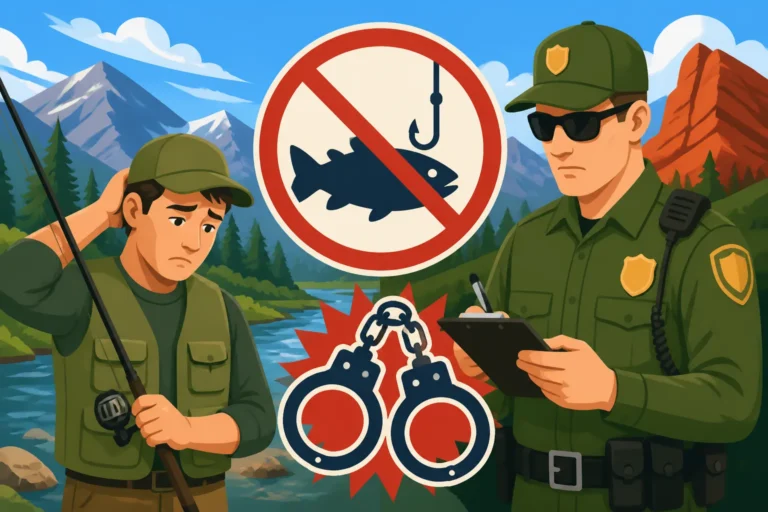
While the fishing license requirement is graciously waived during Colorado's Free Fishing Weekend, it's absolutely critical to understand that all other fishing regulations remain in full effect. This is not a free-for-all; it's a chance to fish without a license, but it doesn't exempt you from the laws designed to protect Colorado's fisheries and ensure sustainable angling for everyone. Ignoring these rules can still lead to hefty fines and penalties, even on a "free" weekend.
For starters, you'll still need to follow all daily bag and possession limits for various species. For example, if you're fishing a lake known for trout, you can't just keep every fish you catch. Colorado has specific limits on how many trout you can keep per day, and this varies by species and even by specific body of water. Imagine catching a limit of rainbow trout from a popular reservoir; you're expected to stop keeping fish once you hit that limit, just as you would on any other day of the year. Violating these limits can have serious repercussions. If you're unsure about the specific limits for the species you're targeting or the waters you're visiting, it’s always best to consult the current Colorado Bag and Possession Limits by Species or the official CPW fishing regulations brochure.
Beyond bag limits, specific regulations like bait restrictions, length limits, and catch-and-release rules still apply. For instance, many of Colorado's famed Gold Medal Waters have very strict rules. These areas often require the use of artificial flies and lures only, and mandate barbless hooks, sometimes even enforcing catch-and-release only. Thinking you can use live bait or keep a trophy trout from a Gold Medal stretch during Free Fishing Weekend is a quick way to find yourself in trouble with a game warden. It’s imperative to understand Colorado Gold Medal Water Regulations Explained if you plan to fish in these pristine areas.
Furthermore, don't forget about other stamps or permits that might be required in specific situations. While the main fishing license is waived, if you plan on using a second rod, you would ordinarily need a Colorado's Second-Rod Stamp and Who Needs One. However, during the Free Fishing Weekend, the second-rod stamp requirement is also waived, allowing you to use two rods without additional purchase. This is a common point of confusion, but CPW makes it clear that the intent is to fully remove barriers for that specific weekend. The Habitat Stamp, which typically supports conservation efforts, is also not required during the Free Fishing Weekend.
Property access is another crucial consideration. The waiver of a fishing license only applies to public waters. It does not grant you permission to trespass on private property to access fishing spots. Always be mindful of land ownership and respect "No Trespassing" signs. Many excellent fishing opportunities exist on public lands and designated access points, so stick to those areas.
Finally, while not a regulation per se, courteous angling behavior is always expected. This includes packing out all your trash, respecting other anglers, and handling any fish you intend to release with care to ensure their survival. The goal of this weekend is to foster a love for fishing and the outdoors, and that includes responsible stewardship. Familiarizing yourself with the general Colorado Fishing Regulations Every Angler Should Know is always a good idea before hitting the water.
Daily Bag and Possession Limits Still Apply
This is perhaps the most critical rule to remember during Free Fishing Weekend. Just because you don't need a license doesn't mean you can keep as many fish as you want. Every body of water in Colorado has specific limits on the number and sometimes size of fish you can harvest, and these limits are enforced year-round. For instance, many popular trout streams and lakes have a daily bag limit of four trout. If you catch four, you must stop keeping trout, even if you continue fishing. Possession limits also apply, meaning the total number of fish you can have in your cooler, car, or at your campsite cannot exceed a certain amount, regardless of how many days you've been fishing.
Imagine you're out with your family at Chatfield Reservoir. You're having a blast, and everyone is catching fish. Your son reels in a nice rainbow, then your daughter hooks a smallmouth bass. It's easy to get caught up in the excitement, but you must keep a running tally. If the rainbow trout limit for Chatfield is four, and you've already kept three, that next rainbow needs to be released or it puts you over the limit. These rules are in place to ensure that fish populations remain healthy and sustainable for future generations of anglers. CPW puts a lot of effort into managing these fisheries, and adhering to these limits is a direct way to support those efforts. Failing to do so could result in fines of hundreds of dollars, completely negating the "free" aspect of the weekend.
It's not just about trout, either. Colorado is home to many other species, from walleye and northern pike to bass and catfish, each with their own unique regulations. While some species, like common carp, often have no bag limit, others like kokanee salmon might have very specific and often reduced limits, especially during spawning seasons. Before you head out, identify the species you're likely to encounter in your chosen spot and check the current regulations for that specific water. A quick check on the CPW website or glancing at the most recent fishing brochure can save you a lot of headache and potential legal trouble.
Special Regulations for Gold Medal Waters
Colorado is famous for its Gold Medal Waters, stretches of rivers and lakes that consistently support exceptional wild trout populations. These areas are truly special and, as such, come with their own set of highly restrictive rules, which are fully enforced during Free Fishing Weekend. These aren't just suggestions; they are strict mandates designed to protect these world-class fisheries. If you plan to visit a Gold Medal Water, such as a section of the Arkansas River, the Fryingpan, or the Blue River, you absolutely must be prepared for these differences.
Typically, Gold Medal Waters require the use of artificial flies and lures only, meaning no bait of any kind – no worms, no PowerBait, no salmon eggs. The reason for this is to minimize harm to the fish, as artificials are generally easier to remove with less damage to the fish's mouth or gills. Furthermore, barbless hooks are usually mandatory. A barbed hook can cause significant injury when removed, increasing stress and mortality for released fish. By pinching down the barbs on your hooks, you ensure a cleaner, safer release. Many Gold Medal sections are also designated "catch-and-release only," meaning every fish you catch must be returned to the water immediately and unharmed, regardless of its size or condition.
Failing to follow these specific rules in a Gold Medal Water can lead to fines far exceeding those for a simple license violation. These areas are heavily monitored by CPW officers who are very familiar with the local regulations. Imagine being excited about catching a beautiful brown trout on the Fryingpan River, only to realize you’re using a barbed hook and live bait in a catch-and-release zone. That exciting moment could quickly turn into a costly citation. So, if you're venturing into these pristine areas during Free Fishing Weekend, make sure your tackle box is stocked with appropriate gear (barbless hooks, artificial flies/lures) and your mindset is set on conservation.
Bait Restrictions and Permitted Methods
Just like Gold Medal Waters have specific rules, many other bodies of water in Colorado also have restrictions on what bait and methods you can use. These regulations are in place to protect specific fish populations, prevent the spread of aquatic invasive species, or manage the overall health of the ecosystem. During Free Fishing Weekend, these regulations are not waived and must be strictly followed by every angler, regardless of whether they have a license or not.
For example, many high-country lakes and streams, particularly those supporting native cutthroat trout populations, often have "artificial flies and lures only" rules similar to Gold Medal Waters. The reasoning here is similar: to protect vulnerable native species from accidental harm or over-harvest. It's not uncommon to find areas where the use of live bait, such as minnows or worms, is completely prohibited. This is particularly true in waters where there's a risk of introducing non-native species or diseases that could devastate the local ecosystem. Knowing Colorado Bait Restrictions and Where They Apply is essential for any angler.
Beyond bait, certain fishing methods might also be restricted or prohibited. Snagging, for instance, which involves illegally hooking a fish in any part of its body other than the mouth, is almost universally prohibited outside of very specific, designated kokanee salmon snagging seasons. During Free Fishing Weekend, you cannot snag fish. Similarly, the use of trotlines, jug lines, or other unattended fishing devices is often regulated or banned in many public waters. It’s crucial to understand what is considered a legal and ethical fishing method for the specific water you are visiting.
Imagine planning a trip to a beautiful alpine lake, stocked with pristine trout. You pack your trusty tackle box with worms, thinking it's a sure bet for beginners. But upon arrival, you see a sign explicitly stating "Artificial Lures Only." If you proceed to use your worms, you're not only breaking the law but also potentially harming the delicate balance of that fishery. It's always best to research your chosen fishing destination beforehand to avoid these kinds of costly mistakes. When in doubt, err on the side of caution and opt for artificial lures with barbless hooks.
Why Does Colorado Offer a Free Fishing Weekend?
Colorado Parks and Wildlife (CPW) offers the Free Fishing Weekend for a variety of well-considered reasons, all of which tie back to their core mission of wildlife conservation and promoting outdoor recreation. It's not just a random act of generosity; it's a strategic initiative with multiple benefits for both the public and the state's natural resources. Understanding these underlying goals can help anglers appreciate the weekend even more and engage with the spirit of the event.
Primarily, one of the biggest drivers is encouraging participation and introducing new anglers to the sport. For many, the cost and perceived complexity of obtaining a fishing license can be a barrier. They might be curious about fishing but hesitant to commit financially without knowing if they'll enjoy it. The Free Fishing Weekend removes this initial hurdle, allowing individuals, families, and particularly children to "try before they buy." It provides a low-risk entry point into a rewarding outdoor activity. Think of it as a trial run for a hobby that could last a lifetime. CPW hopes that a positive first experience during this weekend will inspire people to purchase a full license in the future and become regular, responsible anglers.
Another significant reason is fostering a connection to Colorado's natural environment and promoting conservation. When people spend time fishing in rivers, lakes, and reservoirs, they develop a deeper appreciation for these ecosystems. They see firsthand the importance of clean water, healthy habitats, and diverse fish populations. This direct experience often translates into a greater willingness to support conservation efforts, adhere to regulations, and advocate for environmental protection. By exposing more people to fishing, CPW is effectively cultivating future stewards of Colorado's precious aquatic resources.
Finally, there's an element of economic benefit and community engagement. While licenses are free for one weekend, CPW's long-term goal is to convert these free weekend anglers into annual license holders. The revenue generated from license sales and the associated Habitat Stamp is crucial for funding fish stocking programs, habitat restoration, public access improvements, and enforcement efforts. Furthermore, fishing trips, whether for a day or a weekend, stimulate local economies. Anglers purchase gas, food, tackle from local shops like a local Ace Hardware or Walmart, and perhaps even stay in hotels or campgrounds. This influx of activity benefits small towns and communities across the state, creating a positive ripple effect. It's a win-win: people get to enjoy the outdoors, and the state benefits from increased engagement and economic activity.
Encouraging New Anglers and Families
One of the most heartwarming aspects of Free Fishing Weekend is seeing families flock to the water, often with brand new rods and tackle boxes. This weekend serves as a crucial gateway for individuals and families who are new to fishing or haven't tried it in years. The thought of navigating license requirements, understanding different resident vs. nonresident fees, and figuring out the various options like annual or multi-day licenses can be daunting for newcomers. By waiving the license fee, CPW makes it incredibly easy for anyone to grab a rod and experience the simple joy of casting a line.
Imagine a parent who grew up fishing but hasn't introduced their kids yet. They might hesitate to buy multiple youth licenses if they're unsure whether their children will even enjoy it. The Free Fishing Weekend eliminates that financial risk. They can take the whole family to a local community pond, like those in the Urban Fishing Ponds in the Denver Metro area, or a stocked reservoir, let the kids try it out, and see if the spark ignites. If the kids love it, then the decision to invest in future licenses and gear becomes much easier. This helps ensure that the tradition of fishing continues and that future generations appreciate the outdoors.
This initiative also creates a low-pressure environment. There's less focus on making sure every dollar spent on a license is "worth it" in terms of fish caught. Instead, the emphasis can truly be on enjoying nature, spending quality time together, and learning a new skill. It’s an opportunity to teach patience, observation, and respect for wildlife without the added stress of regulations for first-timers. This positive first impression is invaluable for fostering a lifelong love of fishing and outdoor recreation.
Promoting Conservation and Outdoor Ethics
While the immediate draw of Free Fishing Weekend is the waived license fee, an equally important underlying goal for CPW is to promote conservation and instill outdoor ethics in participants. When people engage directly with nature through activities like fishing, they develop a deeper understanding and appreciation for the environment. This personal connection is a powerful catalyst for becoming a steward of the land and water.
By getting more people out on the water, CPW hopes to educate them, often indirectly, about the importance of sustainable fishing practices. Anglers learn about catch-and-release techniques, the impact of litter, and the necessity of respecting wildlife habitats. For instance, encountering a trash-strewn shoreline during Free Fishing Weekend might inspire a new angler to always pack out what they pack in, and perhaps even participate in local clean-up efforts. They also gain exposure to the delicate balance of aquatic ecosystems and why rules like bag limits and bait restrictions are so crucial.
This weekend provides a prime opportunity for CPW to distribute informational brochures, share educational messages online, and have wardens and volunteers engage with the public. It’s a chance to explain why certain regulations exist, rather than just enforcing them. When anglers understand the conservation rationale behind a rule, they are much more likely to comply and even advocate for those practices. Ultimately, the Free Fishing Weekend is an investment in creating a more informed, responsible, and environmentally conscious angling community, ensuring Colorado's incredible fishing resources remain vibrant for years to come.
How to Make the Most of Free Fishing Weekend
Colorado's Free Fishing Weekend is a golden opportunity, but to truly make the most of it, a little planning goes a long way. It's not just about showing up with a rod; it's about setting yourself up for success and an enjoyable experience. From choosing the right location to having the proper gear and understanding basic techniques, these tips will help you maximize your time on the water.
First and foremost, choose your fishing spot wisely. While you can fish anywhere public, some spots are better suited for beginners or families than others. Look for lakes or ponds that are regularly stocked by CPW, as these will generally offer a higher chance of success, which is great for building confidence, especially for kids. The CPW's weekly stocking reports are an invaluable resource for identifying these locations. Many state parks and urban fishing ponds, such as those included in the Urban Fishing Ponds in the Denver Metro program, are fantastic choices. Consider locations with easy access, amenities like restrooms, and safe bank fishing opportunities. Avoid highly technical or remote waters, like some Gold Medal sections, if you're just starting out, as the regulations can be complex and the fishing more challenging.
Next, gather your gear strategically. You don't need to break the bank to get started. A basic spinning rod and reel combo, some monofilament line, a few hooks, sinkers, bobbers, and a selection of simple baits (like worms, PowerBait, or corn) or small lures are usually sufficient. For basic setups, you can often find affordable starter kits. While the main license is waived, you'll still want essentials like a small tackle box, a pair of pliers for hook removal, a tape measure to check fish length, a cooler with ice if you plan to keep fish, and a net for landing fish safely. Don't forget personal comfort items like sunscreen, a hat, sunglasses, plenty of water, and snacks. Many anglers find great deals on basic gear, bait, and accessories on Amazon, making it easy to get equipped without venturing too far.
Finally, learn some basic fishing techniques. You don't need to be an expert to catch fish, but understanding a few fundamentals will dramatically improve your chances. For still waters like ponds and lakes, casting a weighted bait (like PowerBait or a worm) with a bobber is a simple and effective method. For moving water, understanding how to drift bait or a lure naturally with the current is key. Knowing how to tie a basic knot, bait a hook, and cast effectively will make your experience much more enjoyable. There are countless online tutorials and resources available, and even a quick search will yield helpful videos on basic techniques. Remember, patience is a virtue in fishing, so even if the bites aren't constant, enjoy the peacefulness of being outdoors.
Choosing the Right Fishing Spot
Picking the perfect fishing spot for Free Fishing Weekend can significantly impact your experience, especially if you're new to the sport or bringing along aspiring young anglers. Colorado boasts an incredible variety of waters, from high-alpine lakes to expansive plains reservoirs, each offering different opportunities and challenges. For maximum enjoyment and a higher chance of success, it’s often best to prioritize accessible, family-friendly, and well-stocked locations.
Consider starting with one of Colorado's many state parks or urban ponds that are regularly stocked by CPW. These locations are often specifically managed to provide easy fishing opportunities. For example, spots like Chatfield Reservoir or Cherry Creek Reservoir near Denver offer abundant trout, bass, and other species, along with good public access, ample parking, and often amenities like restrooms and picnic areas. These areas are designed for a broad range of visitors, making them less intimidating for first-timers. The weekly stocking report from CPW is an invaluable tool for identifying waters that have recently received fresh batches of fish, drastically increasing your chances of a bite. You can find information on Colorado's Best Fishing Spots by Region to help narrow down your options.
If you're looking for a slightly different experience but still want good chances of success, larger reservoirs like Blue Mesa Reservoir or Eleven Mile Reservoir offer a wider variety of species and ample space. However, these can be more expansive, requiring a boat for optimal access to certain areas, though plenty of excellent shore fishing spots exist. If you're a bit more adventurous but still want beginner-friendly conditions, look for sections of larger rivers, away from technical Gold Medal stretches, that have easier bank access and a reputation for holding panfish or stocked trout. Always research your chosen spot ahead of time to confirm public access points, check any specific regulations for that body of water, and get a general idea of what species you might encounter.
Essential Gear for Beginners
Starting out in fishing doesn't require a massive investment, which is great for Free Fishing Weekend. The goal is to get functional, reliable gear that helps you learn the ropes without frustration. For beginners, a simple spinning rod and reel combo is the absolute gold standard. These combos are user-friendly, versatile, and relatively inexpensive, often available for under $50 at major retailers or online marketplaces like Amazon. Look for a light to medium-light action rod, typically between 5.5 and 7 feet long, paired with a small to medium-sized spinning reel spooled with 6-8 pound monofilament line. This setup is perfect for casting light baits and lures and handling most common fish in Colorado's lakes and ponds.
Beyond the rod and reel, a basic tackle box with a few key items will suffice. You'll want an assortment of hooks – small (size 8-12) for trout and panfish, and slightly larger (size 4-6) for bass or catfish. A selection of split shot sinkers will help you get your bait down to the fish, and a few bobbers (the red and white kind are iconic for a reason!) will signal bites and keep your bait suspended. For bait, live worms are always a classic and effective choice. Artificial options like PowerBait (in various colors like green, pink, or rainbow), corn, or even small marshmallows can be incredibly successful for stocked trout. You can also pick up a few small inline spinners or spoons, readily available on Amazon, which can entice a variety of fish species.
Don't forget the essentials for handling fish and protecting yourself. A pair of needle-nose pliers or a dedicated hook remover is crucial for safely extracting hooks from fish (and occasionally from yourself!). A small landing net can make bringing in fish much easier and safer for the fish, especially if you plan on releasing them. Sunscreen, a wide-brimmed hat, sunglasses, insect repellent, and plenty of water are non-negotiable for a comfortable day outdoors. Lastly, if you plan to keep any fish, bring a cooler with ice to store your catch properly. Having these basics will ensure your Free Fishing Weekend is comfortable, safe, and productive.
Basic Techniques for Success
For those venturing out during Free Fishing Weekend, especially beginners, understanding a few basic fishing techniques can dramatically increase your chances of success and enjoyment. You don't need to master complex fly-casting or intricate jigging patterns; simple methods often yield the best results for new anglers in Colorado's stocked waters. The key is to present your bait or lure effectively and understand how fish might react.
One of the most straightforward and effective techniques for still waters like ponds and lakes is still fishing with a bobber and bait. This involves tying a hook to your line, adding a small split shot sinker a few inches above the hook, and then attaching a bobber a foot or two higher up the line. Bait your hook with a live worm, PowerBait, or corn, cast it out, and watch your bobber. When a fish bites, the bobber will dip, twitch, or go under the water, signaling it's time to gently set the hook with a slight upward lift of the rod. This method is incredibly visual and exciting, particularly for kids, and allows you to cover a specific depth.
For those interested in a more active approach, spin fishing with lures can be very productive. Small inline spinners (like Mepps or Rooster Tail) or spoons (such as Kastmasters) are excellent choices for trout, bass, and pike. The technique involves casting your lure out and then steadily reeling it back in, creating an enticing flash and vibration that predatory fish can't resist. Experiment with different retrieve speeds and depths. Sometimes a faster retrieve works, other times a slower, stop-and-go action is more effective. This method allows you to cover more water and actively search for fish.
Regardless of the technique, mastering a basic cast is essential. Practice in your yard before you hit the water to get comfortable. Also, remember the importance of stealth and patience. Move slowly near the water's edge to avoid spooking fish, and don't get discouraged if you don't catch something immediately. Fishing is often about patience and enjoying the peacefulness of nature. If you're struggling, don't hesitate to observe other anglers (from a respectful distance) or try different baits or retrieve speeds. A little experimentation goes a long way.
Common Misconceptions and FAQs
Despite the clear intentions behind Colorado's Free Fishing Weekend, several common misconceptions often arise, leading to confusion or even unintentional violations. It's vital to clarify these points to ensure everyone has a safe, legal, and enjoyable experience. Many questions revolve around what exactly is waived and what still requires attention, even for just this one special weekend. Understanding these nuances is key to avoiding disappointment or unforeseen consequences.
One of the most frequent questions is whether the free weekend extends to using multiple rods or if the Habitat Stamp is still required. The good news is that for Free Fishing Weekend, both the second-rod stamp and the Habitat Stamp requirements are indeed waived. This means you can use two rods simultaneously without any extra purchase, and you don't need to worry about purchasing the Habitat Stamp either. This truly simplifies things, allowing maximum participation with minimal hassle. It's a comprehensive waiver designed to remove as many financial barriers as possible for this specific period.
Another common point of confusion relates to fishing on private water. Free Fishing Weekend only applies to public waters. It does not grant you permission to fish on private lakes, ponds, or stretches of rivers without the landowner's explicit permission. Accessing private land without permission is trespassing, a serious offense regardless of whether you have a fishing license or not. Always be mindful of "No Trespassing" signs and property boundaries. If a water body is entirely on private land, you would still need permission from the owner to fish it, even during this special weekend.
Finally, some people mistakenly believe that all regulations are suspended during Free Fishing Weekend. As we've extensively covered, this is absolutely not the case. Bag limits, length restrictions, bait restrictions, and special regulations for waters like Gold Medal areas are all still in full force. The only thing waived is the need for the basic fishing license itself. A common thought is that since it's "free," there are no rules, but that line of thinking can quickly lead to legal trouble. Enforcement officers are still actively patrolling, ensuring compliance with all other regulations. Ignorance of the rules is not an excuse, and violating them can still result in substantial fines. Always consult the official Colorado Fishing Regulations Every Angler Should Know before heading out.
The Second-Rod Stamp and Habitat Stamp
Many anglers often wonder if other stamps, beyond the main fishing license, are required during Colorado's Free Fishing Weekend. This is a very common and understandable question, as Colorado has two other important stamps: the Second-Rod Stamp and the Habitat Stamp. The great news is that for this special weekend, neither of these stamps is required. This further reduces barriers to entry and truly makes the experience as free and straightforward as possible for everyone.
The Second-Rod Stamp, as its name suggests, is usually required if an angler wants to fish with two lines simultaneously. This is a popular option for many anglers who want to increase their chances of catching fish, perhaps by targeting different depths or using different baits. Ordinarily, this stamp costs a small additional fee on top of your fishing license. However, during Free Fishing Weekend, CPW generously waives this requirement. This means you can rig up two different setups – maybe one with PowerBait on the bottom and another with a spinner near the surface – without any extra charge. It’s an excellent perk that allows for more experimental fishing without commitment.
Similarly, the Habitat Stamp, which is typically a mandatory purchase for most anglers and hunters between the ages of 18 and 64, is also not required during Free Fishing Weekend. The Habitat Stamp is a crucial funding mechanism for wildlife habitat conservation and public access projects across the state. While it's an essential part of supporting Colorado's natural resources throughout the year, CPW has decided to suspend its requirement for this specific weekend to ensure maximum participation. So, you don't need to worry about purchasing a Colorado's Habitat Stamp, Explained or understanding Who Needs Colorado's Habitat Stamp for this specific event. This comprehensive waiver truly emphasizes the "free" aspect of the weekend, encouraging everyone to get out and enjoy.
Fishing Private Water During Free Weekend
A critical misconception many new anglers have during Free Fishing Weekend is that the waiver of a state fishing license somehow grants them universal access to all waters. This is absolutely incorrect and can lead to serious legal consequences. Colorado's Free Fishing Weekend only pertains to public waters and public access points. It does not give you permission to fish on private property without the landowner's explicit consent.
Private land in Colorado is, well, private. This includes private ponds, lakes, and streams that flow through private property. Even if a stream flows through public land upstream or downstream, if the section you want to fish is bordered by private land, you need permission. Many of Colorado's most pristine waters, especially in popular mountain valleys, have extensive private ownership along their banks. Signs indicating "Private Property," "No Trespassing," or "No Fishing" must be respected at all times, regardless of the weekend's special status.
Imagine discovering a small, pristine pond tucked away off a scenic road. It looks like the perfect spot for some quiet fishing. However, if that pond is entirely within private land, dropping a line in without permission from the property owner would be trespassing. Even if there are no fences or clear signs, it is your responsibility as an angler to know land ownership boundaries. Relying on online maps or apps that show public land boundaries is a smart move. A violation of trespassing laws, even if unintentional during Free Fishing Weekend, can result in fines, confiscation of gear, and potential legal charges. So, when planning your trip, always verify public access and ensure you are respecting private property rights.
Beyond the Free Weekend: Getting Your Annual License
Hopefully, Colorado's Free Fishing Weekend ignites a passion for angling within you or your family. If it does, the next logical step is to understand how to get your full annual Colorado fishing license so you can continue to enjoy the state's incredible fishing opportunities year-round. While the free weekend removes the initial barrier, investing in a license is a crucial step for any dedicated angler, as it directly supports the health of Colorado's fisheries.
The process of purchasing a Colorado fishing license is quite straightforward, thanks to modern technology. The most convenient way for many is to buy it online through the Colorado Parks and Wildlife (CPW) website at CPWShop.com. Here, you can easily select your license type (resident or nonresident, annual, 5-day, 1-day, etc.), provide your personal details, and complete the purchase. You'll then receive a digital license that you can display on your smartphone, or you can print a physical copy at home. For those who prefer in-person transactions, licenses are also available at hundreds of authorized sales agents across the state, including many sporting goods stores, Walmart locations, and some general merchandise stores. You can also purchase one over the phone. You can learn more by checking out How to Buy a Colorado Fishing License.
Understanding the different license options is also important, as CPW offers flexibility to suit various needs. If you plan to fish regularly throughout the year, an annual license is typically the most cost-effective option. For nonresidents or those just visiting for a shorter trip, a 1-day or 5-day license might make more sense. Each option has its own pricing structure, which you can explore in detail in the Colorado Fishing License Costs Explained guide. Remember, anyone aged 16 and older needs a license, but kids 15 and under can fish for free year-round. For information on specific age groups, refer to Do Kids Need a Fishing License in Colorado?. When you purchase an annual license, you'll also likely need to purchase a Habitat Stamp, unless you are exempt (e.g., seniors, certain veterans, or those under 18 or over 64). This stamp is vital for funding conservation efforts, and your purchase directly contributes to maintaining Colorado's incredible natural resources.
License Options for Year-Round Angling
Once you've experienced the thrill of fishing during the Free Fishing Weekend, you might be ready to commit to year-round angling. Colorado Parks and Wildlife (CPW) provides a range of license options to cater to different needs, ensuring flexibility whether you're a dedicated local or an occasional visitor. Choosing the right license type can save you money and ensure you're always compliant with state regulations.
For Colorado residents, the most popular choice is the annual fishing license. This license is valid from April 1st of the purchase year through March 31st of the following year, giving you a full year of fishing access. It's the most economical option if you plan to fish more than a few days a year. Residents typically benefit from lower license fees compared to nonresidents, a common practice across states to support local outdoor enthusiasts. Along with your annual fishing license, you'll also generally need to purchase a Habitat Stamp, unless you fall into an exempt category. This combined purchase ensures you're fully covered for all public waters for the entire season. You can explore the full breakdown of costs in our article on Colorado Resident Fishing License Cost in 2026.
Nonresidents, on the other hand, have a few more options designed for shorter visits. While an annual nonresident license is available, it's typically much more expensive than the resident equivalent. For those planning a vacation or a short fishing trip, short-term licenses are a better fit. These include 1-day, 5-day, and additional-day options. For instance, you could purchase a 5-day nonresident license for a week-long fishing adventure, and if you decide to extend your stay, you can often add individual days to that license at a reduced rate compared to buying a brand new 1-day license. These short-term licenses also usually require the purchase of a Habitat Stamp, if applicable, to ensure all anglers contribute to conservation. Understanding Colorado's Annual, One-Day and Five-Day License Options will help you determine the best fit for your fishing plans. All these options are readily available for purchase on the CPW website or through various retail partners.
| License Type | Who Needs It | Cost (Approx. 2024, subject to change) | Habitat Stamp Required | Duration | Ideal For |
|---|---|---|---|---|---|
| Annual Resident | CO Residents 16-64 | ~$36 | Yes | April 1 – Mar 31 | Frequent resident anglers |
| Annual Nonresident | Nonresidents 16-64 | ~$100 | Yes | April 1 – Mar 31 | Nonresidents fishing often in CO |
| 1-Day Resident | CO Residents 16-64 | ~$15 | Yes | 1 Day | Occasional resident outings |
| 1-Day Nonresident | Nonresidents 16-64 | ~$18 | Yes | 1 Day | Short trips for nonresidents |
| 5-Day Nonresident | Nonresidents 16-64 | ~$35 | Yes | 5 Consecutive Days | Nonresident vacations |
| Free Fishing Weekend | All Ages, All Residency | $0 | No | Specific Weekend | Everyone to try fishing without commitment |
Note: All costs are approximate and subject to change by Colorado Parks and Wildlife. Specific exemptions apply for seniors, veterans, and individuals with disabilities. Always check the official CPW website for the most current pricing and regulations.
Penalties for Fishing Without a License (Other Days)
While Colorado's Free Fishing Weekend offers a fantastic reprieve from license requirements, it's crucial to remember that this is a very specific, limited-time event. On any other day of the year, fishing without a valid Colorado fishing license is a serious offense that carries significant penalties. Many people, especially those new to the state or unfamiliar with wildlife laws, underestimate the repercussions, thinking it might just be a minor slap on the wrist. However, Colorado Parks and Wildlife (CPW) takes these violations very seriously, as license fees are the primary funding source for managing and conserving the state's incredible fisheries.
The consequences of fishing without a license in Colorado can range from hefty fines to more severe penalties. Typically, fishing without a license is classified as a Class 2 Parks and Wildlife misdemeanor. This means you could be facing fines that start in the hundreds of dollars, potentially reaching up to $1,000, plus court costs and surcharges. In addition to the monetary penalty, you could also accrue points against your hunting and fishing privileges, which might lead to the suspension or revocation of your ability to purchase licenses in Colorado for a period of time. Imagine being banned from fishing for a year or more simply because you decided to skip buying a $36 annual license.
Beyond the immediate legal and financial repercussions, CPW officers also have the authority to confiscate your fishing gear, including your rod, reel, and tackle. This can be a substantial loss, especially if you have invested in quality equipment. It's a stark reminder that the "free" aspect of the Free Fishing Weekend is an exception, not the rule. Your annual license fee, along with the Habitat Stamp, directly funds vital programs like fish stocking, habitat restoration, scientific research, and enforcement. When someone fishes without a license, they are essentially taking advantage of a system they are not contributing to, which impacts everyone else who plays by the rules. Therefore, while enjoying the free weekend, always keep in mind the importance of being properly licensed on all other days to avoid the significant Penalties for Fishing Without a License in Colorado.
Disclaimer
The information provided in this guide is intended for general informational purposes only and is subject to change. While we strive to keep content up-to-date and accurate, Colorado fishing regulations, license costs, and free fishing weekend dates are determined by Colorado Parks and Wildlife (CPW) and can be altered at any time. Always consult the official Colorado Parks and Wildlife website or their most current fishing regulations brochure for the most accurate and legally binding information before engaging in any fishing activities.