Colorado’s Best Fishing Spots by Region
It's no secret that Colorado is a paradise for anglers, boasting an incredible array of fishing environments from serene alpine lakes to powerful Gold Medal rivers. But with so many fantastic options stretching across the state, deciding where to cast your line can feel overwhelming, like trying to pick a single flavor from a gourmet ice cream shop when you want them all! This comprehensive guide is designed to cut through that confusion, breaking down Colorado's best fishing spots by region, so you can confidently plan your next unforgettable angling adventure.
Understanding Colorado's Diverse Fishing Landscape
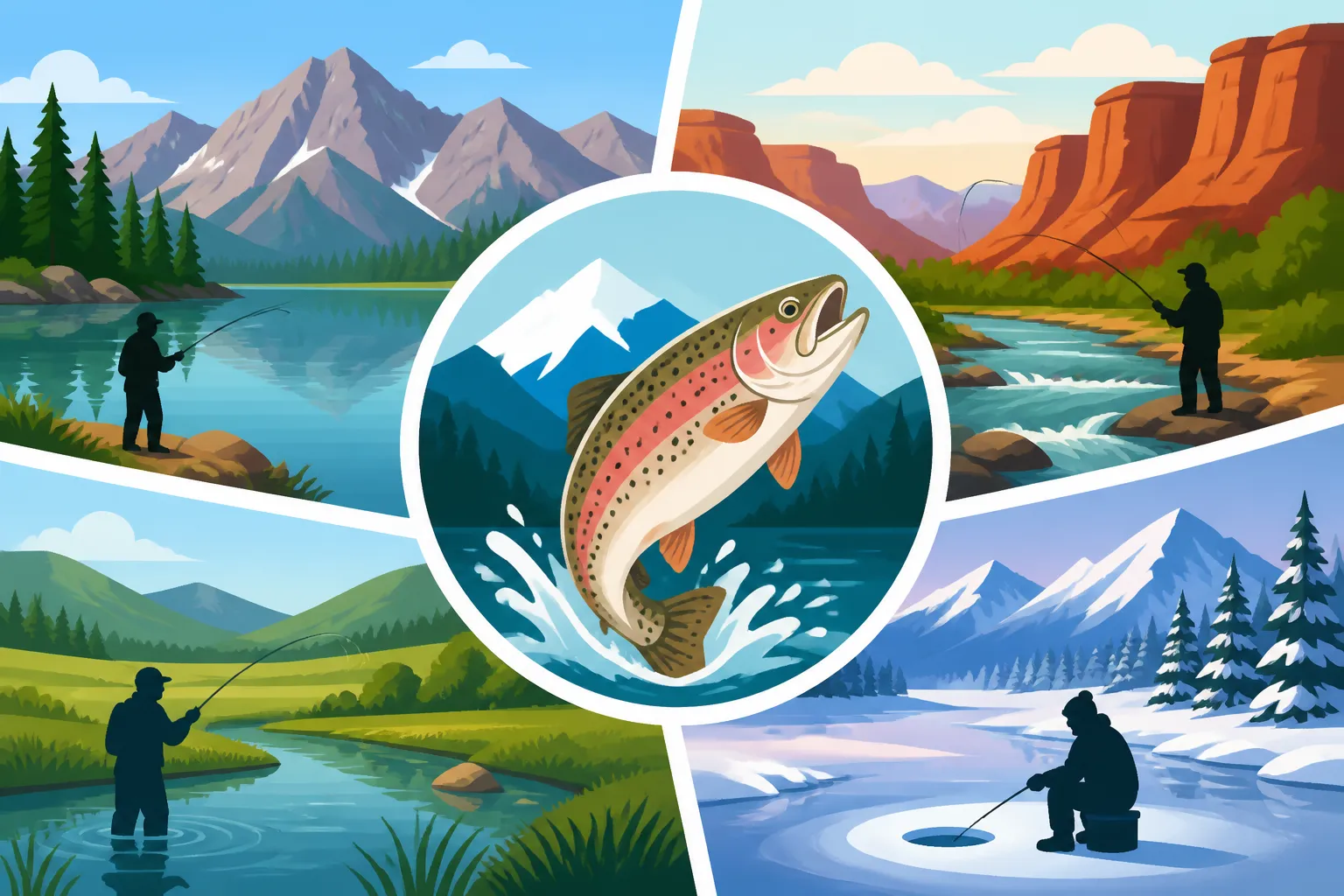
Colorado's geography is as varied as its fish populations, offering everything from high-altitude tundra streams to vast plains reservoirs. This incredible diversity is what makes fishing here so exhilarating, yet also a bit daunting for newcomers or those looking to explore beyond their usual haunts. Understanding these regional differences is the first step to unlocking the state's full angling potential and ensuring you're prepared for the unique challenges and rewards each area presents.
High Country Lakes and Rivers
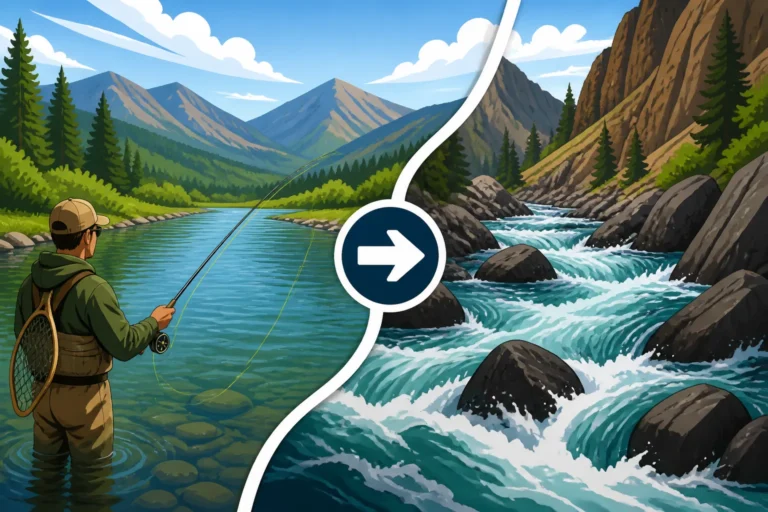
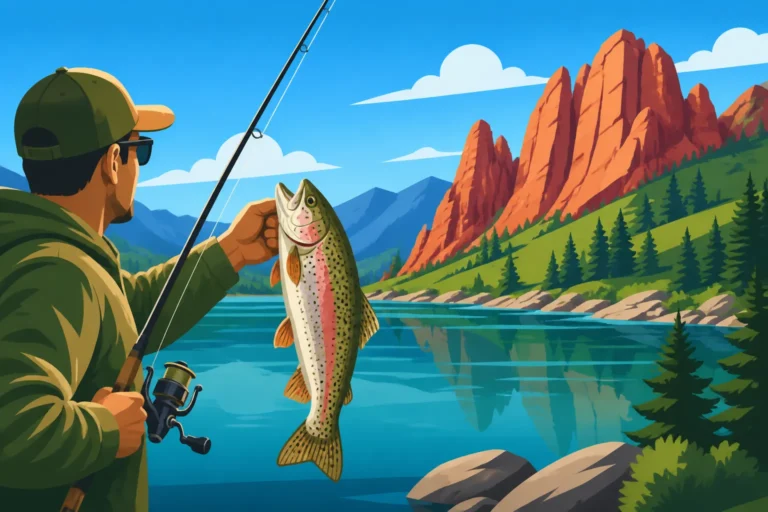
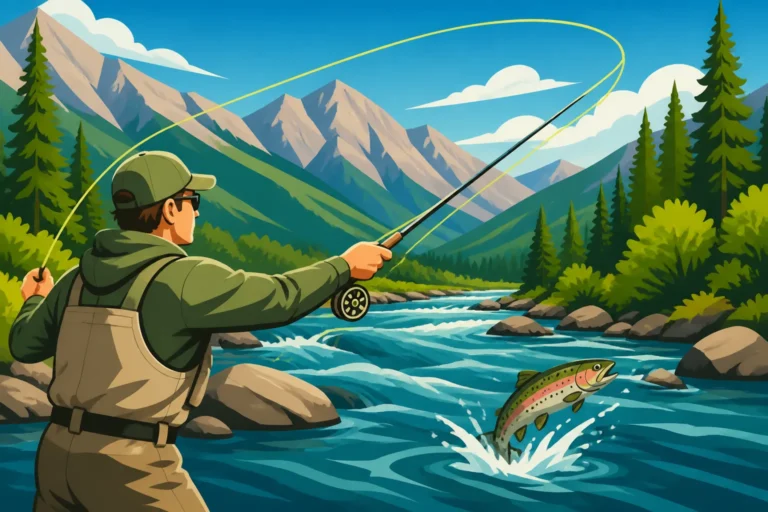
When many people picture Colorado fishing, they imagine pristine high-country lakes and crystal-clear rivers winding through dramatic mountain valleys. These are the classic trout waters, often requiring a bit of a hike or a more rugged vehicle to access, but the reward is usually worth the effort. Think about the solitude of a glassy alpine lake reflecting towering peaks, or the excitement of sight-fishing for wild cutthroat trout in a remote stream. These environments are typically coldwater havens, home to various trout species like rainbow, brown, brook, and Colorado's native cutthroat subspecies. Fishing here often demands lighter tackle, subtle presentations, and a keen eye for reading water. Early summer after snowmelt and late summer/early fall before the first heavy snows are prime times, offering stunning scenery and hungry fish.
Front Range Urban Fishing Opportunities
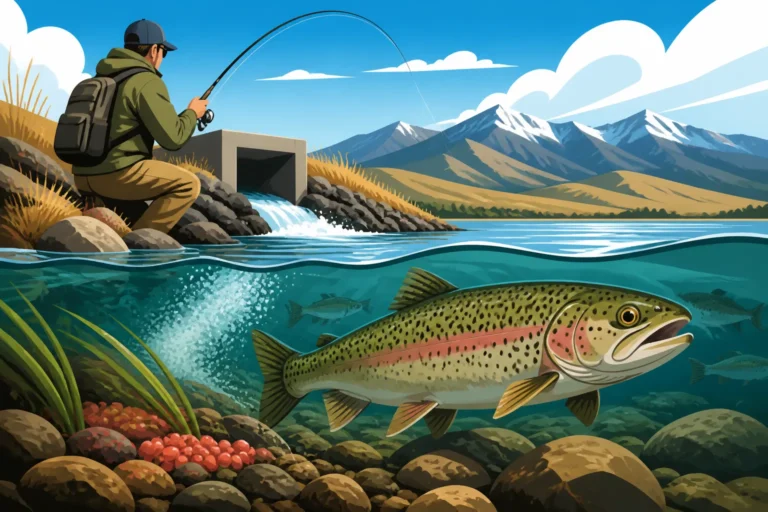
For those living in or visiting the bustling Front Range corridor, the idea of quality fishing might seem out of reach without a long drive. However, Colorado Parks and Wildlife (CPW) does an outstanding job managing an extensive urban fishing program, providing readily accessible angling opportunities within cities like Denver, Aurora, Fort Collins, and Colorado Springs. These urban ponds and reservoirs are regularly stocked, primarily with rainbow trout, but often hold warmwater species like bass, crappie, and catfish too. While you might not find the wilderness solitude of the high country, these spots offer convenience, family-friendly environments, and a chance to wet a line after work or for a quick weekend outing. They're perfect for beginners, kids, or anyone craving a quick fishing fix without the travel commitment, proving that great fishing can be found closer than you think.
Western Slope's Big Rivers and Reservoirs
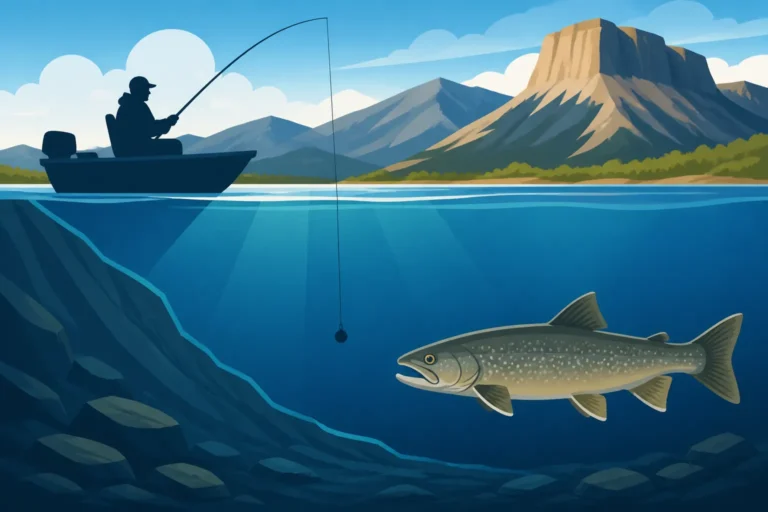
Venturing west of the Continental Divide reveals a different, yet equally compelling, fishing landscape. Here, you'll find powerful, often wider rivers like the Colorado and Gunnison, carving through canyons and broad valleys, along with massive reservoirs such as Blue Mesa. These waters are renowned for both their trout fisheries and, in the case of some reservoirs, trophy warmwater species and kokanee salmon. The Western Slope's rivers offer diverse fishing experiences, from classic float trips to technical wade fishing in Gold Medal Waters. Reservoirs like Blue Mesa are true gems, harboring giant lake trout and vibrant kokanee salmon, often requiring specialized techniques like downrigging or ice fishing in winter. The scale of these waters can be intimidating, but the potential for truly memorable catches is immense.
Southern Colorado's Hidden Gems and Native Waters
Southern Colorado, particularly the San Luis Valley and the mountainous regions further south, offers a distinct angling flavor, often characterized by its remote beauty and significant conservation efforts for native fish. This area is home to the Rio Grande River, a historic waterway that provides diverse fishing, from large browns and rainbows in its lower sections to native Rio Grande cutthroat trout in its headwaters and tributaries. Beyond the main stem, countless smaller streams and high-alpine lakes dot the landscape, many holding wild populations of various trout. It's a region where you can often escape the crowds, find incredible solitude, and potentially connect with a piece of Colorado's angling heritage by pursuing its native species. Anglers here should be particularly mindful of regulations concerning native cutthroat waters and practicing careful catch-and-release to protect these fragile populations.
Northwest Colorado: Wild Rivers and High-Altitude Wonders
The northwest corner of Colorado is a land of wide-open spaces, towering peaks, and some truly magnificent fishing opportunities. From the iconic Yampa River to the remote Flat Tops Wilderness, this region offers a blend of accessibility and wildness that appeals to a broad range of anglers. It’s a place where you can chase wild trout in freestone rivers or explore vast reservoirs known for their coldwater species.
Yampa River Near Steamboat Springs
The Yampa River, particularly the stretch near Steamboat Springs, is a jewel of Northwest Colorado. What makes the Yampa truly unique is that it’s one of the last remaining major undammed rivers in the Colorado River system. This free-flowing nature creates a vibrant ecosystem that supports a healthy population of wild brown and rainbow trout. Anglers often find success here with traditional dry fly fishing during prolific hatches, especially caddis and stoneflies in late spring and summer, making it a fantastic destination for those who love to "match the hatch." The river meanders through ranchland and public access points are interspersed, providing ample room to spread out, though it can get busy in town sections during peak season.
Fishing the Yampa means being prepared for a freestone river, where conditions can change with weather and runoff. During the spring runoff, the river can become high and muddy, making nymphing or streamer fishing near the banks more effective. However, once the water clears and flows stabilize, the dry fly fishing can be exceptional, with trout readily rising to well-presented patterns. The stretch flowing through Steamboat Springs itself offers convenient access and is regularly stocked, providing a great option for families or those looking for an easy day of fishing. Beyond town, the river offers more solitude and a chance to target larger, wilder fish.
The Yampa's character shifts depending on the section. Upstream of Steamboat, you’ll find smaller, more intimate water, while downstream, it opens up, offering more opportunities for float trips. Understanding the various Colorado fishing regulations every angler should know is especially important here, as certain sections might have specific restrictions regarding bait or tackle to protect the wild trout populations. It’s also a river that can surprise you with unexpected catches, sometimes even smallmouth bass in its warmer, lower reaches. Always check the current conditions before heading out, as water levels can significantly impact fishing success.
Trappers Lake in the Flat Tops Wilderness
Often called the "Cradle of Colorado River Cutthroat Trout," Trappers Lake is a legendary high-alpine lake nestled deep within the Flat Tops Wilderness. This remote gem is strictly protected and managed as a wild cutthroat fishery, making it a truly special place for anglers seeking a pure, native trout experience. The journey to Trappers Lake itself is an adventure, often requiring a substantial drive and sometimes a hike, depending on road conditions and seasonal access. Once there, you're greeted by breathtaking scenery – a vast, serene lake surrounded by pristine wilderness, with no motorized boats allowed on the water, ensuring a peaceful experience.
Fishing Trappers Lake is primarily about targeting its vibrant Colorado River cutthroat trout. These fish are known for their beautiful coloration and their willingness to rise to a dry fly, especially during the summer months when insect hatches are abundant. Anglers often find success casting terrestrial patterns like grasshoppers and beetles, or classic attractor dries closer to the shorelines and around the numerous submerged logs and structures. The clear water demands a stealthy approach and fine tippets, but the sight of a native cutthroat rising to your fly is an unforgettable moment. It's a true walk-wade or float tube fishery, emphasizing personal connection with the natural environment.
Due to its wilderness designation, there are specific rules to adhere to, including catch-and-release only for cutthroat trout, and often specific lure and bait restrictions. Always check the latest CPW regulations brochure before visiting to ensure you're compliant. The lake also boasts a number of smaller tributary streams that offer intimate brook trout fishing, adding another layer to the angling possibilities. However, accessing these often involves more strenuous hiking. Trappers Lake represents a quintessential Colorado high-country fishing experience, combining stunning natural beauty with the pursuit of a cherished native species, and it’s a spot that truly earns its legendary status for any angler looking for a genuine wilderness encounter.
Green Mountain Reservoir and Williams Fork
For those who appreciate larger bodies of water and diverse coldwater species, Green Mountain Reservoir and its upstream counterpart, Williams Fork Reservoir, offer excellent opportunities in the heart of Northwest Colorado. Green Mountain, located north of Silverthorne, is a sizable reservoir on the Blue River known for its fantastic kokanee salmon fishing, especially in the fall during their spawning run. It also holds healthy populations of rainbow trout, brown trout, and even some mackinaw (lake trout). Its size allows for various fishing methods, from trolling with downriggers for kokanee to casting from shore or a boat for trout.
The kokanee fishing here can be truly spectacular, drawing crowds in late summer and fall as the salmon begin their pre-spawn staging. Trolling with dodgers and squids or spoons is a popular and effective method for these landlocked salmon. Beyond kokanee, Green Mountain is a consistent producer of rainbow and brown trout, which can be caught using a variety of techniques including bait fishing, spin casting with lures, or even fly fishing the shallower coves. The reservoir also offers good ice fishing opportunities in winter, with anglers targeting kokanee, trout, and sometimes even the elusive lake trout through the ice.
A short drive upstream from Green Mountain brings you to Williams Fork Reservoir, another large body of water that's a bit more rugged and less developed, often appealing to anglers seeking a quieter experience. Williams Fork is particularly noted for its large lake trout (mackinaw) and northern pike populations, in addition to good numbers of rainbow and brown trout. Anglers targeting pike often use large spoons, spinnerbaits, or even fly-fishing with oversized streamers. The lake trout here can grow to impressive sizes, offering a real challenge for dedicated trophy hunters, often found in deeper waters requiring specialized gear. Both reservoirs are easily accessible, with boat ramps and plenty of shoreline for bank anglers, making them versatile destinations for a multi-day fishing trip in the region.
Colorado River's Upper Reaches
The mighty Colorado River begins its journey high in Rocky Mountain National Park and carves its way through the entire state, offering incredible and varied fishing opportunities along its upper reaches in Northwest Colorado, particularly from Kremmling downstream towards Glenwood Springs. This section of the river is a true blue-ribbon fishery, teeming with wild brown and rainbow trout, and is renowned for its diverse insect life and consistent hatches. It's a staple for both wade anglers and those who prefer to float, with numerous public access points and boat launches.
Above Kremmling, the river is often smaller and more intimate, resembling a classic mountain stream, where anglers can target smaller, feisty trout with dry flies or small nymphs. As it gains volume below Kremmling and through the valleys, it transforms into a wider, more powerful river, becoming ideal for drift boat trips. Here, guides and experienced anglers float through scenic canyons and productive riffles, targeting larger brown and rainbow trout with nymphs, streamers, and often large dry flies during prolific hatches like golden stoneflies or pale morning duns. The Colorado River is recognized for its Colorado Gold Medal Water regulations explained in certain sections, which means stricter rules are often in place to protect the exceptional fishery.
During the spring runoff, the upper Colorado can become high and off-color, making fishing challenging, but once the flows stabilize and clear, the fishing can be phenomenal. Fall is particularly popular for targeting aggressive brown trout as they prepare for their spawn, and streamer fishing can be incredibly effective during this time. The river is also known for mountain whitefish, a native species that provides additional angling fun, especially when trout are less active. Whether you're a seasoned fly angler or prefer spin fishing, the upper Colorado River offers a classic Western trout fishing experience with stunning backdrops and strong, wild fish.
North Central Colorado & Front Range: Accessibility Meets Abundance
This region is where the majestic Rockies meet the bustling Front Range, offering a unique blend of highly accessible urban fishing and some of the state's most revered Gold Medal trout waters. It’s a testament to Colorado’s dedication to providing diverse angling experiences, ensuring that both local residents and visitors can find fantastic spots within a reasonable drive.
South Platte River's Gold Medal Stretches
The South Platte River is a legend among Colorado anglers, famous for its world-class trout fishing, particularly in its Gold Medal stretches like the "Dream Stream," Cheesman Canyon, and the Deckers area. These sections are renowned for holding an incredible density of large, wild brown and rainbow trout, making them bucket-list destinations for fly fishers. The "Dream Stream," located between Spinney Mountain Reservoir and Eleven Mile Reservoir, is a meandering meadow stream famous for its massive trout that migrate from the reservoirs, especially during spring and fall spawning runs. Anglers here often employ technical nymphing rigs and streamer patterns, and when the conditions are right, dry fly fishing can be exceptional.
Cheesman Canyon, further downstream, is a rugged, scenic canyon section that offers a truly wild experience. Access requires a hike, and the fishing is technical, demanding precise casts and careful wading. The reward, however, is the chance to catch truly wild, wary trout in an incredibly beautiful setting. This section is known for its strong currents and deep pockets, making nymphing a primary technique, though opportunistic dry fly takes can occur. Below Cheesman, the river continues through Deckers, which is more accessible and very popular. The Deckers stretch offers varied water, from deep runs to riffles and pools, and is a fantastic year-round fishery, often producing good numbers of fish even in winter.
Fishing these Gold Medal waters requires patience and skill. The trout are often highly educated due to fishing pressure, making presentation key. Fly selection is critical, with tiny midge and baetis patterns often being necessary, especially during colder months. Anglers should be prepared for changing conditions, and a good understanding of various nymphing techniques for Colorado tailwaters can significantly increase success. It's an immersive experience, blending the thrill of challenging fishing with the awe of Colorado's natural beauty. For those looking to learn these technical waters, finding a guide through resources like FishingBooker can provide invaluable local knowledge.
Blue River Tailwater in Silverthorne
The Blue River, especially the tailwater section below Dillon Reservoir in Silverthorne, is another gem on the Front Range corridor, easily accessible and offering year-round coldwater fishing. This specific stretch is a true tailwater fishery, meaning the water released from the bottom of Dillon Reservoir maintains a consistent, cold temperature throughout the year. This stability creates an ideal environment for large rainbow and brown trout to thrive, often growing to impressive sizes. The river flows directly through the town of Silverthorne, making it incredibly convenient for anglers staying in the area.
Fishing the Blue River tailwater is often a nymphing game, as the consistent flow and deep runs favor subsurface presentations. Small midge patterns, such as tiny larva and pupa imitations, are often the most productive, especially during the colder months when other hatches are scarce. Baetis (blue-winged olives) and caddis hatches also occur, providing opportunities for dry fly fishing at certain times of the year. Due to the clarity and consistent flow of the water, the trout can be selective and wary, requiring precise drifts and sometimes very fine tippets. While it's popular and can see significant pressure, the sheer density of fish often ensures a rewarding experience.
What makes the Blue River tailwater so appealing is its accessibility and reliability. Even in the dead of winter, when many other rivers are frozen or unfishable, the Blue often remains open and productive, making it a fantastic winter fishing destination. There are numerous public access points along the river, including several parks and river walks within Silverthorne. While much of the river is easily wadeable, caution should always be exercised due to swift currents and slippery rocks. It’s a classic Colorado tailwater experience, perfect for those who enjoy technical fishing in a beautiful, convenient setting.
Popular Denver Metro Reservoirs
For residents and visitors to the Denver metro area, several large reservoirs offer excellent and convenient fishing, often just a short drive from the city. These lakes are vital resources for both recreation and water supply, and Colorado Parks and Wildlife works diligently to keep them well-stocked and productive. Chatfield Reservoir, Cherry Creek Reservoir, and Standley Lake are among the most popular, each providing unique angling opportunities for various species.
Chatfield Reservoir, located just south of Denver near Littleton, is a massive body of water known for its diverse fishery. Anglers can target rainbow trout, brown trout, walleye, smallmouth bass, largemouth bass, channel catfish, and even wiper (a striped bass hybrid). Shore fishing is popular, especially for trout after stockings, and numerous boat ramps make it easy for those with watercraft to access deeper waters for trolling or targeting specific species like walleye. The reservoir's diverse habitat, from rocky points to submerged timber, holds fish throughout the year.
Cherry Creek Reservoir, situated in southeast Denver, is another expansive urban lake with a thriving fishery. Like Chatfield, it offers a mix of coldwater and warmwater species, including rainbow trout, walleye, largemouth bass, crappie, and channel catfish. It's a great spot for family fishing, with plenty of shoreline access and designated fishing areas. Ice fishing is also a popular winter activity here when conditions allow. For those interested in tracking current conditions and stocking reports, the Reading Colorado's Weekly Stocking Report can be a valuable tool to plan a successful outing to Cherry Creek or Chatfield.
Standley Lake, located northwest of Denver in Westminster, is a picturesque reservoir offering excellent fishing for rainbow trout, walleye, smallmouth bass, and even some large tiger muskies. Due to its status as a drinking water source, there are strict regulations regarding boating and access, with electric motors only on boats and certain shorelines restricted. However, for those who respect the rules, the fishing can be superb, especially for trophy walleye and hard-fighting smallmouth. All three of these reservoirs provide fantastic opportunities for anglers seeking quality fishing without venturing far from the urban core, making them invaluable assets for Front Range fishing enthusiasts.
Rocky Mountain National Park's Alpine Lakes
For anglers seeking an unparalleled wilderness experience combined with stunning scenery, Rocky Mountain National Park offers a myriad of high-alpine lakes and streams teeming with native and wild trout. While fishing in a National Park comes with specific regulations and often requires significant hiking, the reward of casting a line in a pristine mountain setting, surrounded by granite peaks and alpine meadows, is truly priceless. The park is home to brook trout, rainbow trout, brown trout, and most notably, various species of cutthroat trout, including the Colorado River cutthroat.
Most of the park's fishing is found in its numerous high-elevation lakes and the headwaters of rivers like the Colorado and the Big Thompson. These lakes, often accessible only by trail, hold self-sustaining populations of trout that are typically smaller but incredibly feisty and beautiful. Fly fishing with small dry flies (like ants, beetles, or mosquitoes) or tiny nymphs is usually the most effective method, as the clear, cold water often makes the fish wary. Spin fishing with small lures or jigs can also be productive. The fishing season in the high country is generally short, usually from late June/early July after ice-out until the first heavy snows in September or October, making the summer months prime time.
Anglers venturing into Rocky Mountain National Park should be prepared for wilderness conditions, including rapidly changing weather, high altitudes, and potential wildlife encounters. A valid Colorado fishing license is required, along with adherence to all park-specific fishing regulations, which can include catch-and-release rules or specific tackle restrictions in certain areas to protect native species. Do you need a park entrance fee to fish in Rocky Mountain National Park? Yes, standard park entrance fees apply in addition to your fishing license. It's an opportunity to combine the joys of fishing with hiking and experiencing some of the most spectacular scenery in North America, truly offering an escape from the everyday.
Southwest Colorado: San Juan Mountains and Remote Wilderness Fishing
Southwest Colorado is a rugged, awe-inspiring region dominated by the San Juan Mountains, offering some of the state's most remote and beautiful fishing destinations. This area is characterized by dramatic canyons, vast forests, and pristine waters, making it a haven for those who seek solitude and adventure alongside their angling pursuits.
Gunnison River and Black Canyon
The Gunnison River, particularly the stretches through and below the Black Canyon of the Gunnison National Park, is a legendary fishery known for its wild, trophy-sized brown and rainbow trout. This river offers an incredible spectrum of experiences, from the wild, challenging multi-day float trips through the Black Canyon to more accessible wade fishing on the upper river near Almont and the Gold Medal Water below the Aspinall Unit dams. The Black Canyon section itself is a commitment, requiring permits and strong paddling skills, but the rewards are unparalleled: incredible solitude and the chance to catch some of the largest wild trout in Colorado in a truly epic setting.
Below the three dams of the Aspinall Unit (Blue Mesa, Morrow Point, Crystal), the Gunnison flows as a classic tailwater, maintaining cold, clear, and consistent flows year-round. This is where the river truly shines as a Gold Medal Water, producing an abundance of aquatic insects and supporting an incredibly dense population of large trout. Nymphing is often the most productive method here, with anglers using a variety of patterns to imitate midges, baetis, and stoneflies. Streamer fishing can also be highly effective for enticing the river's large brown trout, especially during the fall. Wade access is available in many sections, but float fishing is a popular way to cover more water and reach less-pressured stretches.
For those interested in the more remote sections, understanding Colorado's Gold Medal Water rules is paramount, as catch-and-release policies and barbless hook requirements are typically in place. The lower Gunnison Gorge, another designated wilderness area, offers world-class fly fishing accessible only by foot or permitted float trip, providing a multi-day backcountry angling adventure. Whether you're a seasoned fly fisher looking for a challenging technical river or an adventurous spirit seeking a wilderness fishing experience, the Gunnison River and its dramatic canyons offer an unforgettable journey into the heart of Colorado's fishing heritage.
Blue Mesa Reservoir
Blue Mesa Reservoir, located just west of Gunnison, is Colorado's largest body of water and a true powerhouse fishery. This vast reservoir is most famous for its incredible kokanee salmon and trophy lake trout (mackinaw), making it a top destination for anglers looking for big fish and diverse angling opportunities. The sheer size of Blue Mesa can be intimidating, but its productive waters consistently yield impressive catches year after year.
Kokanee salmon are a primary draw here, particularly in late summer and early fall when they begin their pre-spawn staging and then their spectacular spawning runs up the tributary streams like the Gunnison and Cebolla Rivers. Trolling with downriggers and specialized kokanee lures or dodgers and squids is the most common and effective method for targeting these vibrant silver fish. During the spawn, the salmon turn a brilliant red, and while snagging is prohibited, anglers can still target them with traditional methods. The reservoir is also known for producing Colorado's largest lake trout, with the state record mackinaw having been caught here. Targeting these deep-dwelling giants often requires heavy tackle, specialized electronics to locate schools, and techniques like jigging or deep trolling with large baits.
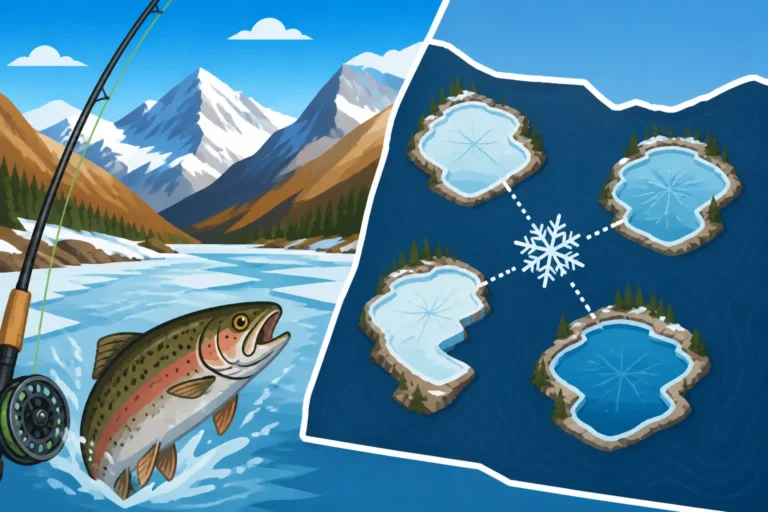
Beyond salmon and lake trout, Blue Mesa also supports good populations of rainbow trout, brown trout, and even some yellow perch and northern pike. Shore fishing, especially in the coves and around the campgrounds, can be productive for rainbows, while boat anglers can explore the numerous bays and inlets. In winter, Blue Mesa transforms into a premier ice fishing destination, with anglers setting up shelters to target kokanee, lake trout, and trout through the ice. The reservoir's vastness ensures plenty of room for everyone, and several marinas and boat ramps make access easy. For those looking for an epic angling adventure, Kokanee Salmon Fishing in Colorado and Lake Trout Fishing in Colorado at Blue Mesa are experiences not to be missed.
San Juan River Near Pagosa Springs
The San Juan River, flowing through the picturesque town of Pagosa Springs in Southwest Colorado, offers a delightful and accessible trout fishing experience. While perhaps not as widely known as some of the state's Gold Medal behemoths, this river provides consistent action and beautiful scenery, making it a favorite among locals and visitors alike. The river here holds a healthy population of rainbow and brown trout, with regular stockings enhancing the fishery in town sections, making it very beginner-friendly.
The character of the San Juan River changes as it flows through the Pagosa Springs area. Within the town limits, it's easily accessible, with numerous public parks and river walks providing convenient entry points for wade fishing. Here, anglers can find success with traditional spin fishing techniques using lures like small spinners and spoons, or bait fishing with worms and powerbait. Fly fishers also do well with nymphs and dry flies, especially during caddis and mayfly hatches in the spring and summer. The river flows through open meadows and some residential areas, creating a relaxed and family-friendly atmosphere.
Upstream and downstream from town, the San Juan becomes a bit more wild and less pressured, offering opportunities to target larger, wilder trout. These sections often require more effort to access but can reward anglers with greater solitude and more challenging fishing. The river's headwaters, high in the San Juan Mountains, also hold native cutthroat trout, offering a different kind of angling pursuit for those willing to venture into the backcountry. The combination of accessibility, consistent fishing, and the charming mountain town of Pagosa Springs makes the San Juan River a wonderful destination for a relaxed and rewarding fishing trip in Southwest Colorado.
Dolores River Below McPhee Reservoir
The Dolores River, particularly the section below McPhee Reservoir in Southwest Colorado, is a hidden gem that offers a unique desert canyon fishing experience. This tailwater fishery is known for its fluctuating flows, which are heavily dependent on water releases from McPhee Dam, but when the conditions are right, it can provide exceptional angling for brown and rainbow trout. It's a more remote and less-pressured option compared to some of Colorado's more famous rivers, appealing to anglers seeking solitude and a distinct natural setting.
The fishing on the Dolores below McPhee is highly influenced by the dam releases. During periods of lower, stable flows, the river offers excellent wade fishing opportunities. The clear, cold water fosters a healthy insect population, including midges, caddis, and stoneflies, making nymphing and dry fly fishing highly effective. Anglers often find success by carefully reading the water, targeting seams, pools, and riffles where trout hold. The browns in particular can grow to respectable sizes here, and their wild nature makes them a rewarding challenge. When flows are higher, streamer fishing can be a productive method, mimicking baitfish swept downstream.
Access to the Dolores can be a bit more rugged, often involving dirt roads and trails, but that's part of its appeal for those looking to escape the crowds. There are various public access points, though some sections are private, so being aware of property boundaries is crucial. The surrounding landscape is characterized by red rock canyons and pinyon-juniper forests, providing a stunning backdrop to your fishing day. Due to the variable flows, it's always wise to check the water release schedules and current conditions before planning a trip to the Dolores, ensuring you arrive during optimal fishing periods. This river truly offers a distinctive Colorado angling adventure in a beautiful, wild corner of the state.
Central Colorado: Arkansas River Valley and Iconic Tailwaters
Central Colorado is a powerhouse of angling opportunities, home to some of the state's most famous and productive rivers. The Arkansas River Valley provides both freestone and tailwater experiences, while iconic fisheries like the Fryingpan and Roaring Fork Rivers stand as epitomes of Gold Medal trout fishing. This region is a must-visit for serious anglers.
Arkansas River Near Salida and Buena Vista
The Arkansas River, flowing through the heart of Central Colorado, is one of the state's longest and most diverse trout fisheries. Its stretches near the towns of Salida and Buena Vista are particularly renowned, offering incredible freestone fishing for a mix of brown and rainbow trout. This section of the Arkansas is heavily influenced by the mountain runoff and varying water levels, but it consistently delivers excellent angling throughout the year, making it a favorite for both wade and float fishers.
During the spring and early summer, the Arkansas experiences significant runoff, becoming high and often off-color. While challenging, this period can be productive for skilled anglers using heavy nymph rigs or large streamers fished close to the banks. However, it's in late spring through fall when the river truly shines. As flows drop and clear, prolific insect hatches—like caddis, stoneflies, and various mayflies—provide incredible dry fly opportunities. The famed Mother's Day Caddis hatch is an annual spectacle that draws anglers from far and wide, with trout aggressively rising to well-presented dry flies.
The river's diverse character, from swift whitewater sections popular with rafters to calmer riffles and pools, ensures a variety of fishing situations. Public access is excellent, with numerous state wildlife areas and BLM lands providing easy entry points. The towns of Salida and Buena Vista are vibrant outdoor hubs, offering everything an angler might need, from fly shops to lodging. The Arkansas River is a quintessential Western freestone fishery, offering a dynamic and rewarding experience for those who appreciate the challenges and rewards of fishing a wild, powerful river. Understanding Colorado fishing seasons month by month will definitely help you pinpoint the best times to visit this dynamic river.
Fryingpan River Below Ruedi Reservoir
The Fryingpan River, affectionately known as the "Fryingpan" or "Pan" by locals, is a legendary tailwater fishery nestled in a picturesque valley near Basalt, Colorado. Originating from the depths of Ruedi Reservoir, the river maintains consistent cold temperatures and nutrient-rich flows, creating an unparalleled environment for growing truly massive rainbow and brown trout. This Gold Medal Water is famous for its highly technical fishing and the sheer size of the fish it produces, making it a bucket-list destination for serious fly anglers.
The Fryingpan's clear, consistent flows mean that the trout here are highly educated and often incredibly selective. Anglers typically rely on ultra-fine tippets and minuscule midge and baetis patterns, often fished on indicator nymph rigs. The famous "Toilet Bowl" section, immediately below the dam, is an iconic spot where massive trout congregate, but it requires extreme stealth and precise presentations. As you move downstream, the river opens up, offering more varied water with deep runs, riffles, and slower pools, where dry fly opportunities can arise during hatches of blue-winged olives, green drakes, and caddis.
A trip to the Fryingpan is often an exercise in patience and precision. The sheer size of some of the rainbows and browns, many exceeding 20 inches, is what draws anglers, but earning a hook-up demands skill. Due to its Gold Medal status, the river has strict catch-and-release regulations and often requires barbless hooks. Local fly shops in Basalt and Aspen are excellent resources for current conditions and fly recommendations, which change frequently. For an unparalleled opportunity to target trophy trout in a beautiful, serene setting, the Fryingpan River stands as one of Colorado's premier fishing destinations, a true test of an angler's finesse.
Roaring Fork River Near Aspen and Basalt
The Roaring Fork River, flowing from its headwaters high in the Elk Mountains down to its confluence with the Colorado River near Glenwood Springs, is another illustrious Gold Medal trout fishery in Central Colorado. This river offers a diverse range of fishing experiences, from the intimate, freestone characteristics of its upper reaches near Aspen to the broader, more powerful tailwater section below its confluence with the Fryingpan River. It's renowned for its healthy populations of wild brown and rainbow trout, many of which grow to impressive sizes.
In its upper sections near Aspen, the Roaring Fork is a classic freestone stream, providing excellent dry fly fishing during summer hatches of caddis, green drakes, and terrestrials. Wade fishing is the primary method here, navigating clear, cold water through scenic mountain valleys and town stretches. As the river flows downstream and picks up volume, particularly after the Fryingpan River joins it, the character changes, becoming a larger, more formidable river that is excellent for float fishing. Drift boat trips offer anglers the chance to cover extensive water, targeting deep runs, eddy lines, and swift riffles with nymphs and streamers.
The lower Roaring Fork, below Basalt, takes on more tailwater characteristics due to the consistent cold flows from the Fryingpan. This section is known for its prolific hatches of midges and blue-winged olives, providing consistent nymphing and occasional technical dry fly fishing, even into the colder months. Fall on the Roaring Fork is particularly spectacular, with aggressive brown trout responding well to streamer patterns as they prepare for their spawn, and the vibrant autumn foliage adding to the experience. Whether you're seeking the solitude of a high-country stream or the thrill of a big-river float trip, the Roaring Fork delivers a premier Colorado trout fishing experience, earning its reputation as one of the state's finest.
Taylor River Near Almont
The Taylor River, originating from the stunning Taylor Park Reservoir near Almont, Colorado, is a world-class tailwater fishery revered for its incredibly large trout. The short, roughly 1-mile section immediately below the dam is especially famous, often referred to as a "trophy trout factory" due to the immense size and density of rainbow and brown trout found there. This Gold Medal Water attracts anglers from around the globe eager to test their skills against truly gargantuan fish.
The unique conditions below Taylor Park Dam—consistent cold water temperatures, abundant aquatic insect life, and a strong forage base—allow trout to grow at an exceptional rate. The fishing here is highly technical, demanding perfect presentations, micro-sized flies (often midges and tiny baetis nymphs), and incredibly fine tippets. Anglers commonly stand shoulder-to-shoulder, casting to pods of massive, wary trout. While challenging, landing one of these fish, many of which exceed 25 inches, is an unforgettable angling achievement. It’s a place where patience and precision are rewarded.
Downstream from this famed trophy section, the Taylor River opens up and takes on more characteristics of a classic freestone river as it flows towards the East River, which it joins to form the Gunnison. This lower section offers excellent fishing for more moderately sized, wild brown and rainbow trout in a less pressured environment. Here, anglers can find success with a wider range of flies, including larger nymphs, dry flies during hatches, and streamers. Wade fishing is popular in these downstream sections, offering more solitude and the opportunity to explore varied water types. The Taylor River, in all its forms, is a jewel of Central Colorado, offering both the challenge of world-record-potential trout and the beauty of a classic mountain fishery.
Southern Colorado & Eastern Plains: Diverse Species and Scenic Beauty
Southern Colorado and the Eastern Plains present a distinct contrast to the mountainous regions, yet they offer equally rewarding and diverse fishing experiences. This region is a land of wide-open skies, unique native fish opportunities, and large reservoirs that hold impressive populations of warmwater and coldwater species.
Rio Grande Near South Fork
The Rio Grande, one of North America's most iconic rivers, flows through the scenic San Luis Valley in Southern Colorado, offering fantastic fishing opportunities, particularly near the town of South Fork. This river is a classic freestone fishery known for its healthy populations of brown and rainbow trout, and in its headwaters, the native Rio Grande cutthroat trout. The river's character here is one of wide-open vistas, flowing through ranchlands and national forests, providing a sense of spaciousness and solitude that many anglers crave.
The Gold Medal Water stretch of the Rio Grande, located downstream from South Fork, is particularly renowned for its robust populations of large brown and rainbow trout. This section offers excellent wade fishing, with anglers targeting deep runs, rocky riffles, and undercut banks where trout hold. During the summer and fall, prolific hatches of caddis, stoneflies, and various mayflies provide exciting dry fly opportunities. Nymphing is consistently effective, especially in the deeper pools and swift currents, and streamer fishing can entice the river's larger brown trout, particularly in the fall during their spawning activity.
Beyond the Gold Medal sections, the Rio Grande and its tributaries offer a range of experiences, from smaller, more intimate streams holding brook trout to high-alpine lakes. The pursuit of the native Rio Grande cutthroat trout in the river's headwater tributaries is a special draw for conservation-minded anglers, often requiring a hike into more remote areas. Always consult the specific regulations for these native cutthroat waters, as they often have strict catch-and-release rules to protect these vulnerable populations. The Rio Grande offers a diverse and engaging fishing experience, blending stunning Southern Colorado scenery with the thrill of chasing wild trout.
Pueblo Reservoir and Trinidad Lake
While Colorado is famous for its trout, the large reservoirs of Southern Colorado, like Pueblo Reservoir (officially Lake Pueblo State Park) and Trinidad Lake (Trinidad State Park), are premier destinations for warmwater species, offering a different but equally exciting angling experience. These lakes are vital to the angling landscape of the state, providing opportunities for a wide variety of fish that thrive in warmer waters.
Pueblo Reservoir, located on the Arkansas River just west of Pueblo, is a sprawling body of water renowned for its diverse and productive fishery. It's a top destination for walleye, smallmouth bass, largemouth bass, crappie, bluegill, channel catfish, and even some rainbow trout. The reservoir's varied structure, including rocky points, submerged timber, and brushy coves, provides excellent habitat for these species. Anglers can find success here using a multitude of techniques: trolling for walleye, casting crankbaits or soft plastics for bass, jigging for crappie, or bait fishing for catfish. It's a popular spot for both boat and shore anglers, offering ample access and multiple boat ramps. Pueblo Reservoir is also a hot spot for ice fishing during the winter months, with anglers targeting walleye and crappie through the ice.
Further south, near the New Mexico border, Trinidad Lake State Park offers another fantastic warmwater fishery. Trinidad Lake is particularly noted for its abundant populations of walleye, channel catfish, crappie, and some trout. Like Pueblo, it boasts varied terrain, including rocky shorelines and submerged features, making it ideal for targeting a range of species. Walleye fishing here can be excellent, especially in spring and fall, with anglers using jigs, crankbaits, or live bait. Catfish thrive in the warmer water, providing strong fights and good eating opportunities, especially during summer evenings. The lake is also popular for crappie, which can be caught in large numbers, particularly around structure. Both Pueblo and Trinidad Lakes offer excellent amenities, including campgrounds and marinas, making them perfect for extended fishing trips for those eager to explore Colorado's diverse warmwater fisheries.
John Martin Reservoir and Other Eastern Plains Hotspots
Don't let the "Eastern Plains" conjure images of endless, barren landscapes – this region of Colorado, though flat, holds a surprising array of productive fishing opportunities, especially for warmwater species. John Martin Reservoir, located near Hasty in southeastern Colorado, is a prime example of an Eastern Plains gem, offering fantastic fishing for a variety of species that thrive in its warm, nutrient-rich waters. This area is often overlooked by mountain-focused anglers, but it offers a unique and rewarding experience.
John Martin Reservoir is a large impoundment on the Arkansas River and is one of the best places on the Eastern Plains to target wipers (a hybrid striped bass), walleye, channel catfish, largemouth bass, and crappie. Wipers are particularly popular here, known for their aggressive strikes and powerful fights, often schooling in open water and providing explosive action. Anglers typically target wipers with cast spoons, crankbaits, or by trolling. Walleye fishing is also a major draw, with both spring and fall offering prime opportunities for jigging or trolling. The reservoir's vastness provides ample room for boats, and shore anglers can find success in various coves and along the dam.
Beyond John Martin, other Eastern Plains reservoirs like Two Buttes Reservoir (when it holds water), Nee Gronda Reservoir, and Queens State Wildlife Area lakes (like Nee Noshe) offer similar warmwater opportunities, though conditions can fluctuate more based on water levels. These lakes are typically shallow, often turbid, but incredibly productive, yielding impressive numbers and sizes of catfish, crappie, and bass. Ice fishing can also be productive on these waters when sufficient ice forms. A key aspect of fishing the Eastern Plains is adapting to changing conditions and often targeting fish that thrive in warmer, sometimes less clear, water. It’s a different pace and style of fishing compared to the mountains, but one that can be incredibly rewarding, proving that Colorado's angling diversity truly stretches from peak to prairie.
Monument Lake
Nestled in the foothills near the city of Trinidad in Southern Colorado, Monument Lake offers a more intimate and picturesque fishing experience compared to the larger reservoirs, while still providing excellent angling opportunities. This scenic lake, surrounded by rolling hills and Ponderosa pines, is a popular local spot known for its reliable coldwater and warmwater fishery. It's a fantastic option for families, beginners, or anyone seeking a peaceful day on the water without the overwhelming scale of bigger lakes.
Monument Lake is regularly stocked with rainbow trout by CPW, ensuring consistent action for bait anglers and spin fishers. These stocked trout provide a great opportunity for easy catches, especially in the spring and fall when water temperatures are cooler. Beyond trout, the lake also supports healthy populations of largemouth bass, smallmouth bass, crappie, and channel catfish, offering year-round angling diversity. Bass anglers can find success casting topwater lures, crankbaits, or soft plastics around the lake's abundant shoreline structure, including submerged timber and rocky outcroppings. Crappie often school up around brush piles, providing excellent panfish action.
The lake's smaller size makes it easy to explore from a small boat, kayak, or by fishing from its ample shoreline. There are convenient amenities at Monument Lake State Park, including picnic areas and campgrounds, making it an ideal spot for a leisurely fishing outing or a weekend getaway. While it might not have the "trophy" reputation of some other waters, Monument Lake consistently delivers enjoyable fishing in a beautiful, accessible setting, proving that great experiences don't always require vast wilderness or extreme challenges. It's a testament to the diverse fishing options available even in less-frequented regions of Colorado.
Planning Your Colorado Fishing Adventure
Embarking on a fishing trip in Colorado requires a bit more than just grabbing your rod and a box of lures. Given the incredible diversity of fishing environments, from high-alpine lakes to warmwater reservoirs, some thoughtful planning can significantly enhance your chances of success and ensure you have a safe and enjoyable experience. It's about aligning your expectations with the realities of the water you choose and respecting the rules that protect these precious resources.
Matching Species to Locations
One of the most crucial aspects of planning a successful trip is understanding which fish species you want to target and where they are most likely to be found. Colorado's waters are home to a wide array of fish, but you won't find lake trout in every small mountain stream, nor will you typically find native cutthroat in urban reservoirs. For instance, if your heart is set on catching wild brown trout, focusing on Gold Medal Rivers like the South Platte or the Roaring Fork would be your best bet. If you're chasing the thrill of kokanee salmon, then Blue Mesa Reservoir is a prime candidate.
Conversely, if you're looking for an easy, family-friendly outing with high chances of catching a rainbow trout, one of the many regularly stocked urban ponds or lower-elevation reservoirs along the Front Range would be ideal. When targeting warmwater species like walleye, bass, or catfish, the larger plains reservoirs such as Pueblo, Trinidad, or John Martin Reservoirs will offer the best opportunities. Understanding the general habitat preferences of fish—cold, oxygenated water for trout; warmer, shallower water for bass and catfish—is key. Consulting resources like Colorado's Trout Species, A Field Guide can give you a deeper understanding of what each species prefers and where they thrive. Before you even pack your bags, decide on your target species, and then research the waters known for holding them.
Considering Seasonal Changes and Runoff
Colorado's fishing seasons are heavily influenced by its dynamic climate and mountain hydrology, particularly the annual spring runoff. Ignoring these seasonal changes can lead to frustration or even dangerous conditions. Generally, spring sees the thawing of ice on lakes and rising water temperatures, kickstarting fish activity. However, mountain rivers soon enter runoff season (typically late May through early July), when snowmelt swells rivers, making them high, cold, and often muddy. While tailwaters remain clearer and fishable during runoff, many freestone rivers become challenging.
Summer is prime time for high-country lakes and clearer freestone rivers, with abundant insect hatches providing excellent dry fly fishing. However, midday heat can slow fishing in lower elevation rivers, sometimes leading to voluntary or mandatory Hoot Owl closures to protect trout from heat stress. Fall is often considered a favorite season by many anglers, as cooling water temperatures make trout highly active, especially brown trout preparing for their spawn. Streamer fishing can be exceptional during this time. Winter offers unique opportunities for ice fishing on many reservoirs, as well as consistent nymphing on stable tailwater fisheries like the Fryingpan or Blue River. Planning your trip around the natural rhythms of the rivers and lakes will significantly increase your enjoyment and success. You can find more detailed information by exploring topics like When Colorado's Spring Runoff Hits and How to Fish Around It or Colorado fishing seasons month by month.
Navigating Regulations and Licensing Requirements
Colorado Parks and Wildlife (CPW) manages the state's fisheries with a comprehensive set of regulations designed to protect fish populations and ensure sustainable angling for everyone. Before you even think about wetting a line, securing a valid Colorado fishing license is non-negotiable. Whether you're a resident or a nonresident, and regardless of how long you plan to fish, you'll need a license. This also includes the mandatory Habitat Stamp for most anglers between the ages of 18 and 64, which contributes directly to wildlife habitat conservation.
Beyond the general license, individual waters often have specific regulations regarding bag limits, possession limits, minimum/maximum size limits, bait restrictions (e.g., fly and lure only, barbless hooks), and even seasonal closures. These rules are crucial and can vary significantly from one section of a river to another, or from one lake to the next. For instance, all of Colorado's Gold Medal Waters have specific rules designed to protect their trophy fisheries, often requiring catch-and-release only or barbless hooks. Ignorance of the law is not an excuse, and game wardens actively patrol. Always carry your license, check the current CPW fishing regulations brochure (available online and at license vendors), and familiarize yourself with the rules for your chosen fishing spot to avoid penalties and ensure you're fishing ethically and legally. A great place to start is our detailed guide on the Colorado Fishing License Guide for Residents and Nonresidents.
Hiring a Guide: Maximizing Your Colorado Fishing Experience
For many anglers, especially those new to Colorado or looking to conquer a particularly challenging fishery, hiring a professional fishing guide can be one of the best investments you make. While it's an added expense, the value a knowledgeable guide brings to your trip often far outweighs the cost, turning a potentially frustrating day into a memorable success.
Benefits of a Local Expert
A professional Colorado fishing guide is much more than just someone who takes you to a river. They are local experts with an intimate understanding of the water, its inhabitants, and the ever-changing conditions. This knowledge includes knowing exactly where the fish are holding on a given day, what they are eating, and which techniques will be most effective. They track hatches, understand water flows, and can quickly adapt to weather changes, all of which are critical in Colorado's dynamic environments. Imagine arriving at a complex river like the Fryingpan or South Platte, known for its highly selective trout; a guide already knows the exact midge pattern and tippet size that will entice a bite.
Beyond finding fish, guides offer invaluable instruction. They can teach you local casting techniques, how to read complex currents, proper fly selection, and effective fish-handling for safe release. For beginners, a guided trip can fast-track your learning curve, imparting skills that would take years to develop on your own. For experienced anglers, a guide can help refine your techniques, introduce you to new water, or assist in targeting a specific trophy species. They typically provide all the necessary gear—high-quality rods, reels, and flies—taking the guesswork out of equipment selection. Many guides also offer float trips on larger rivers, allowing you to access sections of water that are otherwise unreachable by wade fishing, opening up vast new angling opportunities. It's truly about leveraging their expertise to maximize your time on the water.
Finding the Right Guide for Your Trip
Choosing the right fishing guide in Colorado is a crucial step to ensure your trip meets your expectations. Start by considering your goals: are you a beginner looking for an introductory experience, a seasoned angler chasing a trophy, or a family seeking a fun day out? Different guides and outfitters specialize in various techniques, species, and water types. For instance, if you want to fly fish a technical tailwater, you'll want a guide known for their nymphing expertise. If you're keen on targeting large lake trout on a reservoir, a charter boat captain specializing in trolling with downriggers would be ideal.
Research is key. Look for guides with positive reviews and strong reputations. Online platforms like FishingBooker can be excellent resources for finding and comparing guides based on location, species, and client reviews. You can filter by specific rivers, like finding a guide for the "Dream Stream" or a charter on Blue Mesa Reservoir. Don't hesitate to contact potential guides directly to discuss your experience level, what you hope to achieve, and their approach to guiding. Ask about what's included in the trip (gear, lunch, flies), their cancellation policy, and typical group sizes. Ensuring a good personality fit is also important, as you'll be spending several hours with your guide. While Colorado has many incredible independent guides, choosing an outfitter that's Orvis-endorsed or part of a reputable fly shop can also ensure a certain standard of professionalism and quality. Our guide on Hiring a Fishing Guide in Colorado, What to Expect offers even more detailed advice on this topic. By doing your homework, you can find a guide who will not only put you on fish but also provide an educational and enjoyable experience that enhances your Colorado fishing adventure.
Disclaimer
The information provided in this guide is for general informational purposes only and is subject to change. Fishing regulations, conditions, and access points in Colorado can vary significantly and are regularly updated by Colorado Parks and Wildlife (CPW). Always consult the official CPW website or the most current regulations brochure before planning and embarking on any fishing trip. It is the angler's responsibility to know and follow all applicable laws and regulations. Stay safe and enjoy Colorado's beautiful waters responsibly.