Hiring a Fishing Guide in Colorado, What to Expect
For many anglers, the idea of fishing in Colorado conjures images of pristine rivers and stunning mountain backdrops, but the reality of actually finding those honey holes and understanding complex regulations can be daunting. This comprehensive guide will walk you through everything you need to know about hiring a fishing guide in Colorado, ensuring your time on the water is both productive and enjoyable.
Why Consider a Fishing Guide in Colorado?
Colorado's waters offer incredible fishing opportunities, but they can also present significant challenges. From navigating tricky access points to understanding the nuances of local hatches or specific regulations, there's a lot to unpack. A seasoned guide isn't just someone who knows where the fish are; they're an educator, a safety expert, and a local resource rolled into one. They strip away the guesswork and allow you to fully immerse yourself in the beauty and challenge of Colorado angling.
Beyond Just Catching Fish: The Learning Experience
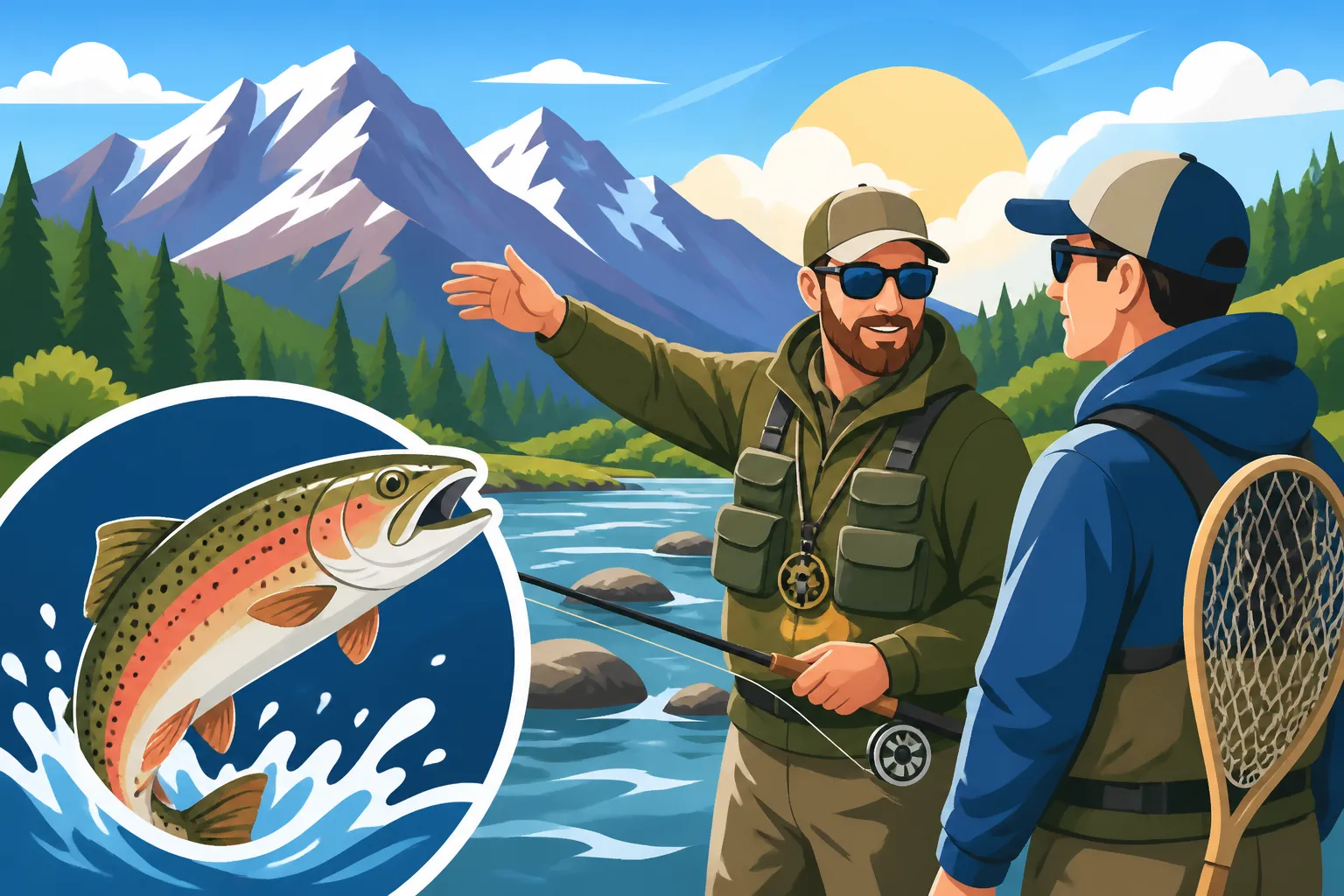
While reeling in a beautiful trout is undoubtedly a highlight, the true value of a guided trip often lies in the knowledge you gain. A good guide doesn't just put you on fish; they teach you how to fish for them in specific conditions. Imagine standing in a clear mountain stream, watching a guide identify a subtle current seam where trout are feeding, then showing you the precise cast and drift needed to present your fly or lure. They’ll explain the entomology of the river, helping you understand bug cycles and what the fish are truly eating.
You might learn advanced nymphing techniques, how to read water on a complex freestone river, or the subtle art of presenting a dry fly without spooking a wary brown trout. This isn't just about mimicry; it's about building a foundational understanding of river dynamics, fish behavior, and effective tactics that you can then apply to your own solo adventures. Think of it as a personalized, on-the-water masterclass tailored to your skill level and interests.
Maximizing Your Limited Time on the Water
Let's be honest, vacation time is precious, and every minute spent on the water in Colorado is an opportunity. If you're visiting from out of state or have limited days to fish, spending hours scouting locations, deciphering maps, and struggling with unfamiliar waters can eat into your experience. A guide eliminates this inefficiency entirely. They've already done the homework, the scouting, and the problem-solving.
They know which sections of a river are fishing best, what flies or lures are currently most effective, and how to navigate changing weather or water conditions. This means less time fumbling with gear or driving to unproductive spots, and more time actually fishing. For a nonresident particularly, a guide can be the difference between a frustrating trip and a memory-making expedition on iconic waters like the Fryingpan River or the South Platte.
Navigating Complex Regulations and Access
Colorado has some fantastic fishing, but also some very specific and often localized regulations. Bag limits, possession limits, specific bait restrictions, and even hook types can vary from one river section to another, especially on sensitive "Gold Medal" waters or native trout streams. Trying to keep track of all these rules can be overwhelming, and unknowingly violating them can lead to hefty fines or worse. You can find detailed information in resources like Colorado Fishing Regulations Every Angler Should Know and Colorado Gold Medal Water Regulations Explained.
Beyond regulations, understanding public access points and navigating private land boundaries can be a headache. A guide is intimately familiar with the local rules and land ownership, ensuring you're always fishing legally and respectfully. They often have access to private water through special permits or relationships with landowners, opening up opportunities you might never find on your own. This peace of mind allows you to focus solely on the fishing experience.
Types of Guided Fishing Trips Available in Colorado
Colorado's diverse waterways mean a wide array of guided fishing experiences. Whether you prefer wading through a pristine mountain stream, floating down a mighty river, or targeting specific species on a vast reservoir, there's a trip tailored for you. Understanding the different options available can help you choose the adventure that best suits your style and expectations.
Walk-Wade Trips: Intimate River Experiences
Walk-wade trips are perhaps the most traditional form of guided fly fishing on Colorado's rivers and streams. On these trips, you'll typically meet your guide at a designated access point, then hike into a river section where you'll spend the day wading, casting, and exploring the water on foot. These trips offer an incredibly intimate connection with the environment, allowing you to carefully read each riffle, run, and pool. The pace is often slower, allowing for detailed instruction on casting, fly presentation, and trout behavior.
Imagine yourself on the Big Thompson River, the sound of the current in your ears, as your guide points out a subtle rise form near a submerged log. They might show you how to execute a reach cast to get a perfect drift over the fish, or how to subtly mend your line to avoid drag. Walk-wade trips are excellent for anglers who want to focus on developing specific skills, enjoy the solitude of hiking into less-fished areas, or simply prefer the grounded feeling of being physically immersed in the river. They are common on smaller freestone streams or more technical tailwaters where precise wading and careful approaches are key. For example, guided walk-wade trips are popular on sections of the South Platte River.
Float Trips: Covering More Water, More Comfort
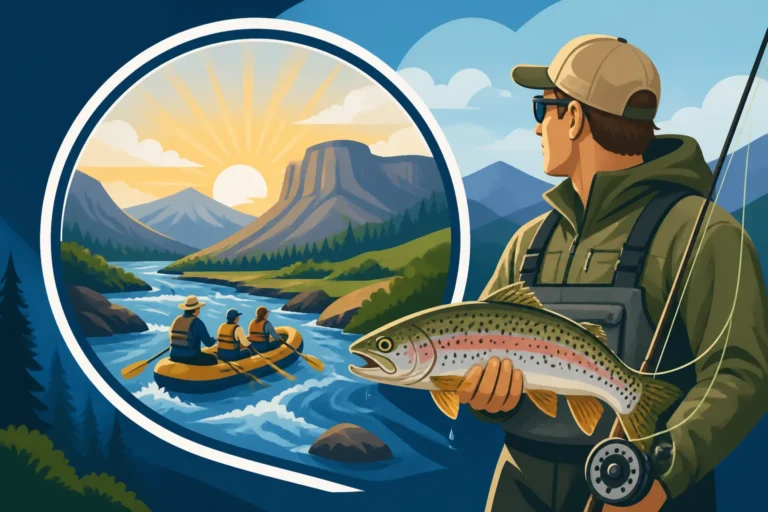
For those who want to cover significant stretches of river and experience a broader landscape, a float trip is an excellent choice. On a float trip, you'll typically fish from a drift boat or raft, allowing your guide to navigate downstream, positioning you for optimal casting opportunities in different types of water. These trips are fantastic for seeing more of the river, accessing areas that might be difficult to reach on foot, and often present chances to target larger, less pressured fish.
Consider floating a Gold Medal stretch of the Colorado River near Kremmling. Your guide would row the boat, constantly adjusting for current and structure, while you cast towards bankside eddies, submerged boulders, and deep runs. Float trips can be especially beneficial during times of higher water, such as spring runoff, when wading might be difficult or unsafe. They also offer a degree of comfort, with space for gear, snacks, and even a packed lunch on the boat. These trips are less about intricate wading and more about casting accuracy, covering water efficiently, and enjoying the expansive views. You can learn more about this style of trip in Guided Float Trips on Colorado Rivers.
Specialized Trips: Ice Fishing, Lake Trolling, and More
Beyond the classic river experiences, Colorado offers a wealth of specialized guided trips that cater to different species, seasons, and fishing styles. If you're fascinated by the challenge of hard water, a guided ice fishing trip on a reservoir like Blue Mesa or Eleven Mile can be an unforgettable winter adventure. Guides provide the specialized gear—augers, shelters, heaters, and electronics—and teach you the tactics for jigging for lake trout or perch through the ice.
For anglers interested in targeting larger fish on Colorado's expansive reservoirs, guided trolling trips are popular. These often involve chartering a boat equipped with downriggers and specialized sonar to pursue species like kokanee salmon or trophy lake trout in deep water. Guides will know the precise depths and presentations to find these elusive fish. There are also guides specializing in warmwater species like bass, walleye, or pike on lakes like Chatfield or Cherry Creek. No matter your angling interest, from fly fishing small alpine lakes for cutthroat to chasing wipers on a large reservoir, there's likely a specialized guide trip that can make your Colorado fishing dreams a reality.
| Trip Type | Primary Water Body | Method | Advantages | Best For |
|---|---|---|---|---|
| Walk-Wade Trip | Rivers, Streams | On foot, fly or spin | Intimate, skill-focused, accesses remote spots | Learning techniques, physical immersion, smaller streams |
| Float Trip | Larger Rivers | Drift boat/raft | Covers more water, comfortable, accesses diverse water | Seeing more river, targeting larger fish, covering distance |
| Ice Fishing | Frozen Lakes, Reservoirs | Through ice holes | Unique winter experience, targets cold-water species | Winter enthusiasts, trying a new challenge |
| Lake Trolling | Large Reservoirs | Motorized boat, downriggers | Targets deep-water species, covers large areas | Targeting Kokanee/Lake Trout, less physically demanding |
| Specialty Warmwater | Reservoirs, Lakes | Boat, shore, fly/spin | Targets specific species like bass, walleye, pike | Anglers seeking diversity, specific warmwater challenges |
What to Look for When Choosing a Colorado Fishing Guide
Choosing the right fishing guide is paramount to a successful and enjoyable trip. It's more than just finding someone who can put you on fish; it's about finding a personality that matches yours, an instructor who can communicate effectively, and a professional who prioritizes your experience and safety. Don't just pick the first name you find; do a little research to ensure a great fit. You can often find guides listed on platforms like FishingBooker, which provide detailed profiles and reviews.
Experience, Certifications, and Local Knowledge
First and foremost, you want a guide with extensive experience both in guiding and on the specific waters you plan to fish. Look for guides who have been operating for several years and who specifically highlight their expertise on particular rivers or lakes. A guide who typically works the Fryingpan River will have different knowledge than one who specializes in high-country lakes or the lower Colorado River. Local knowledge is irreplaceable; they know the current conditions, the intricacies of specific hatches, and where the fish are holding at different times of the year. This familiarity extends to understanding micro-climates, potential hazards, and how to adapt to rapidly changing mountain weather.
Beyond experience, ensure your guide is properly certified and licensed. Most states require fishing guides to carry specific outfitter and guide licenses, as well as first aid and CPR certifications. Don't be shy about asking about these credentials. A reputable guide will proudly share their qualifications, which include commercial general liability insurance and often specialized training from organizations like Orvis, if they are an Orvis-Endorsed Outfitter. These certifications ensure a level of professionalism and safety that is non-negotiable for a guided outdoor adventure.
Guide-to-Angler Ratio and Personalization
The guide-to-angler ratio is a critical factor, especially if you're looking for personalized instruction. For most fly fishing and walk-wade trips, a 1:1 or 1:2 guide-to-angler ratio is ideal. This allows the guide to provide individualized attention, assist with casting corrections, untangle lines, and generally tailor the experience to each angler's skill level and goals. If you have a larger group, some outfitters can arrange multiple guides, ensuring everyone still receives sufficient attention.
Consider what kind of experience you're seeking. Are you a complete beginner who needs constant coaching, or an experienced angler looking for someone to simply put you on fish? Discuss this with the outfitter or guide when booking. A good guide will personalize the day, asking about your preferences for species, techniques, and even the pace of the trip. Some guides specialize in teaching beginners, while others might be geared towards advanced anglers seeking trophy fish. Don't hesitate to convey your expectations, whether that's learning a specific cast or targeting a particular species.
Reputation and Reviews
In today's connected world, a guide's reputation is often easy to research. Look for online reviews on platforms like Google, TripAdvisor, or specialized fishing booking sites like FishingBooker. Pay attention to what past clients say about the guide's patience, instructional ability, personality, and overall professionalism, not just the number of fish caught. Consistent positive feedback regarding safety, knowledge, and an enjoyable experience speaks volumes.
Word-of-mouth referrals from friends or local fly shops can also be invaluable. If a guide comes highly recommended by someone you trust, that's often a strong indicator. You might also check if the guide or outfitter is affiliated with local fishing organizations or conservation groups, as this often points to a deeper commitment to the resource and community. A guide with a strong, positive reputation is invested in ensuring every client has a fantastic and memorable Colorado fishing adventure.
Understanding Colorado Fishing Guide Costs
One of the first questions many people ask is, "What does a guided fishing trip in Colorado cost?" The answer, like most things in life, isn't a simple flat rate. Prices can vary significantly based on the duration of the trip, the type of fishing, the number of anglers, and even the time of year. However, understanding the factors that influence these costs can help you budget and choose a trip that aligns with your expectations.
What Influences the Price of a Guided Trip
Several key factors contribute to the overall price tag of a Colorado fishing guide. The most obvious is duration: a half-day trip will always be less expensive than a full-day excursion. Full-day trips generally offer more value, allowing for deeper exploration of a river section and more time for instruction and fishing. The type of trip also plays a major role; a walk-wade trip might have a slightly lower overhead than a float trip, which requires a specialized boat and trailer. Specialized trips like lake trolling with extensive equipment or multi-day backcountry excursions will naturally be at the higher end.
The number of anglers is another significant factor. Most guide services price trips based on one or two anglers, with an additional fee for a third person if the boat or wading scenario allows. This is because the guide's time and resources are spread across fewer individuals, allowing for more personalized attention. Finally, the specific outfitter and their reputation can influence pricing. Highly sought-after guides with years of experience and a stellar track record might command a higher fee, reflecting their expertise and demand. Time of year can also impact prices, with peak season (typically summer and early fall) sometimes seeing higher demand. You can compare options and prices on platforms like FishingBooker to get a sense of the market.
What's Typically Included (and What's Not)
When you book a guided trip, it's crucial to understand what's covered in the price. Typically included are:
- The guide's expertise and instruction.
- Transportation from a designated meeting point to the fishing location.
- All necessary fishing equipment (rods, reels, flies, lures, terminal tackle). This is a huge benefit, especially for beginners or those flying in without their own gear.
- Waders and boots (often available for rent or included, but confirm sizing needs beforehand).
- A cooler with water and sometimes soft drinks.
- For full-day trips, a packed lunch is usually provided.
What's generally NOT included in the base price:
- Your Colorado fishing license and Habitat Stamp: You are legally required to purchase these yourself prior to the trip. Don't forget this! You can find more information in Colorado Fishing License Guide for Residents and Nonresidents and Colorado's Habitat Stamp, Explained.
- Gratuity for your guide: Tipping is customary and expected. We'll dive into this more in the next section.
- Personal items: This includes sunscreen, sunglasses, hats, rain gear, and any personal snacks or beverages beyond what's provided.
- Alcoholic beverages: If you wish to have beer or wine, you'll need to bring your own (check with your guide first about their policy and local regulations).
- Accommodation and transportation to the meeting point.
Always confirm with your outfitter exactly what their specific package includes to avoid any surprises on the day of your trip.
Tipping Your Guide: The Standard Practice
Let's talk about tipping, because it's a common point of confusion for many anglers. In the guiding industry, tipping is not just appreciated; it's a standard part of a guide's income, similar to how it works in the restaurant industry. A good guide works incredibly hard, both on and off the water, to ensure you have a memorable and successful day. They scout locations, maintain equipment, provide instruction, prepare lunches, and navigate tricky situations, all while making sure you're safe and having fun.
The standard gratuity for a fishing guide in Colorado generally ranges from 15% to 25% of the trip's total cost. For exceptional service, exceeding 20% is common and well-deserved. If you had a particularly challenging day, perhaps due to weather or tough fishing conditions, but your guide remained positive, worked hard, and continued to provide excellent instruction, they should still be tipped well. It's important to base the tip on their effort and professionalism, not solely on the number of fish caught, as fishing can be unpredictable. You can delve deeper into this topic with Tipping a Colorado Fishing Guide, What's Standard. Handing the tip directly to your guide at the end of the day is the most common and courteous practice.
Preparing for Your Guided Colorado Fishing Adventure
The success of your guided fishing trip isn't solely dependent on your guide; a little preparation on your part can go a long way in ensuring a smooth and enjoyable experience. Knowing what to bring, understanding licensing requirements, and communicating effectively with your guide will set the stage for a fantastic day on the water.
Essential Gear and Clothing Considerations
Even though your guide will provide most of the fishing gear, there are several personal items you'll be responsible for that are crucial for comfort and safety in Colorado's unpredictable mountain environment. Layering is key. Colorado weather can change rapidly, with warm sunny mornings often giving way to afternoon thunderstorms, wind, or even snow, especially in the high country. Pack quick-drying layers, including a base layer, an insulating layer (fleece or puffy jacket), and a waterproof/windproof outer shell. Even in summer, evenings can be cool.
Don't forget sun protection! The Colorado sun at altitude is intense. Bring a wide-brimmed hat or a baseball cap, sunglasses (polarized are highly recommended for seeing fish in the water), and plenty of high SPF sunscreen and lip balm. Comfortable socks are also important if you'll be wearing waders. While guides typically provide waders, having a good pair of wool or synthetic socks will make a big difference in comfort. For a more detailed checklist, check out What to Wear on a Colorado Guided Fishing Trip.
The Importance of Your Fishing License and Habitat Stamp
This cannot be stressed enough: you must have a valid Colorado fishing license and Habitat Stamp before your trip begins. Your guide cannot legally take you fishing without one, and they cannot sell you one on the spot. Purchasing it beforehand is entirely your responsibility. You can buy them online through the Colorado Parks and Wildlife (CPW) website (cpwshop.com), over the phone, or in person at various retailers across the state. It's often easiest to purchase it online a few days before your trip.
Make sure you understand the different license options (annual, one-day, five-day, resident vs. nonresident) and choose the one that fits your needs. Most anglers between the ages of 16 and 64 will also need to purchase a Habitat Stamp. Keep your license readily accessible, either as a printed copy or a digital image on your smartphone, as wildlife officers can and do check them in the field. Ignoring this requirement can lead to fines and a ruined trip, so consider it your most important piece of "gear."
Communication with Your Guide Before the Trip
Effective communication before your trip is vital for setting expectations and ensuring a customized experience. Once you've booked your guide, they will typically reach out to you with details on where and when to meet. This is your opportunity to ask any questions you have and share your preferences. Discuss your angling experience level (beginner, intermediate, expert), what species you're hoping to target, and any specific techniques you'd like to learn or improve upon.
If you have any physical limitations or special requests (dietary needs for lunch, specific equipment needs), communicate these early so your guide can make appropriate arrangements. Your guide might also ask about your wader and boot sizes if they are providing them. Be open to their suggestions regarding location and timing; they are the local experts and will know what's fishing best. A short conversation beforehand can iron out any uncertainties and help your guide tailor the day to make it truly exceptional for you.
On the Water with Your Colorado Fishing Guide
The moment you step into the boat or wade into the river with your guide, the real adventure begins. This is where all the preparation pays off, and the nuances of guided fishing come to life. Understanding the flow of the day, embracing the learning opportunities, and practicing responsible angling will ensure a truly rewarding experience.
The Flow of a Typical Guided Day
While every guided trip is unique, there's a general rhythm to how a day unfolds. Your morning will likely start with meeting your guide at a pre-arranged location, often a boat ramp, fly shop, or designated access point. After a quick gear check and a rundown of the day's plan, you'll head to the water. The guide will typically rig your rods, explain the conditions, and offer initial instruction tailored to your skill level. The early hours are often spent getting comfortable, practicing casts, and targeting initial fish.
Lunch is usually enjoyed riverside or on the boat, a chance to refuel, chat, and soak in the scenery. The afternoon often brings different tactics or locations as the guide adapts to changing conditions, hatches, or fish activity. Throughout the day, your guide will be actively involved—spotting fish, untangling lines, netting catches, and providing constant coaching. As the day winds down, you'll head back to the meeting point, where gear will be stowed, and fish stories shared. It's a full day, designed to maximize your time and enjoyment on Colorado's incredible waters.
Learning Opportunities and Skill Development
A guided trip is fundamentally a learning experience. Don't be afraid to ask questions, even if you think they're basic. Your guide is there to teach. Ask them why they chose a particular fly, what they look for when reading a stretch of water, or how to properly mend your line in a tricky current. They can help you refine your casting, teach you new knots, or explain the life cycle of the aquatic insects you're trying to "match the hatch" with.
One of the greatest benefits is direct, real-time feedback. Instead of trying to self-diagnose casting flaws, your guide can immediately identify what you're doing wrong and offer corrections. If you're struggling to detect subtle strikes, they can teach you how to watch your indicator or feel for the lightest tap. Embrace the opportunity to experiment and try new techniques. Whether it's perfecting your roll cast, learning how to fish streamers for bigger brown trout, or understanding the nuances of Euro nymphing, a guide can accelerate your skill development exponentially.
Catch-and-Release Ethics and Practices
Many guided trips in Colorado, especially on premier trout waters, emphasize catch-and-release fishing to protect the valuable fish populations. Your guide will be a strong proponent of ethical catch-and-release practices and will teach you how to properly handle fish to ensure their survival. This includes minimizing the time fish are out of the water, using wet hands to avoid removing their protective slime coat, and carefully reviving them before release.
On some waters, especially Gold Medal sections, barbless hooks are required to facilitate easier and less damaging releases. If you're on a trip where keeping fish is an option (e.g., kokanee salmon during a specific run, or certain warmwater species), your guide will clearly communicate bag and possession limits. Understanding and respecting these conservation practices is paramount to preserving Colorado's incredible fisheries for future generations. You can learn more about these guidelines in Catch-and-Release Rules on Colorado's Cutthroat Waters.
After Your Trip: Continuing the Experience
The guided trip might be over, but the memories, skills, and insights you gained can continue to enrich your Colorado fishing adventures for years to come. Reflecting on your experience and knowing how to apply what you've learned will make you a more confident and successful angler.
Applying New Skills to Future Adventures
The true test of a great guided trip is how much you take away from it. After your trip, take some time to reflect on what you learned. Did your guide show you a new casting technique? Did you gain a better understanding of how to read currents or identify trout holding lies? Practice these new skills on your own local waters or during your next Colorado outing. The goal isn't just to catch fish with the guide, but to empower you to catch fish independently.
Remember the flies or lures that worked well, the specific retrieves, or the areas of the river that held fish. Keep a fishing journal to document these details. Your guide likely shared valuable insights into local entomology or fish behavior; pay attention to those details as they'll help you "match the hatch" and select appropriate tackle in the future. The investment in a guided trip is an investment in your long-term angling education.
Sharing Feedback and Building Relationships
Good guides thrive on feedback, both positive and constructive. Consider sending a thank-you note or email to your guide, highlighting what you enjoyed most and any specific skills you learned. If you had an exceptional experience, consider leaving a positive online review on the platform where you booked (like FishingBooker) or directly on the outfitter's website. Your positive reviews not only help the guide but also assist other anglers in making informed choices.
Building a relationship with a good guide can also be incredibly valuable. Many anglers find a guide they click with and return to them year after year. This allows the guide to understand your preferences and skill progression, leading to even more tailored and rewarding trips over time. They might even become a trusted resource for information on current conditions or future trip planning.
Resources for Planning Your Next Colorado Fishing Expedition
The end of one trip is often the beginning of planning the next! Use the knowledge gained from your guide to explore new waters or revisit familiar ones with fresh eyes. Colorado Parks and Wildlife (CPW) offers fantastic resources, including their weekly stocking reports and online fishing atlas, which can help you locate new fishing spots and understand what species are present. Don't forget to consult Colorado Fishing Season Dates and Bag Limits and Reading Colorado's Fishing Regulations Brochure before any self-guided trip.
Many outfitters and fly shops also offer online resources, blogs, and even classes that can further your education. Consider exploring different regions of Colorado, from the Gold Medal waters of the South Platte to the high-country lakes of the San Juans, each offering its own unique challenges and rewards. With the foundational knowledge gained from your guided trip, you're now better equipped to embark on countless more memorable Colorado fishing adventures.
Disclaimer
This article is for general informational purposes only and does not constitute professional advice. Laws, prices and regulations vary by location and change over time. Consult a qualified professional for guidance on your specific situation.