Best Season to Book a Guide on the Fryingpan River
It's a common dilemma for anglers dreaming of the Fryingpan River: you've heard tales of its legendary trout and pristine waters, but when exactly is the best time to go? With Colorado's seasons bringing such dramatic changes, figuring out when to book that guided trip can feel like trying to read a trout's mind. This guide will help you pinpoint the ideal season for a guided Fryingpan experience, matching your angling goals with the river's ever-changing moods.
Understanding the Fryingpan River's Unique Character
Before we dive into the seasonal specifics, it's crucial to understand what makes the Fryingpan River so special. It’s not just any mountain stream; it’s a globally recognized tailwater fishery, and that distinction is key to understanding its year-round potential.
A Tailwater Fishery Like No Other
The Fryingpan River, particularly the 14-mile stretch below Ruedi Reservoir, is what we call a "tailwater." This means its flow and temperature are largely controlled by the dam upstream. Why does this matter so much? Well, while most freestone rivers (those fed directly by snowmelt and rain) experience dramatic swings in temperature and clarity, especially during spring runoff, a tailwater like the Fryingpan enjoys a more consistent environment. The water released from the bottom of Ruedi Reservoir stays relatively cold year-round, which is fantastic for trout. It prevents the extreme warming that can stress fish in summer and helps keep them active during milder winter periods.
This consistent, cold water also fosters an incredibly rich aquatic insect life, particularly tiny midges and Blue-Winged Olives, which are the mainstays of the trout's diet here. The result? These fish grow large, but they also become notoriously selective, demanding precise fly presentations and matching the hatch perfectly. That's where a local guide really shines, as they've spent countless hours studying the specific insect life and trout behavior on this particular river. You'll often hear stories about the "Toilet Bowl" section of the Fryingpan, famous for its massive trout that can be incredibly difficult to fool – a true testament to the river's unique character.
Seasonal Influences on the Fryingpan
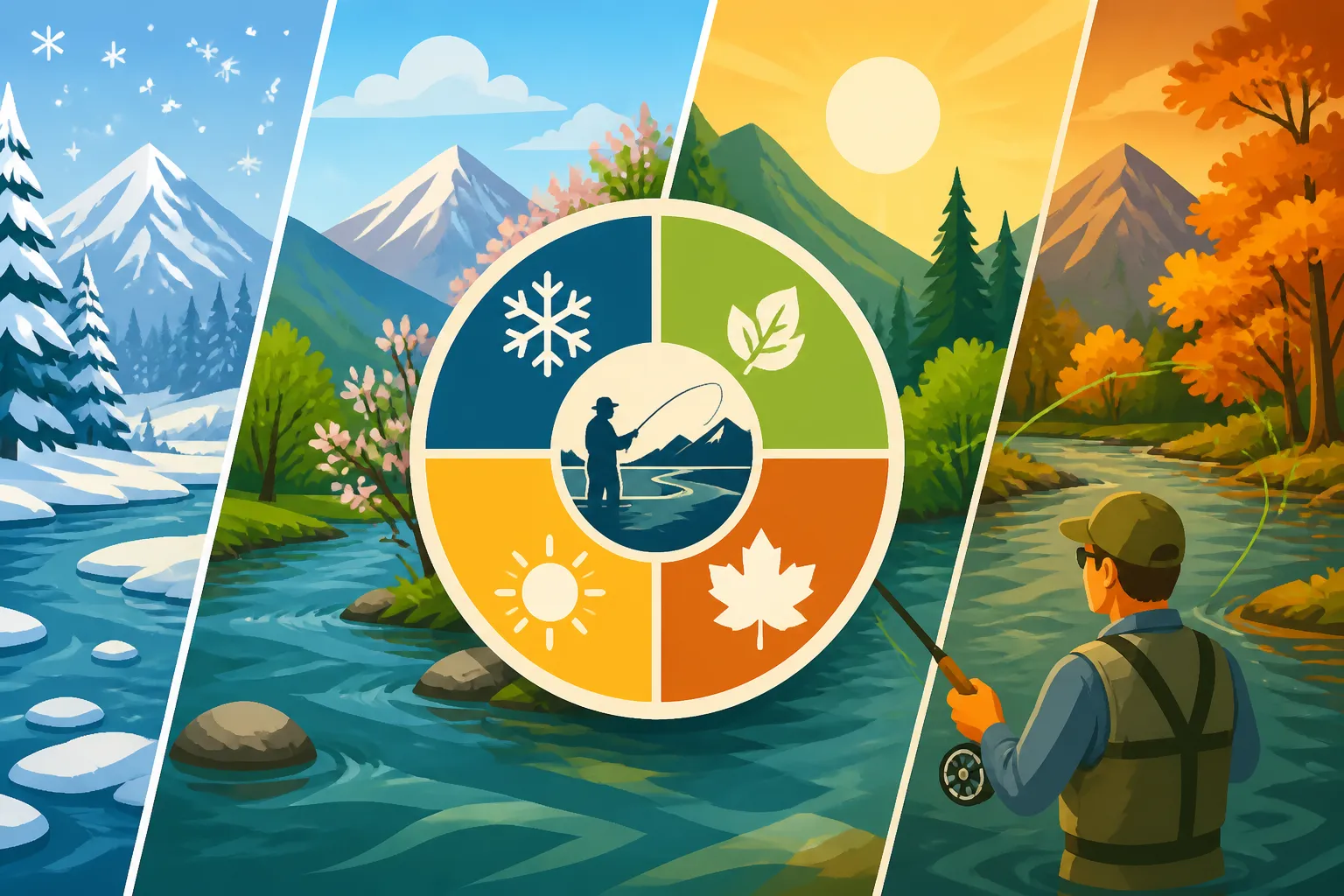
While the Fryingpan is more stable than many rivers, it’s not immune to the rhythms of the seasons. Each period brings its own set of challenges and rewards, influencing everything from water levels and clarity to the types of insects hatching and, consequently, the fish's feeding patterns. For instance, while true "runoff" is mitigated, heavier snowmelt can still influence the river by bringing in more nutrients and slightly changing flows. The length of daylight, air temperature, and even the angle of the sun all play a role in how the Fryingpan fishes. Understanding these subtle shifts is vital for any angler, but especially when you’re planning a guided trip and want to maximize your chances of success and enjoyment. A good guide will know exactly how these factors are playing out on a given day, often checking river flows and weather reports religiously. For a broader understanding of Colorado's fishing calendar, you might want to read Colorado Fishing Seasons Month by Month.
Decoding the Fryingpan Seasons for Guided Trips
Now, let’s break down what each season offers for a guided trip on the Fryingpan River, helping you decide when to cast your line.
Spring (March – May): The Awakening and Runoff's Edge
Spring on the Fryingpan is a season of transition, offering some incredible opportunities for those who appreciate a bit more solitude and don't mind embracing various techniques.
Early Spring (March – April): Nymphing and Pre-Runoff Clarity
As winter’s grip begins to loosen, early spring brings colder, but often crystal-clear, water to the Fryingpan. This is a fantastic time for nymphing. Midges are the dominant insect hatch, often emerging in dense clouds on warmer, calm days, which can lead to sporadic dry fly action. Blue-Winged Olives (BWOs) also start to make a strong appearance, providing some of the first reliable hatches of the year. The trout, having survived the lean winter months, are eager to feed. You’ll often find them concentrated in slower, deeper runs and pools, conserving energy. A guided trip during this time often means focused nymphing techniques, sometimes with multiple small flies, targeting those big, hungry fish. It's a great time to work on your drift and presentation, as the clear water demands stealth.
Late Spring (May): Navigating Runoff's Influence
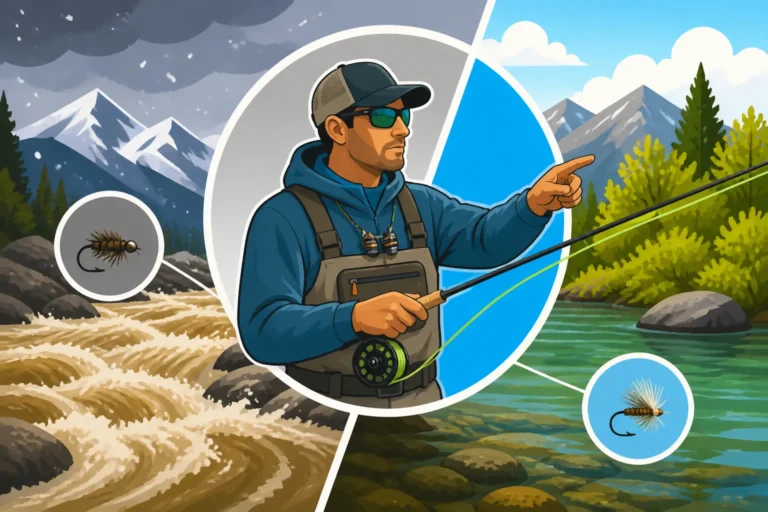
While the Fryingpan is a tailwater and doesn't experience the full-blown, muddy runoff of freestone rivers, late spring can still see increased flows as the reservoir fills and releases more water. This higher water can stir up the riverbed, providing an abundance of subsurface food and making the fish less selective. Streamer fishing can be very productive during these conditions, as trout become more aggressive and less hesitant to chase larger prey. Heavy nymph rigs are also effective, getting flies down quickly in faster currents. The key here is that while other rivers might be unfishable due to extreme runoff, the Fryingpan often remains a viable, and sometimes excellent, option. A guide will know the best access points and techniques for these higher flows, ensuring you're not wasting time trying to find fish in challenging conditions. This can be an excellent alternative When Colorado's Spring Runoff Hits and How to Fish Around It makes other rivers difficult.
| Season | Key Characteristics | Angler Experience | Pros for Guided Trips | Cons for Guided Trips |
|---|---|---|---|---|
| Spring | Midges, BWOs, rising flows, pre-runoff clarity | All levels | Fewer crowds, hungry fish, varied techniques | Variable weather, can be challenging if new to nymphing |
| Summer | Prolific hatches, consistent flows, warm weather | All levels | Excellent dry fly fishing, high fish activity | Highest angler pressure, technical fishing |
| Fall | Cooling water, brown trout spawning, streamers | Intermediate/Advanced | Big fish potential, beautiful scenery, fewer crowds | Brown trout ethically protected during spawn |
| Winter | Cold, clear water, midge hatches, low pressure | Intermediate/Advanced | Solitude, rewarding for dedicated anglers | Challenging conditions, requires specialized techniques |
Summer (June – August): Prime Time and Pressure
Summer is, for many, the quintessential time to fish in Colorado, and the Fryingpan is no exception. It’s often considered peak season, and for good reason.
Early Summer (June): Hatches Galore
As June arrives, the Fryingpan truly comes alive. Water temperatures are ideal, and insect hatches become prolific. Caddisflies, stoneflies, and, most famously, the Green Drake hatch, can provide incredible dry fly fishing opportunities. Imagine spotting large trout sipping emergers and fully-formed insects off the surface – it’s what fly anglers dream about. This is often the period when the Fryingpan receives its highest acclaim for dry fly fishing. A guided trip in early summer can be an educational experience in "matching the hatch" and executing delicate presentations to rising fish. The excitement of seeing a large Fryingpan trout rise to your perfectly presented dry fly is unparalleled. This is a time when understanding Fly Selection for Colorado's Caddis Hatch or Best Flies for Green Drake Hatches in Colorado can be invaluable.
Mid-to-Late Summer (July – August): Technicality and Crowds
By mid-summer, consistent hatches continue, but so does the angler pressure. The Fryingpan, being so renowned, can get crowded, especially on weekends and in popular sections like the "Toilet Bowl." Fish become even more educated and selective. This means presentations need to be flawless, and fly choices often shift to smaller, more imitative patterns. Early mornings and late evenings can be particularly productive as the light is low and insect activity often peaks. A guided trip during this time will focus heavily on technical dry fly fishing, delicate nymphing with tiny midges and BWOs, and finding less pressured water. Your guide will work hard to put you on fish, often by using their knowledge of less-known access points or by guiding you through stretches that require more skilled wading. If you're looking to challenge yourself and refine your skills, mid-to-late summer can be incredibly rewarding.
Fall (September – November): Big Fish and Beauty
Fall on the Fryingpan is a spectacular time, offering vibrant foliage, cooling temperatures, and the chance to hook into some truly impressive fish.
Early Fall (September – October): Streamers and Spawning Browns
As autumn colors begin to paint the landscape, the Fryingpan starts to cool, and with it, the brown trout become more active and aggressive. This is prime time for streamer fishing, as larger browns begin to put on weight in anticipation of their spawning season. Casting and stripping streamers, imitating baitfish, can elicit violent strikes from trophy-sized fish. Additionally, Blue-Winged Olive hatches remain strong, providing consistent dry fly and nymphing opportunities, often with fewer crowds than in summer. The stunning scenery, crisp air, and chance for a truly memorable catch make early fall a favorite for many experienced anglers and guides alike. Just remember that many brown trout are preparing to spawn, or are actively spawning, so ethical angling practices are paramount. A guide can help you understand Brown Trout Spawning Season in Colorado and how to fish responsibly.
Late Fall (November): Cold Water, Aggressive Fish
By November, the air grows colder, and the water temperatures drop significantly, pushing the fish into deeper, slower holding water. While hatches become less consistent, nymphing with tiny midges and streamers can still be highly effective. The key here is patience and precise technique. The lower angler pressure means you might have long stretches of the river almost to yourself. This is a time for dedicated anglers who enjoy the solitude and the challenge of cold-weather fishing. Guided trips in late fall are often for those seeking an active, aggressive fish that might not be on the surface, but can be found deep in the runs. It's also a time when you might encounter some of the largest trout of the year, as they continue to feed opportunistically. You might be interested in Best Time of Day for Streamer Fishing in Fall.
Winter (December – February): Solitude and Subtlety
Winter fishing on the Fryingpan is not for the faint of heart, but it offers unparalleled solitude and a unique challenge.
Cold, Clear Water Conditions and Midge Focus
When winter truly sets in, the Fryingpan runs cold and incredibly clear. Snow blankets the banks, and the river takes on a serene, almost magical quality. Hatches are primarily midges, and they can be incredibly sparse, but when they do come off, they can bring fish to the surface, even in freezing temperatures. Nymphing, often with the smallest of patterns, is the most consistent technique. The fish are less active, conserving energy, so drifts must be perfect, and takes can be extremely subtle. This is where a guide's expertise truly shines. They know exactly where the fish will be holding in the slow, deep pools, and they can help you detect the most delicate of strikes.
The Challenge and Reward of Winter Fishing
A guided winter trip on the Fryingpan is an opportunity for quiet contemplation, honing ultra-fine presentation skills, and experiencing the river in its most tranquil state. While you might not catch as many fish as in summer, the ones you do hook are often hard-earned and deeply satisfying. It's a fantastic time to escape the crowds and immerse yourself in the natural beauty of Colorado in winter. Plus, the fish you do catch can often be robust and healthy. If you're a seasoned angler looking for a true test of skill and an escape from the hustle and bustle, winter on the Fryingpan could be your perfect guided adventure. Dressing warmly is an absolute must! Consider exploring Midge Fishing in Colorado Winters for more specific techniques.
Choosing Your Guided Fryingpan Experience
So, with all these options, how do you pick the "best" season for you? It really boils down to your personal angling goals and what kind of experience you're seeking.
Matching Your Expectations to the Season
Are you a beginner hoping to catch your first trout on a fly? Early spring or early summer might offer more consistent action and gentler conditions for learning the ropes. Do you dream of seeing a big fish rise to a dry fly? Early summer, during the prolific caddis or Green Drake hatches, could be your ideal. Are you a seasoned angler looking to challenge yourself against wary, large trout in solitude? Then late fall or winter, with their technical demands, might be more appealing. Perhaps you're after that trophy brown trout, in which case early fall, with streamer fishing potential, would be high on your list. Think about what truly excites you about fishing and then match that to the seasonal descriptions. Don't forget that if you're specifically targeting specific species, understanding Colorado's Trout Species, A Field Guide can help.
The Value of a Fryingpan Guide Any Time of Year
Regardless of the season you choose, a guided trip on the Fryingpan River offers an immense advantage. Local guides spend countless hours on this water, intimately understanding its currents, hatches, and the subtle behaviors of its trout. They can put you on fish, teach you the specific techniques needed for this challenging tailwater, and provide all the necessary gear if you don't have it. More than just catching fish, a guide enhances the entire experience, sharing local knowledge, reading the water, and helping you improve your skills. They're also invaluable for navigating the unique regulations that sometimes apply to Colorado Gold Medal Water Regulations Explained, which the Fryingpan is. For instance, on the Fryingpan, you'll generally encounter Colorado's 14-Inch Trout Length Rule in many sections. If you're ready to learn more about hiring help, check out Hiring a Fishing Guide in Colorado, What to Expect or specifically Guided Fishing Trips on Colorado's Fryingpan River.
Booking Your Trip
Once you've zeroed in on your preferred season, it's time to start planning. Research local outfitters and independent guides who specialize in the Fryingpan. Many guides have different specialties—some are dry fly purists, others excel at nymphing or streamer fishing. Don't be afraid to ask about their specific expertise. Online platforms like FishingBooker can be a great resource for finding guides, comparing their services, and reading reviews from other anglers. When you reach out, be clear about your experience level and what you hope to achieve during your trip. This helps the guide tailor the experience to you.
Remember that popular seasons, like summer and early fall, can book up months in advance, so plan accordingly. It’s never too early to book, especially if you have specific dates in mind. You might find some excellent guides through a simple search on FishingBooker, or by contacting local fly shops in towns like Basalt or Aspen. Always confirm what's included in the trip (gear, flies, lunch) and what you're expected to bring, such as your Colorado Fishing License Guide for Residents and Nonresidents and a Colorado's Habitat Stamp, Explained. Asking about their cancellation policy is also a smart move, especially if you're planning during a shoulder season with unpredictable weather. Thinking about How Far in Advance to Book a Colorado Fishing Guide can really make a difference in securing your ideal dates and guide.
Disclaimer
This article is for general informational purposes only and does not constitute professional advice. Laws, prices and regulations vary by location and change over time. Consult a qualified professional for guidance on your specific situation.