Learning to Fly Fish With a Colorado Guide
Embarking on the journey of fly fishing in Colorado can feel incredibly daunting. You see those serene anglers gracefully casting lines on the river, and then you try it yourself, ending up in a tangled mess, feeling like you’re doing everything wrong. It’s a common frustration, but it doesn't have to be your permanent reality. This guide is here to walk you through how a Colorado fishing guide can be your ultimate ally in learning the art and joy of fly fishing, transforming those frustrating tangles into fulfilling catches.
Why a Guide is Invaluable for Learning Fly Fishing in Colorado
Trying to teach yourself fly fishing from YouTube videos and books alone in Colorado's complex and diverse waters is a recipe for frustration. The learning curve can feel steep, and without direct, personalized feedback, it's easy to develop bad habits or simply miss out on crucial local knowledge. This is precisely where a seasoned guide becomes an invaluable resource, acting as both a patient instructor and a local expert.
Overcoming the Initial Learning Curve
Let's be honest: casting a fly rod looks simple, but it's an intricate dance of timing and technique. For many newcomers, the first few attempts involve more whipping than casting, resulting in knots and flies landing far from their intended target. A guide provides real-time, hands-on instruction that no video can replicate. They can immediately spot what you're doing wrong—perhaps you're breaking your wrist, or your backcast isn't strong enough, or your timing is just a hair off. They’ll patiently break down the mechanics, demonstrating proper form and offering specific drills to help you build muscle memory. Think of it like learning to drive; you can read all the manuals, but until someone sits next to you, pointing out blind spots and helping you navigate actual traffic, you won't truly get it.
Beyond casting, fly fishing involves a multitude of skills that can overwhelm a beginner. There's knot tying, which feels like trying to perform surgery with oven mitts on when you're cold and excited. Then there’s the challenge of "reading the water"—understanding where fish might be holding, identifying currents, and knowing what features on the riverbed offer shelter and feeding lanes. A guide simplifies this, pointing out subtle ripples, explaining the difference between a seam and an eddy, and showing you where to present your fly. They can explain complex concepts like microcurrents and oxygen levels in a way that makes immediate sense when you're standing right in the river. This immediate feedback and contextual learning dramatically accelerates your progress, allowing you to bypass months of self-taught trial and error. You'll move from struggling to understanding the why and how, building a solid foundation for your fly fishing journey.
Local Knowledge and Experience
Colorado's rivers, streams, and lakes are incredibly diverse, and what works on one stretch of water might be completely useless a few miles downstream. This is particularly true in areas like the Gold Medal Waters, which have very specific rules and unique fish behavior. A guide brings years, often decades, of hyper-local experience to the table. They know which flies are hatching at any given moment, where the biggest trout are holding during different water flows, and how the fish react to changes in weather or light. Imagine arriving at a new river, looking at a vast expanse of water, and having no idea where to even start. A guide eliminates that guesswork. They know the secret runs, the subtle riffles that hold fish, and the best ways to approach them without spooking your target. This local intelligence isn't just about catching fish; it's about understanding the ecosystem and how to interact with it respectfully and effectively.
Furthermore, guides understand the ever-changing conditions of Colorado's dynamic environment. Spring runoff, for instance, dramatically alters river conditions, making many areas unfishable for the uninitiated. A guide, however, knows the tailwaters that remain clear and productive during this period, or the smaller tributaries that might be fishing well. They’ll adapt the day's plan based on recent weather, water temperatures, and even angler pressure. They've seen it all, from surprise hailstorms to epic hatches, and they know how to adjust techniques and locations to give you the best chance of success. This intimate knowledge of Colorado Fishing Seasons Month by Month and When Colorado's Spring Runoff Hits and How to Fish Around It is impossible to gain overnight, and it’s a primary reason why a guide is so crucial for a successful introduction to fly fishing. They provide access to insights that would take a solo angler years to accumulate.
What to Expect from a Guided Fly Fishing Trip in Colorado
If you've never booked a guided trip before, the whole process might seem a bit mysterious. What do you bring? What do they provide? Will you feel silly asking basic questions? Let me assure you, a good guide's primary goal is to make you comfortable, teach you, and put you on fish. They're prepared for beginners and ready to tailor the experience to your skill level.
Gear, Instruction, and On-Water Experience
One of the biggest advantages of a guided fly fishing trip, especially for beginners, is that the guide typically provides all the necessary equipment. This means you don't have to invest hundreds, or even thousands, of dollars in a fly rod, reel, line, waders, boots, and an assortment of flies before you even know if you'll enjoy the sport. Most reputable Colorado guides will have high-quality gear for you to use, often perfectly matched to the specific river and fish you’ll be targeting. They'll help you get properly fitted into waders and boots, ensure your rod and reel are set up correctly, and hand-pick the flies that are "hatching" or most effective on that particular day. This makes the barrier to entry significantly lower and allows you to focus purely on the learning experience without worrying about equipment choices.
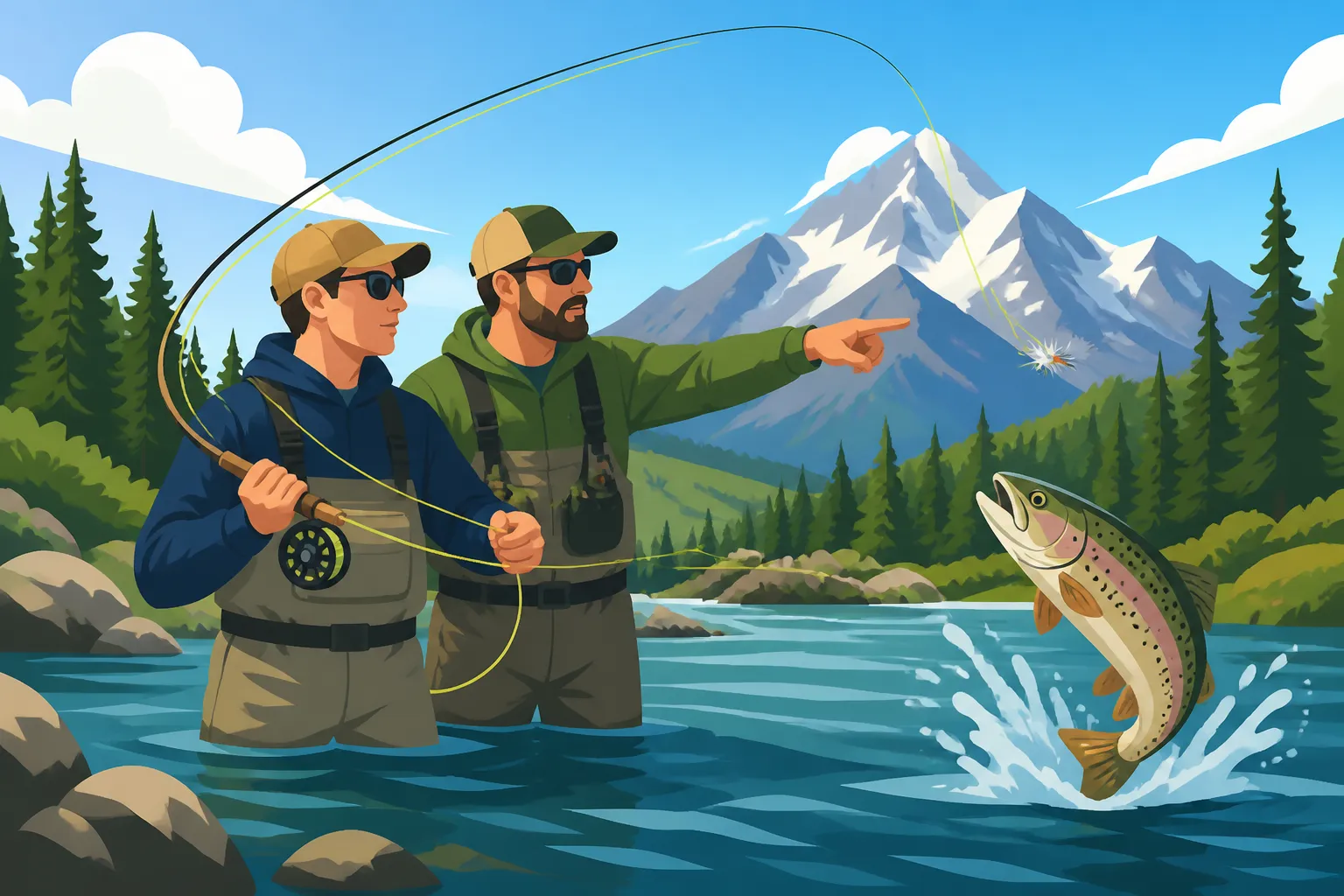
The core of the trip, of course, is the instruction and the on-water experience. Your guide won't just tell you where to cast; they'll stand beside you, often hip-deep in the river, demonstrating casting strokes, helping you untangle your line (it will happen, don't worry!), and coaching you through hook sets and fish fights. They'll explain concepts like drag-free drifts, mending your line, and understanding the subtle takes of a trout. You'll learn Nymphing Techniques for Colorado Tailwaters or how to present a dry fly in a tricky current, all with immediate feedback. Crucially, they're there to keep you safe in the river, navigating slippery rocks and changing currents. This personalized attention, combined with the excitement of actually being on the water and catching fish, solidifies the lessons in a way that dry theory simply cannot. They’ll share insights into Fly Selection for Colorado's Blue-Wing Olive Hatch or what to do during a Matching a Caddis Hatch on a Colorado River, making the experience rich with practical knowledge.
The Flow of a Guided Day
A typical guided fly fishing trip in Colorado usually starts bright and early, often meeting at a local fly shop or a predetermined spot near the river. This is where you’ll usually take care of any final paperwork, get fitted for gear, and have a brief chat with your guide about your experience level and what you hope to achieve during the day. Don't be shy about stating you're a complete beginner! Guides appreciate knowing this upfront so they can tailor the day accordingly. You'll then head to the river, often in the guide's vehicle, which means you don't have to worry about navigating unfamiliar dirt roads or finding public access points.
Once at the water, the real fun begins. The guide will typically start with some basic casting instruction on the bank or in a shallow, safe area of the river. This foundational work helps you get a feel for the rod and line before you add the complexities of currents and fish. After you've got the basics down, it's time to get in the water and start fishing. Your guide will often set up your rig, show you how to identify likely fish lies, and then coach you through presenting your fly. Throughout the day, they'll move you to different spots, adjust your flies as conditions change, and continue to offer instruction. Many full-day trips include a streamside lunch, providing a nice break and more opportunities to chat about fishing, local history, or anything else that comes to mind. By the end of the day, you'll have a much clearer understanding of fly fishing, and hopefully, some fish stories to tell. The day is designed to be an immersive learning experience, far beyond just catching fish, although that's certainly a delightful bonus! For options, checking platforms like FishingBooker can give you a sense of different guide services and their typical itineraries.
Here's a quick overview of what's often included and what you should consider bringing:
| Item | Typically Provided by Guide | What You Should Bring | Notes |
|---|---|---|---|
| Fly Rod & Reel | Yes | Your own (if you have one and prefer it) | Advise your guide if bringing your own. |
| Flies & Leaders | Yes | Guides choose patterns specific to the day. | |
| Waders & Boots | Yes | Your own (if preferred for fit/comfort) | Essential for staying dry and warm. |
| Life Vest (Float Trips) | Yes | Safety first on any float trip. | |
| Lunch & Drinks | Often on full-day trips | Snacks, water, preferred beverages (check with guide) | Always good to have extra hydration. |
| Fishing License | No | How to Buy a Colorado Fishing License | Mandatory. Purchase beforehand. |
| Habitat Stamp | No | Do You Need a Habitat Stamp to Fish in Colorado? | Mandatory for most anglers. |
| Sun Protection | No | Hat, sunglasses (polarized are a huge plus!), sunscreen | Colorado sun is intense! |
| Rain Gear | No | Lightweight waterproof jacket | Weather can change quickly in the mountains. |
| Layers of Clothing | No | Warm base layers, fleece, quick-dry pants | Dress in layers for changing temperatures. |
| Camera | No | Waterproof camera/phone | Capture those memories! |
Choosing the Right Colorado Fly Fishing Guide for Beginners
Selecting the right guide is paramount, especially when you're just starting. You're not just looking for someone who can catch fish; you're looking for a teacher, a mentor, and someone who understands the patience and encouragement a beginner needs. A great guide can make or break your first fly fishing experience.
Key Factors to Consider
When you're a beginner, the guide's temperament and teaching style are just as important as their fishing prowess. Look for a guide who specifically advertises experience with novices and first-time anglers. Read reviews, if available, and pay attention to comments about patience, clarity of instruction, and overall positive demeanor. Some guides are phenomenal anglers but might lack the specific skills to break down complex techniques into understandable steps for a complete newbie. You want someone who won't just tell you what to do, but why you're doing it, and who can offer constructive criticism without making you feel inadequate. A guide who enjoys teaching will create a much more positive and effective learning environment than one who merely tolerates it.
Another crucial factor is the guide's specialization and knowledge of specific Colorado waters. If you have a particular river or region in mind, seek a guide who regularly operates there. For instance, if you're dreaming of fishing the Fryingpan River, find a guide who spends a lot of time on that particular tailwater, as the conditions and hatches can be quite unique. Their intimate familiarity with the local ecosystem, access points, and fish behavior will significantly enhance your learning and success. Ask about their approach to Catch-and-Release Rules on Colorado's Cutthroat Waters or Barbless Hook Rules on Colorado Rivers, as this indicates their respect for the resource and alignment with responsible angling practices. You might also consider whether you prefer a walk-wade trip versus a float trip; for beginners, often a walk-wade trip allows for more hands-on casting practice and direct instruction without the added complexity of managing a boat. Guided walk-wade trips on Colorado rivers are excellent for focused learning.
How to Book Your First Trip
The most common way to book a Colorado fly fishing guide is through a local fly shop. These shops often employ their own guides or work closely with a roster of independent guides they trust. Walking into a fly shop allows you to talk to staff, get recommendations, and sometimes even meet guides in person. This personal connection can be invaluable for finding a good fit. They can also advise you on the best time of year to fish a particular area, which might tie into topics like Colorado Fishing Seasons Month by Month or Best Colorado Rivers to Fish in June. Don't hesitate to ask them specific questions about a guide's experience with beginners, their teaching philosophy, and what's included in the trip.
Another excellent resource, particularly if you're exploring options from out of state or looking for a wider selection, is online booking platforms. Websites like FishingBooker allow you to browse numerous guides, compare prices, read reviews from past clients, and see detailed descriptions of their trips. This can be a convenient way to filter guides by location, species targeted, and whether they cater to beginners. When contacting a guide, whether through a shop or online, be clear about your skill level and what you hope to gain from the trip. This transparency ensures the guide can adequately prepare and manage expectations for both of you. Remember to inquire about their cancellation policies and what happens if weather forces a change of plans, as Colorado mountain weather can be unpredictable. You want to know what to expect regarding Cancellation Policies for Colorado Guided Trips.
Making the Most of Your Guided Fly Fishing Experience
A guided trip is an investment in your fishing future. To truly get the most out of it, both before and after your day on the water, a little preparation and follow-up can go a long way. This isn't just about catching fish; it's about building a foundation for a lifelong passion.
Preparing for Your Trip
Before your guided trip, take a moment to confirm the meeting time and location with your guide. Ask about the weather forecast for the day and if there's anything specific you should wear or bring. Colorado's mountain weather can change dramatically in an hour, so dressing in layers is almost always a good idea, even if it looks like a sunny day. Pack a waterproof jacket, even if it’s just a light shell, and consider a warm hat and gloves if you’re fishing during cooler months or at higher elevations. Good polarized sunglasses are a game-changer for spotting fish and protecting your eyes, and a brimmed hat offers essential sun protection at altitude. Don't forget your valid Colorado Fishing License Guide for Residents and Nonresidents and Colorado's Habitat Stamp, Explained; these are non-negotiable legal requirements.
Mentally, prepare to be a sponge! Your guide is there to teach you, so listen actively, ask questions, and don't be afraid to admit when you don't understand something. There are no "dumb questions" when you're learning. Try to manage your expectations, too. While guides are experts, fly fishing still involves the unpredictability of nature. The goal is the experience of learning and connecting with the river, not necessarily a trophy fish every time. Sometimes, the fish just aren't biting, and that's okay. Focus on improving your casting, understanding the water, and enjoying the beautiful Colorado scenery.
Post-Trip Learning and Practice
The learning shouldn't stop when your guided trip ends. Take notes, either mentally or literally, about what you learned. What flies worked? What casting tips did the guide give you? How did they explain reading the water? Reflecting on these lessons will help solidify them in your mind. If your guide offered specific exercises or techniques, try to practice them, even if it's just casting in your backyard with a bare line to improve your form. Consistent practice is how you build muscle memory and confidence. You might also want to review resources like Reading Colorado's Fishing Regulations Brochure to ensure you understand all the nuances of local rules for your next solo adventure.
Consider what you enjoyed most about the trip and what you still want to improve. This self-assessment can guide your future outings or even help you decide if another guided trip, perhaps focusing on a different technique like Streamer Fishing for Colorado Brown Trout or Dry Fly Fishing Colorado's Freestone Rivers, would be beneficial. Many anglers book annual trips with a guide to refine their skills or explore new waters. Fly fishing is a journey of continuous learning, and your first guided trip in Colorado is just the beginning of what can become a deeply rewarding passion. You'll find that with a solid foundation, each trip to the river becomes a new opportunity for discovery and enjoyment.
Disclaimer
This article is for general informational purposes only and does not constitute professional advice. Laws, prices and regulations vary by location and change over time. Consult a qualified professional for guidance on your specific situation.