Guided Trips on the Rio Grande in the San Luis Valley
The Rio Grande, winding its way through the vast and stunning San Luis Valley, offers some truly spectacular fishing, but for many anglers, especially those unfamiliar with its unique character, it can feel like trying to solve a complex puzzle. Its diverse sections, from high-desert freestone to intimate willow-lined bends, present a challenge that can eat up precious fishing time. This guide will walk you through everything you need to know about embarking on a guided trip on the Rio Grande, helping you unlock its secrets and ensure a memorable angling adventure.
Why Consider a Guided Trip on the Rio Grande?
Let's be honest, showing up to a new river system, especially one as varied as the Rio Grande, can be a bit overwhelming. You're trying to figure out where to park, where to access the water, what flies or lures to use, and all the while, you're wondering if you're even allowed to fish where you've stopped. A guided trip isn't just about catching fish; it's about gaining local knowledge, saving time, and truly experiencing the river without the usual headaches.
Navigating Complex Waters and Unique Regulations
The Rio Grande isn't a single, uniform stretch of water. It's a patchwork of different environments, from fast-flowing sections in canyons to slower, meandering stretches in the valley floor. Each section presents its own challenges, from identifying prime holding water to understanding the subtle currents that dictate a perfect drift. Then you layer on the access issues – what's public, what's private, and where those lines blur. It's enough to make your head spin!
A local guide has spent years, often decades, deciphering these complexities. They know the river's moods, its hidden eddies, and the subtle changes that occur with different water levels. More importantly, they're intimately familiar with the specific regulations that apply to different stretches. The San Luis Valley section of the Rio Grande has its own unique rules, and some areas, like certain Gold Medal Waters, come with even stricter guidelines. Trying to keep track of length limits, bag limits, and gear restrictions can be a full-time job. A guide takes that burden off your shoulders, ensuring you're fishing legally and responsibly, allowing you to focus purely on the joy of the cast and the anticipation of a strike. You won't have to worry about accidentally stepping onto private land or violating a Colorado Gold Medal Water Regulations Explained.
Targeting Specific Species and Techniques
The Rio Grande is a haven for a variety of fish, primarily brown trout and rainbow trout, but it also boasts the magnificent native Rio Grande Cutthroat Trout in the San Luis Valley in certain protected tributaries. Each of these species has its own preferences for habitat, diet, and even the time of day they're most active. If you're hoping to land a trophy brown, or perhaps experience the thrill of catching a native cutthroat, a guide is your best bet.
They understand the nuances of the river's ecosystem throughout the seasons. They know when the stoneflies are hatching, what midge patterns are fooling the pickiest fish in winter, or which streamer will provoke a predatory brown trout to strike. They can quickly assess the conditions – water clarity, temperature, flow – and adapt their strategies on the fly (pun intended!). This means they'll set you up with the right gear, the perfect fly or lure, and coach you on the specific techniques needed to succeed. Instead of blindly casting, you'll be fishing with purpose, learning invaluable skills that you can carry over to your future fishing endeavors.
Maximizing Your Time and Learning Experience
For many visitors to Colorado, time is a precious commodity. You've traveled to experience the beauty of the San Luis Valley, and you want to make the most of every moment on the water. Wasting hours trying to find a good spot, fumbling with gear, or figuring out the right approach can be frustrating and detract from the overall experience. This is where a guided trip truly shines.
A guide optimizes your time from the moment you meet. They have a plan, often several backup plans, based on current conditions and your preferences. You'll spend more time actually fishing and less time driving around or troubleshooting. Beyond just putting you on fish, a guided trip is an incredible learning opportunity. Think of it as a hands-on masterclass. Your guide will teach you how to read the water, identify prime fish habitat, refine your casting technique, understand fly or lure selection, and properly handle fish for a safe release. You're not just buying a fishing trip; you're investing in an educational experience that will make you a more confident and capable angler in the long run.
Types of Guided Trips Available on the Rio Grande
The Rio Grande offers a diverse experience, and guides tailor their trips to match. Whether you prefer to walk the banks or float downstream, there’s likely an option that fits your style and ambition. Knowing the difference can help you choose the adventure that’s right for you.
Walk-Wade Trips vs. Float Trips
When you book a guided trip on the Rio Grande, one of the first decisions you'll likely encounter is whether to opt for a "walk-wade" trip or a "float" trip. Both offer distinct advantages and a unique way to experience the river.
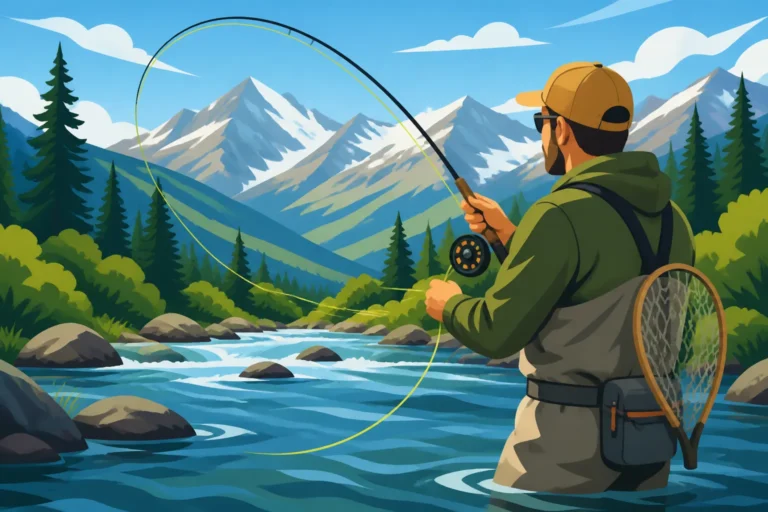
Guided Walk-Wade Trips on Colorado Rivers are often the choice for those who want a more intimate connection with the water. On a walk-wade trip, you and your guide will typically hike into specific sections of the river, focusing on prime fishing holes, riffles, and runs. This approach allows for a slower pace, giving you ample time to dissect a particular stretch of water, practice specific casting techniques, and really focus on reading the currents. Walk-wade trips can be ideal for accessing smaller, more tucked-away sections of the Rio Grande that might not be reachable by boat. They're also fantastic for anglers who enjoy the physical activity of exploring the river on foot. You might spend hours working a single bend, meticulously targeting fish you can see, or covering several distinct spots by moving up or downstream.
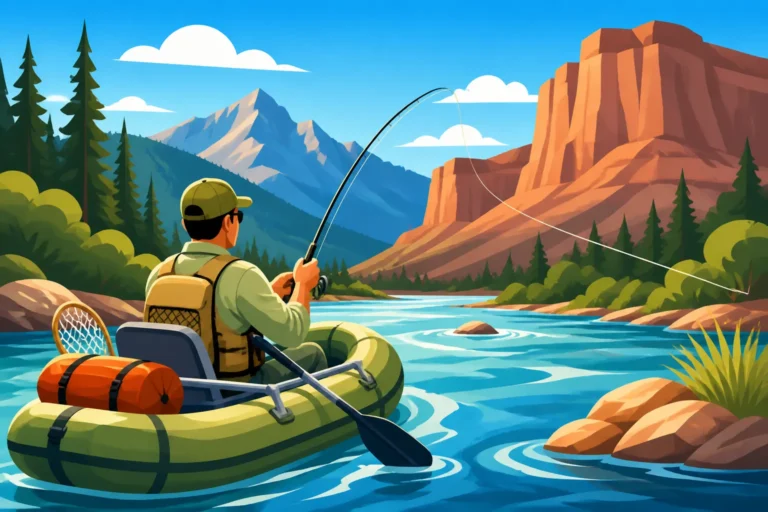
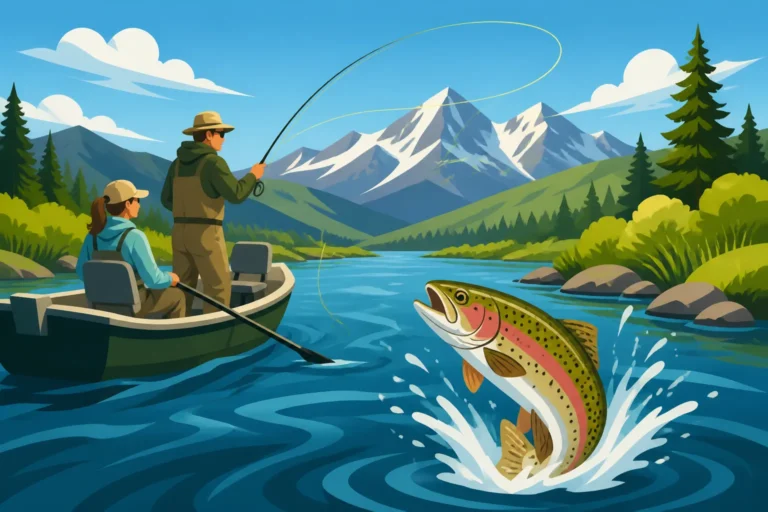
On the other hand, Guided Float Trips on Colorado Rivers offer the chance to cover significantly more water, often accessing stretches that are otherwise difficult or impossible to reach from the bank. Your guide will navigate a drift boat or raft, allowing you to cast from a stable platform as you glide downstream. This can be particularly advantageous on larger sections of the Rio Grande, where covering distance reveals new opportunities around every bend. Float trips are generally less physically demanding than walk-wade trips, making them a great option for anglers who might have mobility concerns or simply prefer a more relaxed approach. You get to see more of the stunning San Luis Valley scenery, and the constant change of scenery can keep the fishing exciting. Many guides alternate between floating and stopping to wade prime sections, offering a best-of-both-worlds experience.
| Feature | Walk-Wade Trip | Float Trip |
|---|---|---|
| Pace | Slower, focused on specific spots | Faster, covers more water |
| Access | Foot access, smaller, more remote sections | Boat access, covers long, inaccessible stretches |
| Physicality | More physically demanding (hiking, wading) | Less physically demanding (casting from boat) |
| Learning | Deep dive into specific water reading & casting | Broader overview of river features & techniques |
| Comfort | Dependent on wading conditions | More comfortable, stable casting platform |
| Best For | Intimate experience, selective fish, physical anglers | Covering distance, seeing more, less strenuous fishing |
Half-Day vs. Full-Day Adventures
Once you've decided on your mode of transport, you'll need to consider the duration of your trip. Most outfitters on the Rio Grande offer both half-day and full-day guided excursions, each suited for different preferences and goals.
A half-day trip, typically lasting around four hours, is a fantastic option for several types of anglers. If you're a beginner, it's a perfect introduction to guided fishing without committing to an entire day on the water. It allows you to get a feel for the rhythm of guided trips, learn some basic techniques, and experience the thrill of catching fish without getting fatigued. It's also ideal for those with limited time, perhaps fitting it into a packed vacation schedule, or for families with younger children who might have shorter attention spans. Guides on half-day trips are efficient, taking you directly to productive water and focusing on fundamental skills. While you might not explore as much river mileage, you'll still get a concentrated dose of quality fishing. What a Half-Day Colorado Guided Fishing Trip Costs will generally be significantly less than a full-day option.
For a truly immersive experience, a full-day trip, usually lasting 7-8 hours, is the way to go. This extended time allows you and your guide to explore diverse sections of the Rio Grande, adapting to changing conditions and potentially targeting different species or fishing methods throughout the day. With more time, your guide can delve deeper into advanced techniques, provide more comprehensive instruction, and help you understand the river's ecosystem in greater detail. Full-day trips often include a delicious streamside lunch, providing a well-deserved break and a chance to reflect on the morning's successes. If you're an experienced angler looking to refine your skills, or if you simply want to maximize your chances of a truly epic day on the water, a full-day adventure offers the most comprehensive and rewarding experience. Naturally, What a Full-Day Colorado Guided Fishing Trip Costs more due to the extended time, resources, and expert instruction.
Special Focus Trips (e.g., beginner, photography, specific techniques)
Beyond the standard walk-wade or float, half-day or full-day options, many guides and outfitters operating on the Rio Grande offer specialized trips designed to cater to unique interests or skill levels. These can truly enhance your experience, ensuring it's tailored precisely to what you're hoping to achieve.
For instance, if you're completely new to fishing, or fly fishing specifically, look for Guided Trips for Beginners in Colorado. These trips focus heavily on instruction, breaking down casting mechanics, knot tying, and basic river etiquette in a supportive, patient environment. The goal isn't just to catch fish, but to equip you with the foundational skills and confidence to continue your angling journey. Guides on these trips are often chosen for their teaching abilities and patience, ensuring a positive first experience on the water.
Other guides might offer photography-focused trips, perfect for those who want to capture stunning images of the San Luis Valley's landscapes and the fish they catch. The guide will be mindful of lighting, angles, and helping you properly handle fish for that perfect shot before release. Some trips might even concentrate on specific techniques, like streamer fishing for large brown trout during the fall, or nymphing the deeper runs during colder months. These are ideal for more experienced anglers looking to hone a particular skill or target a specific trophy. Family-friendly trips are also popular, with guides skilled in engaging younger anglers and ensuring everyone has a fun, safe day on the water. Always ask an outfitter if they have special programs or trips if you have a unique interest in mind.
What to Expect from Your Rio Grande Guide
Booking a guided trip means entrusting your fishing experience to a professional. Understanding what your guide will provide, what your responsibilities are, and how the overall logistics work can help manage expectations and ensure a smooth, enjoyable outing on the Rio Grande.
Gear, Flies, and Licensing Logistics
One of the most appealing aspects of a guided trip, especially for travelers or newcomers, is the convenience of gear. Most reputable guides and outfitters on the Rio Grande will provide all the necessary fishing equipment. This typically includes high-quality rods and reels (often fly rods, but spin fishing gear can also be arranged if preferred), waders, and wading boots. This is a huge benefit, as it means you don't have to pack bulky waders or worry about bringing your entire fly box on a plane. They'll also supply all the flies, leaders, and tippet you'll need for the day, carefully selected based on the current hatches and river conditions.
However, there's one crucial piece of paperwork that remains your responsibility: your Colorado fishing license. You absolutely need to have a valid Colorado Fishing License Guide for Residents and Nonresidents before you step into the river with your guide. Your guide can't provide one for you, and fishing without it can result in significant fines. Make sure to purchase your license well in advance of your trip. While the guide will ensure you have all the necessary gear for fishing, it's always a good idea to confirm what's included when you book. Often, items like sunscreen, sunglasses, a hat, and appropriate layers of clothing are things you'll want to bring yourself, as the weather in the San Luis Valley can change rapidly. Remember, a guide provides the tools and expertise, but the legalities of fishing are ultimately yours. If you're unsure, double check Do You Need Your Own License for a Guided Trip in Colorado? well before your trip date.
Understanding the Cost Structure
The cost of a guided fishing trip on the Rio Grande can vary quite a bit, depending on a handful of factors. As we touched on earlier, the duration of the trip is a primary determinant. A half-day trip will naturally be less expensive than a full-day adventure, simply due to the amount of time and resources involved. The number of anglers in your party also plays a role; most guides price their trips per boat or per guide, with an additional charge for a second or third angler. Solo trips can sometimes command a slightly higher per-person rate, as the guide's time is dedicated entirely to one individual.
Beyond the basic trip fee, it’s important to understand what’s typically included. For full-day trips, many guides will provide a streamside lunch, along with snacks and non-alcoholic beverages. On half-day trips, snacks and drinks are usually provided. While the guide will supply all the necessary fishing gear, waders, and flies, personal items like rain gear or extra layers are generally up to you. An often-overlooked but crucial part of the cost structure is gratuity. Tipping your guide is customary and highly encouraged, much like tipping for other service industries. A standard tip often ranges from 15-25% of the trip cost, depending on your satisfaction with the experience. This shows appreciation for their hard work, knowledge, and dedication to ensuring you have a great day. Always clarify with your outfitter what's included and what additional costs, like a potential shuttle fee for float trips, might arise.
Safety, Ethics, and Conservation
When you embark on a guided trip on the Rio Grande, you're not just hiring an expert angler; you're enlisting a steward of the river and a trained professional who prioritizes your safety. Guides are acutely aware of the potential hazards inherent in river environments, from slippery rocks and strong currents to unpredictable weather patterns in the San Luis Valley. They'll provide instruction on safe wading techniques, proper boat etiquette on float trips, and ensure you're aware of any environmental risks. They typically carry first aid kits and are trained in basic wilderness first aid.
Beyond personal safety, a good guide operates with a strong sense of angling ethics and conservation. The Rio Grande is a precious resource, home to wild trout populations and sensitive native species. Guides are passionate about protecting this environment and will instill best practices in you. This includes strict adherence to catch-and-release protocols, particularly for larger trout and all native Colorado River Cutthroat Trout, Where to Find Them when found. They'll teach you proper fish handling techniques to minimize stress on the fish, such as keeping them in the water as much as possible, using barbless hooks, and avoiding excessive handling. This commitment to conservation ensures that the Rio Grande remains a vibrant fishery for generations to come, and participating in a guided trip means contributing to these vital efforts.
Finding and Booking Your Rio Grande Fishing Guide
Deciding to hire a guide is the first step; the next is finding the right one. With a little research and a few key questions, you can secure an expert who will make your Rio Grande fishing dreams a reality.
Researching Local Outfitters and Guides
The San Luis Valley isn't short on stunning scenery, but finding the right guide to navigate its fishing opportunities requires a bit of homework. Your goal is to find an experienced professional who knows the Rio Grande intimately and whose guiding style matches your expectations. Start by looking into local fly shops in towns near the Rio Grande, such as South Fork or Creede. These shops often operate their own guide services or can recommend independent guides with whom they have a close working relationship. They are deeply embedded in the local fishing community and can offer invaluable insights.
When researching, look for guides who specifically mention their experience on the Rio Grande and the San Luis Valley. A guide who primarily works on, say, the Fryingpan River, might be an excellent angler, but the Rio Grande presents unique challenges and opportunities that require localized expertise. Pay attention to reviews and testimonials from previous clients. Do they highlight patience, instructional abilities, or a knack for putting people on fish? A great guide isn't just about fish counts; it's about the overall experience, from their personality to their teaching style. Don't hesitate to contact a few different outfitters or guides to get a feel for their operations and ensure a good fit.
Using Online Platforms like FishingBooker
In today's digital age, online booking platforms have made it easier than ever to connect with guides and outfitters. Services like FishingBooker, for instance, consolidate information from numerous independent guides and established outfitters, allowing you to browse options for the Rio Grande in the San Luis Valley from the comfort of your home. These platforms often provide detailed profiles for each guide, showcasing their experience, specialties (like fly fishing vs. spin fishing), and even photos of their past trips.
The benefit of using such a platform is the ability to compare multiple guides side-by-side, check their availability, and often read verified customer reviews. This transparency can be incredibly helpful in making an informed decision. You can filter by trip type, duration, and even target species, narrowing down your choices to find a guide that perfectly matches your preferences for a Rio Grande adventure. While Booking a Colorado Fishing Guide Online through these platforms offers convenience, it's still a good practice to follow up with a phone call or email to the guide directly after booking to confirm details and introduce yourself.
Key Questions to Ask Before Booking
Before you finalize your booking for a Rio Grande guided trip, arm yourself with a few key questions. This not only ensures clarity but also helps you gauge the guide's professionalism and suitability for your specific needs.
First, always ask about the guide's specific experience on the Rio Grande. How long have they been guiding this particular river? Do they primarily guide certain sections of it? This local knowledge is paramount. Next, clarify exactly what's included in the trip cost. Does it cover lunch, snacks, drinks, flies, and all necessary gear? Knowing this upfront prevents any surprises on the day of your trip. Also, inquire about the guide's cancellation policy. Cancellation Policies for Colorado Guided Trips can vary significantly between outfitters, so understanding their rules regarding weather, emergencies, or personal changes is important.
If you have specific goals for the day – whether it's learning a new technique, targeting a particular species, or simply getting away from the crowds – communicate these upfront. Ask how the guide typically structures their day to achieve these goals. For float trips, confirm the maximum number of anglers per boat and the guide-to-angler ratio. If you're traveling with family or a group, this is crucial. Finally, don't be shy about asking for references or checking recent online reviews if you haven't already. A professional guide will be happy to provide this information. The more questions you ask, the more confident you'll feel that you've chosen the perfect guide for your Rio Grande fishing experience.
Disclaimer
This article is for general informational purposes only and does not constitute professional advice. Laws, prices and regulations vary by location and change over time. Consult a qualified professional for guidance on your specific situation.