Guided Trips on the Yampa Near Steamboat Springs
The Yampa River near Steamboat Springs, Colorado, is an absolute gem for anglers, but trying to navigate its unique flows, diverse fish populations, and access points on your own, especially as a visitor, can feel like trying to solve a puzzle without all the pieces. It’s easy to get overwhelmed and miss out on the incredible fishing opportunities. This guide is here to help you understand how a guided fishing trip on the Yampa can transform your experience, providing you with local expertise, the right gear, and a deeper appreciation for this spectacular Colorado waterway.
Why the Yampa River Near Steamboat Springs is a Premier Fishing Destination
The Yampa River, particularly as it winds through and around Steamboat Springs, isn't just another pretty stream; it's a living, breathing ecosystem that offers some truly special fishing. Many anglers are drawn to Colorado for its famous tailwaters, but the Yampa provides a different, often more wild, experience that shouldn't be overlooked. Its character changes from freestone flows in the upper reaches to meandering sections through town, each offering distinct opportunities and challenges.
Unique Ecology and Wild Trout Populations
What makes the Yampa so special is its status as one of Colorado's last major free-flowing rivers, meaning it doesn't have large dams significantly altering its natural flow downstream of Steamboat. This allows for a more natural hydrology, which in turn supports robust populations of wild trout. You're not just casting to hatchery fish here; you're engaging with native and wild-spawned fish that have adapted to their environment. The river is renowned for its strong populations of brown trout, which can grow to impressive sizes, offering a thrilling challenge for fly anglers. You’ll also find rainbow trout, and in some of the quieter pockets, even brook trout. It’s a diverse fishery that truly reflects the health of the river.
The wild nature of the Yampa means the fish can be more discerning, requiring precise presentations and understanding of their feeding habits. This is where a guide truly shines, knowing the subtle changes in water temperature, insect hatches, and fish behavior that only years of experience can teach. They can help you identify prime holding water and choose the right patterns to entice these wary fish.
Beyond Trout: Other Species You Might Encounter
While trout are undoubtedly the main attraction on the Yampa, they aren't the only finned residents. Depending on the time of year and the section of river you're fishing, you might also encounter other species that add an exciting dimension to your trip. Mountain whitefish, a native species, are quite common and can offer excellent sport on a fly rod, especially when trout are being finicky. They share similar diets with trout and are often found in the same runs and riffles.
In some of the slower, warmer sections, particularly further downstream from Steamboat, you could even tie into smallmouth bass. While not as prevalent as trout in the immediate Steamboat area, their presence speaks to the diverse nature of the Yampa's ecosystem. A guided trip can introduce you to these varied opportunities, allowing you to diversify your angling experience and learn about the full spectrum of the river's inhabitants. Understanding the nuances of where and when to target these different species is part of the local knowledge a good guide brings to the table.
Seasonal Challenges and Opportunities
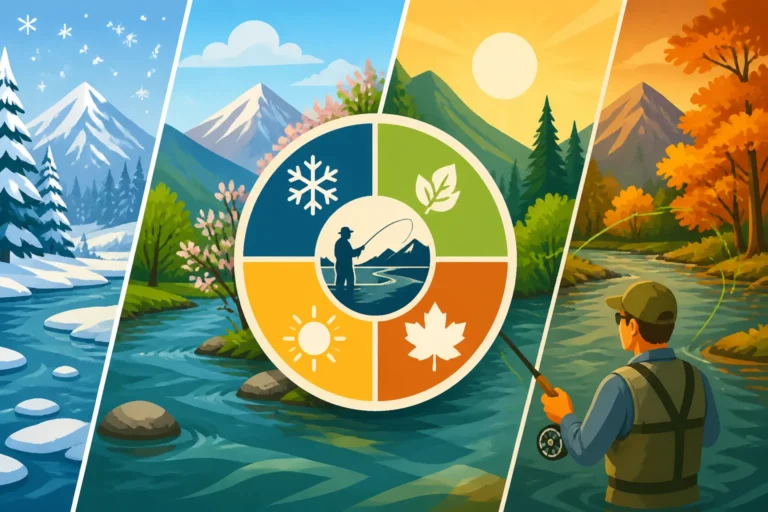
The Yampa River, like all freestone rivers in Colorado, is heavily influenced by the seasons. Each season presents its own set of challenges and unique opportunities for anglers. Spring brings the excitement of post-winter thaws and the potential for early hatches, but it quickly transitions into runoff, where the river swells with snowmelt, turning turbid and powerful. When Colorado's Spring Runoff Hits and How to Fish Around It is a critical read if you plan on fishing during this period. Many sections become unfishable or require specialized techniques.
Summer often sees the river settle into a beautiful flow, with abundant insect activity and great dry fly fishing, especially during the prolific caddis and stonefly hatches. Fall is a favorite for many, as the air cools, the leaves turn golden, and brown trout become aggressive as they prepare for their spawning rituals. Even winter offers opportunities for hardy anglers, with clear, cold water and hungry trout. Knowing which sections fish best in which conditions, and what techniques to employ, is a guide's bread and butter. They'll ensure you're in the right place at the right time, maximizing your chances for success, whether you're looking for a Best Month for Dry Fly Fishing in Colorado experience or a chilly but rewarding winter day.
What to Expect from a Guided Trip on the Yampa
Hiring a guide for your Yampa River adventure isn't just about catching fish; it's about gaining an immersive experience, learning new skills, and unlocking the river's secrets. Many anglers, myself included, have found that a guided trip, especially on a new or challenging river, saves countless hours of trial and error and significantly increases enjoyment. It's an investment in your fishing education and enjoyment.
Float Trips vs. Walk-Wade Adventures
One of the first decisions you'll make when booking a guided trip on the Yampa is whether you want a float trip or a walk-wade trip. Both offer distinct advantages and experiences, and the best choice often depends on your physical abilities, fishing preferences, and the current river conditions.
-
Float Trips: On a float trip, you'll be in a drift boat or raft, expertly maneuvered by your guide, covering many miles of river in a day. This allows access to stretches of water that are difficult or impossible to reach by foot, often including private sections where public access is limited. You'll cast from the boat, targeting prime holding lies as you drift downstream. Float trips are fantastic for covering a lot of water, seeing diverse sections of the river, and are often less physically demanding than wading. They're particularly popular during higher flows or when you want to explore further afield.
-
Walk-Wade Trips: A walk-wade trip focuses on specific sections of the river that are accessible on foot. Your guide will drive you to prime access points, and you'll spend your time wading the river, often focusing on a few select runs, riffles, and pools. This method allows for a more intimate connection with the water, giving you time to dissect particular features and refine your casting and presentation in varied water types. Walk-wade trips are usually more physically demanding but offer a closer, more detailed fishing experience. They are excellent for learning precise techniques like Nymphing Techniques for Colorado Tailwaters or advanced dry fly presentations.
Gear, Flies, and Expertise Provided
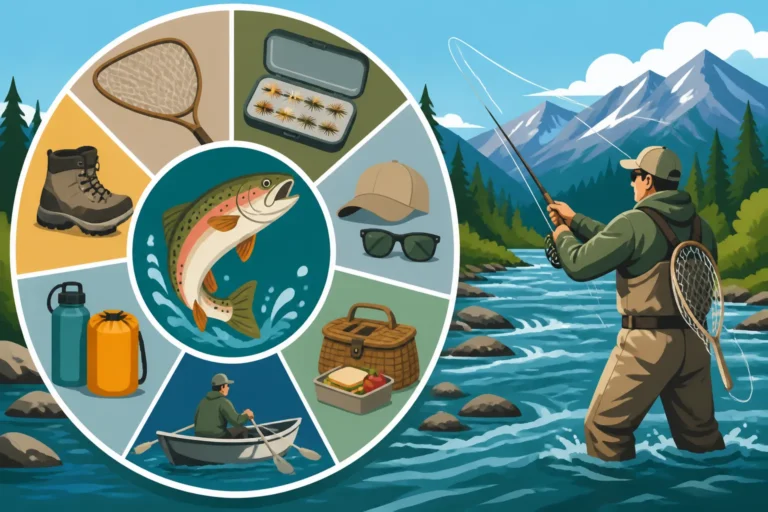
The beauty of a guided trip is that most of the heavy lifting, gear-wise, is taken care of. You won't have to worry about whether you packed the right fly box, if your waders have a leak, or if your rod is too stiff for the delicate presentations required. Most reputable Yampa River outfitters provide high-quality rods, reels, waders, boots, and, critically, all the necessary flies or lures. This is a huge relief, especially for those traveling from out of state or new to the sport.
Beyond the physical gear, what you're truly paying for is the guide's expertise. They spend hundreds of days a year on the river, understanding its moods, its hatches, and where the fish are hiding. They'll teach you how to read the water, identify feeding lanes, and present your fly or lure effectively. They'll share insights into Reading Water on a Colorado Freestone River, explaining why certain spots hold fish and how to approach them without spooking your target. It's like having a private professor for a day, condensed into an incredible fishing adventure.
Learning and Improving Your Skills
Perhaps the most enduring benefit of a guided trip is the opportunity for growth as an angler. A good guide isn't just there to put you on fish; they're passionate about teaching. Whether you're a complete novice picking up a fly rod for the first time or an experienced angler looking to refine specific techniques, a guided trip offers personalized instruction.
Your guide can help you with casting mechanics, mend a line more effectively, tie new knots, or understand the subtle nuances of Matching the Hatch on Colorado's Tailwaters (even though the Yampa is a freestone, the principles of entomology are universal). They'll provide immediate feedback, helping you correct mistakes in real-time. I've heard countless stories, and experienced it myself, where a single day with a great guide has advanced an angler's skills more than months of fishing solo. It accelerates your learning curve dramatically, giving you the confidence and knowledge to tackle new waters on your own in the future.
Choosing the Right Guide or Outfitter for Your Yampa Adventure
Deciding to book a guided trip is one thing; finding the right guide for your adventure is another. The Yampa River, especially around a destination town like Steamboat Springs, has many talented guides, but they all have slightly different styles, specializations, and availability. Taking the time to do your homework ensures you get the experience you're hoping for.
Researching Local Outfitters and Guides
Start by looking into the local fly shops and outfitting companies in Steamboat Springs. These businesses often have a roster of experienced guides who know the Yampa River intimately. Check their websites for information on their services, what kind of trips they offer (full-day, half-day, float, wade), and what's included. Reading reviews online can give you a sense of other clients' experiences, highlighting guides who are particularly good teachers or have a reputation for finding fish.
Platforms like FishingBooker can also be incredibly helpful here. They list many guides and charter services, often with detailed profiles, customer reviews, and transparent pricing. This can make comparing options much easier than sifting through individual outfitter websites. You might find guides who specialize in Guided Trips for Beginners in Colorado if you're just starting, or those who cater to more experienced anglers looking for a trophy brown. Don't hesitate to reach out to a few different outfitters or guides to get a feel for their communication style and to discuss your expectations for the trip.
Questions to Ask Before Booking
Once you've narrowed down your choices, prepare a list of questions. This isn't just about getting information; it's also about gauging the guide's personality and ensuring they're a good fit for you. Some key questions might include:
- What's included in the trip? Confirm whether waders, boots, rods, reels, flies, lunch, and drinks are provided.
- What species do you typically target on the Yampa? While the answer will likely be trout, it's good to confirm if they focus on specific techniques or sections of the river.
- What is your guiding philosophy? Some guides are more focused on numbers of fish, others on teaching and the overall experience. Understanding this alignment can make a big difference.
- What happens if the weather is bad or river conditions are unfavorable? Ask about their cancellation or rescheduling policy. Rivers can be unpredictable, and it's good to know what to expect.
- Do you have photos or references from past clients? While not always necessary, it can provide an extra layer of confidence.
Asking these questions helps clarify expectations and ensures there are no surprises on the day of your trip. It's all about finding a good match for your specific fishing goals.
Understanding Pricing and Inclusions
Guided fishing trips in Colorado come with a range of prices, which can vary based on duration (half-day vs. full-day), type of trip (float vs. wade), and the outfitter's reputation. It’s crucial to understand exactly what that cost covers. Generally, guided trips will include the guide's services, all necessary fishing gear, and sometimes lunch and non-alcoholic beverages.
However, there are a few things that are almost universally not included: your Colorado fishing license, your Habitat Stamp, and the guide's gratuity. The license and stamp are legal requirements, and you'll need to purchase these yourself prior to your trip. Colorado Fishing License Costs Explained and Colorado's Habitat Stamp, Explained will provide more detail on these requirements. Tipping your guide is customary and highly appreciated, reflecting their hard work and expertise. We'll dive into tipping etiquette a bit more later, but it’s important to factor these additional costs into your budget from the start. A good outfitter, or a platform like FishingBooker, will often make these exclusions clear upfront so you can plan accordingly.
| Trip Type | Coverage | Physical Demand | Experience Level | Pros | Cons |
|---|---|---|---|---|---|
| Float Trip | Many miles of river | Low to Moderate | All levels | Covers vast water, accesses remote spots, less walking | Less intimate water focus, sometimes harder to teach casting |
| Walk-Wade | Specific sections | Moderate to High | All levels | Intimate water focus, hands-on learning, great for technique | More physically demanding, covers less water |
Preparing for Your Yampa River Guided Trip
Once you've booked your guided trip on the Yampa, a little preparation goes a long way in ensuring you have a comfortable and successful day on the water. It’s not just about what gear you bring; it’s about understanding the practical requirements and how to best prepare yourself for a full day of Colorado fishing.
Essential Personal Gear and Apparel
While your guide will provide most of the fishing tackle, there are some personal items you absolutely need to bring for your own comfort and safety. Colorado weather, especially in the mountains around Steamboat Springs, can change rapidly, so dressing in layers is key.
- Sun Protection: Even on cloudy days, the high altitude means intense UV rays. Bring a wide-brimmed hat, polarized sunglasses (essential for seeing fish), and plenty of sunscreen.
- Layered Clothing: Start with a moisture-wicking base layer, add a fleece or wool mid-layer for warmth, and top it off with a waterproof and windproof outer shell. Even in summer, evenings can be cool, and rain showers are common.
- Socks: Good quality wool or synthetic socks will make a huge difference in keeping your feet comfortable, especially when wading. Avoid cotton.
- Camera: You'll want to capture the memories and the beautiful scenery, so don't forget your camera or phone.
- Water Bottle/Snacks: While some guides provide lunch, always bring extra water and snacks to keep your energy up throughout the day.
- Rain Gear: A lightweight, packable rain jacket and pants are non-negotiable. Don't let a sudden shower cut your day short.
- Warm Hat/Gloves: Even in summer, a warm hat and gloves can be a lifesaver on a chilly morning or evening, particularly on a float trip where you're not moving around as much.
Remember, your comfort directly impacts your enjoyment. Be prepared for any weather conditions the Yampa might throw your way.
Colorado Fishing License and Habitat Stamp Requirements
This is absolutely critical: you must have a valid Colorado fishing license and a Colorado Habitat Stamp before you step foot in the water or cast a line. Your guide cannot provide this for you, and fishing without one can lead to hefty fines and a ruined day. Colorado Parks and Wildlife (CPW) wardens do patrol the Yampa River, especially during peak seasons, and they will check for licenses.
You can purchase your license easily online at CPWShop.com, by phone, or in person at various vendors around Colorado, including many sporting goods stores in Steamboat Springs. Make sure to purchase the correct license type for your residency and the duration of your trip. If you're 18-64 years old, you'll also need the Habitat Stamp. While seniors and veterans have some exemptions, most adult anglers will need both. For full details, check out Colorado Fishing Licenses for Seniors and Veterans or Colorado Fishing License Guide for Residents and Nonresidents. Don't wait until the last minute; get your license squared away well in advance. Having a digital copy on your phone or a printed copy readily accessible is a good practice.
Tipping Etiquette and Appreciation
Tipping your fishing guide is standard practice in the industry and a crucial part of their income. It's a way to show your appreciation for their hard work, knowledge, and dedication to making your day enjoyable and successful. A general guideline is to tip between 15-25% of the trip's total cost, depending on your satisfaction.
If your guide went above and beyond, shared invaluable knowledge, worked tirelessly to put you on fish, or made the day exceptionally fun despite challenging conditions, consider tipping towards the higher end of that range. Conversely, if you felt the service was adequate but not exceptional, a tip closer to 15% is appropriate. Always provide the tip in cash, if possible, at the end of the trip directly to your guide. This gesture is not just about the money; it’s a direct thank you for their efforts. Guides truly appreciate it when clients acknowledge the long hours, physical demands, and extensive preparation that goes into each trip. For more guidance, see Tipping a Colorado Fishing Guide, What's Standard.
Maximizing Your Experience on the Yampa River
A guided trip on the Yampa is more than just a fishing excursion; it's an opportunity to immerse yourself in nature, learn from an expert, and create lasting memories. To truly get the most out of your investment, it helps to go in with the right mindset and a willingness to engage fully with the experience.
Embracing the Learning Curve
One of the biggest benefits of a guided trip, as mentioned, is the educational aspect. Don't be afraid to ask questions, no matter how basic they might seem. Your guide is there to teach you, and they'll appreciate your curiosity. Want to know why Colorado's 14-Inch Trout Length Rule applies in certain areas? Ask! Curious about how to read that tricky current? Inquire! Every question is a chance to deepen your understanding of the river and the art of fishing.
Be open to trying new techniques or flies, even if they're outside your comfort zone. Your guide has a wealth of experience on the Yampa and knows what works best in different conditions. They might suggest a specific casting adjustment, a different retrieve, or a type of fly you've never used. Embrace these suggestions; they are tailored to help you succeed on that river, that day. Even experienced anglers can pick up new tricks and refine old habits. The learning never stops on the water, and a guide is an excellent mentor.
Respecting the Resource and Practicing Catch-and-Release
The Yampa River is a precious natural resource, and many of its wild trout populations thrive due to responsible angling practices. While you might keep a fish or two for a meal if regulations allow, many anglers on the Yampa, especially those targeting wild trout, practice catch-and-release. Your guide will be an expert in proper fish handling techniques to ensure the fish's survival.
Learn how to quickly and gently land a fish, keep it in the water as much as possible for photos, and use barbless hooks (which are often required on many of Colorado's Gold Medal Waters and preferred by guides for easy, safe release). Always wet your hands before touching a fish to protect its slime coat, and revive it carefully before letting it swim away strong. This commitment to conservation ensures that the Yampa River remains a vibrant fishery for generations to come. Your guide will lead by example, and it’s a great opportunity to reinforce ethical angling practices. Catch-and-Release Rules on Colorado's Cutthroat Waters might not apply directly to the Yampa, but the principles of careful handling are universal.
Exploring Beyond Your Guided Trip
Your guided trip on the Yampa River can be the highlight of your visit to Steamboat Springs, but it doesn't have to be the end of your fishing adventures. Use the knowledge and confidence you gained to explore other local fishing opportunities. You might visit Fishing the Yampa River in Steamboat Springs City Park, which offers surprisingly good public access and opportunities, especially for families. Or, perhaps you feel confident enough to try out some of the smaller tributaries or even head up into the high country lakes if you have the time.
Your guide might even offer suggestions for other accessible areas or different techniques you could try on your own. Remember that a guided trip is a fantastic starting point, an educational launchpad. Colorado has an incredible diversity of waters, and your Yampa River experience will equip you with valuable skills to explore them further. Just make sure to always check the most current Colorado Fishing Regulations Every Angler Should Know for any new water you decide to fish independently.
Disclaimer
This article is for general informational purposes only and does not constitute professional advice. Laws, prices and regulations vary by location and change over time. Consult a qualified professional for guidance on your specific situation.